Ultherapy Consultation: What to Check Beyond Shot Count
During an Ultherapy consultation, shot count is only part of the plan. Here's what to check: device and tip, treatment area, sessions and intervals, pricing units, pain variability, recovery, and how progress is assessed.
Written by ATTITUDE Clinic Editorial Team
Once you book an Ultherapy consultation, the first question that comes to mind is usually "How many shots do I need?" You wonder whether 300 shots will be enough, whether you need 600, and why clinics quote different prices for the same shot count. This article walks through the factors behind the shot count that actually shape results—the layer the heat reaches and the area design, the device and tip, the number of sessions and intervals, how to read costs, and the signs to watch during recovery.
The Bottom Line First
Shot count is a number that follows once the plan is set. Which layer the sagging comes from, which parts of the face to cover and how far, and what the skin thickness and sensitivity are like—these are decided first, and shot allocation comes after. At a consultation, it's better to look at the shot count together with the device and tip used, the treatment area, sessions and intervals, whether VAT is included in the cost, and when progress will be checked. According to the American Academy of Dermatology (AAD), you should ask about expected results, risks, alternatives, the number of sessions and time required, recovery and return to daily life, preparation and aftercare, and cost at a cosmetic consultation (AAD questions to ask). A single shot count alone makes it hard to judge suitability or results.
What Gets Decided Before Shot Count?
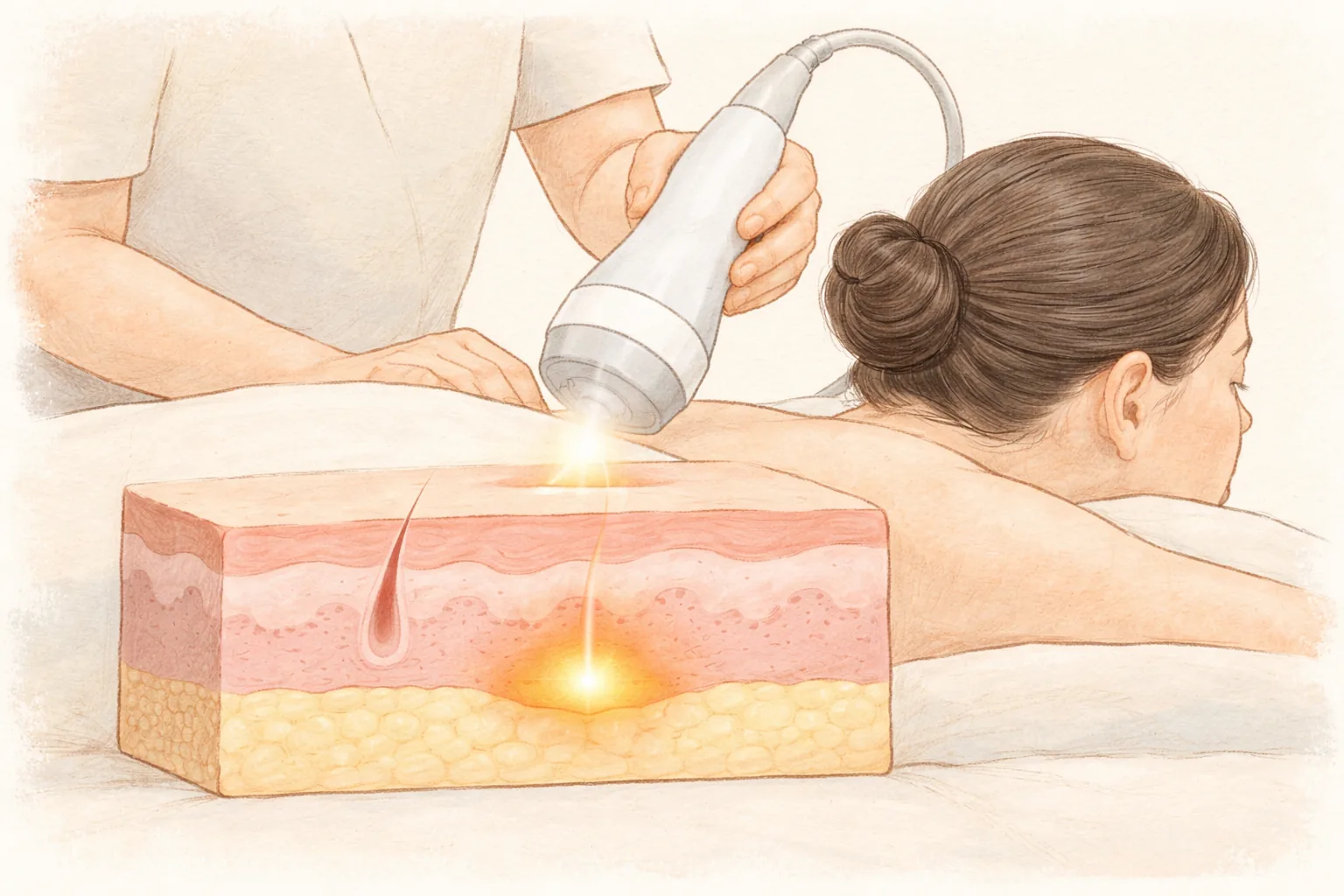
Ultherapy uses high-intensity focused ultrasound (HIFU, a principle that focuses ultrasound energy onto a single point and converts it to heat). Think of it like using a magnifying glass to concentrate sunlight on one spot—it creates small thermal points at a depth set by each cartridge, and that heat is thought to slightly contract collagen (the protein that gives skin its firm support) and gradually begin remodeling it. The ATTITUDE Clinic column explains the principles of the two families in this way (Ultherapy·Shurink vs Thermage: Same Lifting, Different Principles?).
So what gets decided first at a consultation is at what depth, in which area, and how densely the heat will be delivered. Whether you want to focus on deeply sagging areas like the jawline or cover broadly across the cheeks and neck changes the area that needs to be covered, and the shot count follows after that. Even with the same 300 shots, whether they are divided between the forehead and eye area or concentrated on the mid-face changes the actual area covered.
There is a common misconception here: the idea that "more shots means better results." But shot count only refers to the number of energy deliveries—it doesn't tell you how accurately the energy reached which layer. Energy level, delivery depth, and distribution by area all need to align for the planned coverage to be achieved.
How Do Ultherapy·Shurink and Thermage Differ Inside the Skin?
Though grouped under the same name "lifting," the ultrasound family and the radiofrequency family handle heat differently. Ultherapy and Shurink are in the HIFU family, creating small thermal points from the dermis down to the SMAS (the thin layer that supports facial muscles and skin) at set depths, while Thermage uses radiofrequency (RF, a method where electrical energy passes through tissue and converts to heat) to warm broadly from the dermis down to the subcutaneous fat layer. It's easy to understand as the difference between digging deep into one point versus evenly warming a broad area.
The concerns they suit also diverge. For locally sagging areas like the jawline or eye area, the ultrasound family may be relatively better suited; for broadly reduced elasticity from cheeks to neck, the radiofrequency family may be more appropriate. When sagging is both deep and broad, the two families may be designed in combination, and whether to do them on the same day or with an interval depends on skin condition.
The experience over time also differs. Thermage may feel firm immediately after the procedure, some of which is due to swelling; after this subsides, additional changes tend to appear over 2–6 months. Ultherapy·Shurink, on the other hand, is hard to feel much change from immediately, and any changes appear gradually over 2–3 months. Both timelines vary by individual, and the doctor explains while monitoring progress.
Table 1 How Do Ultherapy·Shurink and Thermage Differ Inside the Skin?
Treatment
Energy Method
Layers and Concerns Targeted
What to Check in Consultation
Ultherapy (Ultherapy · Merz)
High-intensity focused ultrasound (HIFU)
Small thermal points from dermis to SMAS at set depths; deep sagging and jawline
Device and tip used, shot count and area distribution, energy level
Shurink (Shurink · Classys)
High-intensity focused ultrasound (HIFU)
Same ultrasound family; differences in reach depth and delivery method
Target areas, pain management method, number of sessions
Thermage FLX (Thermage · Solta)
Radiofrequency (RF)
Broad heating from dermis to subcutaneous fat; broad-area elasticity
Areas and sessions, intervals, whether combining with other treatments
Onda (Onda · DEKA)
Microwave
Lifting that delivers heat via microwaves
Areas and dose (kJ) units, schedule
Swipe sideways to see the whole table.
In short Shot count is a number that follows once the coverage area is decided. First determine the layer and area where sagging occurs, then review the device, energy level, shot distribution, and number of sessions together. For cost, you need to confirm the unit of each item and whether VAT is included to see the actual burden.
When Do Results Appear, and When Do You Evaluate Them?
Non-invasive ultrasound tightening treatments tend to show gradual results. According to AAD materials, with ultrasound delivering heat to deep skin layers to increase collagen production, gentle lifting and tightening typically appear over 2–6 months with a single treatment, and additional treatments may yield better results (AAD approaches to skin firming). This is a general description of the ultrasound family overall.
Evaluating too early makes it easy to miss changes. The firmness or swelling immediately after treatment may be part of the recovery process rather than the result, so it's better to judge at the progress-check point set during consultation. Maintenance duration is influenced by the degree of SMAS elasticity loss, age, usual UV exposure, and lifestyle habits, which affect how fast collagen is built and broken down. The repeat interval is generally set around 1 year, based on progress and the doctor's judgment.
The question "If I don't feel results, did it fail?" also comes up often. When and how much you respond varies with skin type, thickness, and regeneration speed, and judgment is more accurate when compared with prior treatment records (Why do results differ even with the same procedure?).
Why Does Pain Vary from Person to Person?
Even with the same device and same area, pain perception varies widely. The biggest variables are energy level and the number of passes delivered to one area. Cases needing strong energy due to severe sagging and cases using low energy for prevention feel different even for the same procedure. Area also matters. Areas close to bone with dense nerves, like the jawline, cheekbones, forehead, and eye area, are more sensitive, while thicker areas like the cheeks hurt less at the same energy.
The quality of the sensation also differs. The ultrasound family is often described as a "deep, hot" feeling that penetrates in an instant, while the radiofrequency family is described as a "warm, lingering" feeling that heats broadly near the surface. If pain is a concern, rather than enduring it, it's better to mention it at consultation and decide on anesthesia method and energy level adjustment together.
How to Read Costs at a Consultation
When looking at a price list, it's more accurate to look at the unit before the number. The ATTITUDE Clinic price list separates Ultherapy by shot units such as 100 shots, 300 shots, 600 shots, and 900 shots, Thermage FLX by 600 shots and 900 shots, and Onda by kJ units. All amounts are listed VAT excluded (Treatments and Pricing).
The number attached to an item name is just the unit of that item, not a recommended dose for an individual. At consultation, it's better to ask how the estimate changes depending on which areas get how many shots or kJ, how many sessions are planned, and whether other treatments are combined on the same day.
If This Applies to You
If You Have a Wedding or Photo Shoot Date Set
If a date is fixed, it's safer to work backward to schedule the treatment. Treatments that show gradual changes are felt months later rather than immediately after, so at consultation you adjust the timing so that redness and swelling don't overlap with important events. If the date is imminent, you can also consider reducing the scope this time.
If You Want Ongoing Management
Rather than finishing with one session, a flow of checking progress and deciding the next timing suits better. The repeat interval is generally set around 1 year, with the doctor deciding based on skin condition, and daily care like sun protection and moisturizing influences maintenance. Recording the device and shot count or kJ, products and doses, dates, and reactions from previous treatments helps when planning the next one.
If You Have Sensitive or Easily Reddened Skin
How long redness and mild heat linger varies with energy level, so for sensitive skin, discuss intensity adjustment first at consultation. If there is skin inflammation or you are taking certain medications, timing may be adjusted or treatment may not proceed, so it's important to accurately report medical history and medications.
If You Are an International Visitor on a Short Stay
If your stay is short, it's better to set the progress-check schedule in advance. Decide at consultation the reaction on the day of treatment and the next day, and the final check point before departure. Also keep in mind that booking requests and confirmations are different, and confirmation happens after the clinic contacts you (Consultation Booking) so your schedule doesn't get misaligned.
Please tell us before consultation Recent UV exposure or travel plans, medications you are taking and ingredients you apply to your skin (such as retinoids), the device and shot count·dose·date·reactions from previous treatments, events you want to avoid such as weddings or photo shoots, pregnancy status, and any skin inflammation. This information helps adjust intensity and timing.
How ATTITUDE Clinic Proceeds
AI Skin Analysis Record Skin condition is recorded and organized so you and the doctor look at the same information together. The analysis tool only records and organizes information and does not make medical diagnoses; judgment is made by the director.
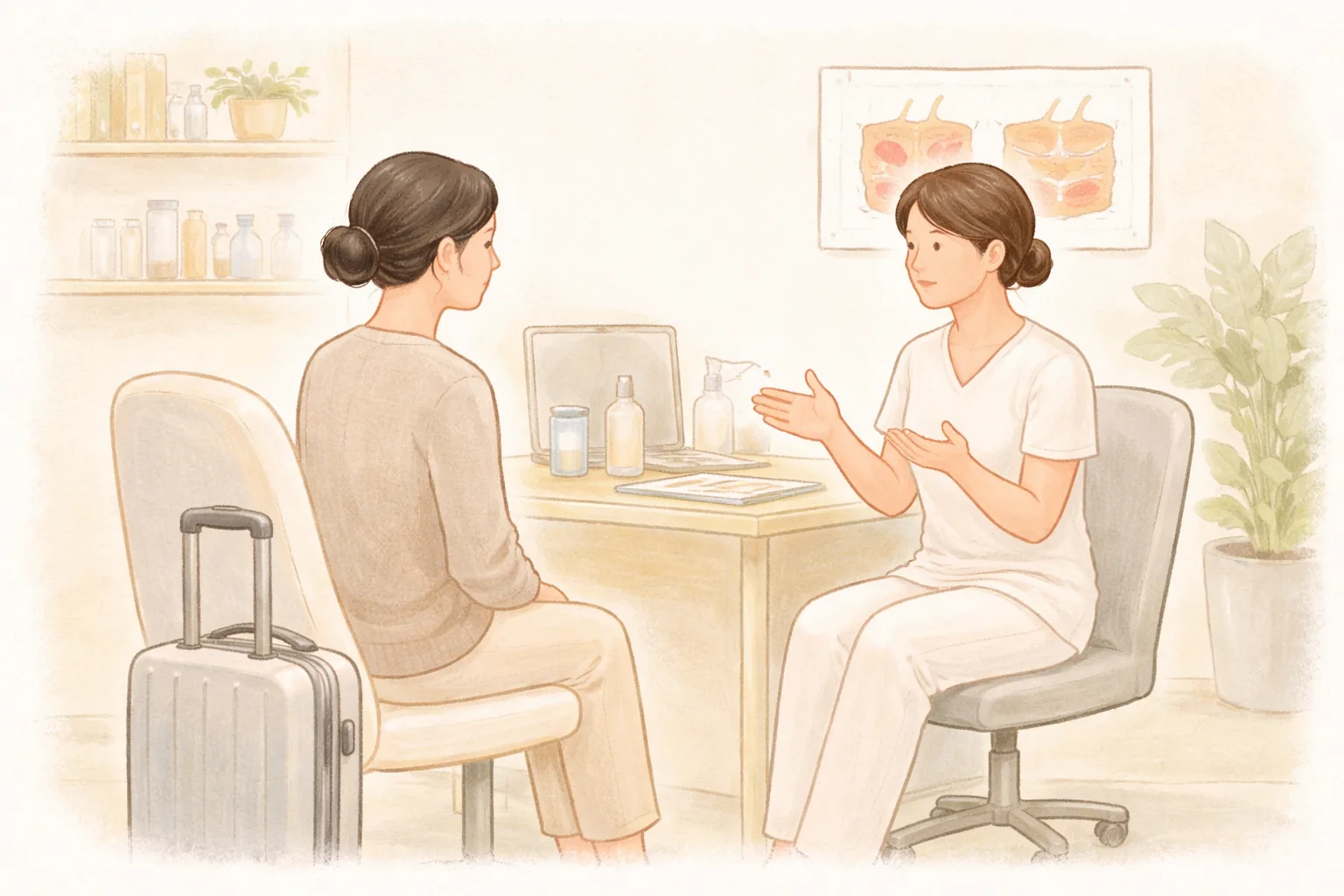
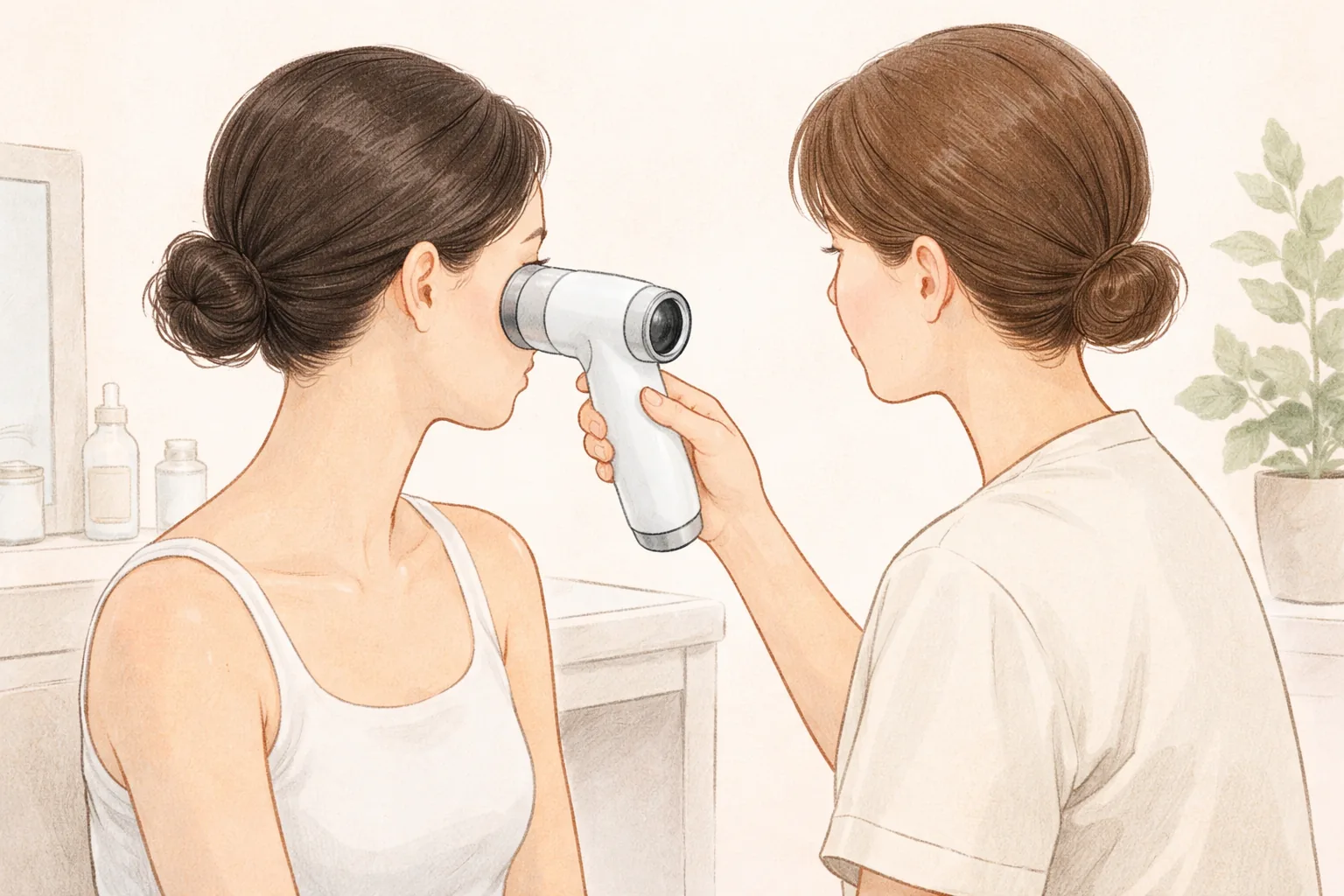
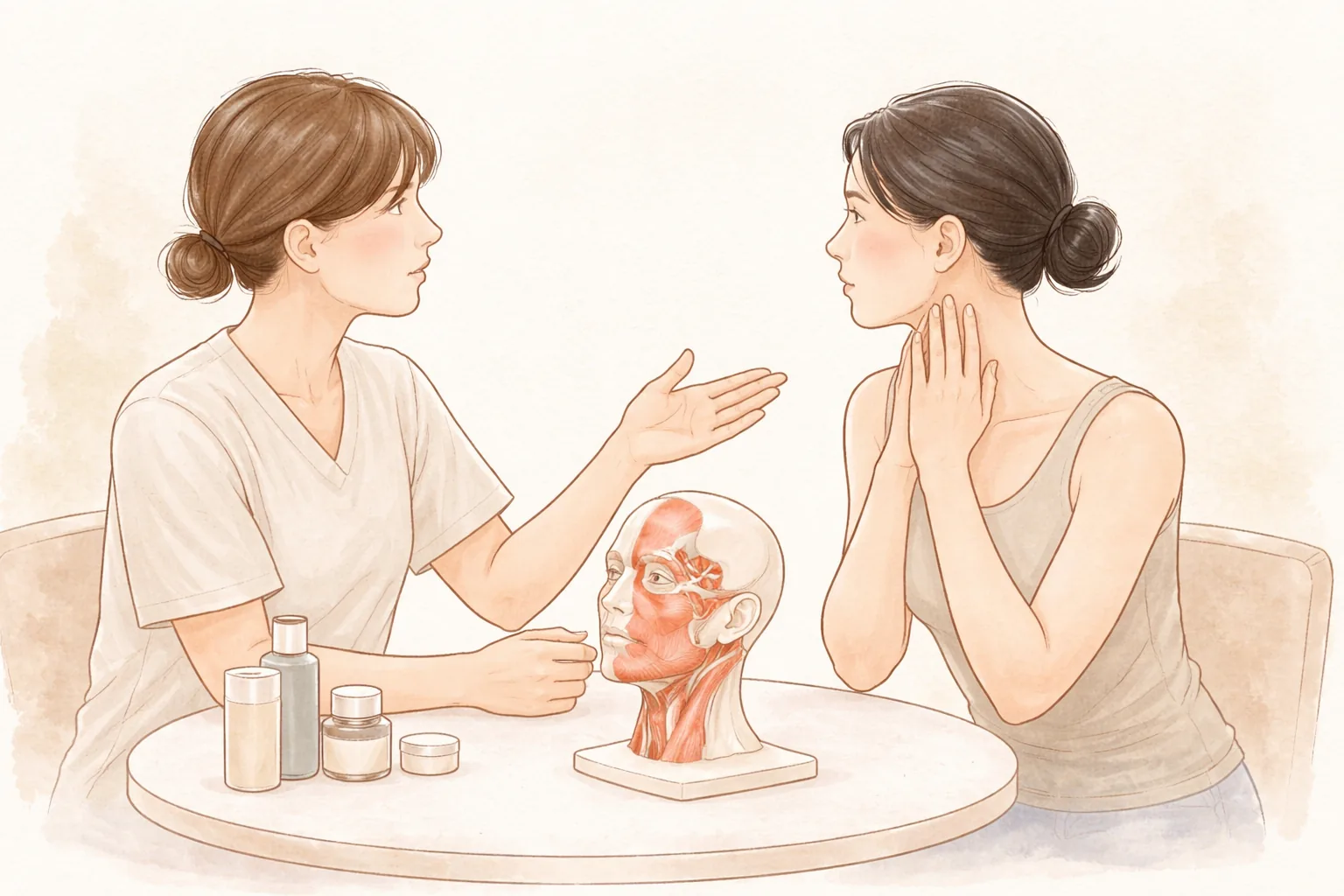
Director Consultation Analysis records are combined with your concerns, lifestyle habits, and prior treatment experience to decide together which device to use in what combination, order, and intensity. The director explains what is needed and what is not, and the shot count or dose is decided at this stage along with the coverage area.
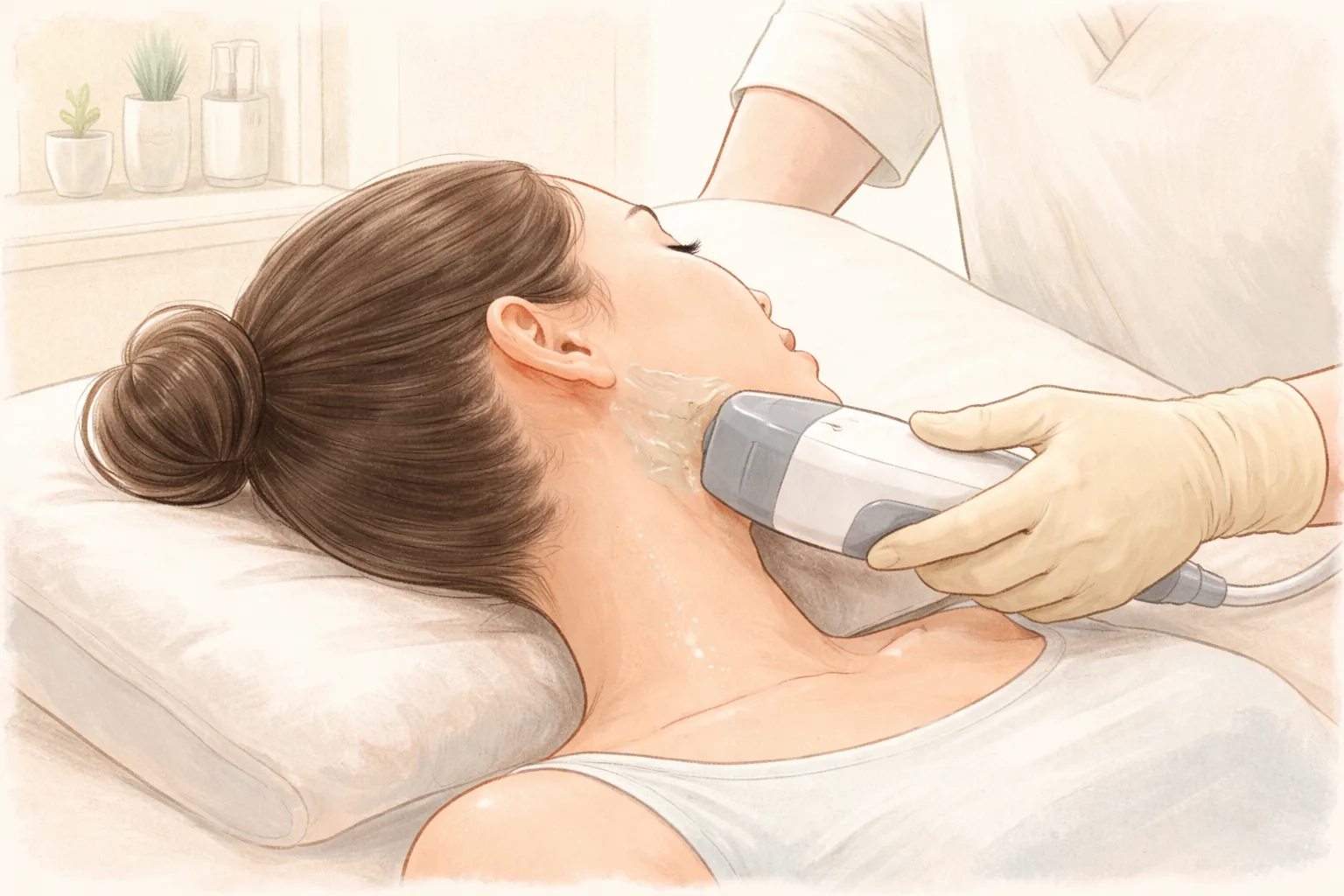
Treatment by the Director The director personally performs the treatment according to the designed plan, adjusting intensity while watching skin reactions during the procedure. This flow ensures the plan set at consultation and the actual treatment do not diverge.
Recovery and Care After treatment, the progress-check point is set together and the next visit timing is guided. If you bring previous treatment records, the director reviews them and reflects them in the next plan.
Devices ATTITUDE Clinic works with on this topic include Ultherapy (Ultherapy · Merz), Shurink (Shurink · Classys), Thermage FLX (Thermage · Solta), and Onda (Onda · DEKA), with prices disclosed by unit and VAT excluded (Treatments and Pricing).
Aftercare and Side Effects
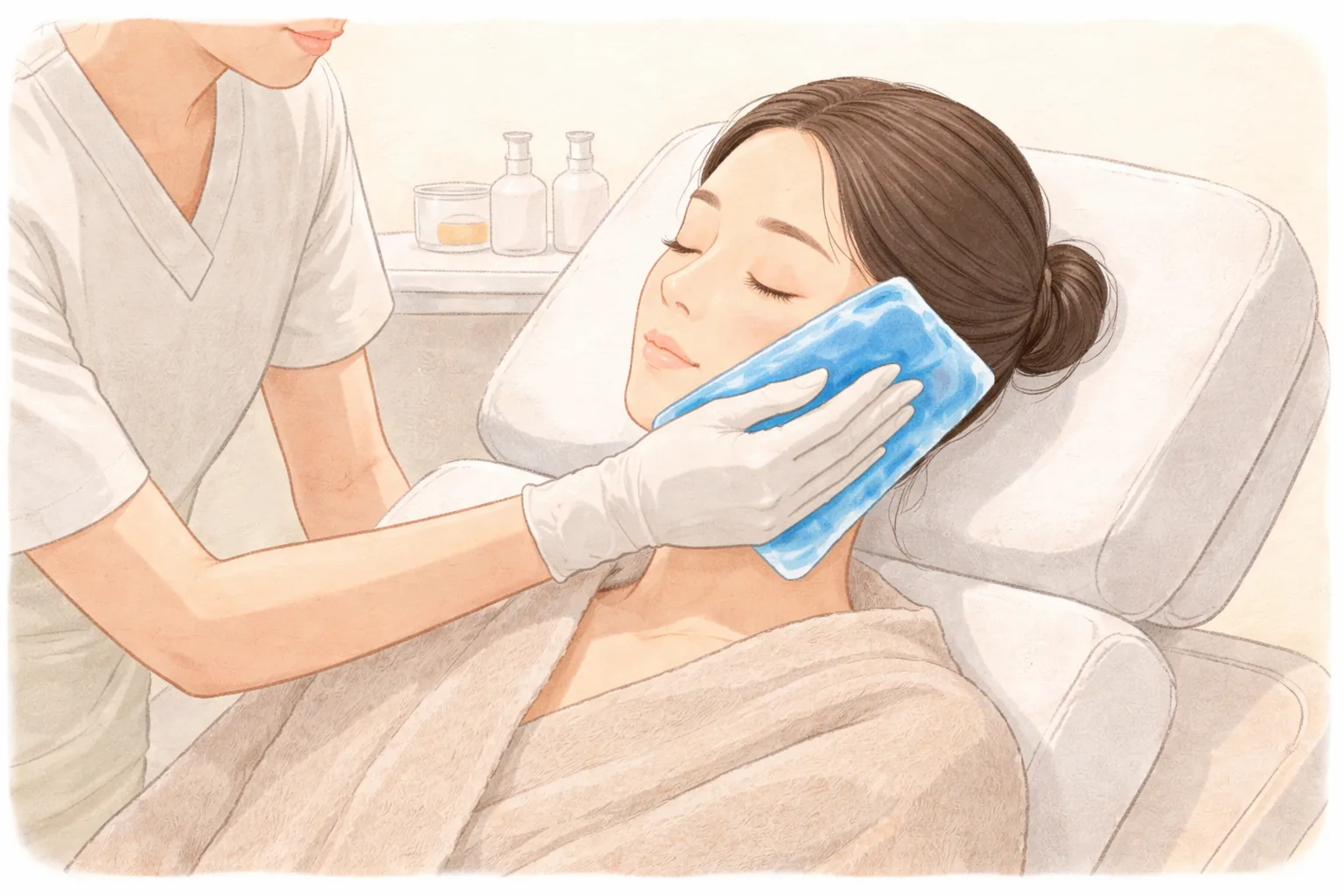
Soothing Avoid saunas, strenuous exercise, and alcohol on the day of treatment. Cold compresses may help when there is swelling, but confirm the method with the medical team.
Moisturizing Skin that has received heat stimulation temporarily has a weakened barrier, so apply moisturizer.
Sun Protection During recovery, apply more carefully than usual to prevent pigmentation.
Progress Check Check again at the point set during consultation, and decide the next session and interval then.
Common reactions include redness, swelling, mild heat, tenderness when pressed (pressure pain), small bruises, and temporary numbness or reduced sensation, which usually subside within a few days. Daily life including makeup is mostly possible from the next day. Rarely, burns, blisters, small scars, temporary facial muscle weakness, and unwanted fat layer volume loss can occur, which is why the process of accurately setting energy level and treatment depth is important.
If there are unexpected changes such as blisters or pain that gradually worsens, it's safer to contact the clinic rather than waiting for the next appointment. Conversely, redness and swelling that subside within a few days can be seen as part of recovery.
Frequently Asked Questions
How do Ultherapy, Thermage, and Shurink differ?
They can be divided into the ultrasound family and the radiofrequency family. Ultherapy and Shurink create small thermal points at set depths with HIFU, while Thermage uses radiofrequency to warm broadly from the dermis to subcutaneous fat. Even within the same ultrasound family, Ultherapy and Shurink differ in the depth the heat reaches and the way energy is delivered. For deep, localized sagging, the ultrasound family may be relatively better; for broad-area elasticity loss, the radiofrequency family may be better, and which suits you is decided through examination.
When do results appear and how long do they last?
Regarding the ultrasound family overall, AAD states gentle changes may appear over 2–6 months with a single treatment. In the ATTITUDE Clinic column, Ultherapy·Shurink changes, if any, appear gradually over about 2–3 months, and Thermage shows firmness immediately after (partly swelling) followed by additional changes over 2–6 months. Maintenance duration varies greatly by individual, and the repeat interval is generally set around 1 year based on progress.
What is the difference between 300 shots and 600 shots?
The number is a unit indicating coverage area and delivery amount. Whether treating the full face or focusing on the mid-face or lower face changes the required shot count, and even with the same shot count, the actual area covered varies with distribution by region. The shot count items on the price list are their unit composition and not a recommended dose for an individual, so it's more accurate to ask at consultation how to divide which areas of your face into how many shots.
How much does it hurt?
It varies widely with energy level and nerve density by area. Areas close to bone with dense nerves—jawline, cheekbones, forehead, eye area—are more sensitive, while thicker areas like the cheeks hurt less. The ultrasound family is often described as a deep, hot sensation, and the radiofrequency family as a warm, lingering sensation. Anesthesia method and energy level adjustment are decided together at consultation.
What should I look for when choosing a clinic?
Rather than rankings, what the consultation confirms becomes the basis for judgment. Ask what device and tip are used, how the layer where sagging occurs and the area to cover are decided, on what basis the shot count or dose is distributed, the number of sessions and intervals, the progress-check schedule, and whether VAT is included in the cost. AAD guidance also says to ask about the practitioner's experience with the specific procedure and how many patients with skin types and ages similar to yours they have treated (AAD questions to ask). Whether the answers are specific and well-grounded helps your judgment.
At a Glance
Table 2 At a Glance
Item
Key Point
Position of shot count
A delivery amount unit that follows after coverage area and depth are decided
Factors that shape results
Layer where sagging occurs, area design, energy level, skin type and regeneration speed
Ultrasound vs radiofrequency
Ultherapy·Shurink create small thermal points at set depths; Thermage heats broadly
When to check results
Ultrasound family typically gradual over 2–6 months, with individual variation
Pain variability
Determined by energy level and nerve density by area
Cost check
Confirm the unit of each item (shots·kJ) and whether VAT is included
This article offers general health information. It is not a substitute for diagnosis or treatment based on your own condition, so please talk through your situation with a doctor.