XERF Results: When They Show Up and How Long They Last
How XERF and other radiofrequency lifting results unfold over time, why the immediate tightness differs from new collagen, and what decides how long results last.
Written by ATTITUDE Clinic Editorial Team
For anyone looking into XERF, the first questions are almost always "when will I see a change" and "how long does it last." Lifting isn't a treatment where the result is finished on the day itself. It's easy to mistake the tight feeling right after for the effect, or to feel disappointed too early if nothing seems different within a few weeks. This article covers the order in which changes appear after radiofrequency lifting, the factors that shape them, and how to think about how long results last.
The short answer
Right after treatment, that tight feeling is a mix of temporary heat-induced collagen contraction and swelling. Change from new collagen builds gradually over weeks and months. According to the American Academy of Dermatology, firming treatments typically concentrate their changes between 2 and 6 months, are most visible around the 6-month mark, and with proper skin care can last for years in some cases. That guidance covers lifting treatments generally, including radiofrequency. How long results last depends on skin thickness, the degree and direction of sagging, age, UV exposure, lifestyle, and treatment intensity. Everyone is different, and the next session is scheduled by reviewing progress, not by a fixed interval.
What order do changes appear in with XERF?
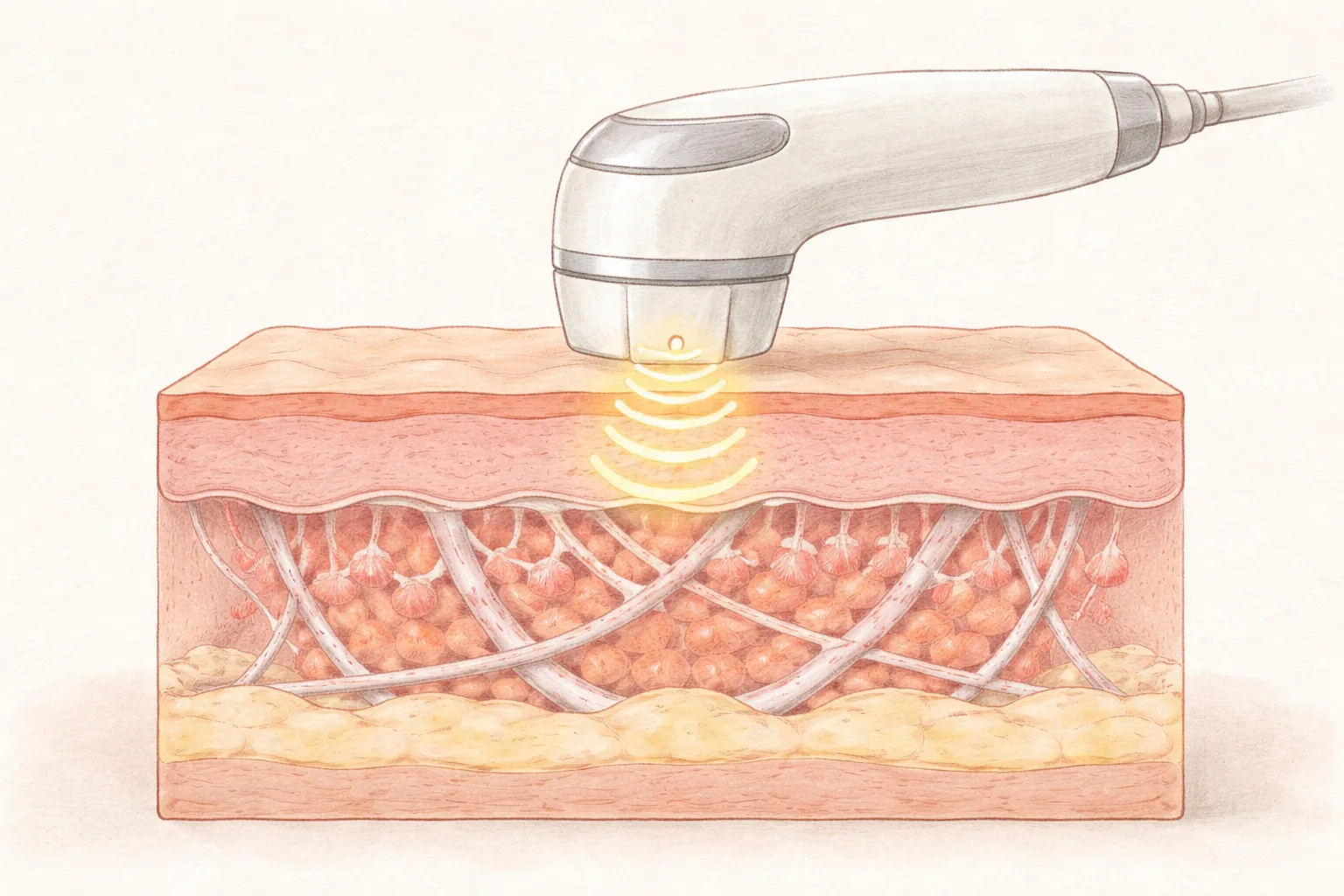
Radiofrequency works by converting electrical energy into heat as it passes through skin tissue. As explained in the ATTITUDE Clinic column, this heat slightly contracts collagen (the protein that keeps skin firm) and, more importantly, gradually starts the process of building new collagen. It helps to separate two speeds here. Existing collagen responding to heat is fast, while new collagen filling in is slow.
Right after the session and into the next day or two, mild redness and warmth from the heat stimulus remain. Skin may feel firm during this window, and some of that is swelling. Over 1–2 weeks the swelling and warmth subside, and then over the following months, collagen fills in and changes in elasticity and skin texture become visible. The American Academy of Dermatology notes these changes concentrate between 2 and 6 months.
So the feeling right after treatment, the feeling at 2 weeks, and the feeling at 3 months are different phases. Judging results from one point in the mirror leads to misunderstandings in either direction.
If the tightness right after fades, does that mean it didn't work?
This is the most common misunderstanding. According to the ATTITUDE Clinic column, the initial firmness from radiofrequency treatments can settle somewhat as swelling drains, and additional changes typically appear gradually over 2–6 months. When that early feeling fades, it's less a sign that results are gone and more a sign that swelling is resolving.
Conversely, feeling nothing right after doesn't mean there was no response. Radiofrequency works by heating tissue, so warmth is clearly felt during the session, but how you feel in the days after varies with energy level, area, and the amount of swelling. It's too early to conclude "I don't think I'm responding" based on this difference.
One more thing to keep in mind. There's a stretch where facial lines look temporarily different as swelling drains, and collagen change follows after that. Expecting both phases at once can lead to disappointment in the middle.
What determines how long results last?
The ATTITUDE Clinic column attributes individual differences in duration to the degree of laxity in the SMAS layer (the deep membrane supporting facial muscles and skin), age, and how UV exposure and lifestyle affect the rate at which collagen is synthesized and broken down. This is why the next session differs even with the same device and same number of shots.
Treatment intensity is another variable. Energy level and shot count influence how long results last, so the approach is less about a single session and more about a personalized plan. The ATTITUDE Clinic column notes that repeat sessions are generally planned around 1 year, with timing decided by the doctor after reviewing progress.
Another ATTITUDE Clinic column adds one more point. Skin type, skin thickness and structure, and the speed of new collagen production differ between people, so the same plan can produce different outcomes. That's why these conditions matter more than device names when discussing duration.
The American Academy of Dermatology guidance that results can last 2–3 years with proper skin care is in the same vein. It means UV protection and moisturizing routines after treatment are variables that add to how long results last.
Do more shots mean longer-lasting results?
Shot count is closer to a unit indicating how widely energy is distributed across an area. In the ATTITUDE Clinic treatment guide, XERF is listed in 300-shot, 600-shot, and 900-shot units, while Eye XERF is listed in 225-shot and 450-shot units.
Face size, skin thickness by area, and where sagging is concentrated differ between people, so the area that needs coverage differs too. The ATTITUDE Clinic column explains that with lifting, higher energy levels and more shots focused on one area mean stronger heat stimulation delivered and more discomfort as well. That means more intensity brings more felt burden, not that shot count guarantees results.
So consultations look at how energy is distributed across which areas rather than how many shots to fill. Areas with thicker tissue like the cheeks, and sensitive areas like the jawline and around the eyes, can't be treated at the same intensity.
Table 1 Do more shots mean longer-lasting results?
Category
Energy type
How it reaches within skin
How changes appear
XERF (Lutronic)
Monopolar radiofrequency
Heats tissue with RF energy
Early tightness, then gradual change over weeks to months
Thermage FLX
Monopolar radiofrequency
Heats broadly from dermis to subcutaneous fat
Initial firmness, then additional changes typically over 2–6 months
Ultherapy·Shurink Universe
HIFU ultrasound
Focuses heat into small points at set depths
Little immediate change; if change occurs, over 2–3 months
Swipe sideways to see the whole table.
In short Radiofrequency lifting looks and feels different right after treatment than when real change appears, and in between there's time for collagen to fill in. How long results last depends more on skin thickness, degree of sagging, lifestyle, and treatment intensity than on device names, so scheduling the next session after reviewing progress is the right approach.
If this sounds like you
If a wedding or shoot is a few months away
It helps to plan around the 2–6 month window when collagen changes become visible. Avoiding the 1–2 weeks when post-treatment swelling and redness subside makes scheduling much easier. If you have a fixed date, mention it first during consultation.
If you prefer ongoing maintenance
This is approached as a personalized plan with repeat sessions rather than one strong treatment. The ATTITUDE Clinic column notes repeat sessions are generally planned around 1 year, with timing decided after reviewing progress. Recording changes at 3 months and 6 months after the first session helps when deciding the next intensity.
If your skin is thin or prone to redness
Even with the same energy, how much redness remains and for how long can feel different. Mentioning habitual flushing or sensitivity during consultation helps adjust energy levels and distribution by area.
If you're an international visitor on a short stay
Most post-treatment recovery reactions settle within a few days, and daily life is possible from the next day, but visible change appears months later. Sharing your travel schedule and when you might next visit lets us plan intervals accordingly.
Before your consultation, let us know Recent UV exposure (travel, outdoor activities, tanning), medications you're taking and active ingredients you apply to your skin (retinol, high-concentration vitamin C, AHA·BHA, etc.), the devices and timing of previous lifting or laser treatments, whether you've had reactions like redness or blistering after treatment, and any fixed dates such as weddings or shoots.
How ATTITUDE Clinic handles this
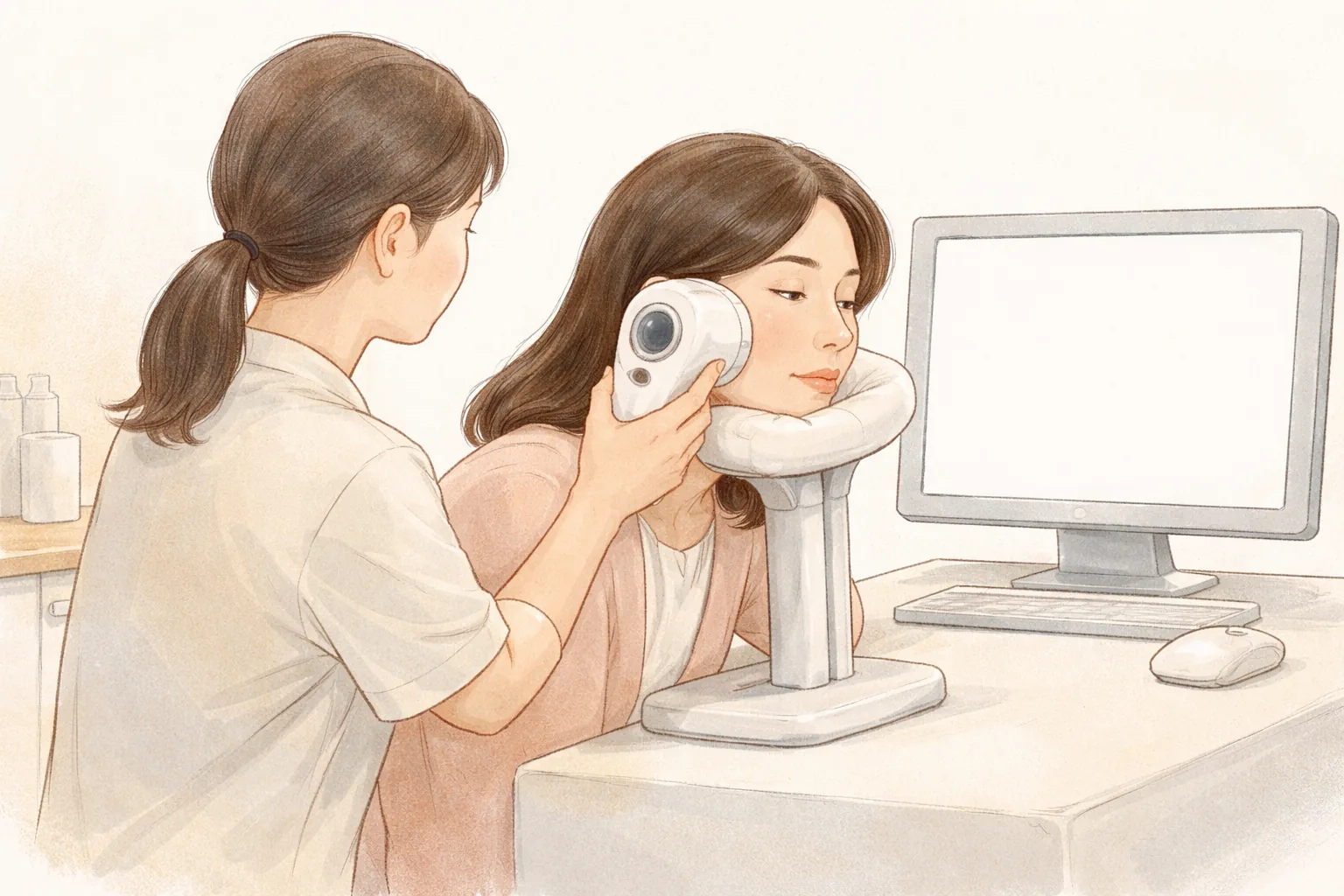
AI skin analysis record — Skin condition is recorded and organized so you and the doctor look at the same information. The analysis tool only records and organizes information and does not make medical diagnoses; judgment rests with the doctor.
Doctor consultation — Your concerns, lifestyle, and previous treatment history are added to the analysis record to decide together what's needed and what isn't, which combinations and order, and at what intensity. The plan for the next session interval is also set here.
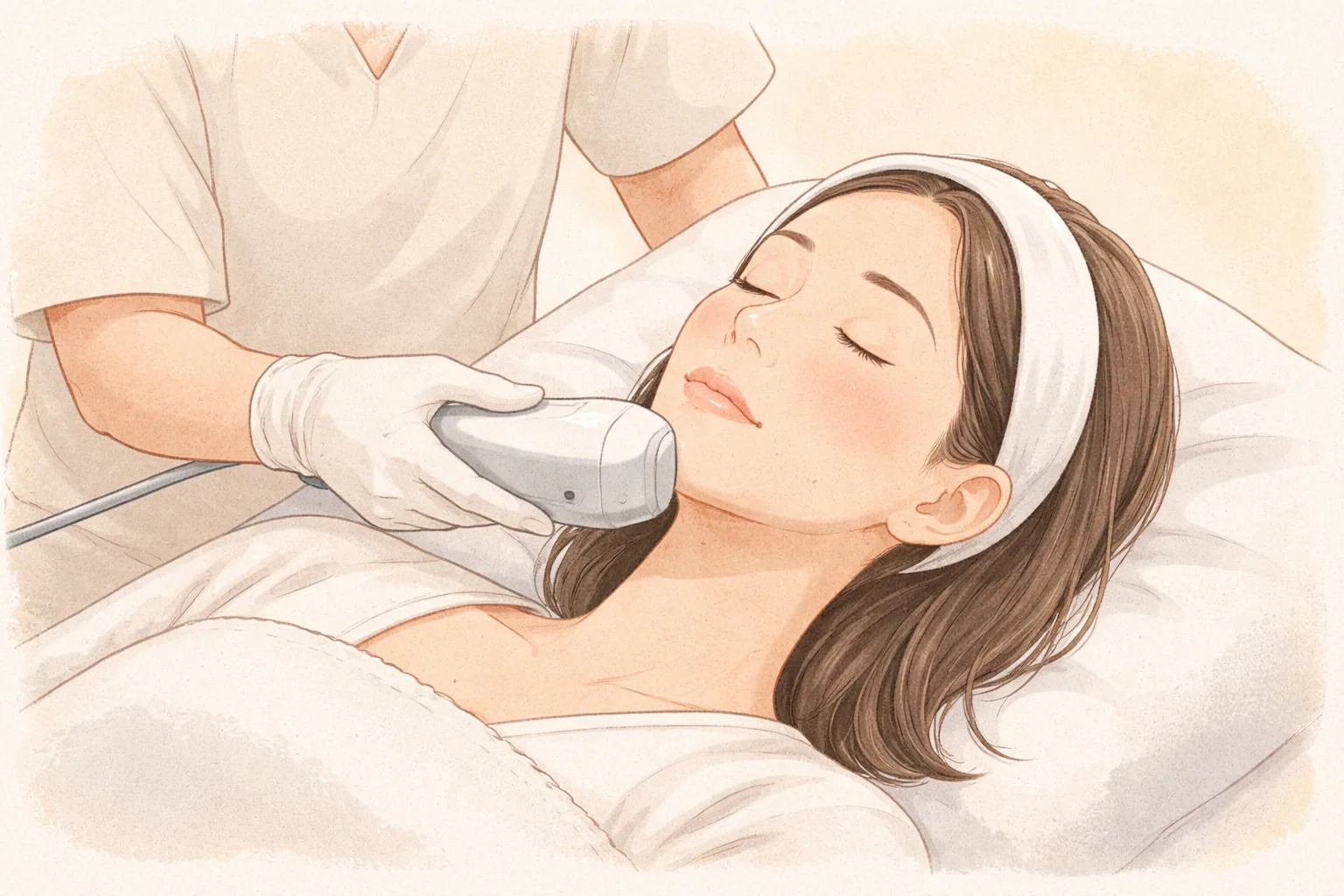
Treatment performed by the doctor — The doctor personally performs the treatment according to the plan and adjusts based on skin response during the session, so the plan from consultation and the actual treatment stay aligned.
Recovery and aftercare guidance — You're informed of how much redness and warmth to expect after treatment, how to handle UV protection and moisturizing, and when to return for a progress check.
Devices listed in the ATTITUDE Clinic treatment guide related to this topic include XERF (Lutronic), Thermage FLX, Ultherapy, and Shurink Universe. XERF and Thermage fall under radiofrequency, while Ultherapy and Shurink Universe are classified as ultrasound. Which device at which intensity is decided after examining your skin. Prices are listed by unit and exclude VAT.
Aftercare and side effects
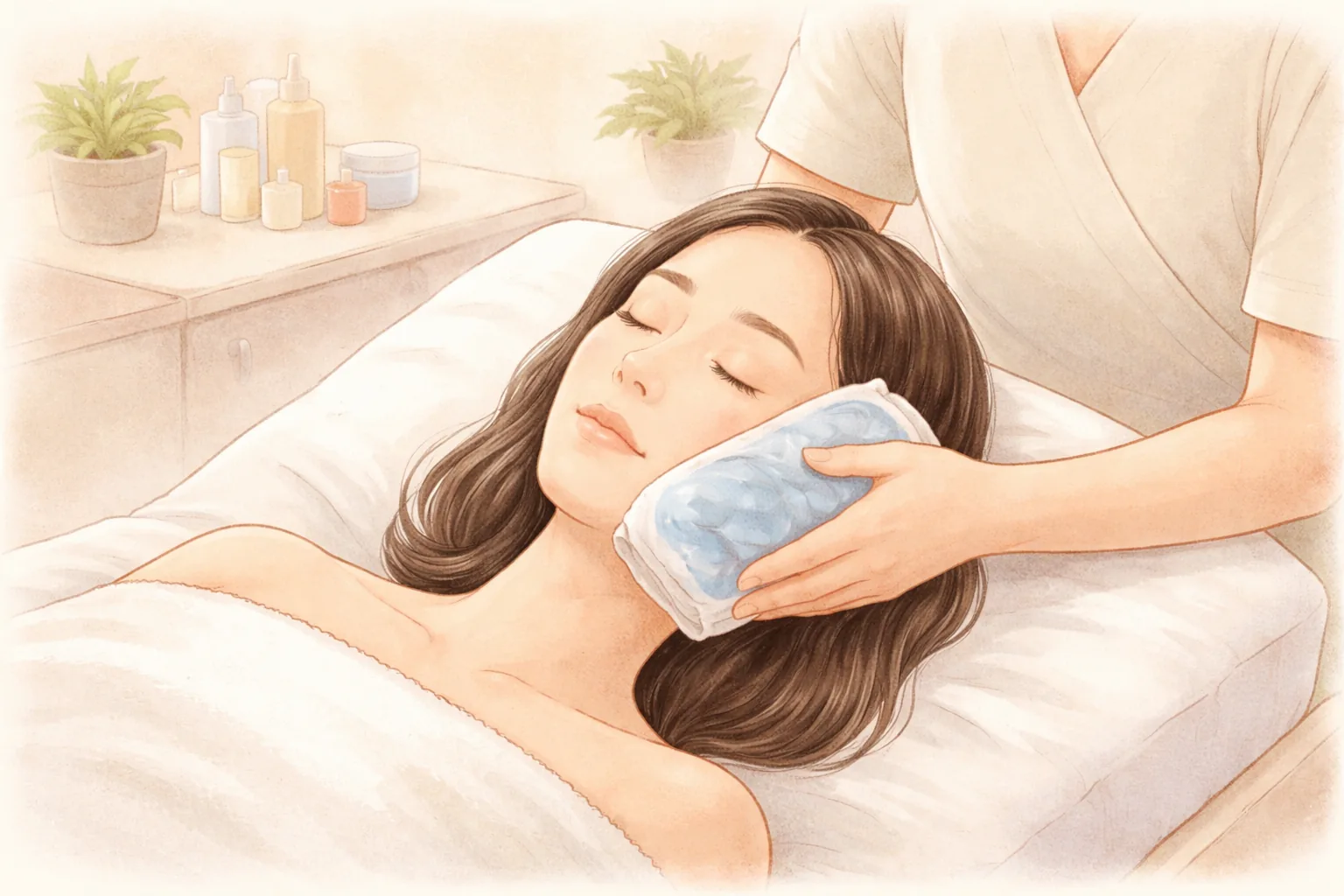
Soothing — For a day or two after treatment, mild redness and warmth from heat stimulation may remain and usually fade on their own. Cold compresses can help with swelling; confirm the method with your medical team.
Moisturizing — During recovery, skin may feel dry and tight. Using low-irritation moisturizers to prevent moisture loss is helpful.
UV protection — Skin's barrier is temporarily weaker during this period, so applying sunscreen more diligently than usual helps recovery without pigmentation.
Progress checks — How much redness remains and changes in elasticity are reviewed over time to set the next session interval. Taking photos under the same conditions makes comparison easier.
It's best to avoid saunas, intense exercise, and alcohol on the day of treatment. Most people can return to daily activities including makeup from the next day. How much redness and warmth remain varies with energy level and skin condition.
Common reactions include redness, swelling, tenderness when pressing along the jawline, small bruises, and temporary numbness or reduced sensation. They usually settle within a few days but can last longer. Rarely, burns, blisters, small scars, temporary facial muscle weakness, or unwanted fat volume loss can occur, which is why setting energy level and depth accurately matters. After laser or injection treatments, pigment can temporarily darken or lighten, and lumps can form after injections.
If you notice blisters or pain that keeps worsening, or any change that differs from expectations, don't wait — seek care right away.
FAQ
When exactly do XERF results start to appear?
Breaking it into three stages makes it easier. For a day or two after treatment, redness and warmth remain, and over 1–2 weeks swelling and warmth subside. Then over the following months, collagen fills in and changes in elasticity and skin texture become visible. The American Academy of Dermatology notes these changes typically concentrate between 2 and 6 months and are most visible around 6 months. So judging results at 2 weeks after treatment is too early.
Are 600 shots always better than 300 shots?
Shot count is closer to the range over which energy is distributed and doesn't guarantee results by itself. The ATTITUDE Clinic column explains that higher energy levels and shot counts increase both heat stimulation and discomfort. What separates outcomes is whether energy was distributed to match your face size, thickness by area, and where sagging is concentrated. Consultations look at which areas to divide energy across rather than how many shots are best.
Is it painless enough to do without anesthesia?
Lifting tends to vary widely in pain between people and between areas. The ATTITUDE Clinic column cites energy level and nerve density by area as reasons. Areas close to bone with dense nerves, like the jawline, cheekbones, forehead, and around the eyes, feel relatively sensitive, while thicker areas like the cheeks feel less even at the same energy. If you're sensitive to pain, it's better to discuss anesthesia options and energy level adjustments during consultation.
How is this different from Thermage or Ultherapy?
According to the ATTITUDE Clinic column and treatment guide, XERF and Thermage are radiofrequency, while Ultherapy and Shurink Universe are ultrasound. Thermage heats broadly from dermis to subcutaneous fat, while Ultherapy and Shurink Universe focus heat into small points at set depths. Rather than one being better, which suits you depends on whether sagging is deep or elasticity loss is broad, and they're sometimes combined.
What should I look for when choosing a clinic for XERF?
Look at what a clinic checks during consultation rather than device names. Whether they actually examine skin thickness and the direction of sagging and design intensity and range by area, whether they review previous treatment records, and who performs the plan set during consultation — these are the key points. ATTITUDE Clinic follows a flow of recording condition via AI skin analysis, then doctor consultation, then treatment performed by the doctor. Results can't be promised, and even the same treatment feels different depending on skin condition.
At a glance
Table 2 At a glance
Item
Key point
Right after treatment
Redness and warmth; some firmness from swelling
1–2 weeks
Swelling and warmth subside
2–6 months
Collagen fills in; elasticity and skin texture changes appear
같은 시술을 받아도 왜 결과는 다를까요?https://theattitudeclinic.com/column/doctor-column/why-results-differ/
This article offers general health information. It is not a substitute for diagnosis or treatment based on your own condition, so please talk through your situation with a doctor.