Acne Scar Treatment at Home: What You Can Change and What You Can't
How at-home care reaches oil and dead skin but cannot change pore structure itself, plus how cleansing, exfoliation and retinol fit in, how blackheads differ from pores, and what to tell your clinic before treatment.
Written by ATTITUDE Clinic Editorial Team
Even after you peel off a nose strip, and no matter how much pore-tightening toner you pat on, the pores on your nose and cheeks look the same in the morning mirror. So you start to wonder whether your products are the problem, or whether you need to change your whole routine. This article lays out how far at-home care actually reaches, and what to look at on either side of that line.
The Short Answer First
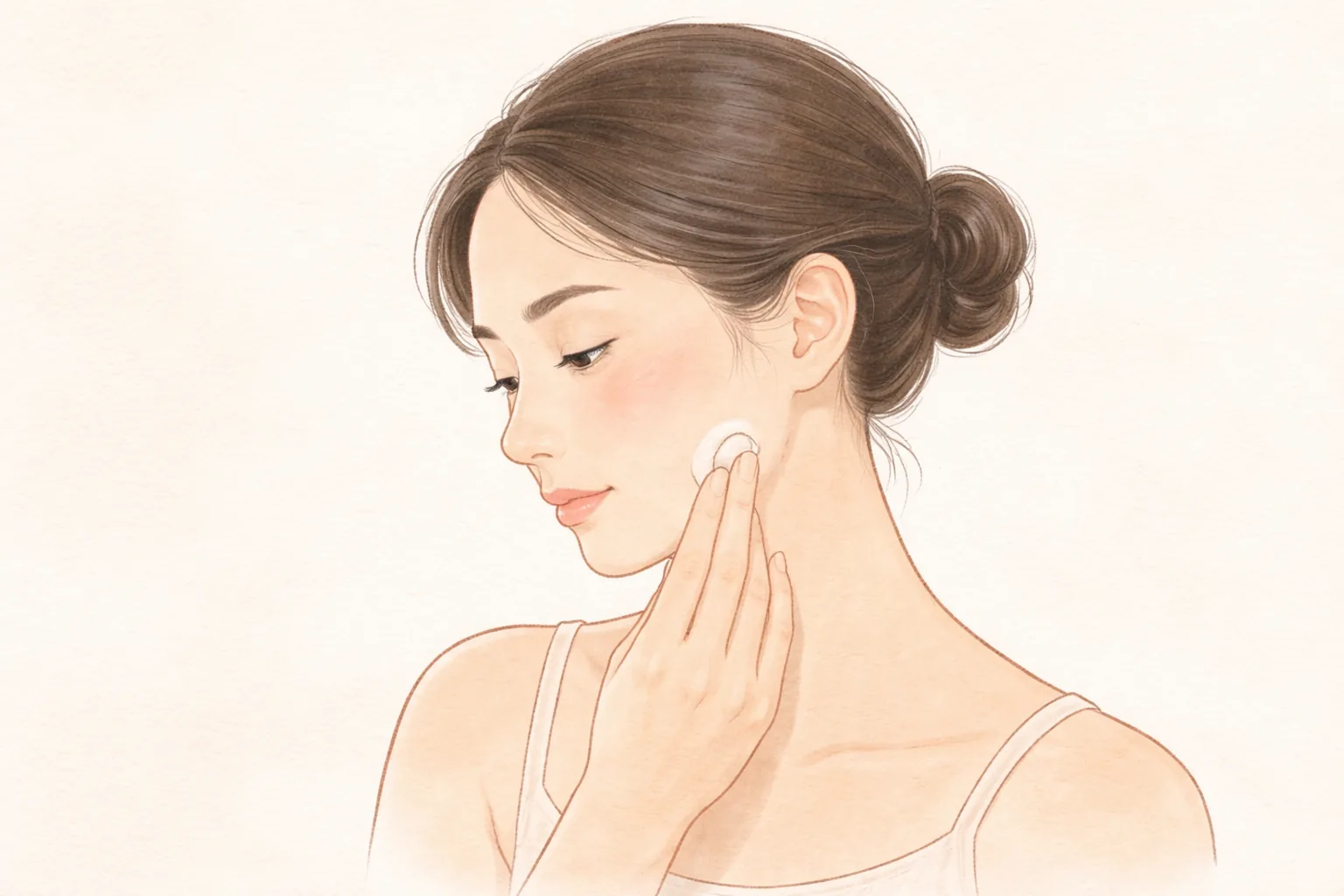
At-home care helps reduce oil and dead skin cells building up at the pore opening. But it cannot change the pore's structure itself. Pores are a normal structure that exists in your skin, so removing them is not a goal you can set, and pores enlarged by loss of elasticity or repeated inflammation rarely change visibly with home care alone. Even with the same pore concerns, whether the cause is oil or elasticity determines how much you can do at home.
Why Do Pores Look Enlarged, and How Far Does Home Care Reach?
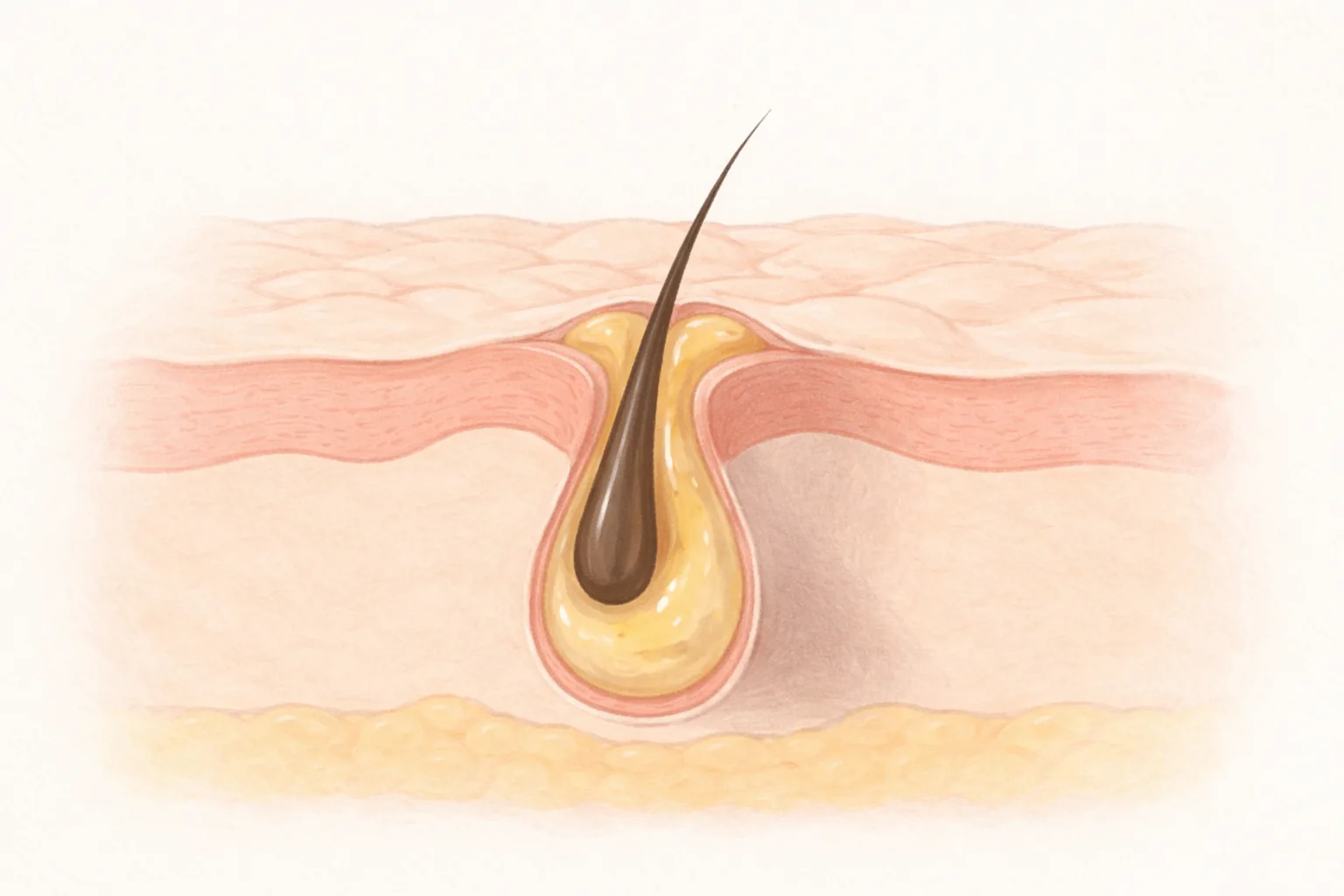
Pores are the passageways through which hair and oil travel out of the skin. When oil production is high, the opening is physically stretched; as collagen and elasticity decline with age, the skin around the pore sags and creates shadows; and when repeated inflammation such as acne damages the pore wall, it can remain enlarged even after healing. According to ATTITUDE Clinic's column, these three factors act individually or overlap.
This is where home care reaches: the surface. It reduces oil and dead skin cells that build up and block the opening, and it avoids irritating the skin. By contrast, re-stimulating collagen production or reorganizing damaged pore wall tissue happens in layers that cosmetics don't reach well. This is why applying a pore-tightening product may give a temporary tightening sensation, but the structure itself doesn't change.
The process of oil and dead skin blocking pores is the same pathway where acne begins. Cleveland Clinic describes pores as small openings where oil and sweat come up, and explains that bacteria, oil and dead skin cells fill the pore and cause inflammation, leading to lesions. Whiteheads and blackheads usually settle without problems, but if inflammation spreads, it can lead to scarring.
Exfoliation and Cleansing: Where Should You Stop?
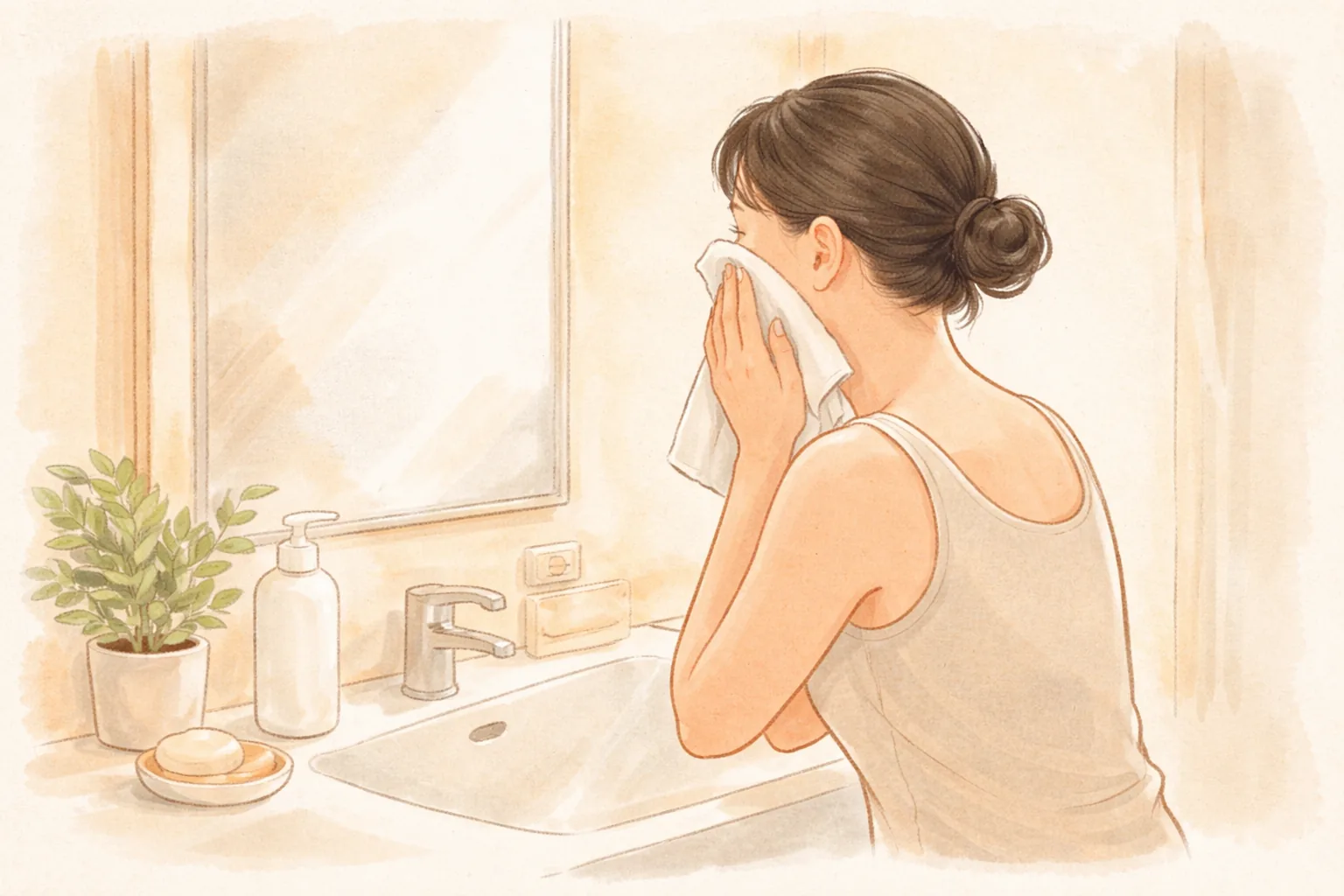
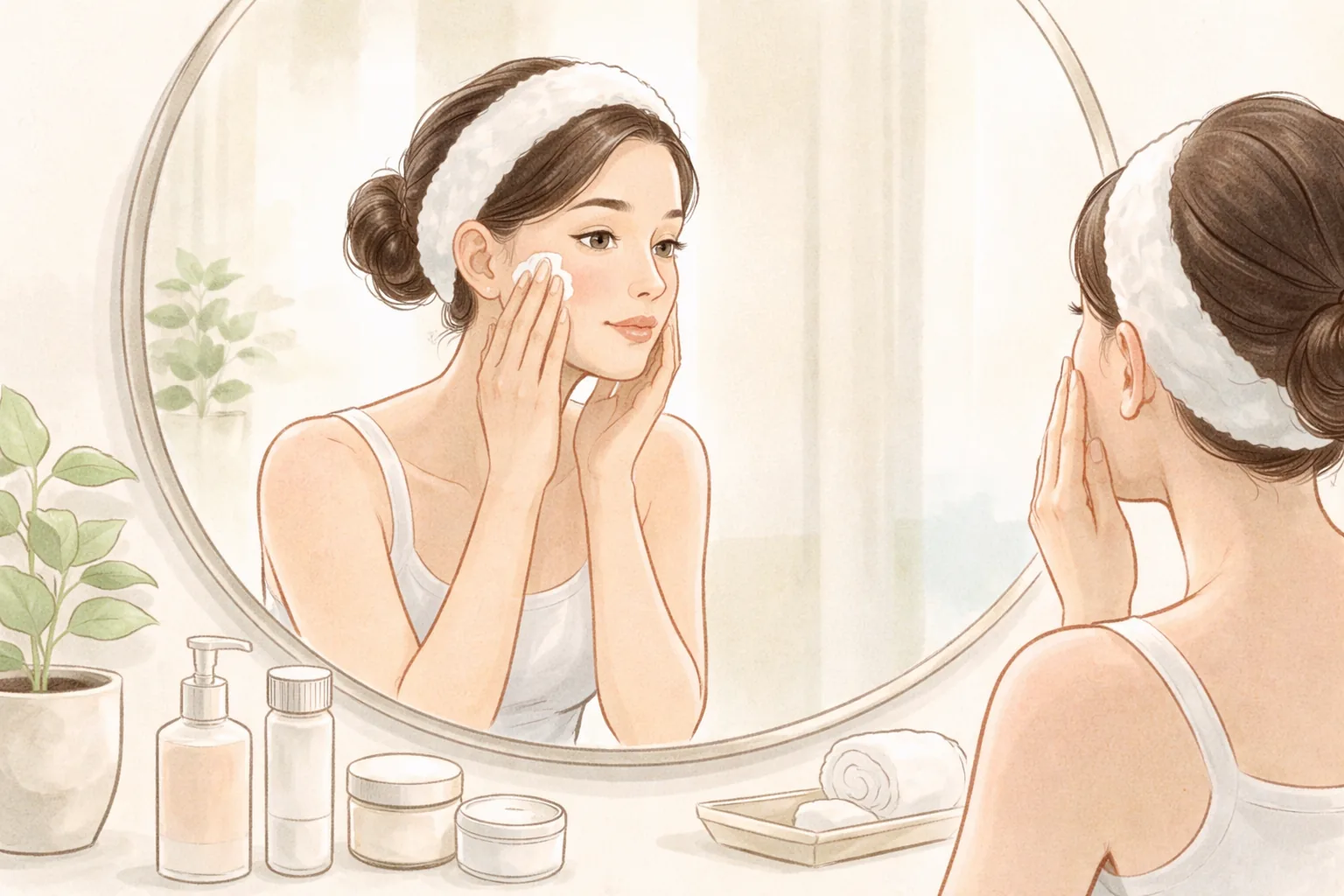
"Cleaner and more often" is rarely the answer. The KDCA advises that washing your face too often with strong soap can actually irritate the skin, and recommends avoiding excess oil, pore-clogging cosmetics, friction or mechanical irritation, and excessive sweating. Reducing the time cosmetics sit on your skin and removing them cleanly falls under the same principle.
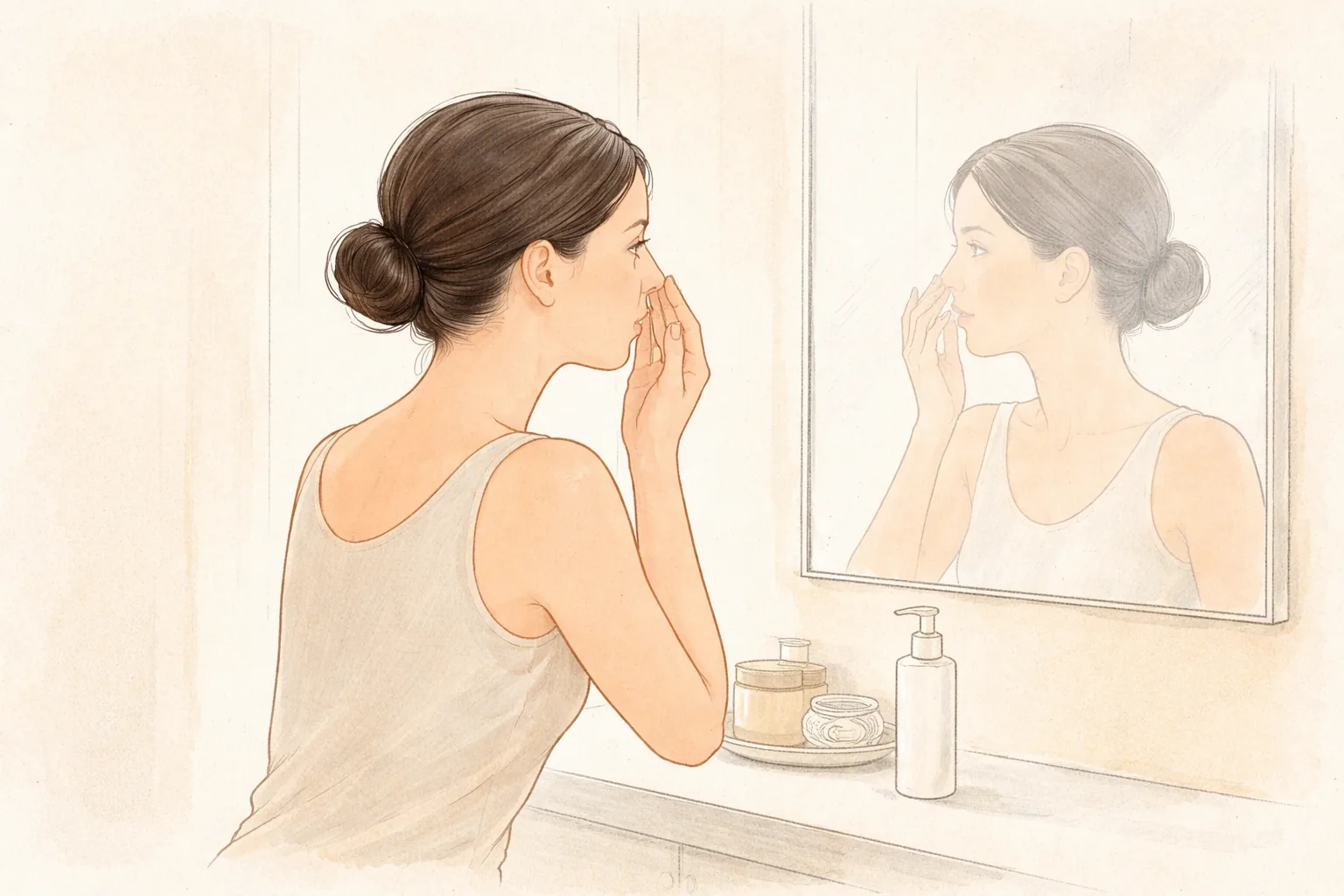
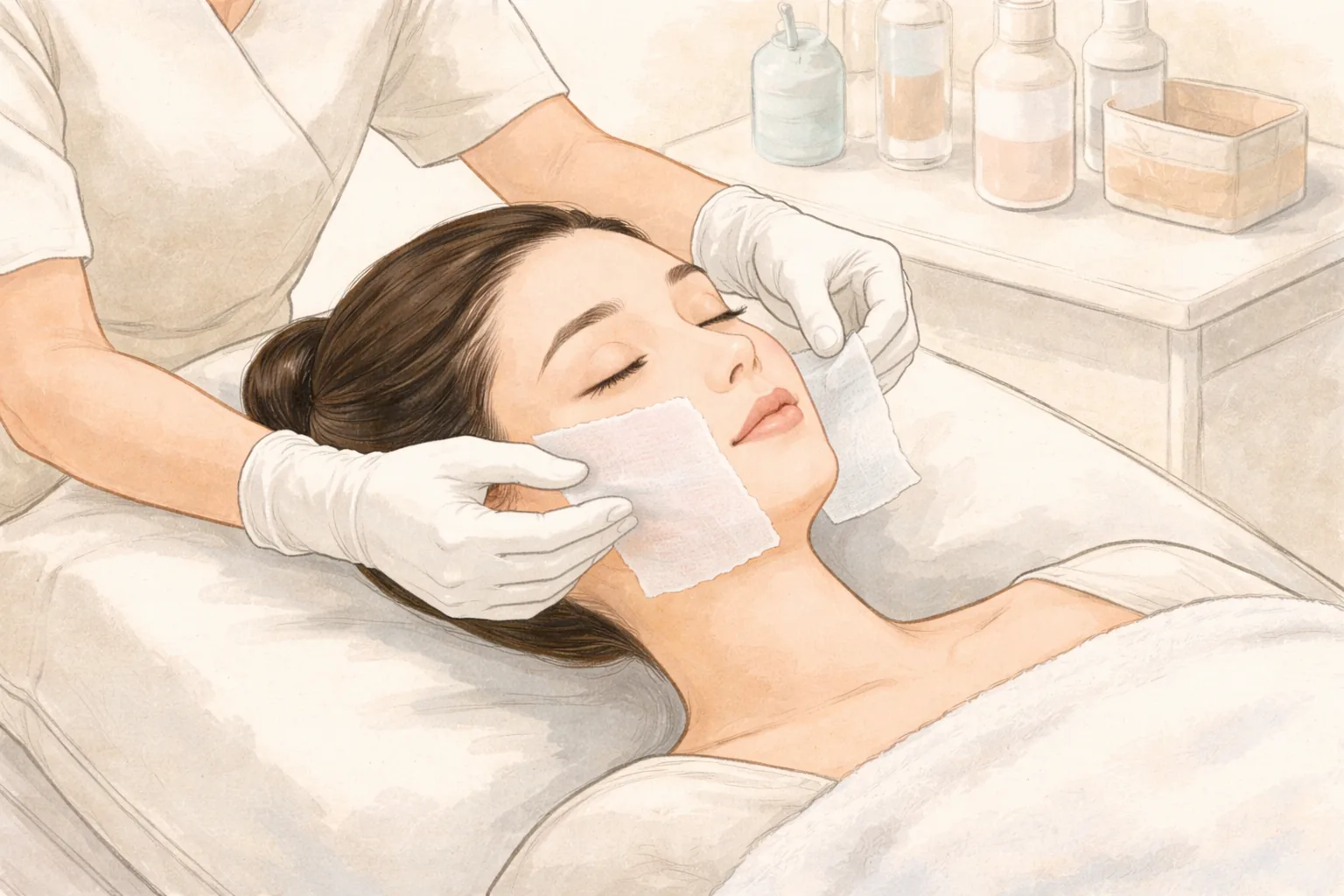
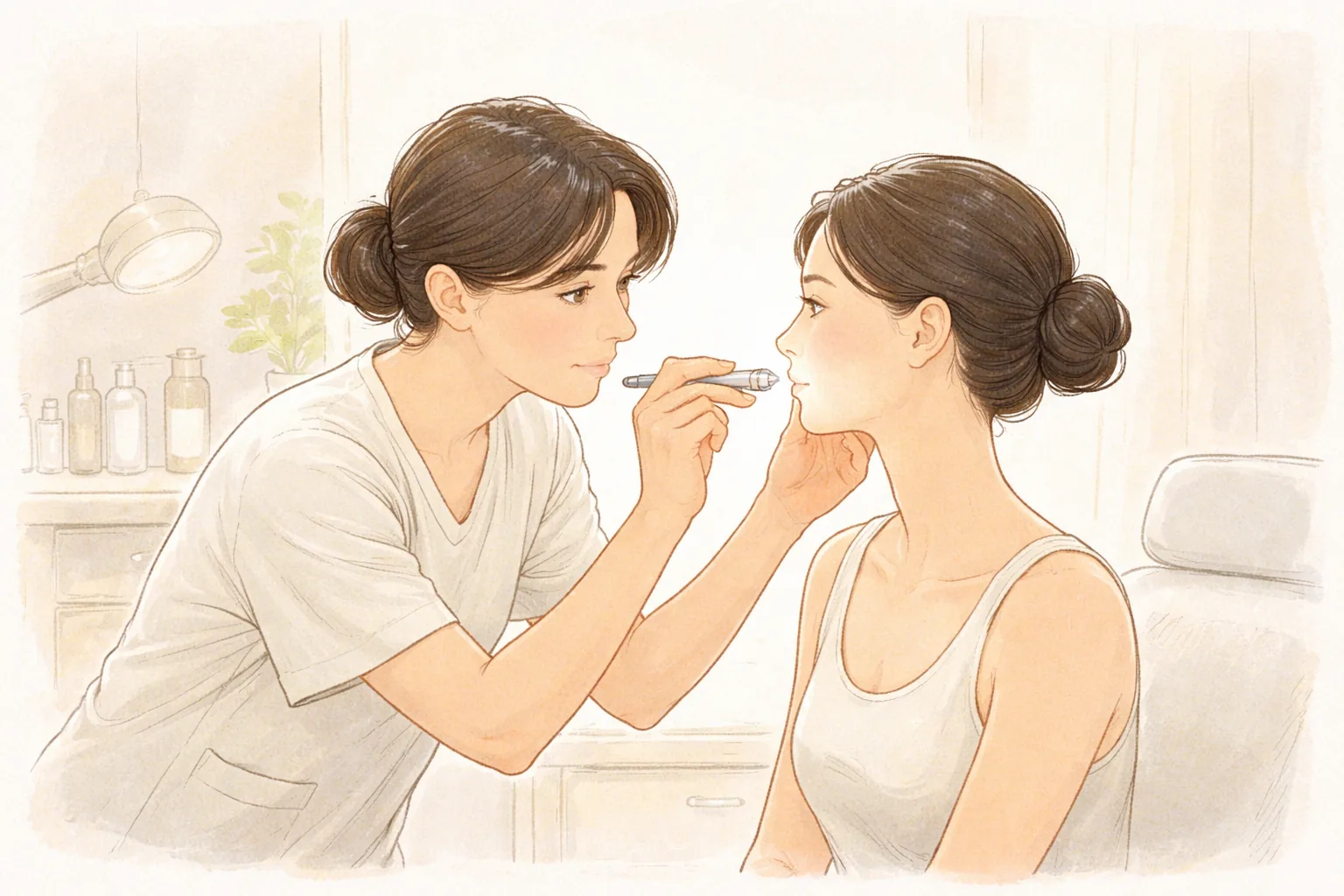
The second misunderstanding is the idea that squeezing solves the problem. According to Seoul National University Hospital's medical information, forcefully squeezing acne often destroys the oil gland wall weakened by inflammation, causing larger inflammation and leaving scars. Extraction done at a dermatology clinic is a separate process: the pore opening is cleansed, hot steam widens the pores, and a special instrument is used — not the same as pressing with your fingernails at home.
If you're dealing with both acne marks and pores, order matters too. Cleveland Clinic advises that lesions on the skin should be gone before starting scar treatment, because medications for acne and treatments for scars can interfere with each other. If you have active acne, it's more appropriate to calm that down first rather than ramping up home care.
Are Blackheads and Pores the Same Concern?
If you see every dot on your nose as the same thing, your management goal gets blurry. The KDCA explains the fundamental lesion of acne as comedones, distinguishing open comedones — black due to melanin deposition — from closed comedones, which appear white. A blackhead is a blockage at the pore opening; a pore is a structure that was always there.
So even if you reduce the blockage, it doesn't mean pores become less noticeable. Oil is produced again even after you clear it, and the factors of elasticity and pore wall condition remain. If you set your home care goal not as "remove everything inside" but as "reduce blockage and irritation," it becomes easier to break the habit of repeatedly squeezing.
Retinol and Exfoliating Ingredients: What Can You Expect?
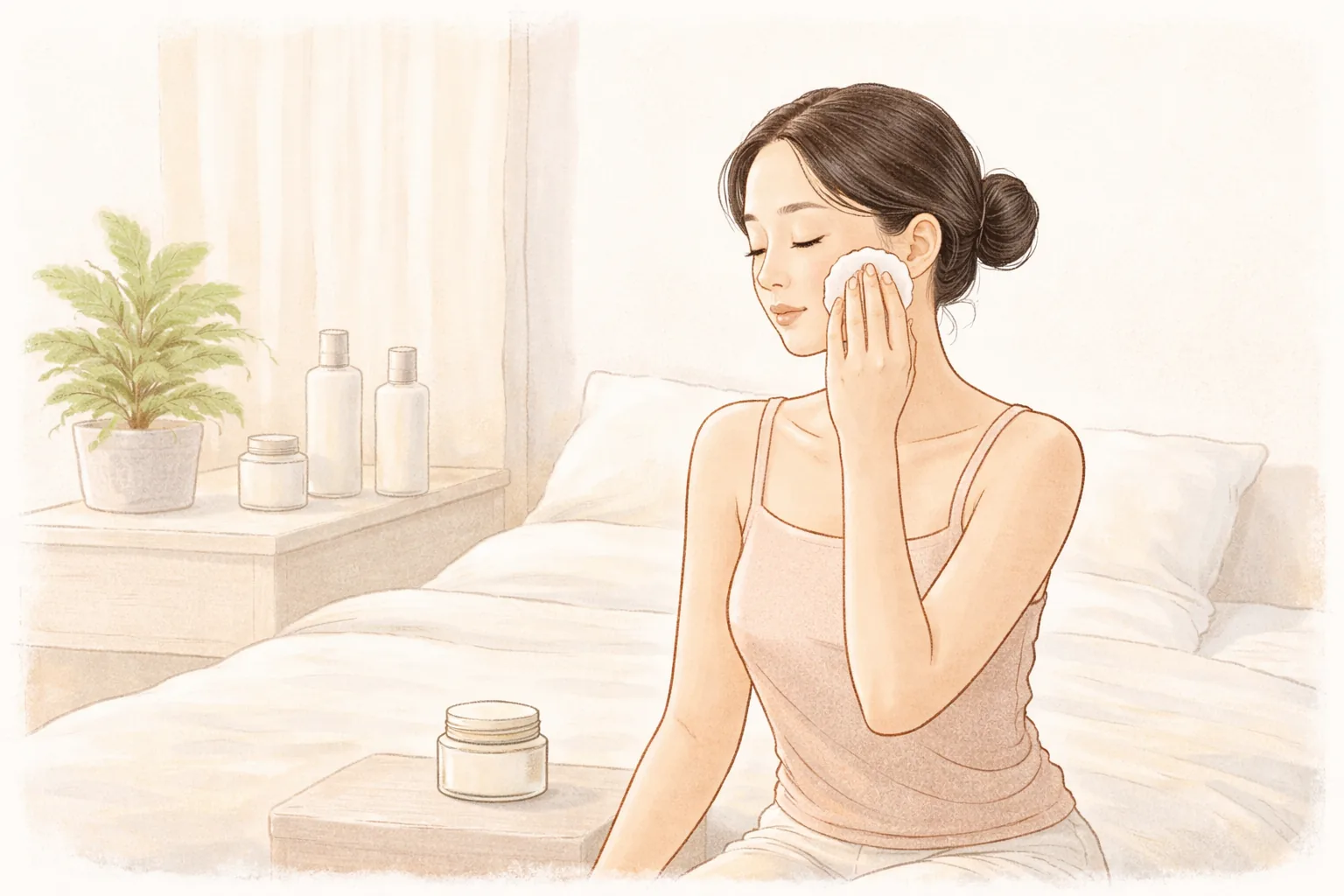
According to ATTITUDE Clinic's column, exfoliating ingredients like retinol help improve skin cell turnover when used consistently, but the effect appears gradually, and during pregnancy you should consult a doctor before use. Unlike pore-tightening products that only create temporary surface changes, exfoliating ingredients address the cycle by which built-up dead skin sheds. The catch is that results take time.
Prescription medications operate on a different level. Seoul National University Hospital explains that skin regeneration ointments such as tretinoin and adapalene peel dead skin to help oil drainage, and benzoyl peroxide reduces bacterial populations while participating in inflammation and comedo dissolution. These medications aren't the same as cosmetics, so if comedones keep recurring, it's better to check through a consultation whether they're needed rather than increasing concentrations.
Cleveland Clinic lists over-the-counter creams as home care for scar marks, noting that products with ingredients like alpha-hydroxy acids exist and that you should consult a dermatologist about what suits your skin type and scar type. This means the same ingredient doesn't produce the same response in everyone.
The Scope of Home Care at a Glance
Table 1 The Scope of Home Care at a Glance
Method
What It Does
What You Can Expect
Points to Note
Cleansing and exfoliation
Removes built-up oil and dead skin
Temporarily looks less prominent
More force and frequency doesn't mean better
Pore-tightening toner and cream
Temporarily tightens the surface
Not a structural change
Why the effect feels short-lived
Exfoliating ingredients like retinol
Helps skin cell turnover
Appears gradually
Consult before use during pregnancy
Sunscreen and moisturizer
Reduces elasticity damage and irritation
Prevention and maintenance
Don't skip even with pore concerns
Professional treatments (Potenza, erbium fractional laser, etc.)
Delivers energy to the dermis
Improvement expected through collagen regeneration
Degree varies by individual
Swipe sideways to see the whole table.
The treatment row in the table is based on the devices used for pore and scar areas, per ATTITUDE Clinic's treatment guide. Sunscreen sits on the prevention side because UV damage and inflammation can make pores more noticeable, and ATTITUDE Clinic's column also lists oil and UV management together in daily care.
In short
Cosmetics reliably work up to reducing oil and dead skin buildup. If pores are already enlarged by loss of elasticity or scarring, visible change from home care alone is difficult to expect, and identifying the cause comes first. It's more realistic to aim home care not at eliminating pores but at reducing blockage and irritation.
If This Sounds Like You
If you repeat nose strips or squeezing out of habit
Even if a nose strip makes the surface look clean for a moment, oil is produced again. Pressing with fingernails or digging with tools can push contents deeper or increase the risk of inflammation and scarring. It's better to watch whether your skin turns red or hurts than to count how much came out.
If acne is still active
During this period, calming active lesions comes before adding more exfoliating products. Scar treatment is in principle started when no lesions are present, so your current home care is better focused on reducing irritation and managing oil.
If your skin is sensitive and prone to redness
Continuing to increase usage while your skin stings or reddens isn't the right approach. Reduce washing frequency and rubbing time first, and for new products, it's safer to test on a small area before applying to your whole face.
If a shoot or trip is coming up soon
Starting a strong exfoliation routine right before an event can overlap with redness or dryness. Keep your usual routine for home care, and if you're considering a treatment, tell the clinic your dates first so timing and intensity can be adjusted. ATTITUDE Clinic's column also advises that starting with buffer time before a ceremony or trip widens your options.
Tell us before your consultation
Whether you've had significant recent UV exposure
Medications you're taking and cosmetics you're using (including retinol and acid ingredients)
Any experience of sensitive skin after a previous treatment
Fixed dates such as shoots or travel
How ATTITUDE Clinic Proceeds
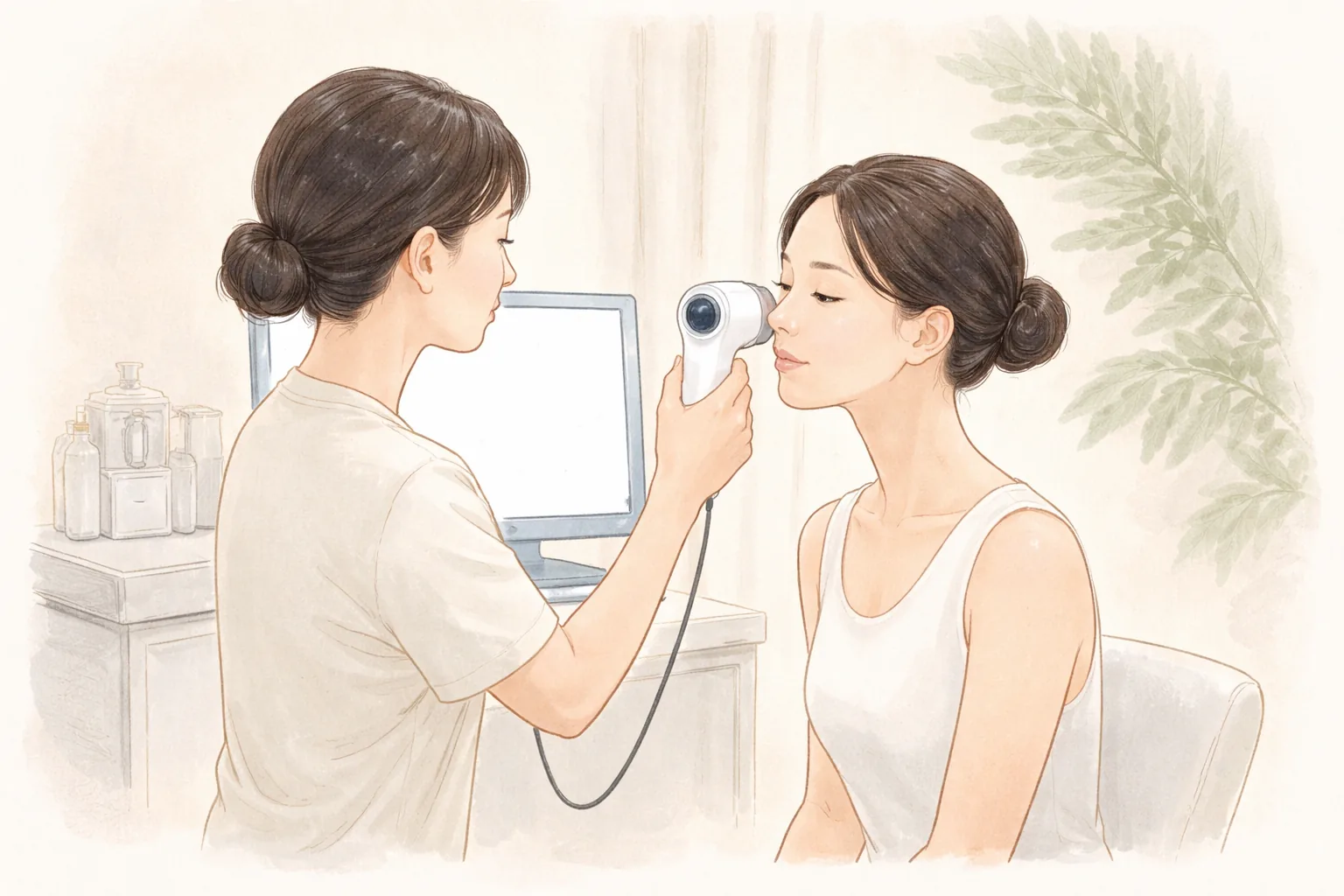
AI skin analysis record — Current skin condition including pigment, redness, texture and pores is recorded with an analysis tool. This tool records and organizes information to assist consultation; it is not a medical diagnosis.
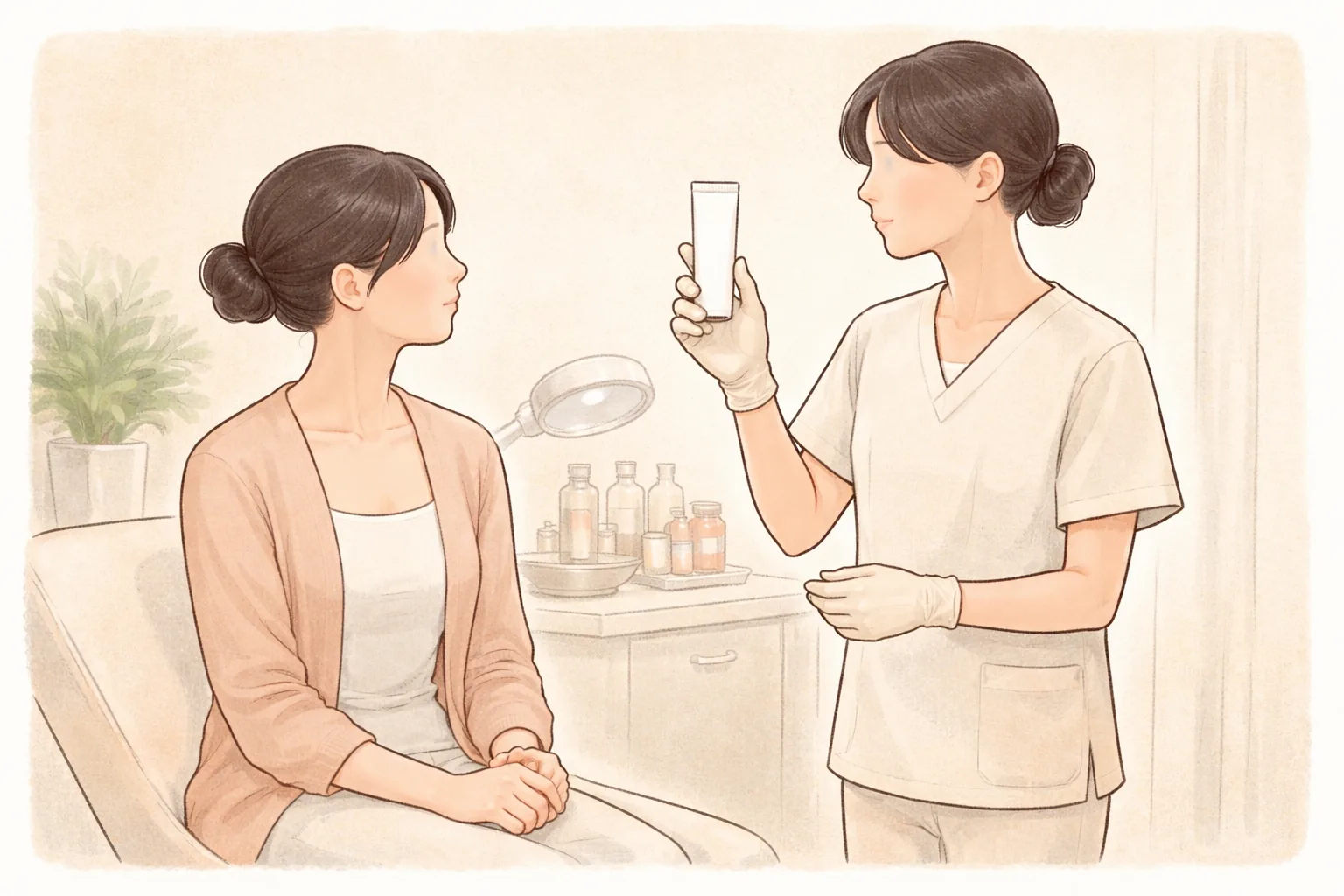
Director consultation to interpret the cause — Skin condition, lifestyle habits, schedule and pain sensitivity are added to the record to identify the main cause of enlarged pores and design the direction of care.
Treatment performed directly by the director — The director personally performs the treatment suited to the cause, and does not recommend unnecessary treatments. Side effects and recovery time of the planned method are explained before treatment.
Recovery and follow-up — Sunscreen and moisturizing are advised after treatment, and the next interval is adjusted based on progress.
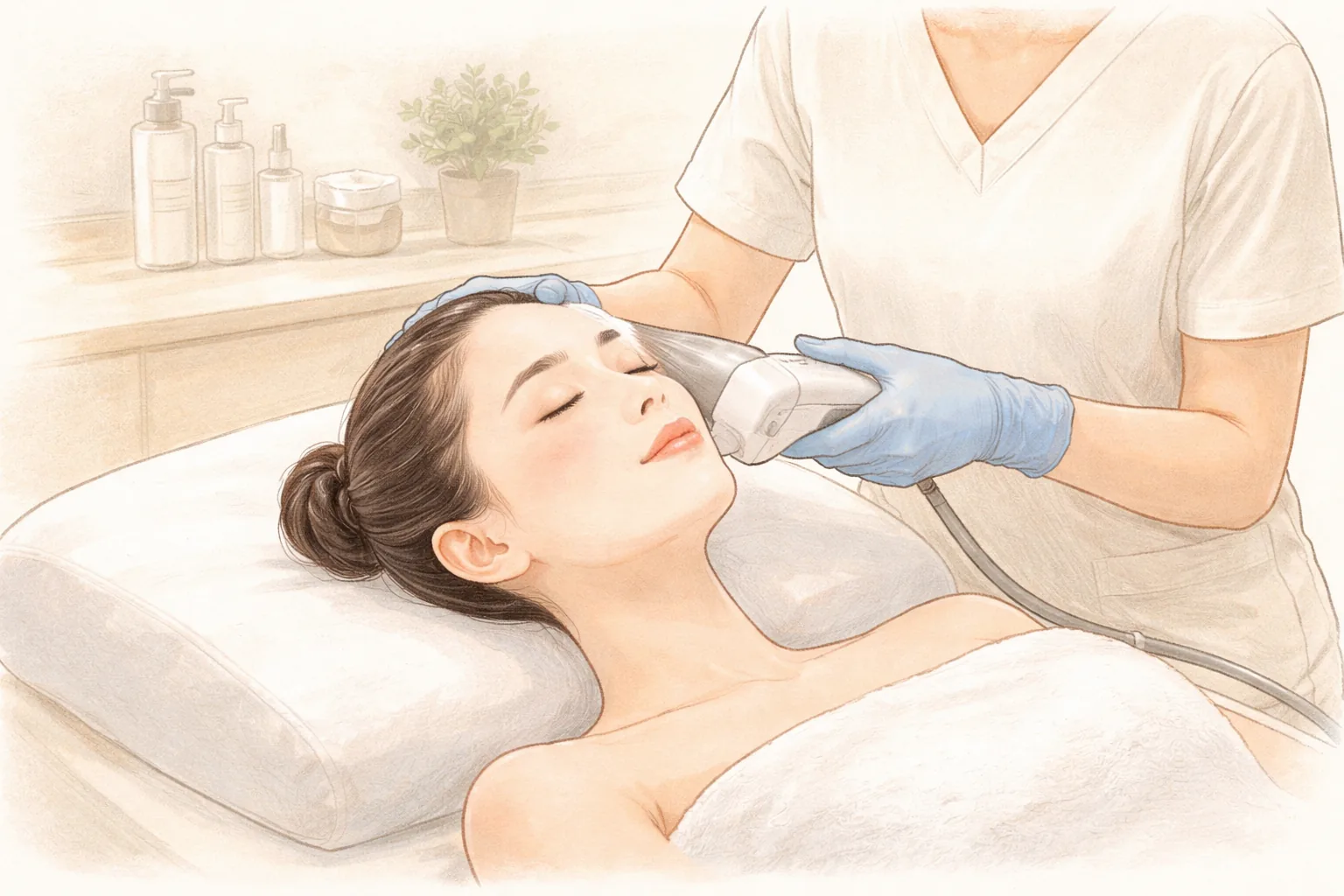
For pores and scars, we use Potenza, which delivers radiofrequency directly to the dermis via fine needles, and erbium fractional laser, which refines the surface through micro-peeling. If texture, pigment or redness are also concerns, we combine erbium YAG laser, PicoPlus and Vbeam according to the target. Our principle is genuine products, correct dosage, fair price.
Aftercare and Side Effects
Soothing — Redness and heat immediately after treatment are reactions within the expected range. Follow the soothing guidance given, and avoid saunas or strong exfoliation.
Moisturizing — Skin is temporarily sensitive, so maintain moisturizing.
Sunscreen — UV exposure during recovery can increase the risk of pigmentation, so blocking is especially important.
Progress check — If redness and heat last longer than expected or pain worsens, don't endure it — come in and get it checked.
After pore and scar treatments, redness, swelling, dot-like marks, dryness and thin crusts are common and usually settle within a few days to 1 week. Temporary pigmentation or breakouts can occur, and rarely burns, infection or scarring can occur. Injectables such as skin boosters can cause bruising and swelling, and rarely nodules, infection or allergic reactions. ATTITUDE Clinic's column also describes the same range, and notes that side effects can occur even with appropriate settings, so the side effects of the planned method are explained before treatment.
Frequently Asked Questions
What cosmetics are good for pores?
The role comes before the product name. Cleansing that reduces oil and dead skin buildup, retinol-type ingredients that help skin cell turnover, sunscreen and moisturizing are the basic pillars. Added to that is avoiding excess oil, pore-clogging cosmetics, friction and excessive sweating. The same ingredient produces different responses depending on oil production and skin condition, so new products are better tested on a small area first, then expanded.
If I keep applying pore-tightening toner, will my pores shrink?
You may feel temporary tightening, but the structure itself doesn't change. Pores that are already enlarged, or enlarged by loss of elasticity, have limits with cosmetics alone. Rather than layering multiple toners, it's better to shift weight toward managing oil and irritation. Instead of increasing how often you apply toner, it's better to first reduce the factors that increase oil production. Rather than washing frequently with strong soap, finish cleansing without irritation, and adjust habits to avoid excess oil, pore-clogging cosmetics, friction and excessive sweating. If the same spots still stand out after keeping that routine for a set period, you can consider a consultation to check whether the cause is oil or elasticity.
If I squeeze blackheads, will my pores get bigger?
Forceful squeezing can damage the pore wall tissue and leave it enlarged even after healing. Seoul National University Hospital's medical information also explains that squeezing incorrectly so oil bursts inward can create indented scars. It's also worth remembering that not every dot on your nose is a blackhead. Instead of repeatedly squeezing, it's better to change direction toward care that reduces blockage and irritation.
How consistently should I do home care?
The effect of exfoliating ingredients appears gradually, so it's hard to judge after a few days. According to KDCA guidance, if acne treatment doesn't improve after 6–8 weeks of consistency, it's good to change the method. Applying the same standard to home care, it's better to keep a routine for a set period, then observe the response and adjust.
For pore care, what should I look at when choosing a clinic?
Look at the content of the consultation rather than the equipment list. Points to check are: whether they explain the cause of your concern first, whether they tell you what treatments you don't need, whether they explain side effects and recovery time, and whether they inform you of cost items according to the treatment composition. Rather than deciding on treatment right at the first consultation, it's not too late to hear the direction based on the analysis record and then decide.
At a Glance
Table 2 At a Glance
Item
Key Point
Where home care reaches
Surface care that reduces oil and dead skin buildup and blockage
Where home care doesn't reach
Collagen regeneration and reorganizing damaged pore wall tissue
Blackheads and pores
Reducing blockage and changing structure are different tasks
Squeezing habit
Increases inflammation and scarring risk; different from clinic extraction
What determines results
Whether the cause is oil or elasticity, and care intensity and intervals
ATTITUDE Clinic's approach
AI skin analysis record → director consultation → treatment performed directly by the director
This article offers general health information. It is not a substitute for diagnosis or treatment based on your own condition, so please talk through your situation with a doctor.