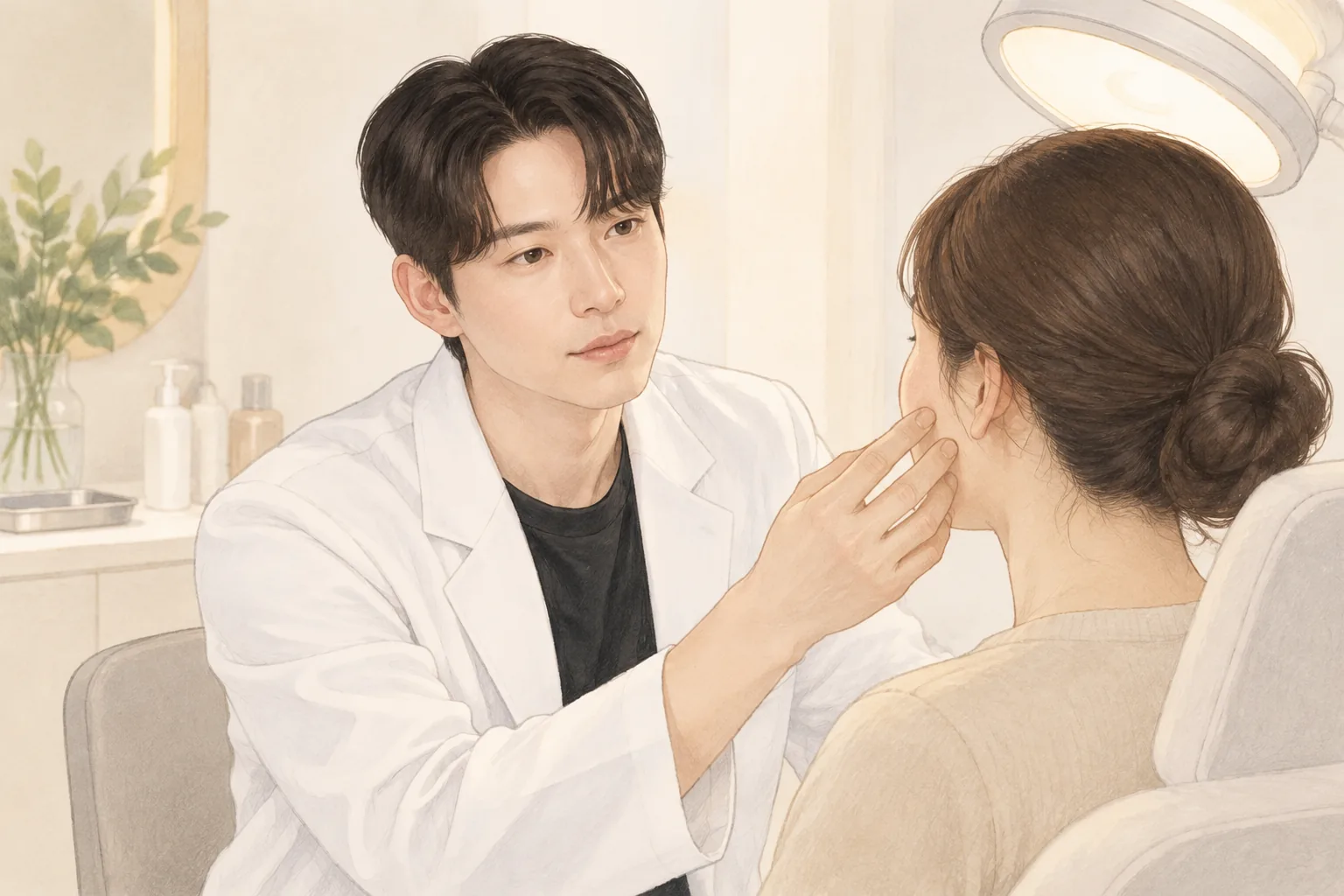
Cryo Facial Side Effects: Skin Reactions and When to Stop
Learn about common skin reactions after a cryo facial, from redness and blisters to pigmentation changes. Understand cryo facial side effects, long-term risks, and who should be cautious. Find out if cryotherapy facial is safe and how to choose a clinic.
Written by ATTITUDE Clinic Editorial Team
When considering a cryo facial, a common question is, "Is it really okay to put something that cold on my face?" If your face turns red right after, you might worry something went wrong; if you feel nothing, you might doubt it worked. The way cold touches your skin, how long it stays, and your current skin condition all determine the range of reactions.
First, the bottom line
Cryo (cooling) facials apply low temperatures to the face for short periods to reduce heat and temporary flushing. Common reactions include redness, stinging, and temporary dryness immediately after, and they usually don't lead to serious damage. However, because cold itself can harm the skin, blisters, whitened areas, or worsening pain should not be waited out—seek medical attention. Whole-body cryotherapy, where the entire body is exposed to intense cold for a long time, is not the same as a brief facial treatment. The degree of reaction and recovery speed vary with skin thickness, sensitivity, and pre-treatment condition.
What does cold do to the skin?
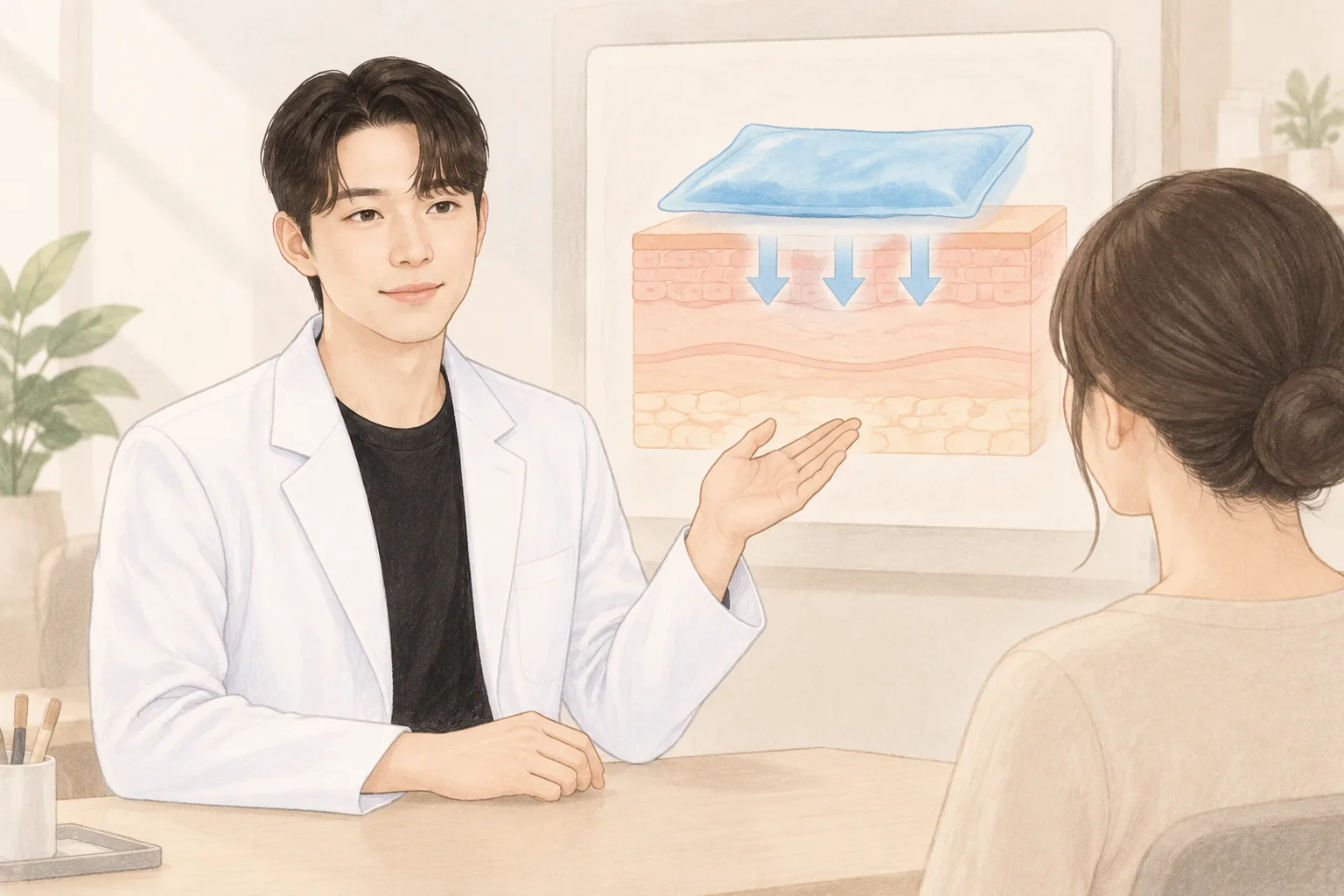
When cold hits, the skin reacts to the temperature change first. Redness or stinging right after a treatment is that reaction showing on the surface. If the intensity is too high or the duration too long, it goes beyond the recovery range. So in cryo facials, what matters is not "how cold" but "for how long, and where."
The most extreme example is whole-body cryotherapy. According to the American Academy of Dermatology, whole-body cryotherapy involves exposing nearly bare skin to temperatures around minus 200 degrees Fahrenheit for 2–4 minutes. The source states that while evidence is accumulating that such extreme cold can damage the skin, the cosmetic or health benefits have not been proven. Reported injuries include frostbite (damage where skin and underlying tissue freeze), frozen limbs, and rash. In a study from Finland, 16% of participants experienced mild frostbite.
Rash, specifically cold panniculitis, is another reaction. It occurs when cold damages the deepest layer of skin, the fat layer, and has been reported in a person who underwent whole-body cryotherapy eight times over 2 weeks. Once the cause is removed, the skin heals on its own, but recovery takes weeks, and the rash can leave dark or light spots that last for months.
Localized cryotherapy has a different purpose. The AAD's guide to wart treatment describes freezing lesions with a very cold substance so they crust and fall off. Crusting or blistering after the procedure is expected, and the treated area usually heals within 4–7 days. It often requires multiple sessions at 2–4 week intervals, and side effects include lightening or darkening of the treated area and scarring.
Cryo facials are neither lesion-freezing cryotherapy nor whole-body chambers. The purpose and intensity differ, but the principle is the same: the longer and colder the exposure, the greater the risk. Whether cold helps or harms depends on temperature and time.
Even with the same cold, risks vary by method
Even with "cryo" in the name, the area and duration of exposure differ.
Table 1 Even with the same cold, risks vary by method
Type
Area and duration of cold exposure
Typical reactions and points to check
Whole-body cryotherapy
Almost entire body, 2–4 minutes, near minus 200°F
Skin damage such as frostbite and cold panniculitis reported. Benefits not yet proven
Localized cryotherapy (e.g., warts)
Lesion only
Crusting and blistering are expected; heals in 4–7 days. Pigment changes and scarring possible, repeated every 2–4 weeks
Facial cryo treatment
Face surface, short duration
Redness, stinging, temporary dryness common. Duration depends on temperature, time, and skin condition
Swipe sideways to see the whole table.
In summary facial cryo treatments are short, localized, and tailored to your skin condition. Injuries reported from whole-body chambers or lesion freezing don't directly apply to facial treatments under different conditions, but the principle remains: lower temperature and longer time increase risk.
Why do some people turn red while others don't?
The face has different thickness in different areas. The cheeks tend to have a thicker fat layer, while under the eyes and around the nose are relatively thin. If cold reaches the fat layer for too long, it can cause deep damage like cold panniculitis. That's why the same device and same intensity can produce different results depending on where it's applied.
If your face easily flushes, reactions may appear more intense. Skin prone to facial redness/rosacea has blood vessels that react sensitively to temperature changes, so redness after treatment may last longer.
Dry skin or skin that has undergone frequent exfoliation is similar. When the stratum corneum is thinned, the same stimulus feels stronger. If you are using retinoids or have had significant UV exposure from recent outdoor activities, it's best to mention this during consultation. The ATTITUDE Clinic laser column also advises informing your doctor about medications and cosmetics you use, recent UV exposure, and any sensitive reactions after previous treatments.
It's also common to think that cold always soothes. Cold stimuli work to reduce heat, but if intensity and duration exceed the skin's recovery range, they shift from soothing to damaging. Prolonged redness after treatment occurs when this boundary is crossed. The size of the reaction depends more on your skin's current condition than on temperature.
Immediate reactions after treatment: how long can you wait?
Redness, heat, and stinging are most common right after. You may also feel tightness or temporary sensitivity. These are within the normal range of response to stimulation and tend to subside over time.
One step up is blisters or crusting. While crusting and blistering are expected in cryotherapy, blisters after a facial cryo treatment indicate that the intensity or duration was not right for your skin. Pigment changes—whitening or darkening—are also reactions that appear after excessive cold exposure.
The rarest are frostbite and cold panniculitis. These occur when cold penetrates deep enough to freeze the skin, and the injuries reported in whole-body cryotherapy data fall into this category. Areas where blisters form or skin turns white, a feeling of numbness should not be ignored.
If pain worsens over time, swelling and heat persist, or redness doesn't fade and spreads, seek evaluation. The longer you wait, the slower recovery tends to be.
If this applies to you
If a ceremony or photo shoot is weeks away
For first-time treatments before an important event, consider the risk of redness overlapping with that day. Let the clinic know your schedule in advance so timing and intensity can be adjusted. If it's your first treatment, allow ample time between the procedure and the event for peace of mind.
If you want ongoing soothing care
Rather than intense sessions at once, repeating with recovery intervals is gentler on the skin. Cryo is often combined with other treatments, and the order and intensity are adjusted based on your skin condition that day.
If your skin is sensitive or prone to redness
Start with lower intensity and shorter application time. Avoiding irritating exfoliation and hot saunas before and after treatment helps reduce prolonged redness.
If you are an overseas visitor on a short stay
Let us know your stay and departure dates first, and we will set intensity so recovery completes within that timeframe. Airplane cabins are dry and UV exposure continues, so it's good to plan moisturizing and sun protection after treatment.
Please tell us before consultation Recent UV exposure (outdoor activities, travel), medications and skincare ingredients you are taking or applying (retinoids, exfoliants), any sensitive reactions after previous treatments, ceremony or photo shoot dates, departure date, and whether your skin has ever reacted unusually to cold.
How ATTITUDE Clinic proceeds
Precision diagnosis and skin analysis Pigmentation, redness, texture, and dryness are recorded with AI skin analysis. The analysis tool records and organizes information to support consultation; it does not replace medical diagnosis.
Doctor consultation Your schedule, pain sensitivity, and previous treatment experience are added to the records to determine cooling intensity, application time, and areas. Thinner areas are adjusted with shorter times.
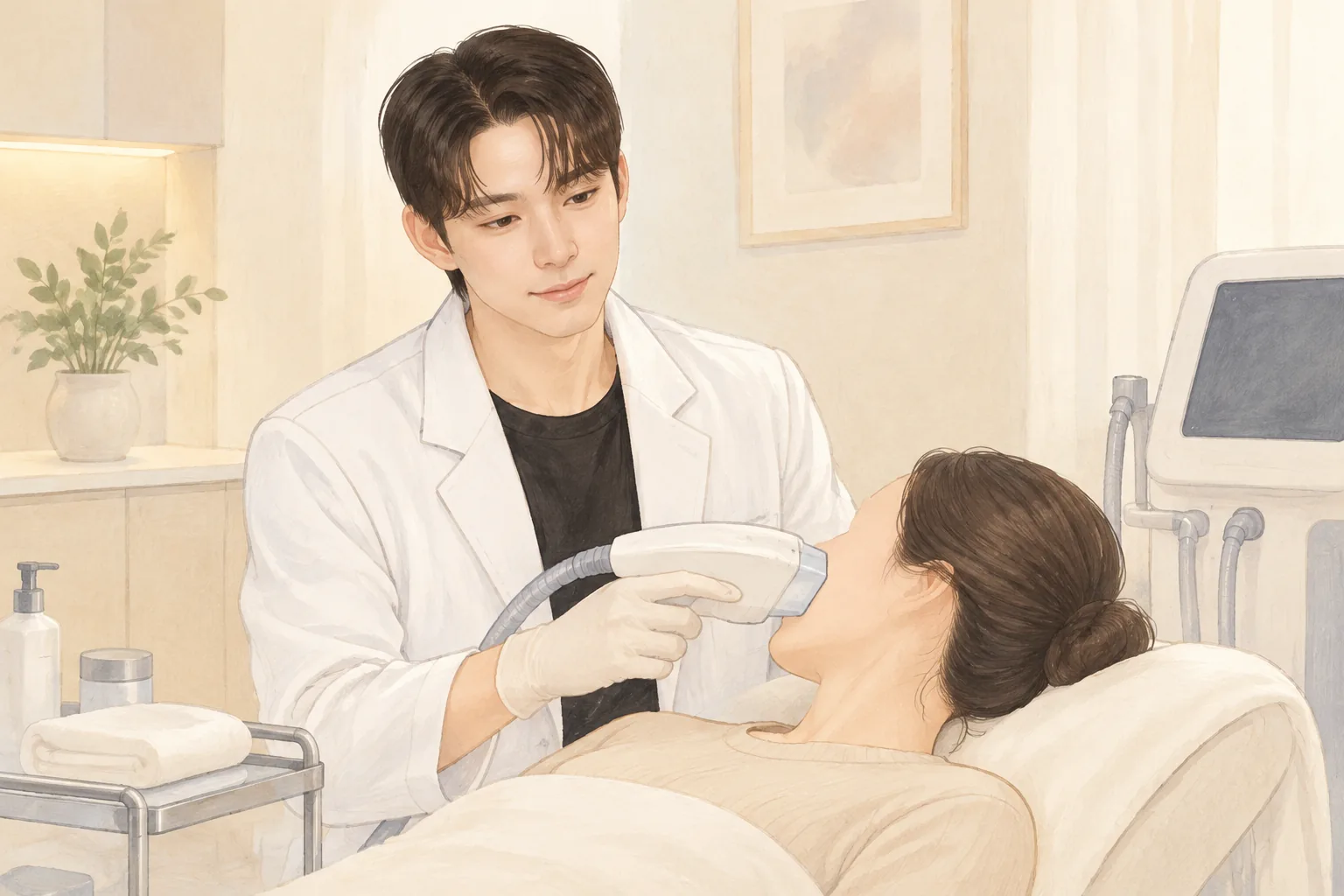
Treatment by the doctor Intensity is set to minimize irritation. ATTITUDE Clinic's principle is not to recommend more sessions or stronger settings than necessary.
Recovery and follow-up We check that post-treatment reactions are within the expected range and guide you on daily care and next appointments.
Four steps your doctor sees to in person
From the diagnostic device to the treatment bed, the doctor you first consult takes care of everything.
01
Precision diagnosis
In a private diagnosis room the whole face is photographed, recording even skin conditions that are hard to see with the eye.
02
Skin analysis
The doctor goes through your pore, pigmentation, wrinkle and firmness results with you on screen and explains what comes first.
03
One-to-one design
With your skin, the balance of your face, the change you want and your schedule in view, you decide the treatment and its extent together.
04
Treatment by your doctor
The doctor who consulted you performs the treatment from start to finish in a private treatment room. No one takes over halfway.
“I take injection pain seriously.”
Co-Director Dr. Lee Dong Hun
Many people hesitate over injection treatments because they hurt. So we went back over everything, from the anesthetic to the products used.
Careful numbing, unhurried timingWe allow plenty of time for a special numbing cream to take full effect, and add anesthetic injections for the treatments and areas that need them.
Fine needles, finished quicklyInjection treatments use fine needles, and the doctor finishes them personally in a short time, adjusting along the way by watching how you are doing.
Even the product formulation countsThe same treatment can feel more or less demanding depending on the product, so we take that into account too.
The anesthetic method and whether it is used are decided after an examination, according to the treatment, the area and your condition. How much it hurts varies from person to person.
Treatment guide lists cryo, LDM, Omega Light, and Aqua Peel as skin care options. Prices are listed excluding VAT, and consultation with a doctor before treatment is advised. The order of treatments is determined after assessing your skin condition.
Post-treatment care and side effects
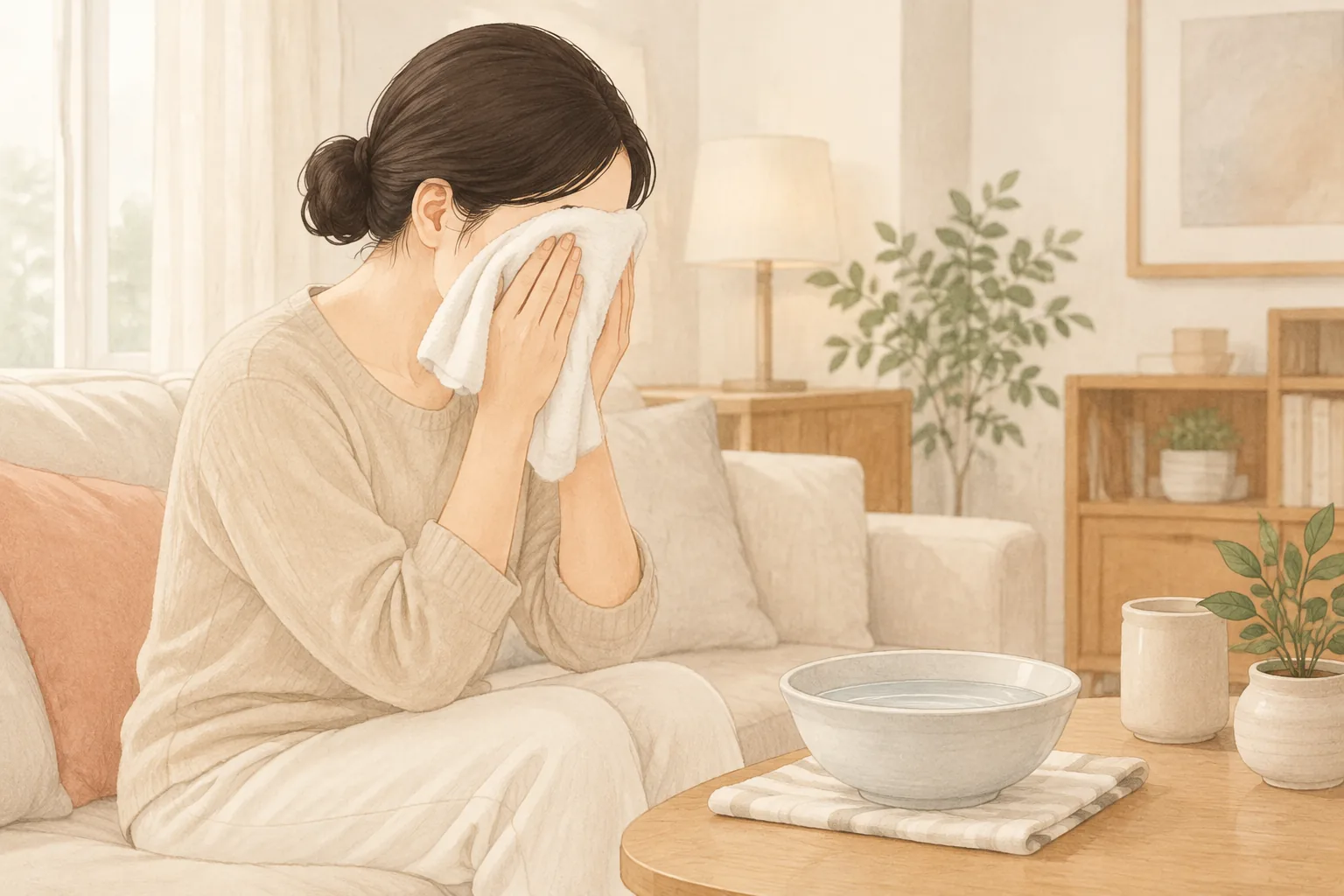
Soothing On the day of treatment, avoid washing with hot water or rubbing vigorously. Avoid saunas, intense exercise, and alcohol.
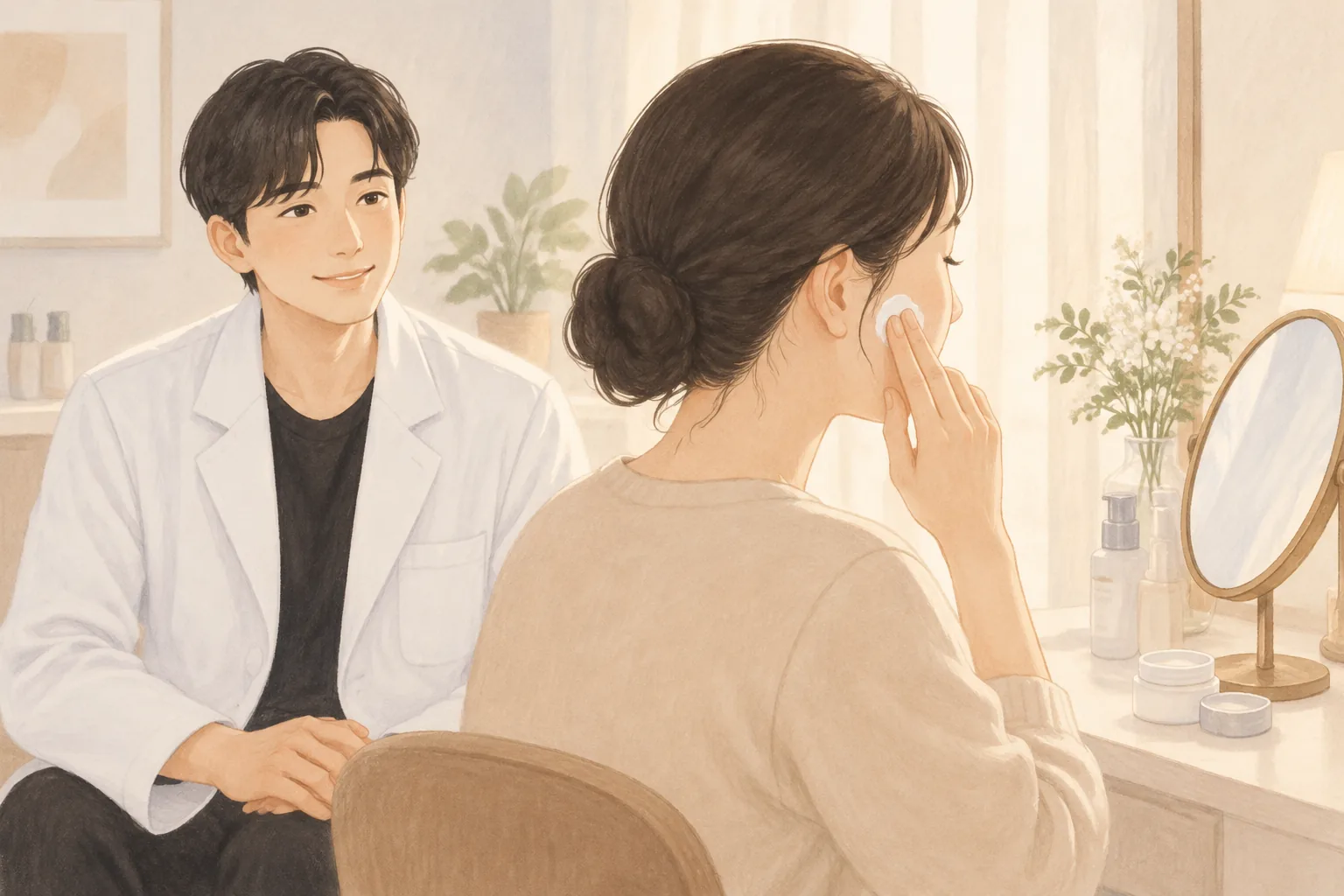
Moisturizing The stratum corneum is sensitive, so replenishing moisture helps recovery. It's better to pause irritating active ingredients temporarily.
Sun protection Apply sunscreen carefully during recovery. The collagen injection column also advises reapplying sunscreen throughout the recovery period.
Monitoring Watch for changes in redness and pain, and contact us without waiting for your next appointment if anything seems off.
Common reactions include redness, heat, swelling, and stinging. Less commonly, blisters, pigment loss or darkening, infection, or scarring may occur. The laser column advises that the doctor explain such reactions along with the planned settings before treatment.
If any of the following signs appear, visit the clinic for evaluation without waiting for your next appointment: blisters, skin turning white or dark, worsening pain, persistent swelling and heat, or numbness.
Frequently asked questions
Can I wear makeup right after a cryo facial?
Your skin is sensitive immediately after. Makeup itself isn't a problem, but keeping it light that day and cleansing and moisturizing gently is better for recovery. If redness is significant or stinging persists, prioritize soothing over makeup. Decide the next day based on your condition; if blisters or color changes appear, postpone makeup and seek evaluation. Skin reactions vary by individual, so base your decision on your skin's condition that day rather than what worked for others.
Can my face get damaged from freezing?
Yes, if cold penetrates deep into the skin, damage can occur. Frostbite and cold panniculitis reported in whole-body cryotherapy are examples. Facial cryo treatments use shorter times and temperatures, so conditions differ, but excessive intensity or sensitive skin increases risk. That's why it's important to speak up immediately if you feel severe pain or abnormal sensation during treatment. To avoid confusing dermatological lesion freezing with facial soothing treatments, ask during consultation which method is being used.
What if redness doesn't subside for a long time?
Redness right after treatment is common, but if it doesn't fade or spreads after a considerable time, evaluation is needed. Proceeding with the next treatment as scheduled in that state would add irritation. Taking photos and visiting the clinic makes it easier to compare progress. Mentioning if you recently used irritating products or exfoliated can help narrow down the cause.
Is it okay if my skin is thin or sensitive?
For thin areas and sensitive skin, start with lower intensity and shorter time. If the stratum corneum is damaged or you are using retinoids or exfoliants, adjust the timing. Discussing skin thickness, redness, and recent products during consultation helps determine settings. What's appropriate varies by skin, so adjusting based on your first treatment's reaction is safer.
How do I choose a clinic for cryo facials?
The checklist matters more than the device name. Criteria include whether they assess redness, skin thickness, and dryness before treatment, adjust intensity and time to your skin, and provide follow-up if reactions exceed the expected range. For facial cooling treatments, ask how they handle thin areas. Also check whether they require a pre-treatment consultation.
At a glance
Table 2 At a glance
Item
Key point
Purpose of cryo facial
Reduce heat and temporary flushing with low temperature
This article offers general health information. It is not a substitute for diagnosis or treatment based on your own condition, so please talk through your situation with a doctor.