Exosome Facial Side Effects: Redness, Itching and When to Call the Clinic
How to tell common redness, itching and swelling after an exosome facial from rare lumps and prolonged inflammation, plus pregnancy, breastfeeding, long-term safety and what to check before flying home.
Written by ATTITUDE Clinic Editorial Team
The question visitors ask most before an exosome facial is simple: is redness normal, and should I stop if it itches? If you're only in Seoul briefly, you're probably also wondering whether the reaction will settle before your flight home. With exosomes, reactions to the product itself can overlap with reactions to whatever opens the skin, so it helps to separate the common responses from the signals that mean you should call the clinic.
The short answer
After an exosome facial, redness, itching, swelling and irritation can occur as a reaction to the product. If the treatment also used a laser or microneedling to open the skin, you'll also get that procedure's redness, swelling, pinpoint marks, dryness and thin crusts. Most of these are mild and fade quickly, but allergic reactions, lumps (granulomas) and prolonged inflammation have been reported rarely. If symptoms keep getting worse or don't settle, see a doctor regardless of your flight home. Tell the clinic before treatment if you are pregnant or breastfeeding, have an autoimmune condition, have reacted to a product before, or have an infection, cold sore or inflammatory acne at the treatment site.
What do exosomes do in the skin?
Exosomes are tiny sacs (vesicles) released by cells. They carry signals such as growth factors and proteins between cells. ATTITUDE Clinic's column describes exosomes not as "putting cells in" but as "the messages cells send." Many products are made by culturing stem cells and purifying only the signalling substances those cells released, and some products are plant-derived.
A clinical dermatology review found that exosomes have shown potential in wound healing, scar prevention, photodamage prevention and skin regeneration. However, this reflects a review of 34 papers selected from 2010 to 2023, and commercialisation still faces obstacles: cost, complex isolation, the absence of standard protocols, limits in assessing infection risk and a lack of clinical evidence (Skin Health and Disease review). The mechanism is established, but how much a product applied to the skin actually does is still being studied.
So when talking about side effects, the word "exosome" alone isn't enough. Each product differs in source, concentration and purification method, and even the same product causes different levels of irritation depending on which procedure it's paired with. What separates reactions is the product and the procedure it's paired with, more than the name. Knowing this first makes it clearer what to watch when redness or itching appears.
Redness and itching: how long can you wait?
Product reactions can include redness, itching, swelling and irritation, and allergic reactions can also occur. The procedure itself can cause redness, swelling, pinpoint marks, dryness and thin crusts depending on the device and settings. These reactions are generally described as mild and quick to settle, but the degree and duration depend on skin thickness, treatment area, product and the devices used.
The American Academy of Dermatology's filler guidance notes that redness, swelling, tenderness and bruising can occur at the injection site and usually settle within 7–14 days. Those numbers are for filler injections and can't be transferred directly to exosomes. Still, the point that reports of serious side effects increase when the person injecting lacks training and experience is worth remembering when choosing a clinic (AAD filler guidance).
So why the redness? After a procedure that opens the skin, the outer barrier is temporarily looser, so the product reaches deeper while irritation also increases. If itching or irritation spreads instead of settling, swelling grows, or changes look like hives, think allergic reaction. In that case it's better to postpone the next treatment and get medical care. If itching and swelling spread, see a doctor before the next treatment.
Which products and procedures increase reactions?
Exosome products differ in source, concentration and purification method. Many are stem-cell derived, some are plant-derived, and products with the same name don't share the same level of purification. At consultation, it's more realistic to ask "which product, used in which way" than "I'll have exosomes".
How the skin is opened also increases reactions. Right after microneedling or an ablative fractional laser such as erbium or CO2, tiny channels form temporarily on the skin surface. Applying exosomes at that point is thought to deliver them deeper into the skin. By contrast, HIFU or RF lifting and low-energy Pico toning barely open the surface, so most of the product stays on top. Even the same product can cause more irritation when paired with a procedure that opens the skin, and lumps (granulomas) or prolonged inflammation have rarely been reported after product was applied to opened skin.
One common misunderstanding: "stem cell exosomes" is not a treatment that puts stem cells in. It is a product purified from the signalling substances cells released, not living cells. Since it isn't the cells themselves, it's hard to say there's no risk of allergy or foreign-body reaction at all, and the product's source and purification method affect safety.
Is it okay during pregnancy, or if I have it repeatedly?
During pregnancy or breastfeeding, the doctor decides on exosome treatment by weighing risk and benefit. ATTITUDE Clinic's column lists pregnancy or breastfeeding, autoimmune conditions, past reactions to cosmetics or medicines, and infection, cold sores or inflammatory acne at the treatment site as items to disclose before treatment. There isn't yet enough data to state flatly that pregnancy is an absolute contraindication, nor that it is safe. So it stays a decision to make at consultation rather than something to rush.
Long-term safety calls for more caution. Exosome treatment entered clinical practice relatively recently, so data beyond 10 years is insufficient. The clinical review also notes limited clinical evidence and the absence of standard protocols so far (Skin Health and Disease review). The rarely reported lumps and prolonged inflammation are cases whose long-term outlook is hard to state. It's best to hear the explanation before treatment and keep a record of your progress afterwards.
Table 1 Is it okay during pregnancy, or if I have it repeatedly?
Reaction
When it mainly occurs
Typical course
When to call
Redness, swelling, pinpoint marks
Right after a laser or microneedling that opens the skin
Usually mild and quick to settle, varies with area and settings
When it spreads or grows
Itching, irritation
After applying the product
Mild reactions usually pass
When it doesn't settle and worsens, or looks like hives
Lumps (granuloma), prolonged inflammation
Rarely after product applied to opened skin
Has been reported; watch whether it persists
When it can be felt or persists
Dryness, thin crusts
When paired with ablative fractional laser and similar
Can occur during recovery
When crusts persist and redness worsens
Swipe sideways to see the whole table.
In short common reactions come from the product and the procedure overlapping and usually pass mildly. If itching or swelling doesn't settle, or a lump can be felt, postpone the next treatment and get medical care.
If this applies to you
If your flight home is within a week
Leave some buffer between the treatment day and your flight, and confirm in advance how to contact the clinic if redness or swelling remains. During the flight, dryness and UV exposure can add up, so keep up moisturising and sun protection. If symptoms continue after you return home, bring your treatment record so you can be seen locally.
If a wedding or shoot is just around the corner
Strongly combining a skin-opening procedure with exosomes on the same day can leave redness behind. You'll need a consultation to lower the intensity or adjust the timing to fit your schedule. Leaving at least a few days of buffer rather than the day before a shoot is easier on the mind.
If your skin is sensitive or redness-prone
When product and procedure reactions overlap, irritation can feel stronger than usual. If you've reacted to cosmetics or medicines before, mention the possibility of allergy first. Even the same product causes different reactions depending on your skin barrier condition.
If you are pregnant or breastfeeding, or have an autoimmune condition
Tell the clinic before treatment about pregnancy or breastfeeding, autoimmune conditions and any medications you take. If there is an infection, cold sore or inflammatory acne at the treatment site, treatment may be needed first. In that case, deciding to postpone the treatment date is part of the consultation too.
Tell us before your consultation Please share recent UV exposure, medications and active skincare ingredients, reactions after past treatments, and your flight home or event schedule. Also mention pregnancy or breastfeeding, autoimmune conditions, and any infection, cold sore or inflammatory acne at the treatment site.
How ATTITUDE Clinic handles it
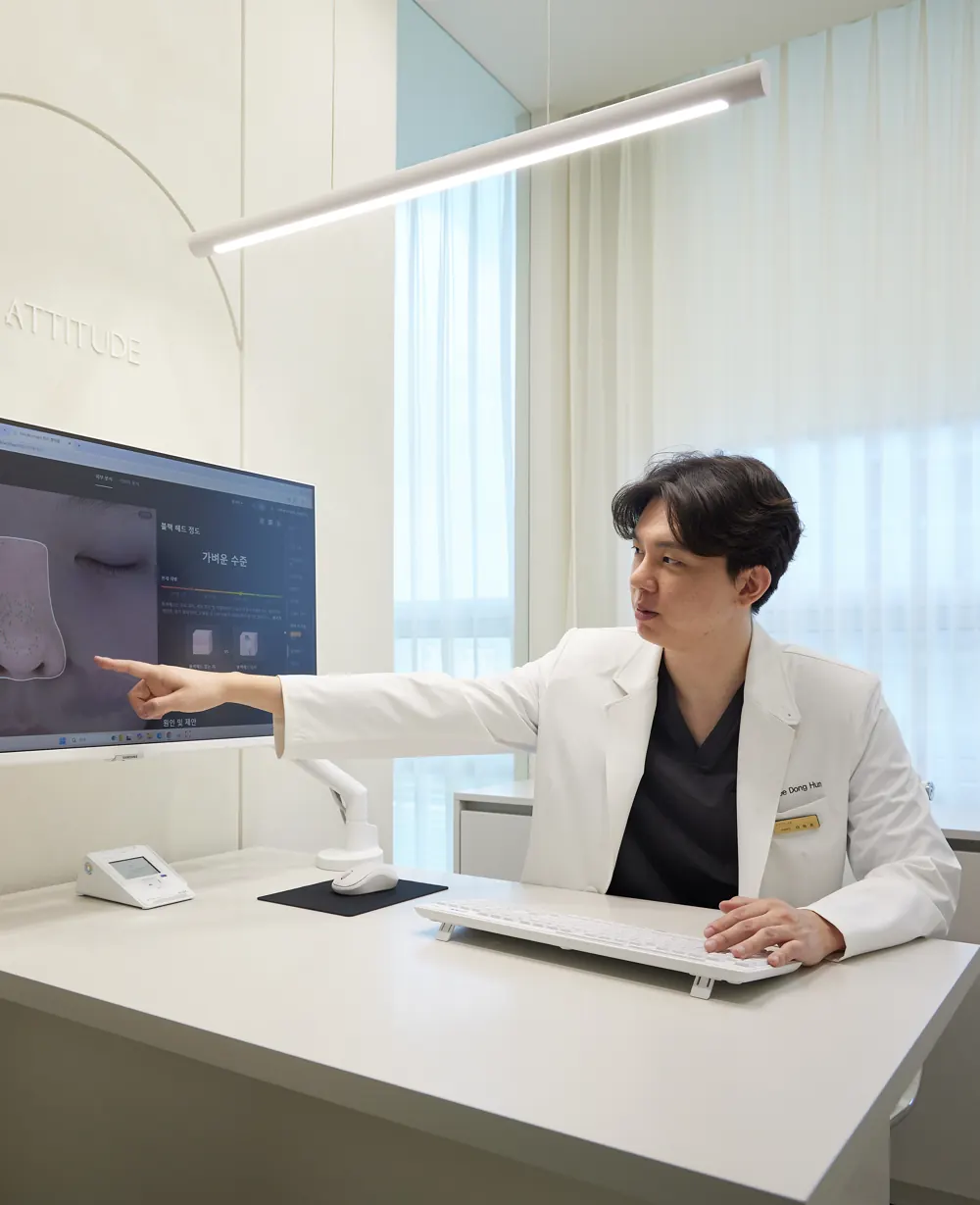
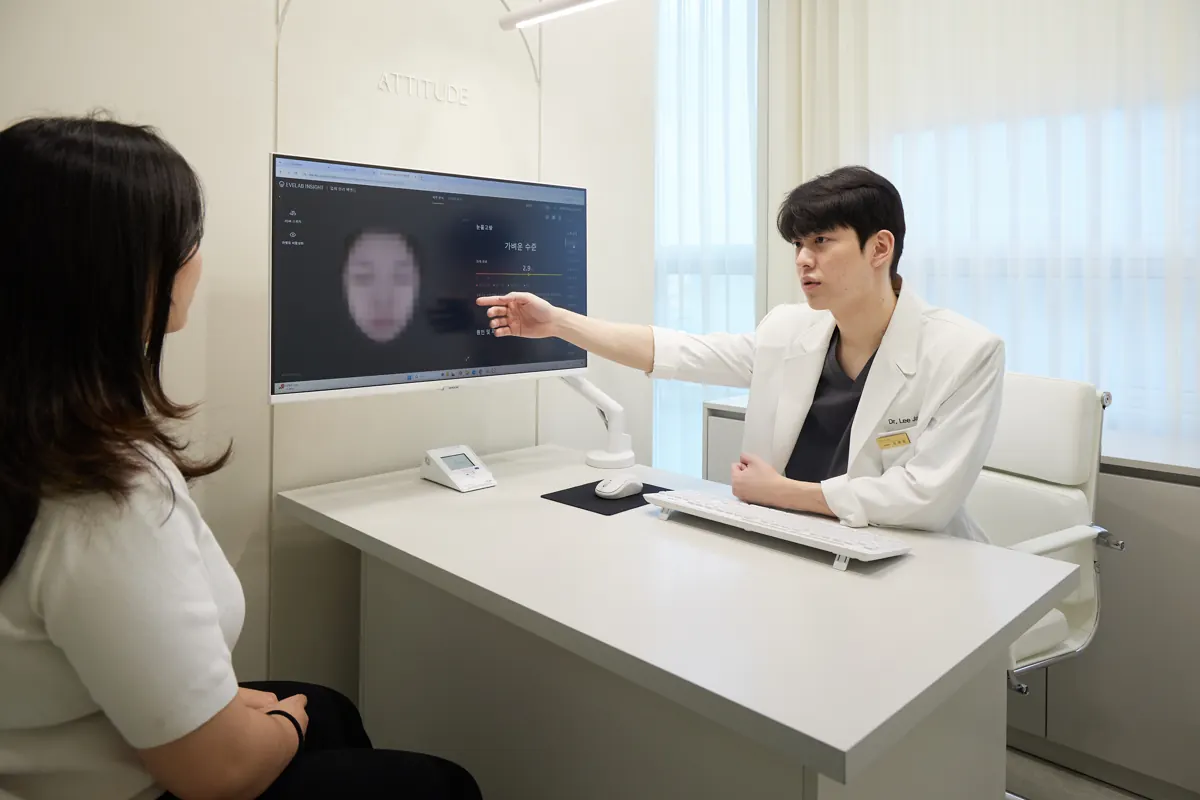
Skin records and questionnaire We record your skin condition with a device and check allergies, medications, pregnancy or breastfeeding and past treatment reactions. Device records support the consultation; they do not replace a diagnosis.
Consultation with the doctor and product check We confirm the source, concentration and purification method of the exosome product to be used, and the procedure it will be paired with. This is also where we decide whether the skin will be opened or the product will stay on the surface.
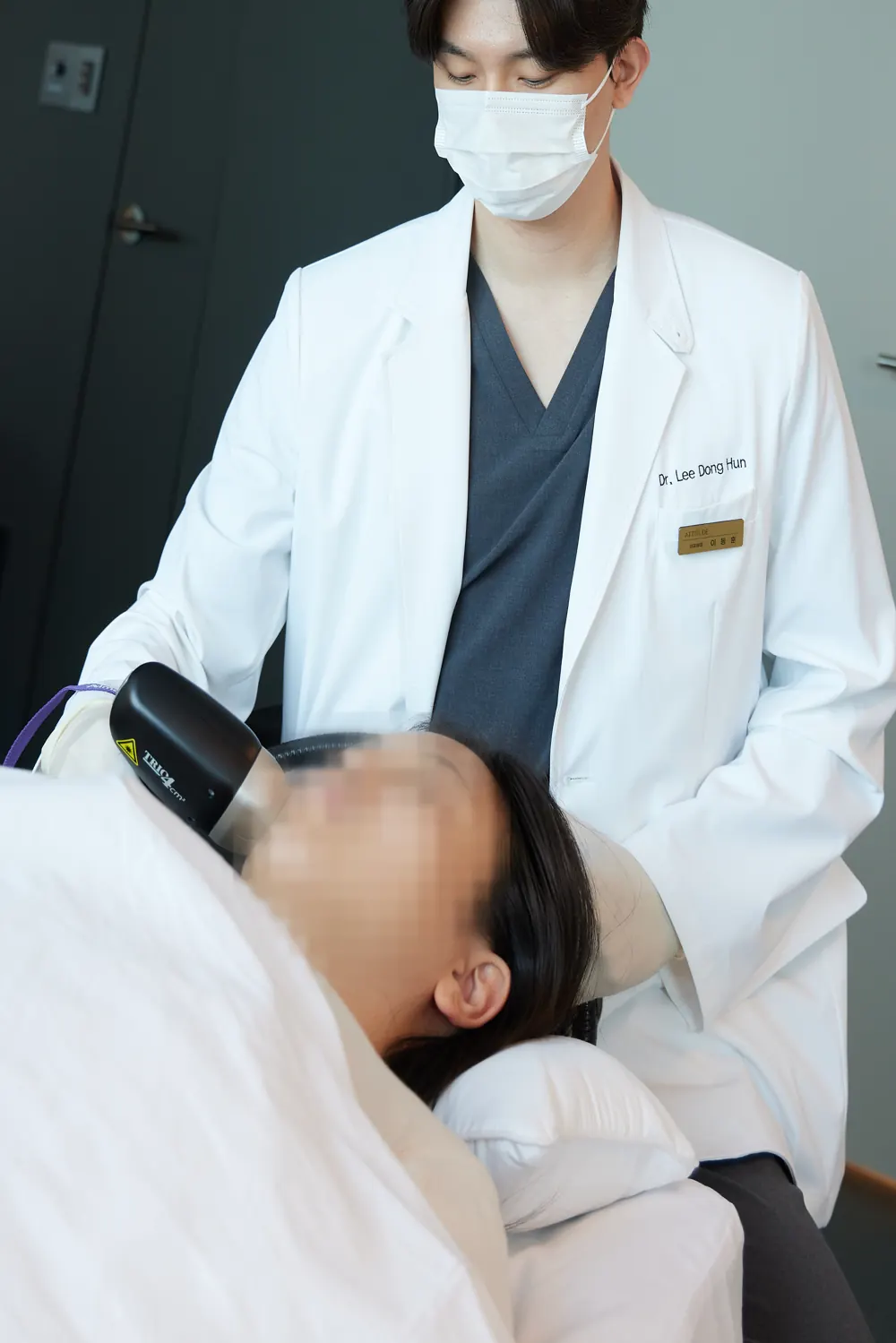
Treatment by the medical team Treatment is performed within the area and intensity agreed at consultation. If your skin is sensitive or redness-prone, we lower the intensity or divide the area.
Recovery and follow-up We check for redness, itching, swelling and changes in lumps, and explain when to call, taking your flight home into account. For prices, check the list price and whether VAT is included in the treatment and price guide (treatment and price guide).
Four steps your doctor sees to in person
From the diagnostic device to the treatment bed, the doctor you first consult takes care of everything.
01
Precision diagnosis
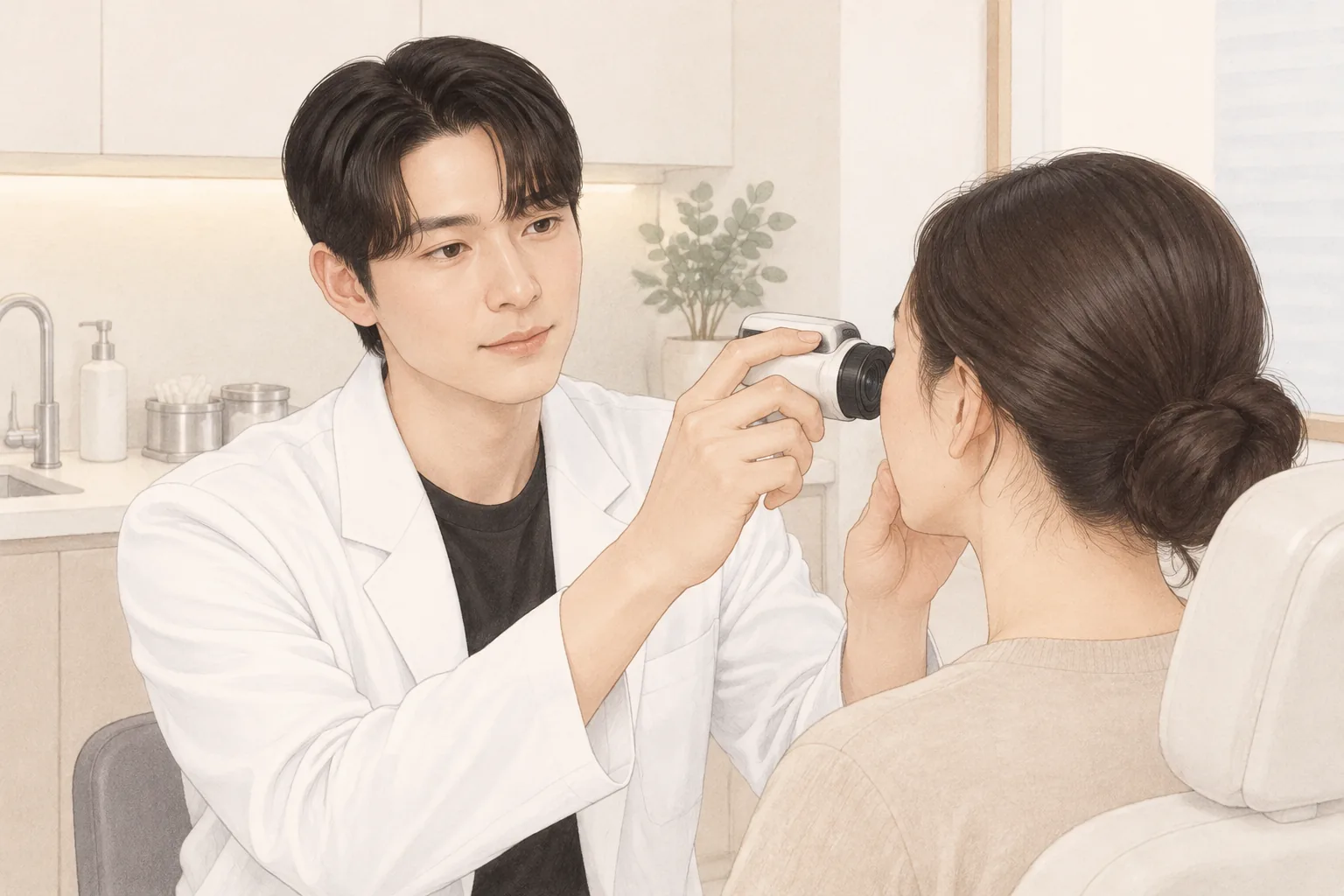
In a private diagnosis room the whole face is photographed, recording even skin conditions that are hard to see with the eye.
02
Skin analysis
The doctor goes through your pore, pigmentation, wrinkle and firmness results with you on screen and explains what comes first.
03
One-to-one design
With your skin, the balance of your face, the change you want and your schedule in view, you decide the treatment and its extent together.
04
Treatment by your doctor
The doctor who consulted you performs the treatment from start to finish in a private treatment room. No one takes over halfway.
“I take injection pain seriously.”
Co-Director Dr. Lee Dong Hun
Many people hesitate over injection treatments because they hurt. So we went back over everything, from the anesthetic to the products used.
Careful numbing, unhurried timingWe allow plenty of time for a special numbing cream to take full effect, and add anesthetic injections for the treatments and areas that need them.
Fine needles, finished quicklyInjection treatments use fine needles, and the doctor finishes them personally in a short time, adjusting along the way by watching how you are doing.
Even the product formulation countsThe same treatment can feel more or less demanding depending on the product, so we take that into account too.
The anesthetic method and whether it is used are decided after an examination, according to the treatment, the area and your condition. How much it hurts varies from person to person.
Exosomes are often used as an adjunct right after RF microneedling such as Potenza or an erbium fractional laser. After HIFU or RF lifting or low-energy Pico toning, whether to combine them is decided at consultation because the product tends to stay on the surface. Device records and photos are material for comparing progress, not a guarantee of results.
Aftercare and side effects
Calming On the day of treatment, wash gently with lukewarm water and don't rub or press hard on the treated area. If a skin-opening procedure was combined, follow that procedure's recovery guidance first.
Moisturising Apply a gentle moisturiser thinly and often. Severe dryness can cause thin crusts, so keep moisturising even indoors.
Sun protection When going out, apply sunscreen and cover up with a hat. Skin in recovery can become sensitive to UV.
Tracking progress Photograph redness, itching, swelling and any change in lumps under the same lighting. If changes continue before or after your flight home, have them checked at a clinic.
Common side effects are redness, itching, swelling and irritation. The procedure itself can cause pinpoint marks, dryness and thin crusts. More rarely, allergic reactions, lumps (granulomas) and prolonged inflammation have been reported. As a relatively new field, long-term safety data is still limited.
There are times to get medical care rather than wait: when redness or itching doesn't settle and worsens, when swelling grows, when a lump can be felt or prolonged inflammation is suspected, or when an allergic reaction is suspected. If you're before your flight home, it's better to adjust your schedule and be seen first.
FAQ
Are exosome side effects common?
The common reactions are redness, itching, swelling and irritation. If a skin-opening procedure is combined, that procedure's redness or crusts add to it. Serious side effects are rarely reported, but lumps, prolonged inflammation and allergic reactions are things to confirm with a doctor rather than wait out. As for long-term safety, data is still accumulating, so it's hard to state there is none at all.
It's red and itchy after treatment — is that normal?
Redness and itching can occur as product reactions and usually pass mildly. But if itching spreads, swelling grows or it looks like hives, think allergic reaction. In that case, postpone the next treatment and get medical care. Even the same symptoms vary in degree with skin thickness and treatment area. When taking photos, shoot under the same lighting and angle so it's easier to compare whether it's spreading or settling. On the day of treatment, wash gently with lukewarm water, don't rub the treated area, and apply a gentle moisturiser thinly and often. If itching worsens, don't scratch — contact the clinic and discuss whether to postpone the next treatment.
Can I have it while pregnant or breastfeeding?
There isn't yet enough data to state flatly that pregnancy or breastfeeding is an absolute contraindication, nor that it is safe. So tell the clinic before treatment whether you are pregnant or breastfeeding, and the doctor decides by weighing risk and benefit. Mention autoimmune conditions and past product reactions too. It's a decision to make at consultation rather than something to rush.
Are long-term exosome side effects known?
Exosome treatment entered clinical practice relatively recently, so data beyond 10 years is insufficient. The clinical review also notes limited clinical evidence and the absence of standard protocols so far. Lumps and prolonged inflammation have been reported rarely, so it's best to keep a record of your progress. Hear the explanation before treatment and decide by watching your condition rather than on a fixed schedule.
How do I choose a clinic for an exosome facial?
First, see whether they explain which product they use, its source, concentration and purification method. It also matters who takes your history and performs the treatment, and whether they check allergies and pregnancy or breastfeeding. If a skin-opening procedure is combined, check whether intensity and area are matched to your skin, and whether there's a way to contact them if something goes wrong. Compare prices by list price and whether VAT is included. It's less about picking a particular clinic than about checking whether these items are covered.
At a glance
Table 2 At a glance
Item
Key point
How it works
A product purified from signalling substances cells released, different from a treatment that puts stem cells in
Common reactions
Redness, itching, swelling, irritation, plus pinpoint marks and dryness from the procedure itself
This article offers general health information. It is not a substitute for diagnosis or treatment based on your own condition, so please talk through your situation with a doctor.