Filler Aftercare: Your First Week Back Home and When to Call
A practical guide to filler aftercare day by day after you fly home, covering lip filler aftercare, under eye filler aftercare, and the warning signs—like skin color changes or vision changes—that mean you should contact your clinic right away.
Written by ATTITUDE Clinic Editorial Team
Before you leave Seoul after filler, the most common question is about what happens after you get home. Can you fly with lips still swollen and bruised? Should you ice at home? And if something goes wrong, who do you contact first? Filler is a treatment your body gradually breaks down, so home care does not change the result itself—but it does affect how quickly swelling and bruising settle and how soon you notice warning signs.
The bottom line first
Filler aftercare at home focuses on helping swelling and bruising settle faster and on not missing rare but possible vascular problems. On the day of treatment and the next day, calm the area with cold compresses and use acetaminophen for pain. Skip strenuous exercise for a few days and drink plenty of water, and you have the basics covered. If your lips or surrounding skin turn pale or mottled, pain gets worse, or your vision changes, do not wait—seek medical care wherever you are. The FDA notes that swelling and bruising are common side effects that appear right after injection and that many side effects settle within days to weeks. Hyaluronic acid lip fillerbreaks down on its own over 6–12 months.
What happens under the skin after filler?
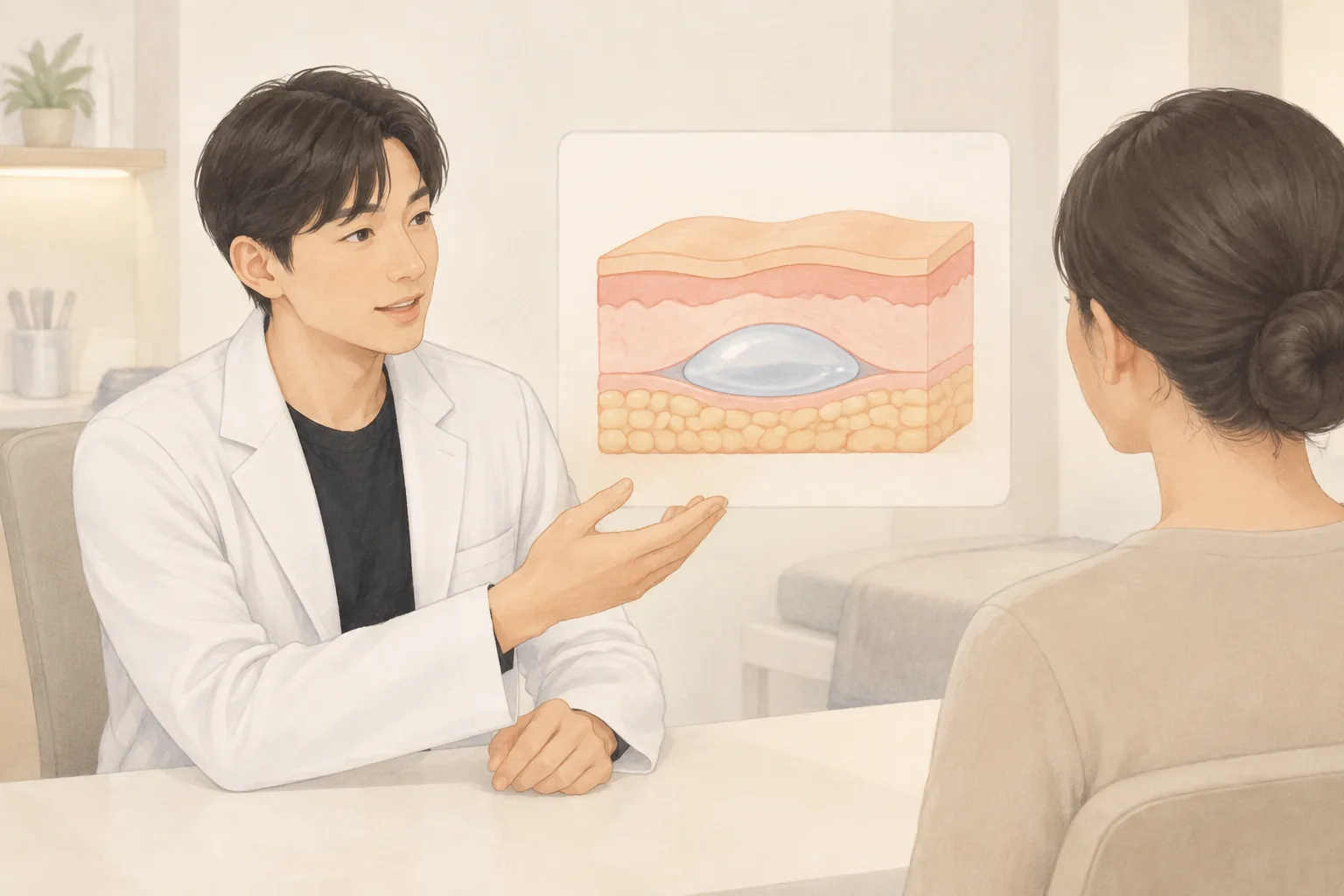
Filler is a gel-like substance injected under the skin to smooth wrinkles or restore volume. The U.S. Food and Drug Administration (FDA) regulates fillers as medical devices and notes that the effects of most approved fillers are temporary. Your body breaks down and absorbs the material, and repeat treatments may be needed to maintain the look you want (FDA guidance).
The most common material is hyaluronic acid (HA), a sugar that naturally exists in your body. ATTITUDE Clinic’s column also explains that hyaluronic acid filler fills the space itself and is gradually broken down and absorbed over time. What remains after swelling subsides is the amount injected, and that amount decreases over time.
Swelling and bruising right after treatment come from where the needle passed. According to FDA materials, common side effects like bruising and swelling appear right after injection, and many side effects settle within days to weeks. However, some reactions can appear late—weeks, months, or years later—so it is better not to ignore a lump that appears long after you return home.
The first few days back home: what to watch out for
The first thing to do is cool the area. Cleveland Clinic guidance notes that using an ice pack right after lip filler can help reduce early discomfort. If you need pain relief, use acetaminophen. Nonsteroidal anti-inflammatory drugs (NSAIDs) like ibuprofen can slow blood clotting and increase bruising, while acetaminophen has less of that effect and is less likely to affect bruising right after filler (lip filler aftercare guide).
The biggest misunderstanding among people who get lip filler is that you must be careful with your lips. According to the same guidance, there are no restrictions on applying lip balm, eating and drinking, using a straw, or kissing. You may cut back briefly if it feels uncomfortable, but these actions do not change your result. While your lips are sore and swollen, do not force stimulation—but you do not need to treat them like a broken dish.
What you should delay for a few days is anything that heats up your whole body. Strenuous exercise increases blood flow and can worsen swelling and bruising, so it is better to avoid it for a few days after treatment. Light walking is fine. Drinking plenty of water also helps recovery.
Dental appointments need separate planning. Cleveland Clinic advises avoiding dental treatment for 2 weeks before and after filler to reduce infection risk. If you have a cleaning or cavity treatment booked after you return home, check the gap against your treatment date first.
Swelling and bruising: how long can you wait?
For swelling and bruising within the normal range, time is the answer. FDA materials also explain that common side effects like bruising and swelling appear right after injection and that many side effects disappear within days to weeks. Is it heading in the right direction? is the key question—if it is settling even a little each day, you can watch and wait. On long flights, drink water often, and if you have been sitting for a long time, get up and move around lightly.
Lumps are judged by size and quality. Right after injection, it is common to feel the filler slightly or notice unevenness when you touch your lips. According to Cleveland Clinic guidance, filler stays soft for a few days after injection, so you can spread it evenly with massage during that time. On the other hand, a large, distinct, firm, or painful lump—or one that remains after 2 days—should not be ignored; tell the clinician who treated you. The FDA notes that nodules or granulomas under the skin may require injections, oral antibiotics, or in some cases surgical removal.
Table 1 Swelling and bruising: how long can you wait?
Timing
What to do at home
What to watch
When to contact
Day of treatment to next day
Cool briefly with an ice pack several times; acetaminophen if needed
Normal daily movements; check the 2-week gap for dental treatment
Lump size and pain
Large, firm, or painful lumps
After a few weeks
Sun protection and moisturizing
Late-appearing lumps, redness
New nodules, pain, fever
Swipe sideways to see the whole table.
In summary On the day of treatment and the next day, cooling the area and skipping strenuous exercise is enough. Many side effects settle over days to weeks, but changes in skin color, vision changes, and worsening pain are not signals to wait on. Lip filler aftercare does not restrict lip balm or straw use, so you can return to daily life.
Which signals mean you should contact your clinic right away?
Many reactions pass with time, but some signals should not wait. Cleveland Clinic lists severe pain and paleness of the lips or surrounding skin as signs of vascular occlusion (a blocked blood vessel). In these cases, you need immediate medical evaluation. The same standard applies when one side of the face is unusually white or sensation feels dull.
ATTITUDE Clinic’s column also advises that if the skin at the injection site turns white, mottled, bluish-gray, or black, or if vision changes, do not wait—seek care. Pain that is unusual or worsening, and persistent swelling and heat, are also reasons to contact your clinic.
The FDA warns that if filler is accidentally injected into a blood vessel, it can lead to skin necrosis, stroke, or blindness. The risk is low, but if it happens, the consequences can be serious and permanent—so it matters not to dismiss warning signs as “just swelling.”
After you return home, do not delete your clinic’s contact information, and if symptoms appear, record photos and times. In case you need local care, it helps to know the product name, amount, and treatment date. The FDA also notes that it is important to know which product went where.
If you are unhappy or something goes wrong, can it be reversed?
If it is hyaluronic acid filler, there is a way to dissolve it. According to Cleveland Clinic materials, hyaluronidase, an enzyme that breaks down hyaluronic acid, is injected to dissolve the filler. This enzyme works only on fillers made of hyaluronic acid and has no effect on other materials such as silicone (filler dissolution guide). Some materials, like PLLA or calcium hydroxyapatite, are gradually absorbed by the body, so whether it can be reversed depends on which product you received.
You cannot dissolve it yourself at home. Hyaluronidase can only be injected by a licensed clinician, and people with a bee venom allergy cannot receive it due to the risk of anaphylaxis. The procedure takes about 10–15 minutes, usually finishes in 1–2 sessions, and full results may take up to 2 weeks. Swelling, bruising, and tenderness usually pass within a few days, but allergic reactions can occur, so report any reaction after treatment to your clinician. If you need dissolution after returning home, it is safest to tell the local clinician the exact product name and date you received in Korea.
If this sounds like you
Getting filler before a wedding or photo shoot and flying home
Given that many side effects can settle over days to weeks, leave a buffer between your important event and your treatment date. If there will be a lot of photos, think about whether any bruising can be covered. If your schedule is tight, it is better to reduce the treatment area.
Filler in thin areas like under the eyes or temples
The FDA-approved uses include under-eye volume replacement. The eye area is delicate, so the amount and depth must be adjusted precisely, and the same amount of swelling looks more obvious there. The aftercare principles are the same as for lips—allow plenty of time for bruising to fade.
Flying home long-haul right away
On board, drink water often, and if you have been sitting for a long time, move lightly. Avoid bending your face down while swelling remains, and do not schedule anything strenuous for a few days after you get home. Save your clinic’s contact details and treatment record on your phone for peace of mind.
If you bruise easily or take other medications
The FDA notes that filler may not be suitable for people with bleeding disorders or certain allergies. If you take aspirin or blood thinners, be sure to tell your clinician before treatment. When choosing pain relief, some medications increase bruising and others do not.
Please tell us before your consultation Recent sun exposure and skin care such as exfoliation or retinoids; medications and supplements you take; any history of severe bruising or swelling from previous treatments; bee venom or other allergies; pregnancy or breastfeeding; autoimmune conditions; and your return date and important events.
How ATTITUDE Clinic proceeds
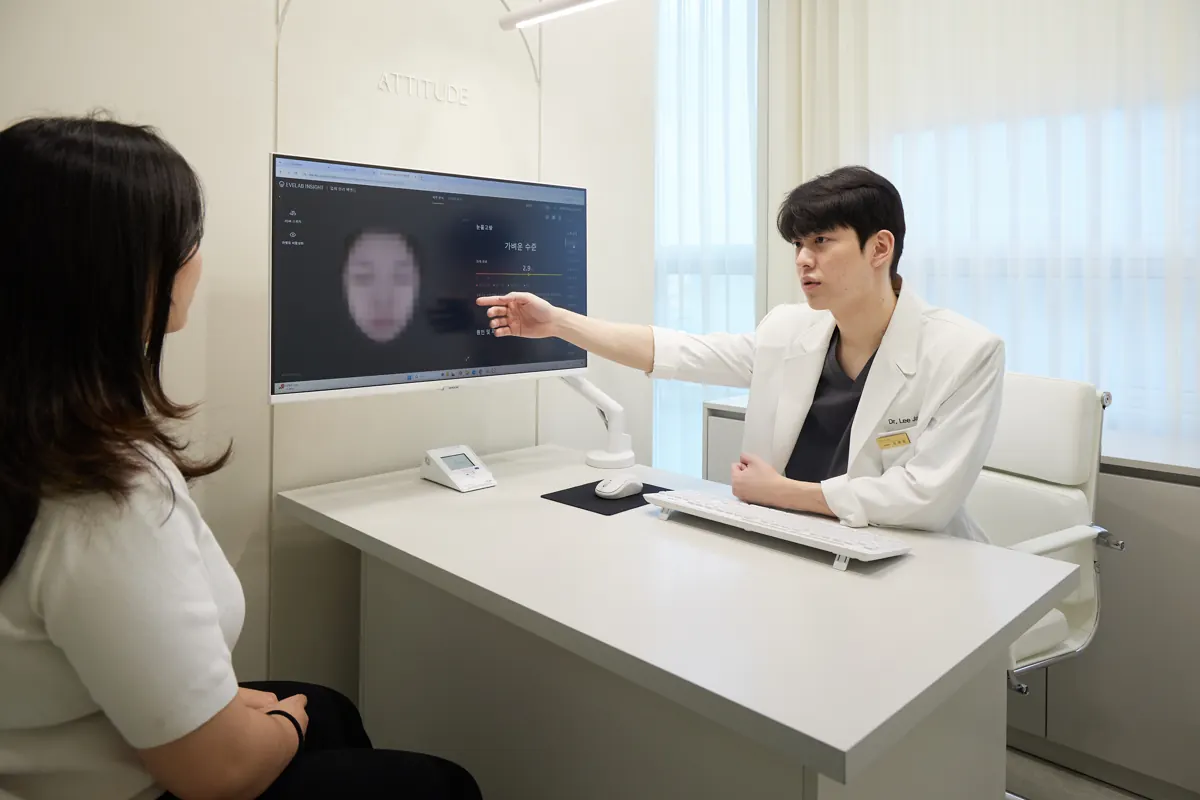
Consultation and skin check We first review your medications, allergies, and previous treatment history and examine your skin. The records taken here support the consultation and do not replace a diagnosis.
Doctor consultation and plan We decide which product goes into which area and how much, alongside your return schedule. For hyaluronic acid filler, we choose domestic or imported products (Juvéderm, Belotero, Restylane) depending on the area, and include hyalase in the plan if needed. Items, regular prices, and whether VAT is separate are listed in the treatments and pricing guide.
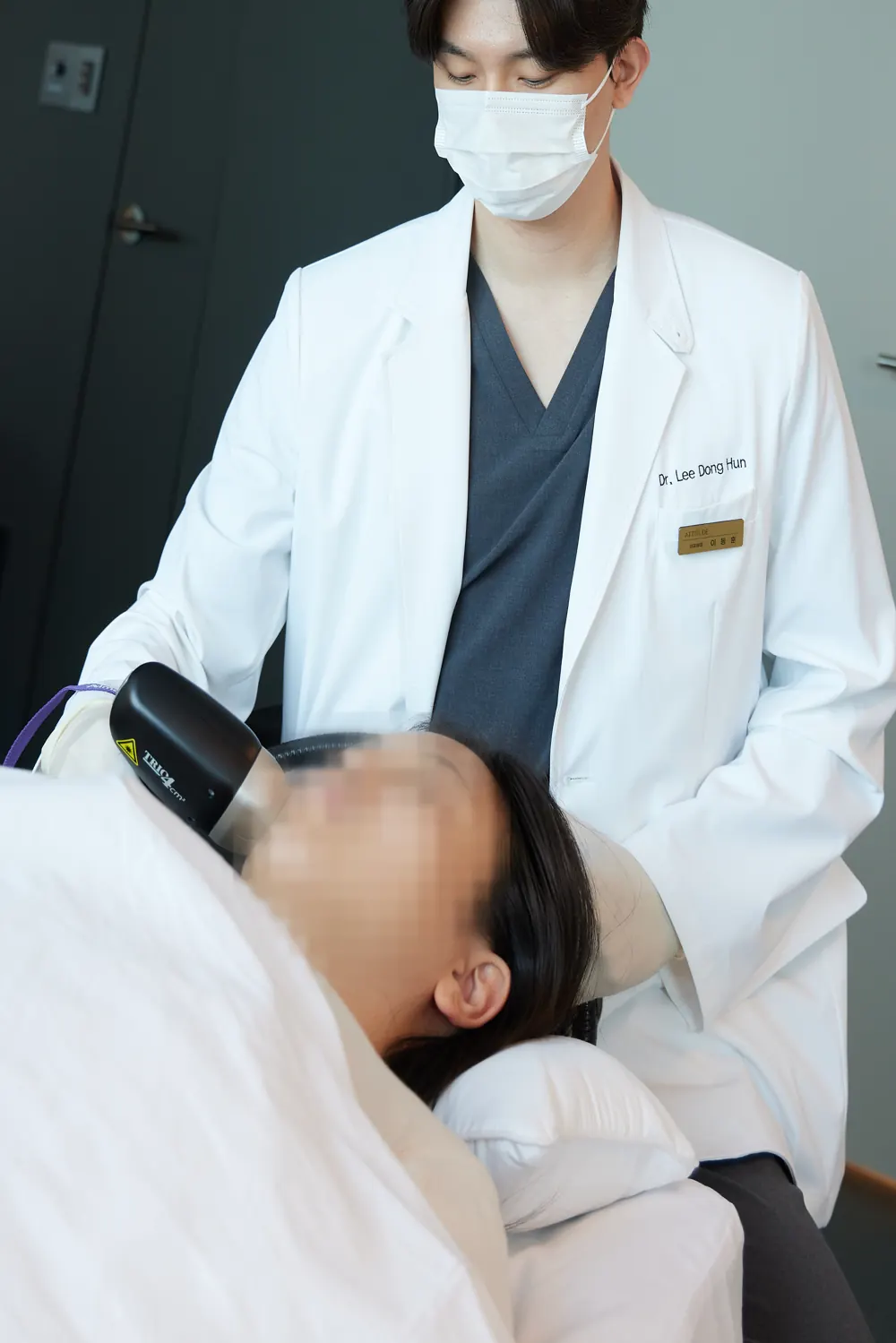
Treatment by the doctor The doctor injects directly according to the plan set in consultation. Right after treatment, avoid pressing hard on the injection site, and we explain what to do at home and which signals to contact us about.
Follow-up after you return home We give you the product name, amount, and date so you can share them with a local clinician. If unusual symptoms appear, we advise you to take photos and let the clinic know.
Four steps your doctor sees to in person
From the diagnostic device to the treatment bed, the doctor you first consult takes care of everything.
01
Precision diagnosis
In a private diagnosis room the whole face is photographed, recording even skin conditions that are hard to see with the eye.
02
Skin analysis
The doctor goes through your pore, pigmentation, wrinkle and firmness results with you on screen and explains what comes first.
03
One-to-one design
With your skin, the balance of your face, the change you want and your schedule in view, you decide the treatment and its extent together.
04
Treatment by your doctor
The doctor who consulted you performs the treatment from start to finish in a private treatment room. No one takes over halfway.
“I take injection pain seriously.”
Co-Director Dr. Lee Dong Hun
Many people hesitate over injection treatments because they hurt. So we went back over everything, from the anesthetic to the products used.
Careful numbing, unhurried timingWe allow plenty of time for a special numbing cream to take full effect, and add anesthetic injections for the treatments and areas that need them.
Fine needles, finished quicklyInjection treatments use fine needles, and the doctor finishes them personally in a short time, adjusting along the way by watching how you are doing.
Even the product formulation countsThe same treatment can feel more or less demanding depending on the product, so we take that into account too.
The anesthetic method and whether it is used are decided after an examination, according to the treatment, the area and your condition. How much it hurts varies from person to person.
Aftercare and side effects
Calming On the day of treatment and the next day, cool the area briefly with an ice pack several times to help reduce early discomfort. Wrap ice in a thin cloth so it does not touch the skin directly.
Moisture and hydration Drink plenty of water, and use lip balm if your lips feel dry. Lip balm does not affect your result.
Sun protection During recovery, apply sunscreen carefully. ATTITUDE Clinic’s column advises reapplying SPF 50+ throughout the recovery period.
Checking progress Watch changes in swelling and bruising every few days, and record any new lumps or pain with times before reporting them.
Common reactions are bruising, swelling, tenderness when pressed, and redness. Less commonly, firm lumps or granulomas form under the skin, and there are reports of infection or necrosis where tissue at the injection site dies. The most serious is filler entering a blood vessel, which can lead to skin necrosis, stroke, or blindness. If you have a fever, or swelling suddenly grows and redness spreads, infection should be checked first.
If a signal that should not wait appears, contact your clinic that day. This includes skin turning white or mottled, vision changes, or pain that gets worse. If you are already home, seek local urgent care first and also let your treating clinic know so they can follow your progress.
Frequently asked questions
Can I fly right after filler?
The key is to leave time between your treatment date and your flight for swelling and bruising to fade. Many side effects can settle over days to weeks, so if you must fly the next day, expect to travel with some facial swelling and bruising. On board, drink water often and avoid sitting for long periods. If you bruise easily, it is better to leave more buffer between your schedule and treatment. If you are worried about how much swelling will remain, tell us your return date during your pre-treatment consultation and we can adjust the plan.
After lip filler, when can I use lip balm, straws, or kiss?
According to Cleveland Clinic guidance, there are no restrictions on these actions. You may cut back briefly depending on soreness and swelling, but these actions do not change your result. Lip balm can actually help when your lips feel dry. Still, avoid biting or pressing hard on your lips, and if you feel a large, firm lump, do not delay—tell your clinic.
How many days should I wait for swelling and bruising?
The timeframe for many side effects to settle is days to weeks. What matters is the direction rather than a fixed number of days—whether it is decreasing a little each day is the basis for judgment. If it is not decreasing, is growing, or comes with heat and pain, it is not a stage to wait through. A new lump that appears after a few weeks may also be a late reaction, so do not ignore it. For a lump that has not decreased after 2 days, check its size and pain and tell your clinic; taking photos of whether swelling is decreasing even slightly each day can help.
What are the side effects of filler, and how often do they happen?
Common ones are bruising, swelling, and tenderness. Less common are nodules or granulomas under the skin and infection; filler entering a blood vessel is rare but the most serious. It is difficult to state exact rates as numbers—they vary by area, amount injected, and skin condition. That is why clinics explain both risks and benefits before treatment and tell you the warning signs in advance.
How should I choose a clinic for filler?
The FDA recommends treatment by a licensed clinician who has experience injecting filler and is familiar with fillers, anatomy, and complication management. Also check whether the product is provided in a sealed vial or pre-filled syringe and whether you can read the patient label. Never use fillers sold directly to consumers—they are not approved products and may be contaminated. If you get filler in Korea and return home, ask for the product name, amount, and treatment date in writing and confirm a way to contact the clinic.
At a glance
Table 2 At a glance
Item
Key point
Common reactions
Bruising, swelling, tenderness. Many side effects settle within days to weeks
What to do at home
Cold compresses, acetaminophen, hydration, skip strenuous exercise for a few days
Daily actions
Lip balm, eating, straws, kissing do not affect the result
This article offers general health information. It is not a substitute for diagnosis or treatment based on your own condition, so please talk through your situation with a doctor.