
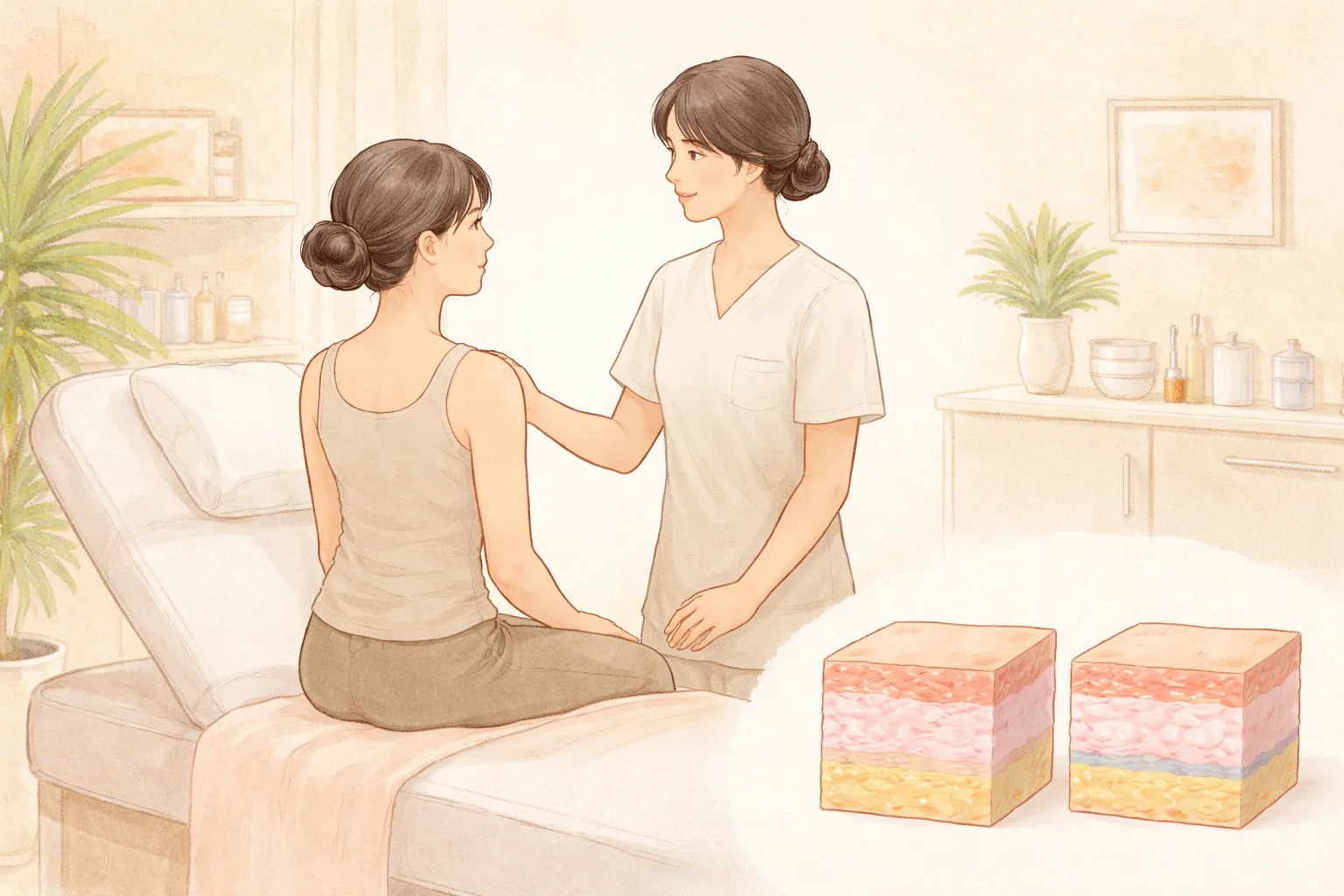
Search for water glow injection side effects and the first worries that come up are usually practical ones: how swollen will I be, will bruising stick around, what if those little bumps don't go away. The treatment itself is quick, but if a wedding, a shoot or an international flight is sitting on your calendar, the recovery window suddenly matters a lot. This guide sorts the reactions after a glass skin injection into common and rare, then explains how long you can reasonably wait, and which signs mean you should contact the clinic right away.
The short answer
A water glow injection places hyaluronic acid — a molecule that attracts water — densely into the dermis (the deeper layer where collagen is produced). Most reactions afterward are temporary and confined to the injection sites. Small bumps and redness, swelling usually settle within 1–2 days, while bruising can take a week or more to fade. Infection, allergic reactions and small lumps are rare, and very rarely the injected ingredient can block or damage a blood vessel. If pain is worsening, if the skin over the injection site turns white or grayish-blue, or if your vision changes, don't wait — get medical attention. How strong the reaction is depends on injection depth and volume, your skin condition, and any medications you take.
What goes into the skin, and where
A water glow injection is mainly a hyaluronic acid (HA) based hydrating injectable. HA attracts water strongly, so once it's in the dermis the skin can feel plumper and more hydrated. Rejuran, which is often grouped under the same skin booster label, is a PN (polynucleotide) product — a separate treatment with a different ingredient and goal. The ATTITUDE Clinic column also separates the two families, and the exact ingredients used in your water glow injection are explained during consultation.
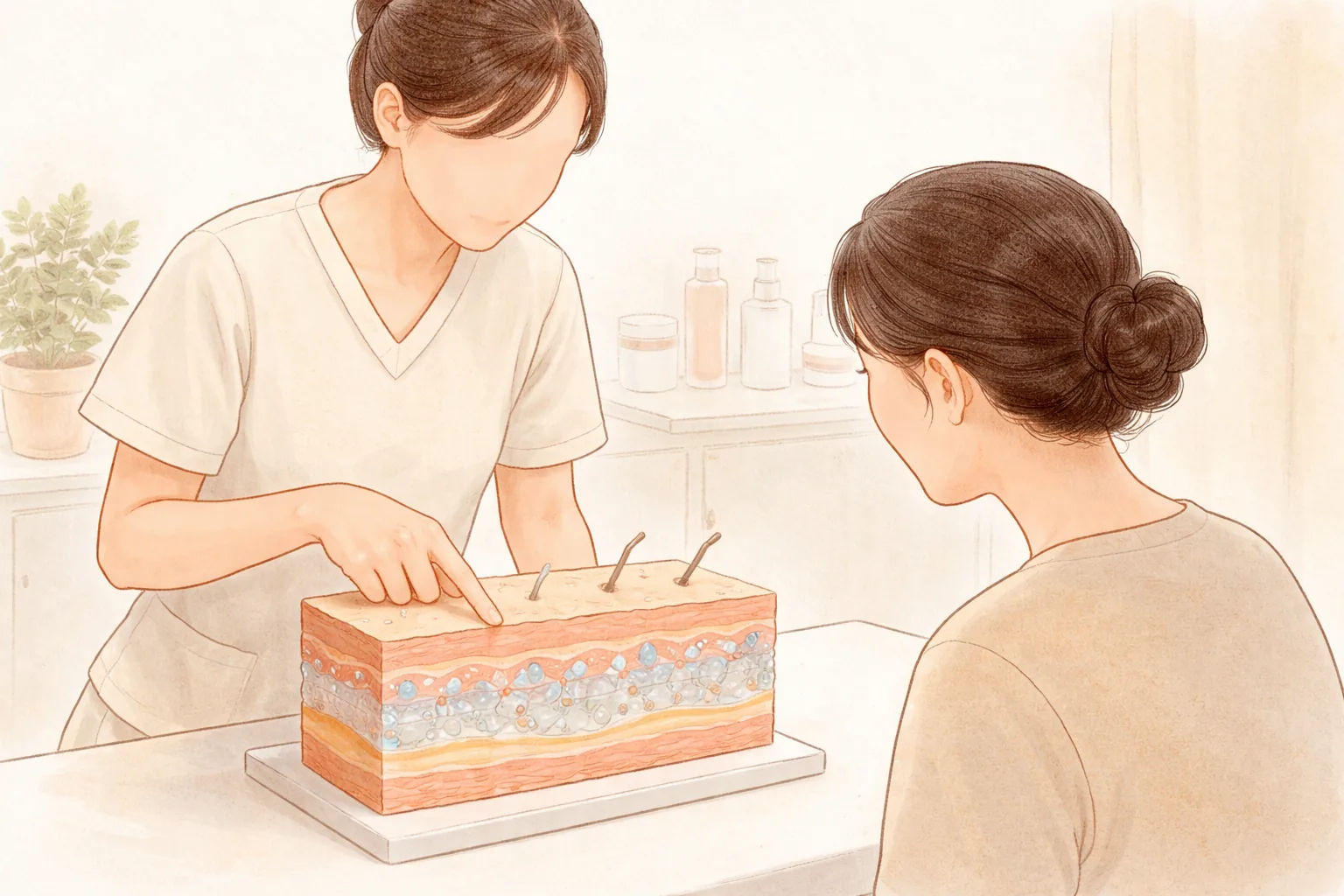
Treatment is delivered through a very fine needle passed through many points across the skin surface. That's why right afterward you'll see tiny marks tracking the injection points, which look like small raised bumps. These bumps are a natural response as the product is absorbed, and most disappear on their own. Needle passes bring repeated brief stinging, while a thin blunt-tipped cannula that spreads the product from within tends to sting only on entry — so the method changes both the pain and the pattern of marks.
At this stage the skin's barrier is temporarily weakened. That's why sun protection matters more than usual if you want to recover without pigmentation. It's also why sun protection comes up in every conversation about side effects.
How far is normal for common reactions
The most common reactions are small bumps at the injection sites, redness, swelling, tenderness, and bruising. Bumps and swelling usually settle within 1–2 days, and tenderness follows the same pattern. Bruising depends on your vascular pattern; when it happens, it can take a week or more to fade.
According to the American Academy of Dermatology's guidance on injectable treatments in general, mild reactions such as redness, swelling, tenderness and bruising at the injection site usually settle within 7–14 days. That's not a figure specific to water glow injections — it's the typical course seen with injectables overall.
It's easy to assume that a lot of swelling means something went wrong, but swelling depends on how much was injected, where, your skin thickness, and how your body responds that day. A day with dense injections across the whole face feels different from a partial treatment, and how dry your skin was beforehand also plays a role.
Why does the same treatment hit some people harder
Location is the first variable. The forehead, eye area and around the lips — thin tissue close to bone — tend to feel more sensitive, while thicker areas like the cheeks and jawline are usually less painful. Even within one face, marks are more visible in some areas than others.
Vascular pattern and medications also change how much you bruise. If you take medication that affects blood clotting, the risk of bruising and bleeding can increase, so tell your clinician about everything you're taking before treatment. Whether your skin is thin and your veins show easily is another point to cover in consultation.
Aftercare also shapes the outcome. Cold compresses can help with swelling, and it's best to skip saunas, intense exercise and alcohol on the day itself. Makeup is often possible the next day once the injection marks have closed, and the timing is set during consultation. These recovery steps are also covered in the ATTITUDE Clinic column.
Who should not get it
Pregnancy and breastfeeding are generally not recommended. There isn't enough safety data on how the ingredients affect a fetus or an infant. If you're planning a pregnancy, mention it during consultation so the timing can be adjusted.
Allergy history and current medications — especially anything that affects blood clotting — need to be shared before treatment. If there's an infection, inflammation, lip herpes or inflammatory acne at the treatment site, that area is avoided. Autoimmune conditions and past reactions to cosmetics or medications are also checked in consultation, and these items are covered under pre-treatment checks. All of these are criteria the doctor uses to decide whether it's safe to proceed right now.
Rare reactions, and when to call right away
Rarely, infection, allergic reactions or small lumps can occur. Very rarely, the injected ingredient can block or damage a blood vessel — and that is not a wait-and-see situation.
The signs that mean you should get medical attention right away are easy to remember as three things: pain that feels different from usual or is getting worse, a color change over the injection site (white or grayish-blue), and vision changes. Swelling or heat that won't settle and is actually growing is another reason to call.
| Reaction | Usual course | Call right away if |
|---|---|---|
| Small bumps / raised marks | Fade on their own within 1–2 days | Still there or getting bigger after a week |
| Redness, swelling, tenderness | Usually within days — for injectables overall, within 7–14 days | Swelling and heat keep getting worse |
| Bruising | Days to a week or more | The same spot keeps spreading, or pain gets worse |
| Infection, allergy, lumps (rare) | Redness, itching, swelling, irritation, small lumps | Skin turns white or grayish-blue, or vision changes |
Swipe sideways to see the whole table.
In short most reactions settle within days — judge by the direction of the pain and any change in skin color, not by the clock alone. Schedule treatment with recovery in mind, and if a flight or a wedding is close, build a recovery plan during consultation first.
If this sounds like your situation

A wedding or shoot is a few weeks away
Recovery varies from person to person and bruising can last a week or more, so leaving buffer before an important date takes the pressure off. If the date is close, check in consultation how much swelling and bruising might remain and when makeup can start. If photos are the goal, you'll weigh wanting an immediate glow against accepting a few days of recovery.
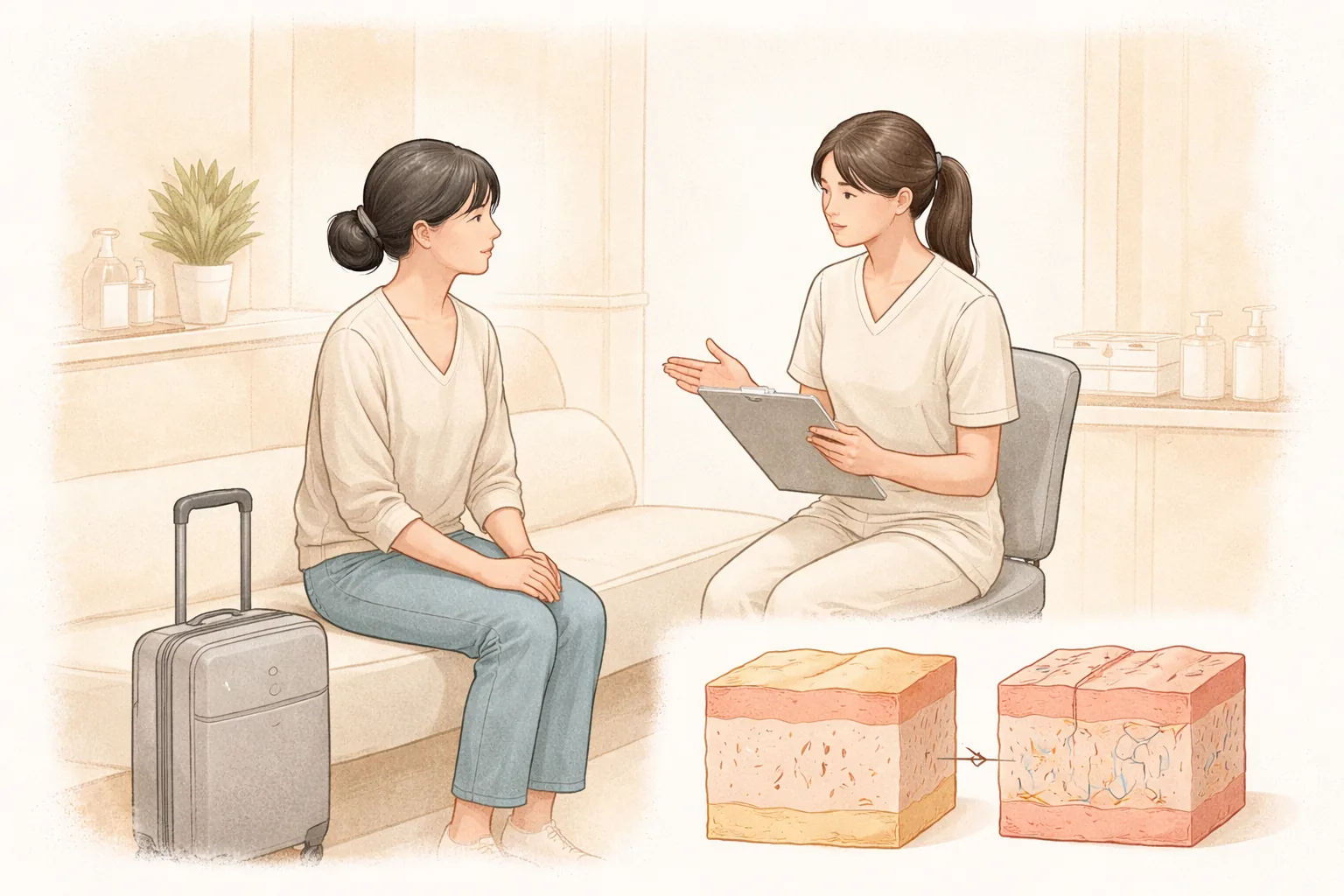
You're an overseas visitor on a short stay
With a short stay, you may not see the full course in Korea. It helps to plan the gap between your departure and the treatment date, and how you'll get in touch if something unusual happens. Accurate details on medications and allergy history are what make a safe plan possible.
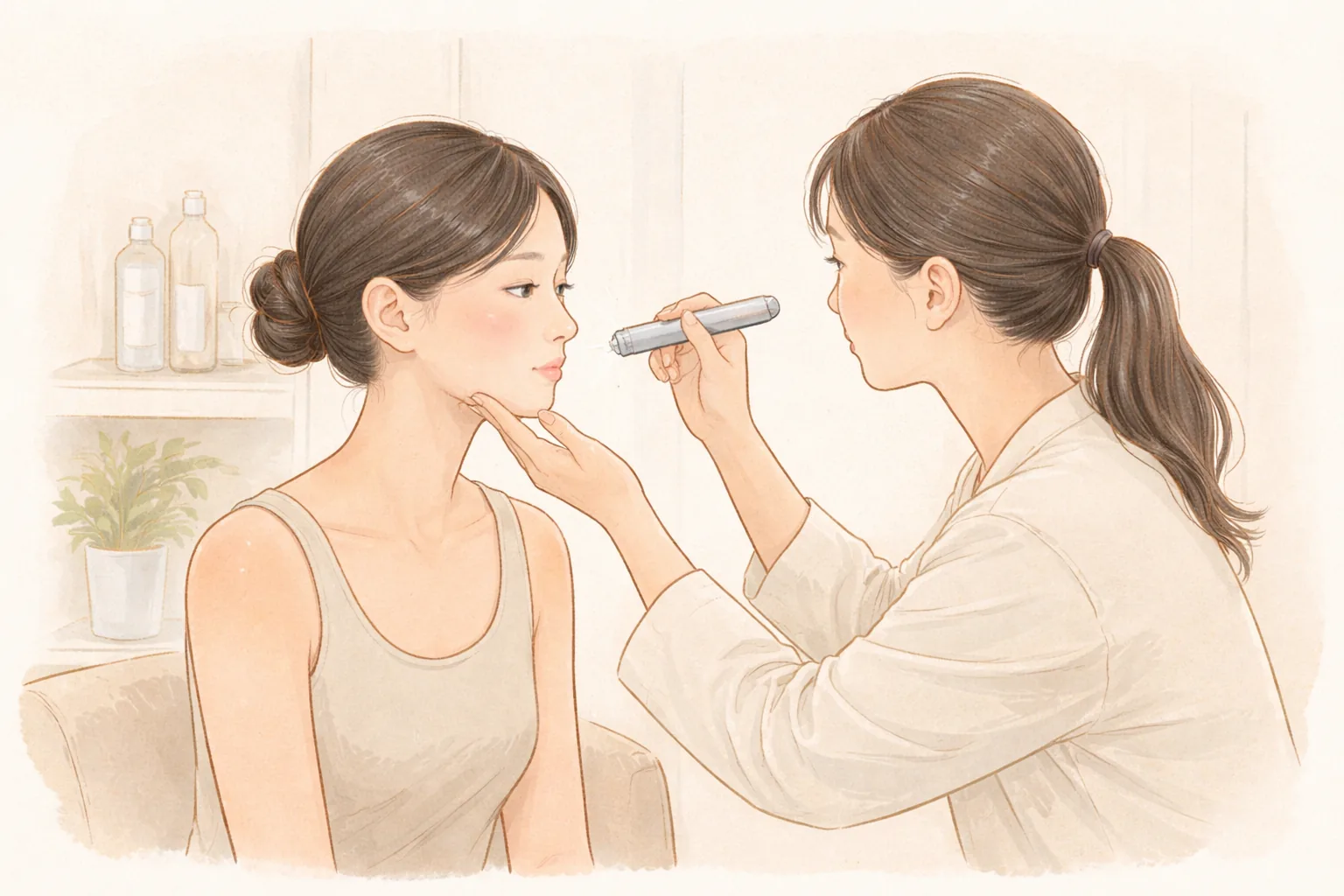
Your skin is sensitive or flushes easily
If your face reddens easily or reacts to irritants, the barrier is assessed first and the volume and areas are adjusted. Tell the clinic if you flush easily, and whether you've had exfoliation or laser treatment recently.

You want ongoing maintenance
Rather than a one-off, a plan with intervals between sessions is typical; the number of sessions and the spacing are set by the doctor based on your skin. After going through the recovery once or twice, you'll have a sense of your own swelling and bruising — and that experience makes planning the next date easier.
Tell us before your consultation recent sun exposure and travel or outdoor activity, medications you take (especially anything affecting blood clotting), any allergic reactions to cosmetics, medications or anesthetics, pregnancy or breastfeeding status and plans, lumps or long-lasting inflammation after a previous skin booster, and any important dates such as a wedding, shoot or flight.
How ATTITUDE Clinic runs the visit
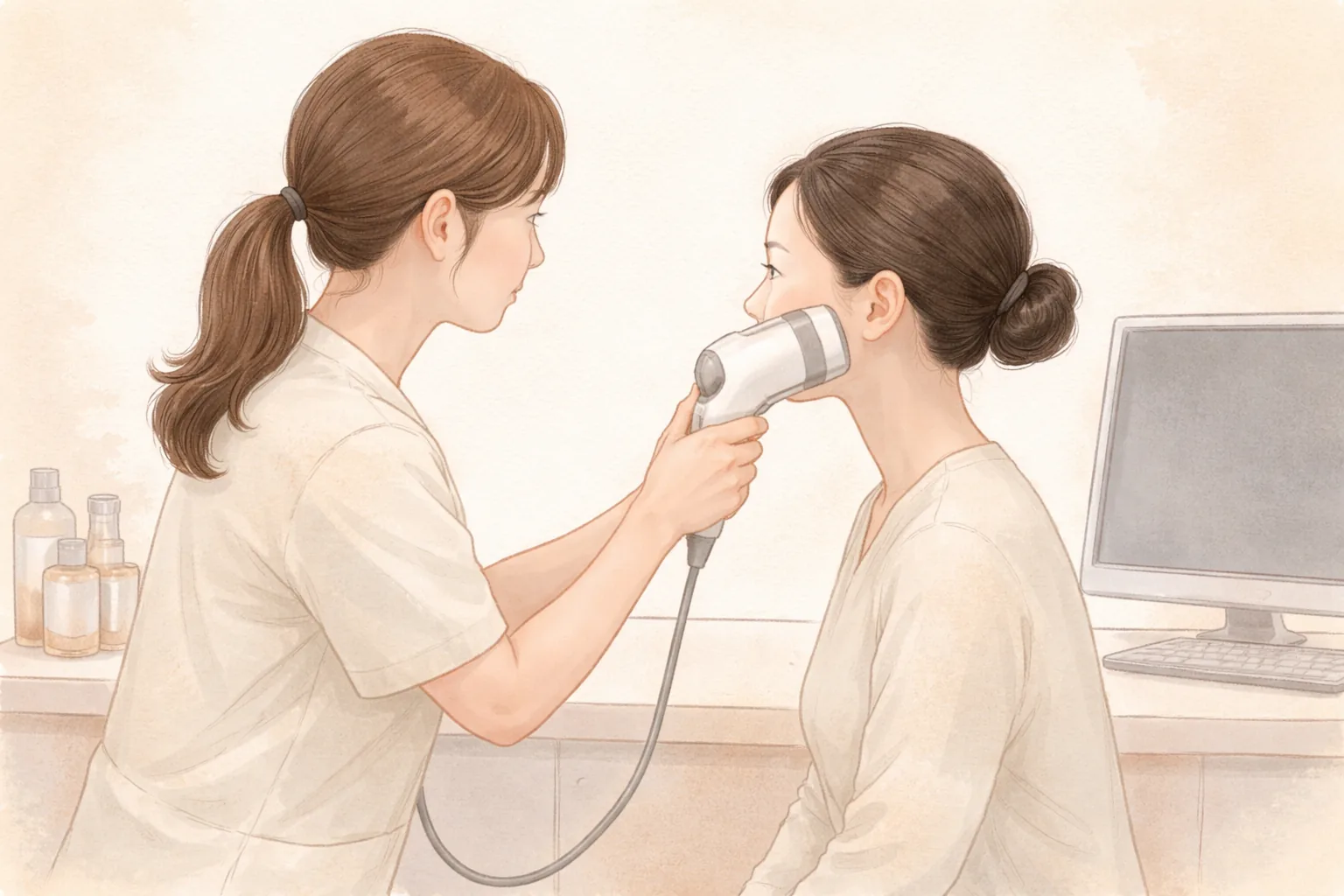
AI skin analysis, recorded — your skin condition is documented with photos and measurements as the starting point for consultation. The tool organizes information; it doesn't replace a diagnosis, and it helps assess skin thickness, dryness and redness tendency.
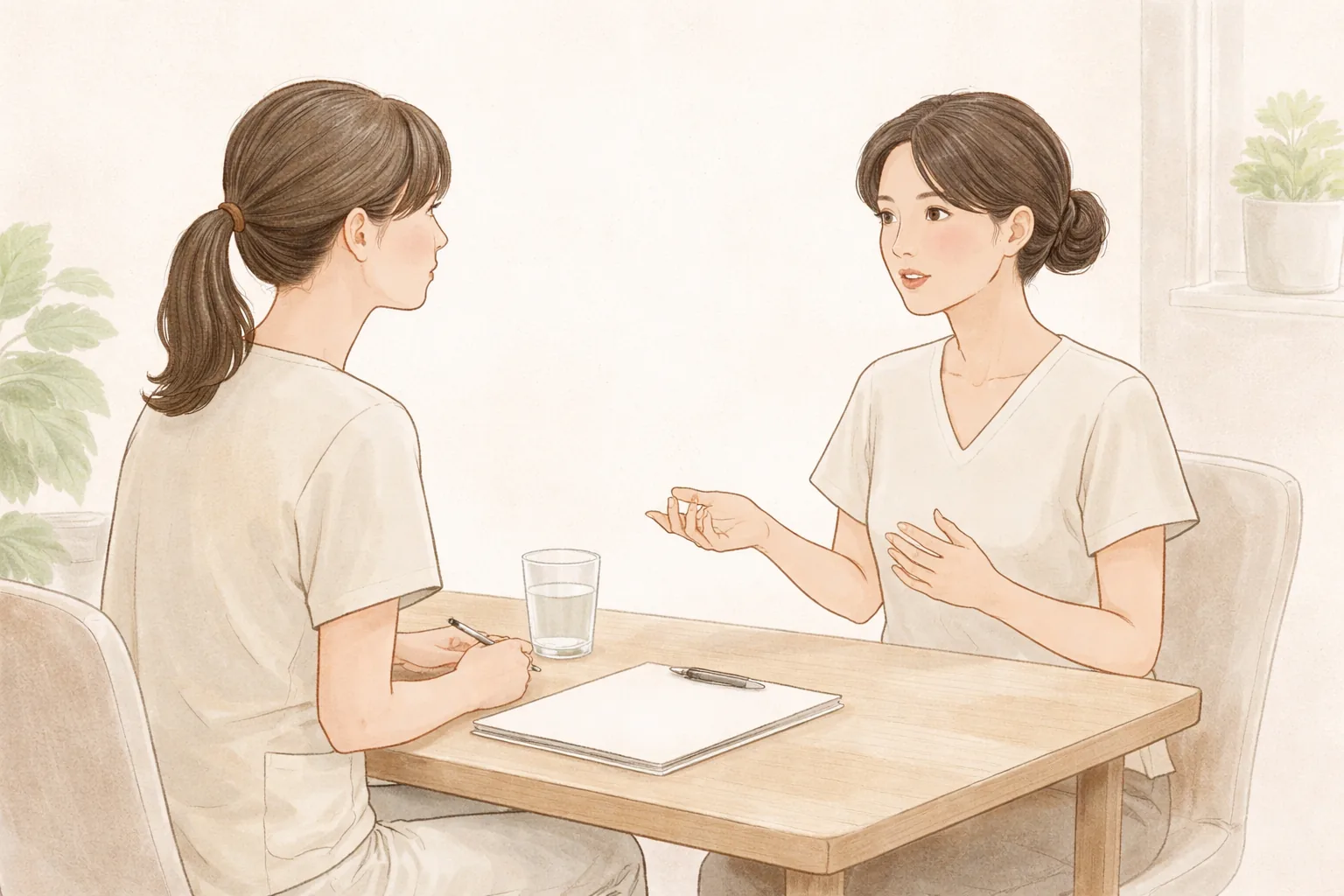
Doctor consultation — which ingredients and how much, how bruising or swelling went with previous treatments, and your medications and allergy history are reviewed. The actual ingredients in your water glow injection and the anesthetic approach are also explained at this step.
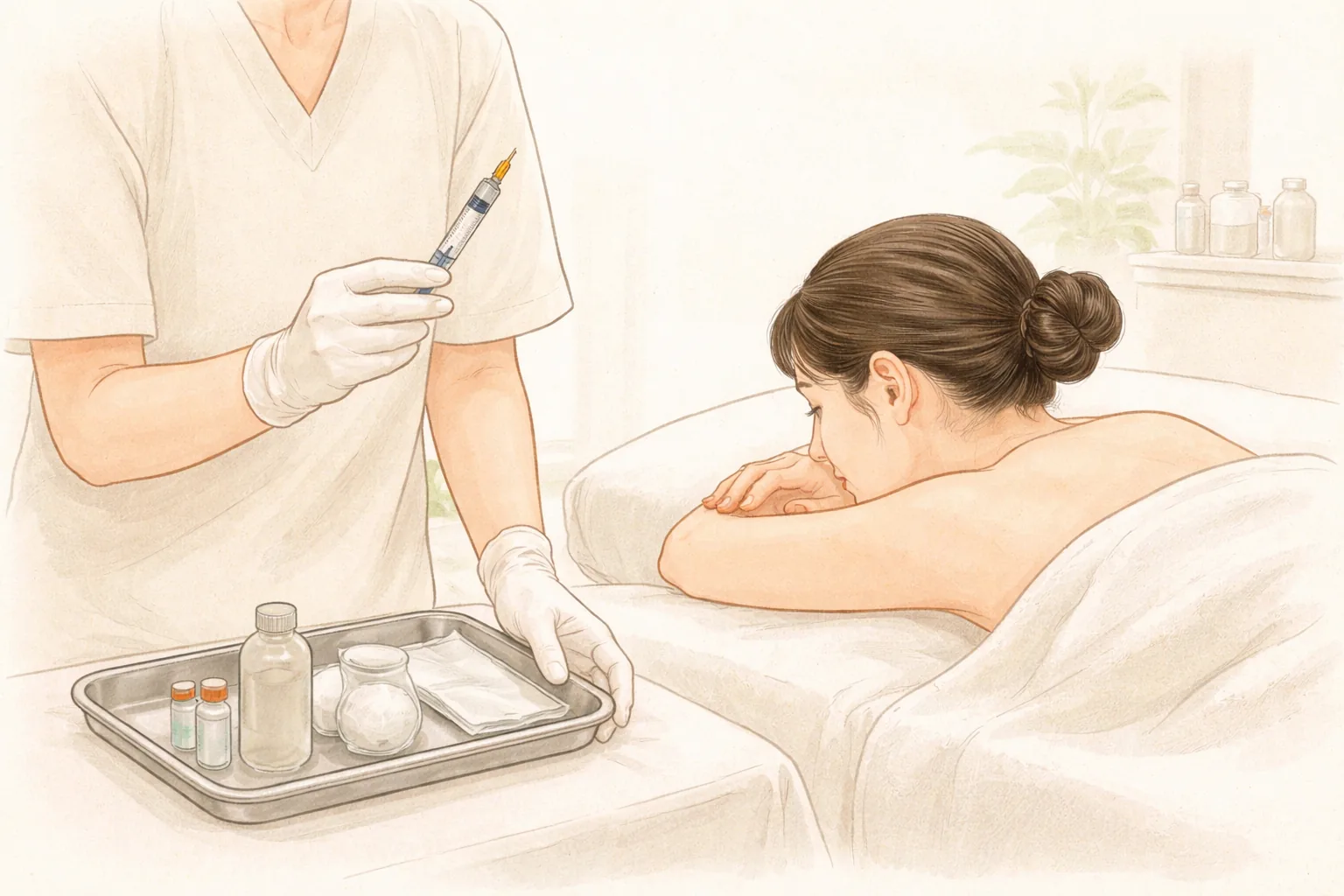
Treatment performed by the doctor — injection depth and technique are adjusted based on skin thickness and pain sensitivity by area. The doctor performs the treatment personally.

Recovery and aftercare — the next visit is scheduled at the recommended interval, and common reactions plus warning signs are explained. If laser or lifting is planned alongside, the doctor decides whether it can be done the same day and in what order.
On the ATTITUDE Clinic treatments page, water glow, Dermashine, Rejuran-family skin boosters and exosomes are listed as available treatments. Even with the same device, the product used affects reactions and recovery, so confirming which product is used is part of the consultation.
Aftercare and side effects
Aftercare is easy to remember in order.
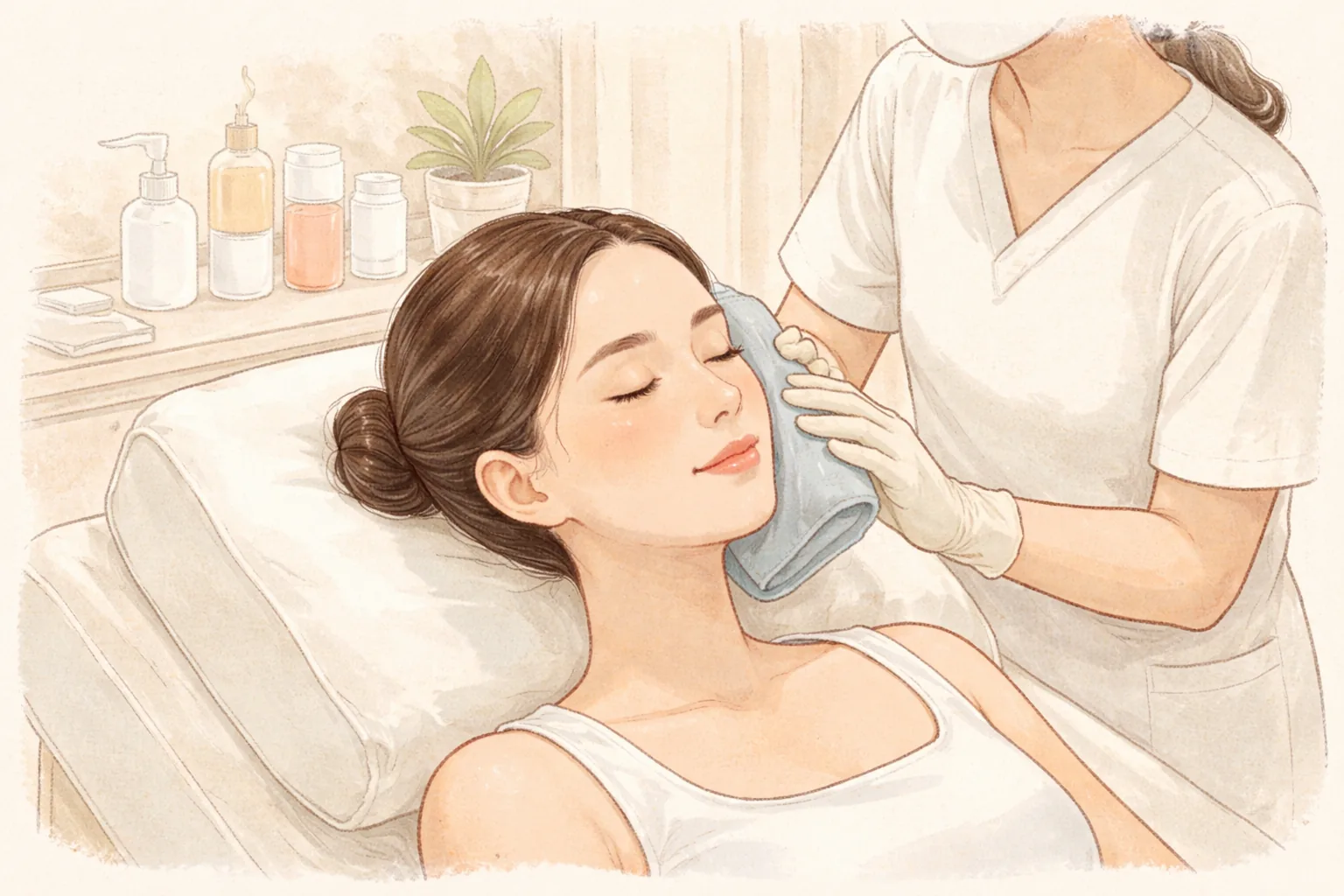
Calm — on the day itself, cold compresses can help ease swelling and heat. Confirm the method and timing with your clinician, and skip saunas, intense exercise and alcohol that day.
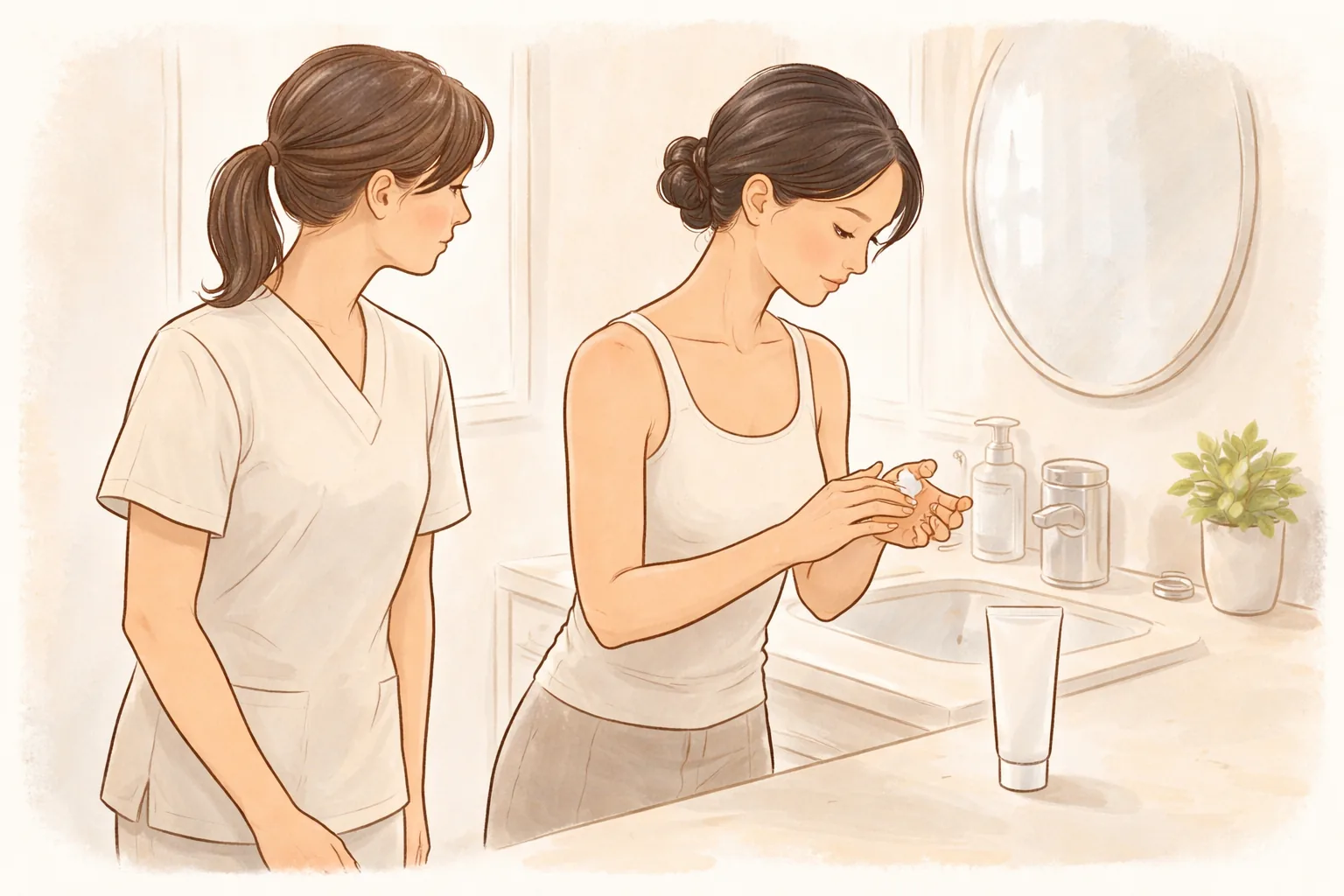
Moisturize — with the barrier temporarily weakened, keep skin hydrated with a gentle moisturizer. Cleanse lightly without rubbing.
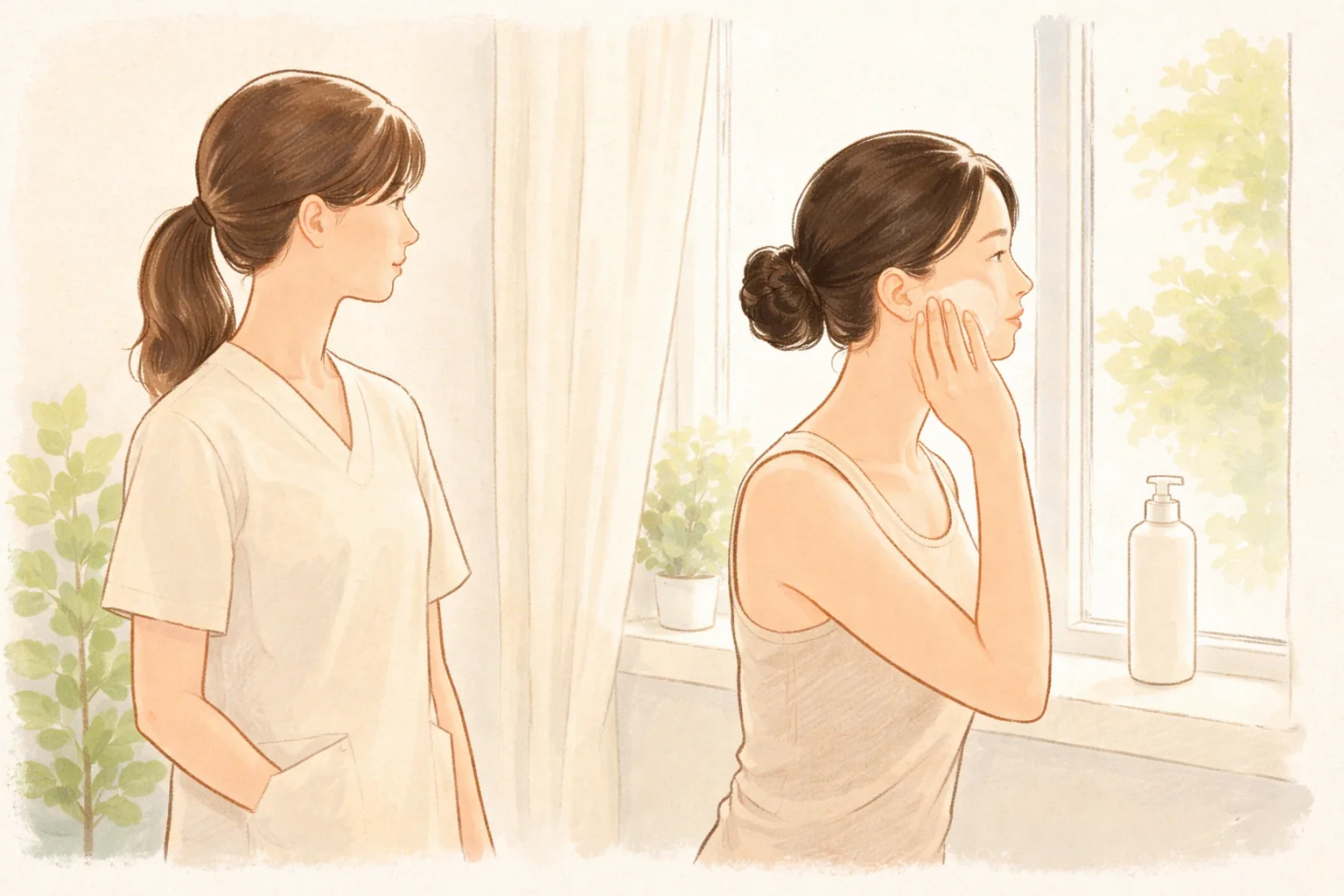
Sun protection — for 2–3 days after treatment, apply sunscreen more carefully than usual. Neglecting this window can lead to pigmentation.
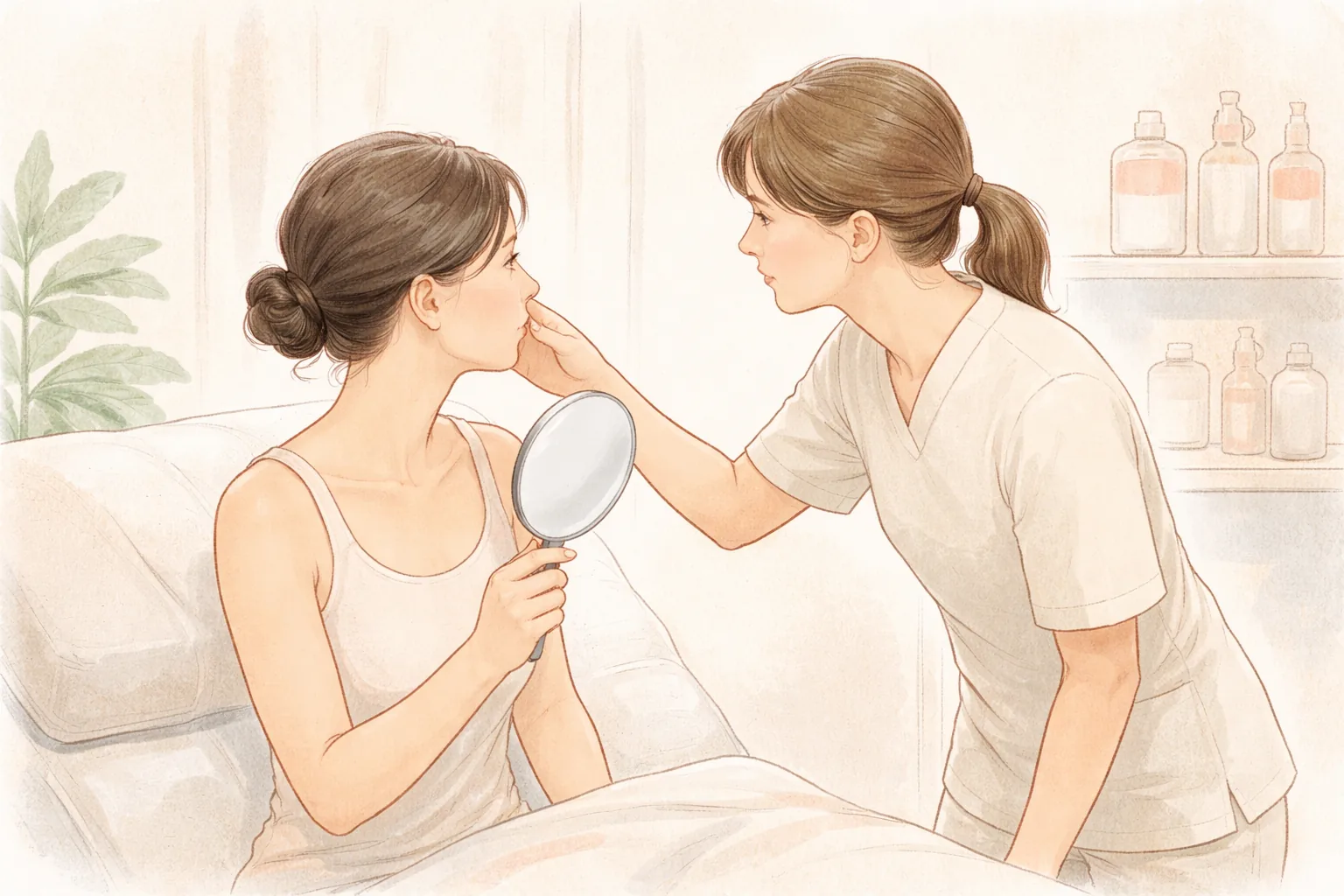
Check your progress — watch when bumps and swelling settle, and whether bruising spreads. If marks are unchanged after more than a week or the color changes, contact the clinic rather than waiting for your next appointment.
Side effects, from common to rare: small bumps at the injection sites, redness, swelling, tenderness and bruising. Rarely, infection, allergic reactions or small lumps; very rarely, a blood vessel blockage. The signs not to wait on are worsening pain, skin turning white or grayish-blue, and vision changes. Persistent swelling and heat is another reason to call.
FAQ
What are the side effects of a glass skin injection?
Small bumps at the injection sites, redness, swelling, tenderness and bruising are common. Bumps appear as the product is absorbed and usually settle within 1–2 days, while bruising can linger a week or more. Rarely, infection, allergic reactions or small lumps can occur, and very rarely the injected ingredient can block a blood vessel. Most reactions improve with time, but if a color change or vision change appears, don't wait — get medical attention.
Is there anyone who shouldn't get it?
Pregnancy and breastfeeding are generally not recommended. If you have an allergy history or take medication that affects blood clotting, you must tell the clinic before treatment. If there's an infection, inflammation or inflammatory acne at the treatment site, that area is avoided. Autoimmune conditions and past reactions to cosmetics or medications are also checked in consultation. Whether to proceed is decided by the doctor based on your history and skin condition.
How long do bruising and bumps last?
Bumps usually settle within 1–2 days of treatment, while bruising can take a week or more to fade. General guidance on injectables also describes mild reactions such as redness, swelling, tenderness and bruising as typically settling within 7–14 days. If marks are unchanged after a week or getting bigger, it's worth having your progress checked. If you bruise easily, tell the clinic beforehand so the injection technique can be adjusted.
Can I have laser or lifting on the same day?
They're sometimes planned together, but whether it's possible on the same day and in what order is decided by the doctor. Some treatments can't be done on the same day, and the order and interval can affect results and recovery speed. If you're considering several treatments, it's best to plan the whole sequence in consultation first. Whether water glow comes before or after laser is decided based on your skin and recovery schedule.
What should I look for when choosing a clinic?
The American Academy of Dermatology advises getting a full explanation of indications, risks, benefits and alternatives before a cosmetic procedure, and checking the practitioner's training and experience. Its guidance on fillers notes that reports of serious side effects increase significantly when injections are given in non-medical settings by people without adequate medical training. In consultation, check whether the practitioner examines your skin personally and discloses the product and ingredients, asks about medications and allergies, and tells you how to get in touch if something unusual happens.
At a glance
| Item | Key point |
|---|---|
| Common reactions | Small bumps, redness, swelling, tenderness, bruising — usually within 1–2 days |
| Bruising | Can take a week or more to fade; for injectables overall, guidance is within 7–14 days |
| Rare reactions | Infection, allergy, small lumps; very rarely a blood vessel problem |
| Call right away | Worsening pain, skin color change (white or grayish-blue), vision changes |
| Before treatment | Pregnancy or breastfeeding, allergy history, current medications, infection or inflammation at the site |
| Aftercare | Calm, moisturize, sun protection, check your progress |