Hilo Wave Under-Eye: Is It Right for Under-Eye Hollowing?
Why under-eyes look dark comes down to hollowing, pigment, or skin texture. Here's what gets decided in consultation when Hilo Wave is applied under the eyes, and what to watch afterward.
Written by ATTITUDE Clinic Editorial Team
People often tell us their under-eyes look sunken, or shadowed and dark, so makeup never sits quite right there. Fillers feel like a lot to commit to, worried something might linger, but leaving it alone means the under-eyes are the first thing they notice in every photo. This article looks at what separates results when Hilo Wave is applied under the eyes, and which values get decided together in consultation.
The short answer first
Hilo Wave is listed by ATTITUDE Clinic as a skin booster, an injection item delivered directly into the skin's foundation, with 2cc units in the guide (Treatments and Pricing). The under-eye area is a spot where even the same volume leads to very different plans, so sorting out whether the issue is hollowing, pigment, or fine lines and texture comes first. The injection depth, amount, number of sessions, and interval are not fixed numbers but decided in consultation based on your skin. Pain varies with the anesthesia method and the area, so it helps to ask about anesthesia during the consultation (AAD consultation guide).
Why under-eye plans differ so much
ATTITUDE Clinic's column names skin type and thickness, the skin's internal structure, and each person's ability to produce new collagen as the first reason results differ even from the same treatment. It explains that depending on how thin or thick the skin is and how tightly packed the tissue underneath is, the same intensity of treatment can feel different and produce different results (Why do results differ even from the same treatment?). The American Academy of Dermatology also notes that what a treatment involves depends on which product is used and where it is placed (AAD filler guide). The under-eye area is a spot where the conditions of that "where" are set differently.
So in an under-eye consultation, we sort out the cause before what to inject. There is more than one reason under-eyes look dark. Volume loss casting a shadow, settled pigment, shadows made more obvious by fine lines and texture, and lines that deepen when you make expressions each call for a different approach. Even placing the same injection in the same spot, if the first three are mixed together, satisfaction tends to split.
ATTITUDE Clinic's guide also lists the under-eye area separately. Under fillers it appears as an added under-eye area, and under lifting there are items separated for the eye area like Eye Ultherapy, Eye Thermage, and Eye XERF (Treatments and Pricing). This means that even for the same under-eye area, which item you approach it with varies, and that choice is made in consultation.
How is Hilo Wave delivered under the eyes?
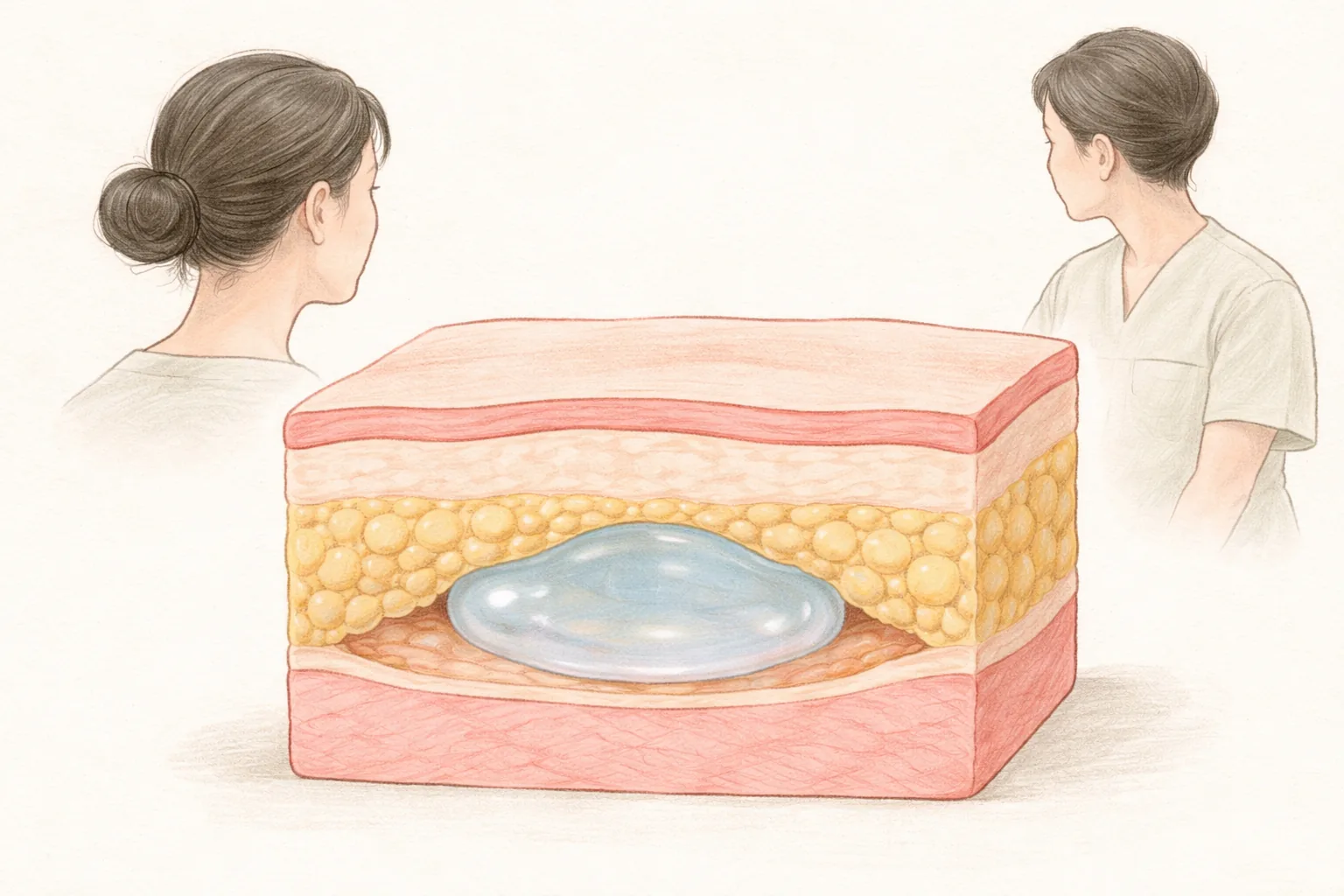
Hilo Wave is classified by ATTITUDE Clinic as a skin booster under the injection items. Skin boosters are described as injections delivered directly into the skin's foundation, and Hilo Wave is listed in 2cc units (Treatments and Pricing). The difference between fillers and Hilo Wave is covered in detail in another column, so here it's just one line. In the guide, fillers are separated toward filling the shape of a sunken area, and skin boosters toward delivering into the skin's foundation.
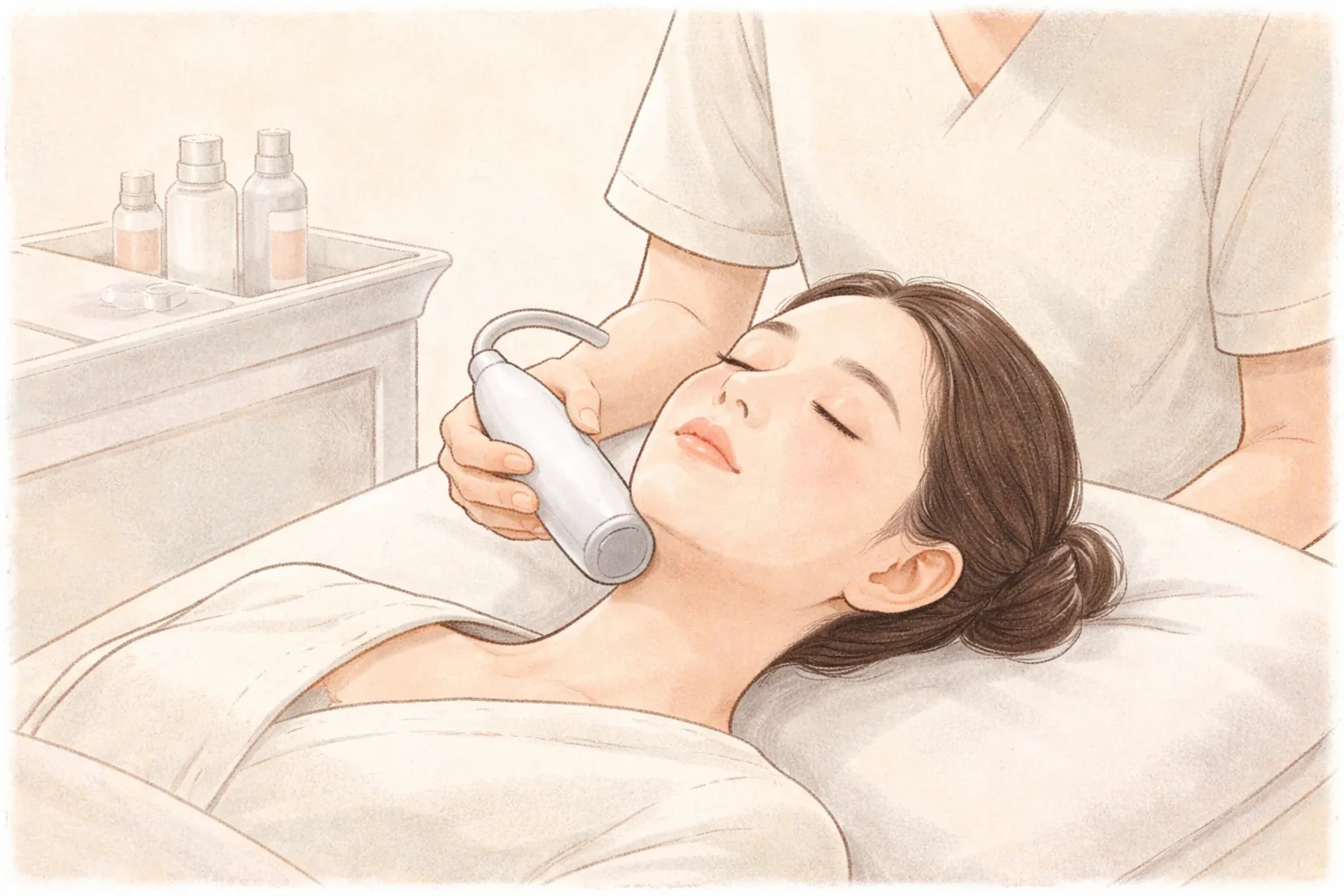
When applied under the eyes, the values decided in consultation are more than you'd think. We look together at which depth to place it, how many cc to use at once, whether to place it in one spot or divide it across several, how to handle anesthesia, whether you tend to bruise and swell easily, and when your important schedule falls after the treatment. The AAD also notes that practitioners commonly inject across several sessions (AAD filler guide).
One common misunderstanding here: people ask whether anything containing hyaluronic acid is just a filler. But in ATTITUDE Clinic's guide too, fillers and skin boosters are different items, and the under-eye area is separated again as its own area. Which product is used and how many cc are items to confirm in consultation. Knowing the identity of the product used also helps you understand the recovery process.
What ultimately separates results?
First is the skin condition you start with. Because skin type and thickness, internal structure, and regeneration speed differ from person to person, the size of the response and when it appears vary even from the same stimulation (Why do results differ even from the same treatment?). In a thin-skinned area like under the eyes, this difference shows up easily in how it feels, so even with the same plan, one person may see it fill in naturally while another feels the change is slow.
Second is who does it and how. The AAD notes that results depend heavily on the practitioner's technique and experience, and recommends asking in consultation how many times they have performed the treatment and how many patients with a similar skin tone and age range they have seen (AAD consultation guide). ATTITUDE Clinic's column also explains, in the same vein, why it keeps a flow where the doctor performs the treatment so the plan made in consultation and the actual procedure do not diverge (Why do results differ even from the same treatment?).
Third is depth, volume, and interval. Which layer and how much goes in, and whether to finish in one session or split across several, depends on the thickness of the under-eye skin and the type of concern. The AAD recommends asking in consultation how many sessions are needed for the ideal result and how long recovery takes (AAD consultation guide). How long results last also varies with the product, volume, and skin condition, so it's an item explained in consultation along with the plan.
Fourth is recovery margin. Whether you bruise easily, whether swelling lingers, and whether you have an event or photo shoot after treatment all affect the timing and intensity we adjust. That's why for under-eye concerns, "when and in what order" shapes how you feel about the result more than "what to get."
Whether the shadow's cause is volume, depth and amount
Fine lines, skin texture
Potenza (RF delivered to the dermis via microneedles), skin boosters
Microneedles and injection
Stimulation intensity and number of sessions, order with injections
Pigment, redness
Pico toning, Genesis toning, Vbeam
Laser
Whether the under-eye color is pigment or blood vessels
Firmness, sagging
Eye Ultherapy, Eye Thermage, Eye XERF
Ultrasound and RF energy
Intensity and number of shots matched to skin thickness
Swipe sideways to see the whole table.
In short the first thing to decide for the under-eye area is not the device or product but the type of concern. Hilo Wave is one of the injection options, and even looking at hollowing alone, other approaches may be considered alongside it, so the order is set in consultation.
If this sounds like you
When a ceremony or photo shoot is a few weeks away
Bruising and swelling are common reactions after under-eye injections and usually settle within a few days (Why do results differ even from the same treatment?). But how fast they settle varies from person to person, so if you have a set schedule, it's safer to mention the date at the first consultation and decide the timing together. The AAD also recommends asking about recovery time and when you can return to daily life in consultation (AAD consultation guide).
If your under-eyes tend to swell
If your under-eyes tend to puff up every morning, it's good to mention that in consultation. Depending on whether the area tends to accumulate swelling, the volume and timing may be adjusted, and afterward you may be advised to cold-compress for about 15–20 minutes before you leave (AAD filler guide). If swelling doesn't settle over time, it needs to be checked rather than waited out.
If your skin is thin and you bruise easily
Skin thickness and structure differ from person to person, and the same intensity of treatment feels different (Why do results differ even from the same treatment?). If you bruise easily, tell the practitioner before treatment, and unless instructed otherwise, you'll be advised not to touch the treated area for about 3 days (AAD filler guide).
When considering it alongside lifting or laser
If you also want to address under-eye firmness, the key is the order of injections and energy devices. The combination, order, and intensity are areas the doctor decides through analysis records and consultation, and even with the same combination, whether it's done all at once or split up changes the recovery process and how it feels (Why do results differ even from the same treatment?).
Tell us before your consultation Recent sun exposure (travel, outdoor activities), medications you're taking and skincare products you're currently using, previous treatment history (device, product, volume, date, and how you reacted then), pregnancy or breastfeeding and autoimmune conditions, infection or inflammatory acne at the treatment site, any history of reacting to cosmetics or medications, and set dates like ceremonies, photo shoots, or presentations. ATTITUDE Clinic's column also advises telling the doctor before treatment if you have inflammatory lesions, are pregnant or breastfeeding, or have an autoimmune condition or a history of product reactions (Exosome column).
How ATTITUDE Clinic proceeds
AI skin analysis record — Your skin condition is recorded and organized so you and the doctor look at the same information together. The analysis tool only records and organizes information to support consultation and does not make a medical diagnosis, and judgment is made by the doctor (Why do results differ even from the same treatment?).
Doctor consultation — Your under-eye concerns, lifestyle habits, and previous treatment experience are added to the record to decide together what is needed and what is not, and in what order and intensity. Having an analysis done does not mean you must have a particular treatment, and the final decision is yours after consultation.
Treatment performed by the doctor — The doctor performs the treatment directly according to the plan made in consultation, adjusting as your skin responds during the procedure. This flow keeps the design and execution from diverging.
Recovery and care — We explain the progress and aftercare, and check right away if there are changes different from what's expected.
Under-eye items in the guide include Hilo Wave (skin booster, 2cc) and Eye Rejuran on the injection side and an added under-eye area for fillers, and Eye Ultherapy, Eye Thermage, and Eye XERF on the energy device side (Treatments and Pricing). ATTITUDE Clinic discloses prices by unit such as shot, kJ, and cc, notes VAT separately, and follows the principle of deciding with the doctor what is needed and what is not (Why do results differ even from the same treatment?).
Aftercare and side effects
Soothing — You may be advised to cold-compress for about 15–20 minutes before you leave. This is guidance to reduce redness and swelling (AAD filler guide).
Don't touch — Unless instructed otherwise, don't touch the treated area for about 3 days. If you've been told to massage, follow that instruction.
Moisturizing and protection — During recovery, follow what to apply and what to avoid as explained in consultation. You'll also be told when you can wash your face and apply makeup.
Checking progress — Watch whether redness and swelling settle within a few days, and whether there's increasing pain or any change different from what's expected. If there's a change different from what's expected, such as pain that doesn't improve but keeps getting worse, it needs to be checked right away (Why do results differ even from the same treatment?).
Common reactions are redness, swelling, tenderness when pressed, and bruising, and they usually settle within a few days. Rarely, temporary darkening or lightening of the skin, blisters, lumps after injection, burns, or scars can occur (Why do results differ even from the same treatment?). If a lump remains or grows after a few weeks, if swelling lasts long or gets worse, or if blisters or color changes appear, it's best to visit and be checked rather than wait.
Frequently asked questions
Hilo Wave under the eyes — how is the interval decided?
It's not a value with a fixed number. It's set differently from person to person based on how fast your skin recovers, how you responded to previous treatments, the size of the change you're aiming for, and the product and volume. The AAD recommends asking in consultation how many sessions are needed for the ideal result and how long recovery takes (AAD consultation guide). If the next stimulation overlaps before recovery is complete, it becomes hard to judge progress, so the usual flow is to schedule the next visit after seeing how the previous treatment has progressed.
My under-eyes tend to swell — can I still get treatment?
Swelling is a common reaction after injection and usually settles within a few days (Why do results differ even from the same treatment?). But if your under-eyes tend to puff up, it's good to mention that in consultation so the volume and timing can be adjusted. Right after treatment you may be advised to cold-compress for about 15–20 minutes, and following the period you're told not to touch the area helps with recovery (AAD filler guide). If swelling lasts long or only one side swells, it needs to be checked.
How should I prepare for pain and anesthesia during treatment?
The AAD recommends asking in consultation whether anesthesia is used during the procedure (AAD consultation guide). Pain varies with the anesthesia method, the treatment area, and the volume, so it's hard to state a single level, and even the same person feels differently depending on the area. Confirming the anesthesia method and how long the procedure takes in consultation can reduce unnecessary nerves on the day.
What if a nodule or lump appears?
Lumps after injection are noted as a reaction that can rarely occur (Why do results differ even from the same treatment?). Most settle over time, but if one remains or grows after a few weeks, it's best to visit and be checked rather than wait. Knowing which product was used and in what volume is the starting point for checking and responding, so keeping your treatment records helps. ATTITUDE Clinic's column also separately points out that it matters which product is used (Exosome column).
For under-eye treatment, what should you look for in a clinic?
The AAD notes that results depend heavily on the practitioner's technique and experience (AAD consultation guide). So the standard is checking in consultation how many times they have performed the treatment, how many patients with a similar skin tone and age range they have seen, whether they explain the risks and other options, and whether they tell you how many sessions are needed for the ideal result and how long recovery takes. Which product and how many cc are used, and how unit prices are disclosed, are also items to look at (Treatments and Pricing).
At a glance
Table 2 At a glance
Item
Key point
What Hilo Wave is
Listed by ATTITUDE Clinic as a skin booster (injection delivered directly into the skin's foundation) in 2cc units
First step for under-eyes
Sort out whether it's hollowing, pigment, skin texture, or expression lines
What separates results
Skin thickness and structure, regeneration speed, who does it and how, depth, volume, interval
Pain and anesthesia
Varies with anesthesia method, area, and volume; confirm in consultation
Common reactions
Redness, swelling, tenderness, bruising — usually settle within a few days
Signs to check right away
Increasing pain, lingering swelling or lumps, blisters, color changes
This article offers general health information. It is not a substitute for diagnosis or treatment based on your own condition, so please talk through your situation with a doctor.