How Long Do Skin Boosters Last? HILOWAVE Results Timeline
When HILOWAVE skin booster results show up, what sets how long they last, how treatment feels, recovery, and what to check at your consultation at ATTITUDE Clinic in Sinsa Station, Gangnam, Seoul.
Written by ATTITUDE Clinic Editorial Team
If dry skin and fine lines have you looking into HILOWAVE, two questions tend to surface right before you book. When will anything look different after the injection, and how many months will that change stick around? Even with the same 2cc, when you start to notice a difference and how long it holds vary from person to person, and that gap usually comes down to where it was injected and how well your skin recovers rather than the product name.
The short answer first
When HILOWAVE starts to show is set by what the injected ingredient does in the skin together with how quickly that skin replenishes itself. AAD guidance notes that with fillers the timing of results depends on the ingredient: hyaluronic acid gel formulas that fill space immediately show right away, while poly-L-lactic acid, which waits on collagen production, takes 2–3 weeks before contours appear. HILOWAVE is an injectable listed under skin boosters, so the onset and duration are estimated at consultation by looking at the formula, injection depth, target area and your individual regenerative capacity together. Rather than pinning a duration to a one-and-done treatment, the lasting effect is built within a plan carried out at intervals over several months.
What does HILOWAVE do inside the skin?
A skin booster injection delivers moisture or regenerative ingredients directly into the skin to stimulate fibroblasts (the cells that make collagen and elastin). Once the injected ingredient settles in the dermis and signals surrounding cells, those cells begin producing new collagen.
That's where the time lag comes in. Collagen doesn't pile up overnight. Because the ingredient settles at one pace and cells actually build collagen at another, results don't arrive all at once but unfold over several weeks.
There's a common misconception: that the same product at the same dose means the same results at the same time. In practice, injection depth and volume, the skin thickness of the target area, and that skin's capacity to rebuild collagen all act together.
So at consultation, the questions come before the cc count: where, at what depth, and at what interval. When results appear is decided by the nature of the ingredient and that skin's regenerative capacity together.
What sets when results appear
AAD materials note that the timing of filler results depends on the ingredient. Hyaluronic acid gel, collagen and calcium hydroxyapatite fill space immediately, so change is visible right after treatment, while poly-L-lactic acid waits for collagen to be made and takes 2–3 weeks before contours show. Even among fillers, different ingredients doing different jobs split the timeline this way.
HILOWAVE is classified as a skin booster, so its formula and injection depth need checking to estimate timing. Area adds another layer. Because skin thickness differs, the same treatment intensity can feel different and produce different results. That's why thin areas like under the eyes and thicker tissue like the cheeks are hard to bundle into one plan.
Regeneration speed matters too. Age, lifestyle and hormonal status change how fast and how much collagen is rebuilt, so even the same plan shifts the point you notice a difference earlier or later. If short sleep and dry skin have gone on for a long time, your recovery starts from a different baseline.
Session count is another variable. AAD advises checking at consultation how many sessions are needed to reach your goal. Whether the plan is finished in one visit or spread across several sessions changes the answer to when you'll start to feel it.
Table 1 What sets when results appear
Category
Effect on timing of results
What to check at consultation
Nature of the ingredient
Some formulas add volume immediately; others wait on collagen
HILOWAVE's formula and injection goal
Injection depth and area
Same intensity can react differently depending on skin thickness
Where and at what depth: under-eye, cheek or nasolabial
Skin regeneration capacity
Collagen production speed varies with age, lifestyle and hormones
Recent recovery speed and response to past treatments
Number of sessions
Sessions needed to reach the goal vary by person
How many sessions at what interval
Swipe sideways to see the whole table.
In short the onset isn't decided by a product name alone. The nature of the ingredient, the depth and area injected, and the skin's regenerative capacity all overlap, so consultation looks at these four side by side.
How many months should duration be based on?
Duration isn't set by how things look right after treatment. It's built from how fast the injected ingredient breaks down, how much collagen the skin fills in afterward, and that person's rate of aging.
So rather than memorizing a number of months attached to a product name, it's more practical to decide together when the next session goes. This is also why AAD advises checking session count and interval at consultation.
If the interval is too tight, the next session overlaps before swelling and bruising have settled. Conversely, if skin that recovers slowly gets sessions bunched together with no spacing, it's hard to tell which session made the difference. Setting total sessions and interval up front and reviewing once in the middle is a smoother path.
What shapes duration over the long run is care between sessions: keeping skin from drying out, avoiding schedules with long UV exposure, and not letting sleep and meals fall apart. This part influences results over a longer horizon than the type of treatment.
Pain, recovery, and what to check if results feel late
Pain varies with the anesthesia approach and the thickness of the area. AAD advises checking at consultation whether anesthesia is used during the procedure. The same injection feels different in thick versus thin tissue, and skin thickness changes how the same intensity of treatment is delivered.
Recovery usually settles within a few days. After lasers, energy devices and injectable treatments, redness, swelling, tenderness when pressed and bruising are common and usually subside within a few days. Because swelling and real change are hard to tell apart in this window, judging results by how you look right after treatment can lead to misunderstandings.
If results feel late, look at three things: whether the target area is thin, whether your skin recovers slowly, and whether planned sessions are still outstanding. A late timeline and no effect are not the same thing. If you have pain that keeps worsening or an unexpected change in skin color, don't wait for your next appointment — contact the clinic right away.
If this sounds like you
When a wedding or shoot is only weeks away
Rather than booking a first session right before a big day, it's better to leave time for swelling and bruising to settle. Swelling and bruising after injectables are common and usually fade within a few days, but first reactions vary by person and are hard to predict. If your date is fixed, tell the clinic at consultation first and work the session plan backward from it.
When dryness and fine lines are both concerns
Moisture, texture and contour appear at different times even within the same treatment. If dryness is the main concern, lean toward what recovers quickly; if contour change is the goal, plan for a wait of several weeks. Chasing both at once tends to throw expectations off, so it's better to set one priority at consultation.
Sensitive skin that reddens easily
If your skin holds redness for a long time, set intensity and intervals conservatively. Redness and swelling after treatment are common reactions, but for skin that recovers slowly, stretch the interval to the next session. During periods when redness is pronounced, the judgment may be to postpone the treatment schedule.
Overseas visitors on a short stay
With a short stay, it's hard to fit recovery and the interval to the next session into your schedule. Book the first session earlier and start the consultation with how many sessions are possible. To review progress after you return home, it helps to take your treatment records, the product used and the dose with you.
Tell us before your consultation
Scheduled UV exposure in recent weeks, such as outdoor activity, travel or tanning
Medications you're taking (anticoagulants, aspirin, etc.) and products you use on your skin (retinol, exfoliating ingredients)
Type, dose and date of previous treatments, and how you reacted then
Fixed dates such as weddings, shoots or business trips
Pregnancy and breastfeeding status, history of skin conditions
How ATTITUDE Clinic proceeds
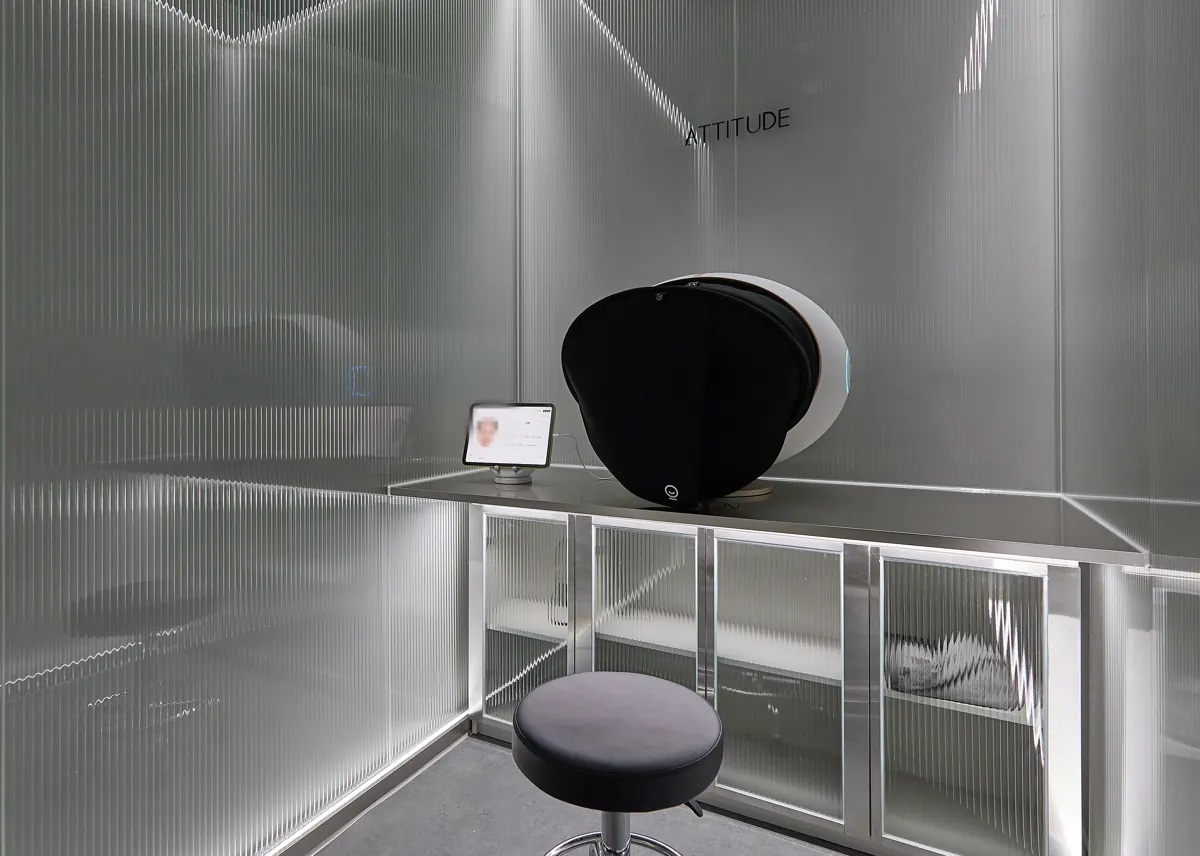
Precise diagnosis and skin analysis Skin condition is recorded with a device and organized alongside photos. The analysis tool records and organizes information and does not make a medical diagnosis. Reading records and judging them are different things.
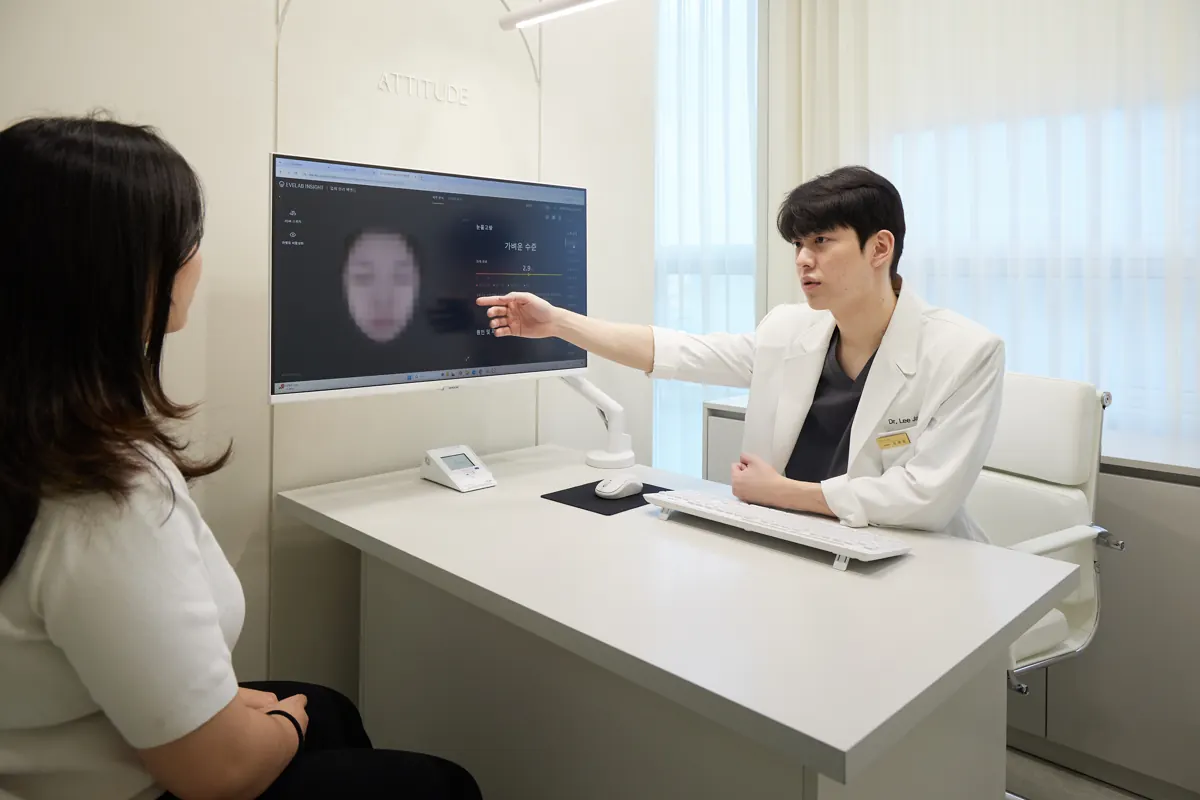
Doctor consultation Your concerns, lifestyle habits and previous treatment experience are added to the records to set the combination, order and intensity. At this stage, expectations for onset and duration are aligned too. HILOWAVE 2cc is KRW 880,000 at list price, VAT separate, and detailed pricing is listed in treatments and pricing.
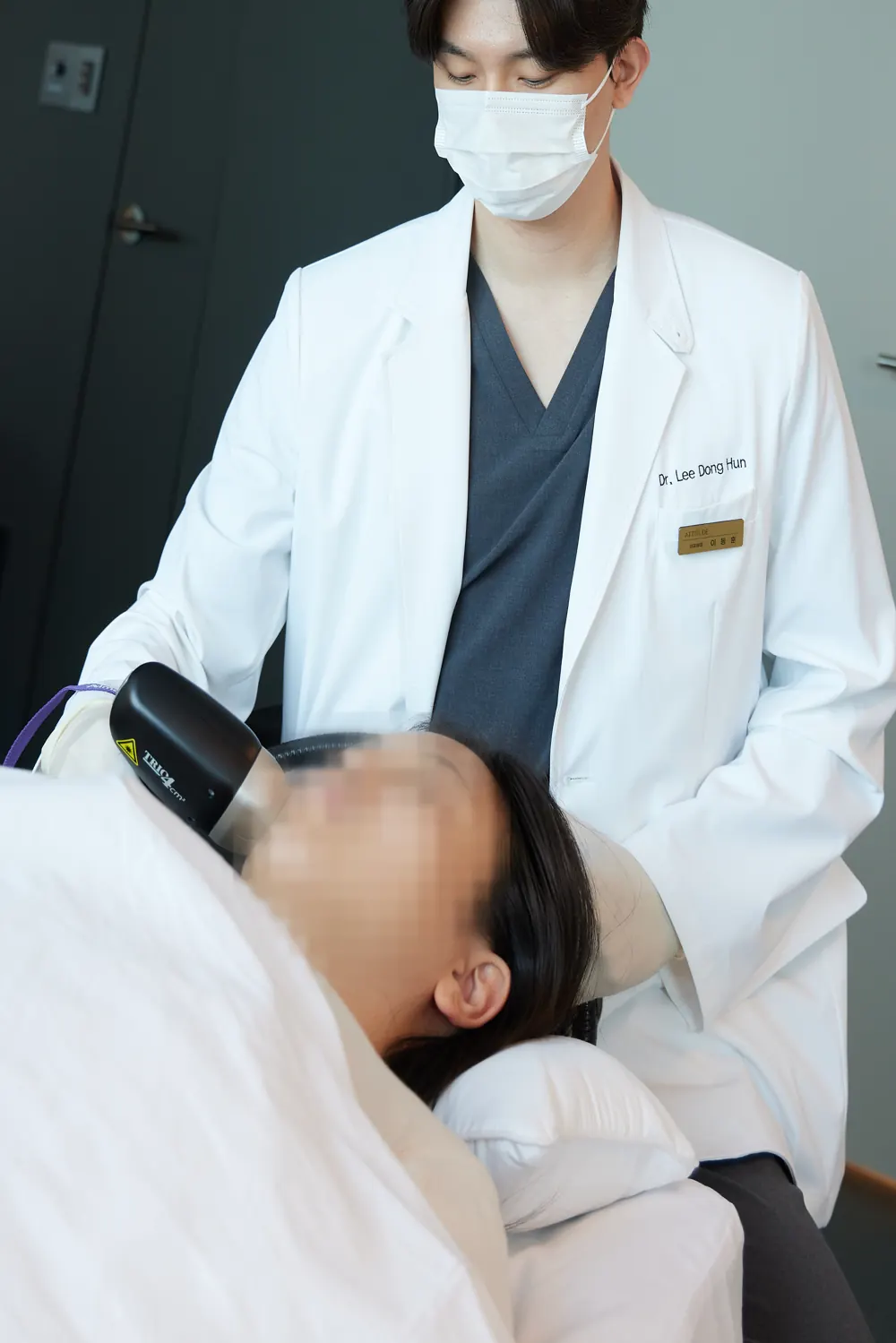
Treatment by the doctor The doctor personally performs the treatment as planned at consultation and adjusts intensity while watching skin response during the procedure.
Recovery and progress review The recovery process is recorded and the interval to the next session is set. Duration is reviewed again after the planned number of sessions is completed.
Four steps your doctor sees to in person
From the diagnostic device to the treatment bed, the doctor you first consult takes care of everything.
01
Precision diagnosis
In a private diagnosis room the whole face is photographed, recording even skin conditions that are hard to see with the eye.
02
Skin analysis
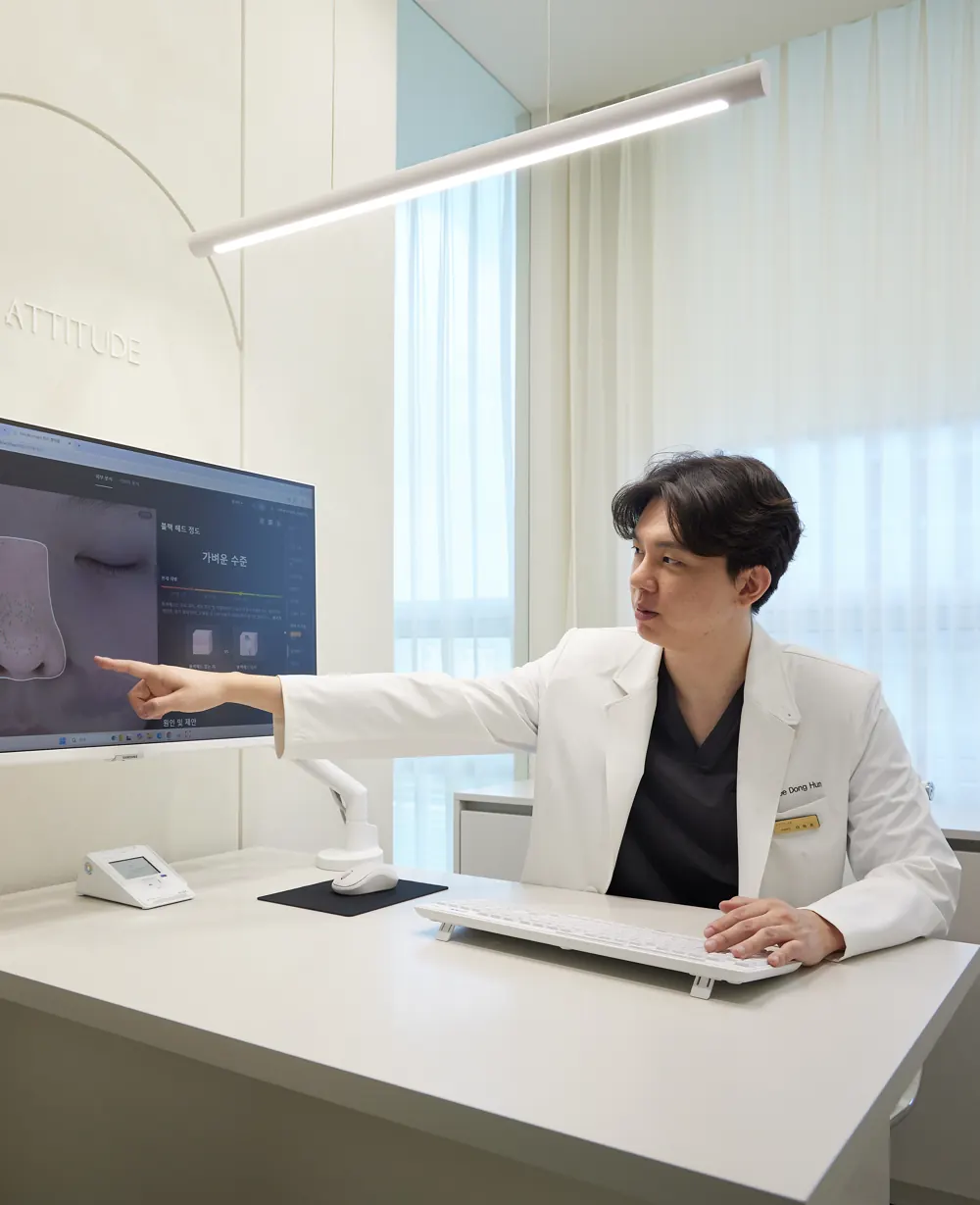
The doctor goes through your pore, pigmentation, wrinkle and firmness results with you on screen and explains what comes first.
03
One-to-one design
With your skin, the balance of your face, the change you want and your schedule in view, you decide the treatment and its extent together.
04
Treatment by your doctor
The doctor who consulted you performs the treatment from start to finish in a private treatment room. No one takes over halfway.
“I take injection pain seriously.”
Co-Director Dr. Lee Dong Hun
Many people hesitate over injection treatments because they hurt. So we went back over everything, from the anesthetic to the products used.
Careful numbing, unhurried timingWe allow plenty of time for a special numbing cream to take full effect, and add anesthetic injections for the treatments and areas that need them.
Fine needles, finished quicklyInjection treatments use fine needles, and the doctor finishes them personally in a short time, adjusting along the way by watching how you are doing.
Even the product formulation countsThe same treatment can feel more or less demanding depending on the product, so we take that into account too.
The anesthetic method and whether it is used are decided after an examination, according to the treatment, the area and your condition. How much it hurts varies from person to person.
Aftercare and side effects
Soothing On the day of treatment, don't rub the treated area or stay long in hot places. Redness and swelling are common reactions and usually subside within a few days.
Moisturizing When skin dries out, recovery slows. Apply a gentle moisturizer generously, and hold off on exfoliating or retinol products that sensitize skin until recovery is complete.
Sun protection Skin in recovery is sensitive to UV. Carry sunscreen when you go out and avoid long outdoor schedules.
Tracking progress Photographing how things look after treatment makes the next consultation easier to judge.
Common reactions are redness, swelling, tenderness and bruising. Rarely, temporary pigment changes (skin darkening or lightening), blisters, lumps after injection, burns or scars can occur. If you feel a lump, don't massage it on your own — have it checked where you were treated.
Some situations warrant contact without waiting for your next appointment: pain that keeps worsening, swelling that doesn't go down over time, and a clear change in skin color. Changes that don't improve and instead worsen can be a signal that differs from expectations.
Frequently asked questions
When do skin booster results start to show after HILOWAVE?
It depends on the nature of the ingredient, injection depth and your skin's regenerative capacity. With fillers, ingredients that fill space immediately show change right after treatment, while those waiting on collagen production take 2–3 weeks before contours appear (AAD). HILOWAVE is classified as a skin booster, so timing is estimated at consultation by checking the formula and target area. To avoid mistaking post-treatment swelling for change, it's best to judge by how things look a few days later.
How long do skin boosters last after HILOWAVE?
No number is set by the product name alone. How fast the ingredient breaks down, how much the skin fills in on its own, and the rate of aging all decide it. At consultation, the number of sessions and interval needed to reach the goal are set first, and duration is reviewed again after that plan is complete (AAD consultation guidance). Keeping to the interval affects how long results last, so it helps to put the next session date in your calendar from the start.
How is HILOWAVE different from a regular dermal filler?
A dermal filler fills space to create volume, while a skin booster delivers moisture or regenerative ingredients into the skin to stimulate cells. AAD guidance also classifies hyaluronic acid gel fillers as formulas with immediate results. HILOWAVE is listed under skin boosters in treatments and pricing, so comparing its timing to an instant-fill filler is difficult. The choice splits depending on whether your goal is volume or texture and moisture.
I'm worried about skin booster side effects or lumps.
After injectable treatments, redness, swelling, tenderness and bruising are common and usually subside within a few days. Rarely, pigment changes, blisters, lumps after injection, burns or scars can occur. It's better not to rub the area vigorously after treatment and to follow the aftercare guidance given at consultation. If you feel a small lump, don't massage it on your own — have it checked where you were treated.
What should I look for when choosing a clinic for HILOWAVE?
Look at the depth of the consultation more than device and product names. AAD advises checking at consultation your goal, recovery period, risks, number of sessions needed and cost. It also helps to see who consults and who performs the treatment, and whether the product and dose are recorded. Whether genuine product and full dosage can be confirmed, and whether progress can be reviewed at the same place afterward, are useful too. If a clinic leads with promises that guarantee results, it's worth a second look.
At a glance
Table 2 At a glance
Item
Key point
Timing of results
Set by the ingredient's nature, injection depth and area, and skin regeneration capacity together
Immediate vs delayed
Fillers that fill space show immediately; collagen-dependent ingredients take 2–3 weeks
Duration
Total sessions and interval matter more than a single treatment
Pain and recovery
Varies with anesthesia approach and area thickness; redness, swelling and bruising settle within a few days
When to contact the clinic
Worsening pain, swelling that doesn't go down, clear change in skin color
This article offers general health information. It is not a substitute for diagnosis or treatment based on your own condition, so please talk through your situation with a doctor.