

Search for Inmode and Shurink side by side and the two names look like they belong on the same scale. You wonder which is stronger, which hurts more, and why the price differs. But in consultation, one is used like a brand name and the other like a specific device name, so the comparison never quite works. This article sorts out where the two names diverge and what that difference means inside the skin.
The conclusion first
Inmode is closer to a brand name covering a group of radiofrequency (RF, where electrical energy passes through tissue and turns into heat) devices, and Shurink is the name of one specific device that focuses ultrasound (HIFU, high-intensity focused ultrasound) energy into a single point. This is why placing the two names side by side as "which is better" rarely gives a clear answer. The axes to compare are how heat is created, how deep and wide it reaches, and at what intensity and how many times it is delivered. Once those 3 are set, which sagging concerns each suits follows naturally.
The names cover different scopes
Inmode is not a single treatment name but a brand name commonly used for several RF devices. Even within the same brand, there is a way that broadly heats the skin surface and a way that delivers RF directly to the dermis with fine needles. The latter follows the same principle ATTITUDE Clinic introduces as Potenza (RF microneedling) under pores and scars (treatments and pricing). Even with the same RF, which layer the heat targets and the goal change depending on where it is delivered.
Shurink is the opposite: the device name is the treatment name. In ATTITUDE Clinic's treatment guide, Shurink Universe (HIFU) is a Classys device guided in units of 300 shots. The fact that a "shot" unit is attached means that, even for the same Shurink, how much is delivered is part of the treatment. So the question "Inmode vs Shurink" ends up comparing a brand with a device, and what actually matters far more is which model and which settings are used.
RF and ultrasound do different things inside the skin
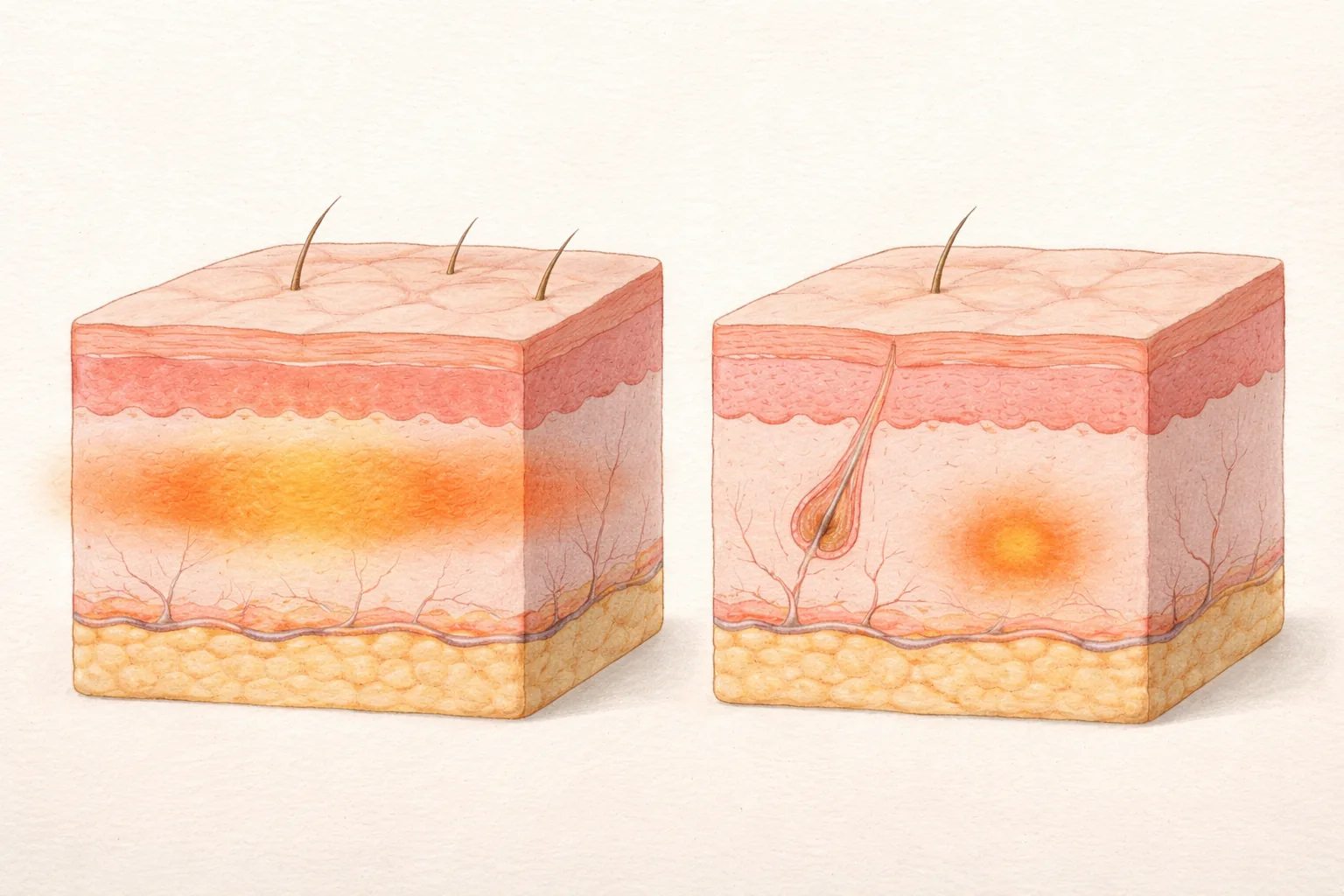
The target of lifting heat is the SMAS layer, which holds up sagging. The SMAS layer is a thin sheet deeper than the dermis, like a lining inside clothing that supports the facial muscles and skin. As we age, this sheet stretching is counted among the main causes of sagging. Ultrasound and RF approach this layer differently.
Ultrasound devices focus energy inside the skin like a lens focusing light, creating small thermal points from the dermis to the SMAS layer at depths set by each cartridge. "Dotting deep layers" fits well. RF devices, by contrast, pass electrical energy through tissue so it turns into heat like friction, warming a broad area from the dermis to the subcutaneous fat layer at once. Instead of puncturing a point, they cover a surface. Both methods are described as slightly contracting collagen (the protein that keeps skin firm) and gradually starting remodeling.
So why does this matter? Because for deep, distinct sagging, focusing heat at a set depth is better, and for loss of elasticity over a broad area, heating a surface is better. That is why the two types are sometimes split on the same day or done in sequence. The decision to layer both on the same face is also made after looking at the skin.
Even with the same name, settings split the outcome
How change appears also differs by type. With ultrasound, it is hard to feel a big change right after treatment, and if there is change, it usually appears gradually over about 2–3 months. With RF, you may feel firmness early on, some of which is swelling, and after that settles, additional change usually appears over 2–6 months. Both courses vary from person to person.
Why results split even with the same device and same name has a separate reason. Thinness and thickness of skin, how dense the tissue inside is, and how much collagen-making power remains all differ from person to person. Even treating the same area at the same intensity, if the starting state is different, the timing and degree of perceived change differ.
Settings also decide results. For ultrasound, which cartridge at which depth; for RF, which tip over which area; and how many shots of each make up the treatment. So the label "Shurink 300 shots" only means the same device is used; it does not mean the same result as the same shot count on a different device. Shot count is the number of heat deliveries, not a sign that depth or target layer is the same.
Pain and recovery are set by settings and area
Lifting tends to vary more in pain by person and by area than other treatments. The biggest reasons are energy level and nerve density by area. The higher the energy and the more shots delivered to one area, the stronger the heat stimulus and the pain. Cases needing strong energy for distinct sagging and cases using low energy for prevention can feel very different even under the same treatment name.
By area, the jawline, cheekbones, forehead and eye area, which are close to bone and dense with nerves, feel more sensitive, while thick areas like the cheeks feel less even at the same energy. The quality of the sensation also differs. Ultrasound is described as a deep, hot sensation as it momentarily penetrates deep layers, while RF is described as a warm, lingering sensation from broad heating near the surface.
| Category | RF — grouped as Inmode and Thermage | HIFU — Shurink and Ultherapy |
|---|---|---|
| How heat is created | Electrical energy passes through tissue and becomes heat | Ultrasound is focused into a point to create small thermal points |
| Depth and range | Broadly from dermis to subcutaneous fat | By cartridge, dotted at a set depth from dermis to SMAS |
| Sensation | Warm and lingering | Deep and hot; varies by area and intensity |
| Best-suited concerns | Loss of elasticity over a broad area, skin texture | Localized deep sagging like jawline and eye area |
Swipe sideways to see the whole table.
In summary, the two names are not competing products in the same category but refer to two types that create heat differently. What to confirm in consultation is not which brand it is, but how it works, at what depth, and at what intensity. Only with that information can you also plan maintenance and recovery.
If this sounds like you
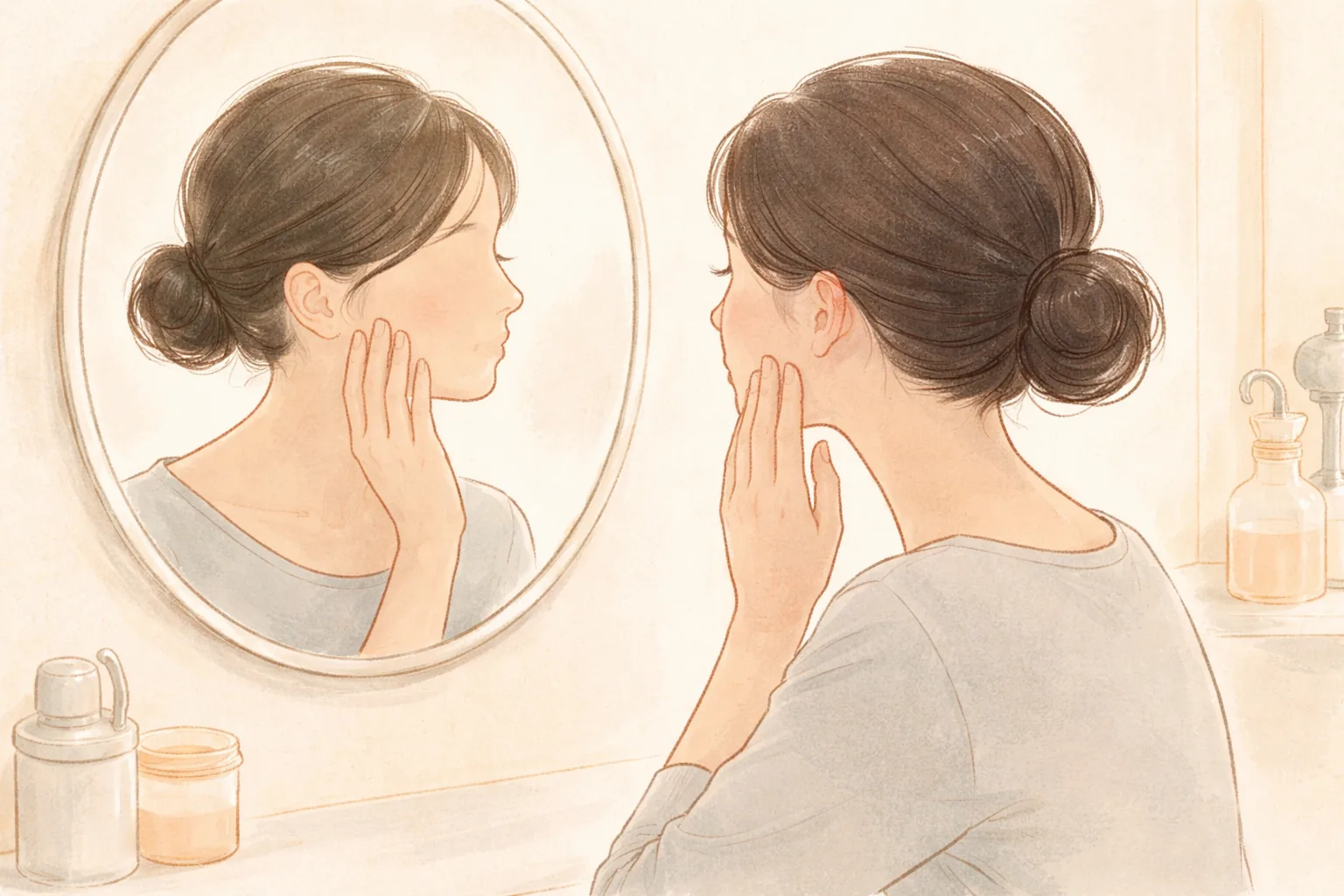
When jawline sagging and broad loss of elasticity are both concerns
In consultation, a combination can be considered: ultrasound for deep layers and RF for broad surfaces. Whether to do them at once or split with an interval is decided by looking at the skin's healing capacity and schedule room together. Which comes first depends on where the visible concern is on the face.
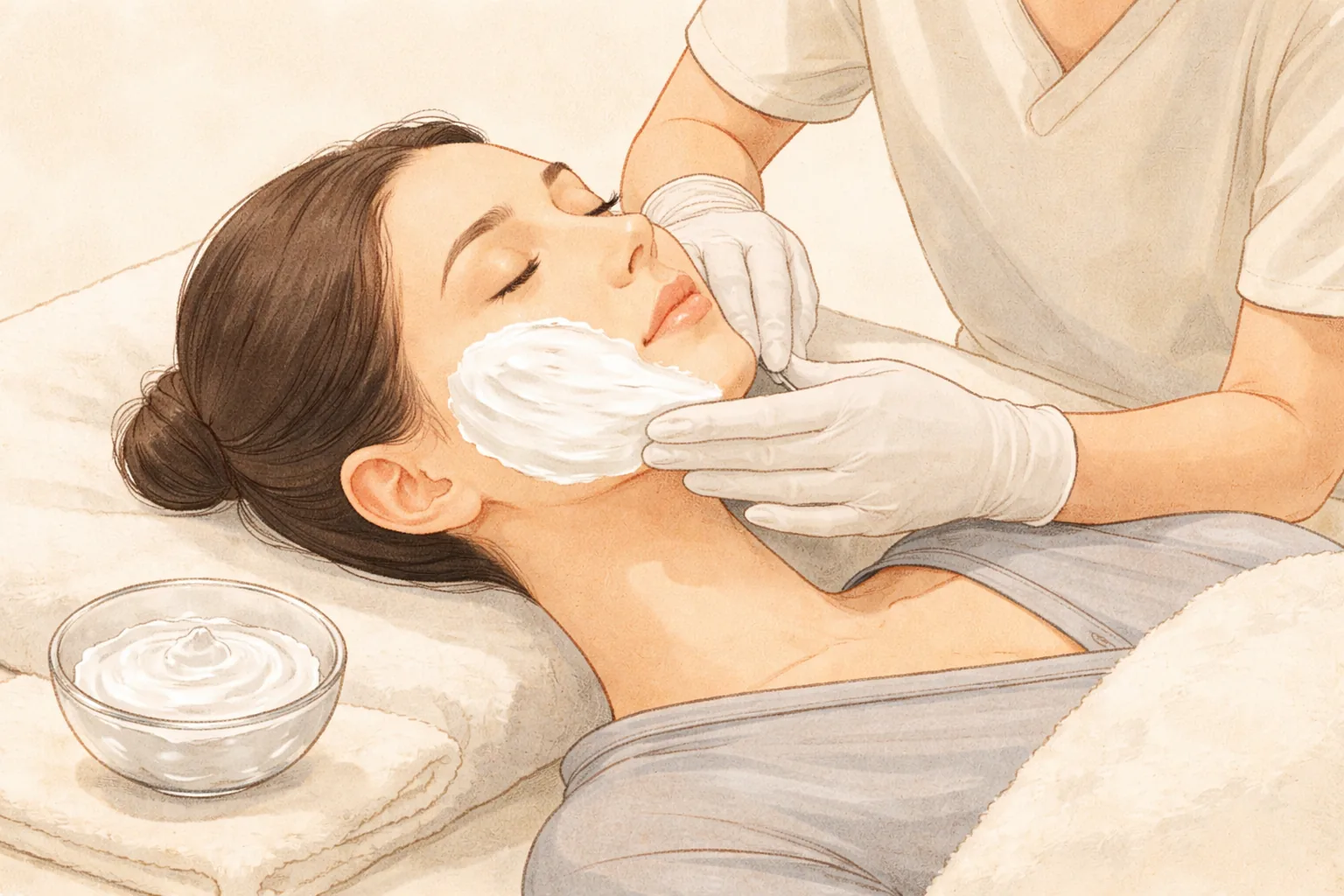
When you are sensitive to pain or have a short recovery window
Energy level and anesthesia method are adjusted together in consultation. If you mention pain concerns first, splitting intensity by area can also be considered. Most treatments are done within a range that allows makeup and daily life from the next day.

When a shoot or event is close
Ultrasound changes usually appear gradually over 2–3 months, so if the event is a few weeks away, a big change within that time is hard to expect. The early firmness of RF includes swelling, so it is better to schedule it with some room rather than right before an event. Treatment timing and the next visit are set together around your schedule.

When skin is sensitive or prone to redness
If redness tends to linger, lowering intensity and splitting the area can be considered. Recent UV exposure and current skincare ingredients are also checked. If a previous treatment left a long-lasting reaction, that is reflected in the plan.
Tell us before consultation
- Recent UV exposure and outdoor activity
- Medications you take and active skincare ingredients you use (retinol, acids, etc.)
- Previous lifting, laser or injection treatments: device, shot count or dose, date, and reaction at the time
- Shoots, events or travel that require keeping recovery time clear
How ATTITUDE Clinic proceeds
-
AI skin analysis record — Skin condition is recorded and organized so you and the doctor look at the same information. This tool is a reference for recording and organizing information and does not make a medical diagnosis. The doctor makes the judgment.
-
Doctor consultation — The analysis record is combined with your concerns, lifestyle habits and previous treatment experience to decide which method is needed and which combination, order and intensity to use. According to the clinic's guide, the principle is to decide together what is needed and what is not.
-
Treatment by the doctor — The doctor performs the treatment according to the plan set in consultation and adjusts intensity while watching skin response during treatment. This flow is meant to keep design and execution aligned.
-
Unit pricing — Treatment guides disclose prices by unit such as shots or kJ, the same price on every language page, with VAT separate.
Four steps your doctor sees to in person
From the diagnostic device to the treatment bed, the doctor you first consult takes care of everything.

Precision diagnosis
In a private diagnosis room the whole face is photographed, recording even skin conditions that are hard to see with the eye.

Skin analysis
The doctor goes through your pore, pigmentation, wrinkle and firmness results with you on screen and explains what comes first.

One-to-one design
With your skin, the balance of your face, the change you want and your schedule in view, you decide the treatment and its extent together.

Treatment by your doctor
The doctor who consulted you performs the treatment from start to finish in a private treatment room. No one takes over halfway.

“I take injection pain seriously.”
Co-Director Dr. Lee Dong Hun
Many people hesitate over injection treatments because they hurt. So we went back over everything, from the anesthetic to the products used.
- Careful numbing, unhurried timingWe allow plenty of time for a special numbing cream to take full effect, and add anesthetic injections for the treatments and areas that need them.
- Fine needles, finished quicklyInjection treatments use fine needles, and the doctor finishes them personally in a short time, adjusting along the way by watching how you are doing.
- Even the product formulation countsThe same treatment can feel more or less demanding depending on the product, so we take that into account too.
The anesthetic method and whether it is used are decided after an examination, according to the treatment, the area and your condition. How much it hurts varies from person to person.
Related to this topic, the devices ATTITUDE Clinic guides are Shurink Universe (HIFU) (Classys), Thermage FLX (Solta) and Ultherapy (Merz). Which type fits is decided after diagnosing the degree of sagging and the areas you want treated.
Aftercare and side effects
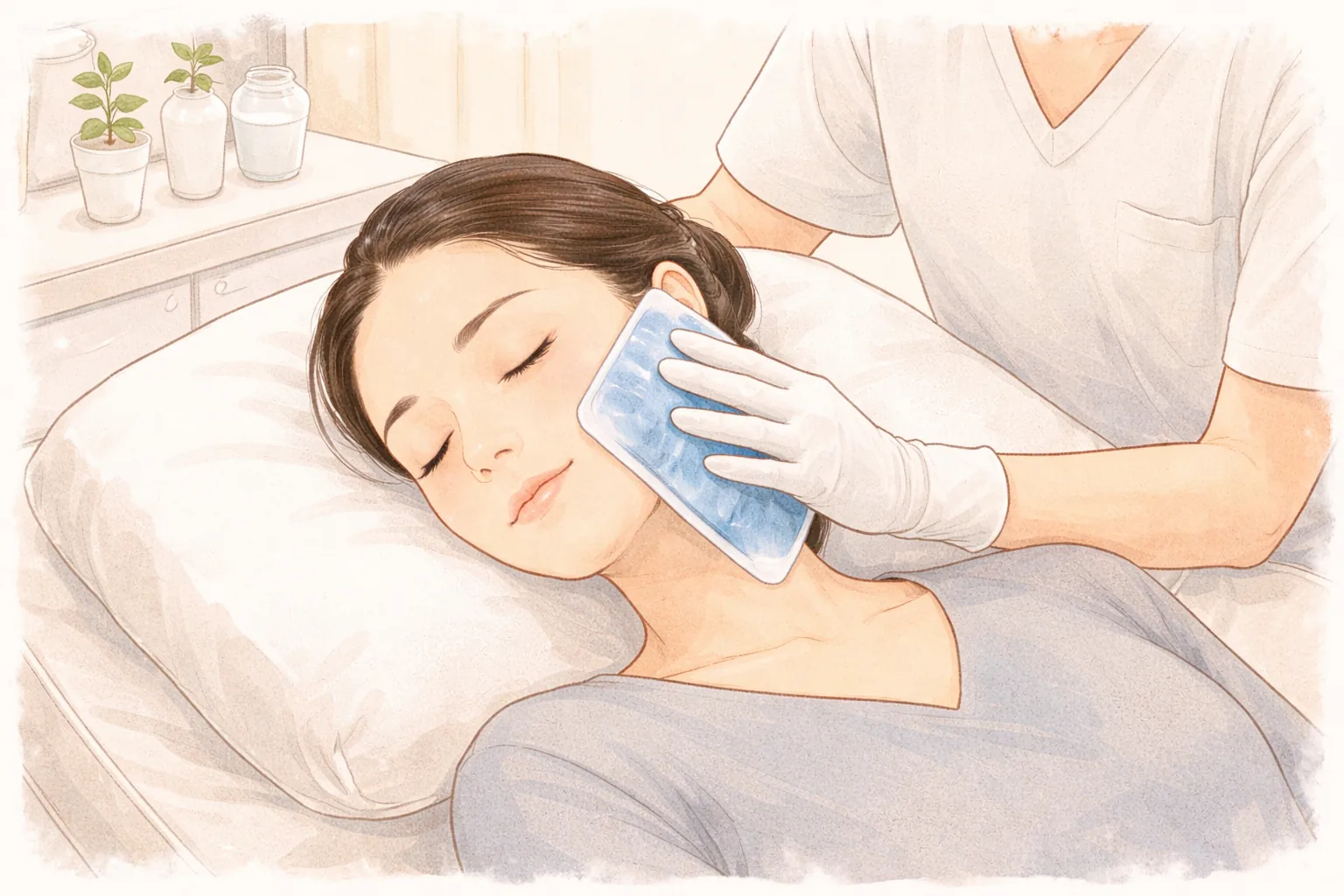
Soothing — Right after treatment, mild redness and warmth may remain from heat stimulation. Cold compresses can help with swelling, and it is better to avoid sauna, intense exercise and alcohol on the day.
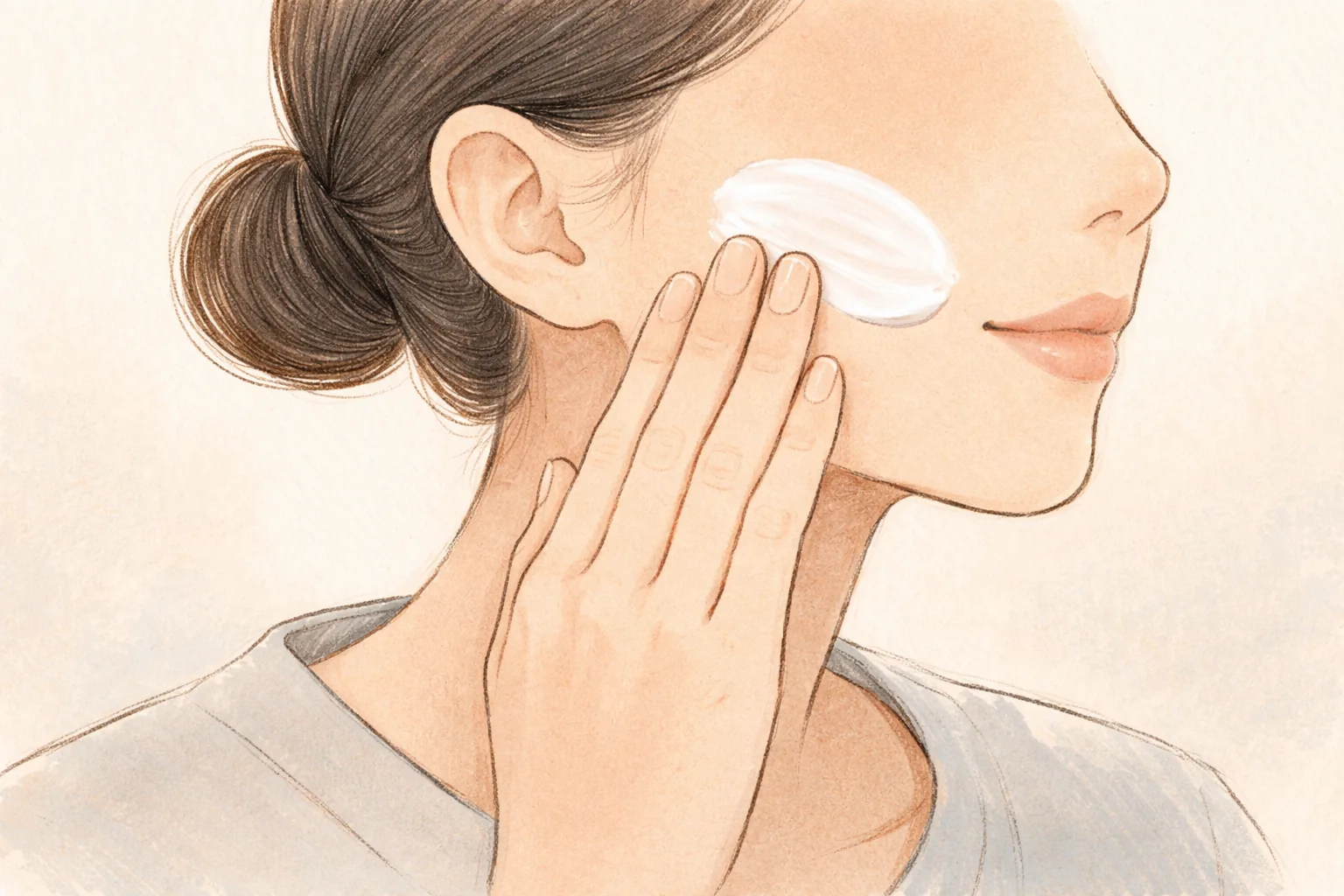
Moisturizing — Skin that has received heat tends to become temporarily dry, so moisturize more than usual. Care is focused on moisturizing rather than rubbing massage.

Sun protection — Skin in recovery is more sensitive to UV, and protection matters to pass without pigmentation. For a few days, apply more carefully than usual.
Tracking progress — Recording when redness, swelling and tenderness when pressed subside helps decide intensity at the next visit.
Common reactions are swelling, redness, warmth, small bruises, and temporary numbness or reduced sensation, and they usually settle within a few days. Some cases last longer. Rarely, burns, blisters, small scars, temporary facial muscle weakness, and unwanted fat-layer volume loss can occur, so setting energy level and depth accurately matters. If symptoms differ from expectations, such as blisters or worsening pain, do not wait and seek care promptly.
Frequently asked questions
Which is better, Inmode or Shurink?
This is less a question of which is better and more a question of which method fits your face. The RF group grouped as Inmode is strong at heating a broad surface, and the ultrasound group represented by Shurink is strong at creating thermal points at a set depth. The answer changes depending on whether your sagging is deep and localized or whether broad loss of elasticity is the concern. The AAD also guides that there are several ways to tighten skin without lifting surgery, and that it is important for an expert familiar with each method to choose one matching your concerns (AAD: approaches to firmer skin).
Are Shurink 300 shots and Ultherapy 300 shots the same effect?
Even with the same shot count, the result is not the same. Ultherapy and Shurink are in the same HIFU category, but they differ in the depth heat reaches and how energy is delivered. Shot count is a unit counting heat deliveries, while the target layer and energy delivered per shot are set by the device and cartridge settings. So when comparing, look at shot count together with what depth and intensity are used.
Can I have both treatments on the same day?
It is possible, and deep layers and broad surfaces may be split and used together. However, whether to do them on the same day or with an interval depends on skin condition. It is better to decide the order while considering the time available for recovery and your next schedule. Because recovery and sensation can differ depending on whether they are done at once or split, the whole plan is set before starting.
Which is more painful?
Settings influence the sensation more than the type. The higher the energy level and the more shots, the stronger it feels, and areas dense with nerves like the jawline and eye area feel more sensitive. Ultrasound is often described as deep and hot, RF as warm and lingering. If you are sensitive to pain, it is better to discuss anesthesia method and intensity adjustment in consultation.
What should I check when choosing a clinic?
Because results depend heavily on the experience of the person designing and performing the treatment, it helps to ask several things directly in consultation. The AAD recommends confirming in pre-treatment consultation what your goal is, how much recovery time and risk you can accept, how many patients with similar skin type and age have been treated, whether this treatment matches your concern, and how long recovery takes (AAD: questions to ask before cosmetic procedures). It is also worth asking which device, at what depth, and how many shots are planned, and what is needed versus not needed.
At a glance
| Item | Key point |
|---|---|
| Nature of the name | Inmode is a brand name grouping RF devices; Shurink is a specific ultrasound device name |
| How heat is created | RF heats a broad surface; ultrasound creates small thermal points at a set depth |
| Sensation | RF is warm and lingering; ultrasound is deep and hot; varies by intensity and area |
| Factors splitting results | Skin type, thickness and regeneration speed, cartridge and tip, energy level, shot count |
| Timing of change | Ultrasound usually gradual over 2–3 months; RF additional change over 2–6 months after early firmness |
| What consultation decides | Which type, in what combination, order and intensity, and when to return |