Mole Removal Pain & Anesthesia: When Does It Actually Hurt? | Korea Clinic Guide
Curious about mole removal in Korea? We break down the exact moments pain occurs, how numbing cream and lidocaine injections differ, what makes it hurt more, and aftercare—plus how to choose a mole removal Gangnam clinic.
Written by ATTITUDE Clinic Editorial Team
Deciding to remove a mole is one thing; the thought of pain is often what keeps people hesitating until the last minute. Questions like "Does it hurt a lot?", "Do they use anesthesia for mole removal?", and "Isn't the numbing shot worse than the procedure?" come up in almost every consultation. In this guide, we'll walk through exactly when pain occurs during mole removal, how anesthesia dulls each window, and what factors make the same procedure feel different from person to person.
The Bottom Line First
Once anesthesia has taken full effect, you'll feel almost no pain while the mole is being shaved or cut away. Cleveland Clinic notes that after anesthesia is applied, the procedure is short and painless, though the area may sting or burn for a few days afterward (Cleveland Clinic). Small moles are sometimes handled with numbing cream alone, while deeper or larger moles may require a local anesthetic such as lidocaine via injection, or a combination of both methods. The pain level depends on the lesion's size and depth, skin thickness at the site, how many moles are removed at once, energy intensity, and your individual pain sensitivity. That's why the anesthesia method and strength are decided during your consultation after a skin assessment.
When Does Pain Actually Occur During Mole Removal?
When people talk about pain, they tend to picture just one moment—but it's more accurate to break it into three phases: before anesthesia kicks in, during the procedure after anesthesia, and the days of recovery afterward.
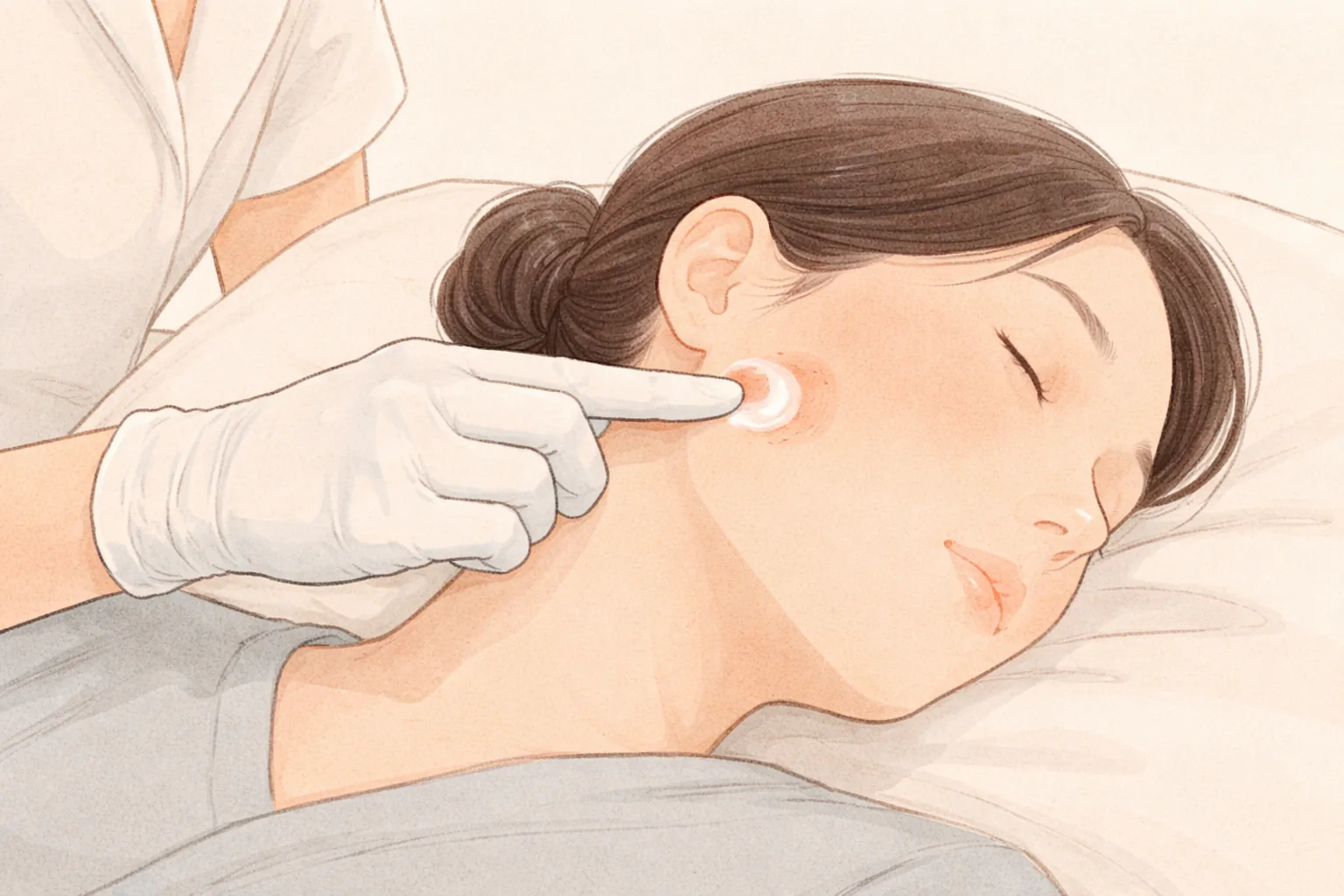
The first phase is anesthesia itself, and how it feels depends on the method. Topical numbing cream is more about waiting for it to absorb than pain, while an injection brings a brief sting as the needle goes in. According to Cleveland Clinic, anesthesia may be applied as a cream on the skin, injected into the treatment area, or sometimes both (Cleveland Clinic).
The second phase is the procedure itself, once anesthesia has set in. The same Cleveland Clinic guide explains that after numbing, shaving or cutting the mole away is short and painless (Cleveland Clinic). Mole removal methods include excision (cutting the lesion out with a scalpel and stitching), shave removal (shaving it down thinly like with a razor blade), and laser removal (removing it layer by layer)—but with any method, anesthesia comes first (AAD).
The third phase starts the day after the procedure. That spot may sting or burn for several days, which is a common reaction as a scab forms and new skin grows in (Cleveland Clinic). It's often more of a discomfort than true pain, but the experience varies depending on the site and depth.
How Is Anesthesia Done, and When Does It Wear Off?
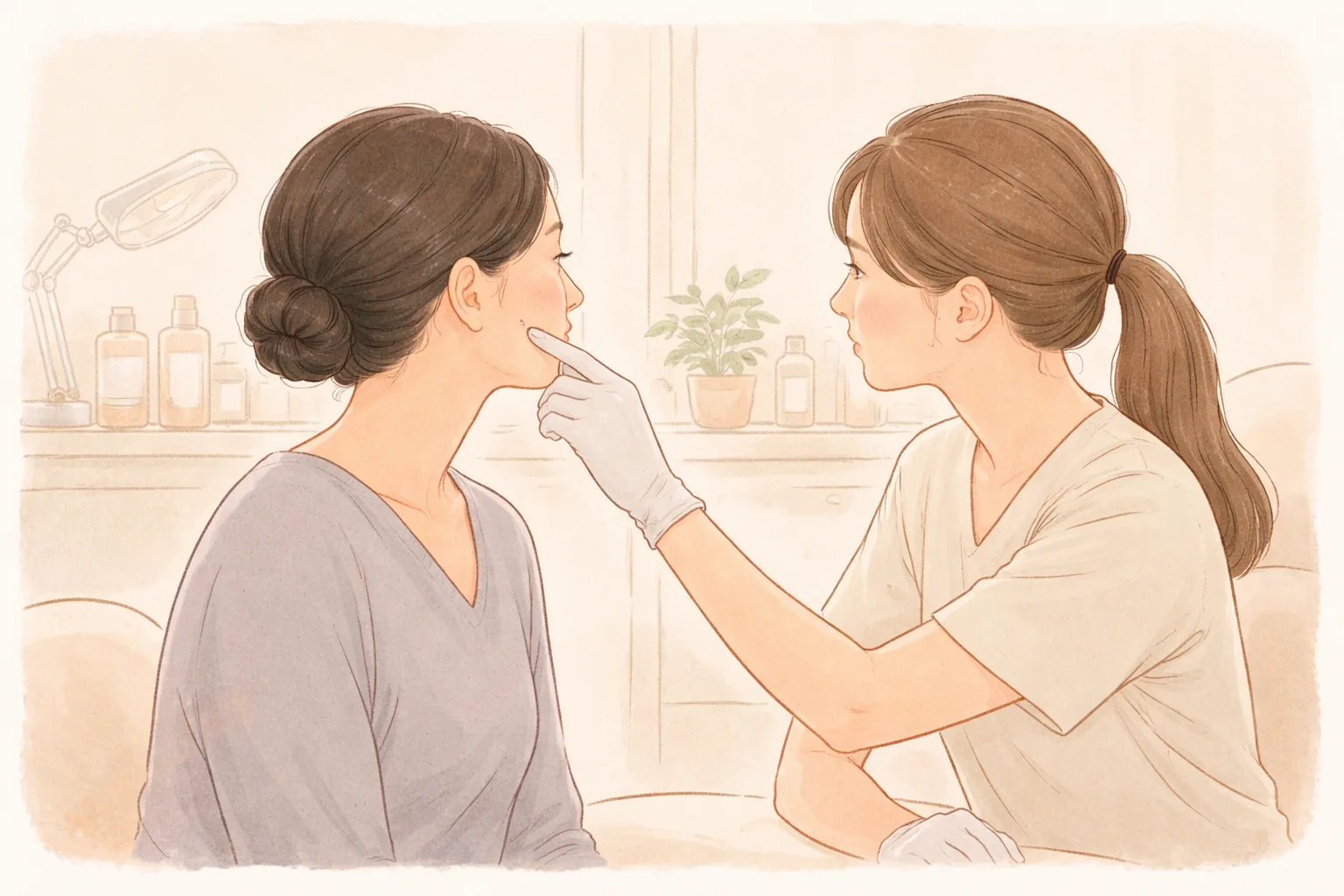
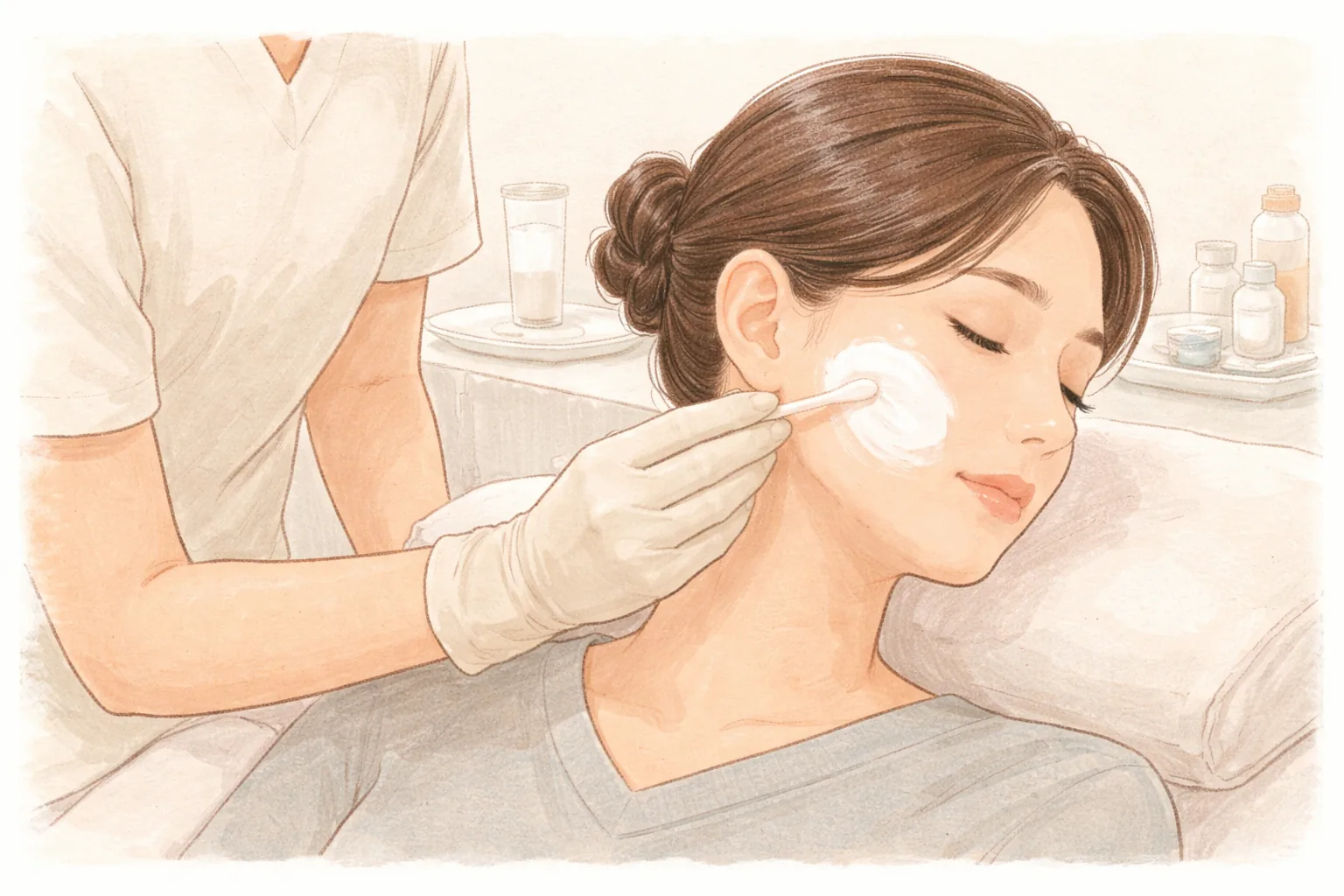
Topical anesthesia involves applying numbing cream to the lesion and surrounding skin, then allowing time for it to take effect. Injection anesthesia delivers the anesthetic directly into the treatment area for a deeper, faster numbing effect—at the cost of a brief sting as the needle goes in.
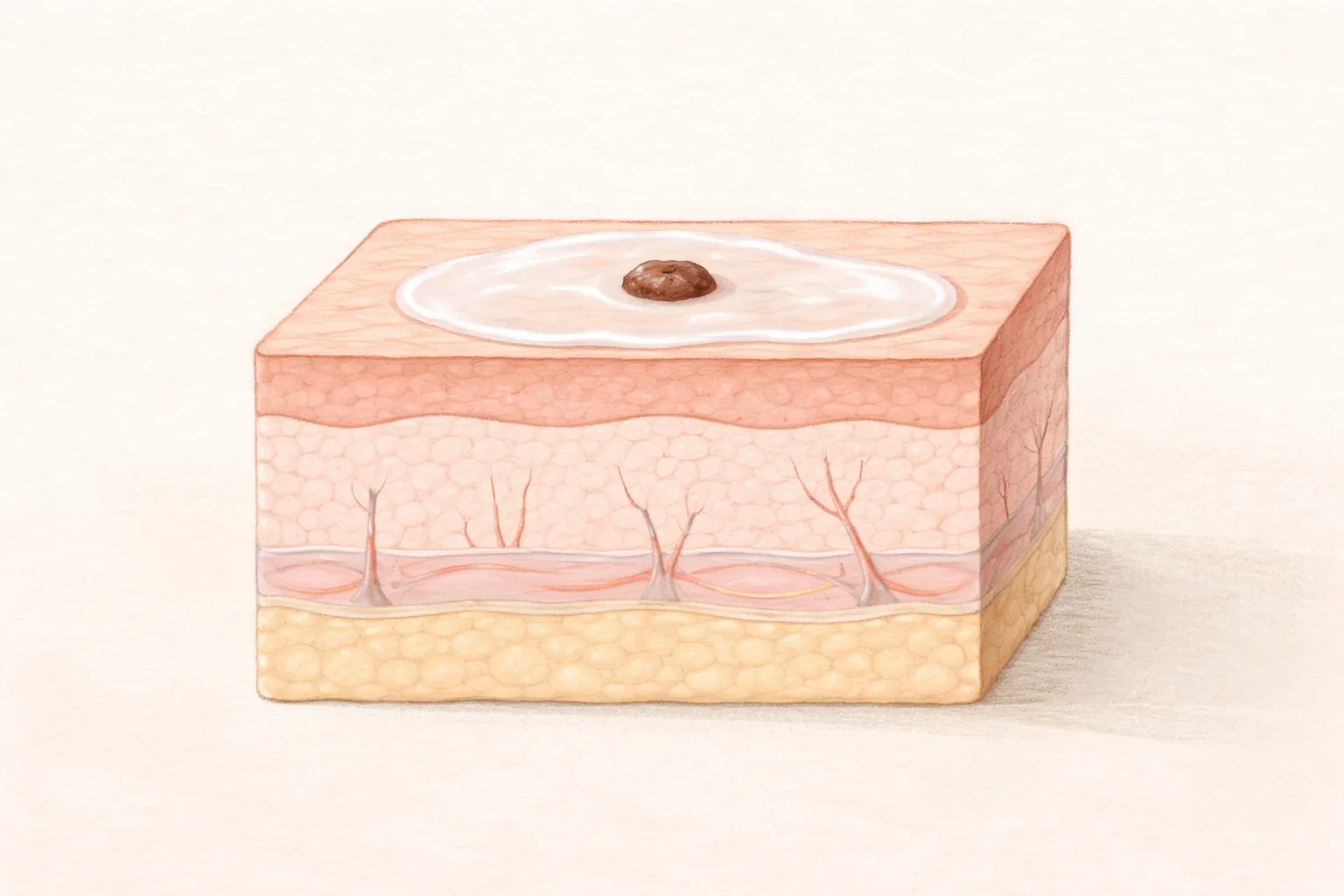
Which method is used depends heavily on the lesion's depth and size. Moles sitting shallowly in the epidermis are often fine with numbing cream alone, while moles extending into the dermis or larger lesions are planned with additional injection anesthesia or a combination of both (Cleveland Clinic). How long it takes for anesthesia to wear off varies by person, but knowing in advance that the area may sting after it fades can make the experience less surprising (Cleveland Clinic).
How many visits mole removal takes is also tied to your pain plan. According to the American Academy of Dermatology, mole removal is usually possible in a single visit, though occasionally a second visit is needed (AAD). The reason for splitting treatment rather than aggressively treating a deep mole all at once is to reduce scarring risk—and in that case, anesthesia is repeated at the next visit.
Why Does the Idea That "Mole Removal Hurts" Stick Around?
It's about the image. Lasers are heat-based treatments, and right after the procedure, the skin may indeed look red, sting, or develop a thin scab. That visible change creates the impression of "being burned."
Understanding the mechanism changes the picture. A laser is light energy concentrated at a single wavelength (a property corresponding to the color of light), and when it hits the skin, it's absorbed only by specific targets that respond to that wavelength. This principle is called selective photothermolysis—focusing energy on the target while minimizing impact on surrounding tissue (ATTITUDE Clinic column). The same heat becomes therapeutic when focused on a target, but a burden when it spreads broadly.
This is also why DIY mole removal at home is dangerous. The American Academy of Dermatology advises against scraping or cutting off moles yourself. If a mole contains cancer cells, some may remain in the skin and spread, and the risk of scarring or infection increases (AAD). The fact that it's done without anesthesia is another factor that amplifies pain.
Why Does the Same Mole Hurt Differently for Different People?
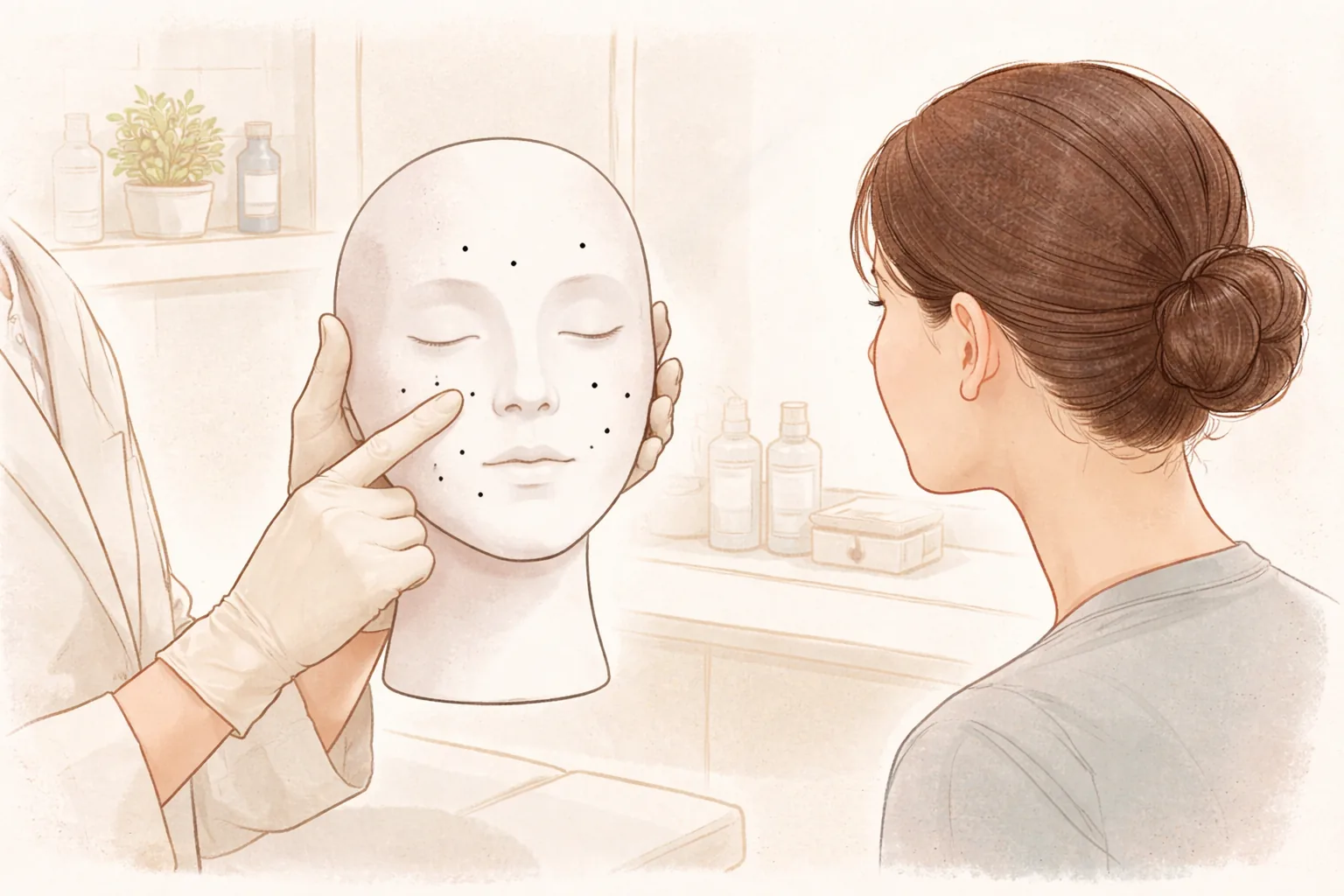
The site is the first variable. Areas with thin skin and dense nerves—around the lips, near the eyes, beside the nose—feel more sensitive even at the same intensity.
Lesion size and depth also matter. Normal moles are usually smaller than 5mm in diameter, and adults commonly have 10–40 moles (NCI). Moles larger than this range or sitting deep in the dermis require more work to remove, and anesthesia is prepared accordingly more thoroughly.
The number of moles removed at once and the energy intensity are also variables. More moles mean longer anesthesia and procedure time, leading to accumulating fatigue, and higher intensity can increase post-procedure reactions. Pain sensitivity fluctuates with your condition. If you didn't sleep well the night before or are highly tense, the same settings can feel more painful. Telling your practitioner during consultation that you're sensitive to pain allows adjustments such as adding more numbing cream or lowering intensity (ATTITUDE Clinic column).
Table 1 Why Does the Same Mole Hurt Differently for Different People?
Anesthesia Method
Typically Used For
Sensation During Procedure
Common Post-Procedure Reaction
Topical anesthesia
Shallow, small moles
Almost no pain once numbed
Stinging and burning for a few days
Injection anesthesia
Deep or large moles
Brief sting as needle enters, then almost no pain
Stinging and redness for a few days
Topical + injection combined
Deep, wide, or multiple moles
Reduces stinging before proceeding
Discomfort for a few days depending on site
Swipe sideways to see the whole table.
In summary Pain is often limited to a single injection before anesthesia and a few days of discomfort afterward. The procedure itself after numbing is generally painless, and the degree of pain is determined by the lesion's depth and location, the number of moles, and individual sensitivity. That's why the anesthesia method is decided during your pre-procedure consultation.
If This Sounds Like You
If a wedding or photo shoot is just weeks away
If you have a fixed date, it's best to mention it upfront. A first-time procedure right before a wedding can overlap with redness or scabbing, creating added stress (ATTITUDE Clinic column). Since recovery time—not the pain itself—is the real issue, plan by counting backward from your event date.
If you have multiple moles and want them all done at once
The more moles, the longer the anesthesia and procedure time. Whether to group similar-sized and similar-depth moles together or divide by area is decided in consultation. Rather than always cramming everything into one session, another approach is to separate areas that need recovery from those that don't.
If you're unusually sensitive to pain
If you've had a difficult experience with a previous procedure, stating that fact is the starting point for adjustment. More numbing cream can be added, intensity can be lowered, and strength can be adjusted even during the procedure (ATTITUDE Clinic column). If something feels unbearable, letting your practitioner know immediately speeds up the response.
If you're on a short stay
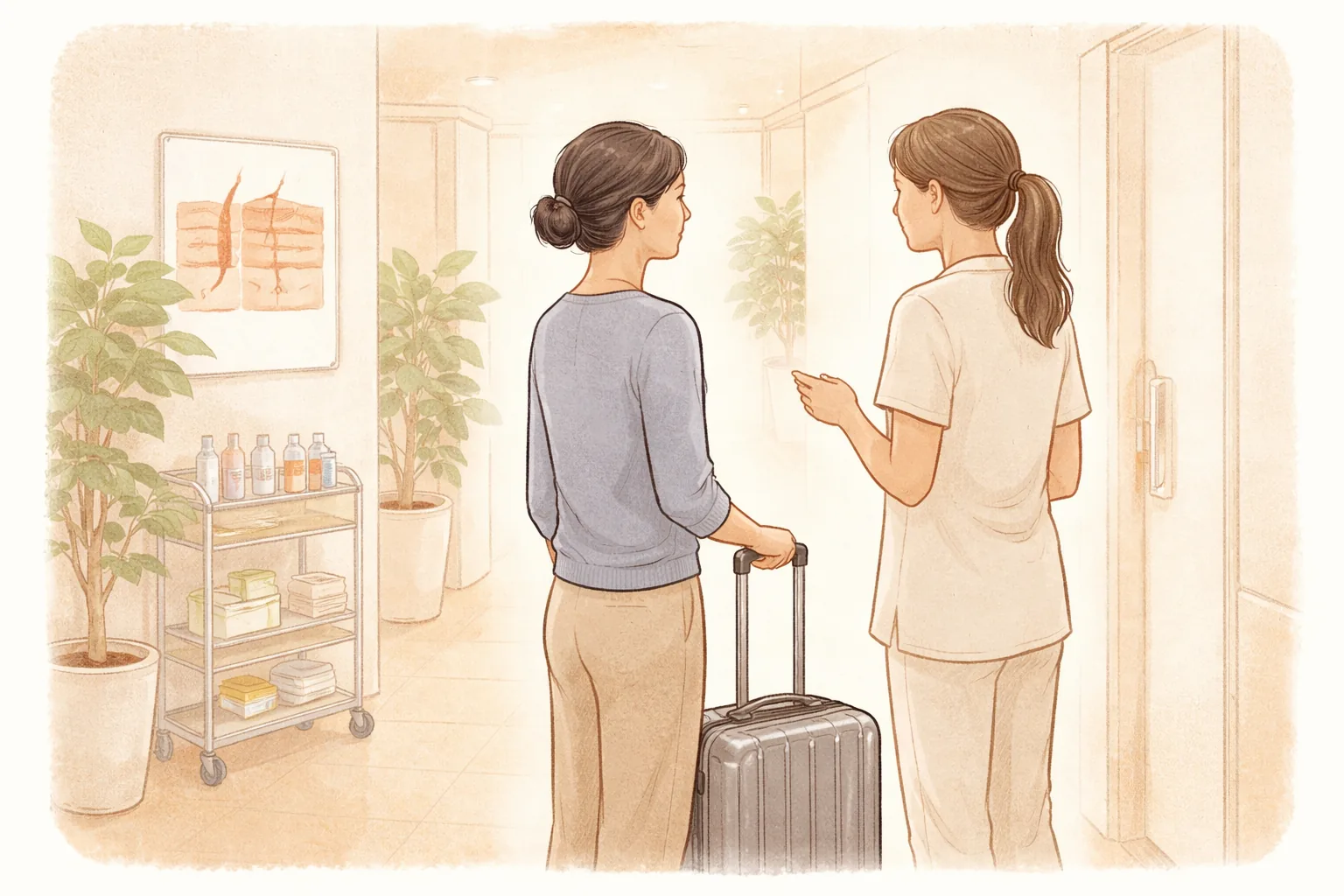
If you have a return flight or next appointment scheduled, let them know. Post-procedure redness or dryness can affect your schedule, so intensity and scope are adjusted to fit your remaining days (ATTITUDE Clinic column).
Tell Us Before Your Consultation Let us know if you've had recent sun exposure, medications you're taking (including blood thinners), skincare ingredients you're using, any experience of skin sensitivity after previous procedures, and important dates like weddings or photo shoots—then we can coordinate the anesthesia method and timing together.
How ATTITUDE Clinic Handles This
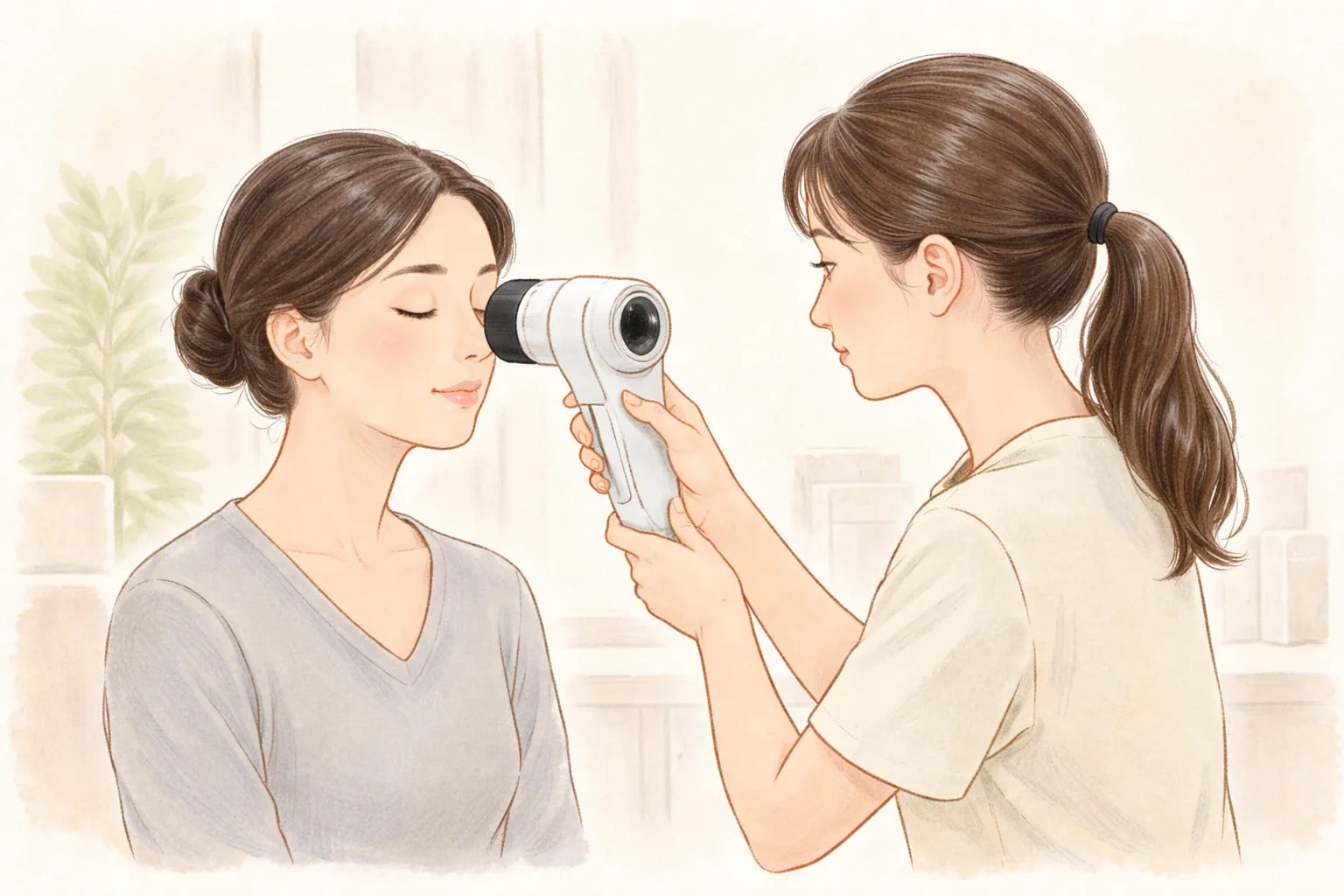
AI Skin Analysis Record — Current skin conditions such as pigmentation, redness, texture, and pores are recorded using an analysis tool. The record is merely supporting material for consultation, not a medical diagnosis, and the doctor uses it to assess the cause of your concern.
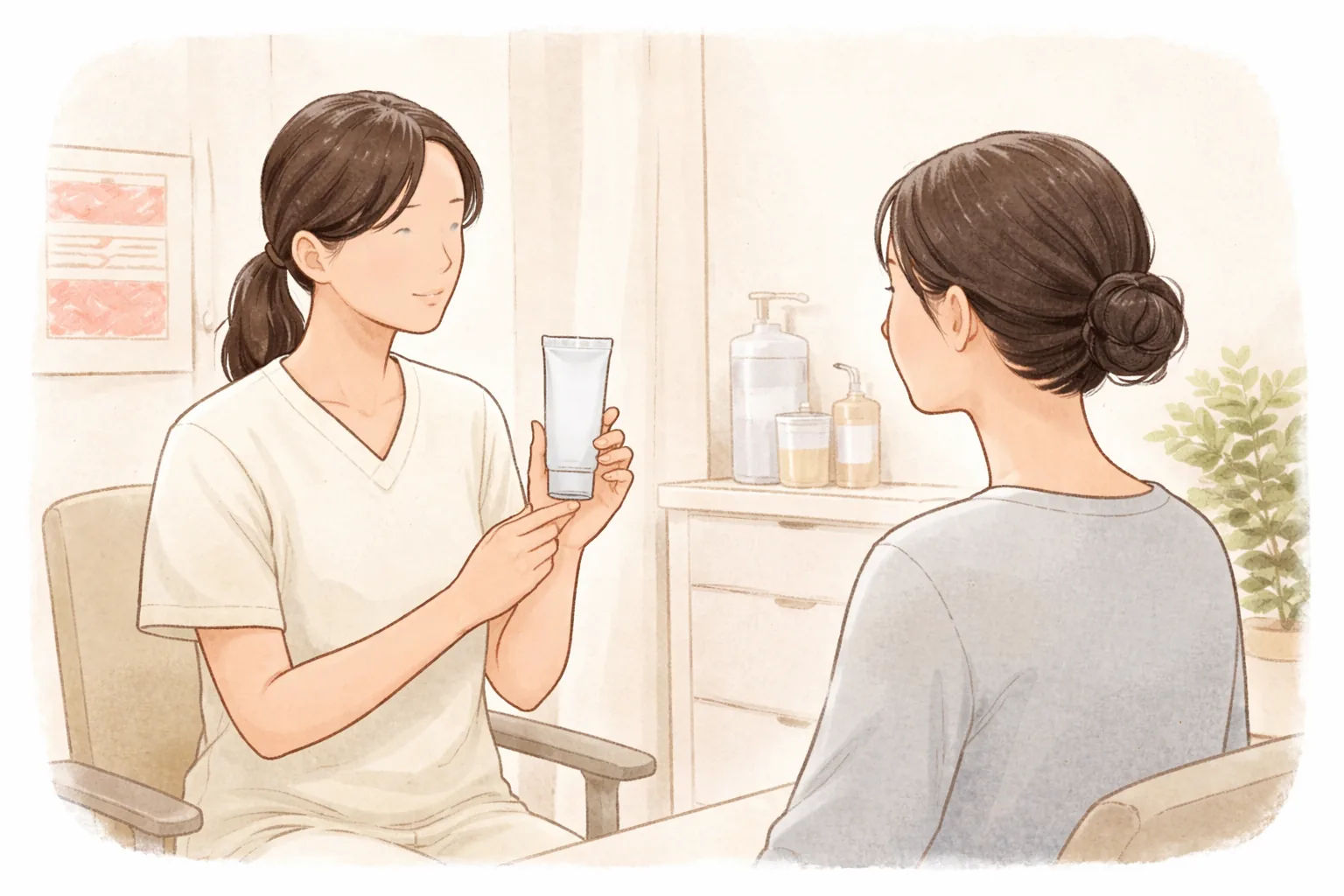
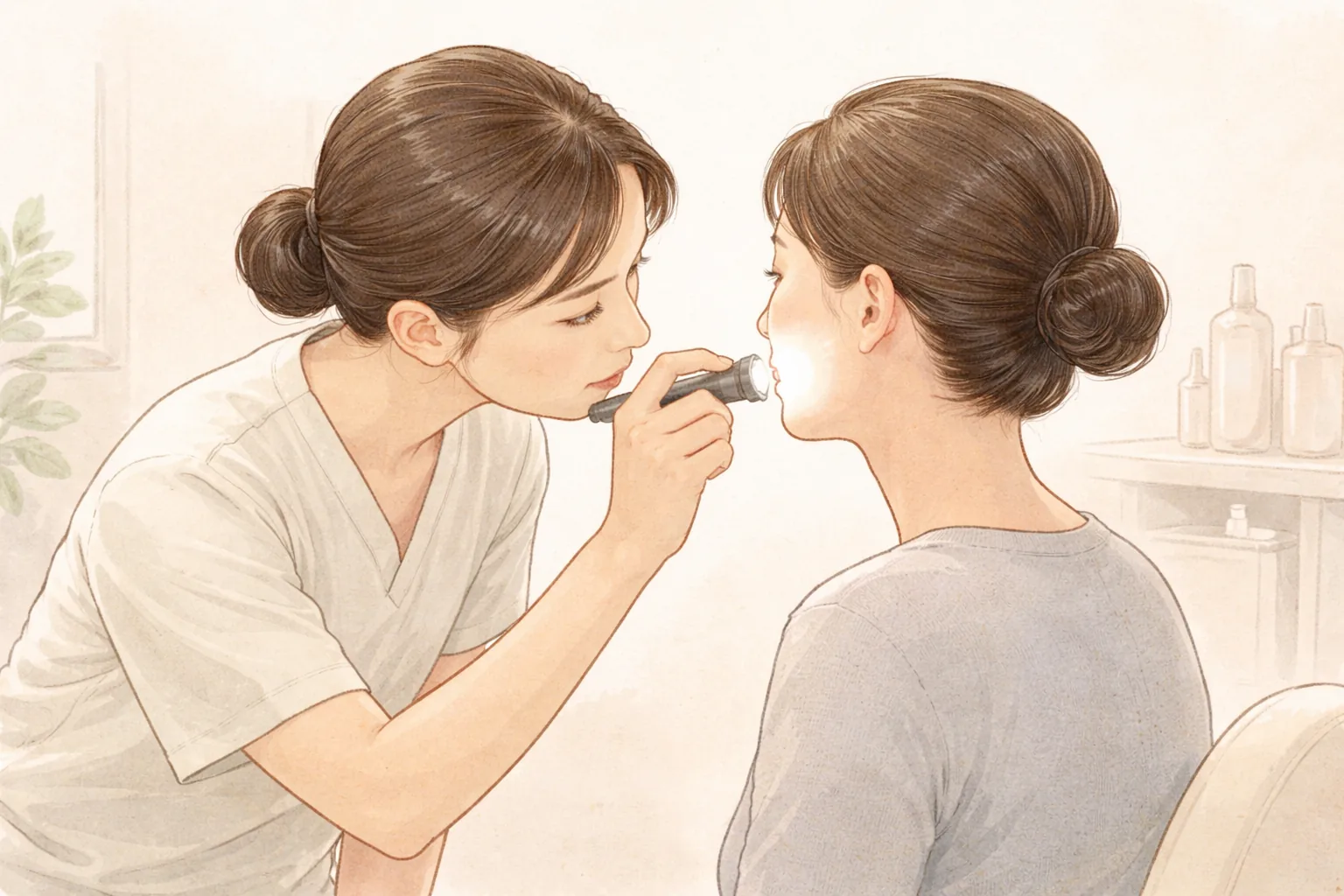
Doctor Consultation to Design the Direction — Analysis records are combined with your schedule, pain sensitivity, and skin history to determine the removal method, anesthesia approach, and timing together.
Doctor-Performed Procedure — Discomfort is reduced with topical anesthesia or other methods as needed, and the doctor performs the procedure personally. Unnecessary procedures are not recommended.
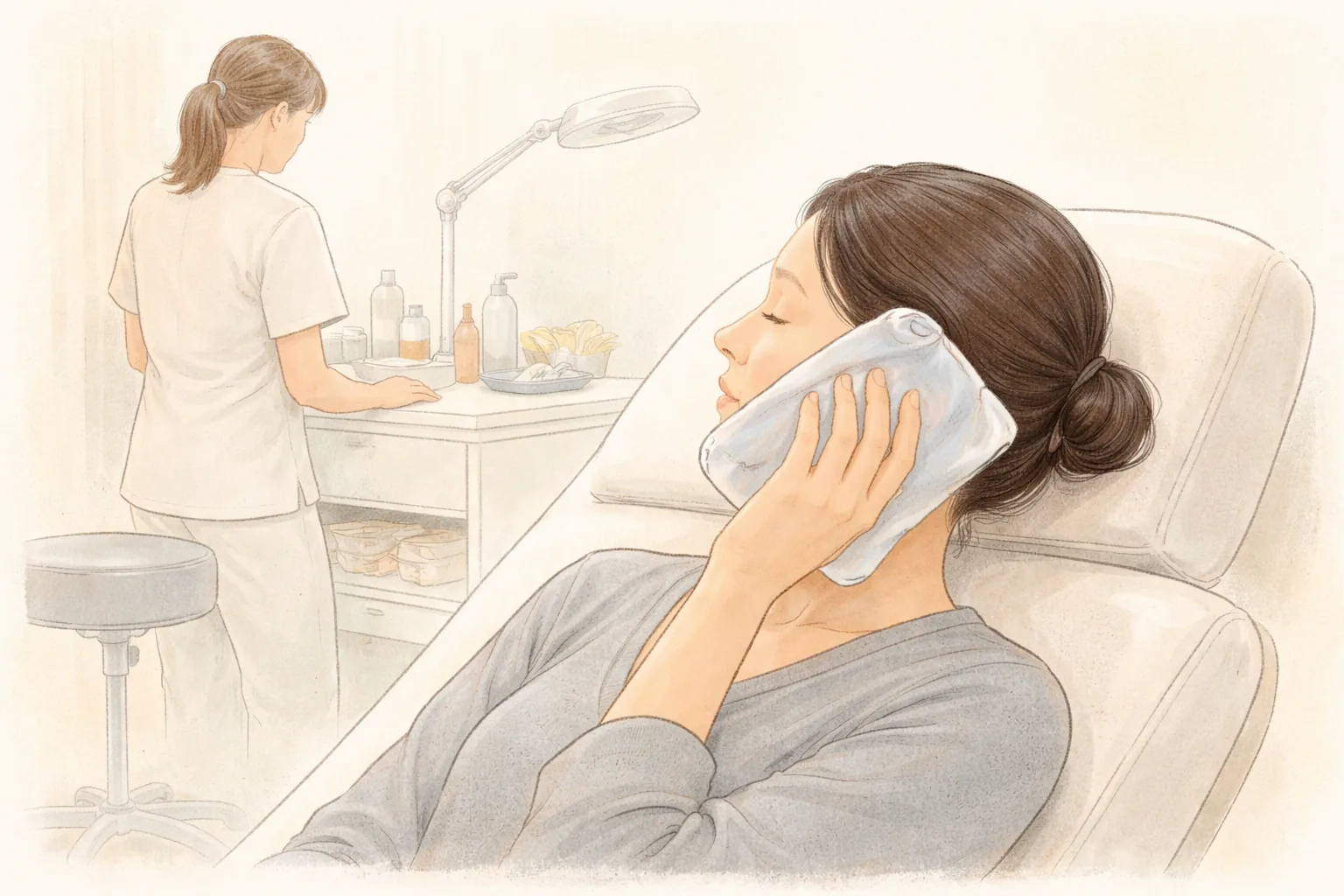
Recovery and Aftercare Guidance — Post-procedure precautions and follow-up check timing are explained, all under the principles of genuine products, accurate dosing, and fair pricing.
Mole and wart removal is categorized by size in ATTITUDE Clinic's treatment guide (ATTITUDE Clinic treatment guide), and laser selection and combination vary depending on the lesion's condition. Which device to use is determined after examining your skin during consultation.
Post-Procedure Care and Side Effects
Soothing — Heat may linger on the day of the procedure, so avoid strong stimulation and soothe the area using the method you're instructed on.
Moisturizing — Scabbed areas become dry and prone to cracking, so apply the recommended regenerative and moisturizing products in a thin layer.
Sun Protection — During recovery, diligently applying sunscreen is fundamental to reducing pigmentation (ATTITUDE Clinic column).
Follow-Up Check — If a mark remains or the color darkens even after the scab falls off, seek medical attention at that point.
Common reactions include redness, heat, swelling, and stinging, and a scab may form. Temporary pigmentation can occur, and rarely, blisters, infection, or scarring may develop (ATTITUDE Clinic column). If a mole grows back, don't just leave it—get it checked again. The American Academy of Dermatology advises that if a removed mole grows back, it should be re-examined immediately (AAD). If a mole changes in color, size, or shape, or its surface becomes rough, hard, or itchy, or it bleeds or oozes, these are signs that require medical attention regardless of whether it was treated (NCI).
Frequently Asked Questions
Is anesthesia always necessary for mole removal?
Small moles are sometimes treated with topical numbing cream alone—which is why you sometimes hear stories of "getting it removed without anesthesia." However, larger or deeper moles are planned with additional injection anesthesia or a combination of both methods (Cleveland Clinic). Whether to use anesthesia and which method to use is decided after examining the lesion, and it's best to have this explained to you first during consultation. If you're sensitive to pain, mention it in advance.
Is the numbing shot really more painful than the procedure?
Injection anesthesia brings a brief sting as the needle enters, after which sensation in the treatment area dulls. Once numbed, there's almost no pain while the mole is shaved or cut away (Cleveland Clinic). So the saying "the shot is the worst part" is only half true. Knowing the painful moment is brief makes it much easier to endure.
Does pain linger after the procedure?
For a few days starting the day after the procedure, the spot may sting or burn (Cleveland Clinic). Most of this is discomfort from scabbing and healing, and it decreases over time. However, if pain worsens progressively or swelling and heat persist for a long time, don't wait—visit the clinic for an examination (ATTITUDE Clinic column).
I have multiple moles—can they all be removed at once?
Mole removal is usually possible in a single visit, though occasionally a second visit is needed (AAD). Whether to do everything at once or split it up when there are many moles is decided by considering size, depth, location, and anesthesia time together. Splitting reduces recovery burden but requires repeating anesthesia, so which approach is better is something to discuss in consultation.
What should I look for when choosing a mole removal Korea clinic?
There are a few things to check beyond the equipment list. First, does the clinic differentiate between simple moles and lesions that need evaluation, and do they explain whether the removed tissue needs to be examined (AAD)? Second, do they provide specific guidance during consultation on the anesthesia method, post-procedure precautions, and follow-up timing? DIY mole removal at home makes it harder to screen for skin cancer and increases the risk of scarring and infection, so it's best avoided (AAD).
At a Glance
Table 2 At a Glance
Item
Key Point
When pain occurs
Injection before anesthesia; stinging and burning for a few days after the procedure
Anesthesia methods
Topical anesthesia, injection anesthesia, or a combination of both
Pain during the procedure
Almost none once numbed
Factors affecting pain
Skin thickness at the site, lesion size and depth, number of moles, intensity, individual sensitivity
Post-procedure care
Soothing, moisturizing, sun protection, follow-up check
Signs to seek care again
Mole regrowth, changes in color/size/shape, bleeding or oozing
This article offers general health information. It is not a substitute for diagnosis or treatment based on your own condition, so please talk through your situation with a doctor.