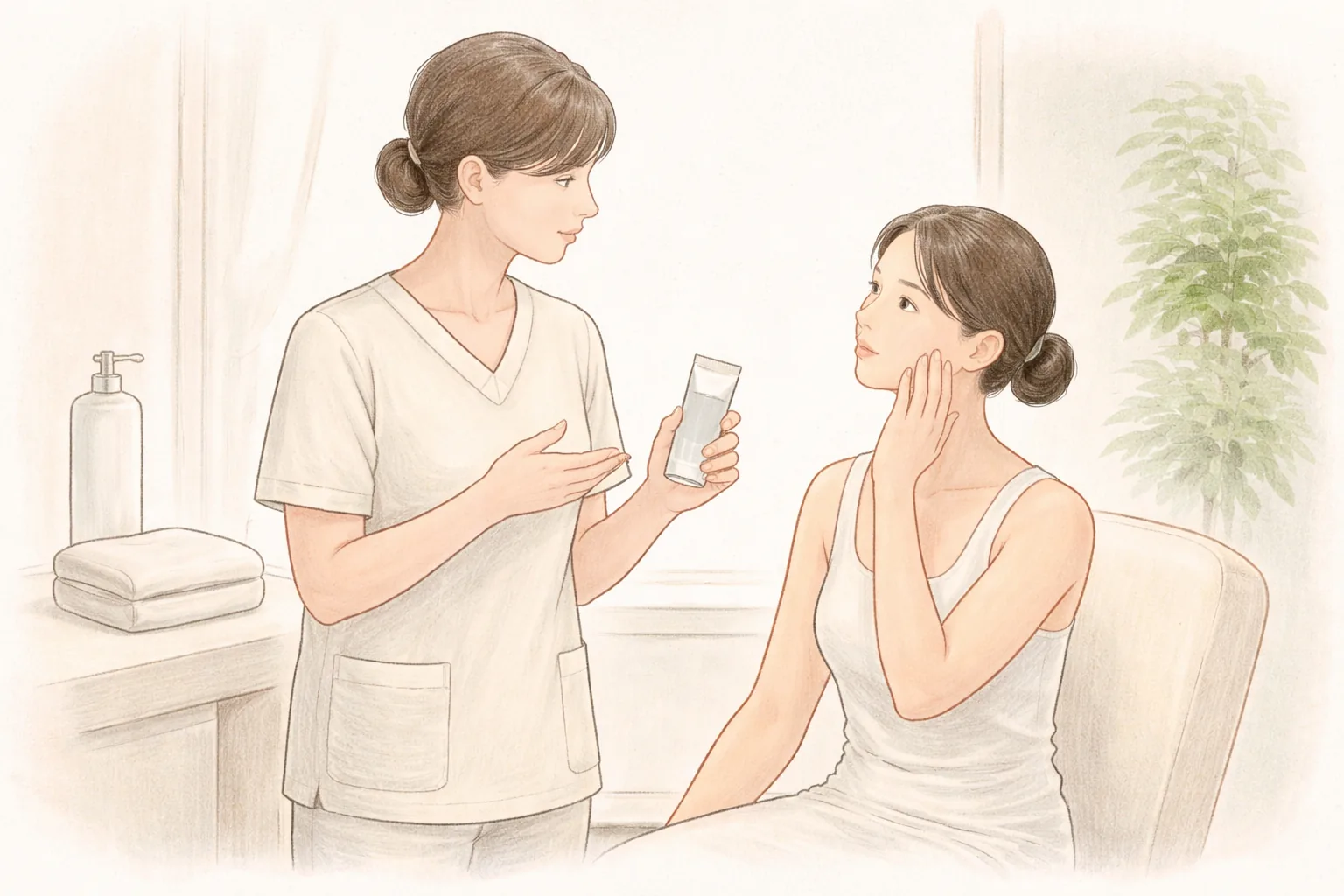
Oligio Consultation Guide: What to Check About the Device and Tips
A practical order for radiofrequency lifting consultations like Oligio: how to check the device and tip specs, treatment coverage, pricing units and VAT, when to judge results, and when to contact the clinic about pain, side effects, or recovery.
Written by ATTITUDE Clinic Editorial Team
When you search for Oligio, the device name and shot counts are easy to memorize, but it is hard to know what to ask once you are sitting in the consultation. Which tip is being used, what unit the price is counted in, when to judge the effect, how much it hurts — these are the questions you tend to leave without asking. This article lays out the order in which to check the device and tips, treatment coverage, pricing units, when to evaluate results, and when to contact the clinic during pain and recovery in a radiofrequency lifting consultation.
The short answer first
A device name alone does not determine results or recovery time. Even with the same radiofrequency device, the experience varies with the energy level, the tip used (the treatment surface that touches the skin), the number of shots, the treatment areas, and the practitioner's judgment. So in a consultation, the order is to confirm which device and which tip are used, how far the treatment area extends, what unit the price is based on and what is included, when and by what criteria results will be judged, and the contact criteria for pain, side effects, and recovery. The American Academy of Dermatology also advises asking about expected results and risks, alternatives, the physician's experience, recovery and return to daily life, preparation and aftercare, and cost in a cosmetic consultation (AAD).
What does radiofrequency lifting do in the skin?
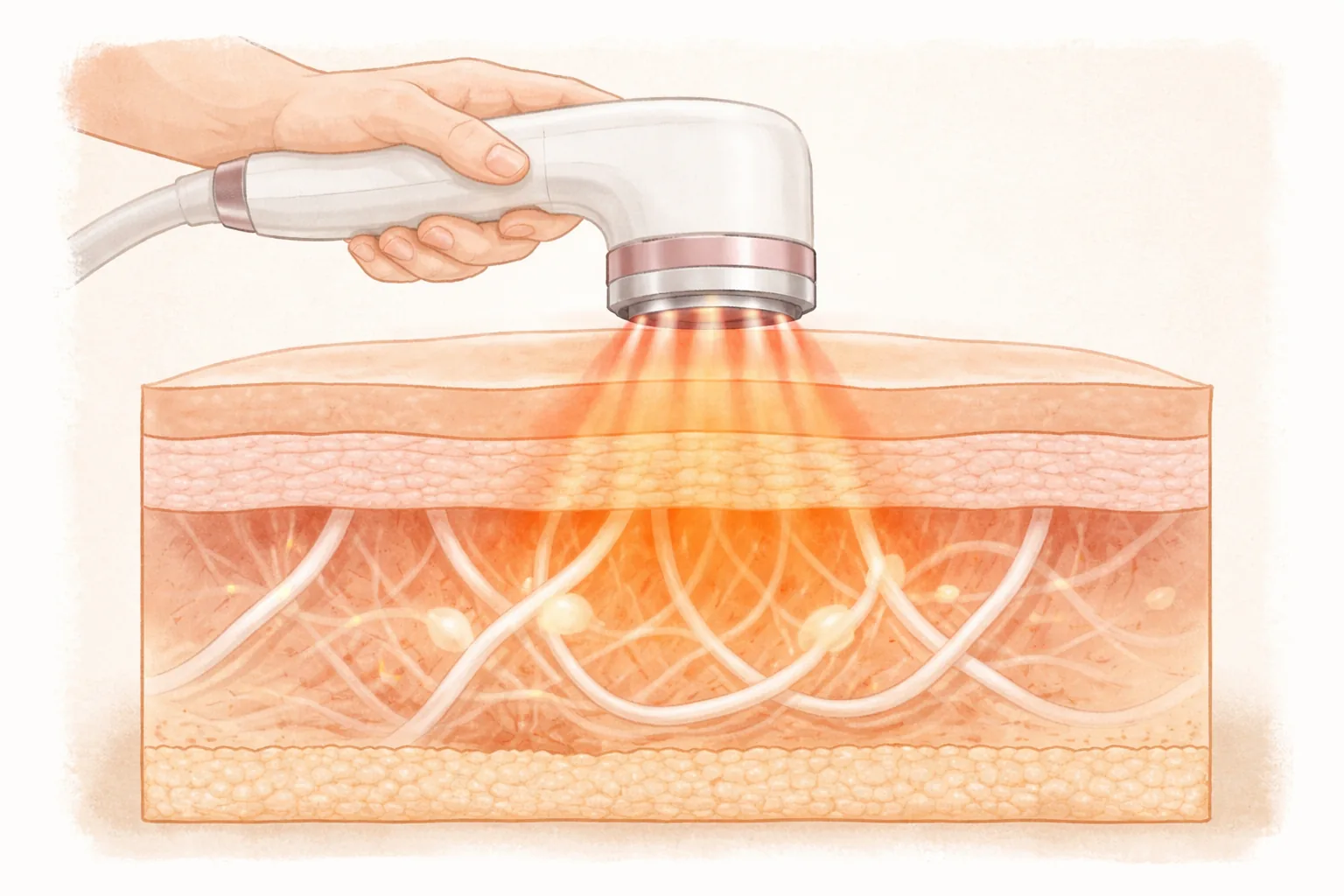
Radiofrequency is energy that generates heat as current passes through tissue. When the device touches the skin, the tissue beneath the surface — not the surface itself — is heated, and that heat works to stimulate collagen production (AAD). So right after the treatment there is a tightening sensation as the tissue is heated, and after that, time is needed for newly produced collagen to settle in.
This time gap creates misunderstandings. Stories of looking better right after the treatment but similar again a few days later, or conversely of no change months later, come from here. According to AAD materials, most radiofrequency treatments give some immediate tightening after a single session, collagen takes time to build so the best results appear around 6 months, and some people benefit from additional sessions. With proper skin care alongside, results can last 2–3 years in some cases (AAD). The feeling on treatment day and the result months later follow different clocks.
So why do people say both that it hurts and that it is comfortable? Pain varies with the energy level, the skin thickness of the treated area, assist features like cooling or vibration, and whether anesthesia is used. The cheeks, jawline, and eye area feel different, and each person's tolerance differs. So in a consultation, rather than asking whether it hurts, it is closer to the real experience to ask at what intensity which area will be treated with which assist features.
What should you check about the device and tips in a consultation?
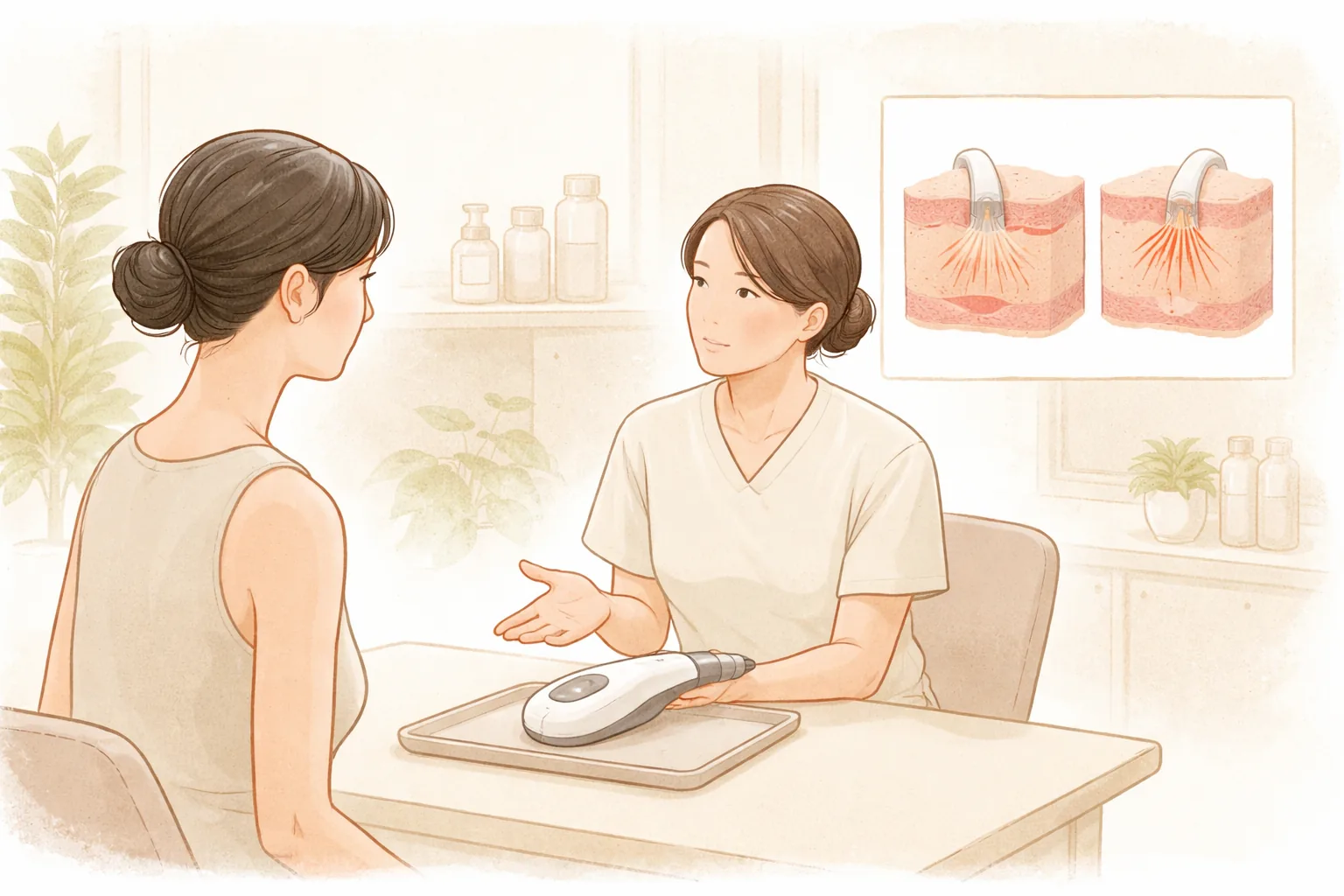
First, the model name. There are several lineups within the same brand, so what to confirm in a consultation is not whether the device is available, but which model is used for your treatment and at what settings. The device name alone does not settle the approved scope or recovery time, so the starting point is to hear an explanation of the model name and how the device delivers heat.
The tip is the part that actually touches the skin, so knowing the specs helps. A tip covering the broad cheeks and forehead and a small tip for narrow, curved areas like the eye area or around the mouth have different treatment areas. In a consultation, it helps to confirm the tip size and treatment area, whether the tip is changed depending on the area, whether it is a genuine tip, and whether a tip used on one person is reused.
Shot counts are hard to compare by the number alone. Asking whether the device has a counter for shots, whether the shot count agreed in the consultation is delivered as is during the treatment, and how many shots are allocated per area makes the same figure mean different things. Checking whether there are cooling or vibration features also helps gauge surface burden and discomfort during the treatment.
How should you ask about treatment coverage and pricing units?
When units are mixed, price comparisons fall apart. Lifting devices are counted in shots, microwave devices in kJ, laser toning in sessions, and fillers and skin boosters in cc or vials. In practice, clinic price lists separate HIFU by 100 shots and 300 shots, monopolar radiofrequency by 600 shots and 900 shots, Onda and Titanium in 10 kJ units, Potenza by tip type, and Pico toning by 1, 5, and 10 sessions (price guide). You have to align on what is being counted before you can lay estimates side by side.
Once the units match, look at what is included. The clinic price list separates treatments by procedure and product, area, volume, and number of sessions, and displays all amounts with VAT excluded (price guide). It is also worth asking whether anesthesia costs and aftercare are included in the treatment price, and how additional shots or repeat treatments are calculated. Leave out these 3 things and the total can change later.
Coverage should be written down rather than passed over verbally. Confirm in the consultation how far up the face the treatment goes, whether the neck and double chin are included, whether the eye area is separate, and which areas are excluded. Even the same single lifting session differs in results and recovery if the coverage differs.
Table 1 How should you ask about treatment coverage and pricing units?
Method
What the energy does
Concerns it suits
What to check in consultation
Monopolar radiofrequency (Thermage, XERF)
Device touches the skin to heat tissue beneath it
Overall facial firmness and contour, skin density
Tip area and shot count, intensity, anesthesia, recovery time
HIFU ultrasound (Ultherapy)
Sends ultrasound heat to deeper skin layers
Jawline and forehead where sagging is a concern
Shot count, treatment depth, pain, downtime
Microwave (Onda)
Heats tissue with microwaves
Cheek and jawline contour, body areas
kJ-based estimate, treatment areas, treatment time
In short different methods mean different counting units, different concerns they suit, and different shapes of recovery. Align estimates in the same unit, and bring the checklist like the last column of the table — the consultation will be far more concrete.
When and by what should results be judged?
The results of non-invasive firming treatments usually appear gradually and feel natural, and redness and swelling are common reactions (AAD). As seen earlier, radiofrequency's immediate tightening and its results around 6 months come at different times. Judging by a single photo right after the treatment can miss the actual change.
It is better to set the evaluation criteria in advance. If you agree in the consultation to take photos under the same lighting and angle, when to review again, and by what criteria to judge (jawline contour, skin density, pores and texture), your judgment will not waver. The AAD also advises asking before treatment how realistic the expected results are, how many sessions are needed, and how long recovery takes (AAD).
Cases where people say it had no effect are usually this timing issue too. Judging a few weeks after a single session may be while collagen is still being produced. Whether multiple overlapping sessions are needed or one is enough depends on the degree of sagging and skin thickness, so it is decided together in the consultation. Even treating the same area at the same intensity, the extent and timing of change appear differently from person to person.
How should pain and recovery be explained to you?
There may be some discomfort during the treatment, but non-invasive methods have little downtime and often redness and swelling are the whole of it (AAD). Whether anesthesia is used, how long you wait after topical anesthesia, and roughly how long the treatment takes are also items to ask in the consultation. Treatment time varies with coverage and shot count.
It also helps to check what to avoid during recovery. ATTITUDE Clinic's column on laser treatments explains that heat-based treatments can burden the skin barrier if the intensity is too high for the skin's condition or if repeated before recovery is complete (ATTITUDE Clinic column). Radiofrequency, too, depends on how intensity and intervals are set, so it is better to postpone schedules that add heat and irritation, like saunas or strong exfoliation, for the period you are advised.
Contact criteria are well worth confirming at the end. If redness or heat lasts longer than expected or pain worsens, the principle is not to endure it but to get it checked. Being told how much is within the expected range for the days after treatment, from when you should contact the clinic, and where to contact makes the recovery period far more comfortable.
If this applies to you
If a ceremony or photoshoot is a few weeks away
Scheduling a first-time treatment just before a big day can overlap redness or sensitized skin with your plans. Tell us the date first, and we can count backward from that day to adjust intensity and timing.
If you want ongoing management
Rather than going strong at once, planning while keeping recovery intervals gives less burden to the skin. Setting target areas and timing and placing only the needed treatments as you go makes results accumulate differently even with the same number of sessions.
If your skin is sensitive or flushes easily
If cosmetics usually sting or redness lingers on your skin, intensity and intervals are set more conservatively. If you have had a sensitized experience after a previous treatment, that fact alone changes the plan, so please mention it first in the consultation.
If you are an overseas visitor on a short stay
If your stay is fixed, redness and dryness right after treatment can affect your next plans. Tell us your departure date and your schedule before and after, and we will adjust intensity and treatment type accordingly in the consultation.
Please tell us before the consultation
If you have had a lot of recent UV exposure or a tan, if you are taking or applying any medications or cosmetics, or if your skin was sensitive after a previous treatment, please say so in advance. If you are pregnant or breastfeeding, have inflammation or infection at the treatment area, or are taking certain medications, the treatment may not be suitable (AAD). Also tell us about important dates such as ceremonies or photoshoots.
How ATTITUDE Clinic proceeds
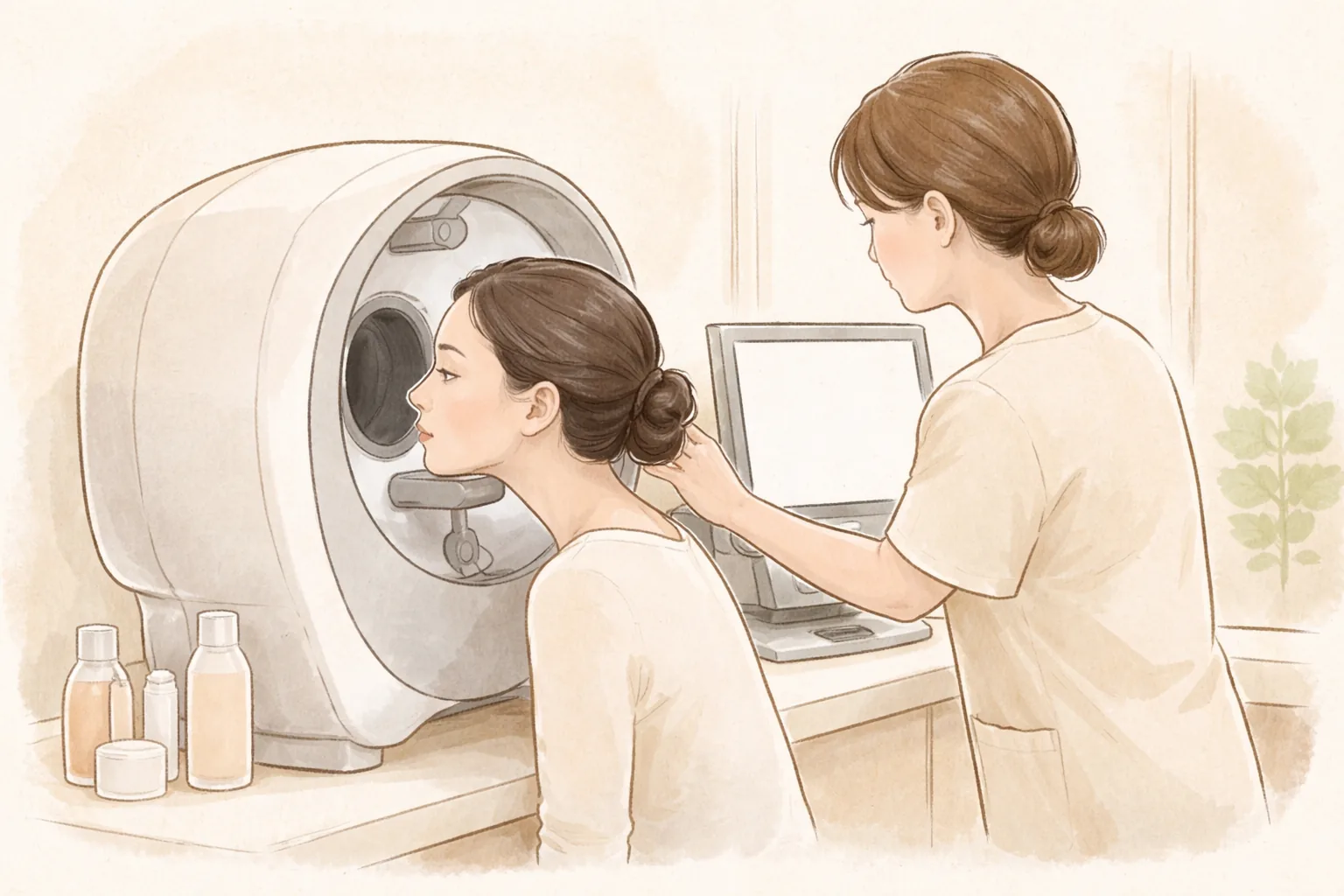
AI skin analysis record — Current skin conditions such as pigment, redness, texture, and pores are recorded with an analysis tool, and based on that record the doctor judges the cause of your concern. This tool organizes information to assist the consultation and is not a medical diagnosis (ATTITUDE Clinic column).
Doctor consultation — Adding your schedule, pain sensitivity, and skin history to the analysis record, the treatment type, intensity, and timing are decided together. This is the most accurate place to check any items you are curious about.
Treatment performed by the doctor — Topical anesthesia reduces discomfort as needed, and the doctor performs the treatment. The principle is not to recommend treatment beyond what your skin condition needs.
Recovery and care — Progress after the treatment is checked, and sun protection, moisturizing, and schedules to avoid are explained. We proceed based on genuine products, correct amounts, and listed prices.
The lifting lineup currently offered at the clinic is listed in the price guide as monopolar radiofrequency (Thermage, XERF), HIFU ultrasound (Ultherapy), microwave (Onda), and 3-wavelength laser (Titanium) (price guide). If you are looking into radiofrequency lifting, the consultation starts with which of these methods fits your concern.
Aftercare and side effects
After the treatment, care proceeds in this order.
Soothing — Redness and heat right after the treatment are common reactions. That day, avoid schedules that add heat like saunas and hot compresses, and let the skin rest.
Moisturizing — Heated skin tends to become dry, so apply the moisturizer you are advised to use regularly.
Sun protection — Applying sunscreen carefully throughout the recovery period is the basis for reducing pigment changes.
Progress check — At the time set in the consultation, progress is checked together with photos taken under the same conditions.
Common reactions are redness and swelling, usually subsiding within a few days (AAD). All medical procedures carry risks, so it is good to know that with heat-based treatments, intensity higher than your skin condition can tolerate may cause side effects such as burns or pigmentation (ATTITUDE Clinic column). If redness or heat lasts longer than expected or pain worsens, do not wait — get it checked. Simply follow the contact criteria you were given before the treatment.
Frequently asked questions
What unit should Oligio costs be compared in?
Each device has a different counting unit, so the units must be aligned first. Devices counted in shots, devices counted in kJ, and lasers counted in sessions sit together on one price list, and the clinic price list also separates treatments by procedure and product, area, volume, and number of sessions, displaying all amounts with VAT excluded (price guide). For the same radiofrequency, it is good to align how many shots, how many areas, and whether anesthesia and aftercare are included in the price before comparing. The final amount is confirmed after the coverage is set in the consultation.
How much does it hurt?
It varies with the intensity, the skin thickness of the treated area, assist features like cooling or vibration, and whether anesthesia is used. Non-invasive methods may cause some discomfort during the treatment, but often that is the whole of it (AAD). Thick areas like the cheeks and thin areas like the eye area feel different, and even the same area differs with intensity. If the sensation is hard to bear, tell us right away during the treatment too. Whether to use topical anesthesia is decided in the consultation.
When do results start to appear?
Radiofrequency gives some tightening right after the treatment, and because collagen takes time to build, the best results appear around 6 months (AAD). So it is more accurate to look at changes over weeks to months rather than right after the treatment. Setting the evaluation time and criteria in the consultation in advance keeps your judgment steady. Whether additional sessions are needed depends on the degree of sagging and your skin condition. The timing and extent of change appear differently from person to person.
Can I return to daily life right after the treatment?
Non-invasive methods have little downtime, and in many cases makeup can be applied right after the treatment (AAD). On that day, however, it is better to avoid schedules that add heat and irritation to the skin, such as saunas, intense exercise, and drinking. How much redness remains depends on the intensity and area, so if you have an important schedule the next day, tell us in advance. During recovery, keep up sun protection and moisturizing, and postpone exfoliation or irritating scrubs for the period you are advised.
By what criteria should I choose a clinic for this kind of treatment?
Look at how the consultation is conducted and recorded rather than the list of devices owned. The criteria are whether they first check where your concern comes from, whether they recommend only the treatments you need without forcing session counts and intensity, whether they sufficiently explain pain, recovery schedule, and post-treatment precautions, and whether you can get things checked if a problem arises (ATTITUDE Clinic column). The results of cosmetic procedures depend heavily on the practitioner's skill and experience, so it is worth asking how much they have handled that specific treatment (AAD). A booking request and a confirmed booking are different, and it is confirmed when you receive a confirmation contact from the clinic; same-day bookings can be requested for time slots from 1 hour after the current time (consultation booking).
At a glance
Table 2 At a glance
Item
Key point
What the treatment does
Non-invasive lifting that heats tissue beneath the skin with radiofrequency to stimulate collagen production
Timeline of results
Tightening right after treatment; best results around 6 months as collagen settles in
What to check in consultation
Model name and tip specs, genuine/reuse status, treatment coverage, pricing units and inclusions
Cost comparison
Align units such as shots, kJ, and sessions, and check VAT and whether anesthesia and aftercare are included
Recovery
Little downtime, redness and swelling common, avoid heat and irritation that day
Contact criteria
If redness or heat lasts long or pain worsens, do not wait — get it checked
This article offers general health information. It is not a substitute for diagnosis or treatment based on your own condition, so please talk through your situation with a doctor.