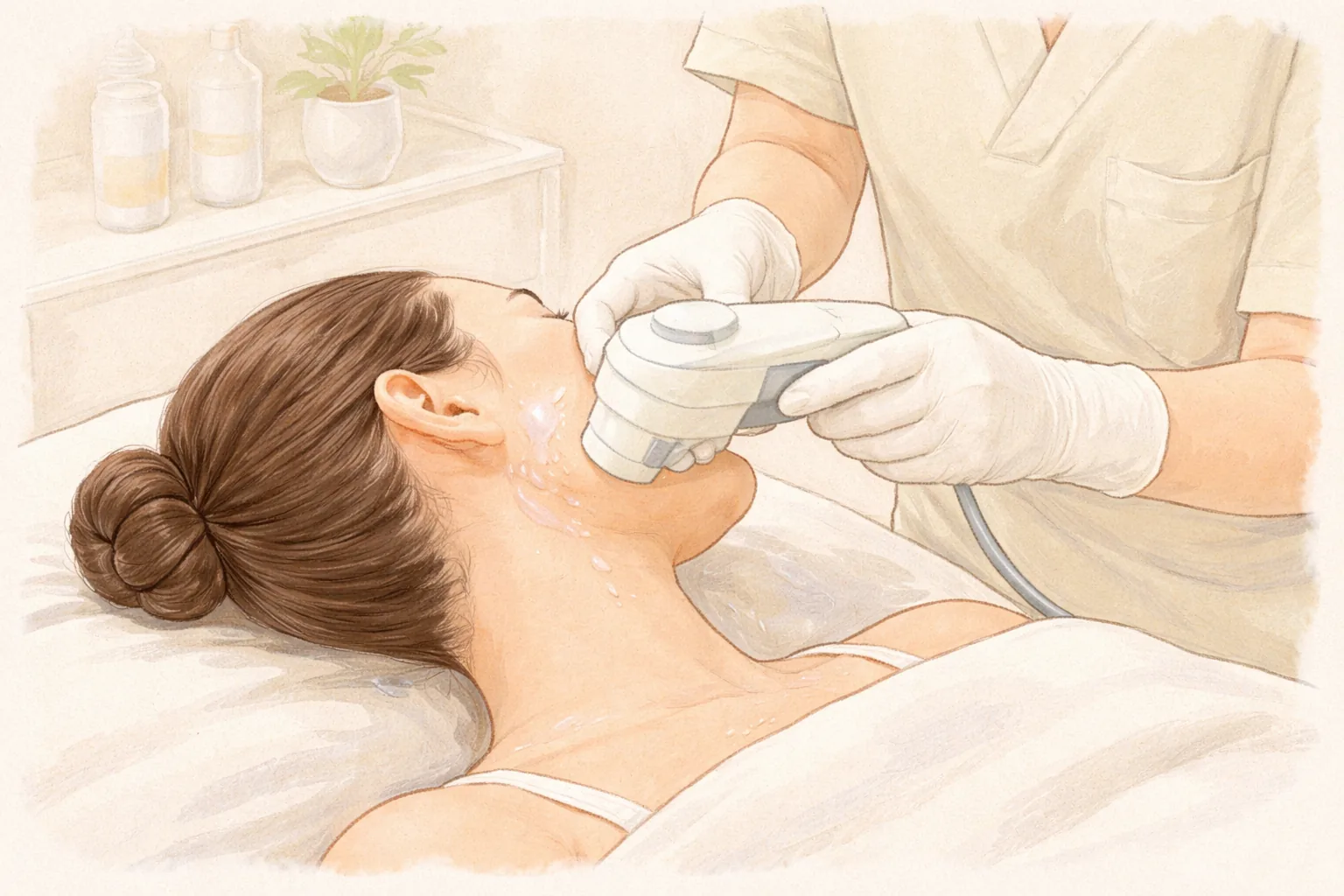
Onda Lifting Korea: How Energy Is Divided Across the Whole Face
Inside a full-face Onda session: how energy is split per zone, total kJ, how it differs from Ultherapy and Thermage, what to prepare before consultation, and aftercare.
Written by ATTITUDE Clinic Editorial Team
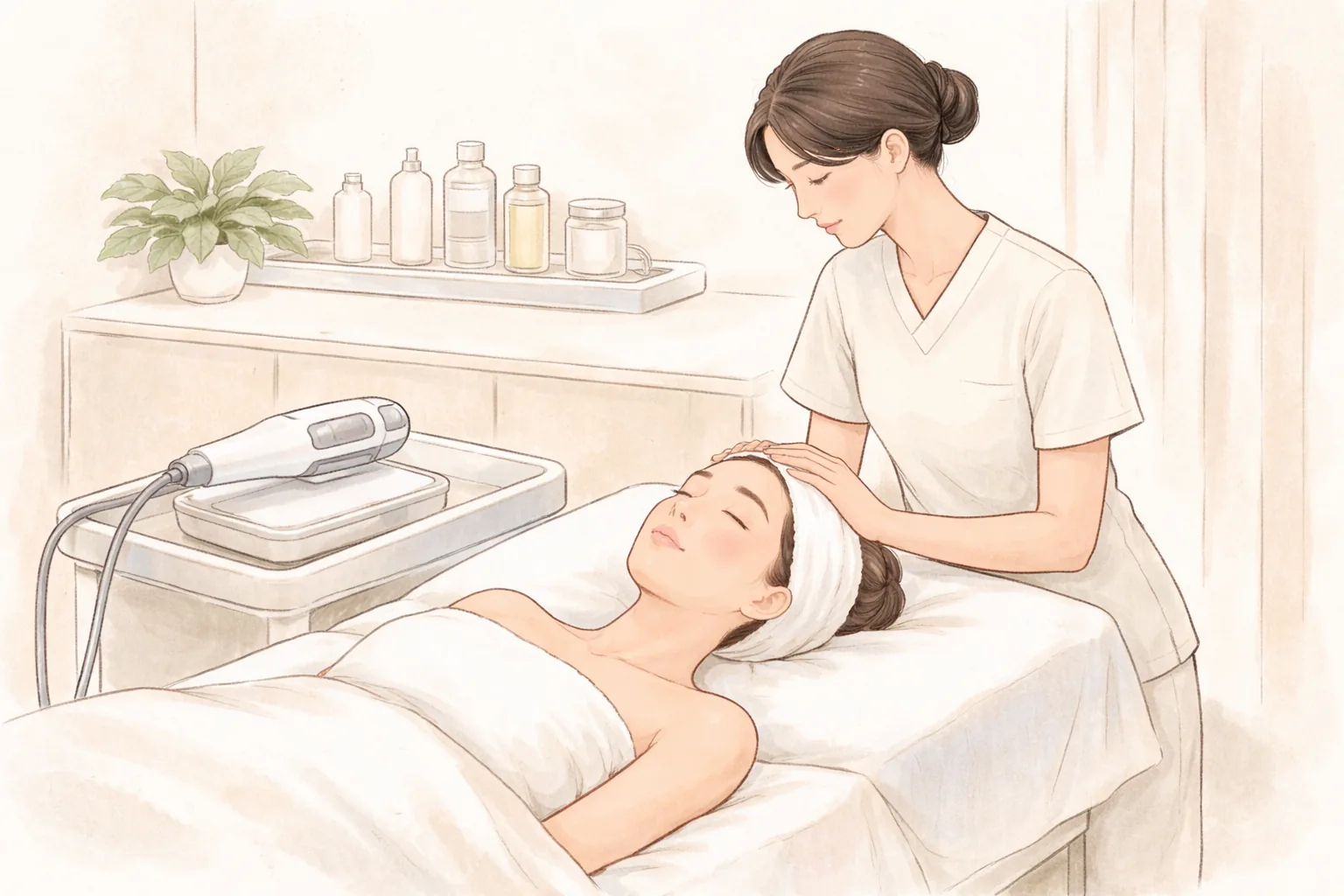
Once you decide to have Onda lifting across your whole face, a few questions come up first. Will my face look hollow? How many sessions, and at what intervals? Can I treat the body at the same time? These are common questions in the ATTITUDE Clinic consultation room when Onda comes up. This article covers what separates results when the whole face is treated in one session, what gets decided in consultation, and what is helpful to mention before your visit.
The short answer
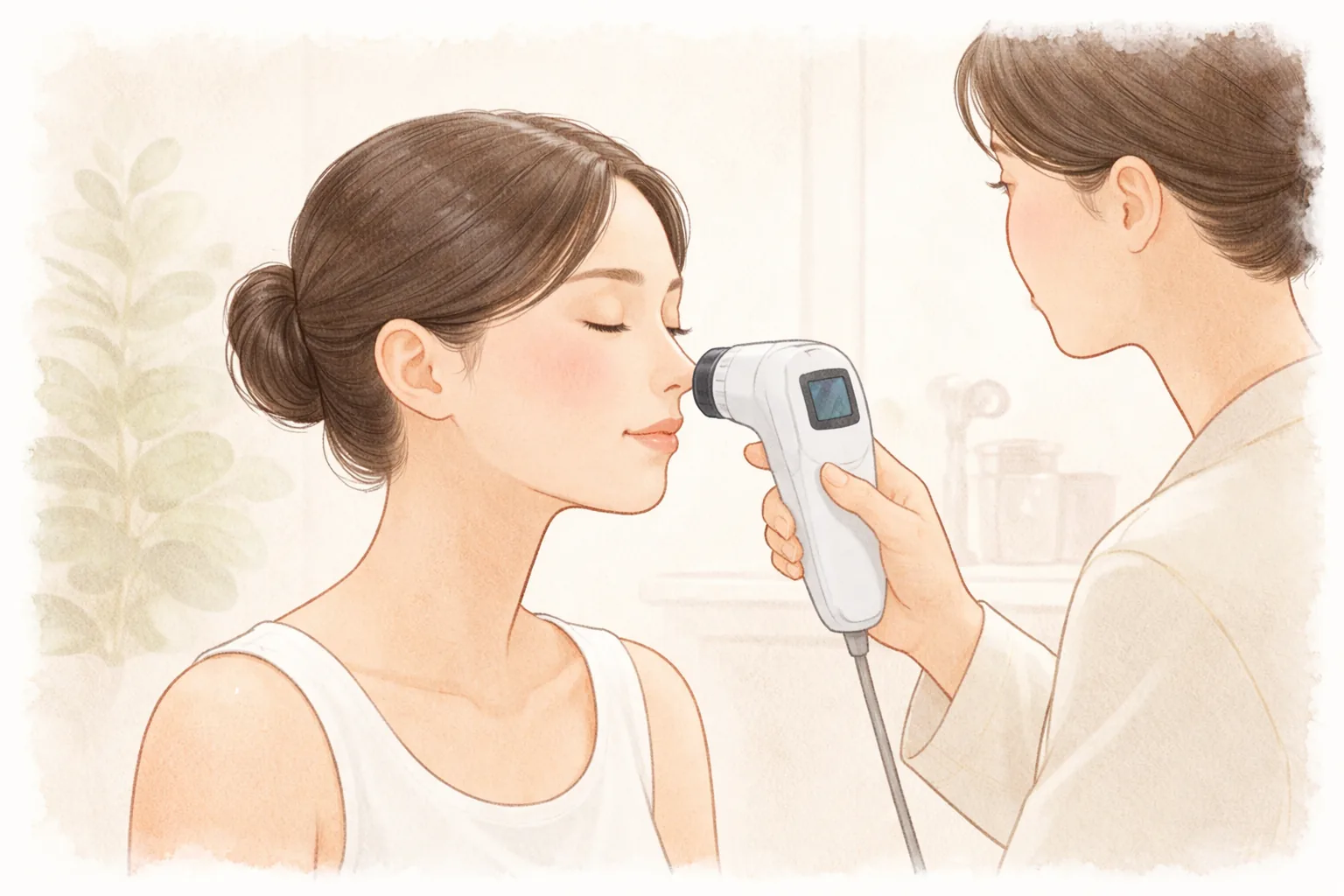
A full-face Onda session is not about pressing one area hard; it is about designing how the energy is divided across the different zones of the face. The ATTITUDE Clinic treatment guide describes Onda as a microwave lifting device, with face and body listed separately and energy counted in kJ (kilojoules, the total energy used in one session). What gets decided in consultation, then, is how many kJ go to which zone, and in what order. Results depend on your starting skin condition, the combination, sequence and intensity, and details during the procedure. According to the American Academy of Dermatology, non-surgical lifting cannot replace the results of surgery such as a facelift or eyelid surgery. Knowing this range makes it easier to set realistic expectations.
What exactly does full-face Onda do?
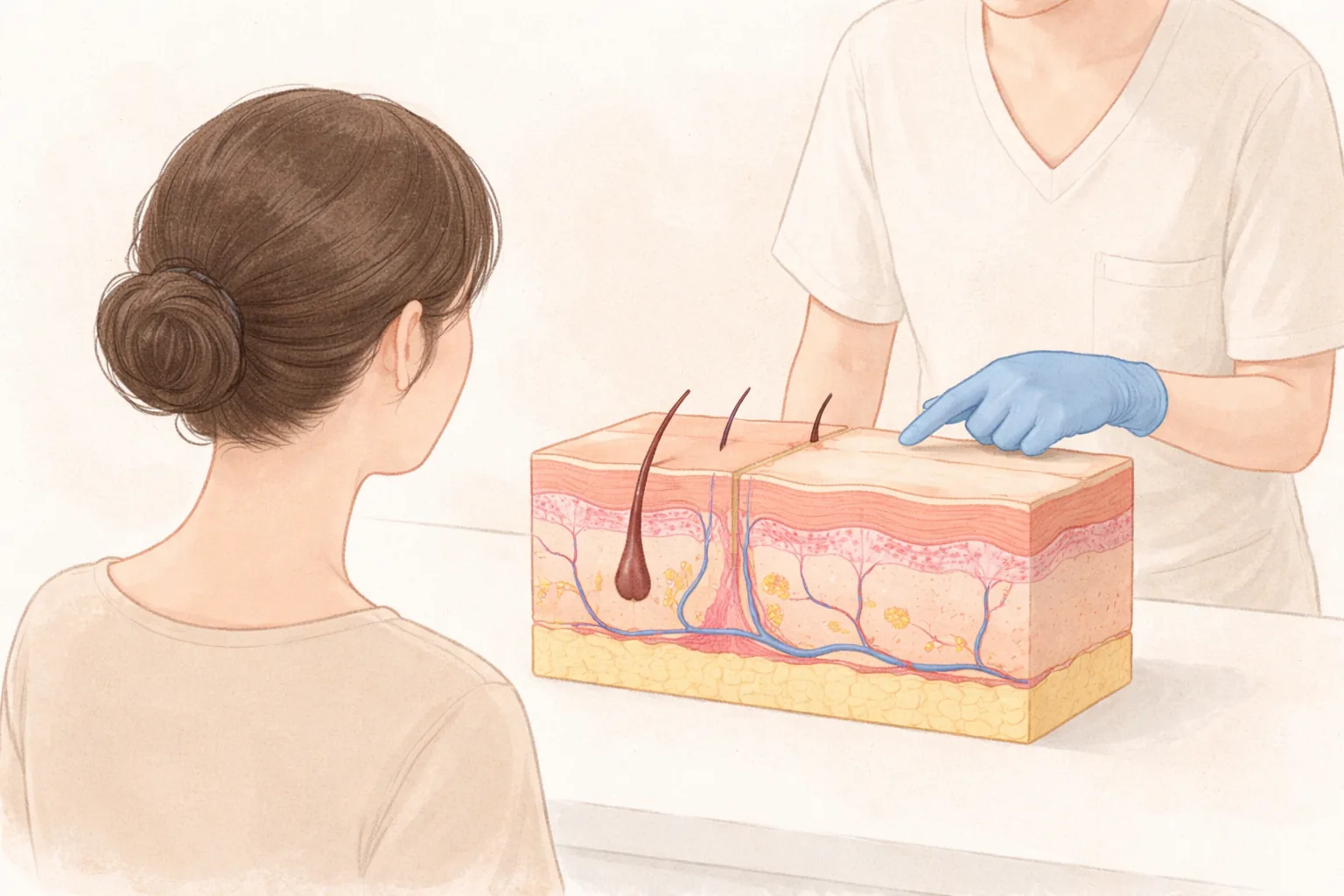
"Whole face" does not mean the same intensity everywhere. The jawline, cheeks, area beside the mouth corners, nasolabial folds, forehead and eye area each have different skin thickness, and the tissue beneath differs too. An ATTITUDE Clinic column notes that areas close to bone with dense nerves, like the jawline, cheekbones, forehead and eye area, tend to feel more sensitive, while thicker areas like the cheeks feel less even at the same energy. A full-face session assumes these differences and sets intensity and sequence zone by zone.
How much energy goes where cannot be checked in a mirror. So even for the same "whole face," one person may weight the jawline, while another addresses the cheeks and nasolabial folds first. This is why zone priorities are set in consultation. Which zone is the center of the concern changes where the total energy is directed.
One more thing to note: Onda is counted in kJ, not shots. In the treatment guide, Ultherapy and Shurink are listed by shots like 100 shots or 300 shots, while Onda is listed by total energy like 10kJ or 40kJ. A different counting standard means a different way of planning the procedure. In a treatment like full-face Onda that covers many zones, how that total is split is the core of the design.
How is it different from ultrasound and RF lifting?
Under the same name "lifting," devices generate heat in different ways. According to the ATTITUDE Clinic column, Ultherapy and Shurink use ultrasound (HIFU, high-intensity focused ultrasound) to focus energy at a point like a magnifying glass concentrating light, creating small thermal points at a set depth, while Thermage uses electrical energy (radiofrequency, RF) to heat a broad area from the dermis down to the subcutaneous fat. Onda is classified separately as a device that uses microwaves. Different methods mean different heat patterns and different concerns they suit.
A common misunderstanding here: assuming all lifting is roughly the same. If the type of energy delivered and the layer it reaches are different, the design should differ even for the same face. That is why ATTITUDE Clinic looks at the skin first instead of choosing a device first, deciding together what is needed, what is not, and in what order.
The scope of expectations matters too. The American Academy of Dermatology notes that expecting facelift-level results from a cream leads to disappointment, and that non-surgical procedures do not give results as dramatic as surgery. Lifting is closer to a procedure where facial contour and skin texture change gradually over time.
What actually separates results?
First is your starting skin condition. How thick your skin is, how much collagen (the protein that keeps skin firm) your body still produces, and how fast you heal all differ from person to person. A column on why results differ even after the same procedure explains this as a difference in the starting line. It is why some people feel a change after one session and others over several, even with the same device on the same day.
Second is the design. Even with the same analysis, which device comes first, how strong the intensity is, and whether to combine treatments like skin boosters or Potenza depend on the person's concerns, downtime allowance and skin sensitivity, the same column notes. For a full-face session, this design shows up as zone-by-zone energy allocation. It means deciding which zones get weight and which are passed over lightly.
Third is the procedure itself. Even with the same plan, results diverge based on fine intensity adjustments per area, how anesthesia is managed, and details adjusted by watching skin response during the session. This is an area a manual cannot fill, so it matters that the plan from consultation and the actual procedure stay aligned.
Pain and recovery are variables too. Higher energy levels and more stimulation in one area mean stronger heat stimulation, and sensitivity varies with nerve density by area. Discussions of pain and anesthesia also start from these two things: energy intensity and area characteristics.
Whole face at once, or split up?
There is no fixed answer. The column notes that it is the doctor's role in consultation to set the order and interval by looking at the skin's healing power, the downtime allowance, and the mutual effects of combined treatments. Even with the same combination, doing it all at once versus splitting it can change recovery and how it feels.
Combined treatments are decided on the same basis. Using ultrasound-based devices for deeper layers and RF-based devices for shallower layers and broader areas is described, and whether to do them the same day or with an interval depends on skin condition. If your time is limited, such as during an overseas stay, telling us the dates you can visit first lets us build a plan within them.
It also helps to decide in advance when to judge change. The column advises, for lifting-type treatments, looking at progress before setting the next session rather than judging right after one treatment. Setting a point at the first visit to review your condition a few months later makes the next decision much clearer.
Table 1 Whole face at once, or split up?
Device
Energy method
Main concerns
What it covers in a full-face plan
Onda
Microwave, counted in kJ
Face and body listed separately
kJ allocation and sequence per zone
Ultherapy/Shurink
Ultrasound (HIFU), counted in shots
Small thermal points at set depth, deep sagging and jawline
Weight on deeply sagged areas like jawline and cheeks
Thermage/XERF
Radiofrequency (RF)
Broad heating from dermis to subcutaneous fat, elasticity and texture over wide areas
Broad zones from cheeks to neck
Swipe sideways to see the whole table.
In short Full-face Onda is a design-type procedure that divides energy with the different thickness and sensitivity of each zone in mind. More than the device name, what separates results is knowing which layer of your skin needs what, and in what order to fill it in. In consultation, discussing total energy, zone allocation and your downtime allowance together keeps the plan realistic.
If this applies to you
When you have a fixed date for a ceremony or shoot
For 1–2 days right after the procedure, redness and mild heat may remain from heat stimulation, and skin is more sensitive to UV during this time. Rather than expecting a big change, it is better to book a consultation with some buffer before the event. Telling the doctor your date first lets the treatment scope and interval be adjusted to it.
If you want to manage your whole face consistently
Rather than finishing with one session, the usual flow is to review progress and set the next plan. Recording the device name, total energy and your response at each visit makes the next design more precise. Bringing previous treatment records lets the doctor review interval and dosage together.
Sensitive or easily reddened skin
Reaction to the same stimulation and recovery speed differ by skin type and thickness. If you redden easily or are sensitive to stimulation, please mention it first in consultation. How far to go in each zone and which zones to postpone are decided on that basis.
Overseas visitors on a short stay
Onda has separate face and body categories, so areas can be planned to fit your stay. If your schedule is short, it is better to narrow priorities than to pack in a combination that needs recovery time. Telling us your available dates and departure date first lets us plan within that range.
Please tell us before consultation
Recent UV exposure, outdoor activity and travel plans
Medications you take and active ingredients you apply to skin (retinol, acids, etc.)
Previous treatment records (device name, shots or kJ, product and dosage, date, response)
Fixed dates such as ceremonies, shoots or business trips
How your skin usually reacts to redness or stimulation, and any history of skin disease treatment
How ATTITUDE Clinic proceeds
AI skin analysis record — Skin condition is recorded and organized so you and the doctor look at the same information. This tool only records and organizes information to support consultation and does not make medical diagnoses; interpretation and judgment are the doctor's.
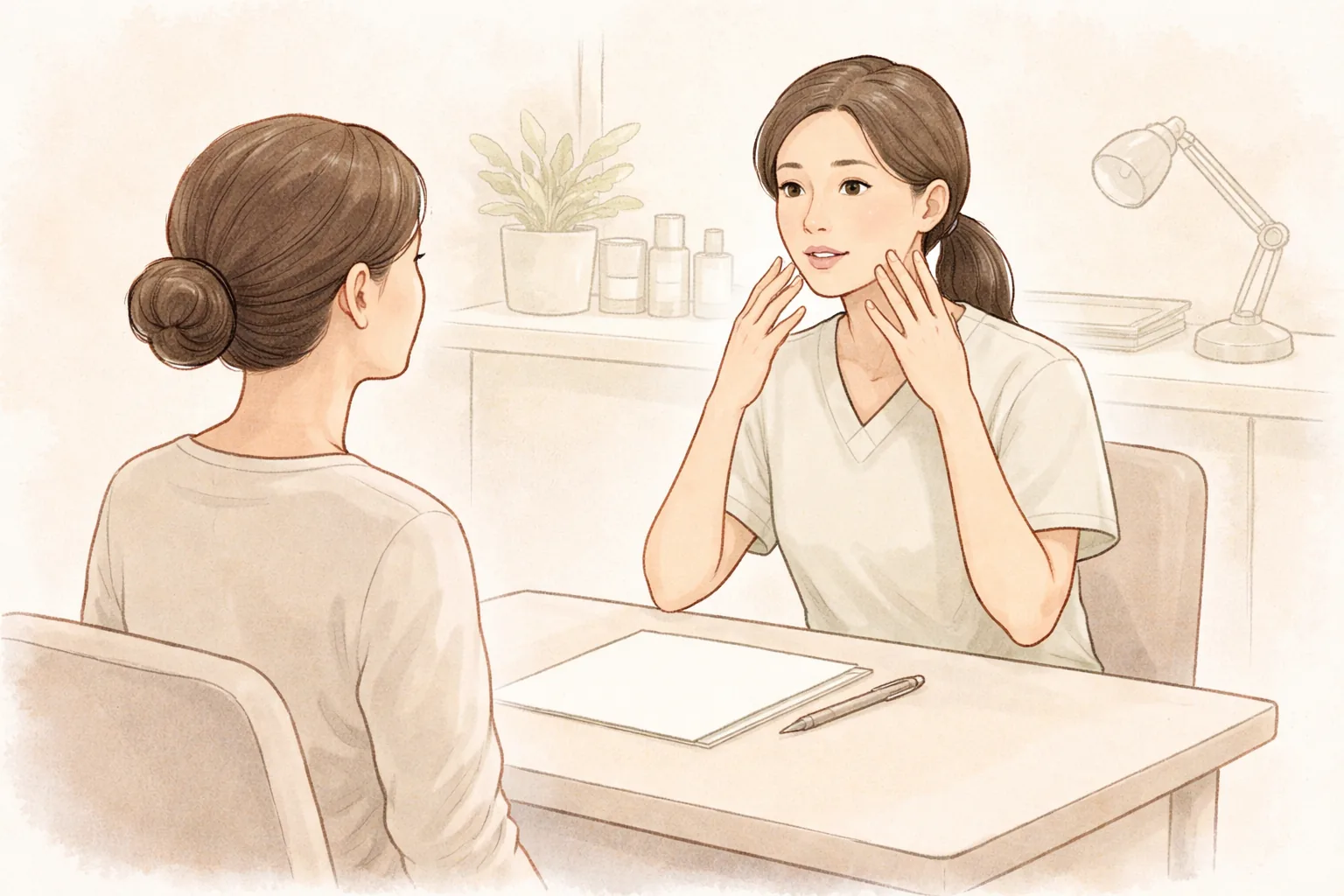
Doctor consultation — Your concerns, lifestyle habits and previous treatment experience are added to the analysis record to decide together which zones of the whole face get weight, and the combination, sequence and intensity. What is needed and what is not is sorted out here.
Doctor-performed procedure — The doctor personally performs the procedure according to the plan, adjusting intensity by watching skin response during the session. This flow is meant to keep the plan from consultation and the actual procedure aligned.
Progress and aftercare guidance — You are guided on how reactions like redness and swelling settle, how to manage UV protection, and when to set the next visit.
On this topic, the devices ATTITUDE Clinic guides are Onda (microwave, face and body), Ultherapy and Shurink (HIFU), Thermage and XERF (RF), and Titanium (3-wavelength laser). Even for the same concern of lost elasticity, which device to use first, how strong the intensity should be, and whether to combine treatments like skin boosters or Potenza are decided in consultation.
Aftercare and side effects
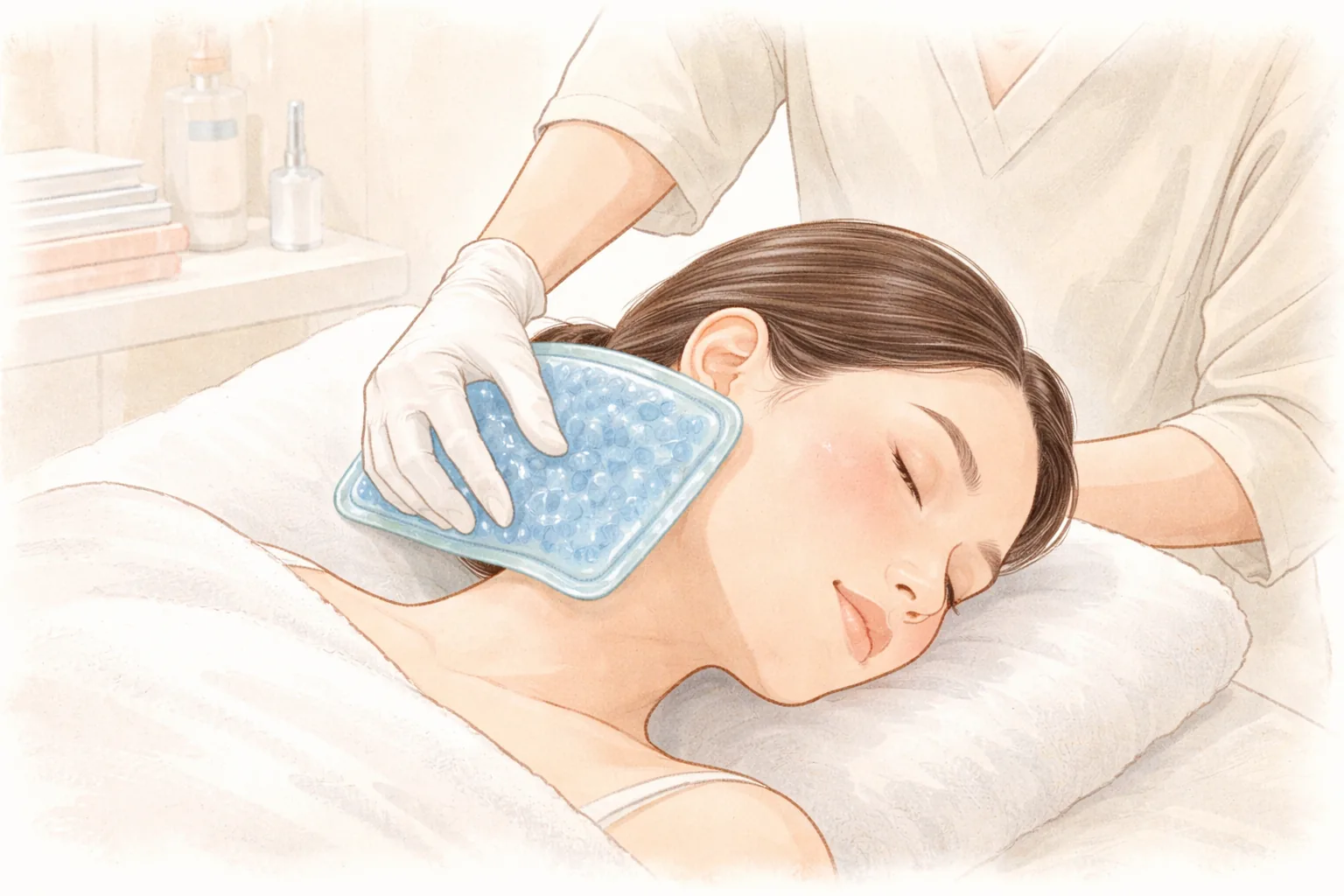
Calming — Avoid saunas, intense exercise and alcohol on the day, and use cold compresses if heat remains. Please check the method with medical staff.
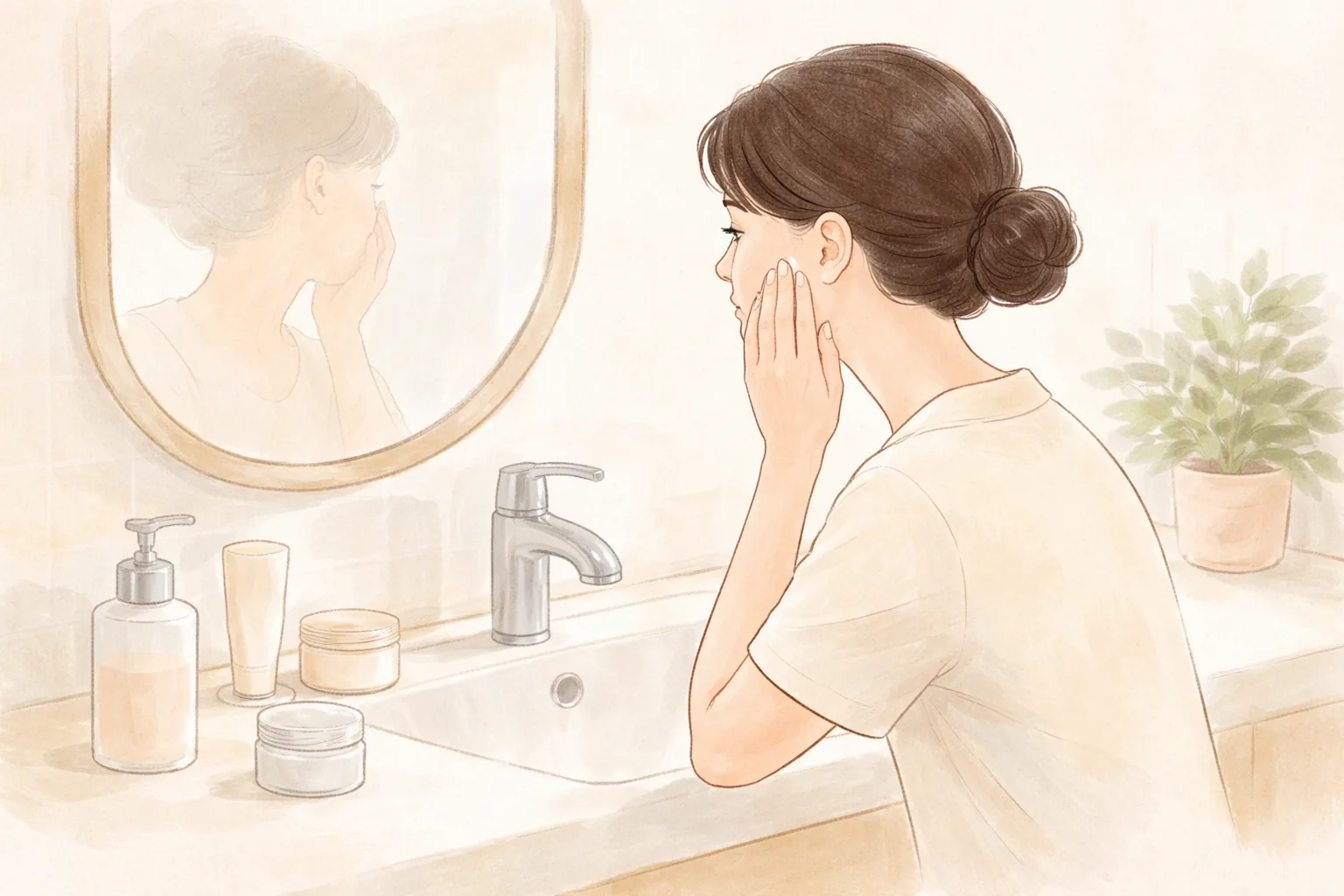
Moisturizing — The skin barrier may be temporarily weakened right after the procedure, so moisturize more than usual.
UV protection — Apply more carefully than usual for several days. Heavy UV exposure during this period raises the risk of pigmentation.
Checking progress — If you notice changes different from expectations, check rather than waiting until the next appointment.
This order adapts guidance for aftercare of lifting procedures to full-face sessions. Common reactions are redness, swelling, tenderness when pressed, small bruises, and temporary numbness or reduced sensation; they usually settle within a few days but may last longer.
Rarely, burns, blisters, small scars, temporary facial muscle weakness, and unwanted fat-layer volume loss can occur. After lasers, energy devices and injectable procedures, pigment changes where skin temporarily darkens or lightens can also rarely appear. If you have symptoms different from expectations, such as blisters or pain that keeps worsening, it is safer to check rather than wait for the next appointment.
Frequently asked questions
How many Onda full-face sessions, and at what intervals?
There is no fixed number first; it is set by watching progress. It is the role of consultation to set the order and interval by looking at the skin's healing power, the downtime allowance, and the mutual effects of combined treatments. For lifting-type treatments too, the flow of reviewing progress after the first session and then setting the repeat timing is advised. Setting a point at the first visit to review your condition and photos a few months later makes the next judgment easier. Rather than repeating the same area at short intervals, it is better to watch recovery and set the next plan.
Can I treat face and body together?
In the treatment guide, Onda has face and body categories listed separately. Whether to do them together or split the visits depends on skin condition, recovery allowance and schedule. If a full-face session is already planned, consider that total energy and procedure time increase. Rather than deciding both areas the same day, the usual approach is to set priorities and intervals in consultation and book the next visit at the same time. If your stay is short, tell us your available dates first.
Will my face look hollow?
The column notes that unwanted fat-layer volume loss can rarely occur after energy device procedures. Changes that make the face look hollow are discussed in relation to this fat-layer change. That is why consultation checks zone-by-zone energy allocation and total, and which layer is being targeted. The American Academy of Dermatology also notes that non-surgical procedures cannot replace the results of surgical lifting. Keeping before-and-after photos in the same lighting and angle helps you see changes objectively.
Can I combine it with other lifting treatments?
Combinations that use ultrasound-based devices for deeper layers and RF-based devices for shallower layers and broader areas are described in the column. Whether to do them the same day or split with an interval depends on skin condition, so the usual flow is to set the overall plan first. Whether Onda comes first or another device does is decided by which zone of the whole face is the concern. Bringing records of previous treatments with device name, shots or kJ, product and dosage, date and response helps the review.
Onda lifting in Korea: how do I choose a clinic?
The American Academy of Dermatology advises hearing explanations of indications, risks, benefits and alternatives in consultation before cosmetic procedures and then deciding. The same resource notes that results depend heavily on the practitioner's skill and experience, and recommends asking how much the practitioner has performed the procedure and how many patients of your skin tone, type and age group they have treated. Recovery period, cost and aftercare methods are also items to check in consultation. Whether the plan from consultation and the actual procedure stay aligned is another point to look at. Saying what change you want first, and asking whether the doctor sees other areas worth addressing together, can help your decision.
At a glance
Table 2 At a glance
Item
Key point
Nature of full-face Onda
Design-type procedure that divides energy with each zone's thickness and sensitivity in mind
Energy unit
Counted in kJ, face and body categories listed separately
This article offers general health information. It is not a substitute for diagnosis or treatment based on your own condition, so please talk through your situation with a doctor.