Onda vs Titanium Lifting: What Should You Compare in a Face and Body Consultation?
Comparing Onda and Titanium lifting in consultation? Learn how their energy types differ, which areas they cover, total kJ, recovery planning, cost units, and safety questions to ask at ATTITUDE Clinic in Sinsa, Seoul.
Written by ATTITUDE Clinic Editorial Team
Once you start looking into lifting, Onda and Titanium tend to appear in the same conversation. Both are described as having minimal anesthesia burden and letting you return to daily life right after the procedure, and both use kJ for energy—so it's easy to end up asking only "which one is better?" This article walks through how the two procedures differ in energy, what to put side by side in consultation, and what to look for afterward while you wait.
The Bottom Line First
Onda and Titanium are not the same category of device—they are two liftings that use different energy types. The ATTITUDE Clinic price list labels Onda as lifting using microwaves and Titanium as lifting using a 3-wavelength laser, and both entries are split between face and body. So what you decide in consultation isn't "which device is better" but what change you want to make, which area, and how much recovery time you have. Bring a single sheet with your goal, area, total energy (kJ), sessions and intervals, cost units, and safety check items, and the consultation becomes far more concrete. Results and recovery vary from person to person even for the same procedure, and we'll look at where that difference comes from as well.
How Do Onda and Titanium Differ in Energy?
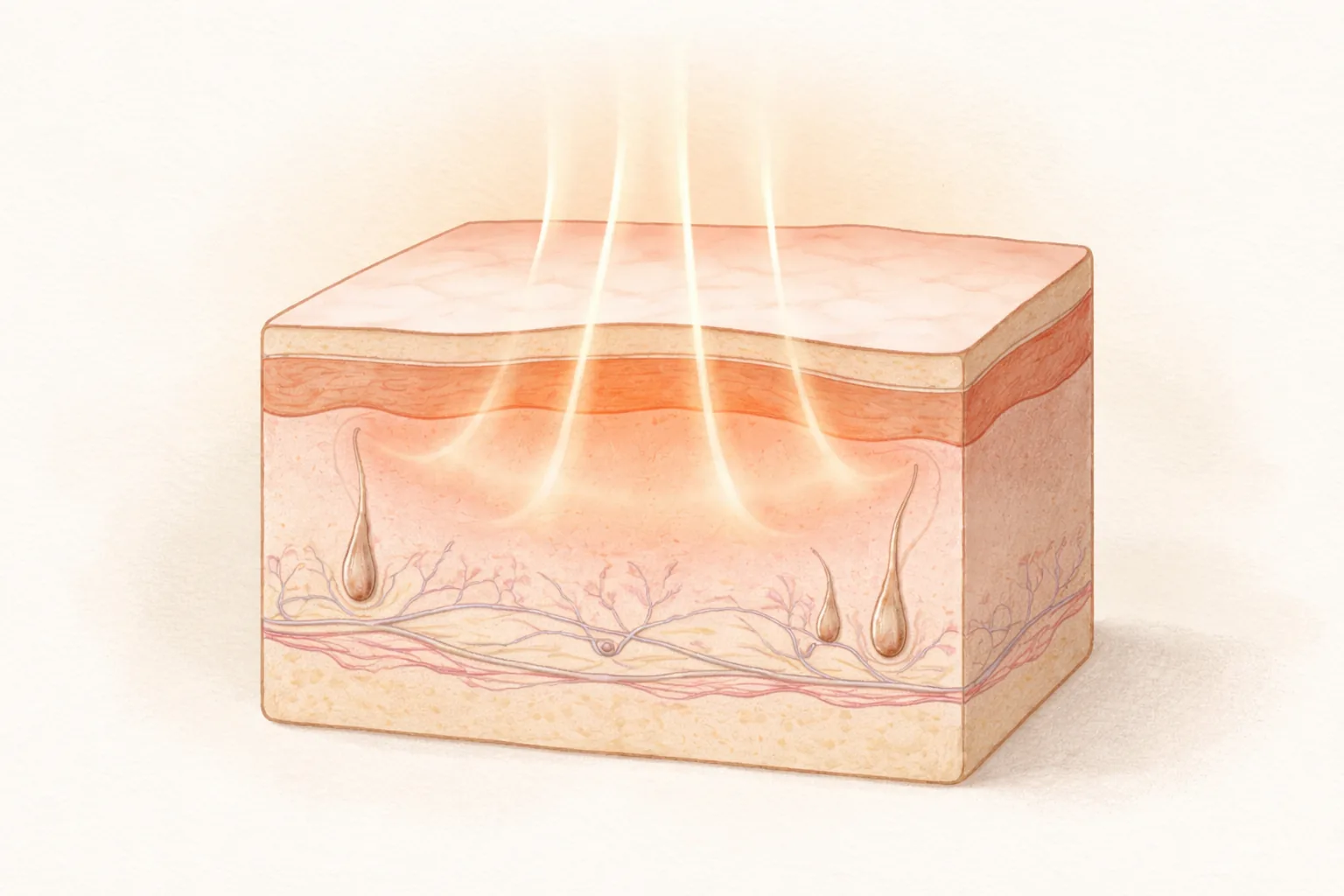
On the ATTITUDE Clinic price list, the two procedures fall under different energy types within the lifting category (treatments and pricing). Onda is listed as lifting using microwaves (high-frequency electromagnetic waves that heat materials from the inside, similar to how a microwave oven works), while Titanium is listed as lifting using a 3-wavelength laser (a method that delivers three different wavelengths of light together). Even under the same "lifting" name, the nature of the energy delivered to the skin is different.
There are also properties the two procedures share. Both are designed to deliver heat into the skin without cutting or peeling the surface, inducing collagen production. According to the American Academy of Dermatology, non-invasive firming procedures leave the skin intact while delivering heat, results appear gradually and look natural, and downtime is minimal or limited (AAD on firming sagging skin). However, when the delivery method differs, recovery burden and the sensation felt during the procedure differ too.
Why Do the Two Procedures Sound Like the Same Category?
Numbers are the biggest reason. Both Onda and Titanium express total energy delivered in kJ (kilojoules), and the price list shows the cost per 10kJ and the cost by total kJ in the same format. With the same unit, it's easy to read "40kJ means the same intensity"—but kJ is only a unit that counts how much energy was delivered. Which skin layer that energy concentrates in, and how much, is determined by the device's nature and settings. So the same number doesn't mean the same result across two devices.
Also, you may have seen many articles introducing Onda as radiofrequency—but on the price list, Onda is classified under microwaves, while Thermage is listed separately as monopolar radiofrequency. Even when names sound similar or energy categories seem to overlap, the actual classification keeps them apart.
What Separates the Results?
First, starting points differ. Whether your skin is thick or thin, how dense the tissue beneath is, and how much collagen-producing power remains—these vary by person, so even the same device at the same intensity produces different experiences (Why do results differ even for the same procedure?). Recovery speed and tolerance for stimulation also vary by skin type.
The degree of sagging is another major variable. The American Academy of Dermatology notes that people with less sagging who maintain a steady weight, don't smoke, drink little, and protect against UV are more likely to get good results from firming procedures. Conversely, when sagging is significant, firming procedures may not help, and they may not be suitable during pregnancy, with a skin infection, or while taking certain medications (AAD on firming sagging skin).
On the procedure side, the variables are total amount and scope. The price list showing both the unit price per 10kJ and the total kJ price reflects that even for the same area, the plan changes depending on how far you treat and with how much total energy. Added to that are combinations, sequence, and how intensity is set. Even with the same analysis results, which device to use first and whether to do it all at once or split it across visits depends on the person's concerns and recovery allowance (ATTITUDE Clinic column).
How Do You Align Goal, Area, and Cost in Consultation?
Writing down the change you want in one sentence is the starting point. The American Academy of Dermatology recommends that during cosmetic procedure consultations you confirm expected results, risks, alternatives, the practitioner's experience, recovery period, preparation and aftercare, and cost—and also ask how much experience they have with your skin tone, skin type, and similar age group (AAD questions to ask before consultation). This list applies just as well when placing Onda and Titanium side by side.
Areas are also divided on the price list. Both Onda and Titanium have separate face and body entries, and Titanium has a separate Hyper entry. Even with the same device, whether you're treating the whole face or focusing on a specific area like the jawline or cheeks changes the total energy needed and procedure time.
Cost is safer compared by unit. ATTITUDE Clinic publishes prices by unit, the same price appears on every language page, and VAT is shown separately (treatments and pricing). Whether consultation fees, anesthesia costs, and aftercare are included can't be known from the price list alone, so it's best to confirm the included scope during consultation.
Table 1 How Do You Align Goal, Area, and Cost in Consultation?
Procedure
Energy type
Price list unit
Also review in consultation
Onda (DEKA)
Microwave
Face/body, per 10kJ and total kJ
Treatment area and scope, total kJ, recovery plan
Titanium
3-wavelength laser
Face/body, per 10kJ and total kJ
Whether Hyper entry applies, treatment scope, total kJ
Titanium Hyper
3-wavelength laser
Face/body, per 10kJ and total kJ
Difference from base entry, total kJ needed
Thermage FLX (Solta)
Monopolar radiofrequency
Face, based on shot count
Shot count and scope, combination with other devices
Ultherapy (Merz)
HIFU ultrasound
Face, based on shot count
Shot count and scope, combination with other devices
Swipe sideways to see the whole table.
In short what you decide before the kJ number is your goal, area, and recovery time. Once those three are set, you can compare total energy, sessions, intervals, and cost units in the same table. The device name comes after that.
When Do Results Show, and How Do You Track Them?
According to the AAD's guidance by category, results of non-invasive firming procedures appear gradually. Ultrasound-based procedures show gradual change over 2–6 months after 1 session and may improve further with additional sessions; radiofrequency-based procedures often produce immediate tightness after 1 session, but collagen takes time to build, so results peak around 6 months, and some people benefit from more than 1 session. Laser-based procedures may need 3–5 sessions, with changes appearing over 2–6 months after the last session (AAD on firming sagging skin). These numbers are general descriptions by category, not specific to any device—so sessions and evaluation timing for Onda or Titanium follow the plan set in consultation.
Progress is more accurately compared using photos taken under the same lighting and angle than by memory. If you've had procedures before, bring the device, shots or kJ, product and dosage, date, and how your skin reacted—these become the basis for planning how your skin responds to the same stimulation (ATTITUDE Clinic column).
If This Applies to You
When a ceremony or shoot is a few weeks away
Non-invasive procedures show results gradually, so if your event is close, look at recovery burden before the day-of change. According to AAD guidance, temporary redness and swelling can appear right after the procedure, and makeup is often possible immediately. If you have an important date, tell the clinic that date first in consultation and set the timing and scope with some buffer.
When you want to build a steady maintenance plan
Changes tend to accumulate when you build sessions at intervals rather than finishing in one go. Writing total kJ, sessions and intervals, and evaluation timing into your calendar from the start makes it easier to decide what to adjust at the next consultation. AAD guidance also notes that additional sessions can help for both ultrasound-based and radiofrequency-based procedures.
When your skin is sensitive or prone to redness
Non-invasive firming procedures are introduced as an approach usable regardless of skin color, but sensitive skin may feel more stimulation at the same intensity. If you've had prolonged redness or pigment changes after a previous procedure, tell the clinic exactly that. How to set intensity, scope, and intervals starts from that history.
When you're a short-stay visitor
Schedules depend on clinic hours, closed days, and how bookings are confirmed. Consultation requests are confirmed after the clinic's confirmation contact, same-day bookings can be requested for time slots from 1 hour after the current time, and the last reception is 17:30 (consultation booking). Prices are published at the same unit price on every language page with VAT separate—so it helps to calculate together in consultation whether recovery and progress checks can fit within your stay.
Please tell us before consultation Let us know about pregnancy or breastfeeding, skin infections or wounds, medications you're taking and your health status, allergies and reactions to previous procedures, recent UV exposure and skincare products you're using, dates you absolutely must avoid, and days you can allocate for recovery. AAD guidance also notes that firming procedures may not be suitable depending on these conditions.
How ATTITUDE Clinic Proceeds
AI skin analysis record: We record and organize your skin condition so you and the doctor look at the same information together. The analysis tool is a reference that records and organizes information to support consultation and does not make a medical diagnosis. Judgment is made by the doctor.
Doctor consultation: We add your concerns, lifestyle habits, and previous procedure experience (device, shots or kJ, product and dosage, date, reaction) to the record and set your goal, area, total kJ, sessions and intervals, and sequence together. This is the stage where devices such as Onda, Titanium, Titanium Hyper, Thermage, and Ultherapy are compared side by side.
Doctor-performed procedure: The doctor performs the procedure directly according to the plan set in consultation, adjusting intensity while observing skin response during the procedure. This flow is designed so planning and execution stay aligned.
Progress check and maintenance plan: We review recovery, set evaluation timing, compare with photos and records, then adjust the total energy and intervals for the next session.
Three principles attach to this flow: deciding together what is needed and what isn't, publishing unit prices, and having the doctor personally handle everything from consultation to procedure. Devices compared in this topic are Onda using microwaves, Titanium and Titanium Hyper using a 3-wavelength laser, Thermage using monopolar radiofrequency, and Ultherapy and Shurink using ultrasound (treatments and pricing). Which device to use is decided in consultation based on analysis records and examination.
Aftercare and Side Effects
Soothing: Right after the procedure, the treated area may feel warm and appear red. Temporary redness and swelling can appear after non-invasive procedures, and these are usually the only signs you had a procedure (AAD on firming sagging skin).
Moisturizing: Skin that has received heat tends to dry out, so replenish with a gentle moisturizer. Makeup is often possible from the day of the procedure, but strong irritating products should be adjusted based on skin response.
UV protection: The AAD lists UV protection as a condition for good results from firming procedures. During recovery, it's better to apply more carefully than usual.
Progress check: Watch for a few days how quickly redness and swelling subside and how the area feels when pressed. Recording this becomes the basis for setting intensity and intervals at your next consultation.
Common reactions are redness, swelling, tenderness when pressed, and bruising, usually subsiding within a few days. Rarely, temporary pigment changes (darkening or lightening), blisters, burns, or scarring can occur (ATTITUDE Clinic column). If pain worsens, blisters appear, or pigment changes persist, don't wait—contact the clinic.
Frequently Asked Questions
How do I know whether Onda or Titanium is right for me?
Start by writing down in a sentence what change you want, the area, and how much recovery time you have. That's because the plan changes depending on the degree of sagging, skin thickness, and whether you're treating the whole face or a specific area. The AAD recommends confirming expected results, risks, alternatives, practitioner experience, and recovery period in consultation—if you can't answer these, changing device names won't make the decision easier. At ATTITUDE Clinic, the doctor consultation sets which device to use in which order based on AI skin analysis records and examination, and the final decision is yours after consultation.
Is Onda a radiofrequency procedure?
By price list classification, Onda is a lifting entry using microwaves, while lifting using radiofrequency current is listed separately as Thermage under monopolar radiofrequency. Microwaves are also a type of electromagnetic wave, so they're sometimes grouped together loosely—but the actual devices and energy properties differ. So treating the two procedures as the same under the single phrase "radiofrequency lifting" causes confusion when comparing intensity or sessions. In consultation, it's more accurate to confirm device name, energy method, and total kJ together.
Is Onda 40kJ the same intensity as Titanium 40kJ?
kJ is a unit that counts total energy delivered, so the same number does not produce the same result. Which skin layer the energy concentrates in and how much is determined by the device's nature and settings, and even with the same device, the total energy needed varies by area and scope. This is also why the price list shows both the unit price per 10kJ and the total kJ price. When comparing sessions, look at scope, intervals, and evaluation timing alongside total kJ.
Can I go about daily life and wear makeup right after the procedure?
Non-invasive firming procedures are described as having minimal or limited downtime, and makeup is often possible immediately after. However, recovery varies with treatment scope, intensity, and individual skin response—so if you have an important event, telling the clinic that date first in consultation and aligning the plan is better. If warmth or redness lasts longer than expected or pain worsens, don't wait—contact the clinic.
What should I check when choosing a clinic?
The American Academy of Dermatology recommends asking in consultation about expected results, risks, and alternatives, as well as the practitioner's experience, how much experience they have with your skin tone and skin type, the number of sessions and time needed, whether anesthesia is used, recovery period, preparation and aftercare, and cost (AAD questions to ask before consultation). Also check whether prices are published by unit, whether the same unit price appears on every language page, and how VAT and included scope are shown. Who plans the procedure and who performs it, and how analysis records are used, are also items to confirm. ATTITUDE Clinic publishes unit prices and has the doctor personally handle everything from consultation to procedure.
At a Glance
Table 2 At a Glance
Item
Key point
Energy difference
Onda is classified as microwave lifting, Titanium as 3-wavelength laser lifting.
The number trap
kJ is a unit of total energy delivered, and the same number doesn't mean the same result.
What separates results
Starting skin condition, degree of sagging, total energy and scope, combination and sequence, intervals.
What to decide in consultation
Goal and area, total kJ, sessions and intervals, recovery plan, cost inclusion scope.
Recovery and side effects
Redness, swelling, tenderness, bruising are common and usually subside within a few days; rarely pigment changes, blisters, burns, or scarring can occur.
Flow
AI skin analysis record → doctor consultation → doctor-performed procedure → progress check.
This article offers general health information. It is not a substitute for diagnosis or treatment based on your own condition, so please talk through your situation with a doctor.