Potenza RF Microneedling and Juvelook Together: Order and Spacing Come First
When combining Potenza and Juvelook, what decides the order and spacing, recovery time and side effects, and what to check before your consultation, organized by ATTITUDE Clinic.
Written by ATTITUDE Clinic Editorial Team
Did you come in after hearing that Potenza and Juvelook are better when done together? You may be wondering whether they really have to be combined, and if so, which one comes first and how much spacing is needed. The two treatments work on different layers and in different ways, so they can be considered together, but they are not a mandatory set. This article covers what each treatment does, what decides the order and spacing when they are combined, and what reactions to watch for afterward.
The bottom line first
Juvelook and Potenza are not a combination that must always be done together. Potenza is a device that delivers radiofrequency directly into the dermis through fine microneedles to help improve pores and scars, while Juvelook is a skin booster lineup delivered directly into the skin's foundation (treatment guide). If you do them on the same day, the plan includes which treatment comes first and whether to leave a gap of a few days to a few weeks, and this order and spacing depend on skin thickness, recovery speed, the tip and dosage used, and how much downtime you can allow. Even with the same combination, the recovery process and perceived results can differ depending on whether it is done all at once or split up (related column), so it is decided together in consultation. Recovery and perceived results can vary from person to person.
Where in the skin does Potenza stimulate?
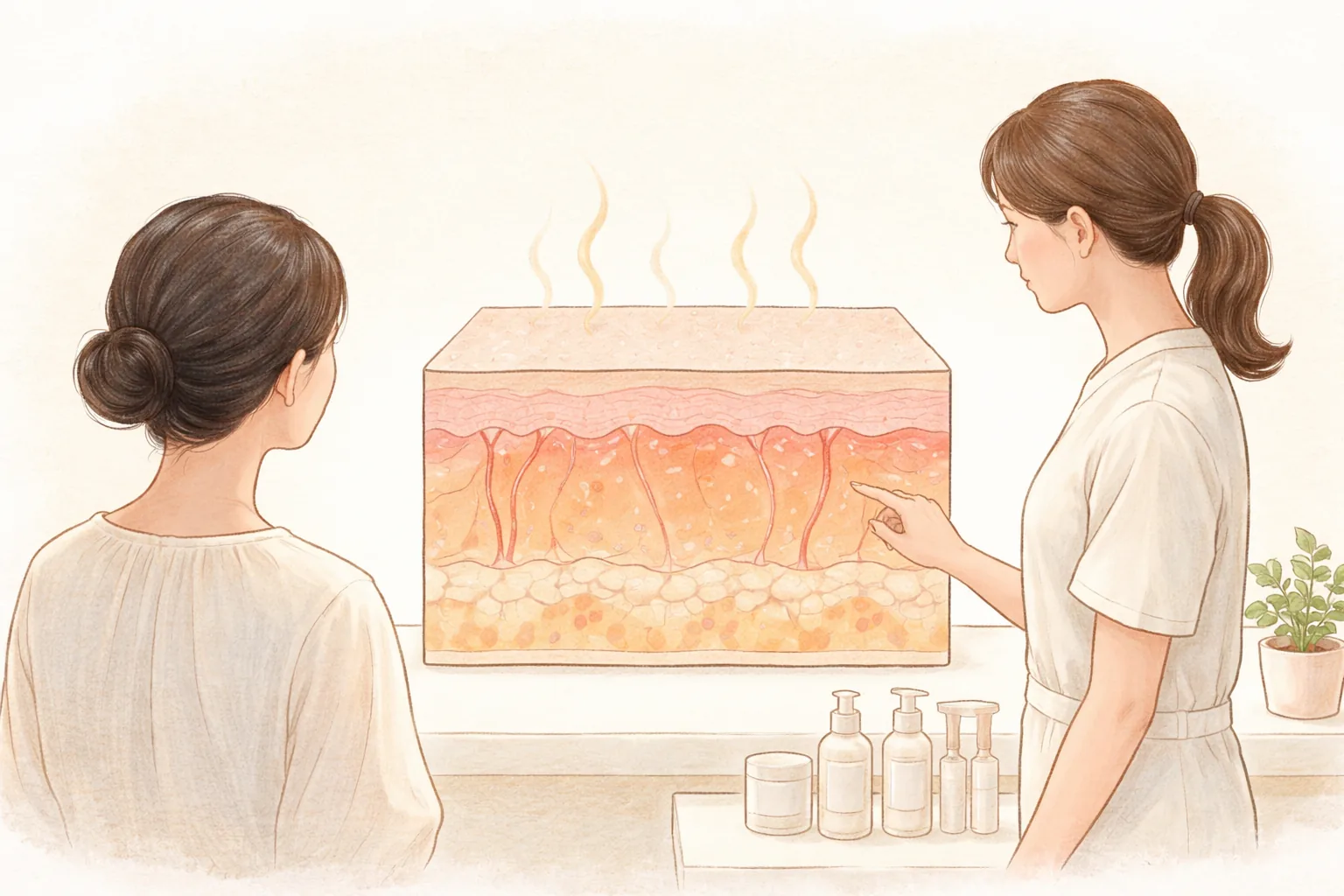
Potenza is described as a method in which fine microneedles enter the skin and then deliver radiofrequency energy from the needle tips. Radiofrequency is energy that heats tissue inside the skin, and Potenza is classified as a device that delivers this energy directly into the dermis (the layer just beneath the skin surface) to help improve pores and scars (treatment guide). Rather than removing the surface, it creates heat stimulation inside the skin, so after treatment redness, swelling, dot-like marks, dryness, and thin crusting may appear, usually settling within a few days to 1 week (pores column).
So why does the worry about "burning the skin" follow? Because it is a treatment that uses heat. Like lasers, energy devices use heat, but where and how much is applied determines the result. Even the same heat becomes treatment when concentrated only on the target layer, but if the intensity is higher than the skin can handle or it is repeated before recovery, it can become a burden (laser column). Potenza is no exception, and the process of matching intensity and spacing to skin condition is necessary.
What lineup is Juvelook, and what do you check?
Juvelook is classified under skin booster in the treatment guide and is an injectable treatment delivered directly into the skin's foundation. The lineup is divided into Juvelook Skin, Juvelook Volume, and Eye Juvelook, and the options differ depending on dosage and area (treatment guide). Even with the same name Juvelook, which lineup is delivered to which area and how much is decided in consultation based on your concerns and skin condition. The American Academy of Dermatology notes that when deciding on cosmetic injectable treatments like fillers, it provides information to check whether the treatment is right for you and whether it can be done safely (AAD guide).
Because it is an injectable treatment, bruising and swelling may occur, and rarely nodules, infection, or allergic reactions may occur (pores column). A nodule is a change where the injection site feels firm; before treatment the doctor explains the side effects of the recommended treatment and checks afterward as well. Recent sun exposure, medications you are taking, and experiences of sensitivity after previous treatments should be shared in consultation so they can be reflected in the plan.
What decides the order when combining them?
The first thing to look at when deciding order is which concern takes priority. Depending on whether pores and scars are the main concern or dryness and texture of the skin's foundation bother you more, whether Potenza or Juvelook comes first, or whether only one is done at all, will differ. To this, add the skin's recovery capacity, how much downtime you can allow, and the influence the two treatments have on each other when done together to set the order (related column).
Even with the same analysis results, the plan should differ from person to person. Because skin type, thickness, and regeneration speed differ, even treatments of the same intensity produce different felt stimulation and recovery processes (related column). For example, if your skin is thin and sensitive, the consultation may go toward lowering intensity or leaving spacing, while if recovery is fast and your schedule has room, it may go toward doing them on the same day. Either way, the starting point is that combining Potenza and Juvelook is not mandatory.
What decides the spacing?
There is no fixed weekly interval between the two treatments. It is decided by looking together at the time the skin needs to recover, your schedule, and treatment intensity. The laser column also notes that lasers are not treatments where stronger and more frequent is better, and that proceeding only as much as needed with intensity and spacing suited to skin condition is the way to reduce skin burden (laser column). The fact that redness and swelling after Potenza tend to settle within a few days to 1 week is also considered when setting spacing (pores column).
If you have a fixed date like a wedding, photo shoot, or trip, you can calculate backward from the schedule to adjust the type and intensity of treatment and when to start (laser column). A treatment you are receiving for the first time right before an event can overlap with redness or sensitized skin on your schedule, so starting with more time to spare gives you more options.
Table 1 What decides the spacing?
Category
Potenza
Juvelook (Skin·Volume)
Method
Delivers radiofrequency directly into the dermis via fine microneedles
Skin booster lineup delivered directly into the skin's foundation
Concerns covered in the guide
Helps improve pores and scars
Classified as skin booster, options depend on dosage and area
Common post-treatment reactions
Redness, swelling, dot-like marks, dryness, thin crusting, a few days to 1 week
Bruising and swelling, rarely nodules, infection, allergy
In summary Potenza and Juvelook work on different layers and in different ways, so they can be considered together, but combining them is not a requirement. Whether to do them on the same day or split them, and how much spacing to leave, is decided by looking together at the skin's recovery capacity, your schedule, and the influence between treatments.
In these situations
When you have a fixed date like a wedding or photo shoot
A treatment you are receiving for the first time right before an event can overlap with redness or sensitized skin on your schedule. Starting with more time to spare based on the date gives you more options to adjust intensity and timing. When you come in for consultation, tell us your event date and shooting schedule first (laser column).
If you want consistent management
Rather than going strong all at once, managing periodically while keeping the interval your skin needs to recover puts less burden on the skin. It is important to set a goal and arrange only the necessary treatments at the right times. Which of Potenza and Juvelook to do and when is also decided within this plan (laser column).
If your skin is sensitive or prone to redness
Depending on skin type, thickness, and regeneration speed, the degree of reaction to the same stimulation differs. For sensitive skin, the plan can be set toward lowering intensity or leaving spacing. If you are usually sensitive to pain or have had a difficult experience with a previous treatment, tell us in advance during consultation (related column).
If you are an international visitor on a short stay
If your stay is fixed, redness or dryness right after treatment can affect your schedule. If you tell us your return date and next commitments in advance, we can consult on the type and intensity of treatment accordingly (laser column).
Please tell us before consultation
Let us know whether you have had a lot of recent sun exposure, whether you are taking or using any medications or cosmetics, whether you have had sensitive skin after previous treatments, and whether you have important commitments like a wedding, photo shoot, or trip. The American Academy of Dermatology recommends that during consultation before cosmetic procedures, medical history and skin condition be reviewed together and the risks, benefits, and alternatives of the procedure be checked (AAD guide).
How ATTITUDE Clinic proceeds
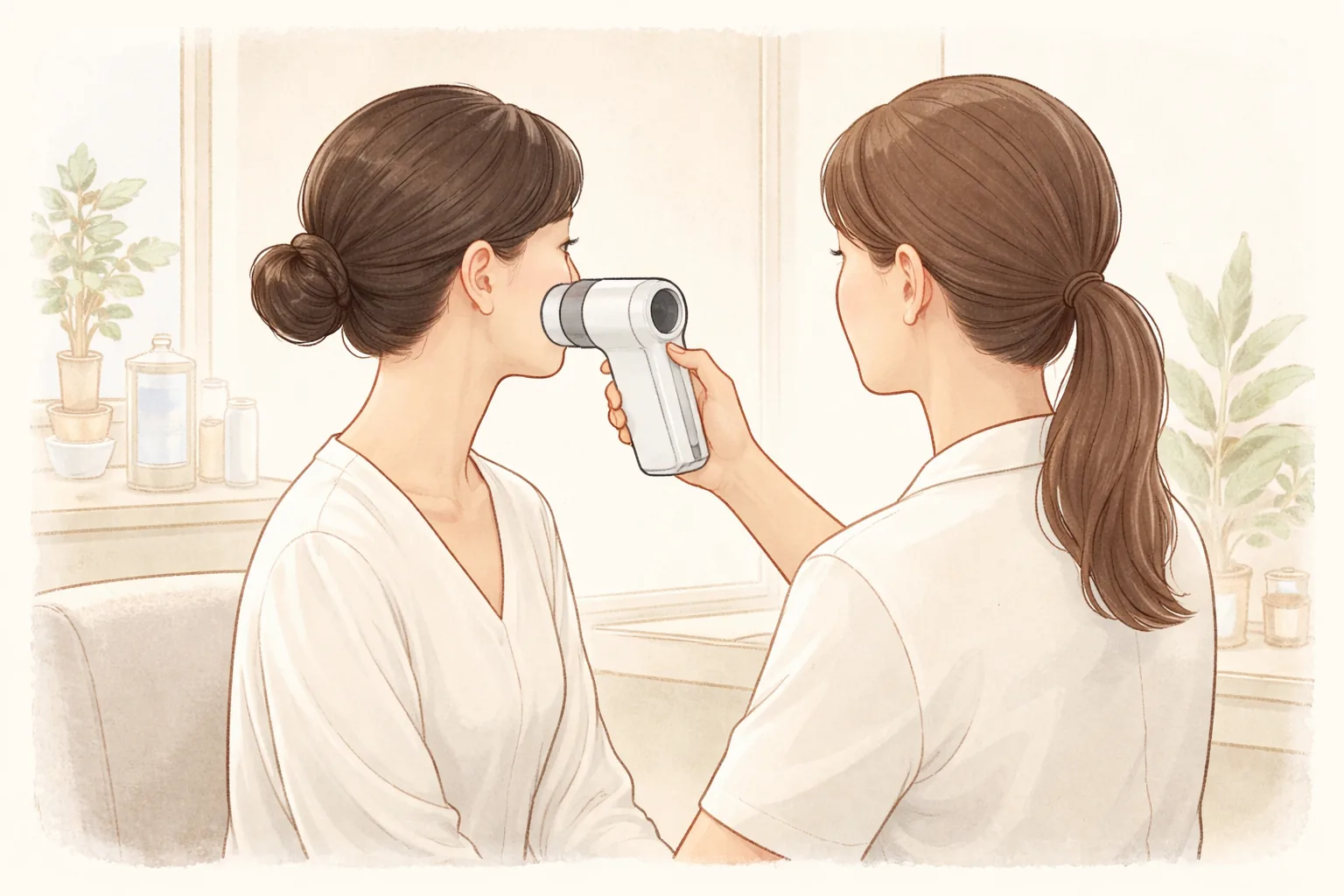
AI skin analysis record — Skin condition is recorded and organized so that you and the medical team look at the same information together. The analysis tool only records and organizes information to assist consultation and does not make a medical diagnosis (related column).
Doctor consultation — Your concerns, lifestyle habits, and previous treatment experiences are added to the analysis record to decide together what is needed and what is not, as well as the combination, order, and intensity. Whether Potenza and Juvelook are done on the same day or split is also decided at this stage (related column).
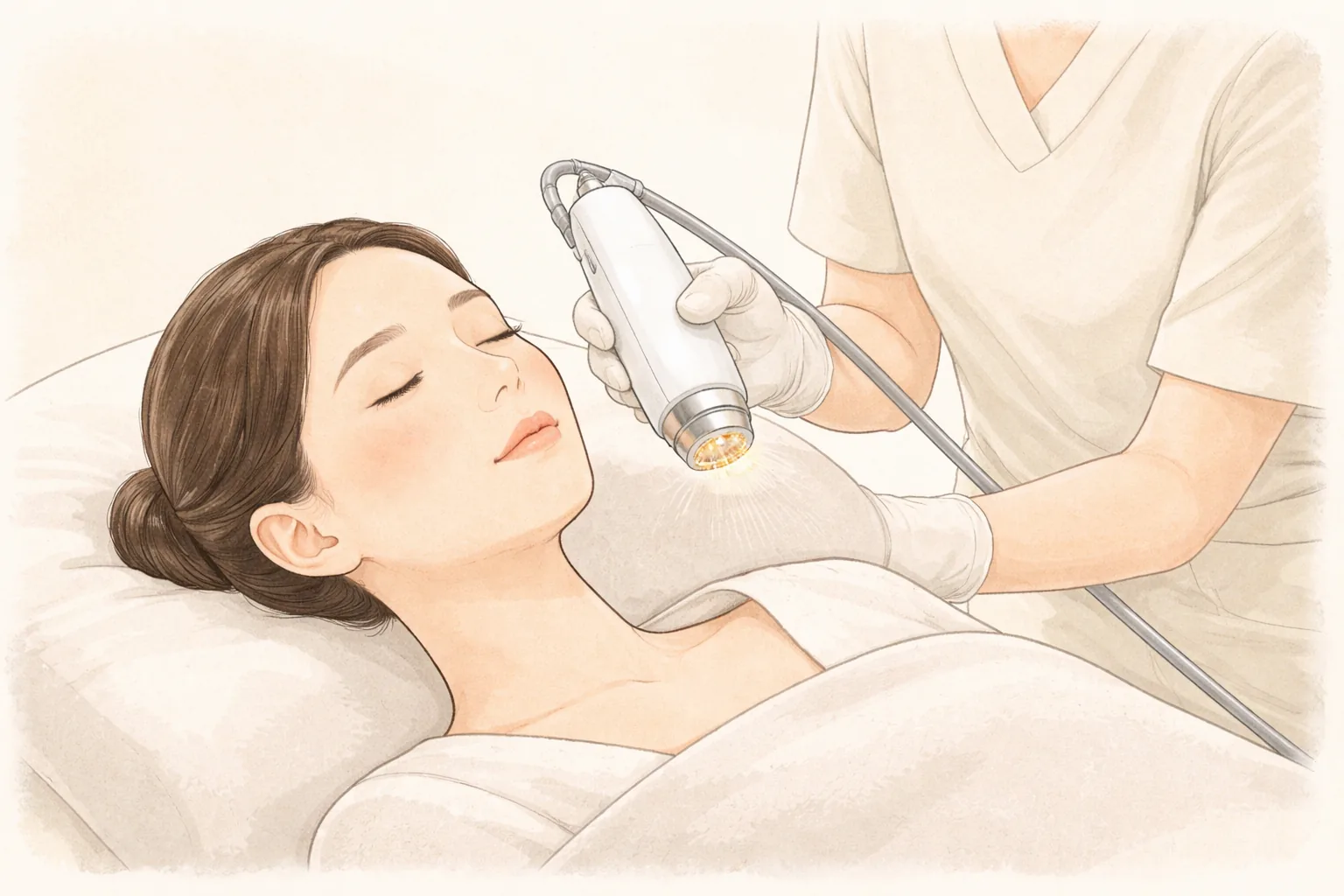
Treatment performed directly by the doctor — The doctor performs the treatment directly according to the plan and adjusts intensity while observing skin reactions during the procedure. Unnecessary treatments are not recommended (related column).
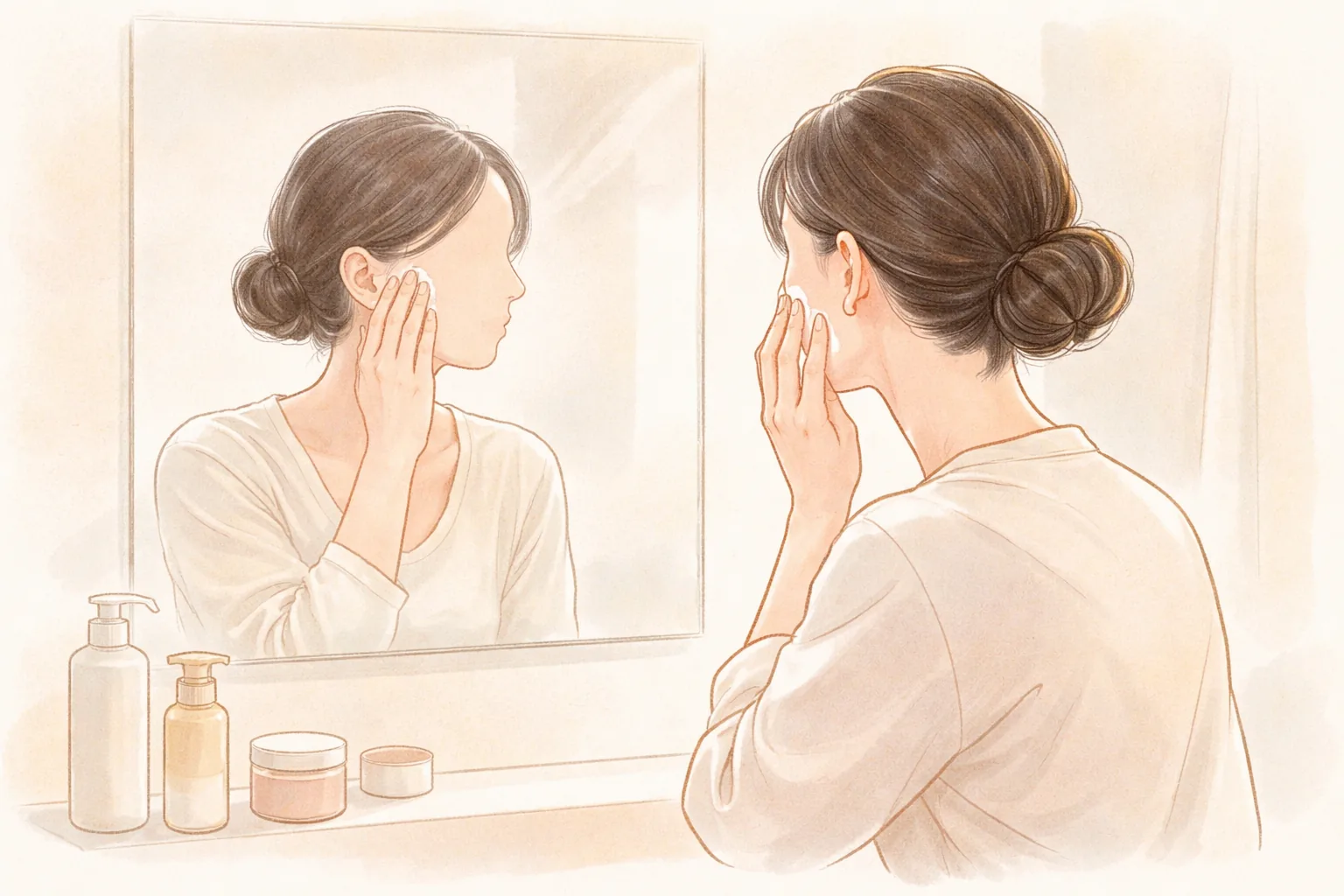
Recovery and care — After treatment, the recovery period and precautions are explained, and any discomfort is checked. During recovery, keep up moisturizing and sun protection, and avoid exfoliation and saunas (laser column).
The devices consulted for this topic are Potenza (JCS N-tip, pumping tip) and Juvelook Skin·Volume·Eye (treatment guide). We follow the principle of authentic product, accurate dosage, and fair price, and prices are disclosed per unit.
Post-treatment care and side effects
Soothing — Redness and heat may be present on the day of treatment. Do not rub or irritate, and soothe using the method you were instructed in.
Moisturizing — Dryness and thin crusting may occur, so moisturize sufficiently (pores column).
Sun protection — During recovery, be thorough with sun protection. It helps reduce pigmentation (laser column).
Checking progress — Watch whether redness, swelling, and bruising subside, and if there are changes different from expectations, such as pain that does not improve and gradually worsens, check right away (related column).
Starting with common reactions, after Potenza, redness, swelling, dot-like marks, dryness, and thin crusting may appear and usually settle within a few days to 1 week. Temporary pigmentation or breakouts may occur, and rarely burns, infection, or scars may occur. Skin booster injections like Juvelook may cause bruising and swelling, and rarely nodules, infection, or allergic reactions (pores column). After lasers, energy devices, and injectable treatments, redness, swelling, tenderness, and bruising are common and usually settle within a few days, and rarely pigment changes, blisters, lumps, burns, or scars may occur (related column).
If redness or swelling lasts longer than expected, if pain gradually worsens, or if the injection site feels firm, it is better to check rather than wait. These changes usually improve within a few days, but when they do not, the doctor reviews the condition and sets the next plan.
Frequently asked questions
Is the Potenza and Juvelook combination mandatory?
It is not mandatory. Potenza is a device that delivers radiofrequency to the dermis, and Juvelook is a skin booster delivered to the skin's foundation, so whether to do the two together depends on your concerns and skin condition (treatment guide). Sometimes only one is needed, and sometimes splitting the order is the better fit. Even with the same combination, the recovery process and perceived results can differ depending on whether it is done all at once or split up (related column). In consultation, we decide together what is needed and what is not.
What decides the order and spacing?
We look together at the skin's recovery capacity, how much downtime you can allow, and the influence the two treatments have on each other (related column). The fact that redness and swelling after Potenza tend to settle within a few days to 1 week is also considered (pores column). If you have a fixed date like a wedding or photo shoot, you can calculate backward from the schedule to adjust when to start (laser column). The specific order and spacing are decided in consultation.
If I am worried about Juvelook nodules, what should I check?
Skin booster injections may cause bruising and swelling, and rarely nodules, infection, or allergic reactions (pores column). If the injection site feels firm or swelling lasts long, it is checked in consultation. The plan is made by looking together at the type and dosage of the product, the injection area, and reactions to previous treatments. Before treatment, the doctor explains the side effects of the recommended treatment (treatment guide). The chance of nodules is rare, but it is important to know in advance how they are checked and managed if they occur.
After Potenza, when can I start wearing makeup and washing my face?
After treatment, redness, swelling, dot-like marks, dryness, and thin crusting may appear and usually settle within a few days to 1 week (pores column). When to start washing and makeup depends on the degree of redness and crusting and your skin's reaction, so it is based on the recovery period you were instructed in during consultation. During recovery, avoid exfoliation and saunas and keep up moisturizing and sun protection (laser column). If redness lasts long or stinging worsens, it is better to get checked rather than rush makeup.
What should I look for when choosing a clinic for the treatment?
Look at the consultation process rather than device names or equipment lists. The criteria are whether they first check where your concerns come from, whether they recommend only necessary treatments and do not set the number of sessions or intensity excessively, whether they sufficiently explain pain, recovery schedule, and post-treatment precautions, and whether it is a place where you can get checked when uncomfortable (laser column). The American Academy of Dermatology also recommends that during consultation before procedures, medical history and skin condition be reviewed together and the risks, benefits, and alternatives be checked (AAD guide). ATTITUDE Clinic decides together what is needed and what is not based on the analysis record and examination (related column).
At a glance
Table 2 At a glance
Item
Key point
Is it a mandatory combination
No. Depending on concerns and skin condition, only one may be done
What sets the order
Skin thickness, recovery speed, downtime allowance, influence between treatments
What sets the spacing
Recovery period and schedule, treatment intensity. Calculate backward from your schedule
Common reactions after Potenza
Redness, swelling, dot marks, dryness, thin crusting, a few days to 1 week
Check after Juvelook injection
Bruising and swelling, rarely nodules, infection, allergy
ATTITUDE Clinic approach
AI skin analysis record → doctor consultation → treatment performed directly by the doctor
This article offers general health information. It is not a substitute for diagnosis or treatment based on your own condition, so please talk through your situation with a doctor.