Potenza Adrenalin RE005 vs Agnes: What Changes on the Same Device
What sets Potenza and Agnes apart on the same RF microneedling machine, how they differ from fractional and surface treatments in the layer they target, and how tips, depth and intensity change potenza microneedling results.
Written by ATTITUDE Clinic Editorial Team
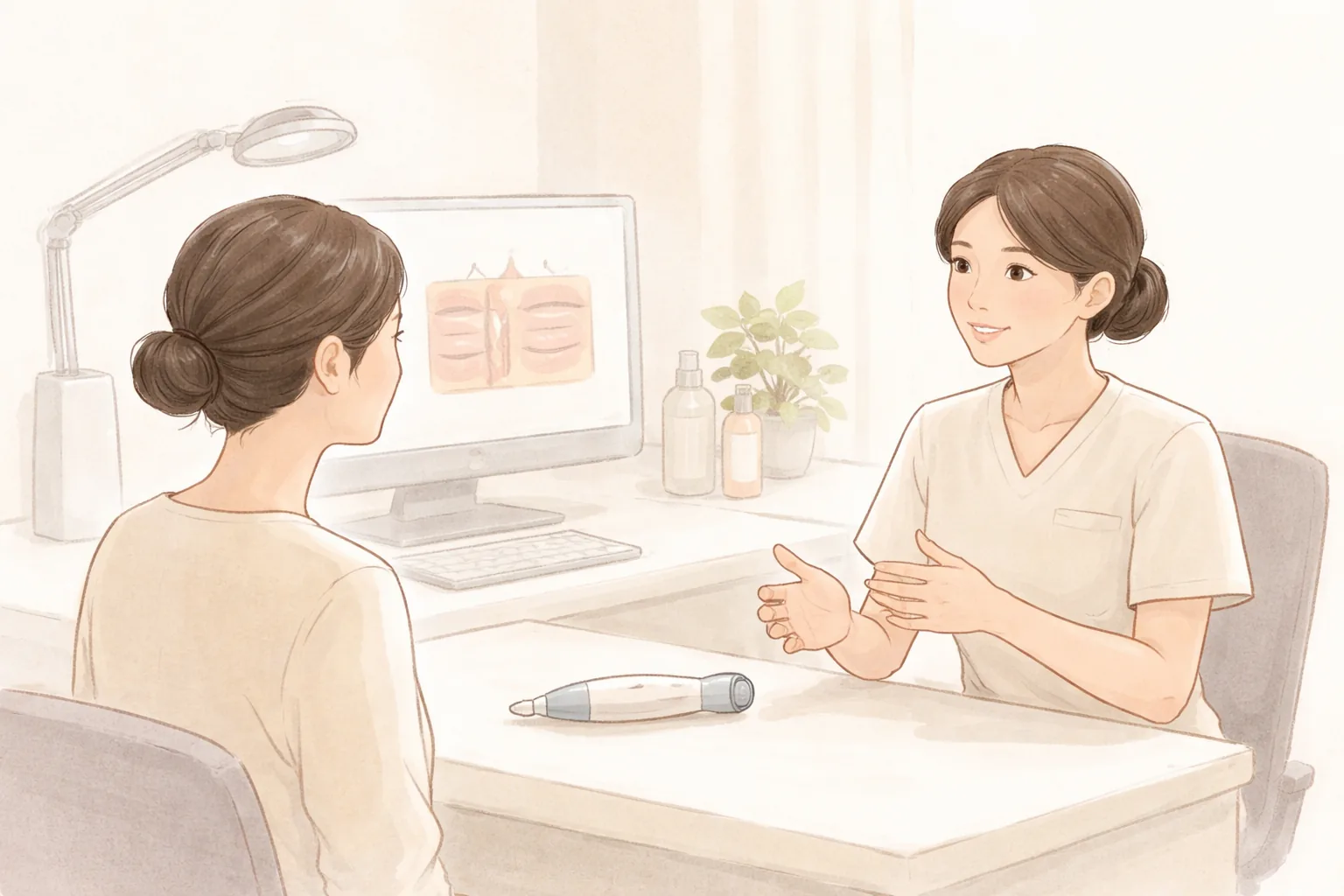
Search for Agnes and the name Potenza almost always follows. In consultations, many people say they are unsure whether the two names describe the same treatment or whether they are choosing between two different machines placed side by side. This article lays out where the two names part ways and where they meet, and what that difference actually changes in a treatment plan.
The Conclusion First
Agnes and Potenza are not two machines weighed against each other. Potenza is a device that uses fine needles to deliver radiofrequency energy (electrical energy converted to heat within tissue) into the dermis, the layer where collagen is produced. Agnes is the name given to using that Potenza in a concentrated way on a narrow area rather than gliding it broadly across the face. So rather than asking which is better, the first question should be which layer my concern comes from and how deep the heat should go. That judgment is made in consultation based on skin thickness, inflammation and how the skin responded to previous treatments.
Are Agnes and Potenza Different Choices Within the Same Device?
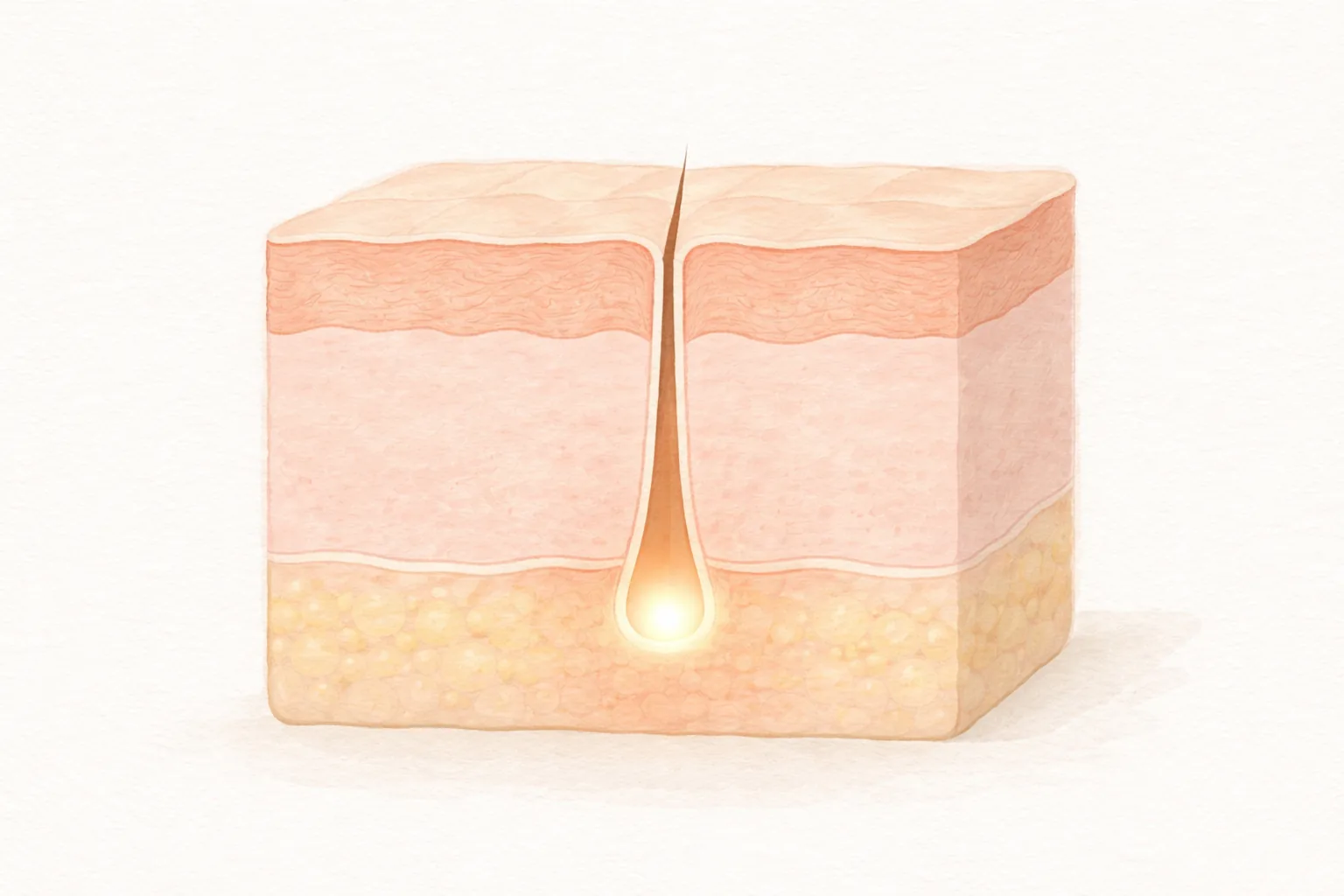
The principle behind Potenza is simple. Needles thinner than a human hair enter the skin to create pathways, and radiofrequency energy travels along those points to heat the tissue. According to guidance from the American Academy of Dermatology, RF microneedling is described as microneedling with added heat. The needles themselves do not burn; energy converts to heat at the points the needles pass through.
How deep the needles go, how widely the energy is gathered and what intensity is set all change which concerns are addressed. Delivering heat deep into the dermis targets collagen regeneration and puts more weight on pores, pitted acne scars and fine lines. Agnes is the name used for concentrating that treatment on a narrow area rather than covering the whole face evenly. It becomes an option raised in consultation when the concern is trouble in a specific area rather than overall texture.
So why does everyone describe it all as simply getting Potenza? Because it is the same device. There is one machine name, but which tip is used and how depth and intensity are set changes the character of the treatment. ATTITUDE Clinic's treatment and pricing guide describes it as a treatment that delivers RF directly to the dermis with fine needles to help improve pores and scars, and lists the N tip for pores and scars and the pumping tip for ingredient delivery separately.
How Deep the Heat Goes Changes Which Concerns Are Addressed
The strength of RF microneedling is that depth can be set. Reducing the range that touches the epidermis and gathering heat in the dermis shifts recovery from surface peeling to regeneration within the skin. This is a different texture from surface treatments that involve redness, dryness and thin crusts for several days. A column from ATTITUDE Clinic says surface treatments can cause redness, dryness or thin crusts for several days.
Even treating the same area at the same intensity does not produce the same response. The American Academy of Dermatology explains that the rate at which people lose collagen differs. This is why the experience varies depending on whether skin is thick or thin and how much healing capacity remains. Some people feel the texture change after one or two sessions, while others see slower change after the same number. It is not that the treatment failed; in many cases the starting line was simply different.
If your skin develops pigment easily, one more condition applies. The AAD guidance notes that RF microneedling is described as relatively safe for people with a range of skin tones, but that more research is needed on whether it applies equally to darker skin tones. So if you have a history of pigment remaining after treatment, intensity and intervals are set more carefully, and this adjustment is also decided in consultation based on your skin condition.
How It Compares to Fractional Laser
Many people search for the difference between Potenza and fractional laser. The two names target different layers. Potenza uses needles to deliver heat into the dermis, targeting collagen regeneration, while the erbium fractional used at ATTITUDE Clinic is a surface treatment that uses fine ablation to help improve pores and scars. Even for the same pore concern, the choice depends on whether it comes from within or from the surface.
Different layers mean a different texture of recovery. Delivering heat into the dermis leaves redness for several days but does not cause major surface peeling, while resurfacing the surface can leave thin crusts or dryness for several days. So the two treatments are less competitors than items to be sequenced and combined. Whether enlarged pores are caused by sebum, loss of elasticity or scarring determines which layer to address first. A column from ATTITUDE Clinic also notes that identifying the type and cause of pores is the start of management.
Why Results Differ Even With the Same Potenza
Three things overlap. The skin condition you start with, the plan, and who performs it and how. Skin type, thickness and regeneration speed differ from person to person, and even with the same analysis record, which tip is used in what order and at what intensity should differ. A column on why results differ even with the same treatment names the difference in starting point as the first factor.
Table 1 Why Results Differ Even With the Same Potenza
Treatment
Target layer and principle
Best suited concerns
Texture of recovery
Potenza N tip
Delivers RF to the dermis via fine needles
Pores, acne scars
Redness and dot-shaped marks for several days
Potenza pumping tip (with exosomes)
Delivers ingredients to the dermis along with RF
Skin condition, inner dryness
Similar to the above, with possible bruising and swelling at injection sites
Erbium fractional
Finely ablates the surface
Skin texture, surface pores and scars
Thin crusts and dryness for several days
Swipe sideways to see the whole table.
In short Potenza is a device that delivers heat into the dermis, and Agnes is a way of using that device focused on a narrow area. Before choosing which name is better, the first step is deciding whether your concern comes from sebum, elasticity or scarring, and whether to resurface the surface or heat from within. Once the order is set, tips, intensity and intervals follow.
If This Applies to You
When a ceremony or shoot is a few weeks away
Treatments that deliver heat into the dermis leave redness and dot-shaped marks for several days. If you have a fixed date, tell us first and we will work backward to adjust intensity and timing. Cramming a first-time treatment right before a ceremony leaves no time for the skin to respond, so starting with more buffer widens your options.
If you want to manage steadily and refine texture
Dividing sessions while respecting recovery intervals puts less burden on the skin than delivering strong treatment all at once. Spacing Potenza and surface treatments by priority rather than overlapping them on the same day lets you adjust the next plan based on one response. This is why intervals shape results.
Sensitive or easily reddened skin
Even the same intensity leaves redness longer on sensitive skin. If you have a history of prolonged redness or remaining pigment after previous treatments, intensity and intervals must be set differently, so this is the first item we check in consultation. If the skin barrier is unstable, calming may come before treatment.
International visitors on a short stay
If you have a fixed return date, redness and dryness may overlap with your flight schedule. Tell us your length of stay and next commitments, and we adjust to an intensity and number of sessions that fit within that window. The fewer days remain, the more we choose a composition with shorter recovery rather than strong treatment at once.
Please tell us before your consultation Recent sun exposure or tanning, medications you are taking and skincare ingredients you are using (including retinol and exfoliating products), any history of prolonged redness or remaining pigment after previous treatments, and fixed dates such as ceremonies, shoots or travel. Even for the same treatment, timing and intensity change based on this information.
How ATTITUDE Clinic Proceeds
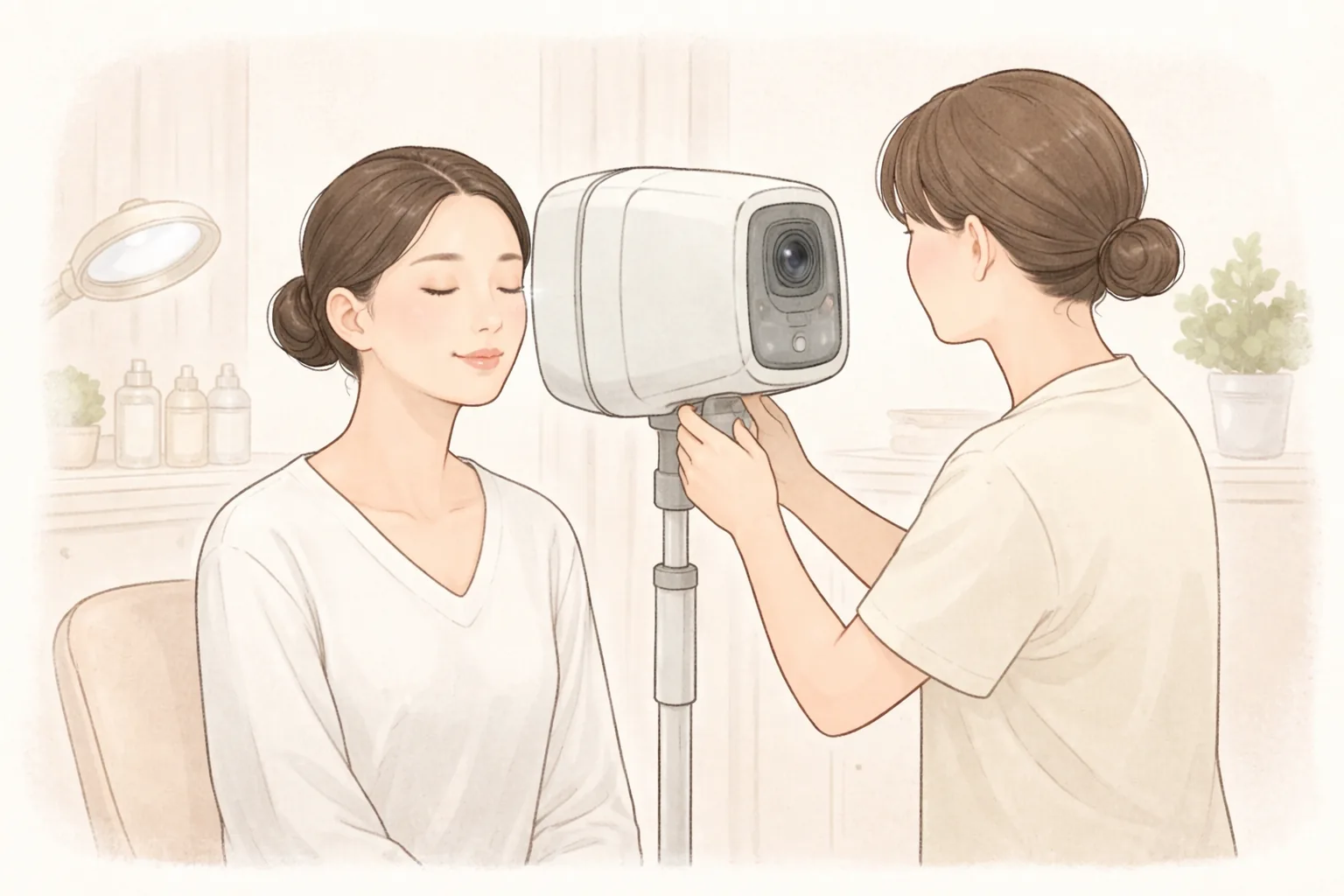
AI skin analysis record — Pigmentation, redness, texture and pore condition are recorded with an analysis tool. This record only organizes and displays information to support consultation and is not a medical diagnosis; judgment is made by the doctor.
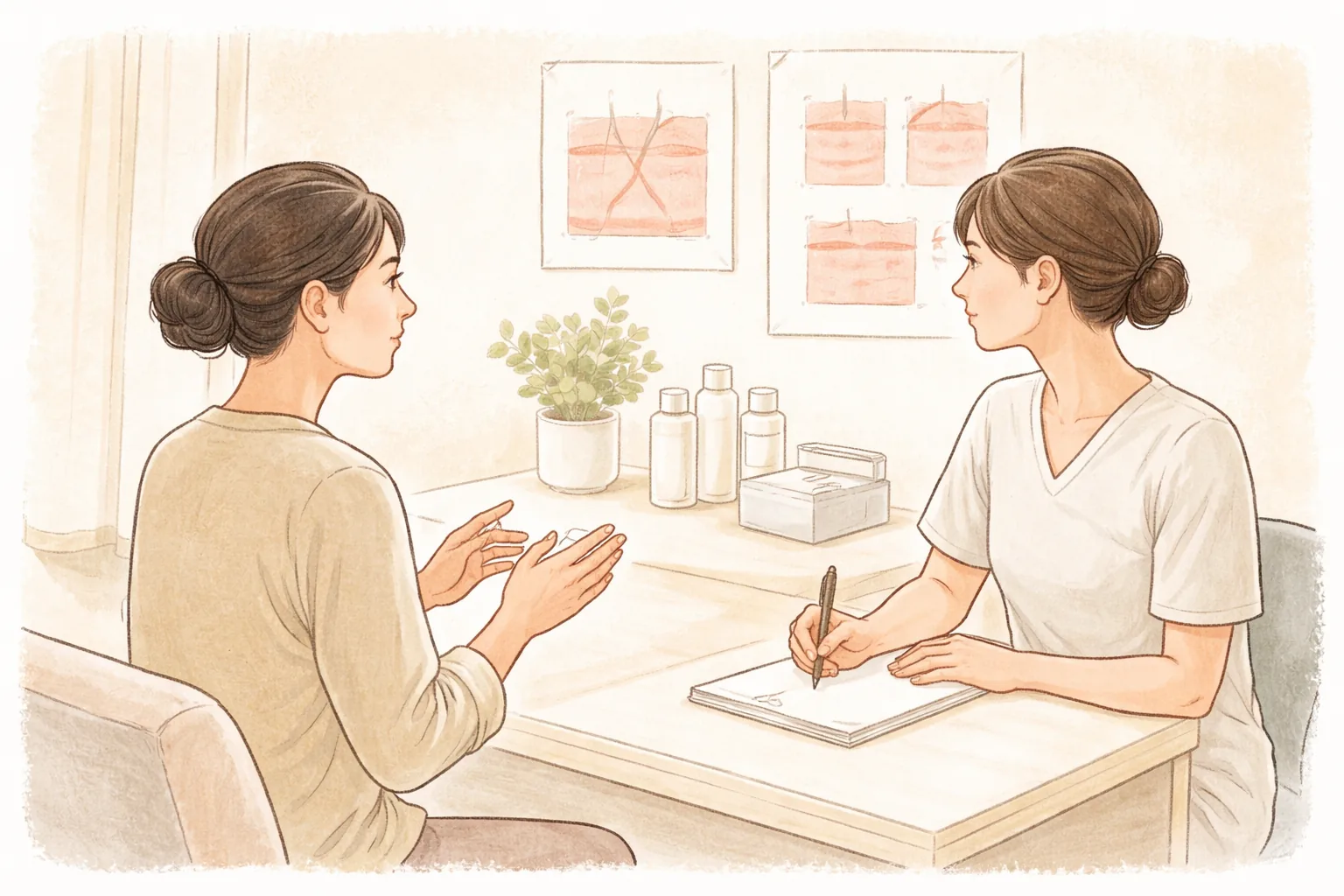
Direction set in doctor consultation — The record plus your concerns, lifestyle habits and previous treatment history are used to decide together what is needed and what is not, and in what order and intensity.
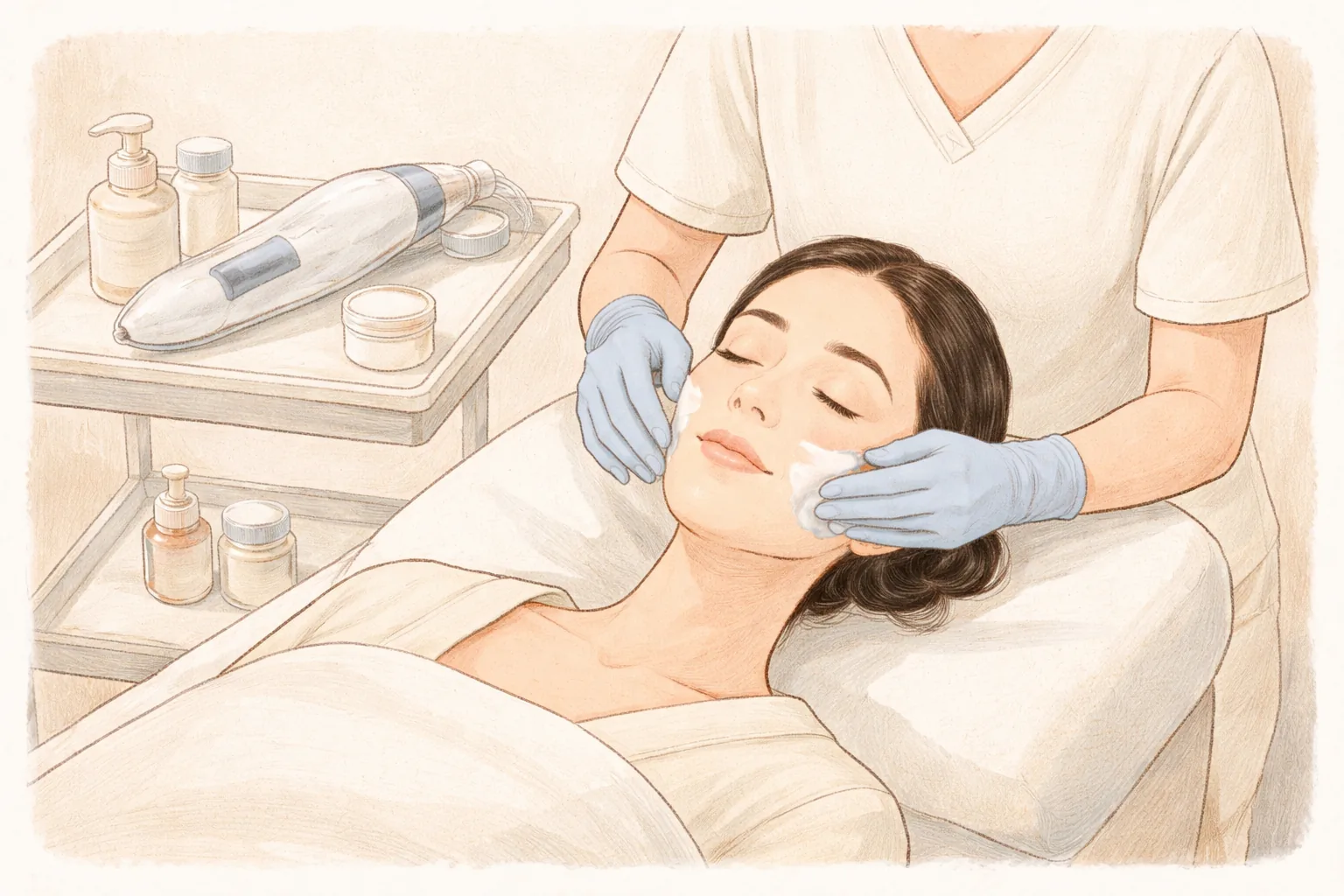
Treatment performed directly by the doctor — Topical anesthesia is used as needed to reduce discomfort, the doctor performs the treatment directly, and treatments beyond what is needed are not recommended. We follow the principles of genuine products, accurate dosing and fair pricing.
The devices used for this topic include Potenza (N tip, pumping tip) and erbium fractional for surface resurfacing, and the selection and combination differ depending on the cause of the concern. The lineup is set out in the treatment and pricing guide.
Aftercare and Side Effects
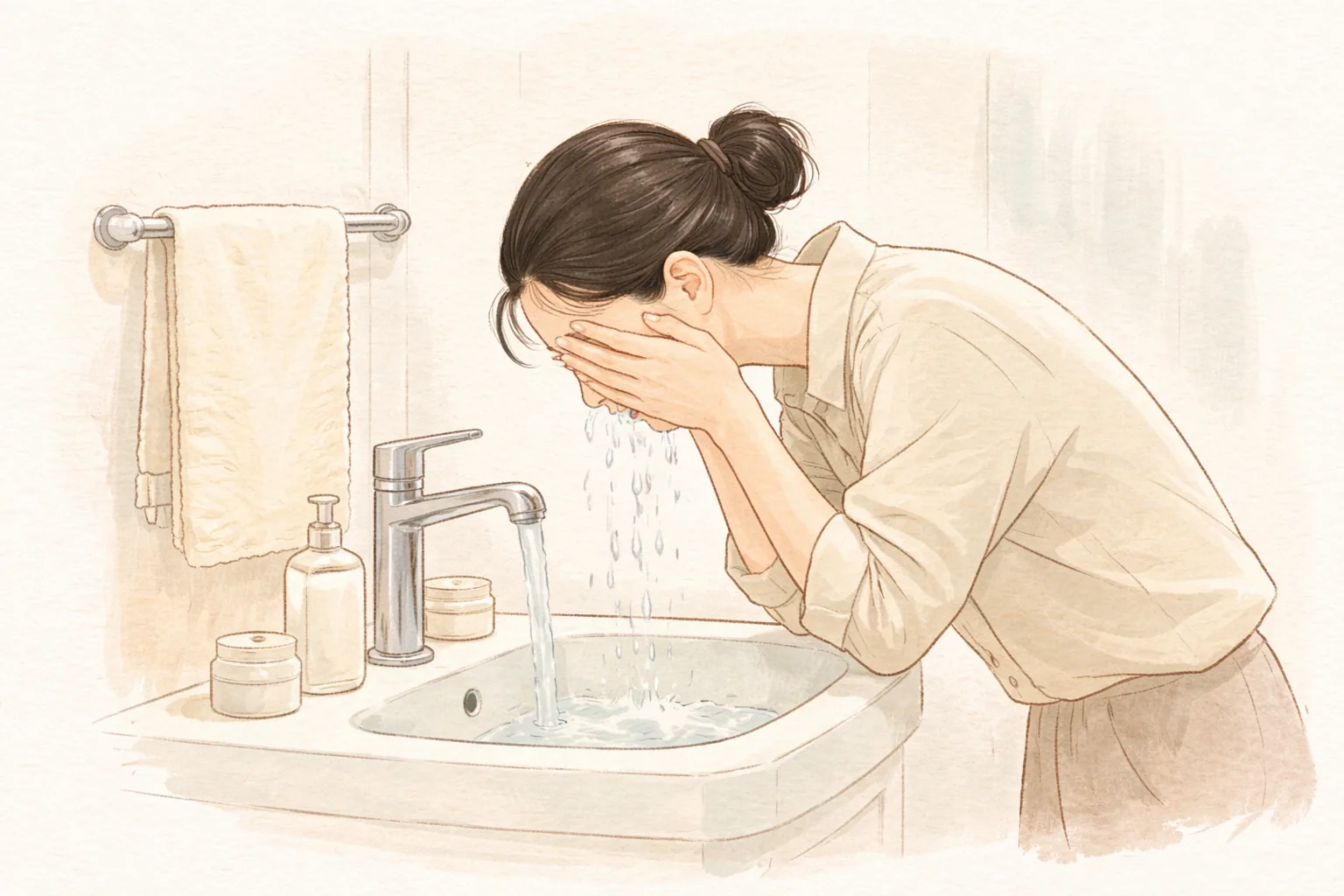
Calming — On the day of treatment, avoid saunas, jjimjilbangs, intense exercise and heavy drinking, and wash with lukewarm water.
Moisturizing — If dryness remains, texture can look rough, so apply the moisturizer you are given frequently.
Sun protection — Apply sunscreen carefully so pigment does not remain, and pause exfoliation during the recovery period.
Checking progress — We set the next schedule and intensity by watching how quickly redness and marks subside.
Common reactions are redness, swelling, dot-shaped marks, dryness and thin crusts, and they usually settle within several days to 1 week. Temporary pigmentation or breakouts can occur, and rarely burns, infection or scarring can occur. If a skin booster was done together, bruising and swelling at injection sites are common, and nodules or allergic reactions can rarely occur. This list is based on ATTITUDE Clinic's column summarizing reactions after Potenza treatment.
There are also signals where it is better to check rather than wait for the next appointment. These include pain that keeps worsening, blisters, or redness or pigment changes that last longer than expected. After laser, energy device or injection treatments, redness, swelling and tenderness when pressed are common, but pain that does not improve and worsens is a change different from what is expected.
Frequently Asked Questions
What is the difference between Potenza and fractional laser?
The layers they target are different. Potenza delivers RF heat into the dermis with needles to target collagen regeneration, while surface treatments such as erbium fractional finely ablate the outer skin to refine texture. So which layer to address first depends on whether enlarged pores come from sebum, elasticity or scarring. This is also why the two treatments are spaced apart rather than overlapped on the same day. Which one suits your skin is decided after identifying the cause in consultation.
When do Potenza microneedling results start to show?
Collagen stimulated by RF takes time to be newly produced, so changes appear gradually even after redness subsides. Because the rate of collagen loss and regenerative capacity differ from person to person, when you feel the difference also varies. The several days during which dot-shaped marks and dryness clear up are considered the recovery period, and after that we observe how texture changes. Rather than judging from a single result, comparing responses across several sessions under the same conditions helps in planning the next step.
When can I wash my face and wear makeup after treatment?
The standard is your skin's response rather than time. When redness and dot-shaped marks subside and stinging disappears, it is common to start with gentle cleansing. During recovery, avoid saunas and exfoliation and keep up moisturizing and sun protection. Since rubbing is irritating, apply makeup lightly by patting, and if marks have not yet healed, it is safer to follow the doctor's guidance.
What concerns is Agnes used for?
Agnes is the name for using Potenza focused on a narrow area, an option raised in consultation when targeting trouble in a specific area rather than evening out texture across the whole face. Acne has various causes, so not every troubled skin type needs this approach; the type of acne, degree of inflammation and skin thickness are considered together to decide whether to apply it and at what intensity. Even for the same area, the approach differs depending on whether inflammation is active or settling. If pores and texture over a broad area are also a concern, the direction shifts toward combining other tips or surface treatments.
What should I check when choosing where to get treatment?
The American Academy of Dermatology recommends hearing explanations of indications, risks, benefits and alternatives in consultation, and asking how often the person performing the treatment has done it. Two more things are worth checking. Whether they first tell you what is not needed, and whether there is a channel to check with if you are uncomfortable after treatment. The standard is where someone explains the cause of your concern, not the list of device names. Results depend on how the treatment is designed and performed, so confirming that flow in consultation is the starting point.
At a Glance
Table 2 At a Glance
Item
Key point
Agnes and Potenza
Not separate devices but a way of focusing Potenza on a narrow area
Principle of Potenza
Fine needles deliver RF to the dermis to target collagen regeneration
Difference from fractional
Heat in the dermis versus fine surface ablation, different target layers
What determines results
Starting skin condition, tip, depth and intensity, and the performer's experience
Texture of recovery
Redness, dot marks and dryness for several days to 1 week
What to decide in consultation
What is needed and what is not, order and intervals, working back from your schedule
This article offers general health information. It is not a substitute for diagnosis or treatment based on your own condition, so please talk through your situation with a doctor.