Re2O vs Rejuran: What's the Difference Between These Skin Boosters?
Rejuran (PN) and Re2O (hADM) work in different ways — one signals collagen production, the other replenishes dermal scaffolding. This guide covers how Re2O vs Rejuran vs Juvelook-style options differ, what determines pain and downtime, and how to plan around a short stay in Korea.
Written by ATTITUDE Clinic Editorial Team
Many people have heard of Rejuran but aren't familiar with Re2O. Search the two names side by side and the explanations get tangled. When your stay in Korea is short, it's even harder to decide which one to book first. This article walks through how the two treatments differ in what they place in the dermis, what determines the pain and recovery, and what to decide first when planning around your travel schedule.
The Bottom Line First
Rejuran and Re2O both belong to the skin booster family, but what they place in the dermis is different. Rejuran delivers PN (polynucleotide, a component that sends regeneration signals to cells) to induce collagen production, while Re2O directly replenishes the ECM (extracellular matrix, the structure that supports the skin) contained in hADM (human acellular dermal matrix). So it's hard to rank one above the other. If hydration and skin texture are your goals, Rejuran is typically considered; if your main concern is skin that feels thinner and less firm, Re2O is discussed in consultation. Pain and recovery depend more on injection technique, area, and that day's skin condition than on the material itself.
Within the Same Skin Booster Family
Skin boosters is a collective term for injectable treatments that are placed directly into the dermis to manage the skin's foundation. In the ATTITUDE Clinic column, this category is explained by dividing it into PN and HA. According to the ATTITUDE Clinic column, PN activates cellular regeneration signals to help fibroblasts produce collagen on their own, while HA (hyaluronic acid) attracts moisture to add hydration and volume. Rejuran is a PN-category product within this group. Its defining trait is that it stimulates the skin's own production capacity, and once the stimulation ends, the effect gradually fades, so the typical approach is several sessions followed by maintenance treatments.
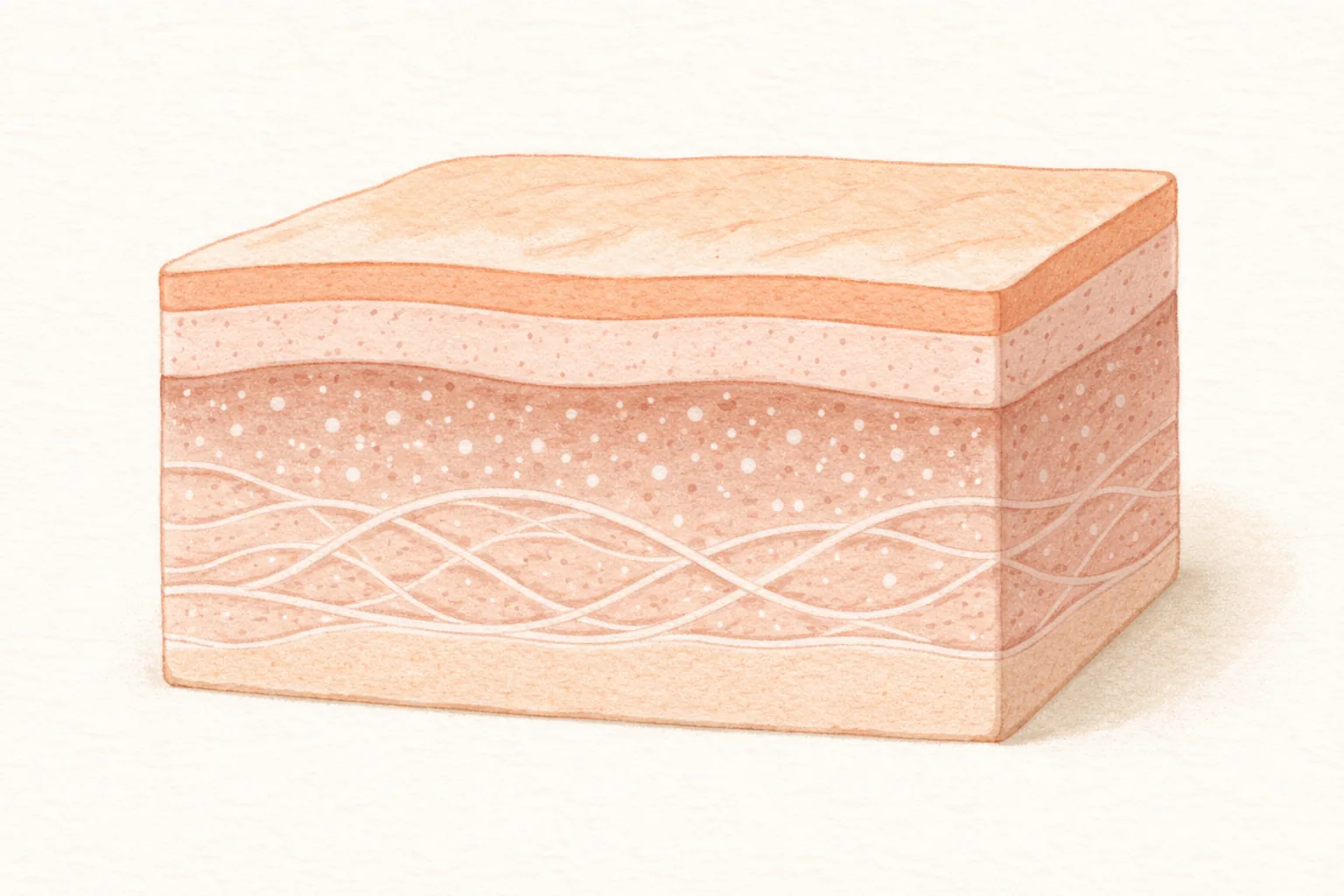
Re2O starts from a different point. The dermis contains an extracellular matrix that fills the space between cells, and its main components are collagen, elastin, and hyaluronic acid. With age, this structure diminishes, and the skin begins to thin and sag. Re2O is a product made by removing cellular components that could trigger immune reactions from donated human skin tissue and finely processing the remaining structural hADM; it is described as acting as a scaffold in the dermis and potentially helping new collagen formation. How much remains and how long it lasts is still being studied.
In one sentence: Rejuran sends a signal for the skin to build on its own; Re2O first fills in the materials to build with. It's closer to the difference between fertilizing a garden and adding soil itself.
What Determines Results — 'Induction' vs 'Replenishment'?
Even with the same product, results vary because of conditions rather than the material. First is skin thickness and area. Cheeks and forehead, where tissue is thicker, feel different from under the eyes, where it is thin, even at the same volume. Next is injection amount and depth. Even in the same 1 session, how much goes into which layer changes the plumpness and the extent of the change. Number of sessions and intervals are also variables. The ATTITUDE Clinic column advises that the number of sessions is decided based on skin condition, area, and volume, and that PN and HA skin boosters are usually given over several sessions at 2–4 week intervals, followed by maintenance treatments. Re2O is also usually planned over several sessions, and how long it lasts varies greatly between individuals. Finally, post-treatment habits matter. Basic care like sun protection and hydration affects how long changes last.
A common misunderstanding arises here: thinking Re2O is an upgraded version of Rejuran, or that collagen injections mean collagen accumulates that same day. Re2O doesn't induce collagen but replenishes the structure, so its purpose is fundamentally different. And the plump feeling right after injection is largely temporary swelling. Any change appears gradually over days to weeks, and the degree varies greatly from person to person.
What Does Pain Depend On?
Pain is determined more by injection conditions than by the product name. Even with the same Re2O, the experience varies with which facial area, what depth, how anesthesia is handled, and how sensitive the skin is that day. Thin-skinned areas feel sharper even at the same intensity, and larger volumes leave a longer-lasting pressure sensation. So it's hard to conclude that one is more or less painful based solely on whether it's Rejuran or Re2O. Checking the injection technique and anesthesia method together in consultation is closer to reality.
Common reactions after Re2O treatment can be organized by timeline. Redness and stinging subside within a few hours to the same day, and temporary volume and mild swelling settle within 1–3 days. Bruising, if it occurs, can take 1 week or more to fade, and the injection area may feel uneven for a while. Bruising is a common reaction from injectable treatments, so it's best to let your provider know in advance if an important event is coming up.
What to Decide First for Your Korea Stay
In a short stay, the first thing to look at is not the magnitude of the effect but the recovery time. With Re2O, redness and swelling usually settle within a few hours to 3 days, but bruising can last 1 week or more. If you have a return flight, photo shoot, or ceremony within 2–3 weeks, it's better to set the treatment date earlier and leave buffer time in case bruising occurs.
Next, decide on your purpose. If internal dryness and skin texture are the main concerns, a skin booster that addresses hydration and texture, like Rejuran, can be considered first. If the skin feels thinner and volume-depleted, Re2O can be reviewed in consultation. The two treatments are tools that can be combined or sequenced depending on the goal. In the ATTITUDE Clinic treatment guide, Rejuran Healer and HB, S, and Eye, along with Re2O (Elravie Re2O), are listed as separate items, and there are additional adjuncts like the exosome covered in the exosome column that are added after surface-opening treatments.
Table 1 What to Decide First for Your Korea Stay
Category
What Goes Into the Dermis
Primary Concerns Addressed
Common Post-Treatment Reactions
Rejuran (PN category)
PN — regeneration signals that induce collagen production
Hydration, skin texture, maintenance of fine lines
Injection-site reactions such as redness, swelling, bruising
Redness/stinging from a few hours to same day, swelling 1–3 days, bruising possibly 1 week or more
Exosome (adjunct)
Regeneration-signaling substances secreted by cells
Recovery support after surface-opening treatments
Redness, itching, swelling, irritation
Swipe sideways to see the whole table.
In summary The two treatments differ in material and are not substitutes for each other, and the direction of your concern determines the choice. For a short stay, calculate recovery time first, and discussing your goal and schedule together in consultation keeps your plan from wavering.
If This Applies to You
When your return flight or shoot is 2–3 weeks away
Set the date based on the fact that bruising can last 1 week or more. Rather than squeezing the treatment right before your event, place it at least 2 weeks ahead and keep buffer time on the last day so your schedule doesn't get disrupted.
If you're visiting Korea for only 3–5 days
During your stay, completing consultation and treatment in one visit is realistic. However, since there's no time to check progress after treatment, it's better to decide in advance how you'll contact the clinic if any symptoms appear after you return home. Let them know at the booking stage whether you need interpretation or written instructions.
If your skin is sensitive or prone to redness
Even with the same volume, redness may linger longer. Informing them of your recent treatment history and your usual degree of redness helps them adjust energy and volume. Re2O is made from donated human tissue, so also check whether you've ever reacted to tissue-derived products.
If it's your first skin booster, or if multiple sessions have left you unsatisfied
If it's your first time, starting with something that addresses hydration and skin texture is less burdensome. Conversely, if multiple sessions have brought little change, a method that replenishes the dermal structure itself can be considered. Which is right for you is determined by examining your skin.
Tell them before your consultation Let them know about recent sun exposure and outdoor plans, medications you're taking (including blood thinners), use of acid or retinol products on your skin, any history of prolonged redness or bruising from previous treatments, autoimmune conditions and pregnancy/breastfeeding status, and whether you've ever reacted to tissue-derived products. If you have an unavoidable event like a return flight or ceremony, mention that too.
How ATTITUDE Clinic Proceeds
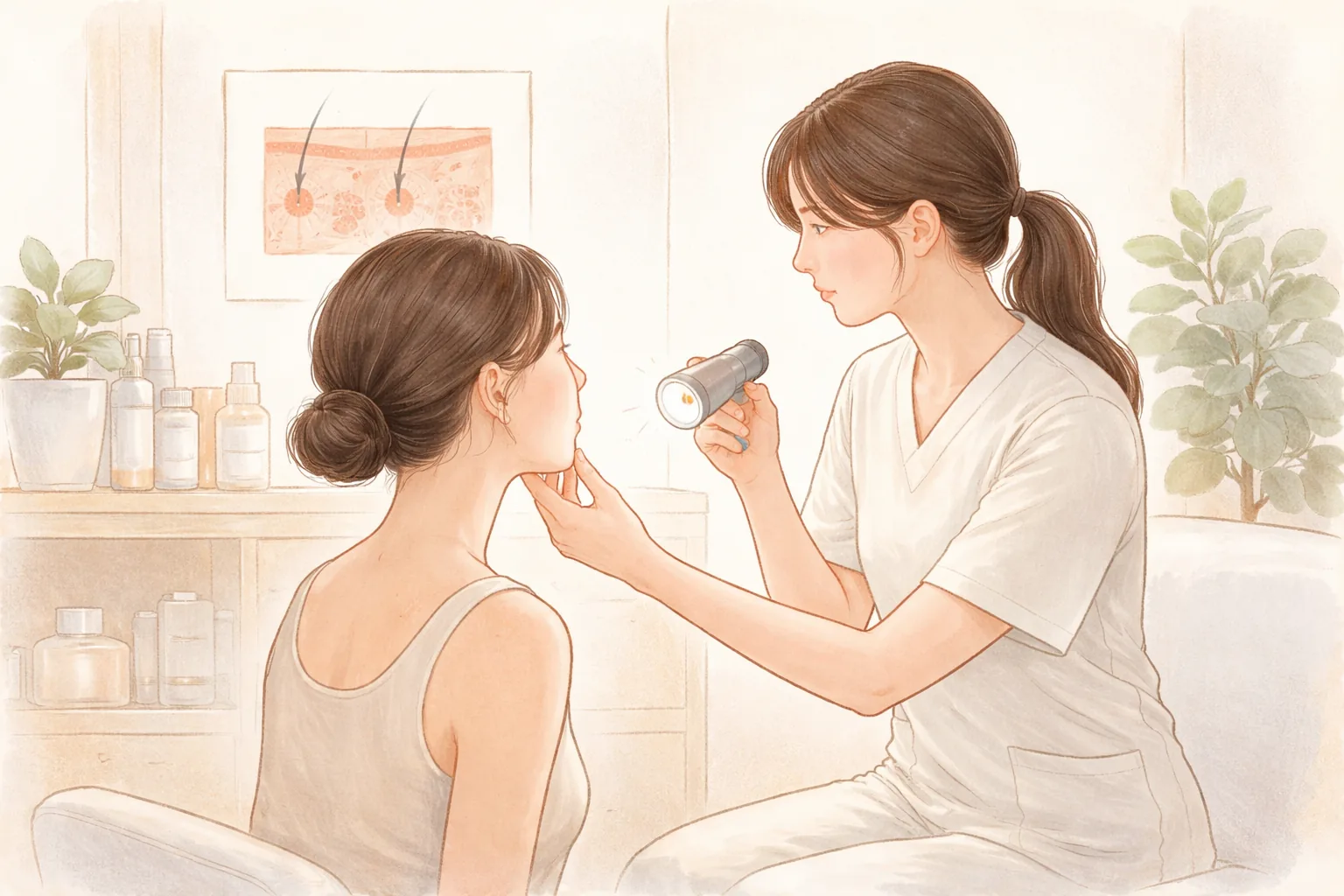
AI skin analysis record — Your skin is photographed and recorded numerically for use in consultation. This record is a tool for organizing and comparing information and does not itself replace a diagnosis.
Medical consultation — Your current skin condition, concerns, and stay schedule are reviewed together, and it's decided whether Rejuran or Re2O is right for you, or whether to combine them.
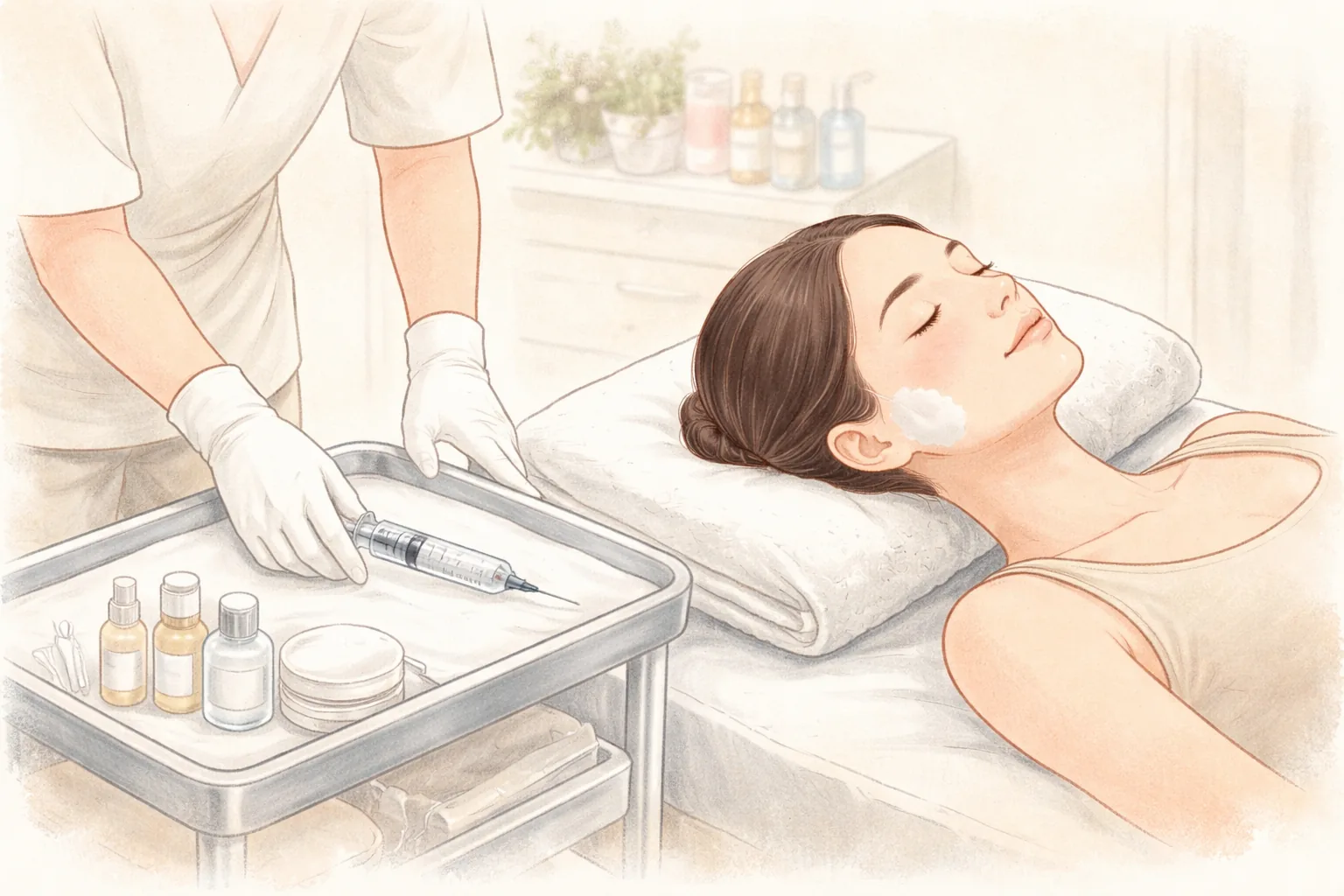
Treatment — The treatment is performed according to the decided volume and areas. Injection technique and anesthesia method are adjusted on the spot based on skin thickness and sensitivity.
Recovery and aftercare guidance — Post-treatment precautions and progress check timing are explained. Individual diagnosis and planning are decided directly by the medical team during the consultation.
In the ATTITUDE Clinic treatment guide, Rejuran Healer and HB, S, and Eye, Re2O (Elravie Re2O), and the exosome used alongside surface-opening treatments are each listed as separate items. You can see which products are offered on the treatments and pricing page.
Aftercare and Side Effects
You can follow these in order starting the day of treatment.
Soothing — Do not press or massage the injection area firmly. Physical stimulation before the product settles in the dermis can lead to uneven distribution. Avoid strenuous exercise, saunas, and alcohol on the same day.
Washing and makeup — Wash your face gently starting 4–6 hours after treatment, and start makeup the next day.
Sun protection — Reapply sunscreen carefully throughout the recovery period. Sun exposure also affects how well changes are maintained.
Progress check — Monitor how swelling, pain, and any unevenness change. If unevenness persists for a while, inform the clinic.
Common reactions are redness, stinging, swelling, tenderness when pressed, and bruising. Less commonly, infection, allergic or foreign-body reactions, or small lumps (nodules) can occur. Rarely, the injected product can block or damage blood vessels, so if you have worsening pain, if the skin at the injection site turns white, mottled, bluish-gray, or black, or if you notice vision changes, do not wait — seek medical care immediately. Also contact the clinic if swelling, pain, or fever persists.
In filler consultations, there is a process to confirm together whether the treatment is right for you and whether it can be performed safely. The American Academy of Dermatology guidance also emphasizes this verification process.
Frequently Asked Questions
What is the biggest difference between Re2O and Rejuran?
The material placed in the dermis differs. Rejuran delivers PN to induce collagen production, while Re2O directly replenishes the collagen, elastin, and hyaluronic acid contained in hADM. So Re2O isn't a superior version of Rejuran but a tool with a different purpose. If internal dryness and skin texture are concerns, Rejuran is considered first; if the skin feels thinner and less firm, Re2O is looked at first. Reviewing skin thickness, area, and previous treatment reactions together makes it clearer which is right for you.
Is Re2O less painful than Rejuran?
Pain isn't determined by the product alone. It's the combined result of skin thickness at the injection area, injection depth and volume, anesthesia method, and individual sensitivity. Even with the same Re2O, densely injecting a thin area stings more, while sufficient anesthesia reduces discomfort. Asking in consultation about the technique, depth, and anesthesia approach helps you form an expectation based on your own situation.
When do effects appear and how long do they last?
With Re2O, a plump feeling comes first right after treatment, but this is partly swelling and subsides over a few days. Any change appears gradually over the following weeks, and the degree and timing vary greatly between individuals. It's usually planned over several sessions with maintenance treatments considered afterward, and how long it lasts varies greatly between individuals, with long-term data still limited. Sun protection and hydration habits also affect maintenance.
How is this different from volume fillers?
Hyaluronic acid fillers work by having the injected substance itself fill the area and then gradually break down and be absorbed over time, while Re2O is an ECM-based product described as acting as a scaffold in the dermis and potentially helping new collagen formation. The goals also differ: fillers correct volume in specific areas, while Re2O targets the skin's own texture and firmness. The choice depends on whether your concern is volume or skin texture.
What should I look for when choosing a clinic for this treatment?
Start by checking which product is used, how much is injected per session, and how injection technique and anesthesia are handled. Since Re2O is made from donated human tissue, also check how they screen for autoimmune conditions and any history of reactions to tissue-derived products. Whether they provide a contact channel for post-treatment issues and a progress check schedule, and whether they explain aftercare for after you return home if your stay is short, are also helpful in deciding. There's no set standard for which clinic is best, so it's better to choose one that answers these points clearly.
At a Glance
Table 2 At a Glance
Item
Key Point
Rejuran
PN category. Induces collagen production via regeneration signals
Re2O
Directly replenishes hADM's ECM in the dermis
Which is better?
Not superiority but difference in purpose. Rejuran for hydration/texture, Re2O for thickness/firmness
Pain
Determined by injection site and depth, volume, anesthesia, individual sensitivity
Recovery
Redness/stinging from a few hours to same day, swelling 1–3 days, bruising possibly 1 week or more
Scheduling
If an important event is within 2–3 weeks, set the date earlier and leave buffer time
This article offers general health information. It is not a substitute for diagnosis or treatment based on your own condition, so please talk through your situation with a doctor.