Rejuran Skin Booster: When Results Show and How Long They Last
How the Rejuran skin booster (Rejuran PDRN) works, when changes appear after treatment, and what affects how long results last — including post-treatment bumps and swelling, 2–4 week course spacing, pain and recovery, and how to judge progress at ATTITUDE Clinic in Gangnam, Seoul.
Written by ATTITUDE Clinic Editorial Team
Many people ask after Rejuran injections "when will I see results" and "how long does one session last." When the face looks puffy right after treatment it's hard to tell whether that's a good sign or not, and around two months later it can feel like things have gone back to how they were. This article walks through what the PN skin booster does in the skin, the order in which changes appear, the conditions that affect how long results last, and how to judge your progress.
The short answer
Rejuran is not a treatment that adds volume to fill hollow areas — it is a skin booster in which PN (polynucleotide, an ingredient extracted and purified from salmon and other sources) helps the skin recover on its own. So the plumpness right after treatment is usually just bumps and swelling from the injection itself, and actual changes in skin condition show up gradually after that reaction settles. When changes appear, how pronounced they are, and how long they last vary with skin condition and lifestyle, so rather than judging from 1 session, a realistic plan is to build several sessions spaced 2–4 weeks apart and then move into maintenance treatments.
What Rejuran does inside the skin
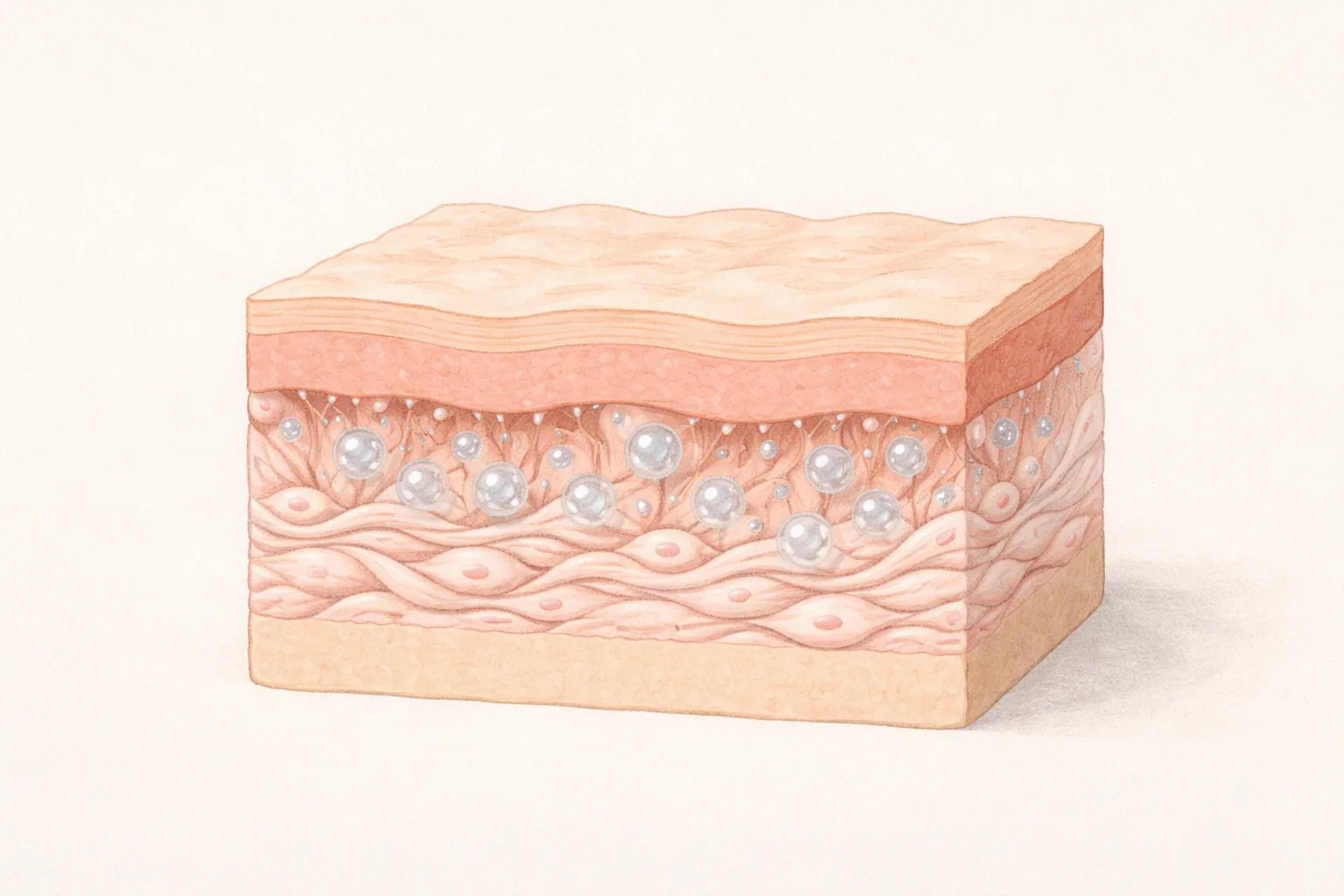
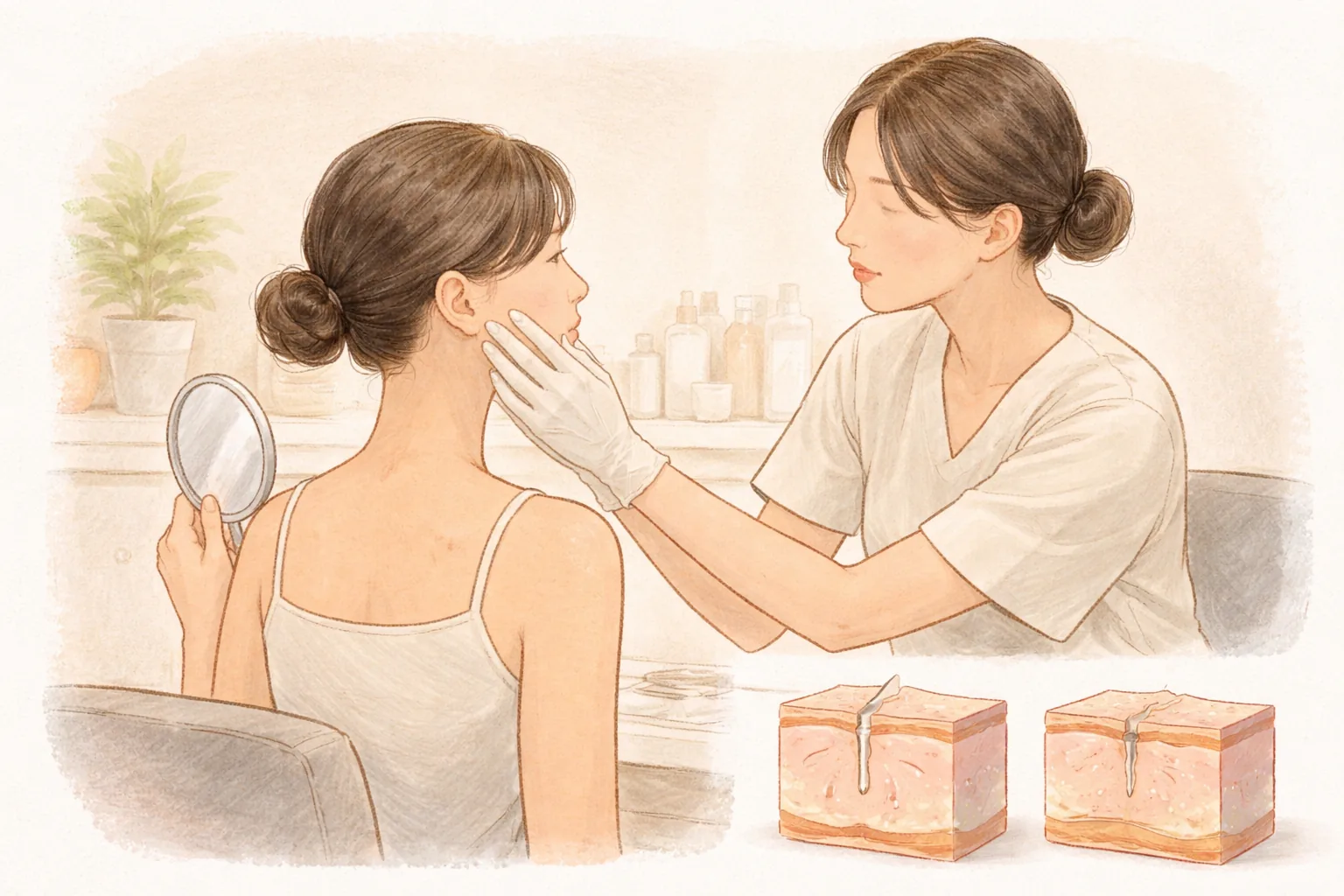
When PN is injected into the dermis (the layer where collagen is produced), it is known to support the response that repairs damaged tissue and to stimulate the cells that make collagen (ATTITUDE Clinic column). In effect, it creates signals in the skin similar to the process by which our body heals a wound on its own.
Even among skin boosters, what each one does differs by ingredient. HA (hyaluronic acid) types attract water to add moisture, while PN types send recovery signals aimed at fine lines, skin texture, and elasticity. That's also why many products combine both ingredients — the goals are different. Rejuran is a PN formulation, a separate treatment from the HA-based hydration injections known as skin boosters ("water glow" injections).
So why do changes seem hard to see right after treatment? Because it takes time for the injected ingredient to produce collagen, and the plumpness on day one is mostly the volume of the ingredient itself plus swelling. Once the regeneration signals begin, skin texture and elasticity gradually change over the following weeks.
When will you feel the effects?
Right after treatment it's actually hard to feel a big change because of swelling. The typical pattern is that swelling and bumps subside over a day to several days, after which changes appear gradually over weeks. Timing, degree, and how long results last differ from person to person.
There's one point that's easy to confuse with fillers. The American Academy of Dermatology's filler guide notes that most fillers show results immediately and that only the poly-L-lactic acid type takes 2–3 weeks (AAD). That table describes fillers in general and doesn't apply directly to Rejuran. Still, it helps explain where the expectation that "injections change things right away" comes from, and why a PN skin booster follows a different pattern.
Why the timing of what you feel varies comes down to how fast collagen is built versus broken down, which differs by person. The older you are, and the more skin aging has progressed from UV exposure or smoking, the faster the collagen that has been built tends to be lost. That's why it's better to approach this as ongoing care rather than a single session.
How many sessions, and at what interval?
Skin boosters are usually done as several sessions spaced 2–4 weeks apart, after which the interval widens into maintenance treatments. A single session alone gives limited and temporary effects. The number of sessions and the interval depend on skin condition, the areas of concern, and the product used, so they are set at the first consultation after examining the skin. At ATTITUDE Clinic, we guide you on when to return based on the recommended schedule after treatment.
If you stop after one session, changes don't accumulate. On the other hand, if the interval is too short, the skin has no time to recover and swelling and irritation overlap. So it's common to keep to a set interval for the first course, then extend the maintenance cycle while watching your skin condition.
Dosage units and the range each product is used for also differ. ATTITUDE Clinic's treatment and price guide lists Rejuran Healer 2cc, Rejuran HB 1cc, Rejuran S 1cc, Eye Rejuran 1cc, and Rejuran HB lips 1cc individually (treatments and pricing). Whether the plan covers the whole face broadly or focuses on thin areas like around the eyes determines the product and dosage.
What affects how long results last
How long results last is usually described in terms of a few months, and varies from person to person. How long the synthesized collagen remains is influenced by factors like age, UV exposure, and smoking, and basic habits such as sun protection and hydration also play a role in how long changes are maintained (collagen injection column).
Treatment area and lifestyle are variables too. Even on the same face, thin areas like around the eyes and lips show swelling and bumps more readily, and areas with frequent expressions or friction can feel slower to recover. If you've had a slow-recovery experience before, mentioning it first at consultation helps with planning.
(Note: The table below is organized by what each injectable treatment does and when changes appear. It's not a ranking of which is better — it just shows that the choice depends on the direction of your concern.)
Table 1 What affects how long results last
Treatment
What it does in the skin
When changes appear
Best for
PN skin booster (Rejuran)
Activates cell regeneration signals, helping fibroblasts build collagen on their own
Gradually over weeks after injection-related bumps and swelling subside
Fine lines, skin texture, elasticity
HA skin booster (skin booster / "water glow" injection type)
Attracts moisture to add hydration
Timing and degree vary by person
Dryness, dull skin tone
Re2O (allogeneic collagen)
Directly replenishes the dermis with an ECM structure made of collagen, elastin, and hyaluronic acid
Immediate plumpness is partly swelling that subsides over days; any changes emerge gradually over weeks
Skin that feels thinner and less elastic
Exosomes
Send regeneration signals to cells; they do not replace the treatment itself
Mostly the recovery course of the treatment itself; how much they add is not yet established
Recovery support after laser or microneedling
Swipe sideways to see the whole table.
In summary The results of Rejuran are judged more accurately not by how your face looks on treatment day, but over the weeks after bumps and swelling subside. The usual pattern is to build several sessions spaced 2–4 weeks apart, then continue with maintenance treatments matched to your skin condition. How long results last depends on age, UV exposure, and lifestyle.
How much pain and recovery is there?
Pain varies greatly with the treatment area and your personal pain threshold. Because the needle goes in many times, stinging may repeat. Areas close to bone with thin tissue, like the forehead, around the eyes, and around the lips, are more sensitive, while the cheeks and jawline are relatively less so.
The injection tool matters too. Injecting densely at many points with a fine needle means brief stinging repeated many times, while threading a thin tube with a rounded tip (cannula) to spread the product from within stings only on entry and is relatively less painful afterward. Which approach suits you is decided at consultation based on the area and your sensitivity.
Anesthesia methods are explained at consultation. For a day to several days after treatment, bumps (small raised marks) may remain along the injection points. During this period the skin's barrier is temporarily weaker, so you need to be more careful than usual with sun protection to recover without pigmentation.
If this applies to you
When a ceremony or shoot is a few weeks away
For several days after treatment, bumps, swelling, and redness may remain, so it's better to plan with a gap before important events. If your event is close, narrowing the treatment area or postponing until afterward are options you can weigh together at consultation.
If you want ongoing care
The first course is spaced 2–4 weeks apart, then the interval widens into maintenance treatments. The maintenance cycle depends on skin condition, season, and level of UV exposure, so rather than a fixed answer, it's adjusted while watching your progress.
Sensitive or easily reddened skin
If you've had redness that lingered long after a laser, tell us first at consultation. If you tend to feel pain and swelling strongly, the first step is a consultation to adjust the anesthesia method and treatment area.
If you are pregnant, breastfeeding, or taking medication
It is not recommended during pregnancy or breastfeeding. If you take medication that affects blood clotting, bruising may increase or recovery may differ, so tell us in advance. The timing of treatment is set again at consultation.
Tell us before your consultation Recent UV exposure (travel or outdoor activities), medications you take — especially those affecting blood clotting — allergy history, reactions after previous treatments, pregnancy and breastfeeding status, and upcoming important events. Having just these five things ready makes planning much faster.
How ATTITUDE Clinic proceeds
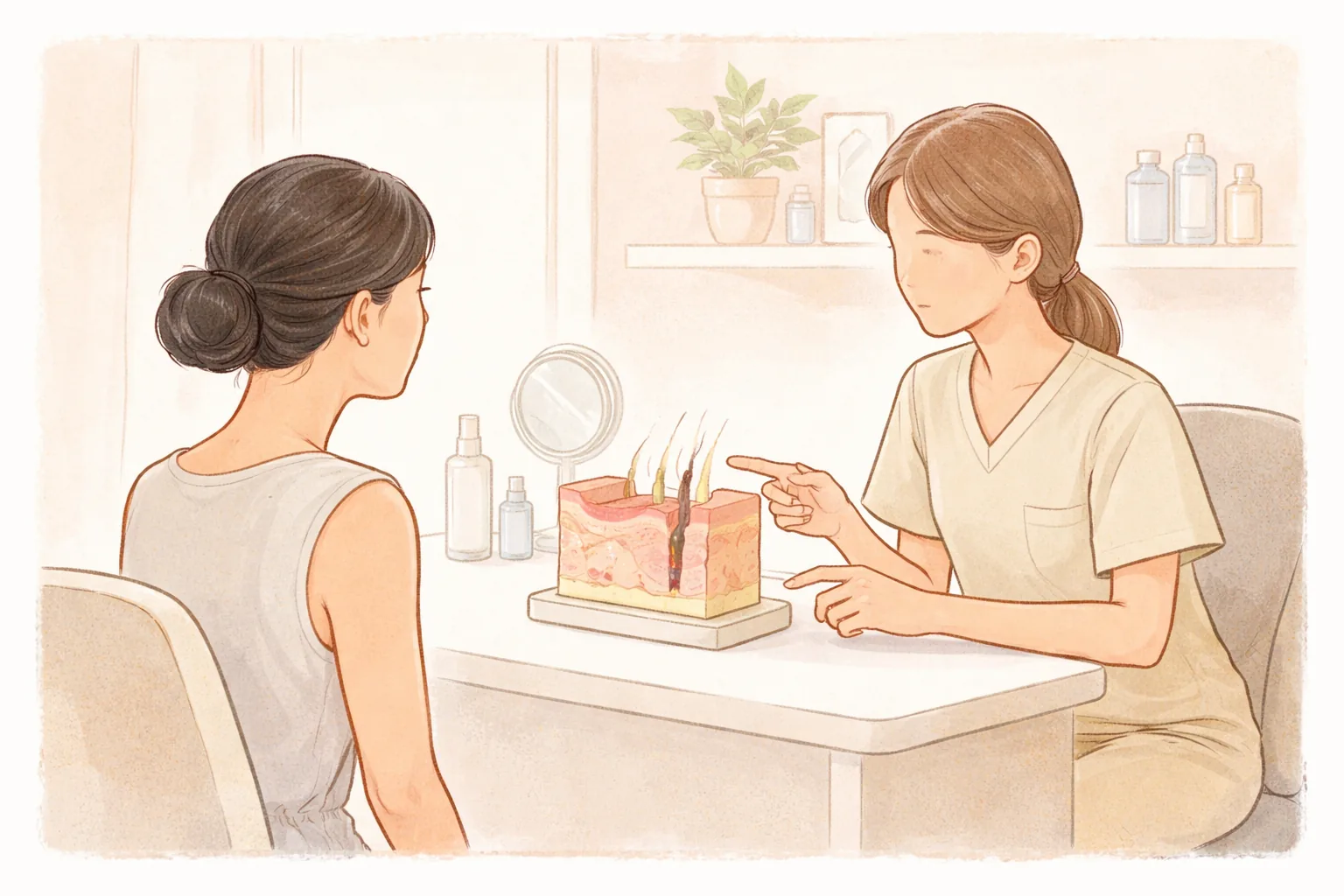
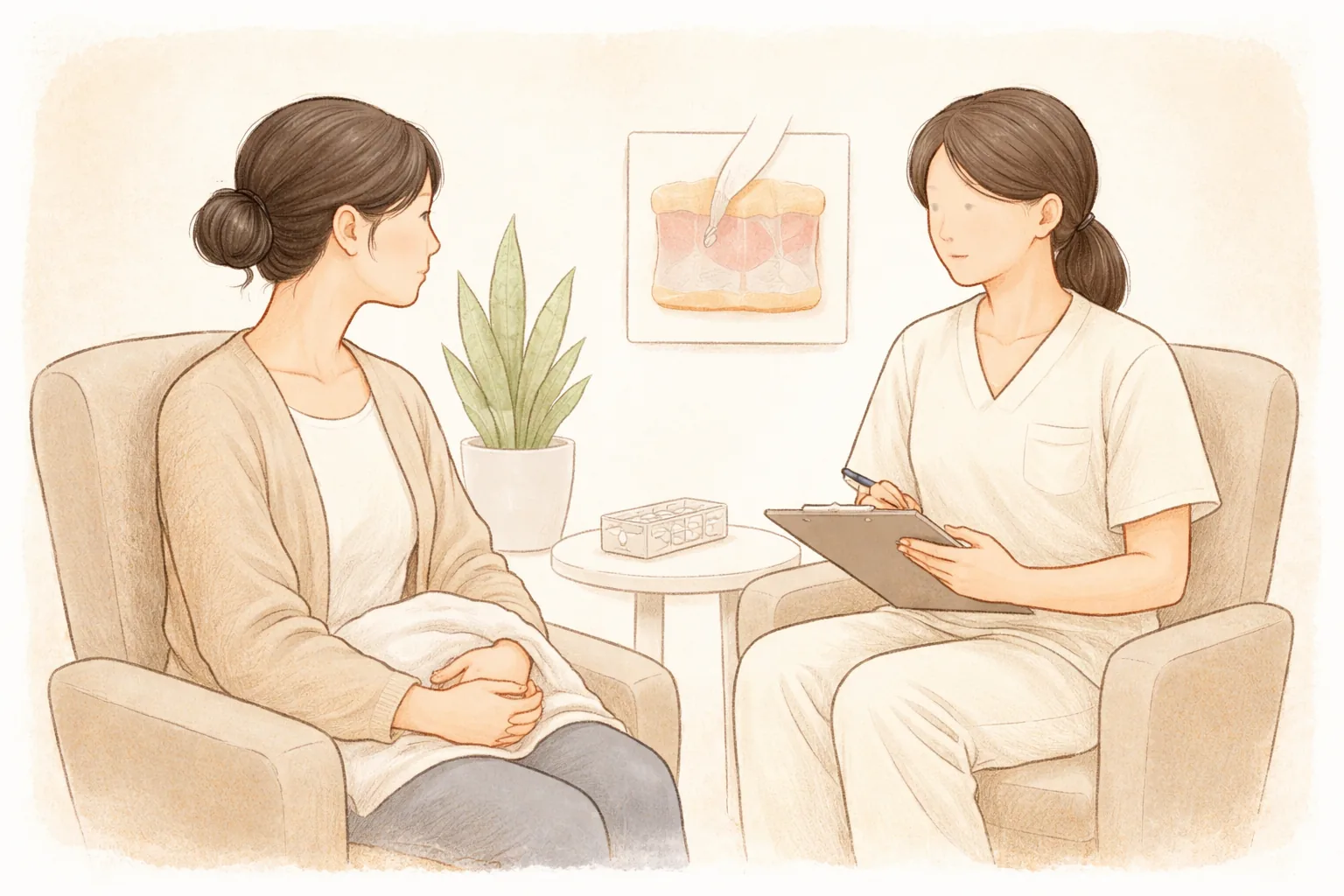
Check skin condition and concerns — At consultation we review your current skin condition, areas of concern, previous treatment experience, and recovery schedule. What we note is a record for planning, and whether to proceed is decided in the medical consultation.
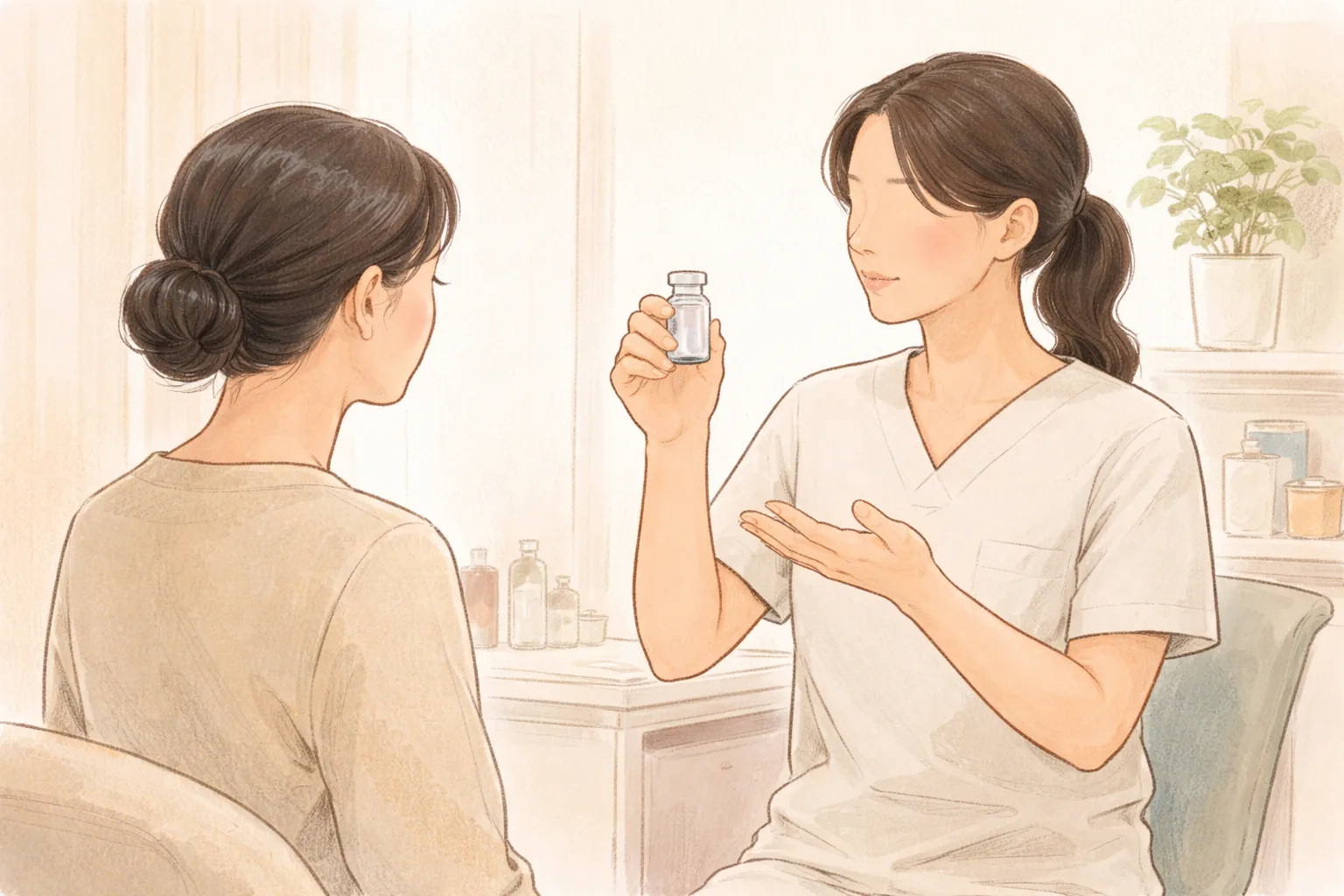
Explain the product and plan — We explain which product will be used at consultation, and set the treatment area, number of sessions, and interval after examining your skin. Since dosage units and application ranges differ by product, we confirm them together at this stage.
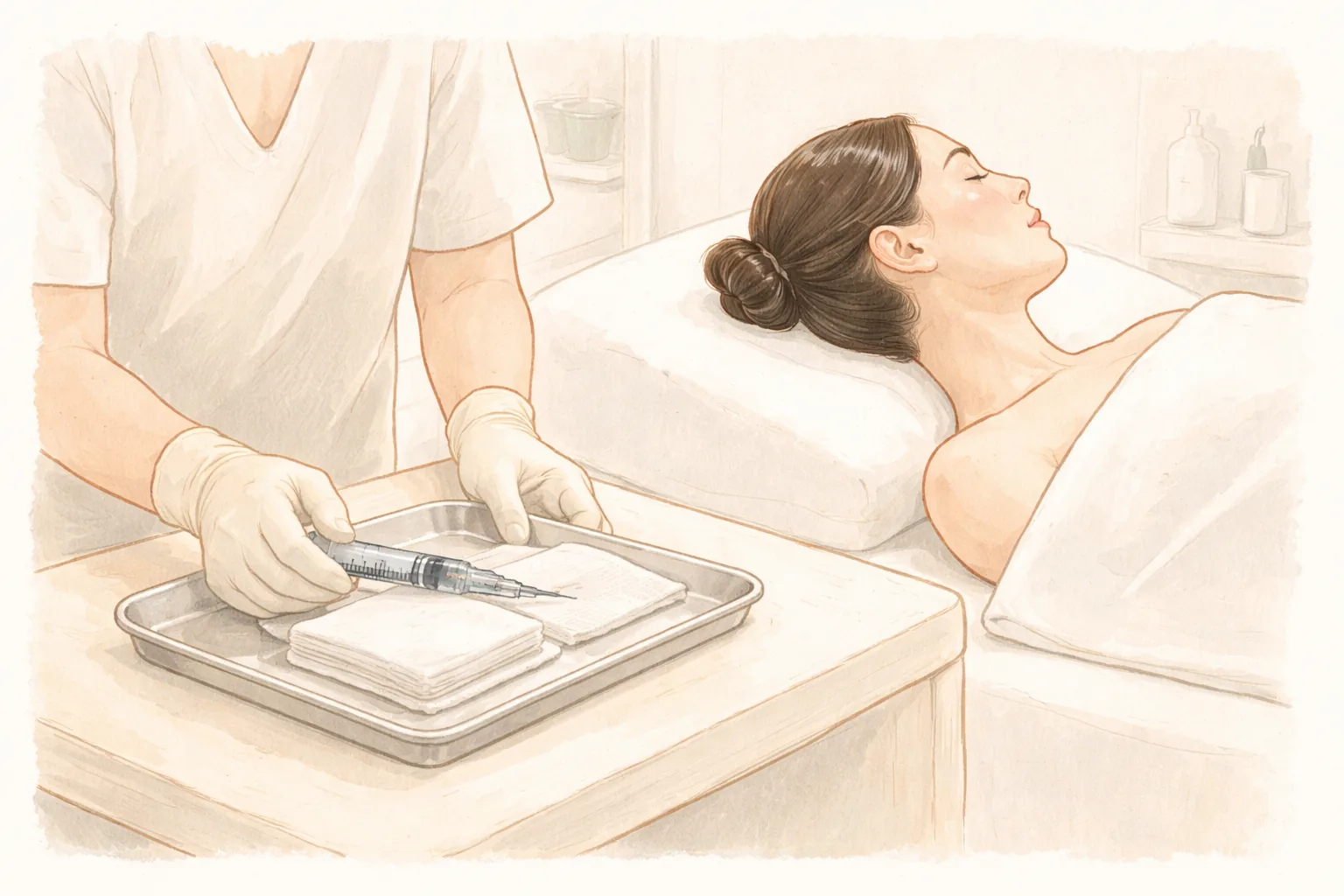
Treatment after medical consultation — Before treatment you consult sufficiently with the doctor, who also explains possible side effects. Pain and anesthesia methods are decided at this point.
Recovery and next visit guidance — After treatment we guide you on when to return based on the recommended schedule. The maintenance cycle is adjusted while watching your recovery.
The products we offer for this topic are Rejuran Healer, Rejuran HB, Rejuran S, Eye Rejuran, and Rejuran HB lips (treatments and pricing). Which product to use is decided at consultation after examining your skin.
Aftercare and side effects
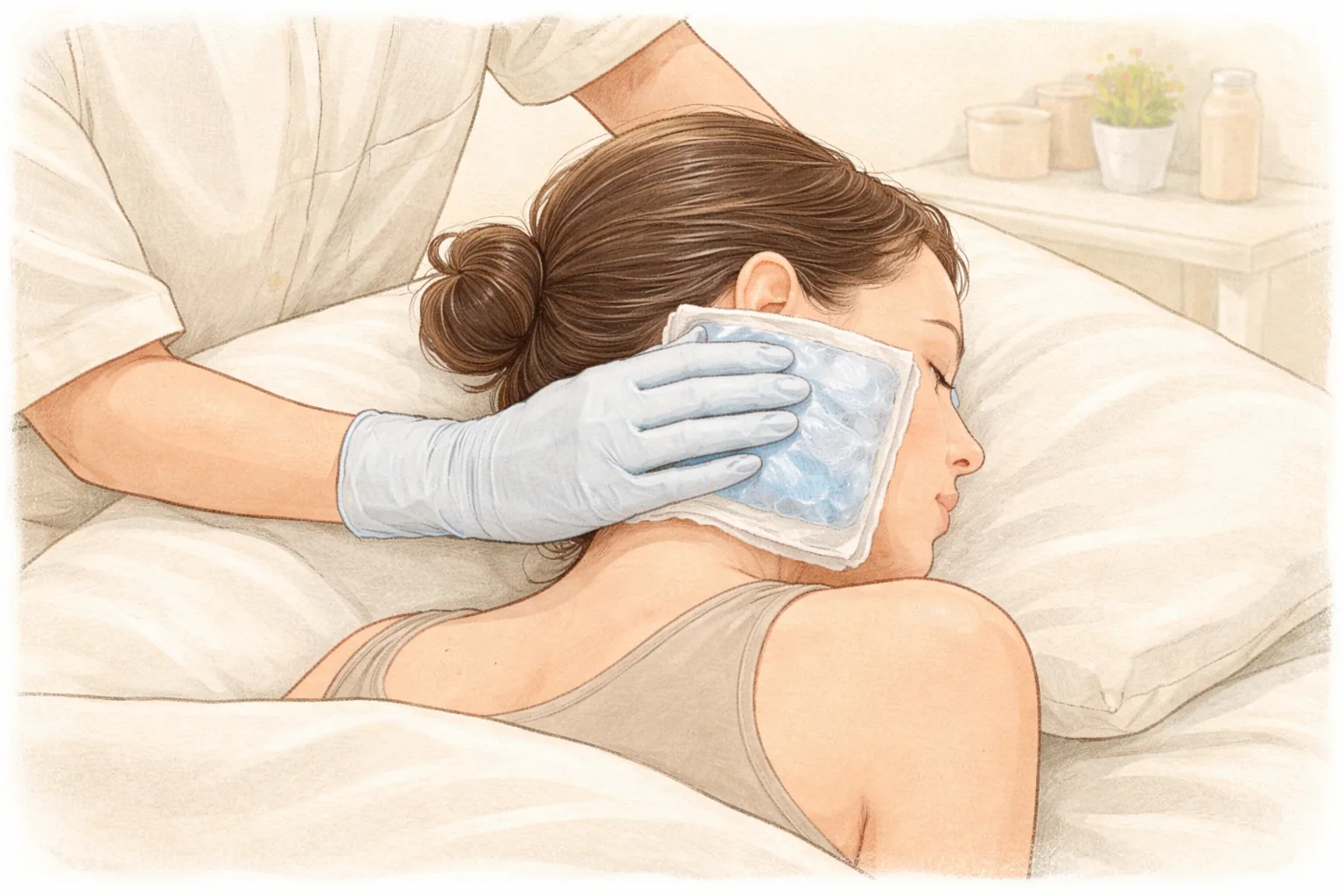
Soothing — If there is swelling, cold compresses may help; check the method with your clinician. Avoid saunas, strenuous exercise, and alcohol on the day of treatment.
Moisturizing — Basic habits such as sun protection and hydration play a role in how long changes are maintained.
Sun protection — For 2–3 days after treatment, apply more carefully than usual. This is when the barrier is weakened, and it's needed to prevent pigmentation.
Check your progress — See whether bumps subside within a few days and whether swelling and redness decrease. Makeup is often possible from the next day once the injection marks have closed, so confirm with your doctor.
Common reactions are bumps at the injection sites, redness, swelling, tenderness when pressed, and bruising. Bumps usually subside over a day to several days, and bruising can take more than a week to fade. Rarely, infection, allergic reaction, or small lumps can occur, and very rarely the injected ingredient can block or damage a blood vessel.
There are signals you should not wait on. If you have pain that is unusual or getting worse, if the skin at the injection site turns white or mottled, bluish-gray, or black, or if your vision changes, seek care immediately. If heat or swelling clearly persists for more than 1 week, it's safer to check in.
FAQ
After how many Rejuran sessions will I feel the effects?
Right after treatment it's hard to judge changes because of swelling and bumps. The usual pattern is that this reaction subsides over a day to several days, and then skin texture and elasticity gradually change over weeks. A single session alone gives limited and temporary effects, so a course is usually several sessions spaced 2–4 weeks apart. When you feel the effects varies with how fast collagen is built and broken down, so judge by your progress rather than by session count.
How long do results last?
It's usually described as a few months, with wide variation between people. The older you are, and the more skin aging has progressed from UV exposure or smoking, the faster the collagen that has been built tends to be lost. Basic habits such as sun protection and hydration also play a role in how long results last. That's why, rather than stopping after one session, continuing maintenance treatments matched to your condition is more realistic.
When do the bumps and swelling subside?
Small raised bumps may remain along the injection points and usually subside over a day to several days. Swelling decreases over a similar period, while bruising can last more than a week. The plumpness on the day of treatment settling down is the injected volume being absorbed, not the effect disappearing. How long you feel it varies with the area, injection volume, and skin thickness.
How much does it hurt, and how is anesthesia handled?
Because the needle goes in many times, stinging may repeat. Thin-tissue areas like the forehead, around the eyes, and around the lips are more sensitive, while the cheeks and jawline are relatively less so. With a cannula, only entry stings and pain afterward tends to be less. Anesthesia methods are explained at consultation, and treatment is not recommended during pregnancy or breastfeeding.
What should I look for when choosing a clinic for Rejuran?
First, see whether the consultation states clearly which product will be used. It also helps to confirm how many cc, in which areas, at what interval, and over how many sessions. Whether they ask about previous treatment reactions, medications you take, and your recovery schedule — and whether the doctor explains risks and possible side effects before treatment — are also useful criteria. If conclusions are presented without direct examination in the medical consultation, it's hard to verify the basis.
At a glance
Table 2 At a glance
Item
Key point
Key ingredient
PN — extracted and purified from salmon and other sources, supports the recovery response
When changes appear
After swelling and bumps subside over a day to several days, gradually over weeks
Sessions and interval
Usually several sessions spaced 2–4 weeks apart, then wider intervals for maintenance
How long results last
Usually a few months; varies with age, UV exposure, and lifestyle
Pain and recovery
Stinging depends on area and sensitivity; bumps and swelling for days, bruising 1 week or more
How to judge
Not by how your face looks on treatment day, but by skin texture and elasticity after the course
This article offers general health information. It is not a substitute for diagnosis or treatment based on your own condition, so please talk through your situation with a doctor.