Rejuran Skin Booster: Who It Suits and at What Age
Who the rejuran skin booster suits, how age affects results, how long effects last, how it differs from dermal filler and Rejuran, plus aftercare and side effects.
Written by ATTITUDE Clinic Editorial Team
Rejuran skin booster sounds like it promises dewy, glowing skin, but the questions that actually come up before booking tend to be different. Is it right for my skin, is this a good age to start, and should I be doing something else first? This article walks through the ingredients and the recovery flow to sort out which skin types and ages the treatment makes sense for, and where it falls short.
The short answer
The rejuran skin booster suits skin with chronic dryness and dullness that basic skincare can't fix. It's often discussed as maintenance from the 30s onward, when skin thins and fine lines start to stand out. Age itself doesn't decide who is or isn't a candidate; skin thickness, how deep the dryness goes, and factors that affect how long results last, like sun exposure or smoking, matter more. If the goal is changing structure, such as deep wrinkles or facial contour, the rejuran skin booster alone won't get you there.
What the rejuran skin booster does inside the skin
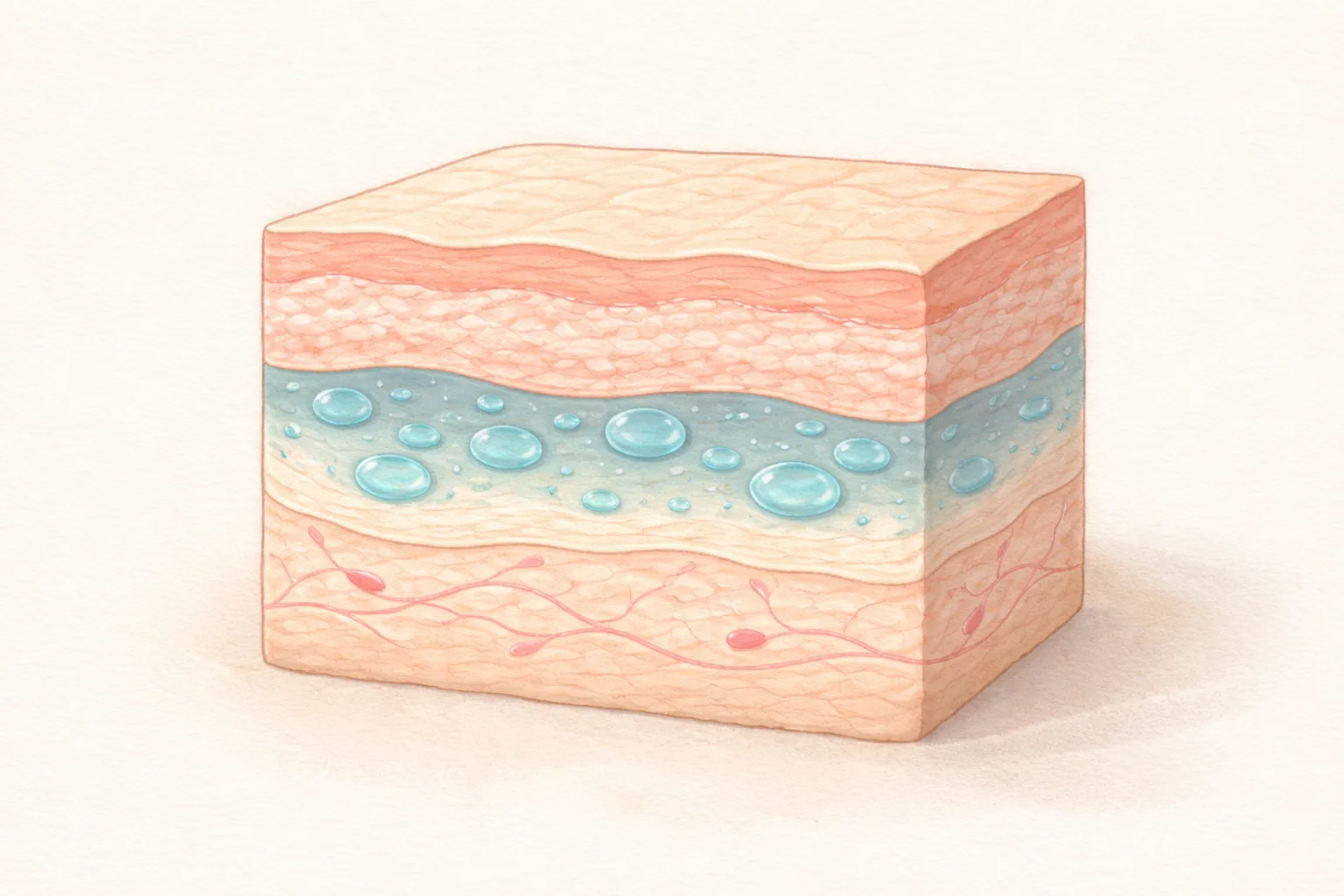
The core ingredient is hyaluronic acid (HA), which holds onto water. Injecting it into the dermis (the layer where collagen is produced) can help skin retain moisture and feel plumper. The ATTITUDE Clinic column also describes the rejuran skin booster as an HA-based hydrating injection, and notes that Rejuran is a PN (polynucleotide) formula with a different goal, making it a separate treatment.
Why does it get confusing? Because under the umbrella term "skin booster," the water glow injection, Rejuran, and skin Botox sit side by side, creating the impression that they're all similar. In practice, the injected ingredients and the intended results differ. PN supports the skin's own recovery response, while HA attracts and holds moisture. When regeneration and elasticity are the priority, the PN share goes up; when immediate glow and hydration are the priority, the HA share goes up.
It's also worth remembering that this reaches a different layer than skincare. Creams and serums mostly stay in the outer layer, while the rejuran skin booster places ingredients directly where moisture is needed. That's why the difference is felt more in skin that feels tight all day and makes makeup flake, rather than skin that only feels tight right after cleansing.
The difference from dermal filler comes down to the same point. According to the American Academy of Dermatology (AAD), fillers vary in when results appear, and hyaluronic acid gel fillers add volume immediately (AAD filler guide). The rejuran skin booster works on the hydration axis, not volume, so it's a different lane from filling hollow cheeks or deep wrinkles.
Which skin types suit it
The most common point of disagreement in consultation is what kind of dryness you have. Skin that only feels tight right after cleansing and settles once you apply lotion can be managed with basic products alone. Skin that feels tight all day, makes makeup flake, and flakes repeatedly may be short on moisture below the layer skincare reaches. The rejuran skin booster delivers moisture directly to that deeper layer, so it's worth discussing in these cases.
It can also be part of the plan when skin is thinning and fine lines are starting to show, or when dull tone and uneven texture are also a concern. If you prefer natural, gradual improvement over an immediate dramatic change, it tends to suit you better. The ATTITUDE Clinic column also describes skin boosters not as a cure-all but as a treatment that suits certain concerns better (ATTITUDE Clinic column).
Sometimes the order should be postponed. If there's an infection, inflammatory acne, or lip herpes at the treatment area, calming that first takes priority. ATTITUDE Clinic guidance advises telling your provider about these conditions, pregnancy or breastfeeding, autoimmune disease, and any history of reactions to cosmetics or medications before treatment (ATTITUDE Clinic column).
How age plays in
"What age can I start?" is a common question, but what shapes results is your skin's own recovery speed more than a number. As you age, the rate at which collagen is produced and broken down changes, and skin that has aged from sun exposure or smoking tends to lose synthesized collagen faster (ATTITUDE Clinic column). That's why how long results last varies from person to person even with the same treatment.
In your 20s and 30s, it's often discussed as maintenance to top up internal dryness; from the 30s onward, it's commonly discussed as aging care for the period when skin thins and fine lines start to stand out. Results are usually said to last a few months and vary by person, and a single session alone gives limited, temporary effects. So rather than a one-off, it's approached as ongoing maintenance, with the next visit scheduled together.
The idea that it doesn't work if you're older isn't accurate. Collagen-related changes appear gradually, so how you continue maintenance sessions matters more to the outcome. Nor does being young mean it automatically suits you. If your dryness is well managed with basic products, there's less reason to add injections. Even with the same concern, priorities shift depending on which layer the problem is in.
What the rejuran skin booster won't solve
Hollowing cheeks, deepening nasolabial folds, and adjusting facial contour won't be resolved by a treatment on the hydration axis. If wrinkle improvement or contour correction is the goal, you'd discuss combining or substituting dermal filler or laser treatments. The ATTITUDE Clinic column also describes skin boosters as suiting certain concerns better, and in these cases, treatments on a different axis are reviewed together.
The American Academy of Dermatology advises that whether a cosmetic treatment can give you the results you want is judged based on your skin, age, and health status (AAD consultation guide). Even with the same concern, the first thing to decide isn't "what should I get," but "which axis is the result I want on."
Table 1 What the rejuran skin booster won't solve
Category
Goal
Concerns it suits
Expected course
HA-based water glow injection
Hydration and glow
Chronic dryness, dullness, uneven tone
Swelling and bumps for 1 to a few days, changes appear gradually
PN-based (Rejuran, etc.)
Regeneration and elasticity
Fine lines, loss of elasticity, uneven texture
Several sessions at 2–4 week intervals, changes appear gradually
Exosomes (when combined)
Supporting recovery signals
Adjunct after treatments that open the surface
Used in combination rather than alone, evidence still accumulating
Hyaluronic acid filler
Volume and contour
Hollow areas, deep wrinkles
Volume is immediate
Swipe sideways to see the whole table.
In short, whether the rejuran skin booster suits you comes down less to age and more to how deep the dryness goes and whether the result you want is on the hydration or structure axis. For chronic dryness and maintenance during the fine-line years, it's worth including in the plan; if contour or deep wrinkles are the goal, treatments on another axis need to be considered too. How long results last varies with age, sun exposure, and smoking, so plan with maintenance sessions included.
If this sounds like you
When a wedding or shoot is a few weeks away
The rejuran skin booster can leave swelling and bumps for 1 to a few days, so it's better to schedule with some buffer rather than the day before an important event. Changes appear gradually, so rather than expecting a dramatic result in one go, adjust the timing to your schedule. If the shoot is very close, it's better to rework the order and spacing in consultation.
When you want it as a consistent routine
The rejuran skin booster isn't a one-and-done treatment; it's planned as several sessions at 2–4 week intervals, then widening the spacing. Set the cycle by considering your work schedule and when you can tolerate post-treatment swelling. Rather than fixing the total number of sessions from the start, adjusting based on how things progress is typical.
When skin is thin and prone to redness
The forehead, eye area, and around the lips are thin-tissued and tend to feel more sensitive, and how much bruising appears varies with blood vessel distribution. Letting your provider know which areas need extra care helps adjust intensity and range. If redness tends to linger, mention that history too.
If you're an international visitor on a short stay
With a short stay, there may not be enough time to check how things are progressing after treatment. It's better to first discuss how long bumps and swelling take to settle, the chance of prolonged bruising, and the interval until the next visit, then build a plan that fits your schedule. Also agree on how to get in touch if an issue comes up after you return home.
Tell us before your consultation — Recent sun exposure and travel plans, medications you're taking (especially those affecting blood clotting), pregnancy or breastfeeding status and plans, autoimmune disease, any history of reactions to cosmetics, medications, or local anesthetics, past experiences where bruising or inflammation lasted a long time after a procedure, and upcoming important events. If there's an infection, inflammatory acne, or lip herpes at the treatment area, let us know that too.
How ATTITUDE Clinic handles it
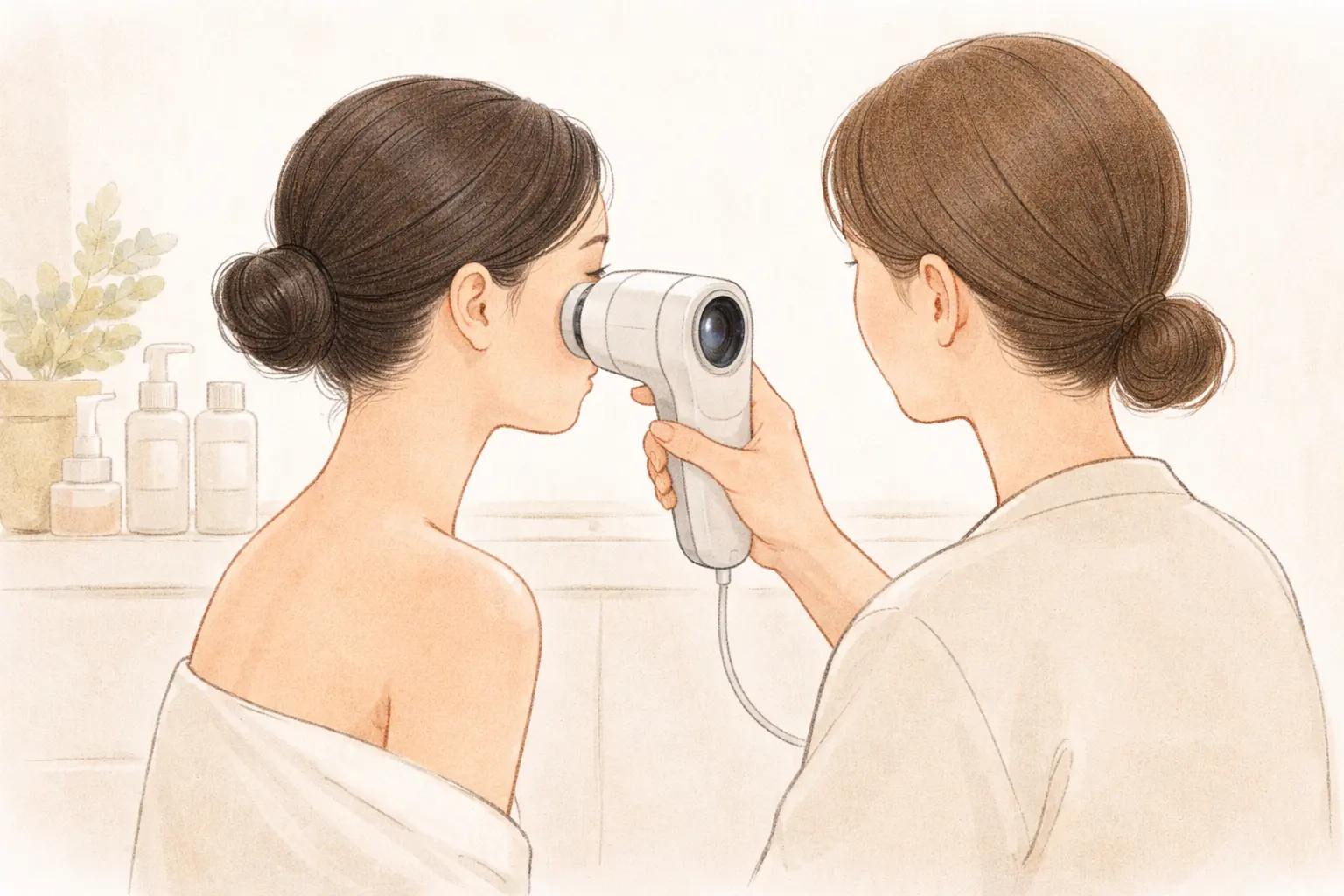
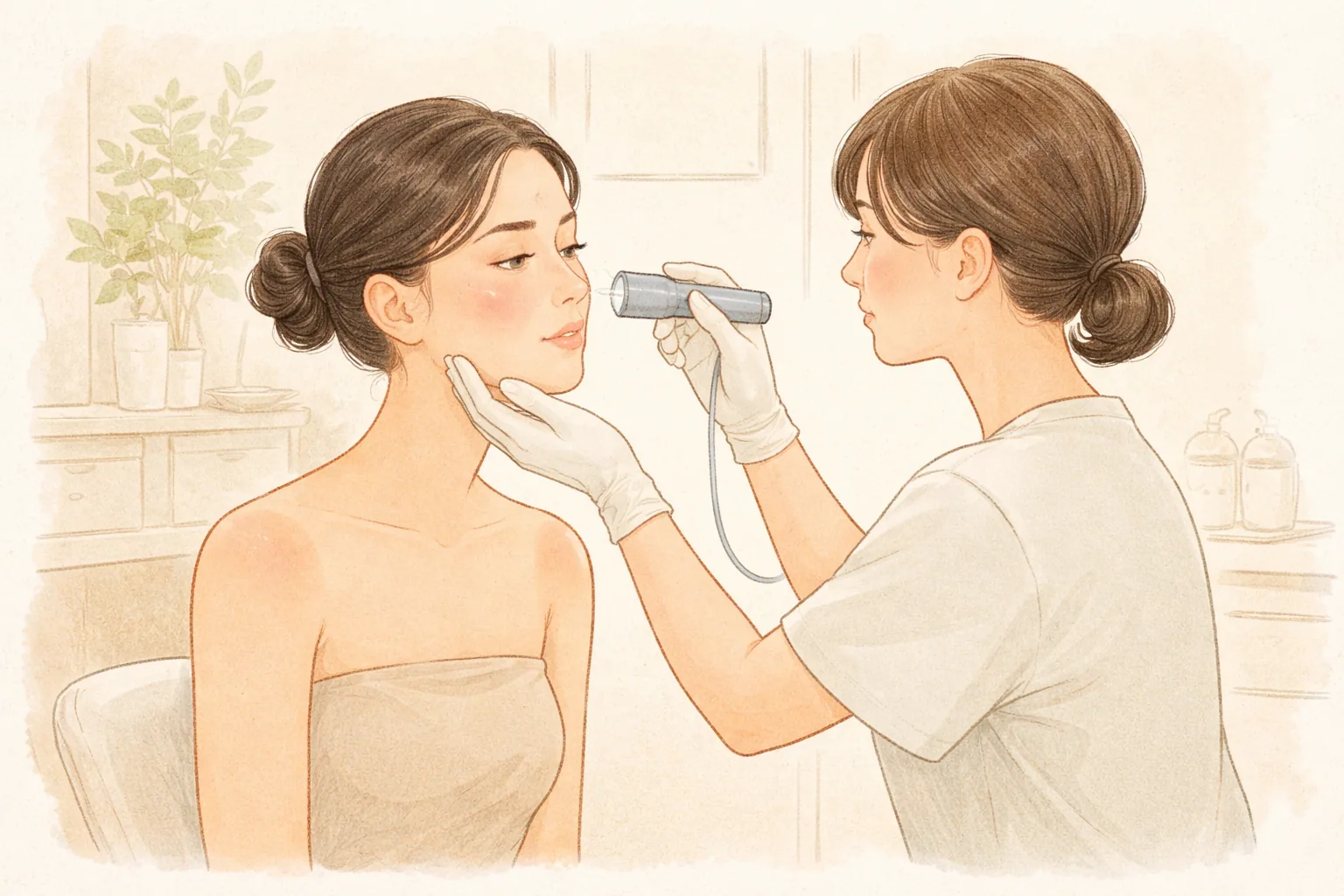
Recording skin condition — Skin is photographed to record hydration, texture, and redness. The analysis tool records and organizes information; it doesn't replace a medical diagnosis. These records are used in consultation to compare against your previous state.
Consultation and planning with the doctor — Together, you review how deep the dryness goes, skin thickness, whether the desired result is on the hydration or structure axis, and sun exposure and smoking that affect how long results last. This is where you're told which ingredients go into the rejuran skin booster and what cycle to follow.
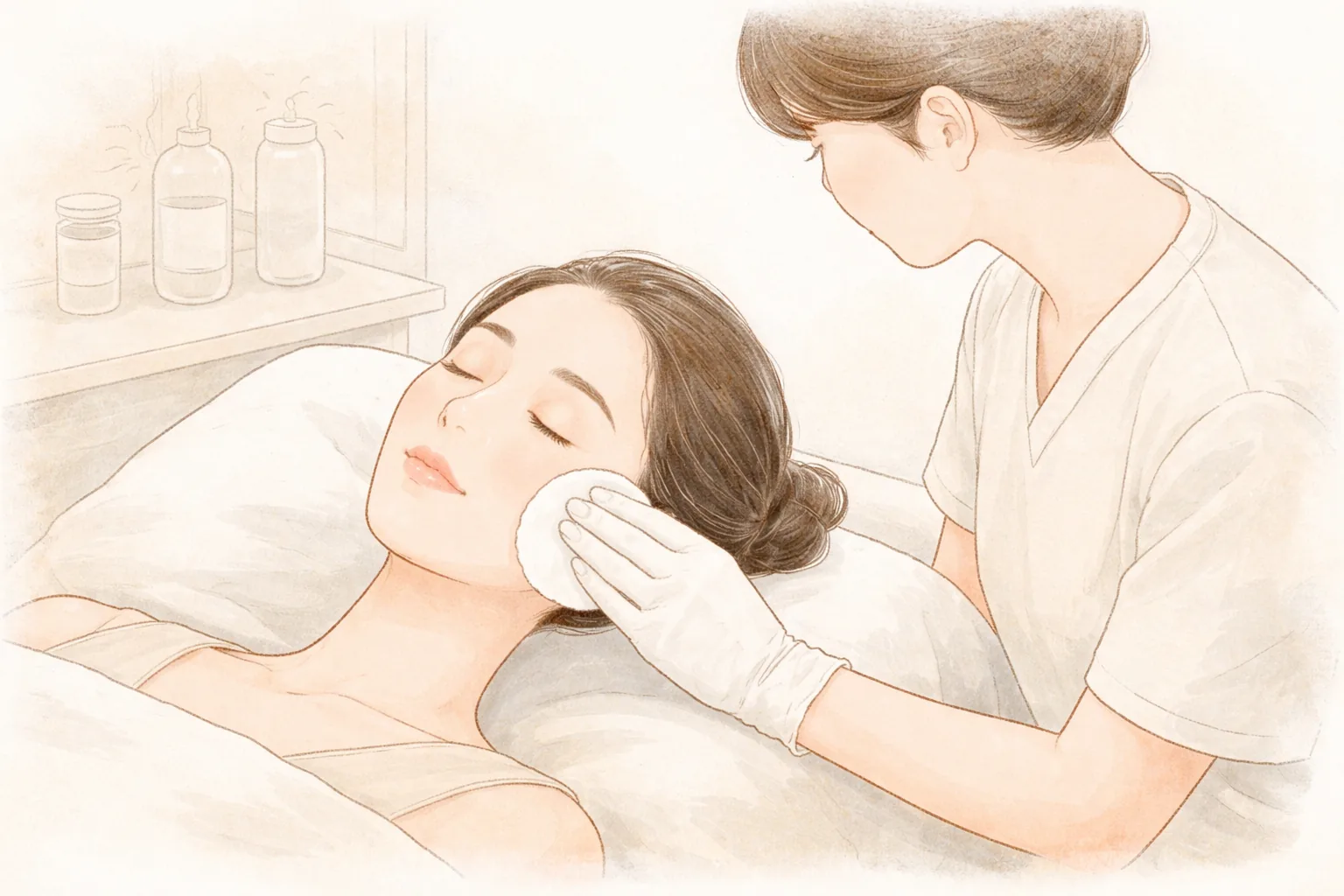
Treatment performed by the doctor — The treatment is done according to the ingredients, depth, and range decided in consultation. The anesthesia method is explained during consultation based on your pain threshold and the area. Intensity and spacing are adjusted depending on the treatment area.
Recovery and next visit guidance — After treatment, the next visit is scheduled according to the recommended interval. The course of bumps and swelling and the timing for sun protection are explained together.
The treatment used for this topic is the HA-based water glow injection, and depending on your skin concerns, PN formulas like Rejuran or combined exosomes may be discussed. The water glow injection is also listed in ATTITUDE Clinic's treatment guide, which notes that side effects can occur and that you should consult a doctor before treatment (ATTITUDE Clinic treatment guide).
Aftercare and side effects
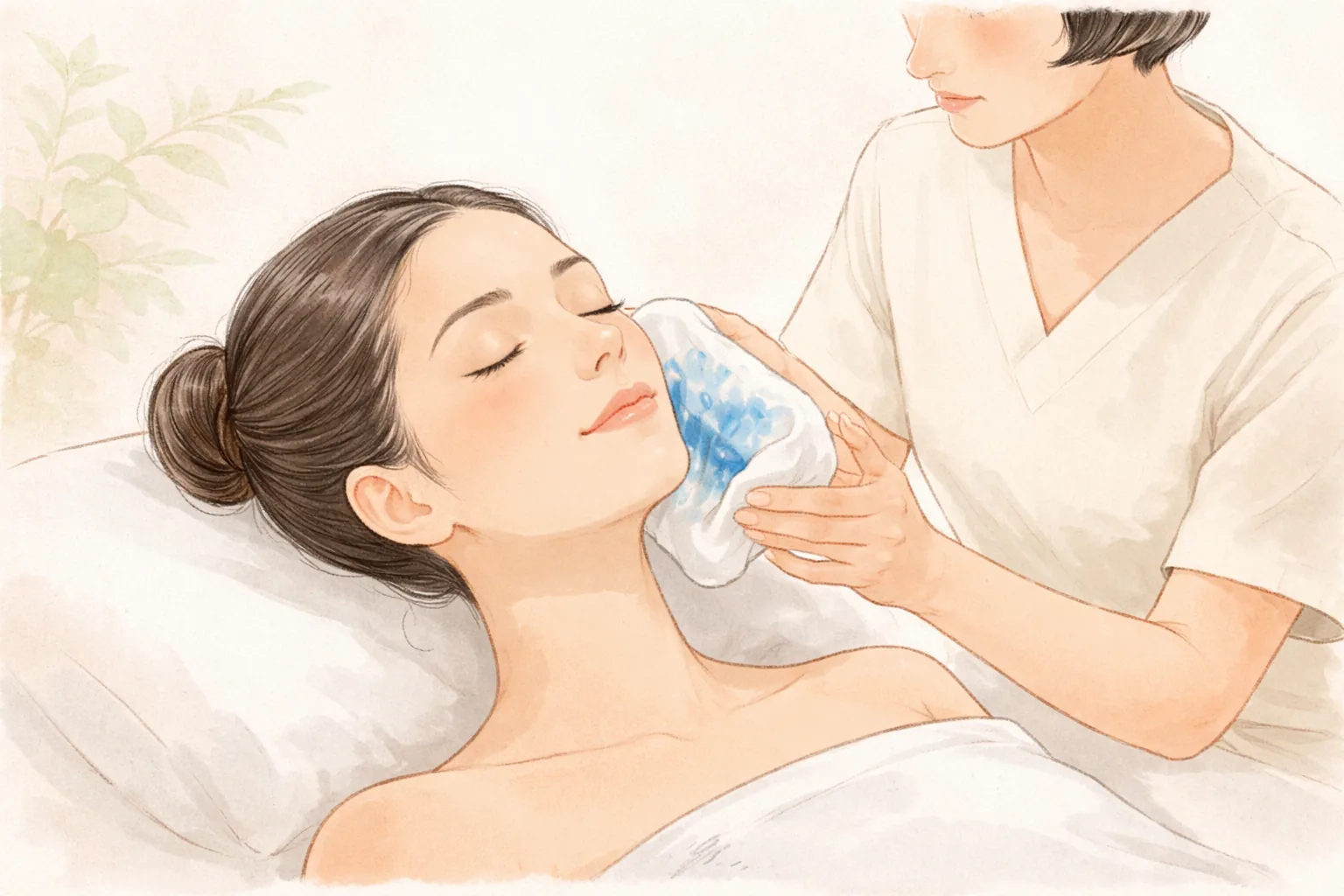
Soothing — Cold compresses can help with swelling; confirm the method and timing with your provider. It's best to avoid saunas, strenuous exercise, and alcohol on the day.
Moisturizing — Right after treatment, the skin's barrier is temporarily weakened. Top it up with a moisturizer your doctor approves, and take a break from strong exfoliants and active ingredients.
Sun protection — For 2–3 days after treatment, applying it more carefully than usual helps you recover without pigmentation.
Checking progress — Watch how bumps, swelling, and bruising settle, and schedule the next visit at the recommended interval. Makeup is often possible from the next day once the injection marks have closed; confirm at consultation.
Side effects, from common to rare: small bumps at the injection site, redness, swelling, tenderness when pressed, and bruising are common. Bumps usually settle within 1 to a few days, and bruising can take more than a week to fade. Rarely, infection, allergic reaction, or small lumps can occur, and very rarely, the injected ingredient can block or damage a blood vessel.
There are also clear signals to seek care right away. If pain is unusual or worsening, if the skin at the injection site turns white, mottled, grayish-blue, or black, or if there's any change in vision, contact the clinic without waiting. If bumps or swelling haven't settled after a few days, or bruising lasts longer than expected, it's better not to wait for the next appointment. It's generally not recommended during pregnancy or breastfeeding; if you have plans, adjust the timing in consultation (ATTITUDE Clinic column).
FAQ
How long do rejuran skin booster results last?
Usually said to be a few months, and it varies by person. The rate at which collagen is produced and broken down, age, sun exposure, and smoking all affect how long results last. A single session gives limited, temporary effects, so it's planned as several sessions at 2–4 week intervals, then widening the spacing for maintenance. Even under the same conditions, how it feels depends on how long it's been since your last session, so the timing of maintenance is decided based on how things progress.
How is the rejuran skin booster different from dermal filler?
They're on different axes. The rejuran skin booster fills with hyaluronic acid for hydration, while dermal filler fills for volume. Just as the American Academy of Dermatology notes that hyaluronic acid gel fillers show results immediately, filler is used to fill hollow areas right away. Trying to use the rejuran skin booster for volume will leave expectations and results misaligned. If deep wrinkles and fine lines are both concerns, the order of combining the two is decided in consultation.
How is the rejuran skin booster different from Rejuran?
The rejuran skin booster is mainly an HA-based hydrating injection, while Rejuran is a PN formula. PN supports the skin's own recovery response, while HA attracts and holds moisture, so their goals differ. In practice, rather than using the two alone, it's common to adjust the blend ratio by goal. If regeneration and elasticity are urgent, the PN share goes up; if hydration is urgent, the HA share goes up.
How many sessions of the rejuran skin booster do I need, and at what intervals?
It's usually planned as several sessions at 2–4 week intervals, then widening the spacing. The number of sessions needed and the intervals depend on how advanced your skin aging is, the concern area, and the product used, so it's decided at the first consultation after seeing your skin. When planning alongside laser or lifting, the doctor decides whether same-day treatment is possible and in what order. Some treatments can't be done on the same day, and recovery speed can vary with order and spacing.
What should I ask the clinic during a rejuran skin booster consultation?
The American Academy of Dermatology advises that whether a cosmetic treatment can give you the results you want is judged based on your skin, age, and health status (AAD consultation guide). It then recommends asking about your skin tone and type, how many patients of your age group the provider has treated, what the recovery period is like, and what the risks are. What ingredients go in and whether the product is authentic are also things to check. If the answers aren't clear, you can discuss other options together.
At a glance
Table 2 At a glance
Item
Key point
Skin it suits
Chronic dryness and dullness that skincare can't resolve, skin that's thinning with fine lines starting to show
The role of age
Recovery speed and how far aging has progressed matter more than a number for how long results last
Mechanism
HA attracts and holds moisture; PN supports the recovery response
Cycle and sessions
Several sessions at 2–4 week intervals, then widening the spacing for maintenance
Side effects
Bumps, redness, swelling, and bruising are common; blood vessel-related issues are very rare
Check in consultation
Ingredients and authenticity, experience with your skin tone and age group, recovery period and risks
This article offers general health information. It is not a substitute for diagnosis or treatment based on your own condition, so please talk through your situation with a doctor.