Rejuran Skin Booster and Water Glow Injection: How the Order and Interval Are Decided
Can you get Rejuran and a water glow injection on the same day? Here we explain what decides the order and interval, how the two ingredients differ, the recovery timeline, and aftercare.
Written by ATTITUDE Clinic Editorial Team
Many people ask whether they can get a water glow injection along with Rejuran, and if so, which one should come first. Both are skin boosters injected into the skin, so they look similar, but the ingredients and the results they aim for are different. This article covers what each treatment does inside the skin, what decides whether they can be done on the same day, and what criteria set the order and interval.
The bottom line first
The two treatments can be planned together because they inject different ingredients for different goals. Whether to finish in one visit or space them by days or weeks is decided by your doctor based on your skin condition and each treatment's recovery curve. Since the order and interval can affect results and recovery speed, it is better to set the whole plan first rather than booking the two separately. Rejuran sends regeneration signals and the water glow injection fills moisture, so deciding which one is more urgent this time naturally clarifies the order.
What do Rejuran and the water glow injection each do inside the skin?
Both treatments are often grouped under the single name "skin booster," which makes them seem like similar procedures. In reality, the injected ingredients and targeted results differ. As explained in the ATTITUDE Clinic column, the water glow injection is mainly a hyaluronic acid (HA)-based hydration injection, while Rejuran is a PN preparation and a separate treatment. Because many products and brands are mixed under the name "skin booster," many people get them without knowing what actually goes into the skin and why it works.
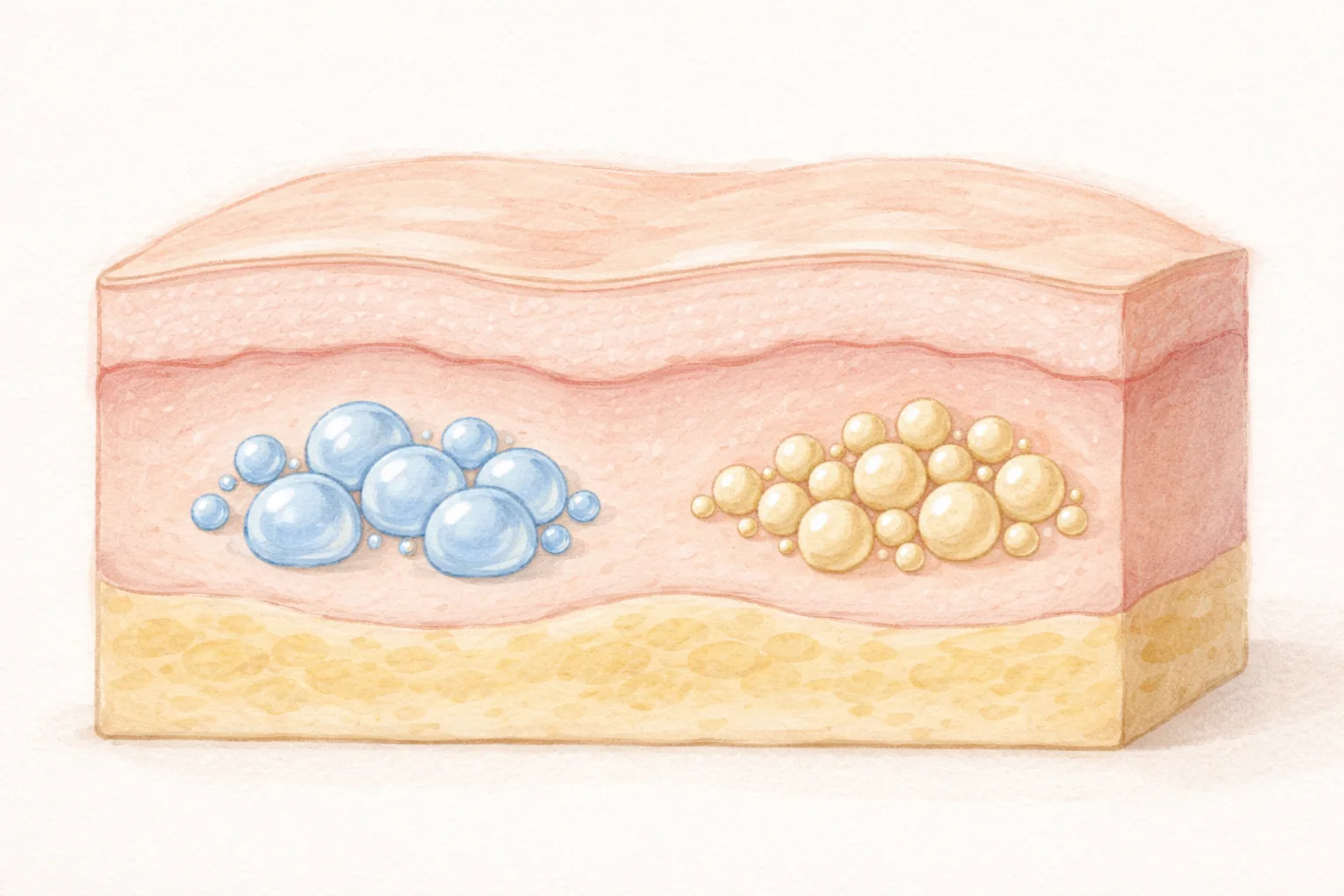
Rejuran's PN (polynucleotide) is a purified ingredient extracted from sources such as salmon. When injected into the dermis (the layer where collagen is produced), it is known to support the body's response to repair damaged tissue and stimulate collagen-producing cells. It creates signals in the skin similar to the body's own repair signals after an injury. Cells that receive these signals are said to produce collagen more actively and help reduce redness.
HA, by contrast, has a strong ability to attract water, so when it enters the dermis the skin may feel moist and plump. However, the degree varies from person to person. In short, PN is an approach that induces regeneration, while HA is closer to an approach that fills moisture. That is why in practice the two ingredients are often blended in different ratios depending on the goal rather than used alone.
One point to note here: both ingredients are injections delivered directly into the dermis with a needle. According to the exosome column, microneedling or ablative lasers temporarily create channels on the skin surface so topical products can penetrate deeper, but products applied after ultrasound or radiofrequency lifting that do not open the surface mostly stay on the surface. Injections differ in that the ingredient is placed directly with a needle, regardless of these channels.
What decides whether they can be done on the same day?
The first thing people ask about same-day treatment is whether they can avoid a second visit. This decision is based not on the treatment name but on how much stimulation the skin can handle that day and the recovery plan. The ATTITUDE Clinic column also notes that lasers or lifting and skin boosters are sometimes planned together, and that the doctor decides whether same-day treatment is possible and in what order. Some treatment combinations are difficult to do on the same day, and the order and interval can affect results and recovery speed.
The same principle applies to combining Rejuran and a water glow injection. Both are needle injections, so injection marks, swelling, and bruising overlap. If done on the same day, recovery reactions appear at once, making it hard to tell which treatment caused what, and the closer your scheduled event, the greater the burden. Conversely, if you have enough time to recover and your skin is not sensitive, finishing in one visit is better.
So what should you look at first? How easily your skin shows redness or swelling, whether you have an important event within a few days, and whether you want regeneration or hydration first this time. Recent laser or lifting history is added to this. Even for the same skin, these three factors change the plan.
What criteria set the order and interval?
The first thing considered when setting the order is the priority of goals. If regeneration and elasticity are urgent, Rejuran becomes the main axis and the water glow injection is added as support; if immediate moisture and skin texture come first, the water glow injection leads and Rejuran is planned after. The ATTITUDE Clinic column also states that the blend ratio is adjusted—raising the PN proportion when regeneration and elasticity are the priority, and raising the HA proportion when immediate glow and hydration are the priority.
The interval follows the timeline of how the ingredients act in the skin. Skin boosters are usually done several times at 2–4 week intervals, then the interval is widened for maintenance treatments. A single session has limited and temporary effects, and any collagen-related changes appear gradually. When planning both treatments in the same period, it is common to set the number of sessions and interval around one treatment and add the other on top.
Whether to shorten or lengthen the interval is also affected by factors such as age, UV exposure, and smoking. Because the rate of collagen production and breakdown differs from person to person, skin with more advanced aging tends to lose synthesized collagen faster. That is why the approach is one of management rather than a single treatment, planning maintenance sessions together.
Injection technique is another variable. Even with the same ingredient, the results, injection sensation, and recovery differ depending on which layer and how much is injected. Which product is used and how it is injected will be explained during consultation, and the ATTITUDE Clinic treatment and pricing guide lists Rejuran Healer, Rejuran HB, Rejuran S, Rejuran eye, and water glow injection. Each product line targets different areas and purposes, so which line fits your concern is decided after examining your skin.
Table 1 What criteria set the order and interval?
Category
Injected ingredient
Target
Expected course
Rejuran line (Healer, HB, S, eye)
PN
Regeneration, elasticity, skin texture
Appears gradually, maintained over months
Water glow injection
HA
Immediate moisture and glow
From right after treatment; degree and duration vary by individual
Re2O
hADM (collagen, elastin, hyaluronic acid)
Replenishing dermal structure
Initial fullness subsides over a few days, then gradual
Exosome
Cell signaling substances
Support after surface-opening treatments
Considered as recovery support
Swipe sideways to see the whole table.
In summary Rejuran and the water glow injection are not overlapping treatments but treatments with different goals, so they can be planned together. Whether to do them on the same day and how to set the order is decided by your skin's reaction, your schedule, and goal priority. Rather than booking the two separately, setting the plan at once during consultation lets you manage the interval and recovery together.
In these situations
When a wedding or photo shoot is coming up
Injection marks and swelling can last from one day to several days, and bruising can last more than a week. If your event is within 1–2 weeks, it is better to start with the treatment that leaves less swelling rather than cramming both into the same day. How much recovery time you can secure becomes the criterion for the order.
When you want ongoing management
Skin boosters are planned as several sessions at 2–4 week intervals, then widened for maintenance. Dividing roles—building the foundation with Rejuran and filling moisture with the water glow injection—means you do not have to repeat the same combination every time. Your next visit will be guided according to the recommended cycle.
Sensitive or easily reddened skin
If your skin easily turns red or swells, overlapping both treatments on the same day can be a burden. In this case, spacing them apart makes recovery easier to observe. Skin thickness and sensitivity are the first items checked in consultation.
Visitors with a short stay
Collagen-related changes appear gradually, so immediate changes within a few days are difficult to expect. If your stay is short, it is more realistic to design recovery together rather than deciding what to do first. The order is set with your schedule after returning home in mind.
Please tell us before consultation Recent UV exposure and upcoming outdoor plans, medications you are taking (especially those affecting blood clotting), whether you had swelling, bruising, or allergic reactions from previous treatments, pregnancy and breastfeeding status and plans, and unavoidable events such as weddings or photo shoots.
How ATTITUDE Clinic proceeds
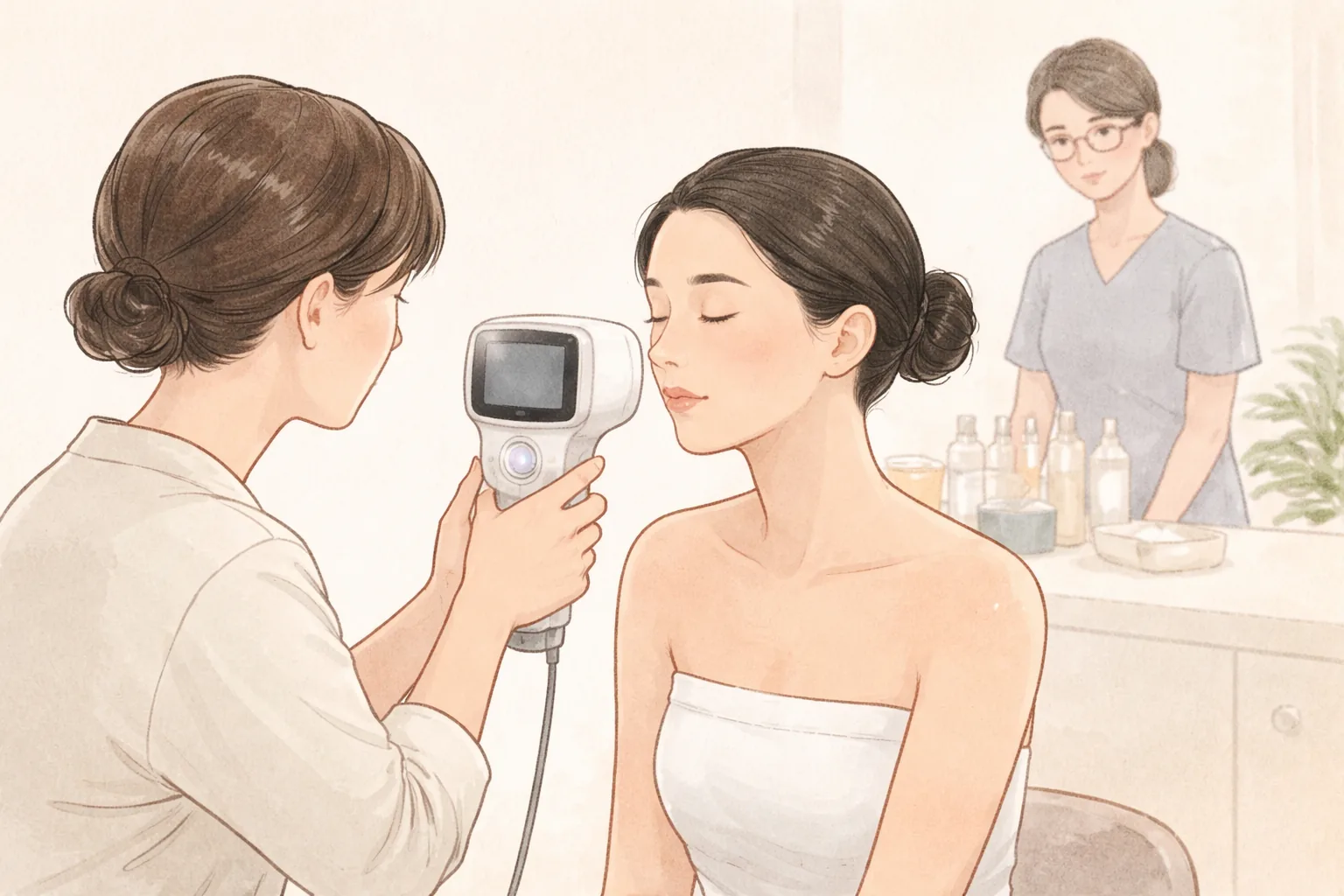
AI skin analysis record — We record and organize your skin condition and previous treatment history. The analysis tool gathers and presents information; it does not replace medical diagnosis.
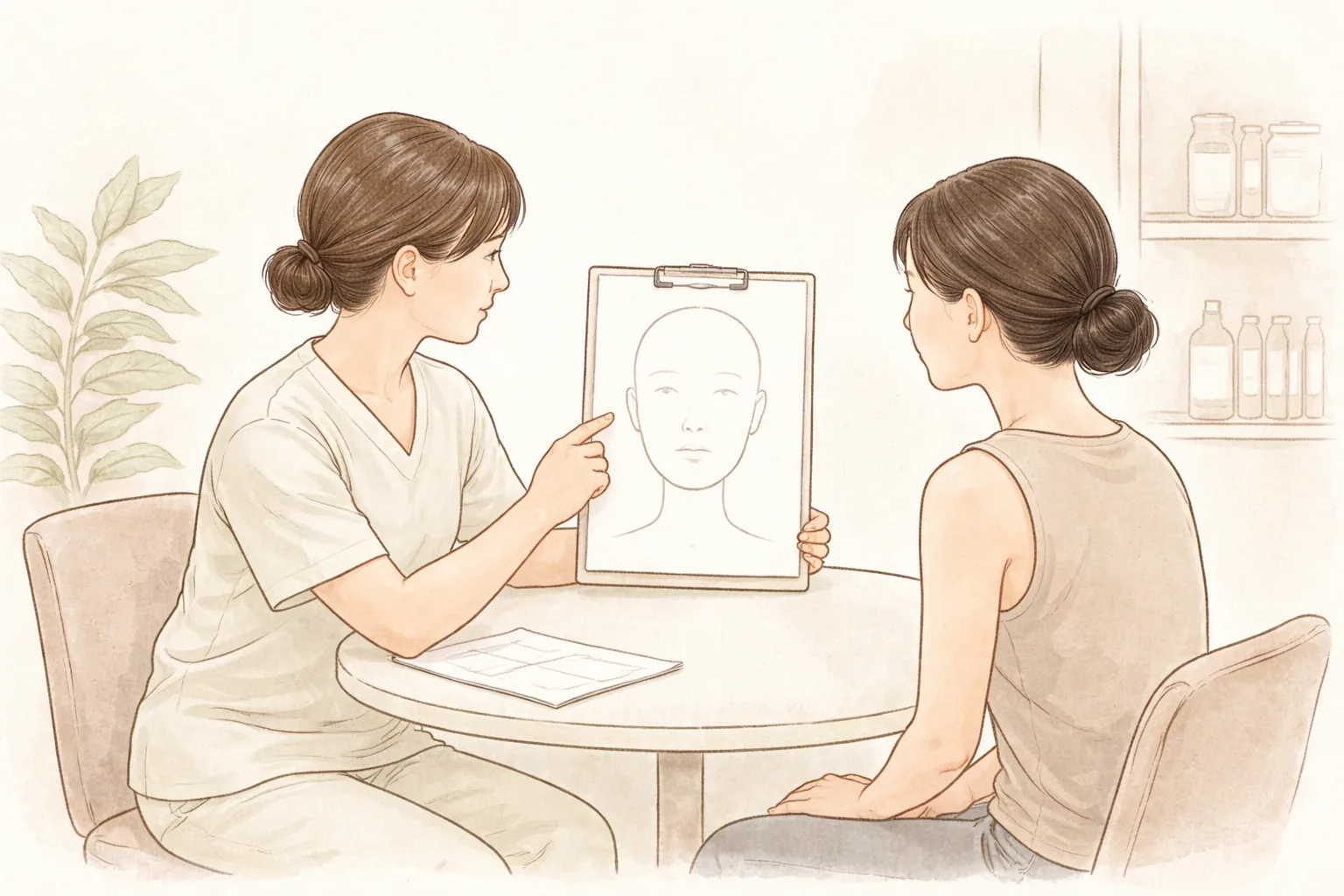
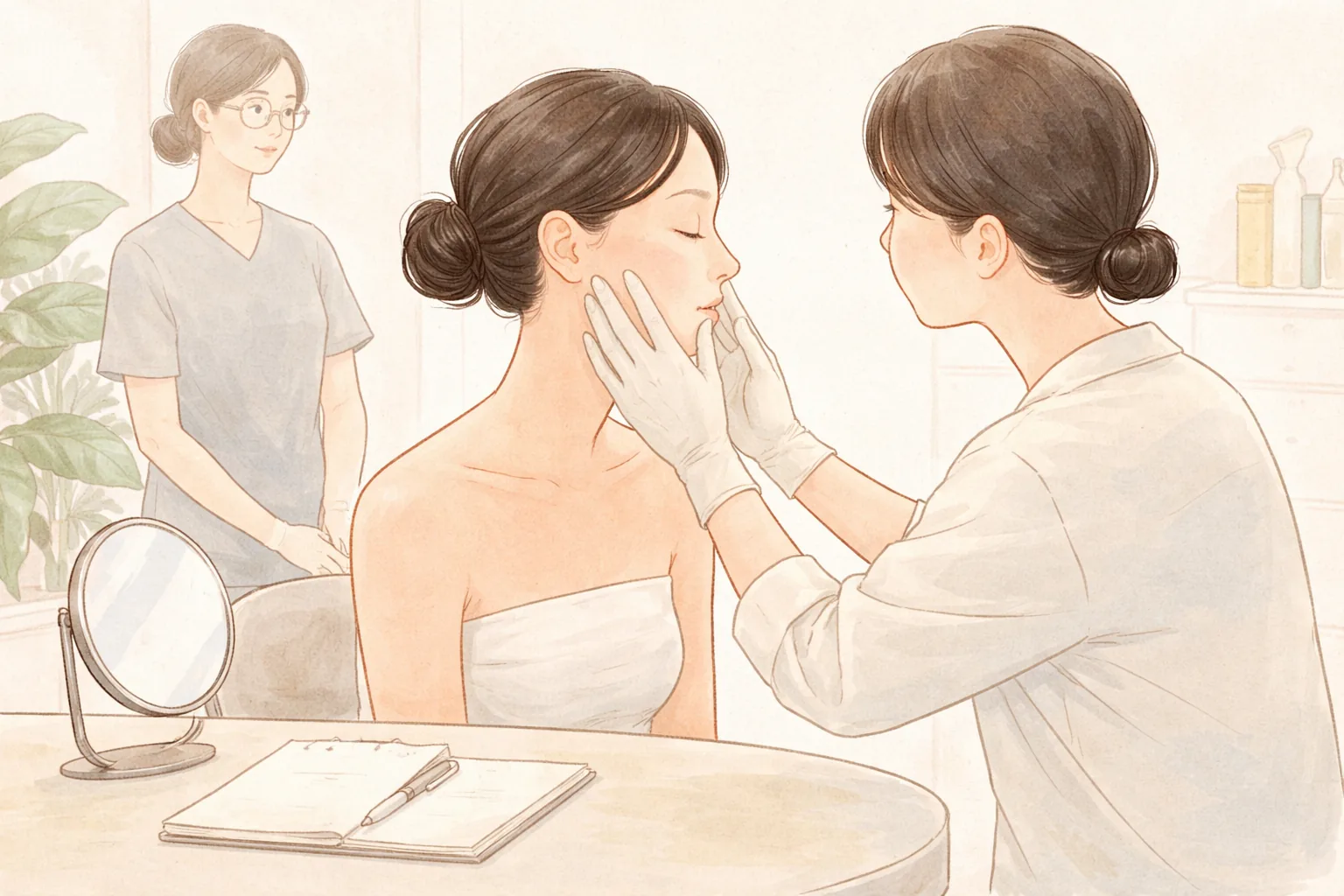
Doctor consultation and plan design — Together we decide whether regeneration or hydration comes first, whether to do both on the same day or with an interval, and how many sessions at what cycle. The products used and injection method are also explained at this stage.
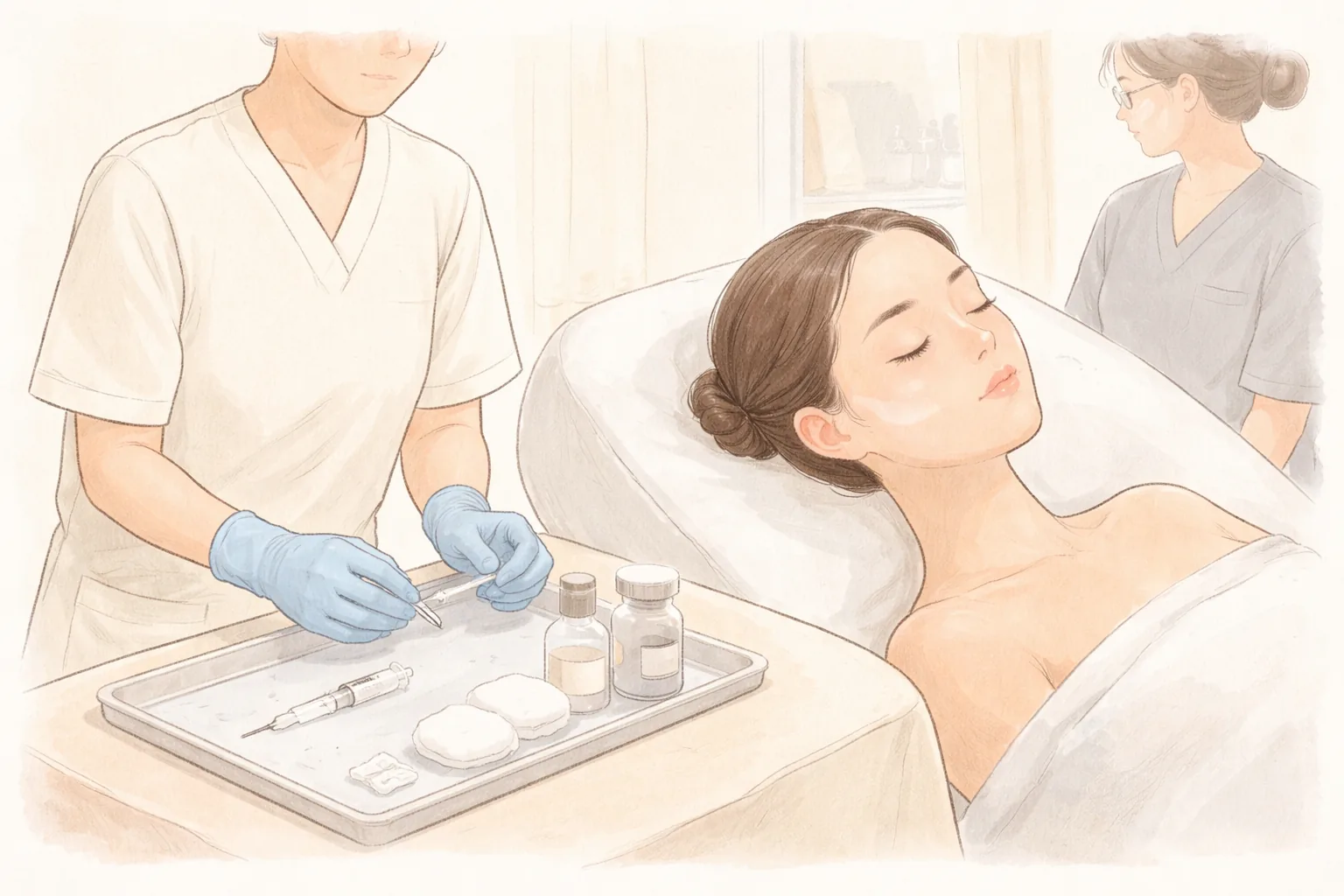
Treatment performed by the doctor — We proceed according to the plan set in consultation. The ATTITUDE Clinic treatment and pricing guide lists Rejuran Healer, Rejuran HB, Rejuran S, Rejuran eye, and water glow injection.
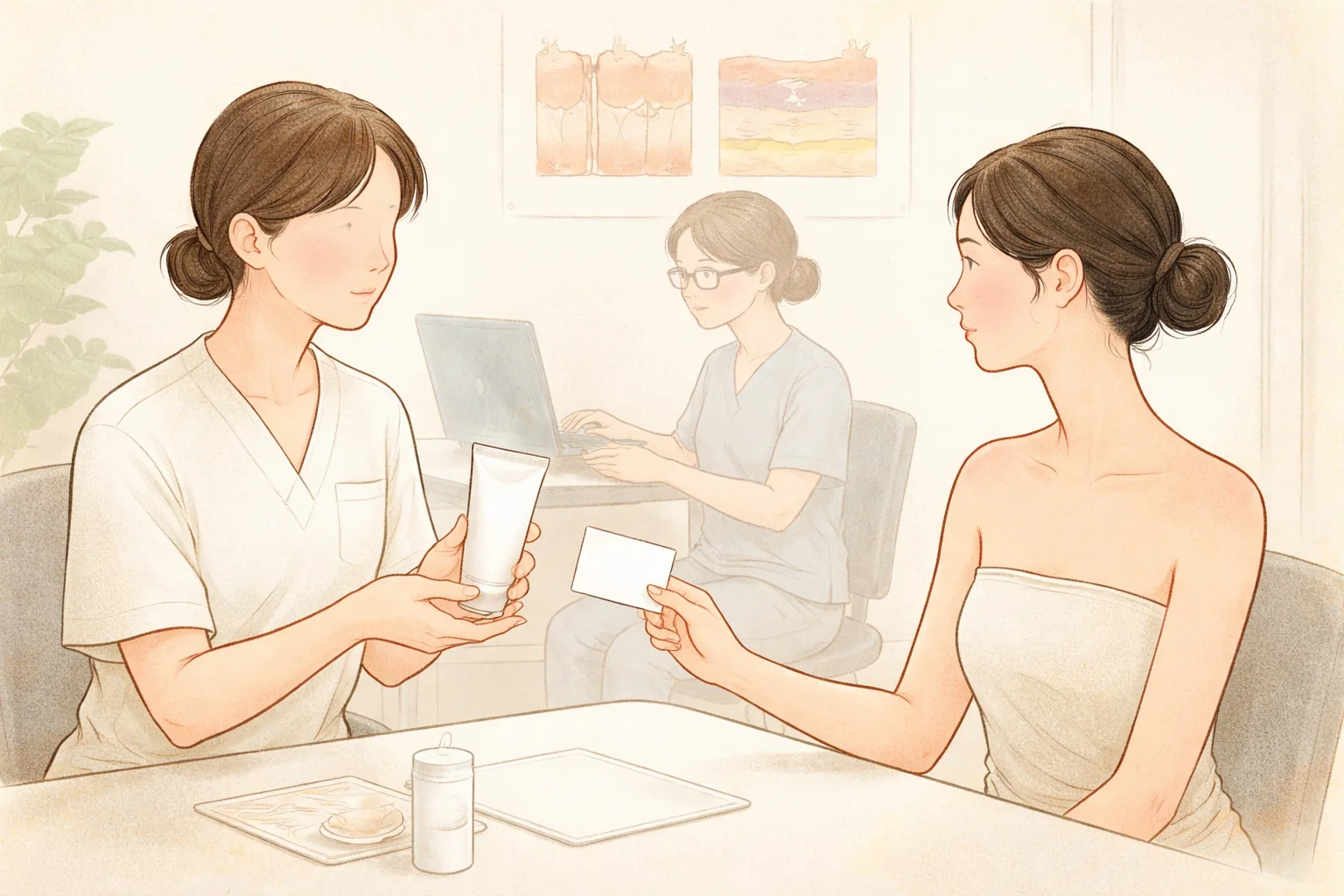
Recovery and aftercare guidance — We guide your next visit according to the recommended cycle and explain sun protection and lifestyle management items.
Aftercare and side effects
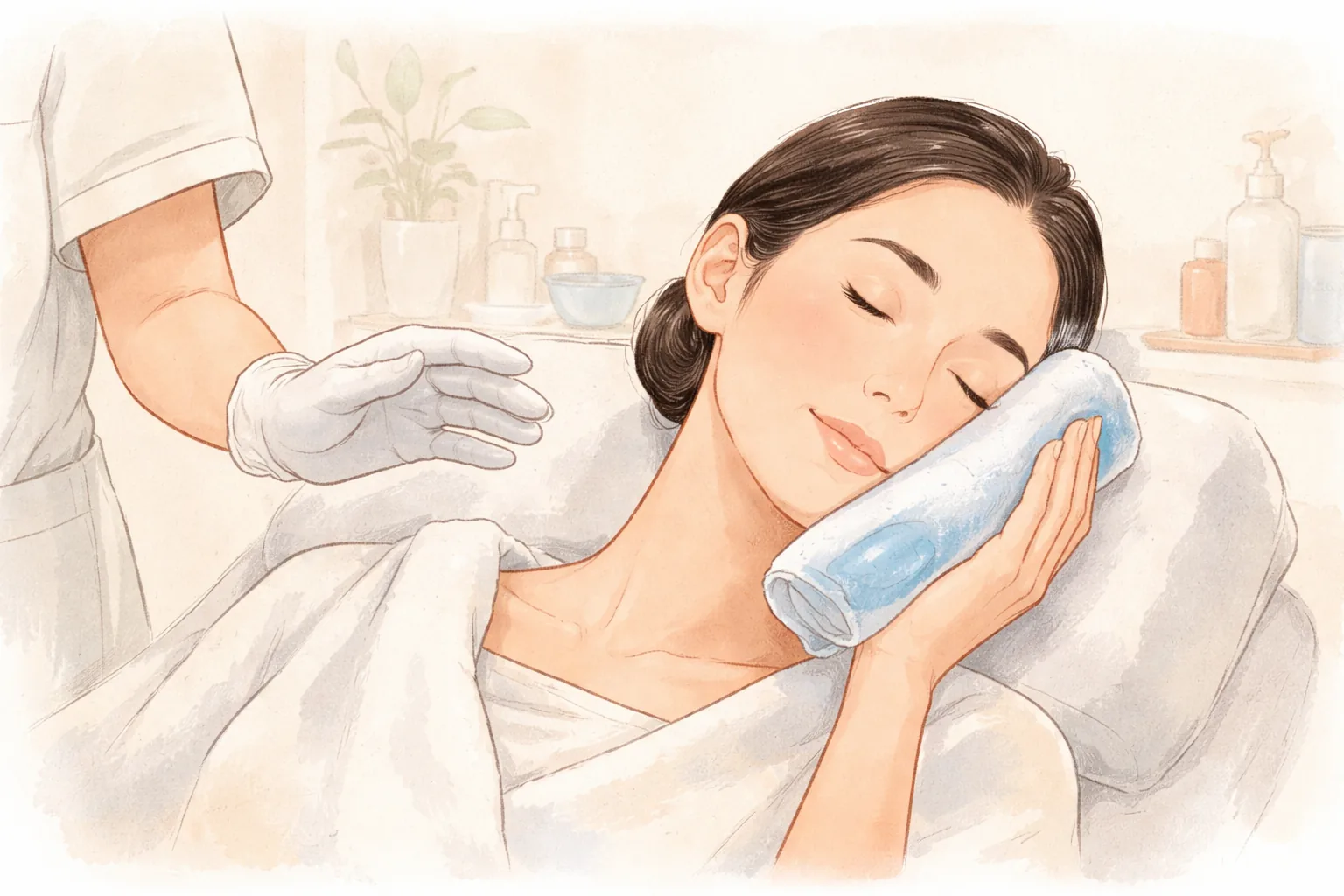
Soothing — On the day of treatment, do not press hard or massage the injection area. Cold compresses may help with swelling; follow medical staff guidance for the method.
Avoid heat and alcohol — Avoid saunas, intense exercise, and alcohol on the day.
Sun protection — For 2–3 days after treatment, apply sunscreen more carefully than usual. During this period the skin's barrier is temporarily weakened, so protection is important to recover without pigmentation.
Check progress — Watch whether papules and swelling subside within the expected range, and set your next visit according to the recommended cycle.
Common reactions include small papules at the injection site, redness, swelling, tenderness when pressed, and bruising. Papules usually subside within one day to several days, and bruising can take more than a week to fade. Rarely, infection, allergic reactions, or small lumps can occur, and very rarely the injected ingredient can block or damage blood vessels.
There are also signs that require medical attention without waiting. These include pain that is unusual or worsening, skin at the injection site turning white, mottled, bluish, or black, or changes in vision. It is also safer to inform the clinic if swelling, pain, or heat persists.
Frequently asked questions
Can I get Rejuran and a water glow injection on the same day?
The two treatments have different ingredients and goals, so they can be planned together. Whether to do them on the same day is decided by the stimulation your skin can handle and the recovery plan. Both are needle injections, so injection marks and swelling overlap; if your schedule is tight, splitting them makes recovery easier to observe. The order and interval are decided by the doctor after examining your skin, taking recent laser or lifting history into account.
When do Rejuran results appear and how long do they last?
Skin booster changes appear gradually, and the timing, degree, and duration vary by individual. Usually several sessions are done at 2–4 week intervals, then the interval is widened for maintenance. Right after treatment, swelling can make it hard to notice big changes, and any collagen-related changes appear gradually. Duration is affected by factors such as age, UV exposure, and smoking.
When do embossing and swelling go away?
Papules that rise along the injection points are a reaction as the ingredient is absorbed, and usually subside within one day to several days. Swelling also decreases within one day to several days, while bruising may last more than a week. During this period the skin barrier is weakened, so sun protection affects recovery speed. If papules last long or worsen, it is best to mention it at your next consultation.
How many Rejuran sessions and at what interval?
Usually several sessions are done at 2–4 week intervals, followed by maintenance treatments. A single session has limited and temporary effects. The number and interval needed vary with the degree of skin aging, the concern area, and the product used, so the doctor decides after examining your skin at the first consultation. If planning a water glow injection together, it is common to set the number around one treatment and add the other on top.
What should I look at when choosing where to get treatment?
Results depend heavily on the skill and experience of the person performing the treatment, so the American Academy of Dermatology guidance recommends asking during consultation about the doctor's qualifications, experience with the treatment, and how much experience they have with similar skin tones and age groups. Other items to check include which treatment fits your concern, what results are realistically expected, and the risks and recovery period. Sorting out preparation before treatment, post-treatment skin care, and cost during consultation makes planning easier. The American Academy of Dermatology filler guidance also emphasizes being well informed before deciding on a treatment.
At a glance
Table 2 At a glance
Item
Key point
Rejuran
Known to send regeneration signals via PN to help collagen production
Water glow injection
An approach that fills moisture with HA for a dewy look
When done together
Same-day decision and order are set by goal priority and recovery window
Interval
Usually several sessions at 2–4 week intervals, then maintenance
Recovery
Papules and swelling one day to several days, bruising possibly more than a week
At consultation
Qualifications and experience, expected results, risks, recovery period, cost
This article offers general health information. It is not a substitute for diagnosis or treatment based on your own condition, so please talk through your situation with a doctor.