Rejuran vs Juvelook: How Their Ingredients and Purposes Differ
Rejuran and Juvelook are both injectable skin boosters, but their ingredient families and treatment goals differ. This guide covers how their components compare, how to read price-list lines and volumes, session counts and total cost, plus pain, swelling, and lumps to ask about before your consultation at a Gangnam clinic.
Written by ATTITUDE Clinic Editorial Team
When you start researching skin boosters, Rejuran and Juvelook always come up side by side, and it can be hard to know which one to choose. Because they are often grouped under similar-sounding names, it is easy to confuse whether they contain the same ingredients or serve different purposes, and even after booking a consultation you may not know what to ask first. This article walks through how the two treatments differ in what they do in the skin, how to read the lines and volumes listed on a price list, and what to ask about pain, swelling, and lumps, in order.
The bottom line first
The first thing that separates the two names is what goes in. A ATTITUDE Clinic column describes Rejuran as a PN (polynucleotide, a nucleic acid ingredient extracted and purified from sources such as salmon) family product, and notes that even among skin boosters, the targeted result differs depending on the injected ingredient. Juvelook appears on the ATTITUDE Clinic price list as separate items for skin, volume, and eye lines with different volume units, but no description of its ingredients or mechanism is included in the currently published materials. So rather than making a definitive statement about how Juvelook works, we leave it as something to confirm with the manufacturer's official information and during consultation. Neither treatment is an injection whose result is fixed after a single session, and the number of sessions and the interval between them are decided by the medical team after examining your skin.
Both are called skin boosters, so what separates them?
"Skin booster" is less the name of one treatment and more a collective term for injectable treatments. Under the same name, different products and brands are mixed together—Rejuran, skin booster ("water glow") injection, and skin botulinum toxin, for example—so they all feel like similar treatments, but in reality the injected ingredients and the targeted results differ from one to another.
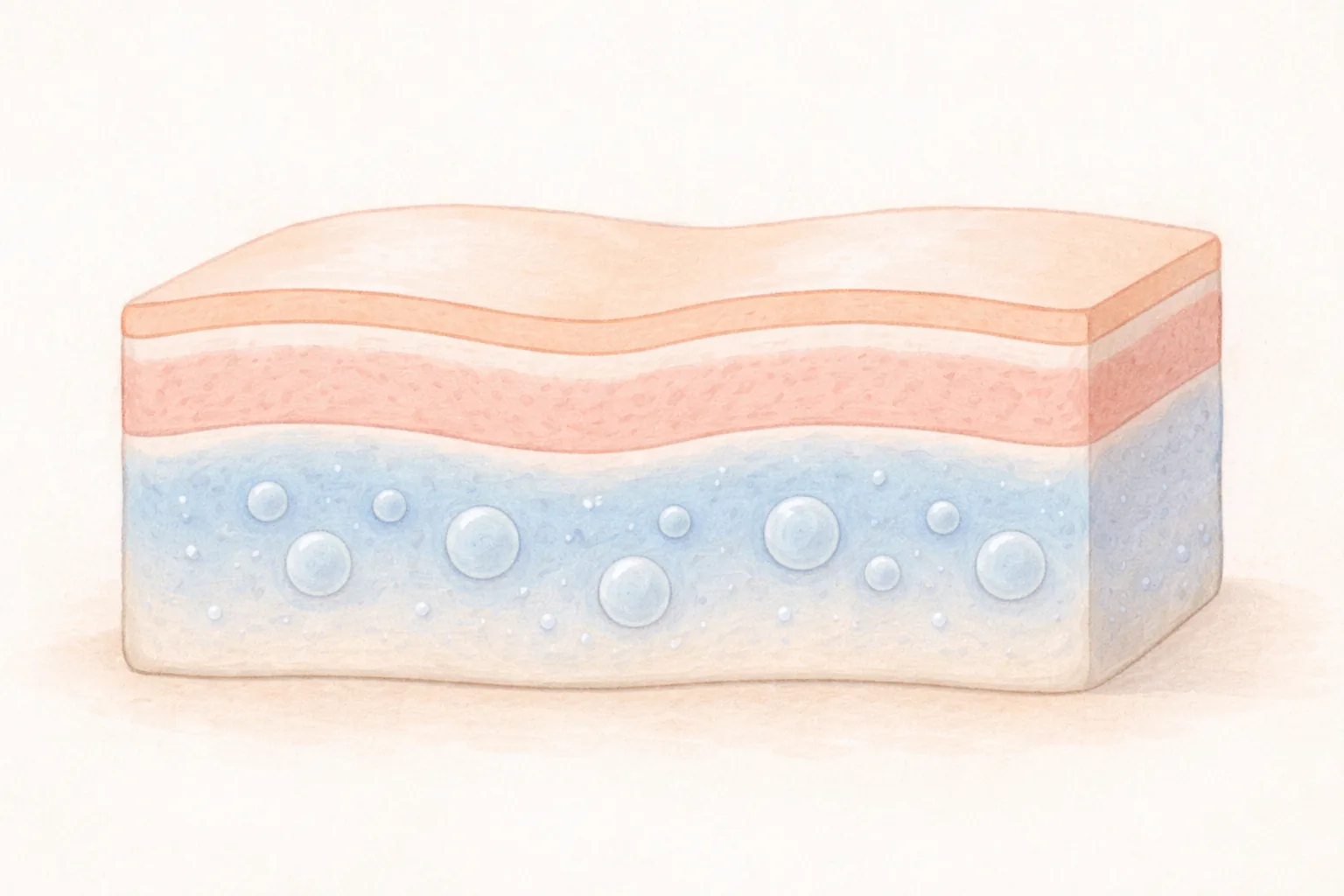
The central ingredient in Rejuran is PN. It is a purified ingredient extracted from sources such as salmon, and when it enters the dermis (the layer within the skin where collagen is produced), it is known to support the response that tries to repair damaged tissue and to stimulate the cells that make collagen. In effect, it creates a signal similar to the flow your body uses to heal itself when wounded. The cells that receive that signal are described as producing collagen more actively and also working in the direction of calming redness.
An easily confused name is PDRN (polydeoxyribonucleotide, the family commonly called salmon DNA injection). It is a different ingredient and a different product from PN, and the price list also lists salmon injection as a separate item from the Rejuran line. HA (hyaluronic acid) attracts water to create moisture, so PN, which handles recovery signals, and HA, which fills moisture, are sometimes combined according to the goal.
So what about Juvelook? On the price list, Juvelook skin, Juvelook volume, and eye Juvelook are separated by different volume units. There is no description in the currently published materials of which ingredient acts in which way, so it is more accurate to check the manufacturer's official ingredient information and approvals and to ask directly during consultation.
Table 1 Both are called skin boosters, so what separates them?
Category
Rejuran family (per clinic materials)
Juvelook family (per clinic materials)
What to decide in consultation
Lines listed on the price list
Healer, HB, HB lips, S, eye Rejuran
Skin, volume, eye Juvelook
Which line fits your current concern
Volume units shown on the price list
Healer 2cc, HB 1cc, eye Rejuran 1cc, etc.
Skin 4cc and 8cc, volume 1cc and 4cc and 8cc, eye 1vial
The actual injection site and amount
Mechanism description in clinic materials
PN is known to support the recovery response in the dermis and stimulate collagen-producing cells
No ingredient or mechanism description; check manufacturer's official information
Whether the goal is moisture, skin texture, elasticity, or volume
Price notation
All amounts exclude VAT
All amounts exclude VAT
Total session cost and what is included
Common reactions
Papules, redness, swelling, tenderness, and bruising reported with PN and HA skin boosters
No clinic materials for the same items
Criteria for contacting the clinic if an adverse reaction occurs
Swipe sideways to see the whole table.
In summary When comparing the two names, the first thing to look at is not the price but what goes in and what change you want. Rejuran is described as handling the recovery response through the PN ingredient, while Juvelook has no ingredient description in the clinic's materials and must be confirmed through the manufacturer's official information. Even within the same name, lines and volume units are divided, so compare based on the site and volume decided in consultation, not on the label.
Volume, number of sessions, and total cost: what should you base this on?
The ATTITUDE Clinic price list separates items by treatment, product, area, volume, and number of sessions, and states that all amounts exclude VAT. So it is difficult to estimate the total cost from the displayed price of a single session alone. The real burden is the planned number of sessions multiplied by the per-session amount, and you should also look at how far anesthesia and aftercare are included and under what conditions costs increase. The volume listed on the price list is the unit of the item sold, and where and how much to inject at one time is decided during the examination.
Where are the number of sessions and the interval decided? The ATTITUDE Clinic column describes PN and HA skin boosters as usually performed several times at 2–4 week intervals, then widening the interval to continue maintenance treatments. Because a single session yields limited and temporary change, you plan with the total number of sessions in mind from the start. What determines the necessary number and interval is skin thickness and dryness, degree of elasticity, the area of concern, previous treatment history, and the extent of change you want.
If you are also considering lifting or laser, the order also affects cost and recovery. Whether it can be done on the same day as laser or lifting, and how many days apart to leave, depend on the type of treatment and skin condition, so the doctor decides. Concerns on other axes, such as pores and scars, are also listed as separate items on the price list, so it is better to establish the whole plan in consultation, including the order in which to combine them with injectable treatments.
American Academy of Dermatology materials also recommend confirming the necessary number of treatments and costs in consultation. Costs are guided by the clinic, and it is good to also check on the spot whether any support applies afterward.
Pain, recovery, swelling, and lumps: what should you ask?
Pain varies greatly depending on the treatment area and your individual pain threshold. The forehead and eye area, which are close to bone and thin, and around the lips tend to feel relatively sensitive, while thicker areas such as the cheeks or jawline tend to feel less. The tool also has an influence. Injecting densely at many points with a fine needle repeats a momentary sting many times, while a method using a thin tube with a rounded tip to spread from the inside often stings only when first inserted. Anesthesia method is explained in consultation.
Immediately after the treatment, bumpy marks (papules) may remain along the injection points. This is a reaction that appears as the ingredient is absorbed and usually subsides within a day to several days. Swelling and redness also appear together, and if bruising occurs it may take more than a week to fade. Rarely, infection or allergic reaction, or small palpable lumps, may occur, and very rarely the injected ingredient can block or damage a blood vessel, so caution is needed.
If lumps worry you most, ask about the response system first in consultation. Deciding in advance what reactions are within the expected range, when to make contact if something remains palpable, and what the criteria for a return visit are will make judgment much easier after the treatment. American Academy of Dermatology filler guidance explains that mild reactions such as redness, swelling, tenderness, and bruising after injection usually subside within 7–14 days, but this is general filler material and cannot be directly transferred to the recovery period of domestic skin booster products.
If this applies to you
When the date is fixed, such as a wedding or a shoot
Injection marks and swelling can remain for several days, and bruising can also last a long time, so if you have a scheduled event, plan backward from that date with buffer. Whether you tend to have papules that subside late or skin that bruises easily differs from person to person, so if you have had previous treatments, tell the clinic how it went then. If you mention your schedule first in consultation, it helps adjust the timing and area.
When dryness and fine wrinkles are the main concern
When the skin has become thinner and fine wrinkles are starting to stand out, or when chronic dryness and dullness are the concern, these are representative situations in which injectable treatments are considered. Here, the starting point of consultation is whether to weight toward an ingredient that fills moisture or one that handles recovery signals. The same family is also considered when you hope to improve fine scar marks or dull skin texture along with it.
When elasticity and volume are both on your mind
Just as the price list divides the skin line and the volume line, the approach differs depending on whether the change you want is texture or volume. Even if the name suggests a goal, the actual area and volume are decided in consultation. If the feeling that your skin has become thinner is strong, you can compare a method that induces collagen production with a method that directly supplements structure (homologous collagen such as Re2O).
When your visit allows only a short recovery time
If you are staying briefly and getting treatment, the criterion becomes whether you can accept the marks and swelling for the few days right after. Also decide whether you can fit a follow-up check into your stay and how to make contact if an adverse reaction occurs. If your schedule is tight, the plan for dividing sessions itself is reworked.
Tell us before your consultation If you let us know in advance about recent sun exposure and outdoor schedules, medications you are taking (especially those affecting blood clotting), history of allergic reactions, autoimmune disease, pregnancy and breastfeeding plans, and previous treatment history and how you reacted then, your plan becomes much more accurate. If there is an unavoidable date such as a wedding or shoot, please mention that as well.
How ATTITUDE Clinic proceeds
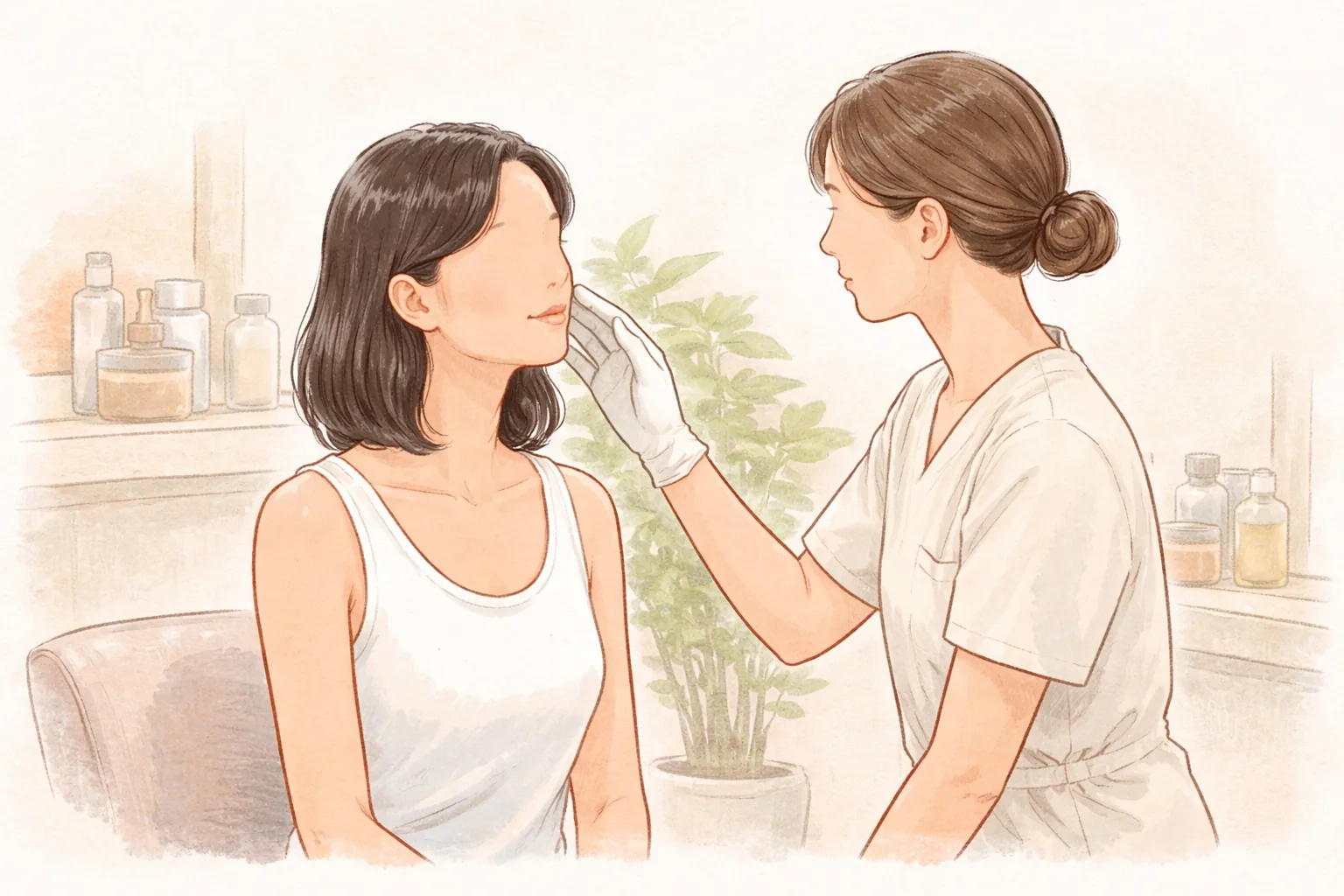
History and status check We first confirm your previous treatment history, medications you are taking, allergic reactions, and pregnancy and breastfeeding status. Injectable treatments require a step of first looking at suitability. The history and status recorded in consultation are materials for building a plan, and the diagnosis is made by the doctor during the examination.
Goal confirmation and plan explanation We listen to whether the change you want is closest to moisture, skin texture, elasticity, or volume, and explain which line to use, on which area, at what volume, for how many sessions, and at what interval. The anesthesia method and expected reactions are also explained at this time.
Treatment It is performed at the area and volume decided in consultation. Individual diagnosis and treatment plans are decided directly by the medical team during the examination process.
Follow-up We guide you on the next visit according to the recommended cycle, and set together the criteria for making contact if an adverse reaction occurs.
Skin booster items, based on the price list, include Rejuran Healer, Rejuran HB, Rejuran S, eye Rejuran, Juvelook skin, Juvelook volume, eye Juvelook, skin booster ("water glow") injection, SKINVIVE, Belotero Revive, Re2O, salmon injection, and exosomes. Which product to use is decided in consultation.
Aftercare and side effects
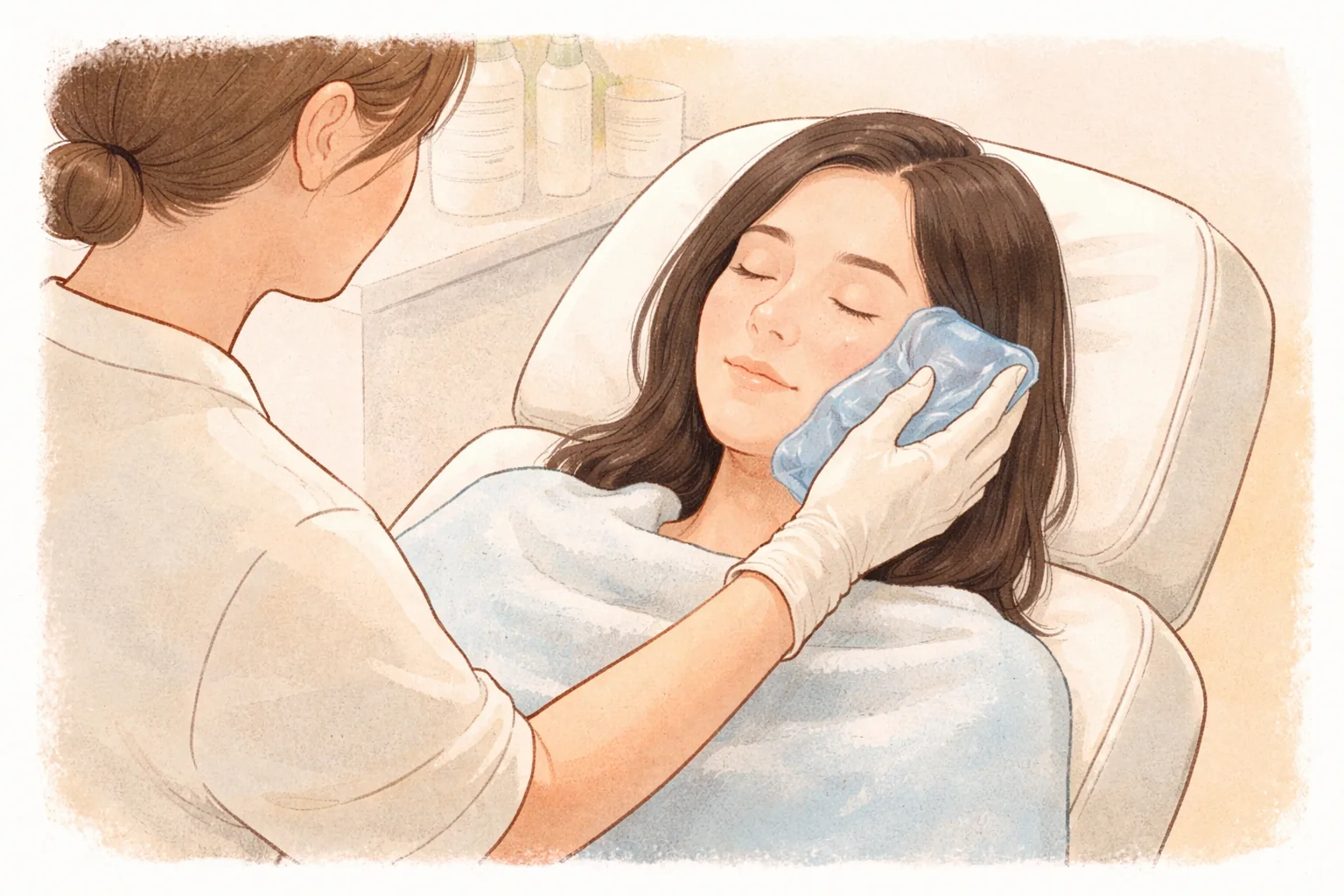
Soothing Immediately after the treatment, do not press or rub the injection area, and use cold compresses to manage swelling. Check the cold compress method with the medical team, and avoid saunas, strenuous exercise, and alcohol on the day.
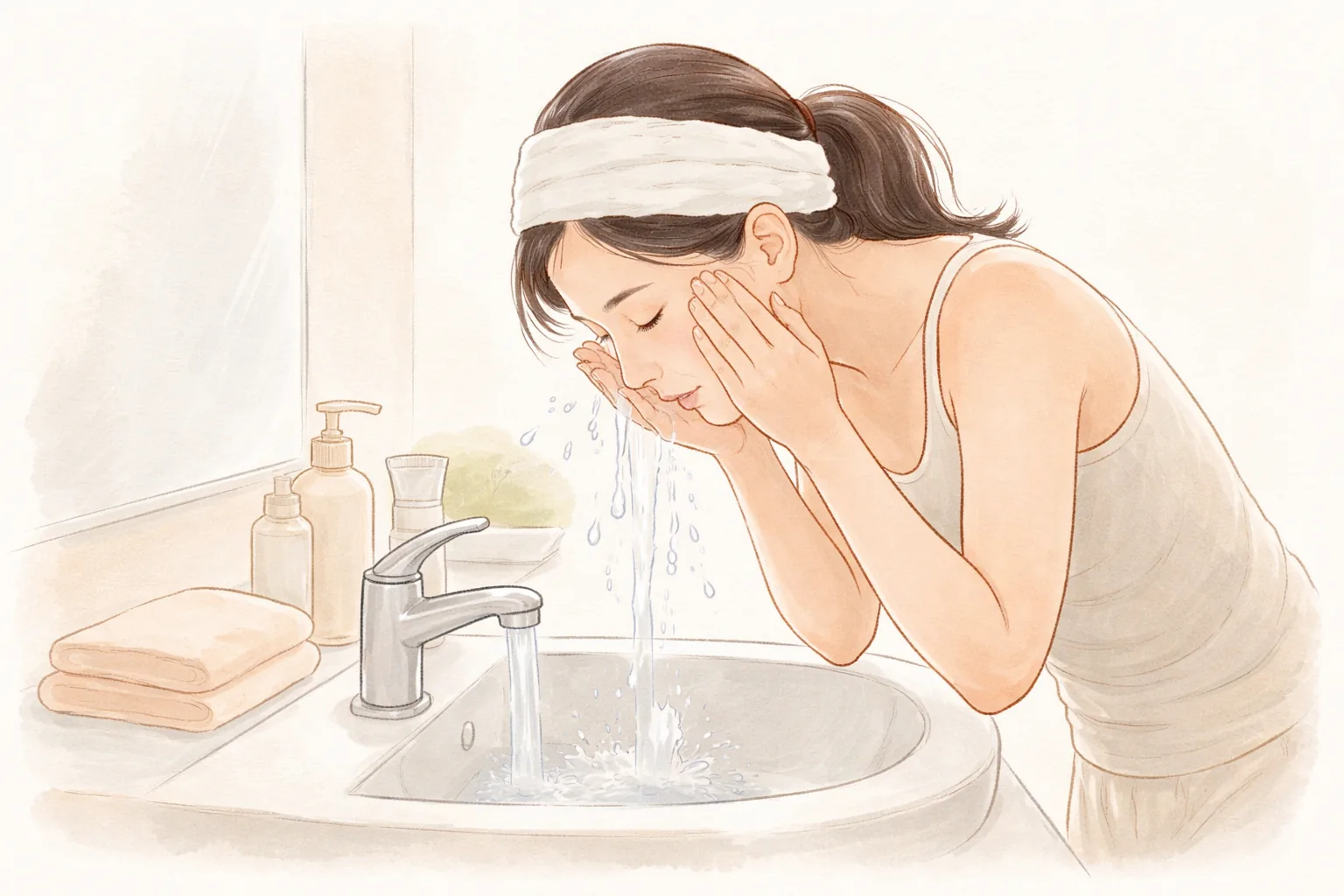
Washing and makeup Wash your face lightly from 4–6 hours afterward, and makeup is often possible from the next day once the injection marks have closed.
Sun protection Apply sunscreen thoroughly throughout the recovery period, and especially take extra care for 2–3 days after the treatment. During this time the skin's barrier is temporarily weakened, so protection helps it recover without pigmentation.
Follow-up Bumpy marks may remain for a while, and if they continue or look different from usual, notify the clinic.
Looking at side effects from the common ones: papules at the injection site, redness, swelling, tenderness when pressed, and bruising. Papules usually subside within a day to several days, and bruising may take more than a week. Rarely, infection, allergic reaction, inflammation, or small palpable lumps may occur, and very rarely the injected ingredient can block or damage a blood vessel.
There are also signals that mean you should seek examination right away rather than wait. These are pain that is unusual or gradually worsening, skin at the injection site turning white or mottled, bluish-gray, or black, or changes in vision. You can also contact the clinic if swelling, pain, or heat sensation continues.
Frequently asked questions
How do Rejuran and Juvelook differ in ingredients?
Rejuran is a PN family product, described as supporting the recovery response in the dermis and stimulating collagen-producing cells. Juvelook has skin, volume, and eye lines and volumes separated on the price list, but there is no description of ingredients or mechanism in the currently published materials. So in consultation, we confirm based on the manufacturer's official ingredient information and approvals. Even when grouped as skin boosters, if the injected ingredient differs, the targeted result differs too, so which ingredient fits your concern becomes the first question.
Can I receive both treatments on the same day?
Whether injectable treatments can be done on the same day depends on whether the areas overlap, how much total volume goes in at once, and whether the skin can handle that much stimulation. When planning together with laser or lifting, the doctor also decides whether it is possible on the same day and the order, and the result and recovery speed can differ depending on order and interval. If you are considering multiple treatments, organizing a list before your visit makes it easier to build the whole plan in consultation.
When do effects appear and how long do they last?
Skin boosters are not treatments that create immediate volume like fillers, but rather ones where change appears gradually. Right after the treatment there is actually swelling, making it hard to judge change, and collagen-related changes appear gradually over several weeks. The maintenance period is hard to state as a single number because the speed at which collagen is made and broken down differs from person to person, and factors such as age, sun exposure, and smoking also have an influence. So we approach it as a concept of management rather than a single treatment, and set the timing of maintenance treatments together.
I am worried about pain, swelling, and lumps.
Pain differs by area and pain threshold, and the anesthesia method is also decided in consultation. Papules and swelling right after the treatment usually subside within a day to several days, and bruising may remain for more than a week. Small palpable lumps are a reaction that can occur rarely, so if you decide in advance in consultation on the expected range, how to respond, and the criteria for contact, judgment is not difficult. If there is gradually worsening pain, skin color change, or vision change, do not wait and seek examination right away.
What should I check when choosing a clinic?
American Academy of Dermatology materials explain that treatment results depend greatly on the operator's experience and skill. So the first step is to ask how long they have been doing this treatment, whether they have experience with skin tones and age groups similar to yours, and how they explain risks and recovery time. Judgment becomes easier when you have confirmed expected results and alternatives, costs, preparation, and aftercare in consultation. Receiving injectable treatments in non-medical settings is warned to be associated with increasing reports of serious side effects, so also check that it is a medical institution. Rather than which treatment is better, it is best to base your choice on whether the clinic explains a plan suited to your skin condition.
At a glance
Table 2 At a glance
Item
Key point
Ingredients
Rejuran described as PN family; Juvelook shows only lines and volumes in clinic materials
Reading the price list
Divided by product, area, volume, and number of sessions; all amounts exclude VAT
Sessions and interval
Usually several times at 2–4 week intervals, then maintenance treatments
Right after treatment
Papules, swelling, and redness for a day to several days; bruising possible for more than 1 week
Seek care immediately
Gradually worsening pain, skin color change, vision change
In consultation
Goal, volume, total cost, recovery period, response to adverse reactions
This article offers general health information. It is not a substitute for diagnosis or treatment based on your own condition, so please talk through your situation with a doctor.