Rosacea Treatment: Causes of Facial Redness and What Makes It Worse
How facial redness develops, what triggers flare-ups, and why the same red look calls for different checks depending on the cause.
Written by ATTITUDE Clinic Editorial Team
If your face flushes the moment you get a little warm, feel nervous, or have a single drink, the first thing you want to know is "why does my redness come up so easily?" Sometimes your face feels tight and stings after cleansing and the pink lingers long after, and sometimes you start noticing fine visible vessels on your cheeks. This article covers how redness develops, what makes it worse, and how the same red look calls for different checks depending on the cause.
The short answer first
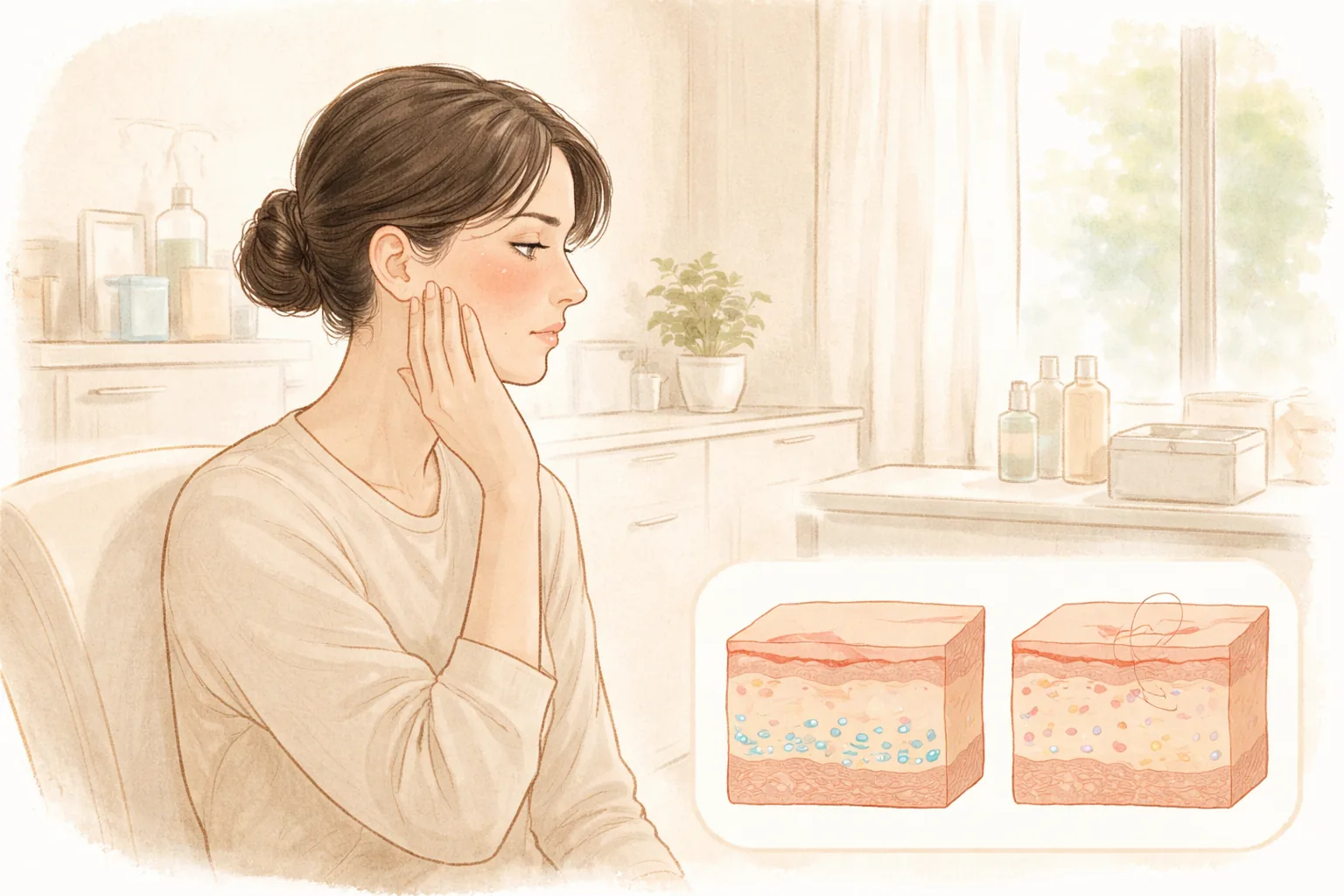
Redness isn't a disease — it's a symptom. It's a reaction where blood vessels near the skin's surface widen and appear pink or red, and the reason those vessels widen differs from person to person. There's redness from a chronic inflammatory condition like rosacea, redness where vessels overreact to UV or heat and flare quickly, and redness that looks similar because a weakened skin barrier has left skin sensitive to irritation. So rather than picking a procedure name first, sorting out which causes are mixed in — and how much — shapes the result. Triggers such as heat, UV, alcohol and harsh skincare apply regardless of the underlying cause, and how fast skin recovers and how strongly it reacts varies with skin thickness, sensitivity and lifestyle.
Why does the face turn red so easily?
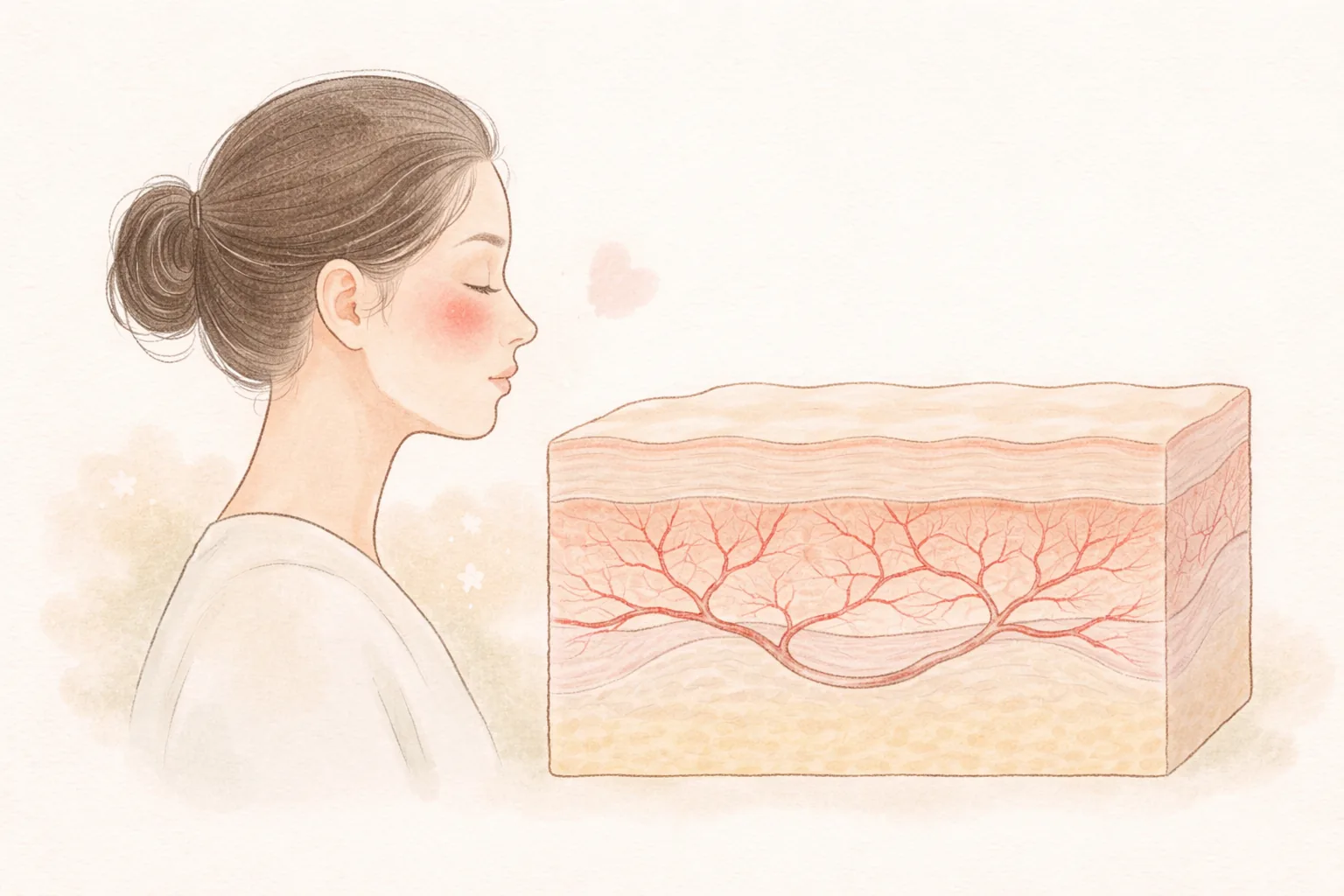
Facial skin is thinner than elsewhere and has a dense network of vessels close to the surface. Even a small amount of dilation shows through directly, so the face reddens first and most intensely at the same level of stimulation. Vascular lasers reduce redness starting from this same structure: hemoglobin carrying oxygen absorbs certain wavelengths well, so energy is concentrated on the target while surrounding tissue is left mostly alone (ATTITUDE Clinic column).
When inflammation is the base, as in rosacea, the picture is a little different. According to Cleveland Clinic, rosacea is a common inflammatory skin condition with redness centered on the cheeks and nose, and its cause is not yet known. Conditions related to blood vessels or the immune and nervous systems, an overgrowth of the microscopic mites that live on skin (Demodex), and Helicobacter pylori infection are being studied as possible causes. Flushing that comes and goes with heat or stress can be an early sign, and over time it may shift into persistent redness that doesn't fade. Depending on the type, acne-like papules and pustules, visible fine vessels, skin thickening, and eye redness or a gritty feeling may be added. Rosacea doesn't produce comedones (blackheads or whiteheads), which is a distinguishing clue when it's confused with acne.
Age and skin tone are part of the background too. Rosacea often starts after age 30 and is seen more commonly in women and in lighter skin. Reports also suggest the likelihood rises if a family member has the same diagnosis.
What makes redness worse?
The American Academy of Dermatology lists overheating, alcohol and spicy food as common rosacea triggers, and its diagnosis and treatment guidance notes that when building a treatment plan, it also looks at which factors bring on symptoms. Cleveland Clinic lists UV exposure, hot or cold temperatures and hormonal changes as triggers, and suggests that if you're not sure which factors affect you, keep a record of foods, drinks, skincare products and activities for a few days to a few weeks. Once the record builds up, the pattern behind your redness becomes visible.
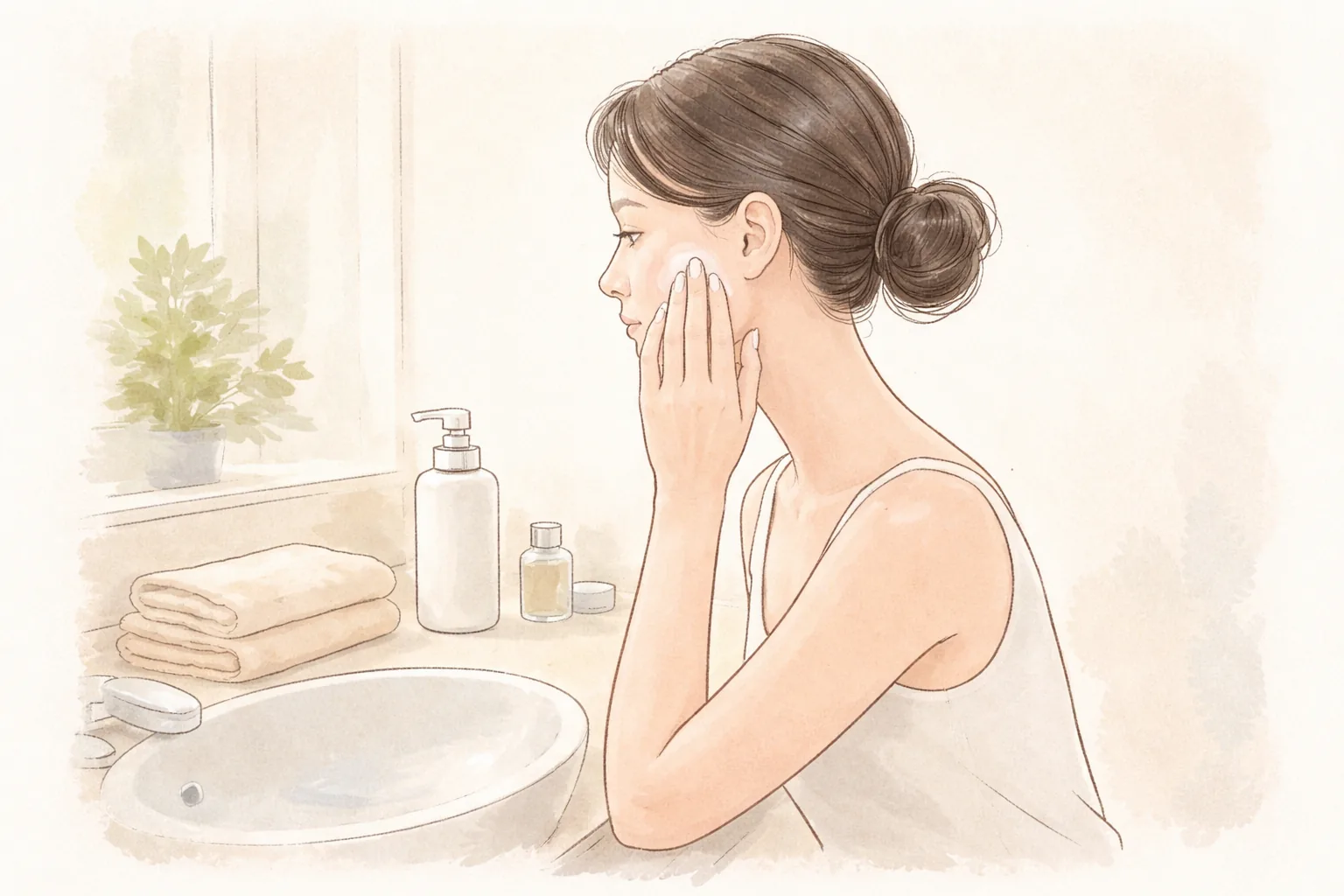
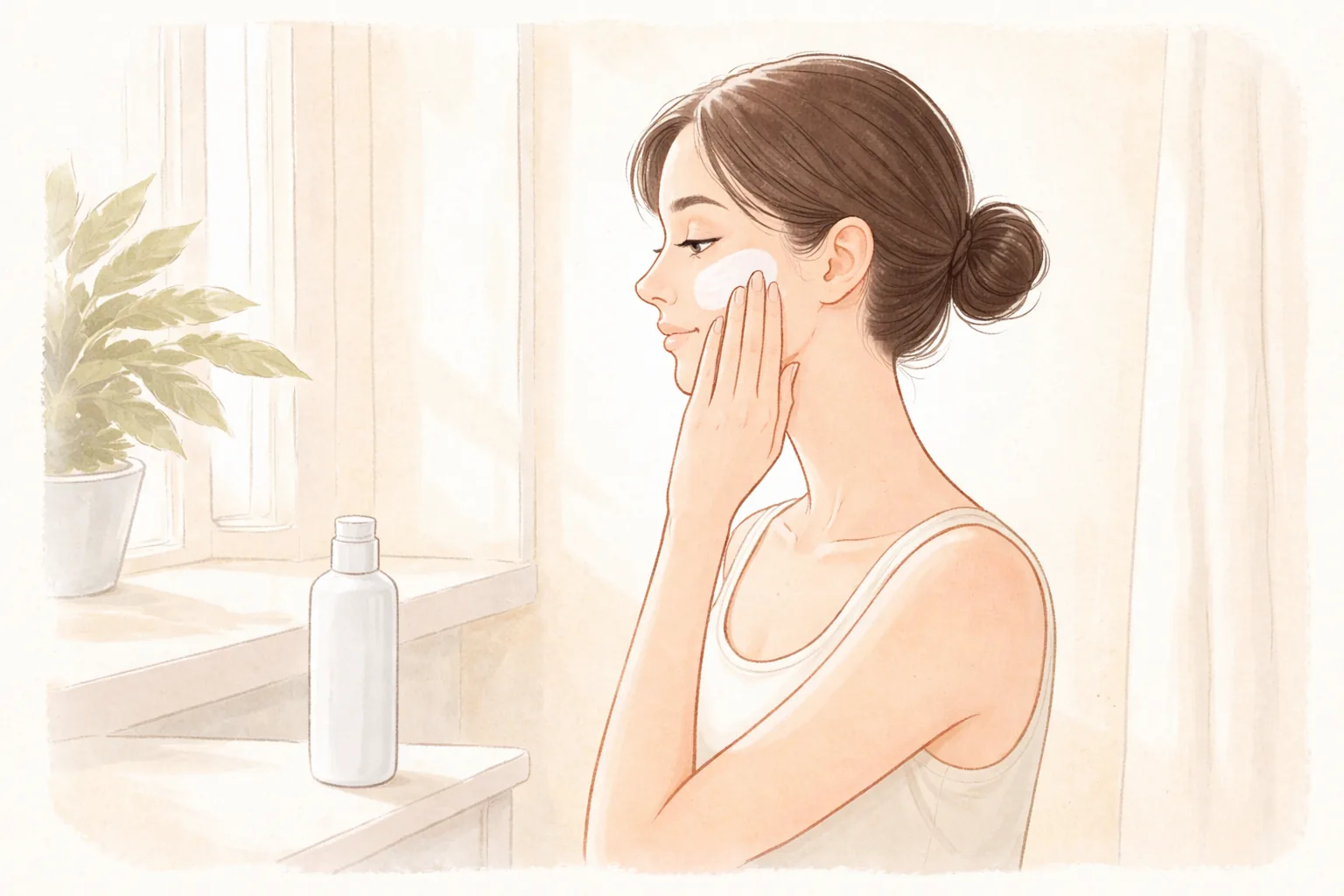
Skincare is a trigger as well. According to the AAD's rosacea skincare guidance, ingredients such as fragrance, alcohol, menthol, glycolic acid, lactic acid, urea and camphor can irritate sensitive skin and worsen symptoms. For new products, applying them daily to an area about the size of your inner forearm for 7–10 days and only using them on the face if nothing goes wrong is also recommended. Cleansing up to twice a day, moving a gentle cleanser over the skin with fingertips without rubbing, and finishing so no residue is left behind works well. Skipping cleansing can let oil and dust build up and increase irritation, so not washing because it stings actually makes redness worse.
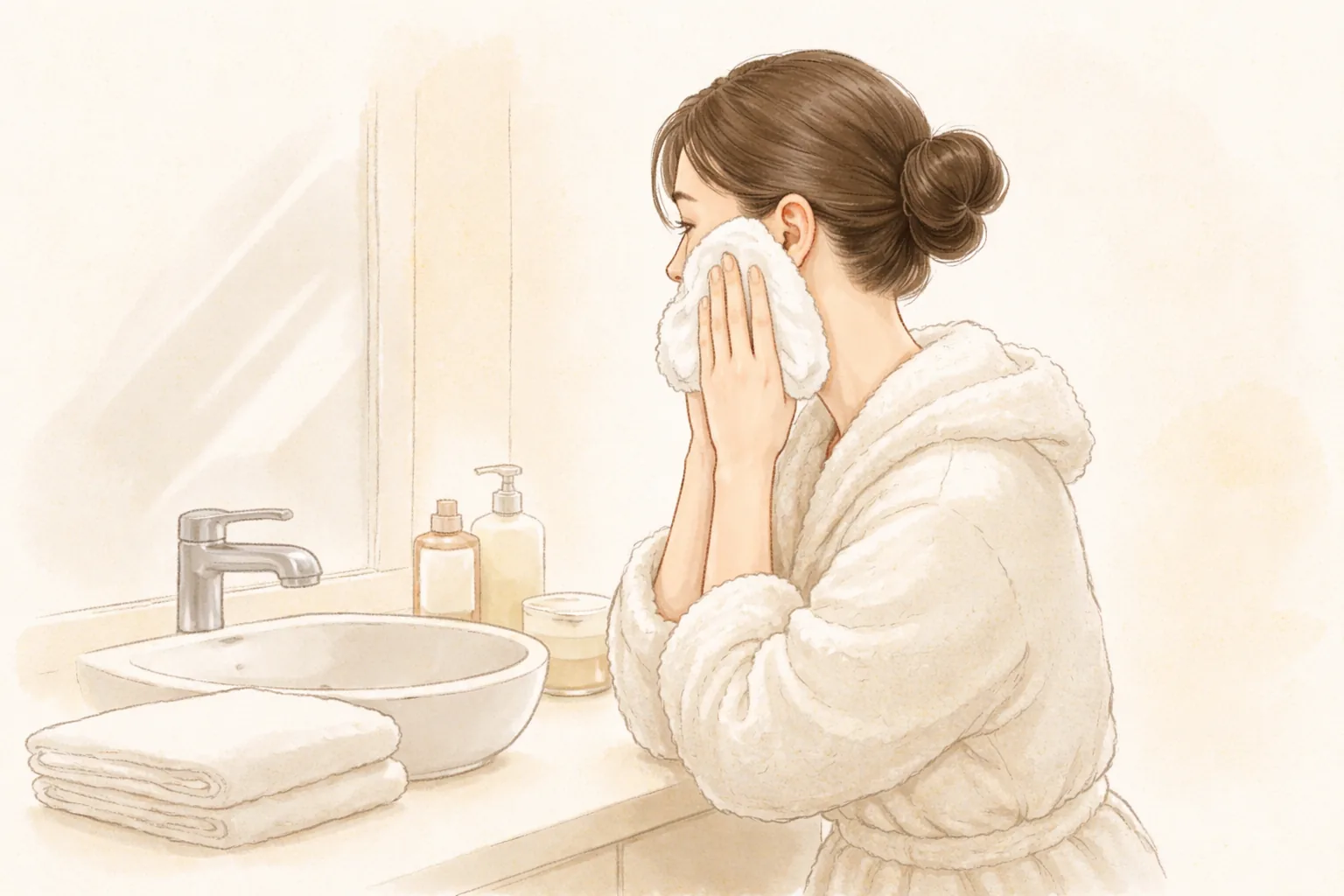
Temperature and friction are the same story. When skin temperature rises, vessels widen and pigment cells can be reactivated, so it's better to avoid heat stimulation during recovery (ATTITUDE Clinic column). Saunas, jjimjilbangs, hot-water cleansing, intense exercise and habits of rubbing the face all fall into this category. Wiping with a towel as if scrubbing makes the friction itself an irritant, so press to remove water instead.
Why is the approach different for the same redness?
Superficial vessel dilation (where fine vessels show close to the surface) can be reduced with vascular laser options. At ATTITUDE Clinic, the 532nm vascular laser Vbeam and Genesis toning are used, with 3–5 sessions at 4–6 week intervals as a common example. Conversely, for sensitive skin or redness from high skin reactivity such as rosacea, laser effects can be limited (ATTITUDE Clinic column).
With rosacea, the order is different. According to AAD guidance, intense light therapy (IPL) or lasers can be used for redness, FDA-approved brimonidine gel or oxymetazoline cream for persistent color, and topical medicines such as azelaic acid or oral antibiotics for acne-like papules and pustules. These medicines narrow vessels and can fade persistent redness for up to 12 hours; they look their best 3–6 hours after application and then gradually return to baseline. Applied consistently every day, they may help reduce overall redness when used for more than 1 year. Topical medicines tend to show slight change at 3–4 weeks and clear difference at 2–3 months, so it's hard to judge impatiently.
Cumulative UV exposure and a compromised skin barrier lean heavily on daily management. Sun protection, moisturizing and avoiding irritating ingredients come first, and any needed procedures are layered on top. Even within the same face, redness comes from vessels, spots from pigment and rough texture from the surface, so when several causes overlap, dividing them into priorities reduces the burden on skin (ATTITUDE Clinic column).
Table 1 Why is the approach different for the same redness?
Pattern of redness
Cause usually suspected
What's checked in consultation
Direction of approach
Flares quickly with stress, heat or alcohol, then fades
Heightened vascular reactivity, sensitive skin
When redness started and what set it off, cosmetics and cleansing history
Reduce irritation and moisturize, low-intensity laser if needed
Visible fine vessels beside cheeks and nose, fixed in place
Superficial vessel dilation
Whether redness persists, whether dilated vessels are visible
532nm vascular laser options, common example 3–5 sessions at 4–6 weeks
Persistent redness centered on cheeks and nose with papules and pustules
Rosacea
Presence of comedones, eye redness and gritty feeling, triggers
Topical and oral medicines first, IPL or laser in combination if needed
Redness with tightness and stinging after cleansing
Compromised skin barrier
Cleanser and exfoliation frequency, history of new products
Stop irritating ingredients, moisturizing and sun protection first
Swipe sideways to see the whole table.
In short the shape of the redness, how long it lasts and the symptoms that come with it are the clues pointing to the cause. Fixed redness like visible vessels and redness that flares quickly with heat call for different approaches, and when papules and pustules are mixed in, controlling inflammation comes first. If the order is wrong, redness can remain even after repeated procedures.
If this sounds like your situation
When the date is fixed, like a wedding or a shoot
Given that heat, UV and alcohol are triggers, cut back on saunas and heavy drinking around the event. Procedures are counted backward from the date with recovery time in mind; redness and heat often last several days, so schedule with some buffer rather than the day right before an important date.
When you want ongoing management
Superficial vessel dilation is approached over several sessions rather than resolved in one. A common example is 3–5 sessions at 4–6 week intervals. Sun protection is the baseline whether it's winter or summer, and if it's a season with lots of outdoor activity, lowering intensity and splitting sessions is another option.
Sensitive or easily flushed skin
For this skin, managing irritation comes before procedures. Avoiding fragrance, alcohol and exfoliating ingredients and keeping up moisturizing and sun protection alone can change how often redness appears. Layer on only as many procedures as needed.
Short-stay international visitors
Recovery can range from a few days to 1–2 weeks, so it's best to share your travel schedule first. If your departure is tight, lower the intensity or adjust the timing, and learning the aftercare items in advance makes it easier to respond while you're here.
Tell us before your consultation Sharing your recent UV exposure and travel schedule, medications you're taking, ointments you've applied to your face, skincare ingredients you're using (retinoids, exfoliants and so on), any history of bruising or pigmentation after previous procedures, important dates like weddings, shoots or business trips, and whether you have eye redness or a gritty feeling will help us build the plan.
How ATTITUDE Clinic proceeds
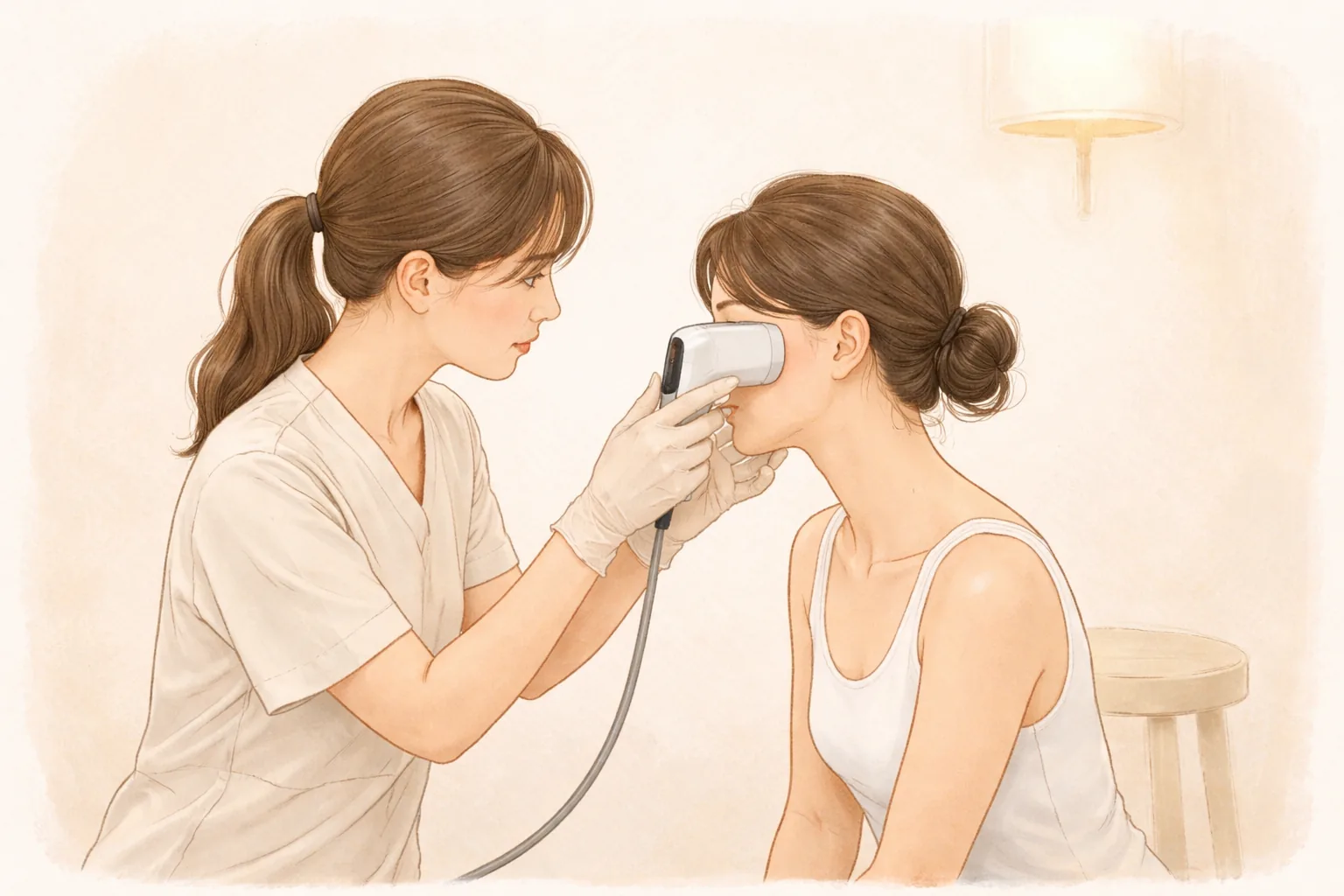
AI skin analysis record — Current skin condition such as pigment, redness, texture and pores is recorded and organized with an analysis tool. This record supports consultation and is not a medical diagnosis; judgment is made by the doctor through examination.
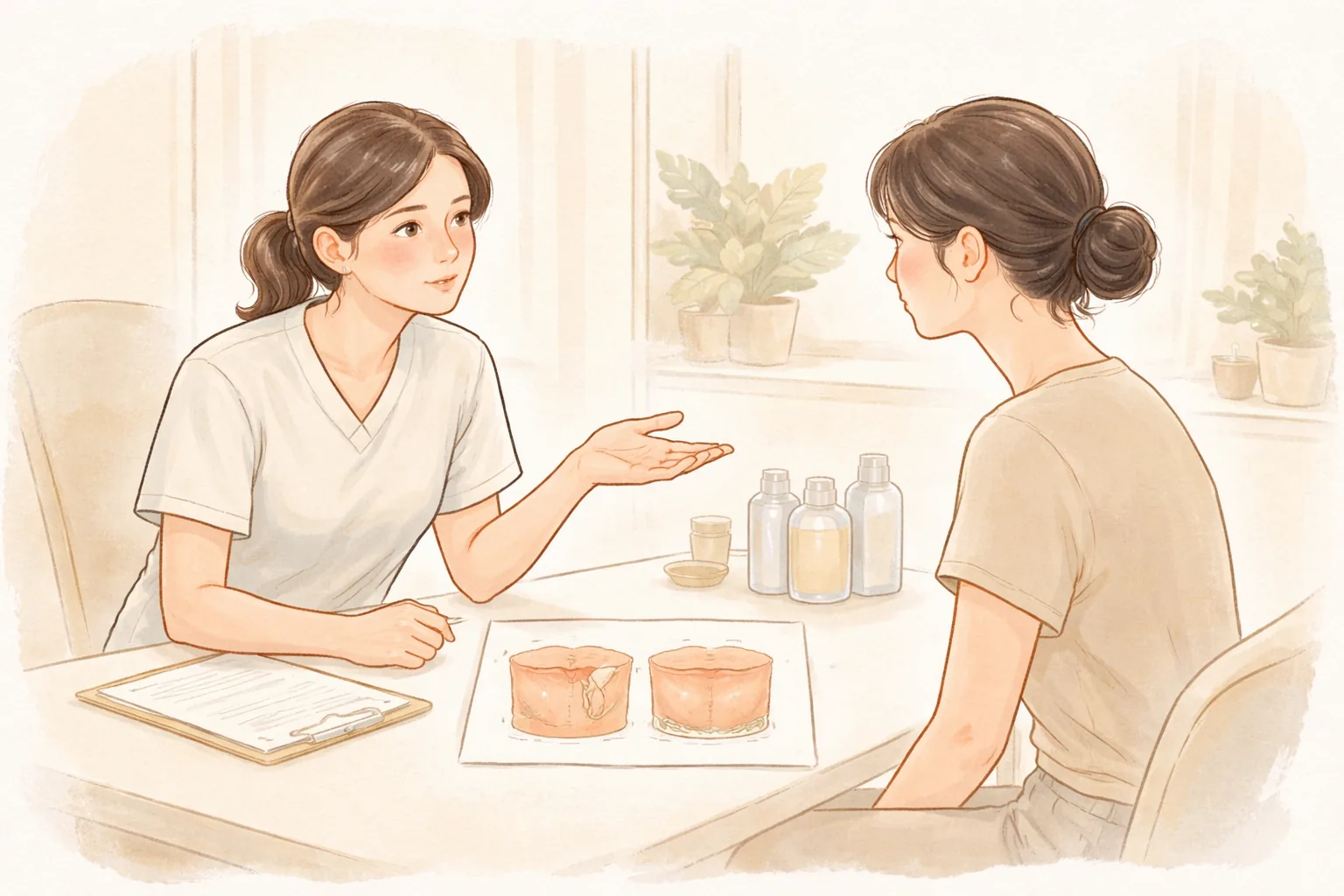
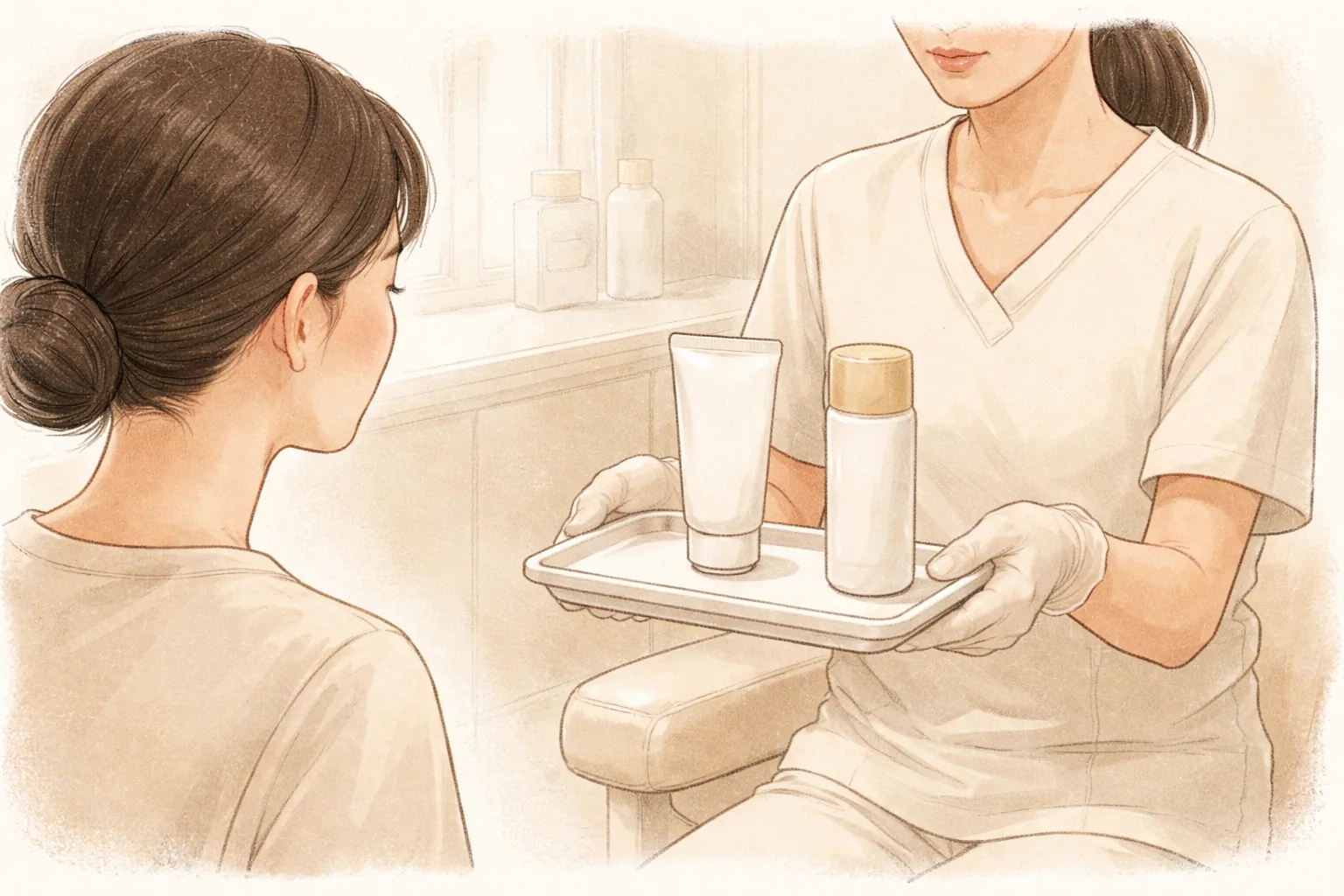
Doctor consultation — We review when redness started and what set it off, lifestyle habits, medications and important dates together. We sort out which causes are mixed in, decide what's needed now and what isn't, and set the order; whether topical anesthesia is needed is also decided at this stage.
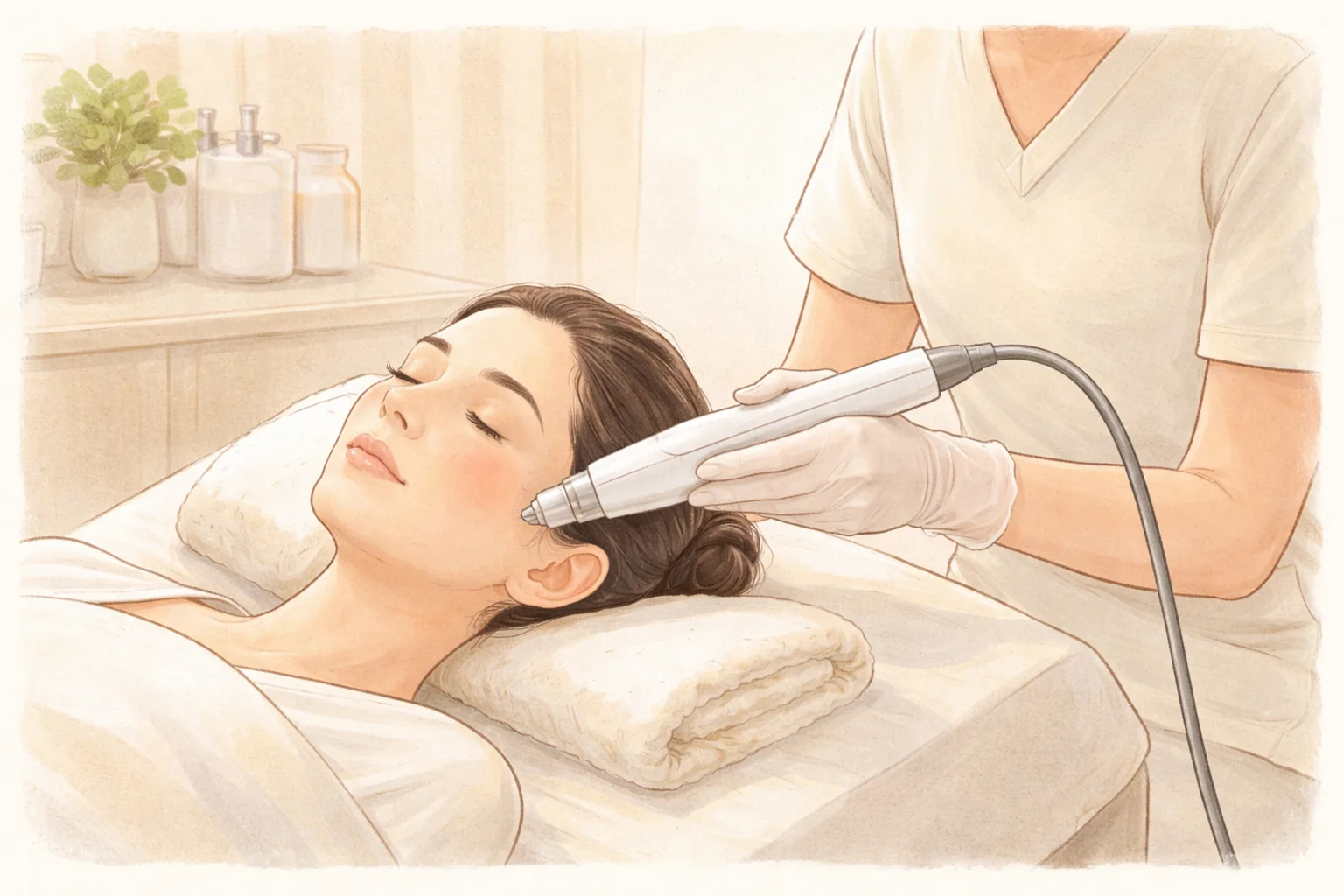
Procedure performed by the doctor — Equipment and intensity are chosen to match your condition, and the doctor performs the procedure directly. For vascular concerns, the 532nm vascular laser Vbeam and Genesis toning are used; for surface texture, an erbium YAG laser and others are used. Our principles are genuine equipment, full-dose treatment and listed prices.
Recovery and aftercare guidance — We guide you on sun protection and moisturizing after the procedure, irritants to avoid, and when to check progress. Not recommending more sessions than necessary is part of this flow.
Aftercare and side effects
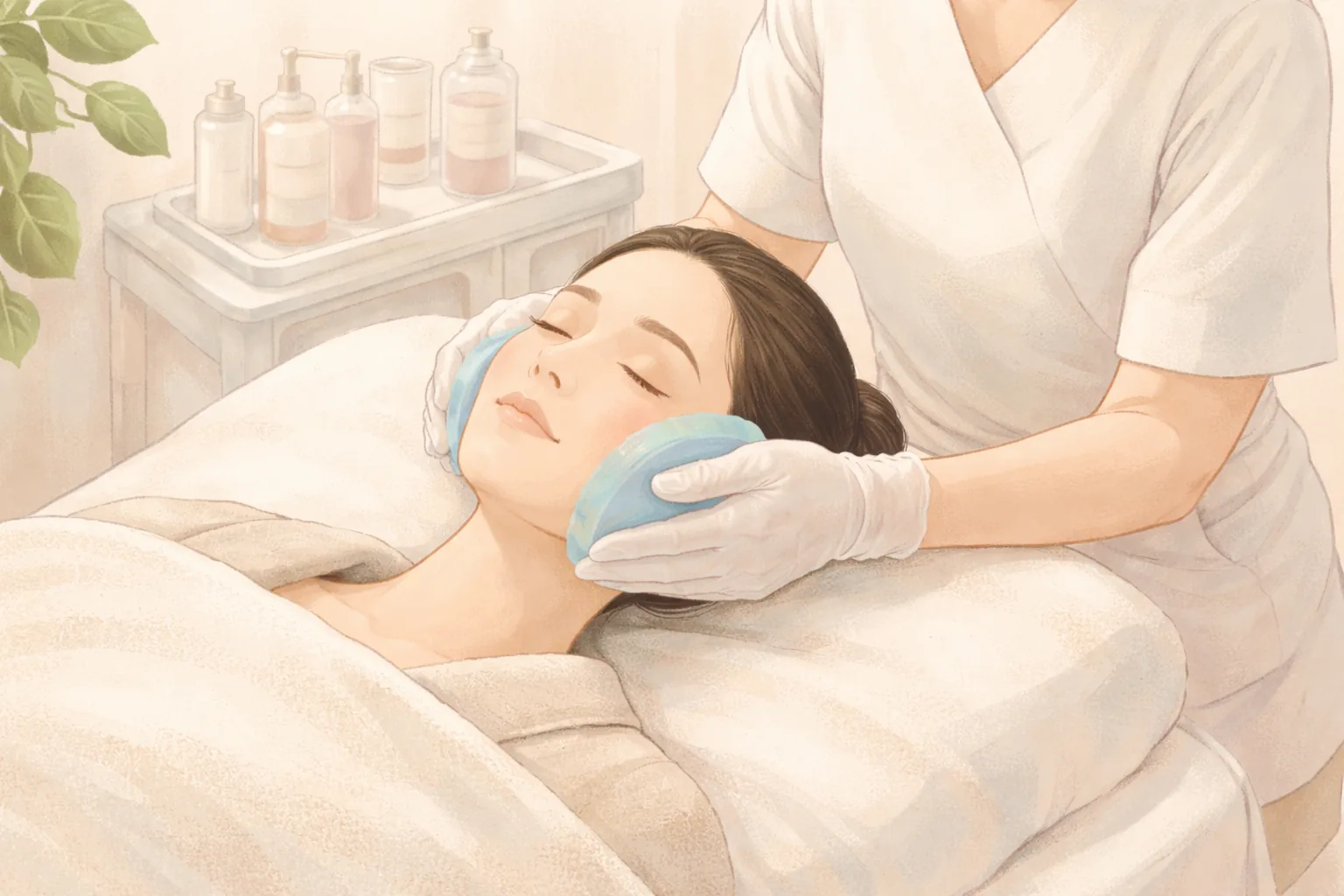
Soothing — Right after the procedure, redness, heat and swelling are common. Calm them with cooling and soothing, and don't rub your face that day.
Moisturizing and cleansing — Wash gently with lukewarm water and press to remove water without rubbing. Pause exfoliation and scrubs for the period you're advised.
Sun protection — For at least 2 weeks after the procedure, apply SPF 50+ sunscreen, and reapply about every 2 hours outdoors (ATTITUDE Clinic column).
Reducing heat and checking progress — Avoid saunas, jjimjilbangs and intense exercise for 1–2 weeks. If redness and stinging last longer than expected or get worse, don't wait it out — come in to be checked.
Common reactions are redness, heat, swelling and stinging, and Vbeam can cause bruising. Rarely, blisters, lightened patches (hypopigmentation), infection, scarring or pigment rebound can occur. Lasers follow selective photothermolysis (concentrating energy on the target while leaving surroundings mostly alone), but repeating before recovery is complete or using intensity too high for your skin condition can weaken the barrier, leaving skin sensitive or redness lasting longer (ATTITUDE Clinic column). If redness or pain lasts more than 3 days or suddenly worsens, or if blisters appear, don't wait — get checked.
Frequently asked questions
Can facial redness be cured completely?
The answer depends on the cause. Rosacea is a chronic condition approached as management rather than cure (Cleveland Clinic). Treatment goals are set toward reducing symptoms, easing discomfort and preventing flare-ups (AAD guidance). Superficial vessel dilation can be reduced with laser, but it can come back with UV exposure or lifestyle habits. Conversely, temporary redness caused by irritation can change a lot once the irritation is removed. Even with the same diagnosis, the degree of redness and how skin responds vary with skin condition and lifestyle, so setting the goal as "less red, less sensitive" rather than "remove it completely" makes a realistic management plan.
How do you tell simple flushing apart from rosacea?
The most practical clues are persistence and accompanying symptoms. Redness that flares briefly with heat or stress and then fades points first to heightened vascular reactivity. On the other hand, if redness centered on the cheeks and nose continues without a trigger, acne-like papules or pustules appear alongside, there are no comedones, and eye redness or stinging overlaps, look toward rosacea (Cleveland Clinic). Diagnosis is made by examining the skin and eyes and asking about history and triggers, and sometimes tests are needed to rule out other conditions that cause facial color changes, such as lupus (AAD guidance). It's hard to be certain by eye alone, so the longer redness lasts, the more an examination comes first.
Why does my face turn red when I drink?
Alcohol works to raise body temperature and widen blood vessels, which increases facial redness. According to AAD guidance, overheating, alcohol and spicy food are listed as common rosacea triggers (diagnosis and treatment guidance). At the same amount of drinking, the degree of redness differs by person, and those who already flush often redden more noticeably. If redness is still there the day after drinking, it may be the combined result of that day's heat and lack of sleep. Keeping a record for a few days shows which factors affect you and how much (Cleveland Clinic).
How should I cleanse if I have sensitive skin with redness?
Gentle cleansing is better than not washing. According to AAD guidance, applying a gentle cleanser up to twice a day with fingertips in gentle circles, rinsing so no residue remains, and patting dry with a clean towel works well (rosacea skincare guidance). After cleansing, moisturizing reduces irritation even if skin feels oily. It's better to avoid ingredients like fragrance, alcohol, menthol, glycolic acid, lactic acid and urea, and testing new products on the inner forearm for 7–10 days before using them on the face is safer. Hot water, towel friction and exfoliation all work to increase redness.
What should I look for in a clinic for redness treatment?
Whether they examine first and whether they explain causes by category are the first criteria. Redness has several causes, so applying the same equipment at the same intensity gives different results. It helps to see whether the consultation asks about when redness started and its triggers, medications and skincare history, and checks eye symptoms too. Deciding after hearing which equipment is used and why, how long recovery takes, and what reactions mean you should get in touch — that's the order for building a plan. If a clinic proposes dividing priorities when several causes overlap, you can also see how they build the plan.
At a glance
Table 2 At a glance
Item
Key point
What redness is
A symptom, not a disease — blood vessels near the skin widen and show as red
Common cause categories
Inflammation such as rosacea, superficial vessel dilation, compromised skin barrier, cumulative UV
This article offers general health information. It is not a substitute for diagnosis or treatment based on your own condition, so please talk through your situation with a doctor.