Skin Booster for Dry, Sensitive Skin: What Decides If It Fits
Why dry skin and sensitive skin are not the same thing, how skin barrier condition changes the order and timing of a skin booster treatment, and what to check in consultation and aftercare.
Written by ATTITUDE Clinic Editorial Team
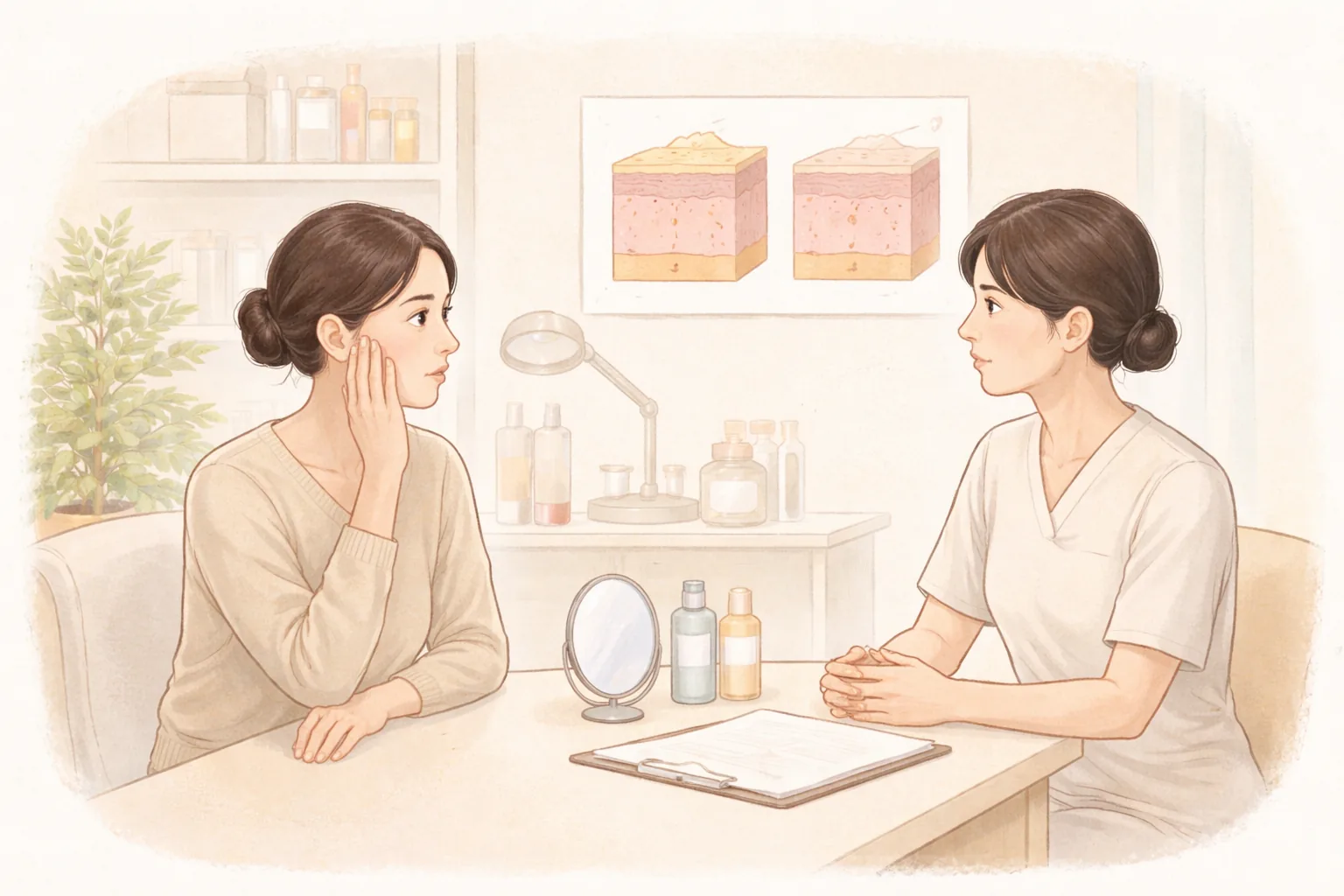
After washing your face, the tightness lingers and flakes appear — and if your skin is dry like this, you may wonder whether an injectable treatment is okay. There is also the worry that treating already sensitive skin might make it redder or more stinging. This article explains where dryness and sensitivity each come from, which of them decides whether a skin booster treatment fits, and what order gets checked in consultation.
The short answer first
Being dry alone is not a reason to avoid treatment. But the order changes depending on where your current sensitivity comes from. If the skin barrier is broken down and your skin stings and is red, barrier recovery comes before hydrating treatments; if inflammatory breakouts are active, calming the inflammation comes first. So whether it fits is judged by what stage your skin is in now, not by the product name. Sometimes the cause of dryness lies outside the skin itself, so medications you take and underlying conditions are reviewed together.
Dry skin — what makes it lose moisture?
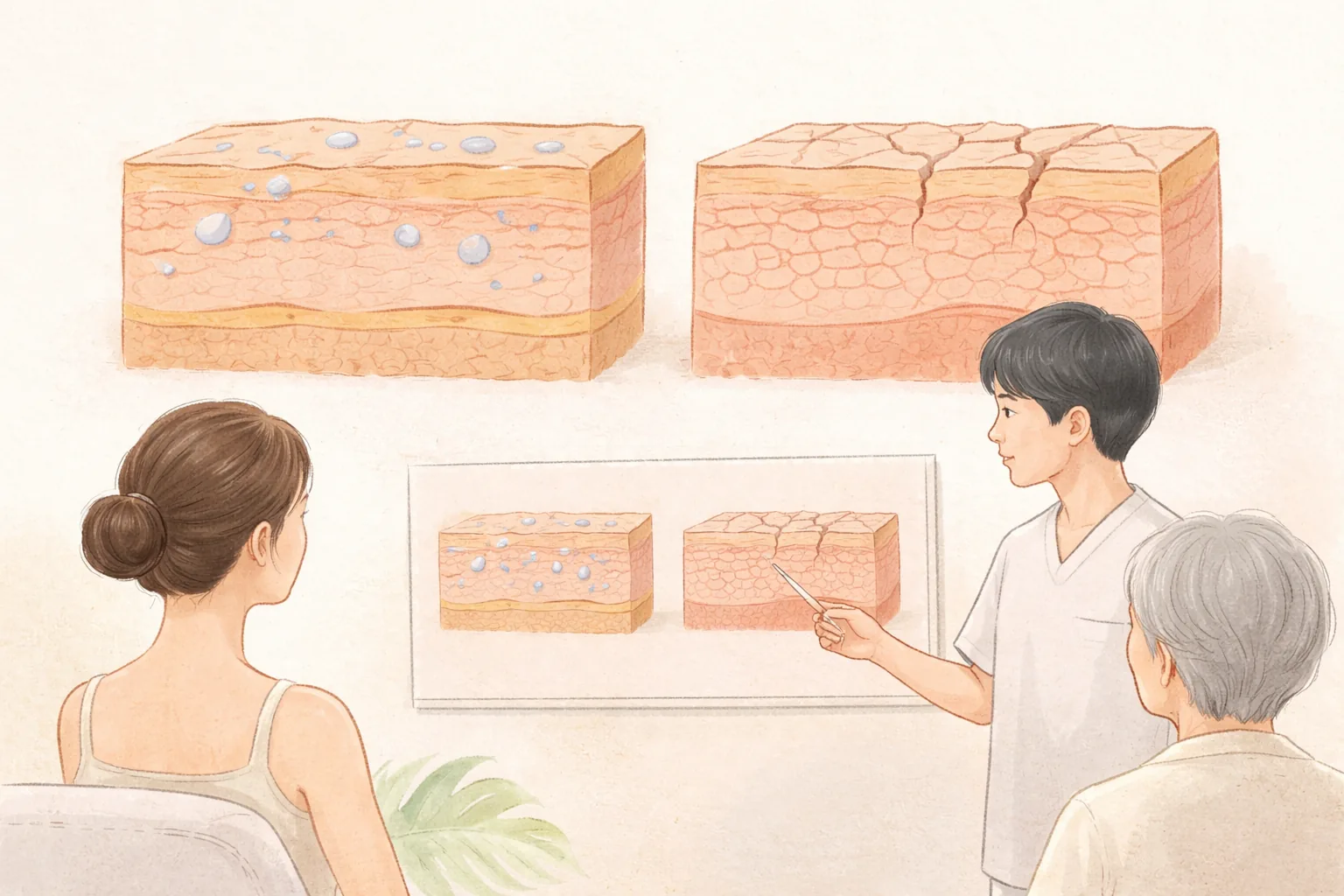
Dryness is a state where the stratum corneum lacks moisture and the skin becomes rough. When it worsens, it cracks, flakes, and itching can follow (Cleveland Clinic dry skin guide). There is not just one reason skin dries out. It comes from a mix of age-related decline in oil production, cold and low-humidity climates, allergies or eczema, body conditions such as diabetes or kidney disease, and genetic tendencies.
On the face, these changes are especially clear. Oil production drops significantly around age 40, and by around age 60 most people have dry skin (facial dry skin care guide). Age is not the only cause, though. Cold, dry climates and cumulative UV exposure, thyroid disease or diabetes, and medications such as statins for cholesterol or diuretics also dry out the skin.
One thing to note here. Flaky skin that looks the same is not always the same kind of dryness. Contact dermatitis from a cosmetic, metal, detergent, or medication can also make skin dry and red, and inflammatory conditions like eczema can look similar. Since different causes mean different first steps, this distinction is the starting point for judging whether a treatment fits.
Where does sensitivity come from, and what signals appear when the barrier breaks down?
The skin barrier is the outermost layer of the skin, made of dead cells, lipids, and proteins. This layer holds moisture in and blocks irritants and bacteria from entering (skin barrier guide). If you compare the structure to a brick wall, the skin cells are the bricks and the lipids filling the gaps are the mortar. When the mortar is lost, the wall loosens — moisture leaks out and irritants seep in.
What breaks down the barrier is usually harsh cleansers or soap, excessive exfoliation and rubbing, and habits that skip moisturizing. There are also conditions that arise when the barrier is weak, such as adult acne, atopic dermatitis, and psoriasis. When the barrier is damaged, skin becomes dry and flaky, and sensitive enough that products that were once fine now sting.
So dryness and sensitivity often overlap but do not describe the same state. Dryness refers to a lack of moisture; sensitivity refers to an exaggerated response to irritation. It may seem like removing flakes would help, but peeling off more than expected often increases irritation. The thinner the barrier, the more important it is to reduce irritation first.
Water temperature matters too. Hot water washes away the skin's natural oils, so washing your face and bathing in lukewarm water and using a gentle, fragrance-free cleanser is easier on the barrier. Applying moisturizer within 5 minutes of washing helps reduce moisture loss. When choosing a moisturizer, look for one that contains lipids that make up the skin barrier and ingredients that hold moisture.
So when does a skin booster become a priority?
In the ATTITUDE Clinic treatment guide, skin boosters are listed under the skin booster category, described as treatments delivered directly into the skin base (ATTITUDE Clinic treatment guide). The same category includes products with different characters, such as Rejuran Healer, Juvelook Skin, and SKINVIVE. This is also why volumizing dermal fillers and skin boosters are listed as separate categories. It means that eligibility is not decided by a single product name — what your skin needs right now comes first.
The first thing that decides whether a treatment fits is barrier condition. If redness and stinging remain and flakes keep appearing, a period of reducing irritation and restoring the barrier with moisturizer may come before hydrating treatments.
The second is active inflammation. When inflammatory acne is active, calming the inflammation is considered before extraction, and the approach is to decide together what is needed, what is not, and in what order (recurring acne column). Layering treatments on areas with breakouts increases the irritation your skin has to handle.
The third and fourth are the cause of dryness and your schedule. If dryness stems from an underlying condition or medication, that needs to be addressed first; if you have a fixed date such as a wedding, shoot, or business trip, timing is worked backward from that date (laser and skin barrier column). The fifth is pain sensitivity and response to previous treatments. Even for the same procedure, anesthesia method and intensity change based on this information.
How do age and treatment area change suitability?
Age is not a criterion that determines suitability. However, as you get older, oil production decreases and skin dries more easily, so consultation tends to address hydration more often. Younger skin can also become dry from cold, dry climates or harsh irritation, so in the end your current skin condition is the basis for judgment.
Experience also differs by area. Pain varies greatly by treatment type and intensity, area, and individual sensitivity, so even the same procedure can feel different on the cheek versus under the eye. Areas with thin skin and little fat can react more sensitively, so treatment areas and dosage may be planned in stages.
Table 1 How do age and treatment area change suitability?
Skin condition
What to check first
Priority before treatment
Schedule planning
Only internal dryness, no redness
Where the lack of moisture comes from
Organize moisturizing habits, then consult about treatment
Relatively more room for recovery
Flaking and stinging
Whether the barrier is damaged
Reduce irritation and restore the barrier with moisturizer first
Delay timing until redness subsides
Active inflammatory breakouts
Stage of inflammation
Consider inflammation-calming treatment first
Re-plan the order after breakouts settle
Dryness with pigmentation or redness
Whether the concern is pigment or vessels
Split treatments by cause
Proceed sequentially, not all at once
Swipe sideways to see the whole table.
In short dryness is not a condition that blocks treatment but information to address in consultation. If there is red, stinging barrier damage and active inflammation, calming comes before hydrating treatments, and after that order is set, you decide when to place a treatment like a skin booster.
If this sounds like your situation
If a wedding or shoot is coming up
Starting a new treatment right before a wedding is a burden because redness or sensitive skin can overlap with your schedule. The more room you leave based on the date, the more options you have to adjust. When booking a consultation, telling us the date first lets us set timing and intensity accordingly.
If you want to maintain your barrier steadily
Rather than going strong all at once, managing at intervals that let your skin recover is easier on the skin. Between treatments, keeping cleansing and moisturizing habits consistent helps. Setting a goal and arranging only the needed treatments at the right times makes results more stable.
If your skin is red and stinging right now
Before adding new products or treatments, reducing irritation comes first. Pause fragranced products, exfoliation, and hot water for a while, keep moisturizing, and watch the condition. If redness does not subside or flaking worsens, a medical visit takes priority over treatment.
If you are visiting for a short stay
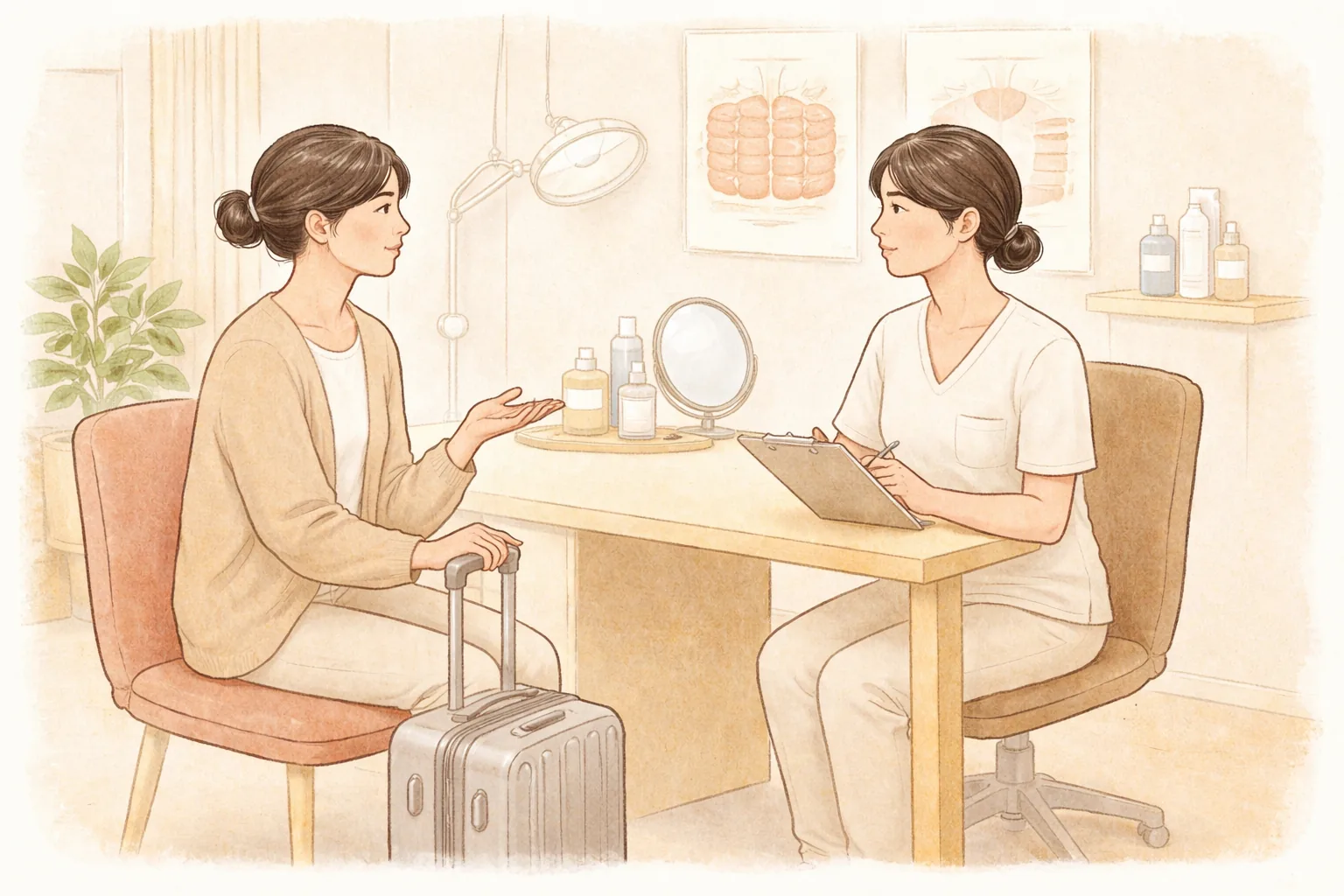
If your stay is fixed, redness or dryness right after treatment can affect your next plans. Telling us your departure date and next schedule lets us adjust timing accordingly. The tighter the schedule, the more consultation moves toward lowering intensity or splitting the timing.
Please tell us before consultation
Whether you have had a lot of recent UV exposure, what medications you take or apply and what cosmetics you use, whether your skin has been sensitive after previous treatments, and whether you have fixed dates such as a wedding, shoot, or business trip. If a cosmetic stings differently than usual, it helps to mention that too.
How ATTITUDE Clinic proceeds
AI skin analysis record — Current condition including pigment, redness, skin texture, and pores is organized with photos and records. This record is a tool for organizing information to support consultation and is not a medical diagnosis. The doctor makes the judgment.
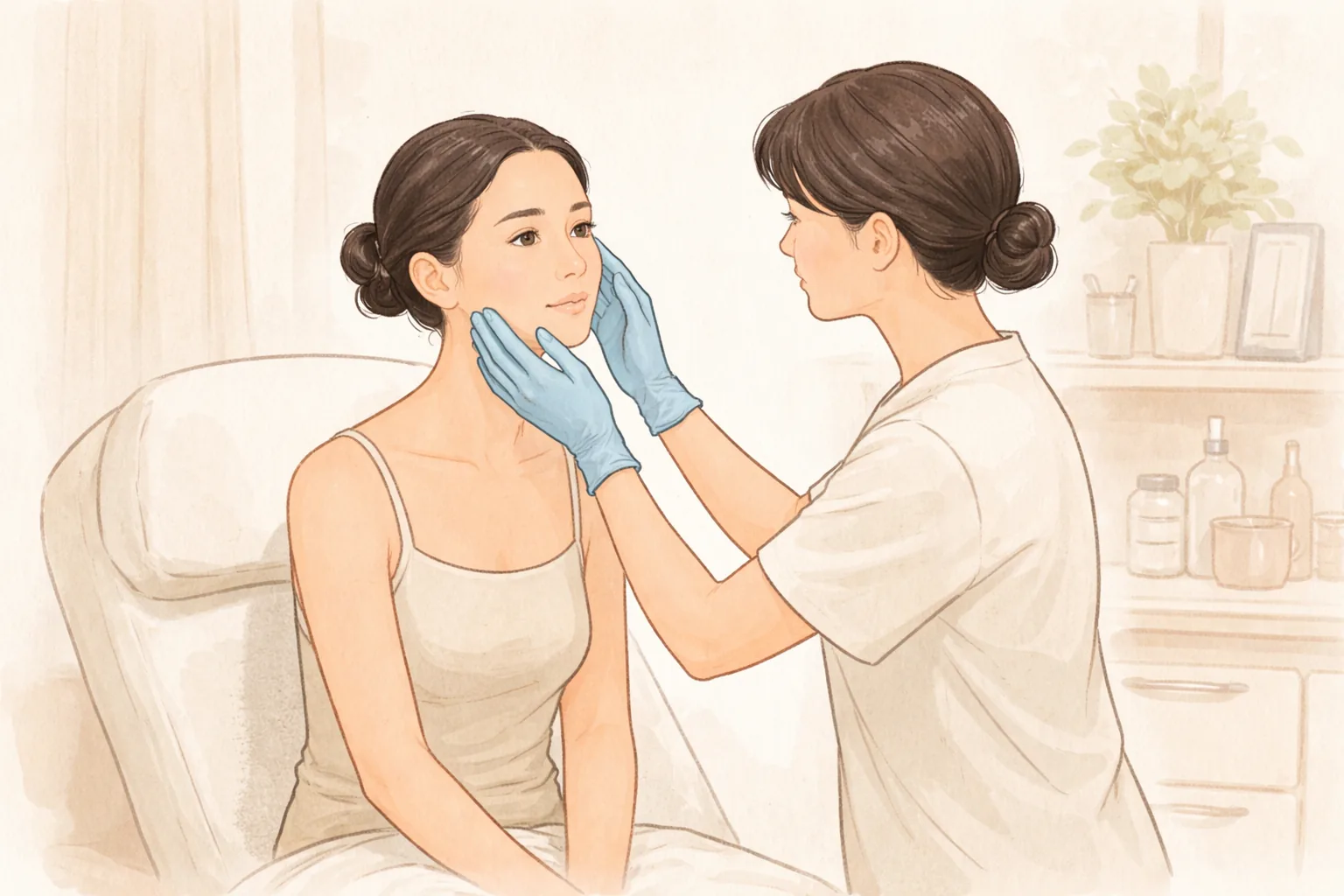
Direction setting through doctor consultation — The cause of dryness and barrier condition, medications and cosmetics in use, response to previous treatments, and schedule are all considered to decide treatment type, order, and timing together. What is needed, what is not, and the order are divided here.
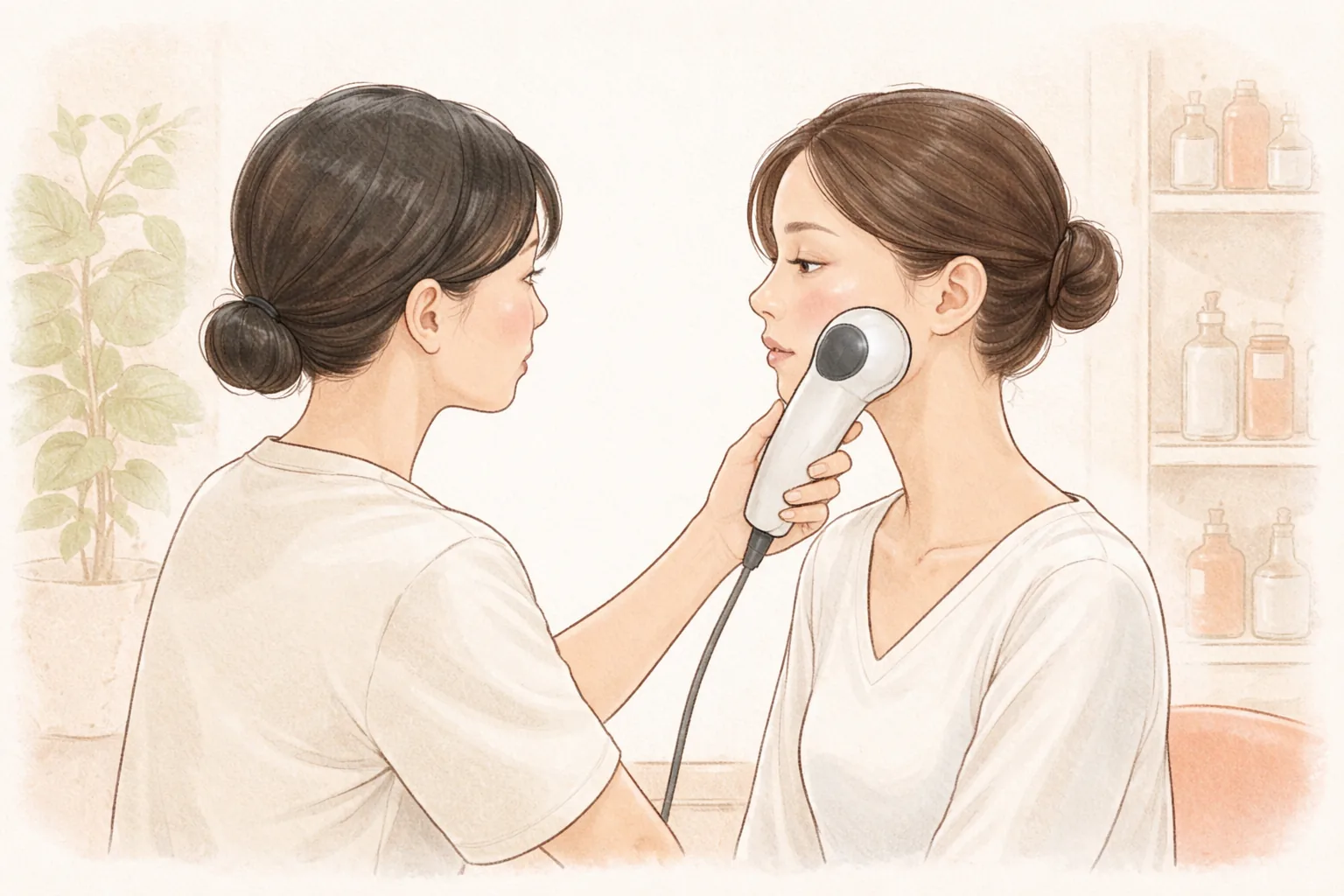
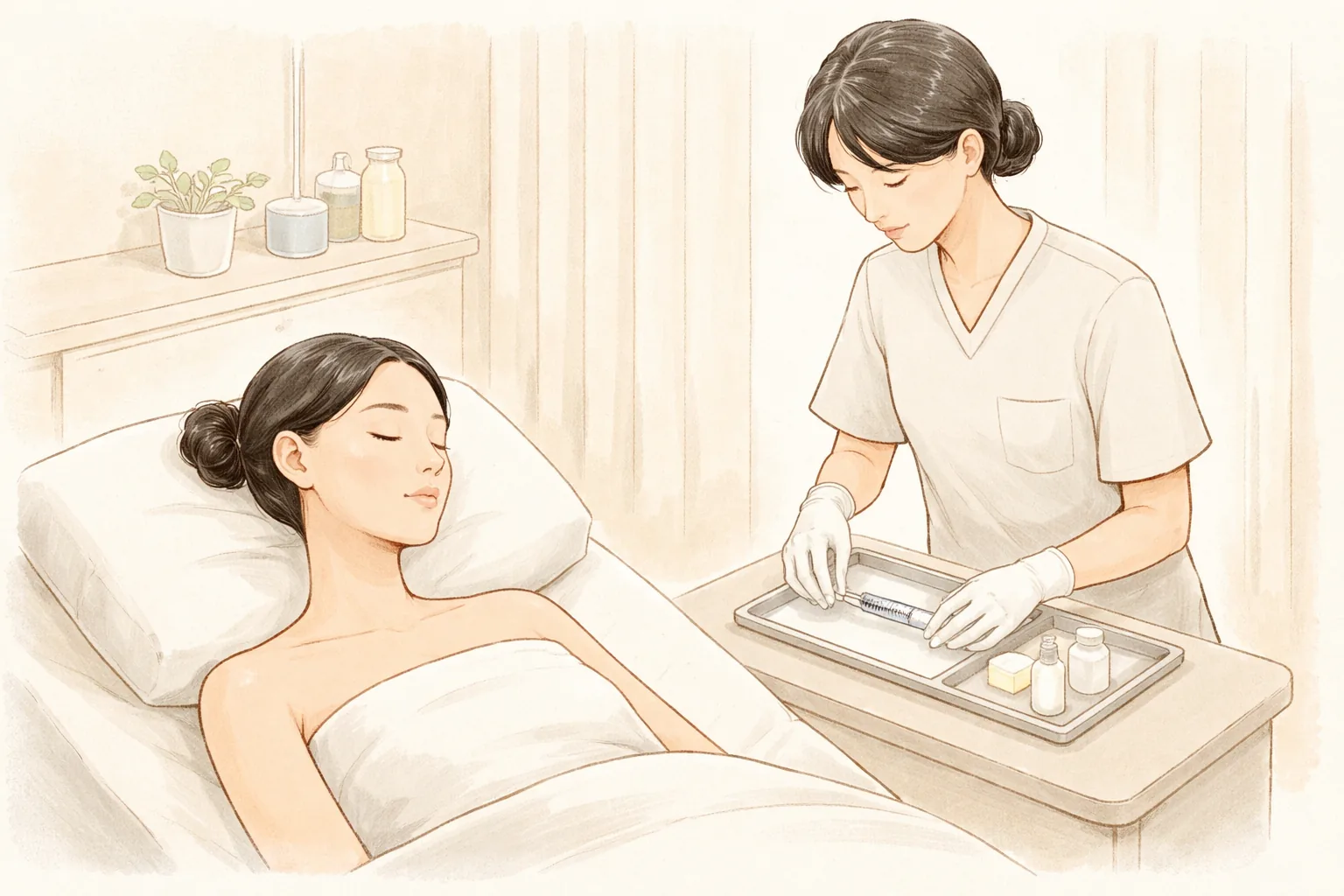
Treatment performed by the doctor — Topical anesthesia is used as needed to reduce discomfort, and the doctor performs the procedure. Under the skin booster category, products including skin boosters, Rejuran Healer, Juvelook Skin, and SKINVIVE are listed, and authentic products at proper dosage are used, with no more sessions than necessary recommended.
Follow-up check and aftercare guidance — For skin that is sensitive after treatment, sun protection and moisturizing methods are explained, and progress is checked so discomfort can be reviewed when it arises.
The principle of authentic products, proper dosage, and fair pricing is the same regardless of treatment type.
Aftercare and side effects
Calming — Right after treatment, avoid saunas, hot baths, strong exfoliation, and scrubs for the period you are advised.
Moisturizing — Since skin is temporarily sensitive, apply moisturizer often to prevent moisture loss.
Sun protection — Bring sunscreen when going out and reduce UV exposure itself.
Follow-up check — If redness or heat lasts longer than expected or pain worsens, do not endure it — visit the clinic to have it checked.
According to after-treatment reactions summarized in the ATTITUDE Clinic column, redness, heat, swelling, and stinging are common, and treatments that resurface the skin can leave thin crusts. Temporary pigmentation can occur, and rarely blisters, hypopigmented patches, infection, scars, or pigment recurrence can occur. Injectable treatments can produce different reactions depending on the planned area and dosage, and the doctor explains this before treatment. Continuing irritating care before recovery is complete can leave redness for longer, so it is better to follow the advised period.
Frequently asked questions
Can I get a skin booster even with dry, sensitive skin?
Dryness itself is not a condition that blocks treatment. However, the order changes depending on where your sensitivity comes from, so if the barrier is broken down and your skin stings and is red, a period of restoring the barrier with moisturizer and minimal irritation may come first. Once the barrier has settled to some degree, a hydrating treatment can be planned, and then intervals are adjusted based on how your skin responds. In the end, the order is decided after checking your skin condition in consultation.
I am worried about reactions like lumps or nodules — can I check in advance?
This is a matter involving product characteristics, injection volume, injection depth, and skin condition together, so it is something to check in consultation. The doctor first looks at which layer to inject how much into, whether previous treatments have overlapped in the same area, and how the skin responded then. If you feel something after treatment or discomfort lingers, it is better to visit the clinic for a check rather than just waiting.
I have had other treatments — can I continue with this?
The type and timing of previous treatments and how your skin responded then are the basis. If different treatments overlap in the same area, recovery periods can overlap, so spacing them out is safer. If you have had an unusually sensitive experience after a previous treatment, be sure to mention it during consultation. Even for the same procedure, anesthesia method and intensity change based on that information.
When can I wash my face and wear makeup after treatment?
Right after treatment, skin is temporarily sensitive. When to start washing and makeup depends on the treatment type, area, and that day's skin reaction, so it is most accurate to follow the timing advised in consultation. Before that, wipe gently without rubbing and pay attention to moisturizing and sun protection. It is better to avoid removing flakes or trying strong new products.
What should I look for when choosing where to get a skin booster?
More than equipment names or product lists, the style of consultation tells you more. Look at whether they check where your current concern comes from before treatment, whether they recommend only needed treatments and do not fix the number of sessions in advance, whether they fully explain pain, recovery schedule, and aftercare precautions, and whether they are a place you can visit for a check if discomfort arises.
At a glance
Table 2 At a glance
Item
Key point
What dryness is
Lack of moisture in the stratum corneum — by itself it does not block treatment
What sensitivity is
A state where irritation response is heightened by barrier damage or inflammation
What decides suitability
Barrier condition, active inflammation, cause of dryness, schedule and recovery capacity
Age
Age itself is not the criterion; note that reduced oil production makes dryness more likely
What to tell before consultation
Recent UV exposure, medications and cosmetics, response to previous treatments, wedding or shoot dates
Core of management
Reduce irritation, moisturize, sun protection, visit the clinic if anything seems off
This article offers general health information. It is not a substitute for diagnosis or treatment based on your own condition, so please talk through your situation with a doctor.