Skin Botox Side Effects: Common Reactions and When to Call
Skin Botox side effects, common reactions and the warning signs you should not wait on. Learn what affects your results and safety, how to care for your skin afterward, and what to prepare before your consultation.
Written by ATTITUDE Clinic Editorial Team
Many people book Skin Botox (microbotox) and still feel uneasy about it. Questions like "Are there any side effects?" "What if the bruises last a long time?" and "Is it okay to get this during a short stay in Korea?" come up often. This article separates the reactions that commonly appear after injection from the signals that mean you should not wait to call, then walks through the factors that shape results and safety and the order of aftercare.
The short answer first
Because Skin Botox is an injection that puts a needle into the skin, reactions like injection marks, redness, small bruises, and swelling can appear for a few days. ATTITUDE Clinic's treatments and pricing guide also states, alongside the botulinum toxin injection listing, that side effects may occur and that you should consult a doctor before treatment. Most of these reactions fade within a few days, but if pain keeps getting worse, or the skin at the injection site turns white, mottled, or dark, it is better to get it checked without waiting. According to the American Academy of Dermatology, cosmetic procedures carry risks like any other medical procedure, so your consultation should start by covering the risks and recovery time (AAD guidance).
Where does Skin Botox go, and what causes the reactions?
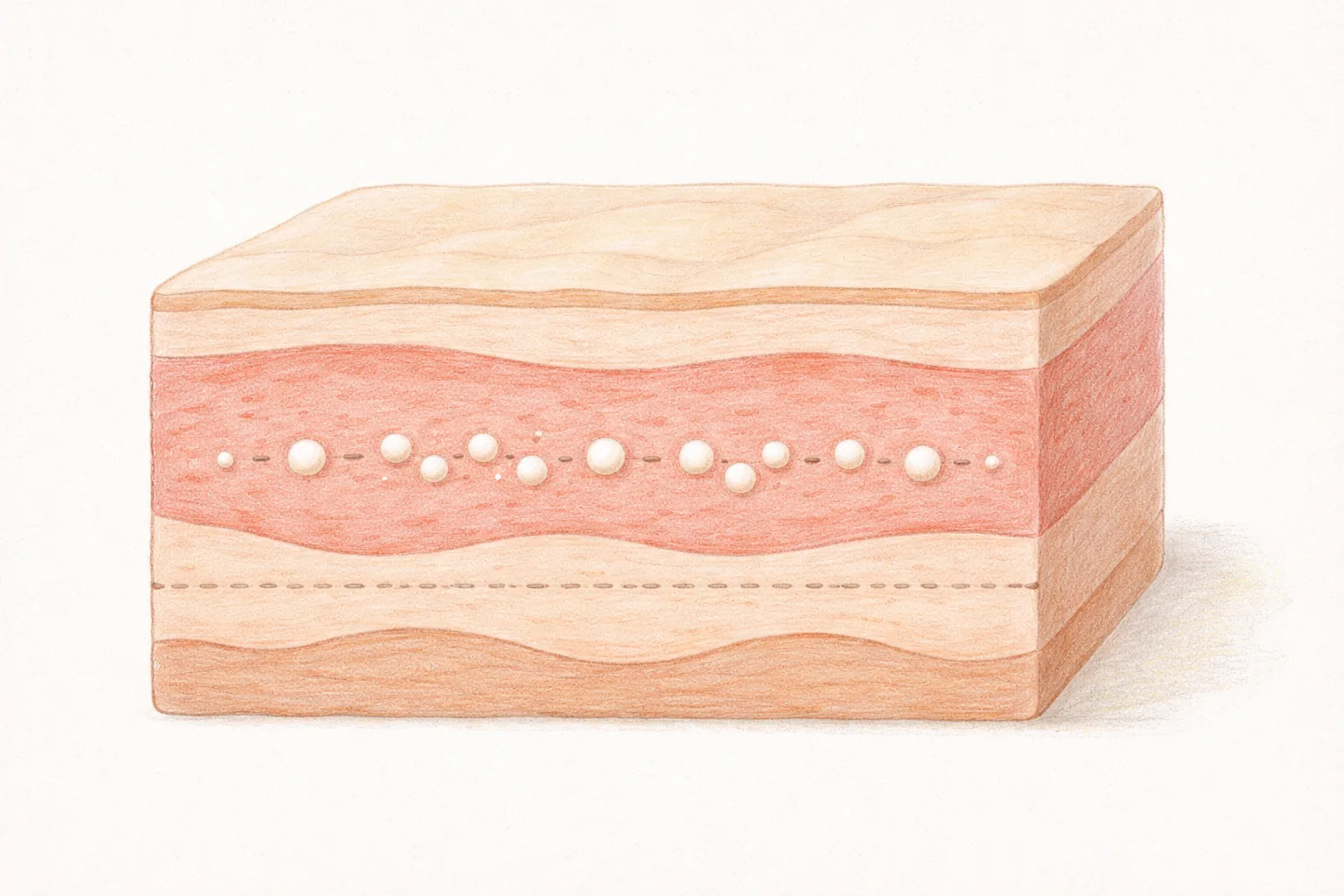
Skin Botox uses botulinum toxin (a protein derived from the botulinum bacterium that reduces muscle movement), placed shallowly and evenly across the upper layers of the skin. The injection point is the dermis (the middle layer of the skin where oil glands and blood vessels cluster), which is a different layer from wrinkle Botox, which is injected into the deeper muscles that fold when you make expressions. Even with the same product, where it goes, how much is used, and how many points it is divided across change which concern it targets.
In ATTITUDE Clinic's treatments and pricing guide, Skin Botox is listed in 3cc units, while wrinkle Botox is divided by area such as the glabella, forehead, and eye area. Products also vary, including Neurax, Coretox, Jeuveau, Allergan BOTOX, and Dysport, so the amount injected and the number of points depend on which product and how many cc are planned during your consultation.
So why do reactions happen? Much of the cause lies in the injection itself. Each spot the needle passes through creates very small irritation, and while the injected liquid settles, the skin can look puffy. Thinner areas of skin show more visible reaction even with the same amount, and the same person can have different redness duration depending on the area.
How do common reactions differ from signals not to wait on?
Reactions after an injectable fall into two broad groups: those that fade over time, and those that move in the opposite direction. In ATTITUDE Clinic's column, the common reactions after injectables are listed as redness, stinging, swelling, tenderness when pressed, and bruising (collagen injection column). Redness and stinging can last from a few hours to the same day, swelling 1–3 days, and bruising can take 1 week or more to clear once it appears. The injection area may feel bumpy for a while, and if that feeling persists, it is better to let the clinic know.
On the other hand, there are signals that leave no reason to wait: pain that keeps getting worse, skin at the injection site turning white, mottled, bluish-gray, or dark, and any feeling that your vision has changed. The same column advises getting checked immediately rather than waiting in these cases. Persistent swelling, pain, or heat are also reasons to make contact.
There is one easy point of confusion. Neither "there are no side effects at all" nor "swelling for a few days means failure" is accurate. Redness or swelling lasting a few days is part of the recovery process, and the standard is whether the reaction fades over time or deepens. The issue is not whether the intensity was strong, but how your own skin responds.
What shapes results and safety?
First, injection depth and volume. With the same product, going too deep can affect the muscles that create expressions, and too much liquid pooling makes the puffy feeling last longer. So depth and amount are adjusted per area, and thinner areas like the forehead and eye area are approached conservatively.
Second, the repeat interval and product choice. Re-stimulating the same area before recovery is complete can make skin sensitive, and ATTITUDE Clinic's laser column makes it a principle to adjust intervals and settings to the skin's condition. The same applies to injections: the next plan is set by watching how much the previous treatment's reaction has settled.
Third, your skin's condition and history. Letting the clinic know how much sun exposure you have had recently, what medications and cosmetics you use, and whether your skin has been sensitive after past treatments helps adjust timing and intensity, as the same column advises. Pregnancy, breastfeeding, and allergy history are also items to confirm first during consultation.
Fourth, who performs the treatment. The American Academy of Dermatology states that results depend heavily on the practitioner's technique and experience, and advises checking board certification, experience with that treatment, and how often they have treated patients of similar skin type and age (AAD guidance). The same source recommends hearing about indications, risks, benefits, and alternatives during consultation before deciding to proceed.
Widely divided shallow placement in the upper skin
Pores and sebum, fine texture, oiliness
Product and volume (cc), area, repeat interval
PN·HA skin booster
Supports collagen production, adds moisture
Dryness, skin texture, elasticity
Usually how many sessions, 2–4 week plan
hADM allogeneic collagen (Re2O)
Directly supplements dermal structure
Feeling of thinner, less elastic skin
How many sessions, maintenance varies by individual
Swipe sideways to see the whole table.
In short Even on the same face, expression lines come from muscle, pores and oiliness from the shallow skin layer, and dryness and elasticity from the dermal structure, so the approach differs. The standard for choosing Skin Botox is not the "name" but which layer your concern comes from, and what product in what amount goes into that layer.
If this sounds like your situation
If you have a ceremony, photo shoot, or important meeting coming up
Redness or bruising colliding with your schedule is a worry. The earlier you start, counting back from the date, the more options you have and the more room to adjust intensity and area. When you consult, tell the clinic your ceremony date and photo shoot schedule first.
If you want ongoing maintenance
Rather than doing it all at once, it is easier on the skin to confirm how much the last reaction has settled before setting the next date. Deciding which areas to maintain and to what degree simplifies the repeat plan.
If your skin is sensitive or easily reddens
If cosmetics usually sting or redness lingers, it is best to mention that state before treatment. Skin that reddens easily may take longer for reactions to fade, so area and intensity are set differently.
If you are an overseas visitor on a short stay
If you share your return date and next schedule, intensity and timing can be adjusted accordingly. Sharing your current medications, allergy history, and the names of any previous treatments makes the consultation far more accurate.
Tell us before your consultation Let us know whether you have had a lot of recent sun exposure; what medications and cosmetics you take or apply (including blood thinners and exfoliating ingredients); whether your skin has been sensitive or had an allergic reaction after past treatments; whether you have a fixed date such as a ceremony, photo shoot, or departure; and whether you are pregnant or breastfeeding. Even for the same treatment, timing and settings change based on this information.
How ATTITUDE Clinic does it
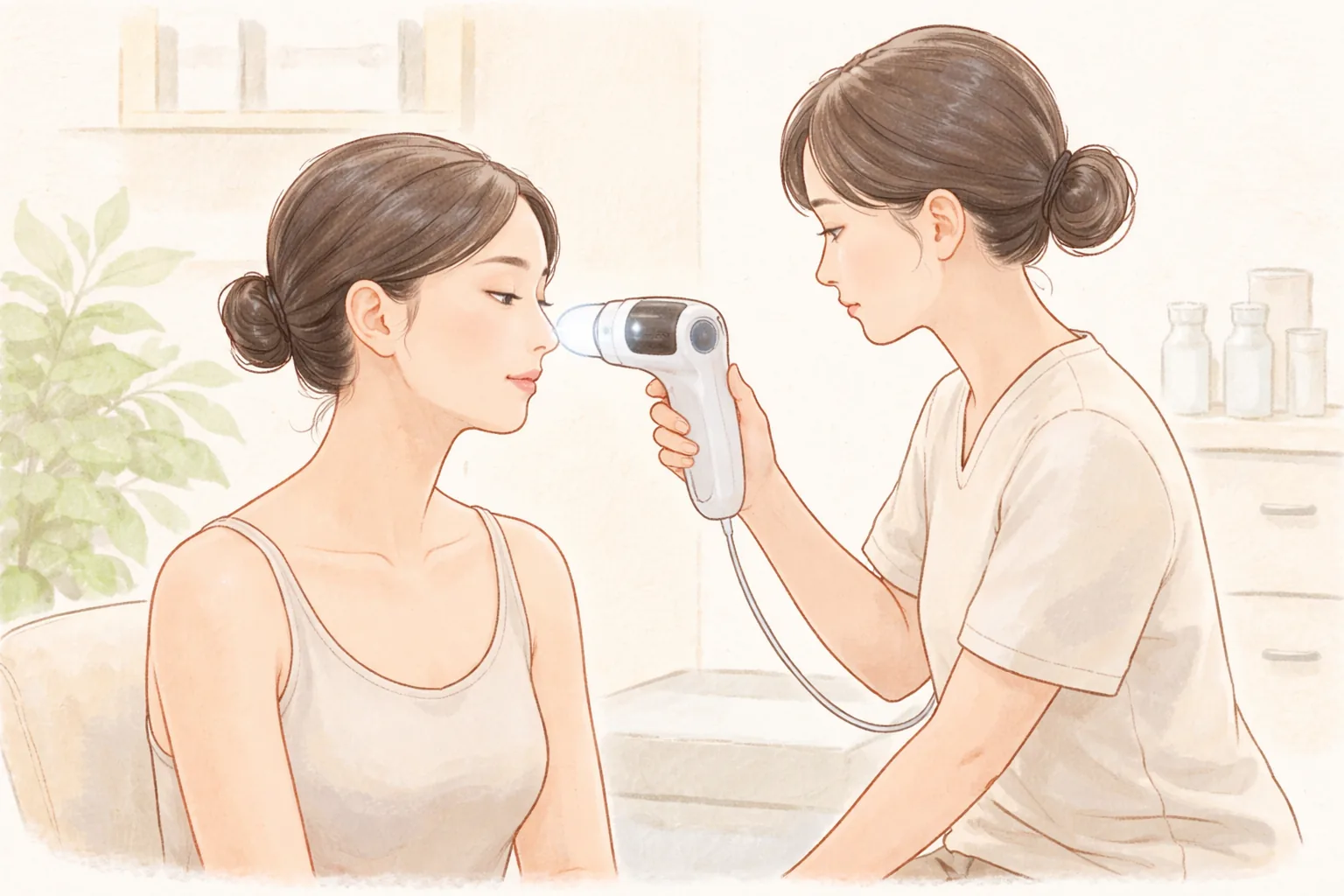
AI skin analysis record — Current skin condition such as pigment, redness, texture, and pores is recorded with an analysis tool. This tool only records and organizes information to support consultation and is not a medical diagnosis; the doctor judges the cause of your concern based on the record.
Doctor consultation to design the direction — Analysis records plus your schedule, pain sensitivity, and skin history are combined to decide treatment type, intensity, and timing. Which product in how many cc is also decided at this stage.
Treatment performed by the doctor — Discomfort is reduced with topical anesthesia as needed, and the doctor performs the treatment. The principle is not to recommend more treatment than necessary.
Recovery and follow-up — Sun protection and moisturizing methods are explained, and progress is monitored so any discomfort can be checked. Under the principle of authentic products, accurate amounts, and fair pricing, product names and volumes are made available for confirmation.
Aftercare and side effects
After treatment, follow this order for aftercare.
Calming — On the day of treatment, do not press or massage the injection area hard. Physical stimulation before the product settles can make its distribution uneven.
Adjust daily habits on the day — Refrain from strenuous exercise, drinking, and saunas. Heat and changes in blood flow can increase swelling or bruising.
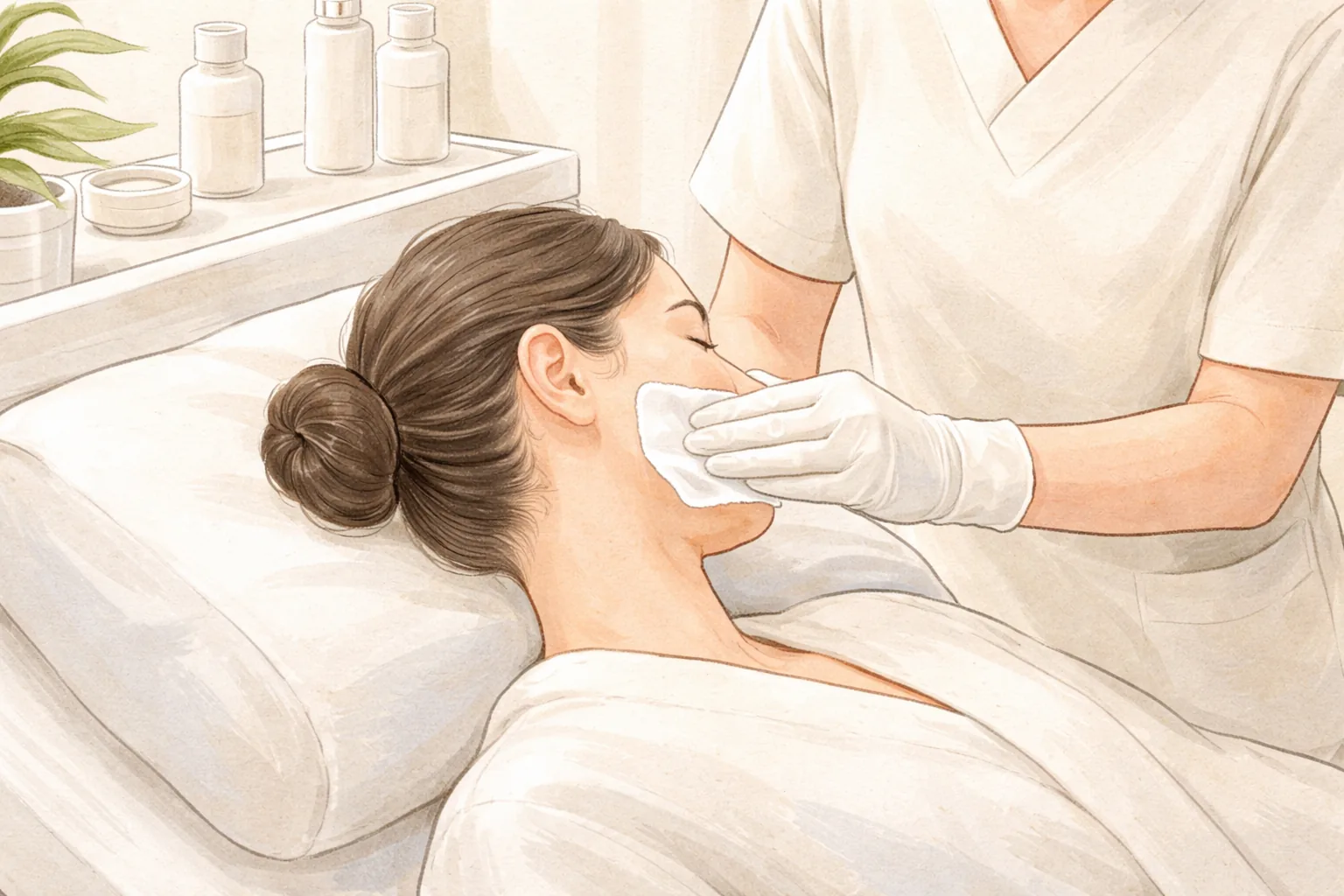
Cleansing and makeup — Wash your face lightly from 4–6 hours after treatment; makeup is possible from the next day.
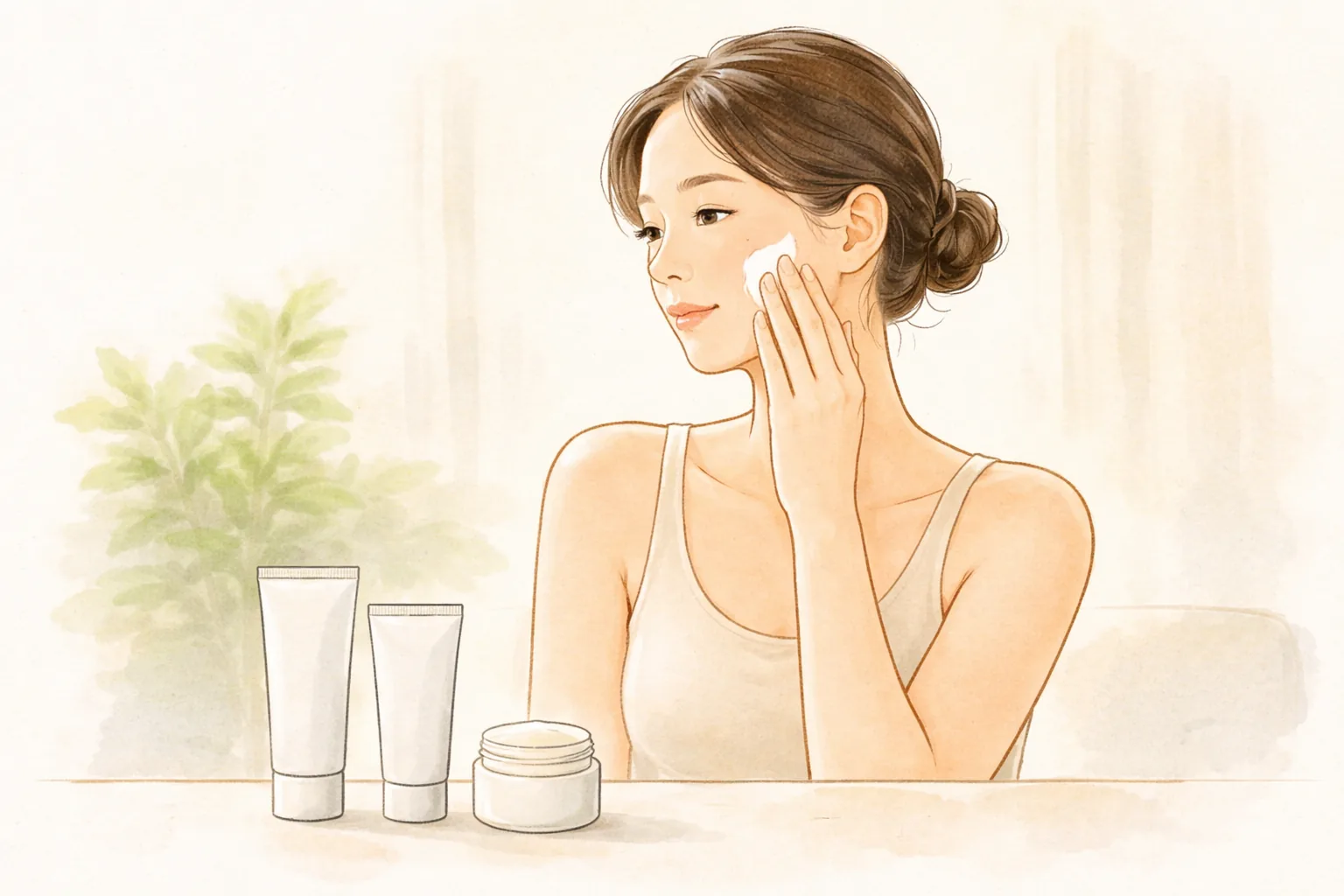
Sun protection and moisturizing — Apply sunscreen carefully throughout the recovery period, and add moisture if your skin feels dry.
Common reactions are redness, stinging, swelling, tenderness when pressed, and bruising, and less commonly infection, allergic or foreign body reaction, or small lumps (nodules) can occur. The injection area may feel bumpy for a while, and if that feeling persists, let the clinic know. Side effects can occur even with appropriate settings, so it is necessary to be told about the side effects of the planned method and settings before treatment.
Signals not to wait on are separate. If you have pain that is unusual or keeps getting worse, skin at the injection site turning white, mottled, bluish-gray, or dark, or any change in vision, get checked immediately. The same applies if swelling, pain, or heat persists. In these cases, getting checked that day is safer than "waiting a few more days."
Frequently asked questions
What reactions commonly appear after Skin Botox?
The most common are injection marks, redness, small bruises, and swelling. Redness and stinging can last from a few hours to the same day, swelling 1–3 days, and bruising can take 1 week or more to clear once it appears. The injection area feeling puffy or bumpy is also a change that can appear while the product settles. The standard for judging these reactions is whether they move in the direction of fading over time.
Which symptoms mean I should contact the clinic right away?
Pain that keeps getting worse, skin turning white, mottled, bluish-gray, or dark, and any feeling that your vision has changed. Persistent swelling or heat is also a reason to make contact. Conversely, mild redness or a small bruise can be watched over a few days to see if it fades, and if it does not fade but deepens, that is also a time to get checked.
Can I get it on the same day as wrinkle Botox?
If the areas overlap, calculating how to divide the volume becomes complicated, and it becomes harder to tell which treatment a post-procedure reaction came from. Whether they can be done on the same day depends on the targeted layer, area, product, and volume, so the proper order is to review the whole-face plan together during consultation. In consultation, confirm first whether the targeted layer is the dermis or muscle, and whether the areas overlap. If areas overlap, decide together which to do first and which to defer to a later date. If a reaction appears after treatment, it helps to record the areas and products used so you can tell which treatment it came from.
When do effects appear, and how long do they last?
Onset and duration vary by product and volume, treatment area, sebum production, and skin condition. Since a small amount is divided shallowly, expect a gradual buildup and a gradual fading. The next date is best set during consultation after seeing how the first treatment progressed. After the first treatment, watch over a few days whether reactions move in the direction of fading, and share that progress as it is in your next consultation. To avoid re-stimulating the same area before recovery is complete, the next date should be set after the previous reaction has settled. Setting maintenance goals by area makes the repeat plan much simpler.
What should I look for when choosing where to get treated?
There is more to check than the device or the treatment name. Does the clinic first look at which layer your concern comes from, is there board certification and experience with that treatment, and is there experience treating skin types and age groups similar to yours? It also helps to see whether you were told about indications, risks, recovery time, and alternatives during consultation. The American Academy of Dermatology also states that results depend heavily on the practitioner's technique and experience.
At a glance
Table 2 At a glance
Item
Key point
What it is
An injection that places botulinum toxin shallowly and evenly across the upper skin
Common reactions
Injection marks, redness, stinging, swelling, bruising — usually fading over a few days
Signals to contact right away
Pain that keeps getting worse, skin turning white, mottled, or dark, vision changes
What shapes results
Injection depth and volume, product, repeat interval, skin condition and history, practitioner experience
Aftercare
Calming → adjust daily habits on the day → timing of cleansing and makeup → sun protection and moisturizing
What to confirm in consultation
Product and volume, area, repeat plan, precautions and contact criteria
This article offers general health information. It is not a substitute for diagnosis or treatment based on your own condition, so please talk through your situation with a doctor.