Skin Botox Swelling and Downtime: Can You Get Back to Your Day the Next Day?
How much swelling and bruising skin Botox leaves, what sets your recovery speed, how to prepare before, what to do on the day and for the next few days, and the warning signs to call about — all laid out.
Written by ATTITUDE Clinic Editorial Team
If you've booked skin Botox and have plans the next day, your first worries are probably whether your face will be puffy and whether any marks will be coverable with makeup. You also want to know how long bruising takes to fade and whether a shoot a week later is safe. This article walks through what changes swelling and recovery, what to get ready before the appointment, and when you can get back to normal.
The short answer
Skin Botox is known as an injectable that places botulinum toxin shallowly near the skin's surface across many points rather than into muscle. It isn't a treatment with a long recovery window, but how much swelling and bruising you're left with depends on the amount injected, the area, and your skin condition and how you're feeling that day. The American Academy of Dermatology notes that recovery time varies by procedure and advises asking at your consultation about the typical recovery period for that treatment, the downtime you can tolerate, and the risks (AAD guidance). So if you have a date in mind, mention it first and work backwards from it to pick your treatment day.
Why swelling stories conflict even for the same injection
Talk about post-injection swelling often mixes experiences from different treatments. For volume-filling injectables, a fuller feel right after and swelling that settles over several days is common, as laid out in the ATTITUDE Clinic's injectable treatment guide (injectable treatment guide). Skin Botox has a different purpose and delivery, so even with the same word "swelling," when it appears and how fast it settles feel different.
In the ATTITUDE Clinic treatment guide, wrinkle Botox and skin Botox are listed as separate items, broken down by area and dose (treatment guide). Skin Botox is listed in 3cc units across several products, while wrinkle Botox is listed by area: glabella, forehead, crow's feet plus under-eye, and nasolabial folds. They share the Botox name, but what goes in and how much differs, so recovery can't be summed up in one line.
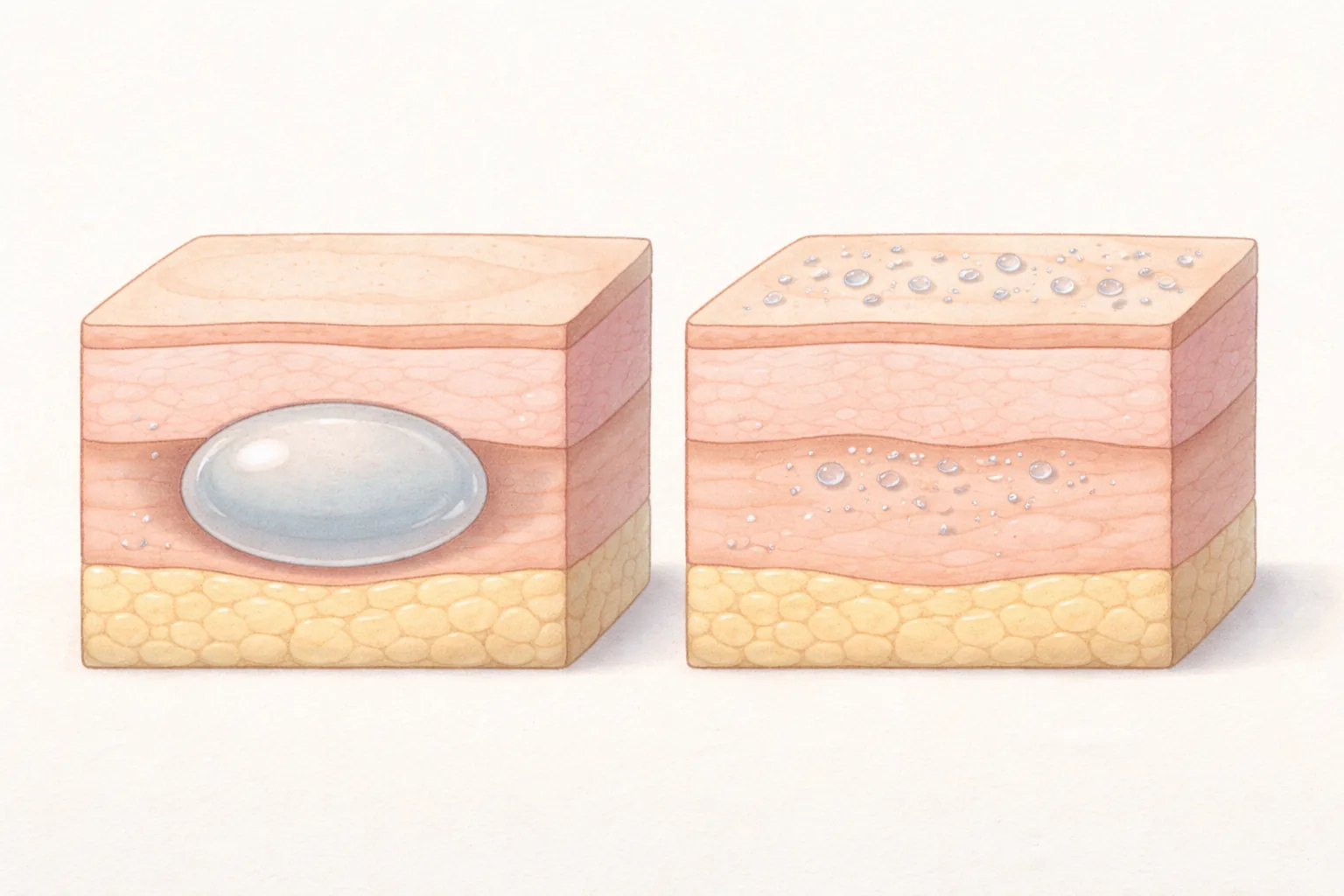
Swelling doesn't come from just one thing. The needle entry points redden, the injected liquid takes up space and temporarily adds volume, and the tissue responds with warmth. Because these three overlap, you'll hear both "skin Botox has no downtime at all" and "it swelled more than I expected."
So why the redness? When a needle passes in and out of a shallow layer many times, it leaves a small irritation at each spot. Just as a laser targets only pigment to heat it, an injection is a treatment where depth and location decide the result.
What sets swelling and recovery speed
First, the area. Even on the same face, skin thickness and blood vessel distribution differ, so thin and thick areas don't react the same. Delicate areas like around the eyes get more careful control of volume and depth.
Next, the amount and product. In the ATTITUDE Clinic treatment guide, skin Botox is divided by product in 3cc units (treatment guide). Which product and how much changes the plan, and even the same 3cc feels different depending on whether it's spread evenly across the face or concentrated in one area. Listed prices differ by product, so what goes in and how much shape both the plan and the cost.
Skin condition and age are variables too. The AAD explains that whether a treatment can give you the result you want depends on your skin condition, age, and health, and that people respond differently to cosmetic procedures (AAD guidance). So it's hard to compare your result directly with a friend who had the same treatment.
Some information changes the plan if you mention it at the consultation: recent sun exposure, medications and skincare you're taking or applying, and any experience of sensitive skin after a previous treatment (laser treatment guide). If you're on blood thinners or have had an allergic reaction, mention that too (injectable treatment guide). Letting them know whether you bruise easily or swell slowly will make scheduling easier.
How recovery tends to go
Common reactions after an injectable and how long they last are tabled in the ATTITUDE Clinic's injectable treatment guide (injectable treatment guide). Redness and stinging at the injection site settle within a few hours to the same day, and temporary swelling and fullness can last 1–3 days. Bruising can take 1 week or more to fade, so the tighter your schedule, the more you need to factor this in first.
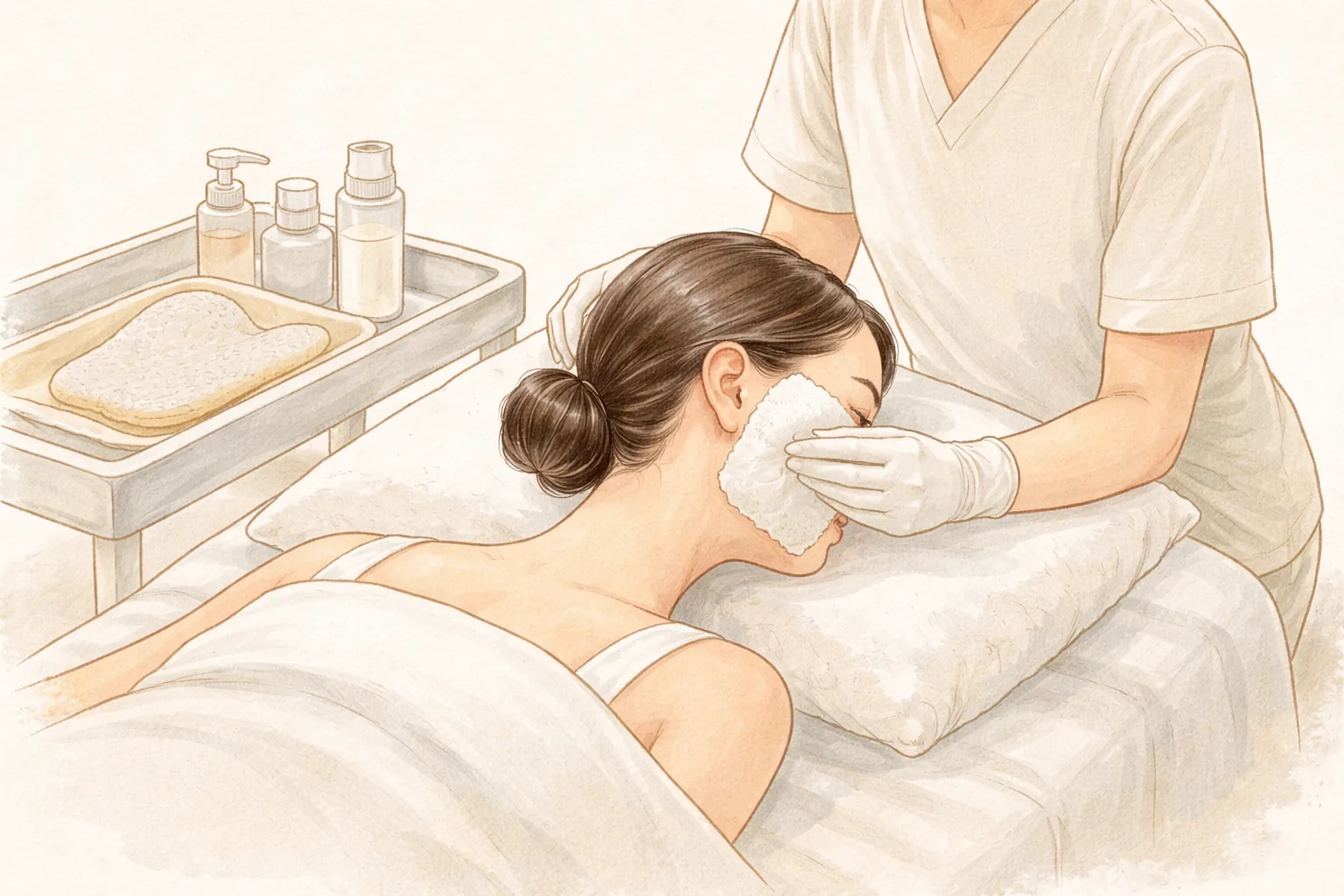
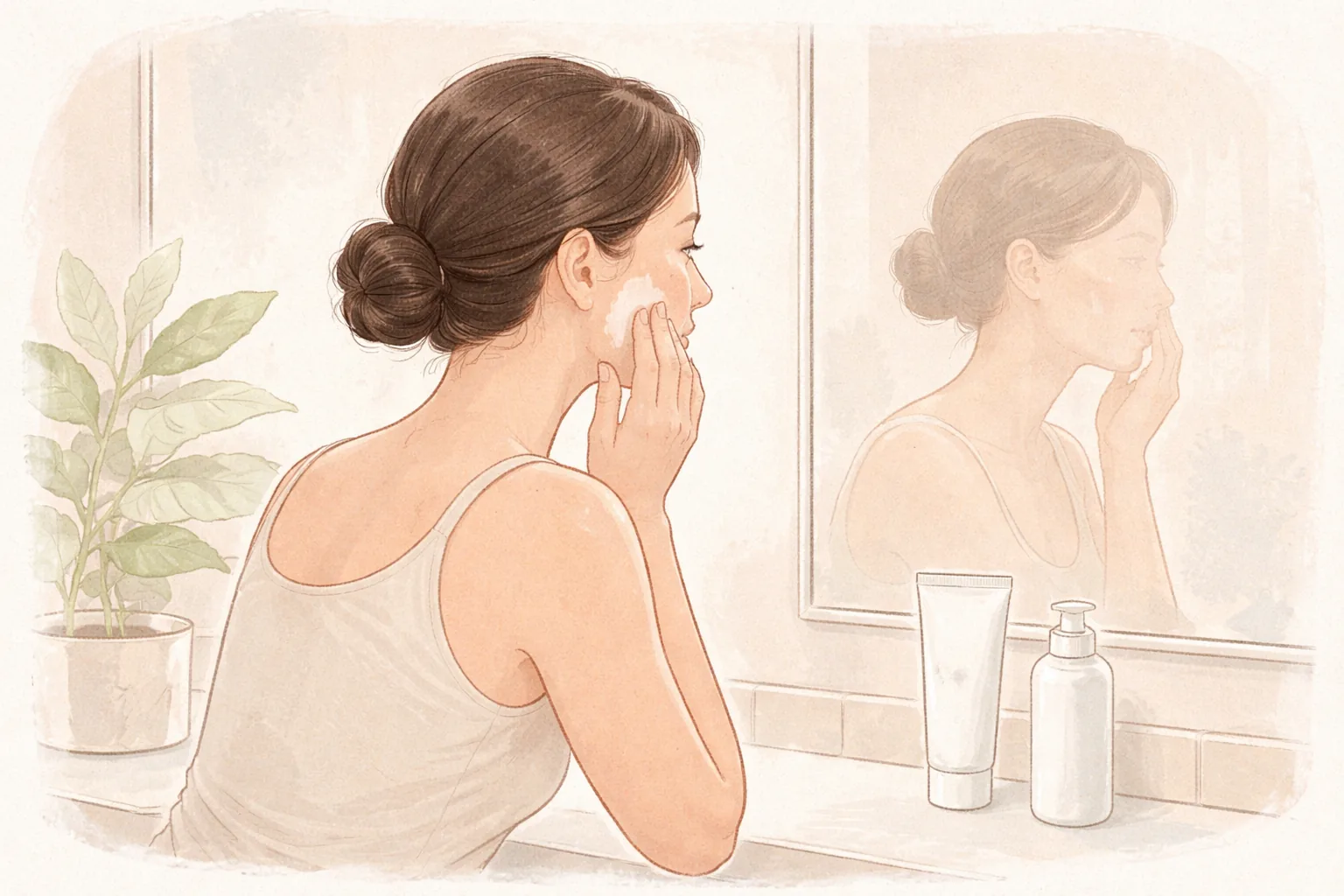
On the day, keep your skin clean and don't press or massage the injection sites. It's best to wash your face lightly from 4–6 hours after, and makeup is fine from the next day. Avoiding intense exercise, saunas, and alcohol that day keeps swelling and redness from getting worse.
After a few days, most people are back to their usual expressions and routine. Apply sunscreen carefully throughout recovery, and it's safer to postpone strong exfoliation or scrubs for the period you're advised.
One more thing: this timeline is the common range for injectables and in practice shifts earlier or later depending on the area and amount. So rather than "how many days usually," it's far more useful to pin down "how many days for my treatment" at the consultation. This is also why the AAD advises always asking about recovery time at your consultation (AAD guidance).
Table 1 How recovery tends to go
Category (ATTITUDE Clinic guide)
Listed range
What to confirm for scheduling and recovery
Skin Botox
3cc units, listed by product
Swelling varies with area and amount, so pin down recovery time at the consultation
Wrinkle Botox
By area: glabella, forehead, crow's feet + under-eye, nasolabial folds
Expression is involved, so confirm when movement changes alongside recovery
Body Botox
100U basis, varies by area and dose
Areas are larger, so plan your return to exercise, showers, and daily routine together
Skin booster (PN, HA types)
Collagen-stimulating method, usually several sessions 2–4 weeks apart
If hydration and texture are the goal, a different treatment may fit, so clarify what you're after first
Swipe sideways to see the whole table.
In short the size and duration of swelling are set not by the treatment name but by the amount injected, the area, and your skin and how you feel. If you have an important date, tell the clinic first and ask for your treatment's recovery time so you can plan realistically.
If this sounds like you
A wedding or shoot is a few weeks away
A first-time treatment right before a ceremony can be stressful because redness or sensitive skin might overlap with your event (laser treatment guide). If you tell them the date, they can work backwards to adjust the timing and intensity. The closer the shoot, the less nerve-wracking it is to choose a treatment you've already had over a brand-new one.
You want to keep up with regular care
Rather than going strong once, maintaining a rhythm that respects your skin's recovery is less taxing. The longevity and re-treatment interval for skin Botox vary by area, amount, and individual skin condition, so it's decided at the consultation based on how things go. Writing the next appointment on your calendar makes upkeep much easier.
Sensitive or redness-prone skin
If you've had sensitive skin after a previous treatment, say so first at the consultation. During recovery, keep up sunscreen and moisturizer, and it's best to avoid saunas and strong exfoliation for the period you're advised (laser treatment guide).
A short-stay visitor
If your stay is fixed, redness or dryness right after treatment could affect your plans. Tell them your return date and next commitments so timing and intensity can be discussed around them (laser treatment guide). Leaving a day or two of buffer after treatment is more comfortable.
Tell us before your consultation
Let us know about recent sun exposure; medications and skincare you're taking or applying (including blood thinners); any experience of sensitivity or reaction after a previous treatment; allergies; pregnancy and breastfeeding; and the dates of any unavoidable commitments like a wedding, shoot, or trip. Even for the same treatment, timing and settings change based on this information.
How ATTITUDE Clinic proceeds
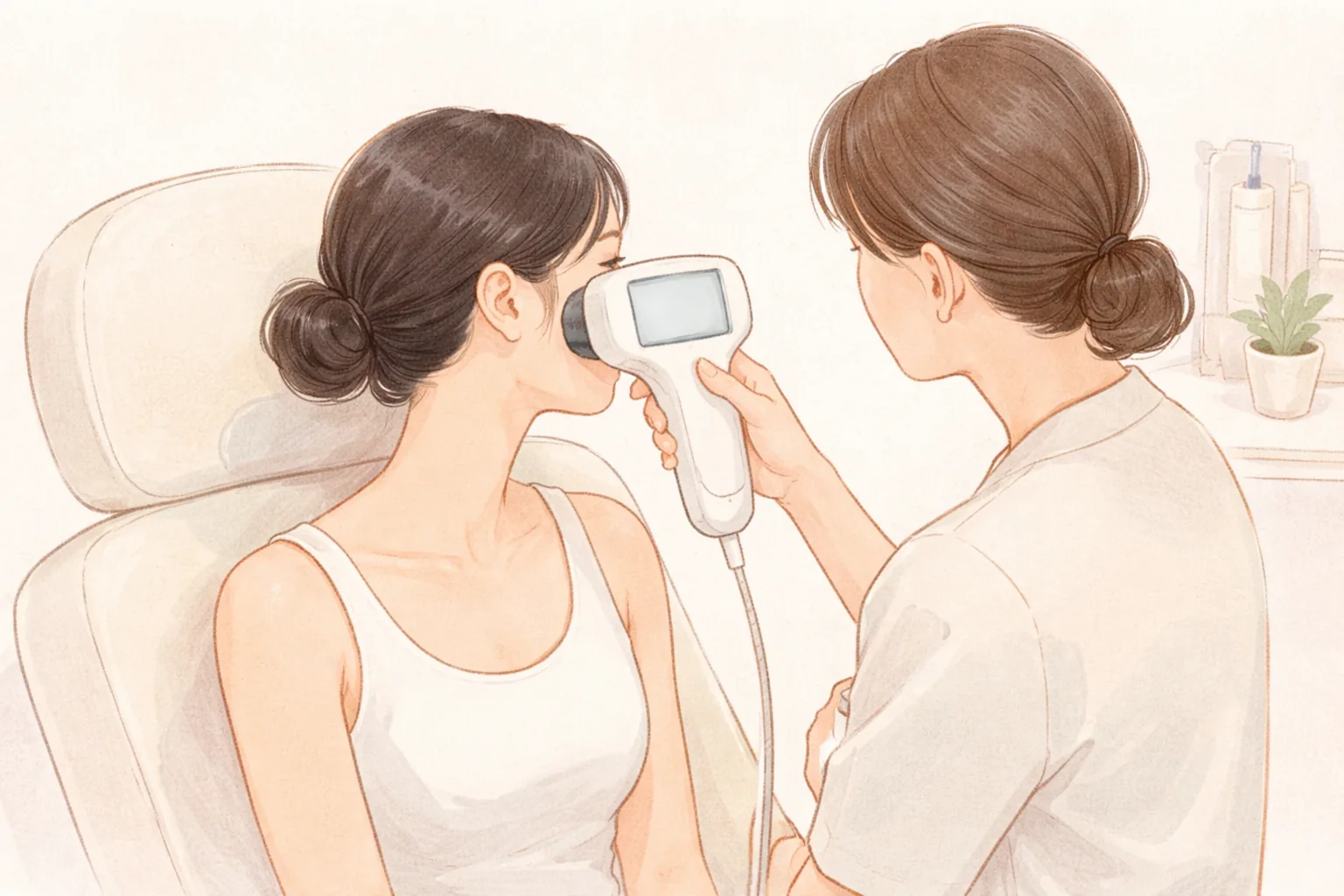
AI skin analysis record — Current skin condition, including pigment, redness, texture, and pores, is recorded with AI skin analysis. This record organizes information to support the consultation and is not a medical diagnosis; the doctor judges the cause of your concern based on it (laser treatment guide).
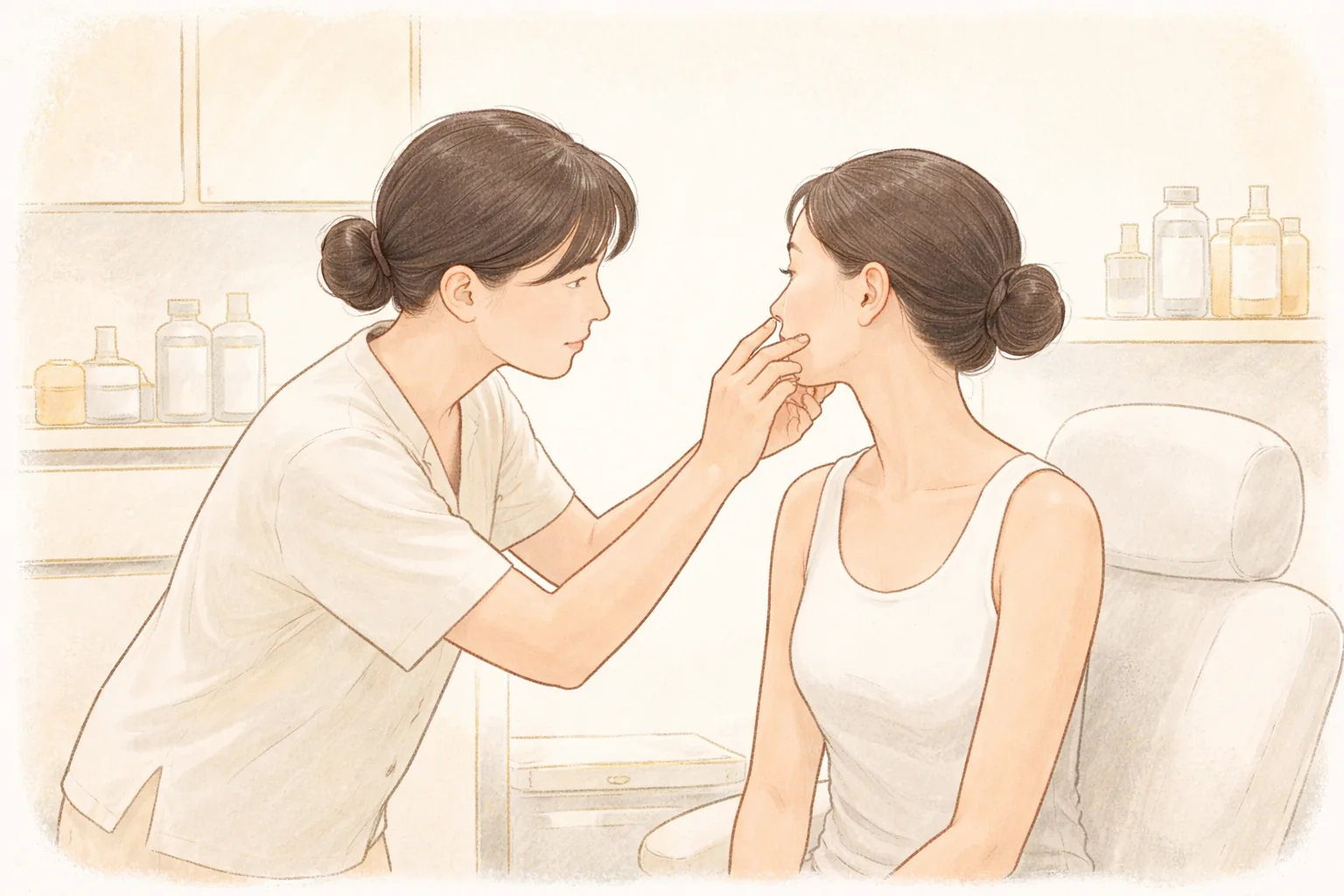
Doctor consultation to set direction — The analysis record plus your schedule, pain sensitivity, and skin history are used to decide the type, intensity, and timing of treatment together. This is where recovery time, downtime, and acceptable risks should be covered first (AAD guidance). Whether your concern is pores and oil, pigment, or firmness determines the right treatment, so the cause is checked first.
Treatment performed by the doctor — Discomfort is reduced with topical anesthesia and similar as needed, and the doctor performs the treatment. Following the genuine product, genuine amount, genuine price principle, we don't recommend more treatment than necessary (laser treatment guide).
Recovery and aftercare guidance — After treatment, we go over sunscreen and moisturizer, what to avoid, and the signs to contact us about.
The injectable products used for this topic are listed in the ATTITUDE Clinic treatment guide under skin Botox 3cc, including Neulux, Coretox, Jeomin, Allergan BOTOX, and Dysport (treatment guide). Which product to use is decided at the consultation based on your skin condition, concerns, and schedule.
Aftercare and side effects
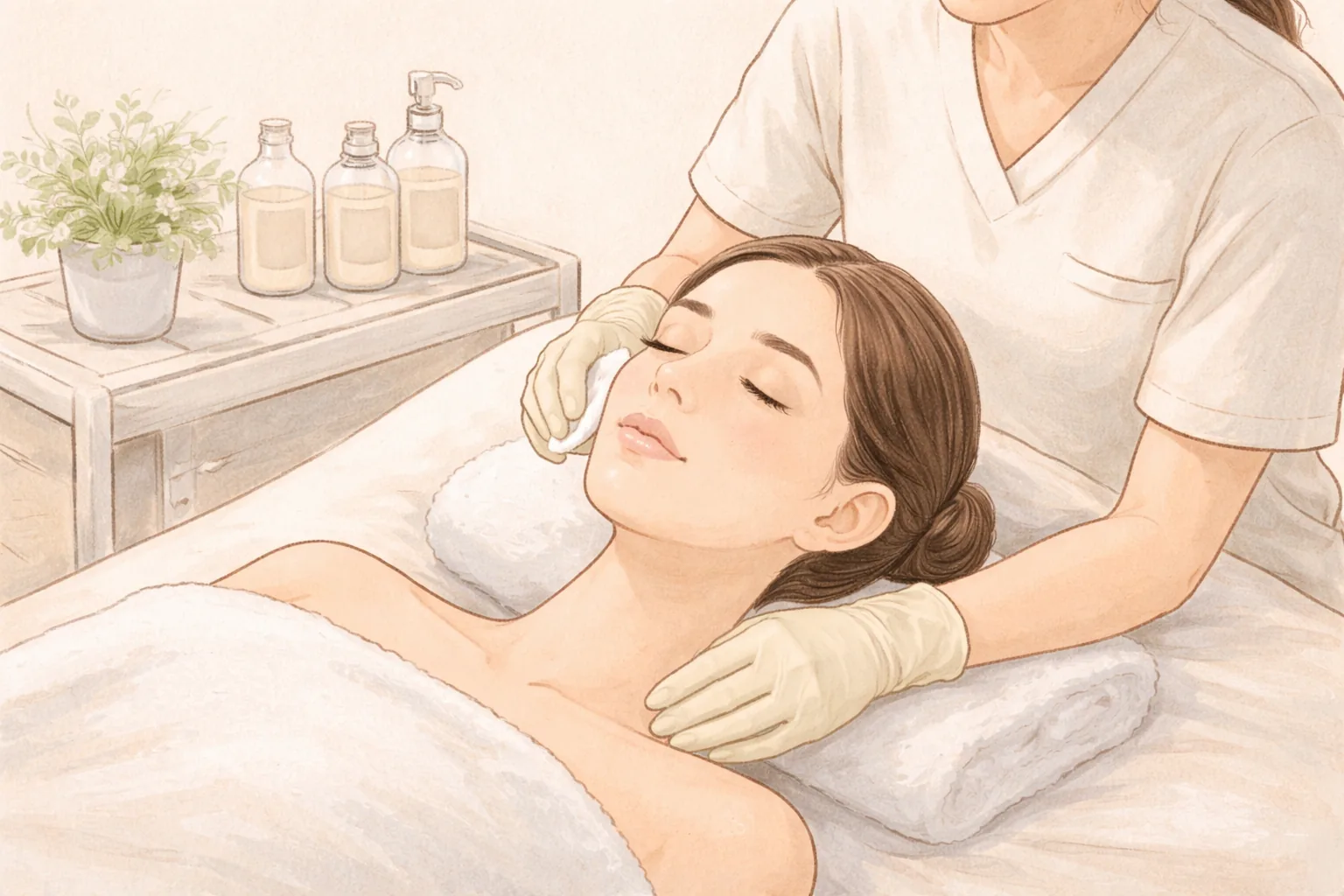
Calm — On the day, don't press or massage the injection sites. Wash your face lightly from 4–6 hours after, and start makeup the next day (injectable treatment guide).
Adjust your routine — Avoid intense exercise, saunas, and alcohol that day. These can worsen redness and swelling, so it's best to take it easy on the first day of recovery.
Moisturizer and sunscreen — Apply sunscreen carefully throughout recovery and keep skin from drying out (laser treatment guide).
Track your progress — Noting when swelling and bruising settle makes the next plan easier. If it lasts longer than expected or feels unusual, don't wait — come in to have it checked.
Common reactions are redness and stinging at the injection site, swelling, tenderness when pressed, and bruising. Less commonly, there can be infection, allergic reaction, or small lumps at the injection site (injectable treatment guide). The treatment guide also states that side effects are possible and to consult your doctor before treatment (treatment guide).
There are also set signs to seek care right away rather than waiting: pain that's unusual or getting worse; skin at the injection site turning white, blotchy, bluish-gray, or black; or changes in vision (injectable treatment guide). If swelling and warmth persist, it's also best to contact the clinic and have it checked.
FAQ
When does swelling after skin Botox usually settle?
For an injectable, the common range is redness and stinging within a few hours to the same day, and swelling for 1–3 days (injectable treatment guide). In practice it depends on the area, amount, and how you feel that day, so it's more accurate to ask at the consultation about the recovery time for your treatment (AAD guidance). If swelling lasts longer than expected or warmth persists, please come in to have it checked.
How is it different from regular Botox?
In the ATTITUDE Clinic treatment guide, wrinkle Botox and skin Botox are listed as separate items, divided by area and dose (treatment guide). Skin Botox is listed as spreading across the face in 3cc units, while wrinkle Botox is listed by chosen area, such as glabella, forehead, and crow's feet. The recovery plan also differs depending on whether expression movement is involved, so whether to do both on the same day is decided by agreeing on order and spacing at the consultation. Rather than deciding in a rush, it's better to look at your schedule and recovery time together.
What about washing, makeup, and exercise on the day?
Wash your face lightly from 4–6 hours after treatment, and makeup is fine from the next day (injectable treatment guide). Avoid intense exercise, saunas, and alcohol that day. The key is not rubbing or pressing hard on the injection sites, and postponing strong exfoliation or harsh scrubs for the period you're advised (laser treatment guide).
If I have a wedding or shoot coming up, when should I get it done?
A first-time treatment right before a ceremony can be stressful because redness or sensitive skin might overlap with your event (laser treatment guide). If you tell them the date, they can work backwards to adjust the timing and intensity. Bruising can take 1 week or more to fade, so the more buffer you leave, the more options you have.
What should I look at when choosing where to go?
The AAD recommends checking the practitioner's qualifications and experience. Their guidance is to ask whether they're board-certified, how long they've been doing this treatment, and how many patients with your skin tone, type, and age range they've treated (AAD guidance). The same guidance adds that you should cover realistic expected results, risks, recovery time, before-and-after care, and cost at the consultation. ATTITUDE Clinic records your current condition with AI skin analysis, then proceeds with a doctor consultation, treatment performed by the doctor, and the genuine product, genuine amount, genuine price principle (laser treatment guide).
At a glance
Table 2 At a glance
Item
Key point
What sets recovery time
Injection area and amount, skin condition and how you feel
Common timeline
Redness and stinging a few hours to the same day, swelling 1–3 days, bruising can take 1 week or more
Day-of care
Wash 4–6 hours after, makeup from the next day, avoid intense exercise, saunas, alcohol
Sun and moisture
Keep up sunscreen and moisturizer throughout recovery
Signs to contact right away
Pain getting worse, skin color changes at the injection site, vision changes
Confirm at the consultation
Recovery time for your treatment, downtime and risks, product and dose
This article offers general health information. It is not a substitute for diagnosis or treatment based on your own condition, so please talk through your situation with a doctor.