

In lifting consultations, patients ask us questions like "What's the actual difference between Density and Thermage?" and "Aren't they basically the same treatment since both are radiofrequency?" Many say it's even more confusing because the names and prices differ but the energy type is the same. In this article, we'll start with what radiofrequency does inside the skin, then go through where the two devices diverge, how pain and recovery differ, and when results should be judged.
First, the conclusion
Thermage and Density are both radiofrequency (RF, where electrical energy passes through skin tissue and converts to heat) lifting devices. The key difference is the electrode configuration that generates heat, which makes one better suited to broad heating and the other designed to address superficial and deep layers separately. So rather than asking "which device is better," it's more practical to ask "which layer of my face should be treated first." Skin thickness, where sagging begins, pain tolerance, and available downtime all influence the choice. Results are not judged on the day of treatment but over several months.
Both are radiofrequency, but what happens inside the skin?
According to DermNet NZ's Thermage guide, the treatment tip delivers radiofrequency energy to the collagen layer, and this energy generates heat that contracts collagen and tightens the skin. It doesn't stop there—collagen production is stimulated so that new collagen grows over about 6 months, tightening the skin further. Collagen (the protein that keeps skin firm and supported) gradually decreases in the dermis with age, showing up as fine lines and sagging.
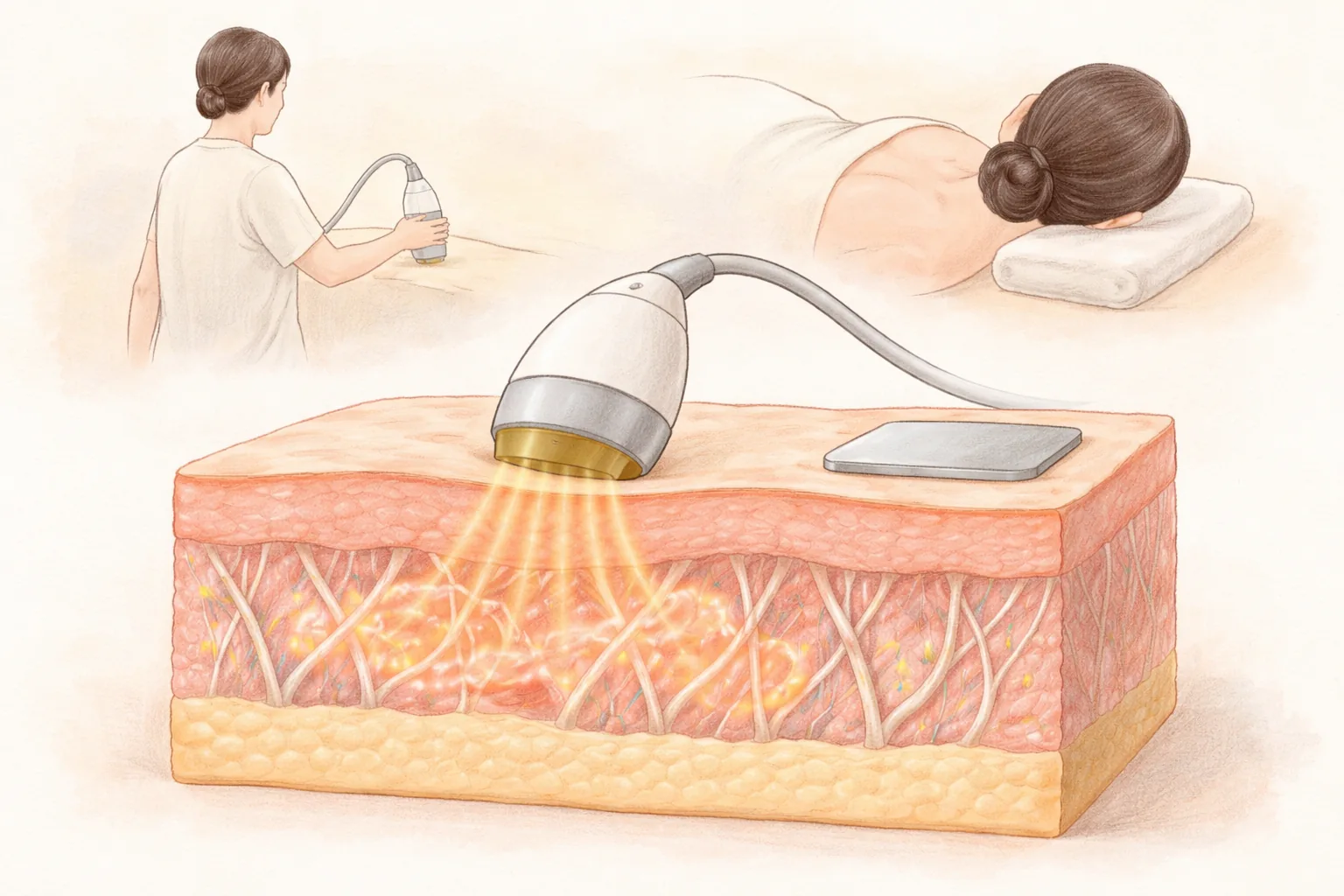
There are two ways radiofrequency is delivered. Monopolar RF uses one electrode on the tip, sending current through the body to a return pad on the back, so heat spreads over a relatively large volume. Bipolar RF flows between two electrodes within the tip, so heat tends to be more localized and concentrated in superficial layers. Thermage uses monopolar RF, while Density adds bipolar to monopolar to address superficial and deep layers separately. So "radiofrequency" covers two very different structures.
The ATTITUDE Clinic column also addressed this difference under the topic "Same lifting, different principles". Radiofrequency heats a broad area from the dermis into the subcutaneous fat layer at once, whereas ultrasound-based Ultherapy and Shurink Universe (HIFU) create small thermal points at a set depth. So the difference between Density and Thermage comes down not to "is the energy different" but to "which layer and how broadly is it designed to treat."
When heat reaches different layers, what concerns does it address?
According to DermNet NZ, Thermage works best at the stage when early aging signs appear, such as nose and mouth wrinkles, and is well suited for people with thin facial skin who are considering surgery but not quite there yet. Conversely, if skin is very lax with prominent cheek sagging or a double chin, improvement may be limited and surgery may be more appropriate. It also notes that unlike lasers, which carry a risk of pigment changes, Thermage can be used on multiple skin types.
The same logic applies when deciding between radiofrequency and ultrasound. If elasticity is broadly lost across the cheeks and neck, radiofrequency-type treatments that heat broadly are considered first. For localized deep sagging along the jawline or around the eyes, ultrasound-type treatments that place points at deeper layers are considered first. When both concerns overlap, the two may be used in sequence rather than trying to address everything with one device.
So where does Density fit in? If you want to address fine wrinkles and skin texture in superficial layers along with deep contouring in one session, a design that uses both monopolar and bipolar is considered. However, which design is more advantageous for your face depends on facial fat volume and skin thickness, so it's hard to decide based on device name alone.
| Category | Energy type | Depth of heat | Concerns addressed first |
|---|---|---|---|
| Thermage (Thermage FLX) | RF · monopolar | Broad, from dermis into subcutaneous fat | Broad loss of elasticity, skin texture |
| Density | RF · monopolar + bipolar | Superficial and deep layers separately | Fine wrinkles and contouring together |
| Ultherapy · Shurink Universe (HIFU) | Ultrasound (HIFU) | Points at set depth | Deep sagging, jawline |
| XERF (monopolar RF) | RF · monopolar | Different RF design | Broad loss of elasticity |
Swipe sideways to see the whole table.
In summary Even with the same radiofrequency, electrode configuration and the layers addressed differ, so Density and Thermage target slightly different concerns. Rather than device names, it's better to choose based on which layer of your face is the priority and how much volume remains. Pain and recovery are influenced more by energy level and treatment area than by device type.
Where do pain and recovery diverge?
According to DermNet NZ, Thermage treatment usually does not require local anesthesia injections, sedatives, or painkillers. Throughout the procedure, patients report the heat and discomfort they feel to the practitioner, and based on that feedback, the radiofrequency level is raised or lowered to reach the heat needed for treatment. The session can take 1–2 hours from start to finish.
What determines the experience is settings and area more than the device. As the ATTITUDE Clinic column explains, higher energy levels and more shots to one area increase heat stimulation and pain. Areas close to bone with dense nerves—jawline, cheekbones, forehead, eye area—feel more sensitive, while thicker areas like the cheeks hurt less at the same energy. Radiofrequency heats broadly near the surface, so it's often described as a lingering warm sensation, while ultrasound penetrates deep layers instantly, often described as a deep, hot feeling.
Recovery follows a similar pattern. DermNet NZ states redness and swelling after treatment can last 1–2 hours, or at most a few days, and can be covered with makeup. The ATTITUDE Clinic column also explains that for 1–2 days after treatment, mild redness and warmth from heat stimulation may remain but usually resolve naturally, and daily activities including makeup are possible from the next day. However, during this period the skin barrier is temporarily weakened, so sun protection needs more attention than usual.
When should results be judged, and what determines how long they last?
DermNet NZ honestly states that results are hard to predict. Some people see improvement immediately or within a few weeks; others notice changes only after 2–3 months. Because collagen grows for up to 6 months after treatment, improvement can continue until then, so taking photos at 1–2 month intervals is recommended. It also notes that in some cases no improvement appears at all.
The ATTITUDE Clinic column describes a similar pattern. Thermage may feel firm initially—partly due to swelling—and after the swelling subsides, additional changes gradually appear over 2–6 months. The repeat interval is typically around 1 year, determined by the doctor based on progress.
What determines maintenance is not the device name. How much elasticity remains in the supporting layer, how age, sun exposure, and lifestyle affect the rate of collagen synthesis and breakdown, and how energy level and shot count were set during treatment all play a role. DermNet NZ mentions that benefits can last 5–10 years but adds that more time is needed to know for sure. Rather than promising a number of months, it's more realistic to check progress and decide the next step.
Whether facial fat decreases is also a common question. The ATTITUDE Clinic column notes that in rare cases, unwanted fat layer volume loss can occur. So for faces with already sunken volume, we don't start with a broad-heating design; we check volume status first during consultation.
If this sounds like your situation

When a ceremony or photo shoot is a few weeks away
Radiofrequency lifting doesn't peel the epidermis, so makeup is usually possible the next day. However, redness and swelling may persist for a few days and results appear gradually, so if your event is soon, we adjust intensity to your schedule rather than increasing it, and plan with ample recovery time.

When you want ongoing maintenance without major downtime
These treatments are often continued at intervals of a few months rather than done once. We plan the sequence based on your downtime availability and treatment history. To avoid overlapping heat stimulation to the same area at short intervals, please tell us the dates of previous treatments.

When skin is thin and prone to redness
Thin skin can feel more stimulation at the same energy. In such cases, we lower intensity and treat by area, or consider a sequence with less stimulation rather than a broad-heating design. We assess skin barrier condition before and after treatment when scheduling.

When you're an international visitor on a short stay
With a short stay, recovery time and the next follow-up point need to be coordinated in advance. The degree of redness depends on energy level, so if you tell us your departure date, we'll plan within that timeframe. It's also worth remembering that results are judged months later.
Please tell us before your consultation Recent sun exposure (travel or outdoor activities), medications you're taking and active ingredients in your skincare, previous lifting, filler, and skin booster treatments and how you responded, unavoidable events like ceremonies or photo shoots, and your level of concern about pain. Sharing these helps us plan.
How ATTITUDE Clinic proceeds
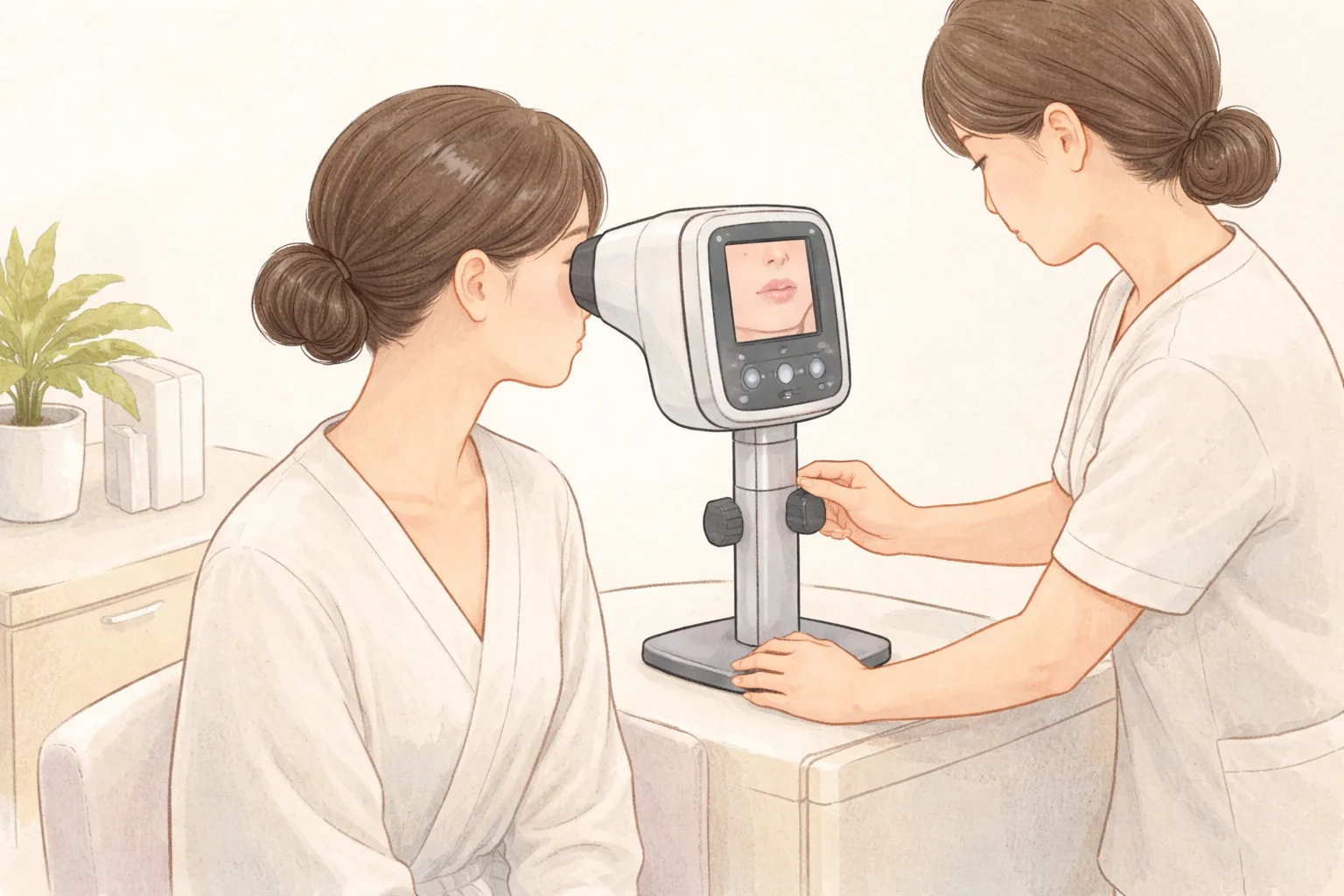
AI skin analysis record — We record and organize your skin condition so you and the doctor look at the same information. The analysis tool is a reference to support consultation and does not make a medical diagnosis. Based on this record and examination, we decide together what is needed and what isn't.
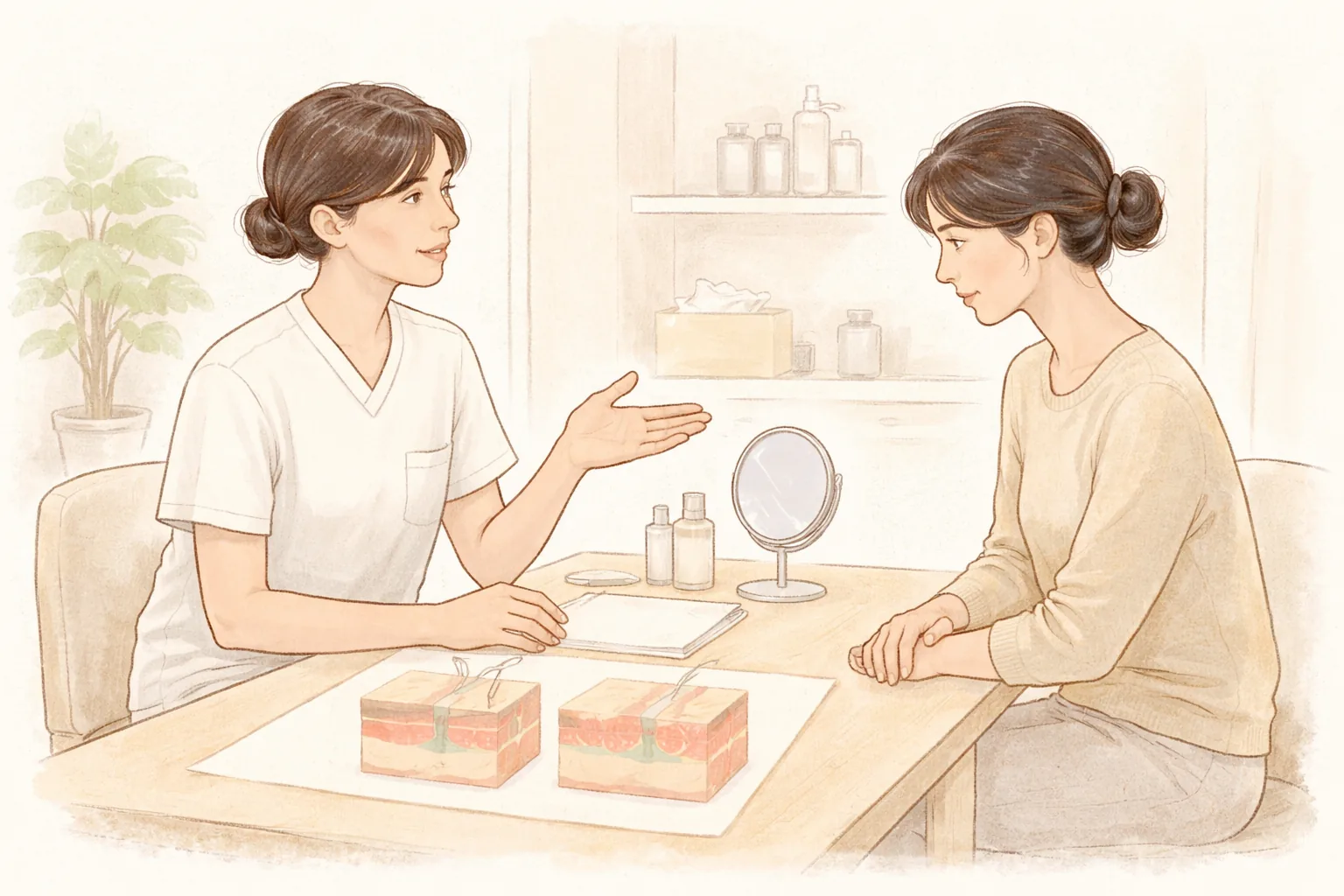
Doctor consultation — We add your concerns, lifestyle habits, and previous treatment experience to the analysis record to decide which layer to treat first, and how to set intensity and sequence. Even with the same record, plans differ from person to person.

Treatment performed by the doctor — The doctor performs the treatment according to the plan from consultation, adjusting intensity based on skin response during the procedure. This ensures the design and execution stay aligned.
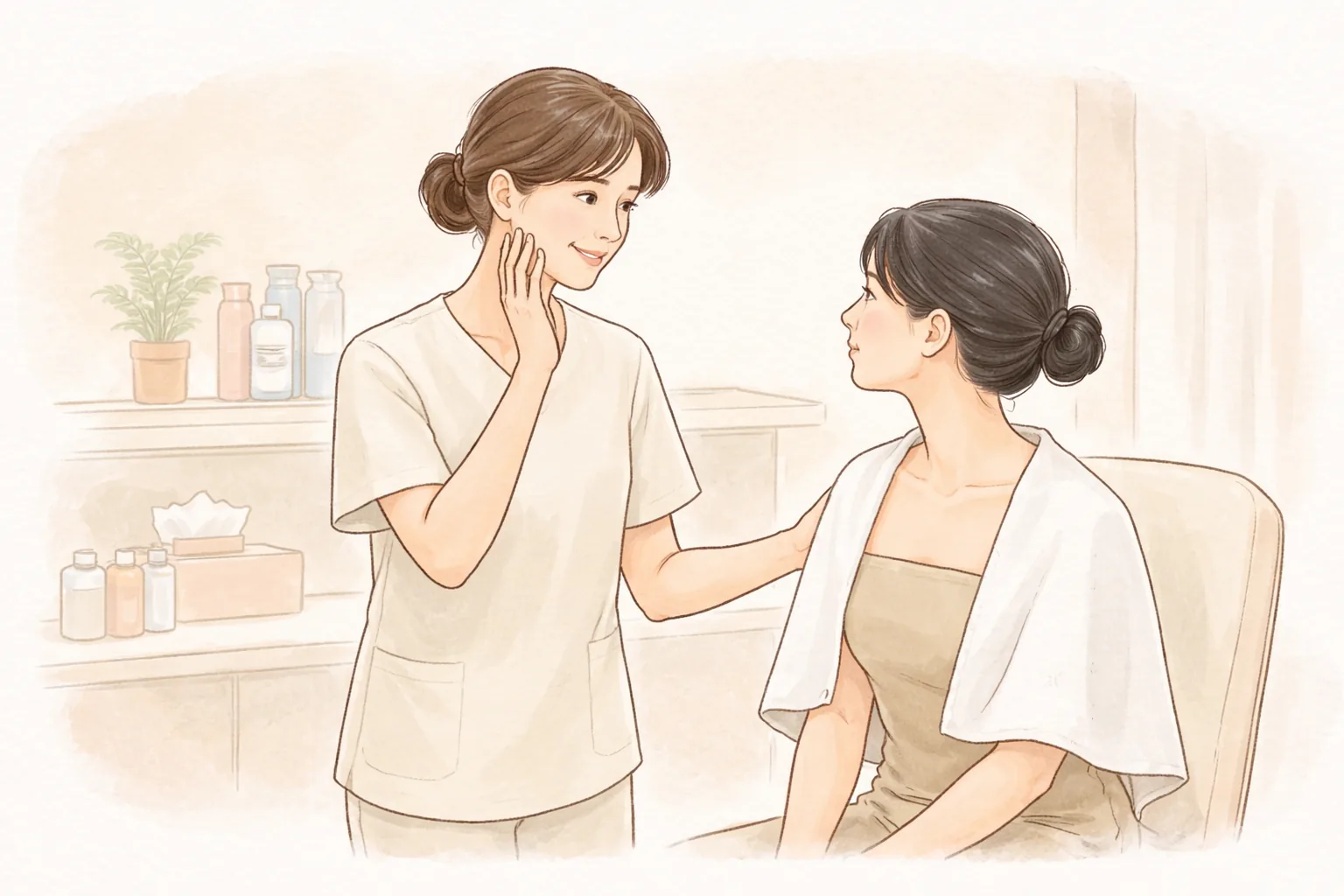
Recovery and aftercare guidance — We provide aftercare instructions and the next follow-up point. Since results are judged over months, not days, we review records together in between.
ATTITUDE Clinic's lifting lineup includes Thermage (Thermage FLX), XERF (monopolar RF), Ultherapy, Shurink Universe (HIFU), and Onda. Which device to use is decided based on your facial condition and concerns. The principle that analysis records don't force treatment is also covered in "Why do results differ even with the same treatment?".
Aftercare and side effects
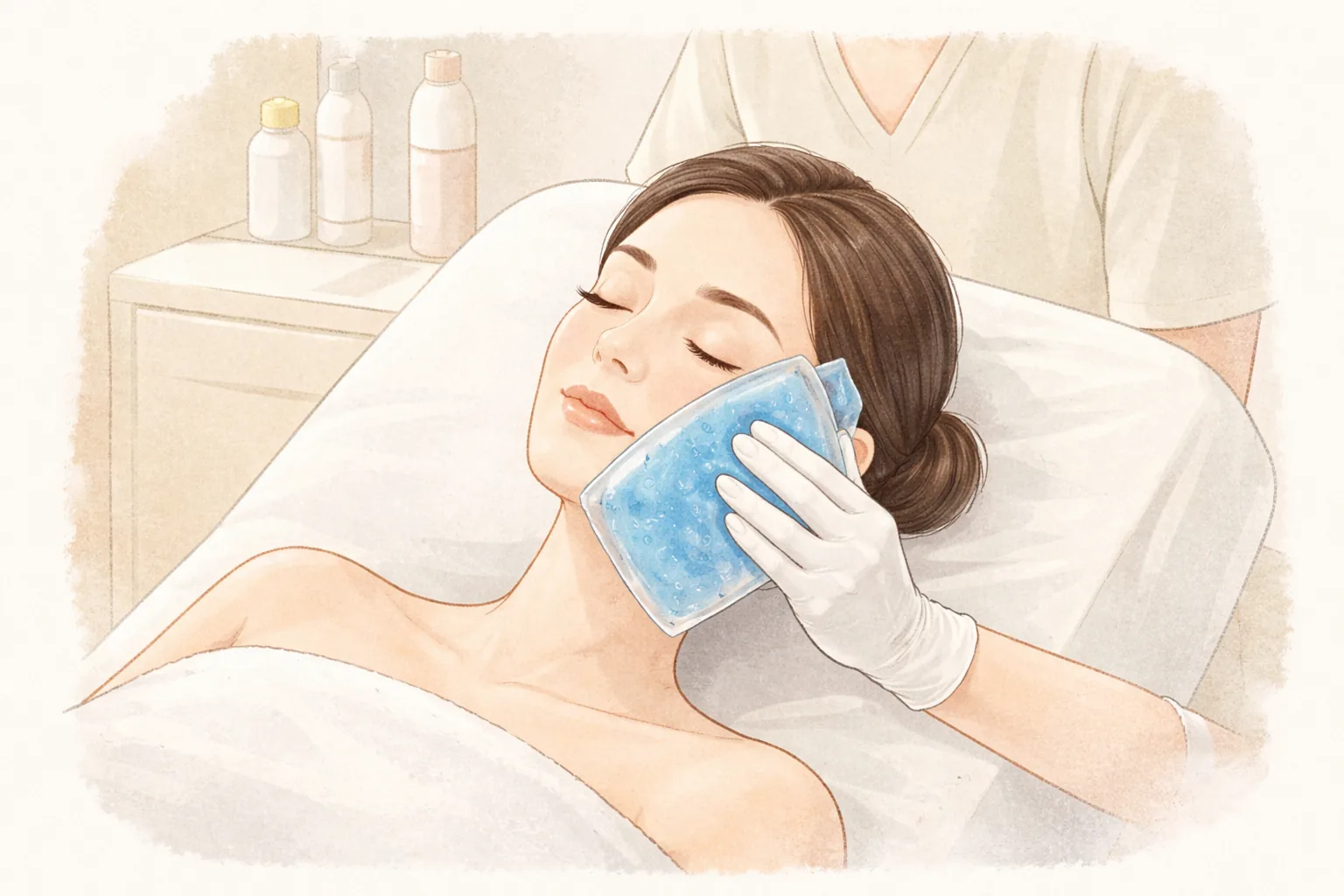
Soothing — Redness and warmth may remain on the day of treatment. Cold compresses can help with swelling, but check the method with your practitioner, and avoid saunas, strenuous exercise, and alcohol.
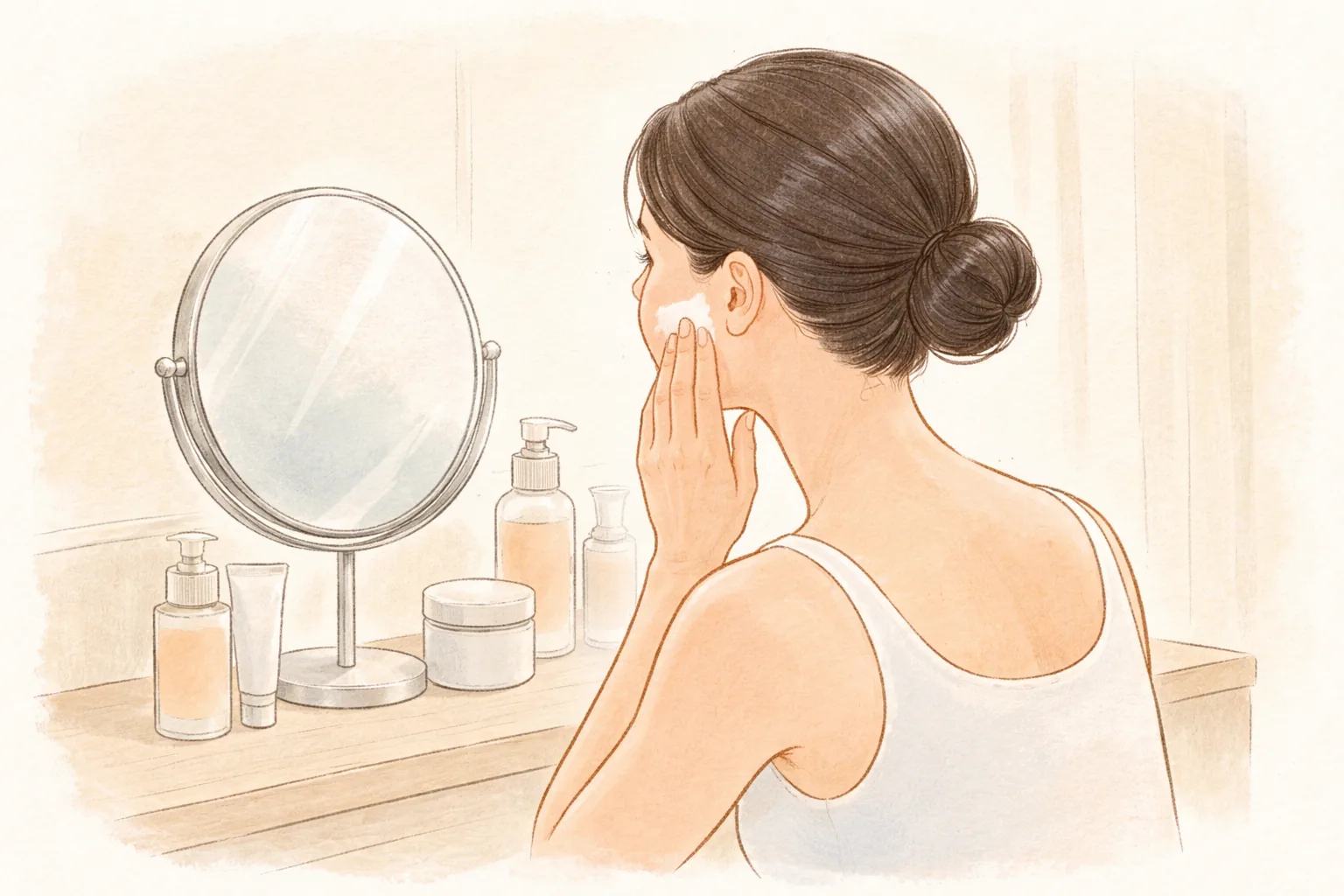
Moisturizing — Skin that has received heat stimulation tends to be temporarily dry, so moisturize more than usual.

Sun protection — For several days, apply sunscreen more carefully than usual. During this period, the skin barrier is weakened and pigmentation is more likely.
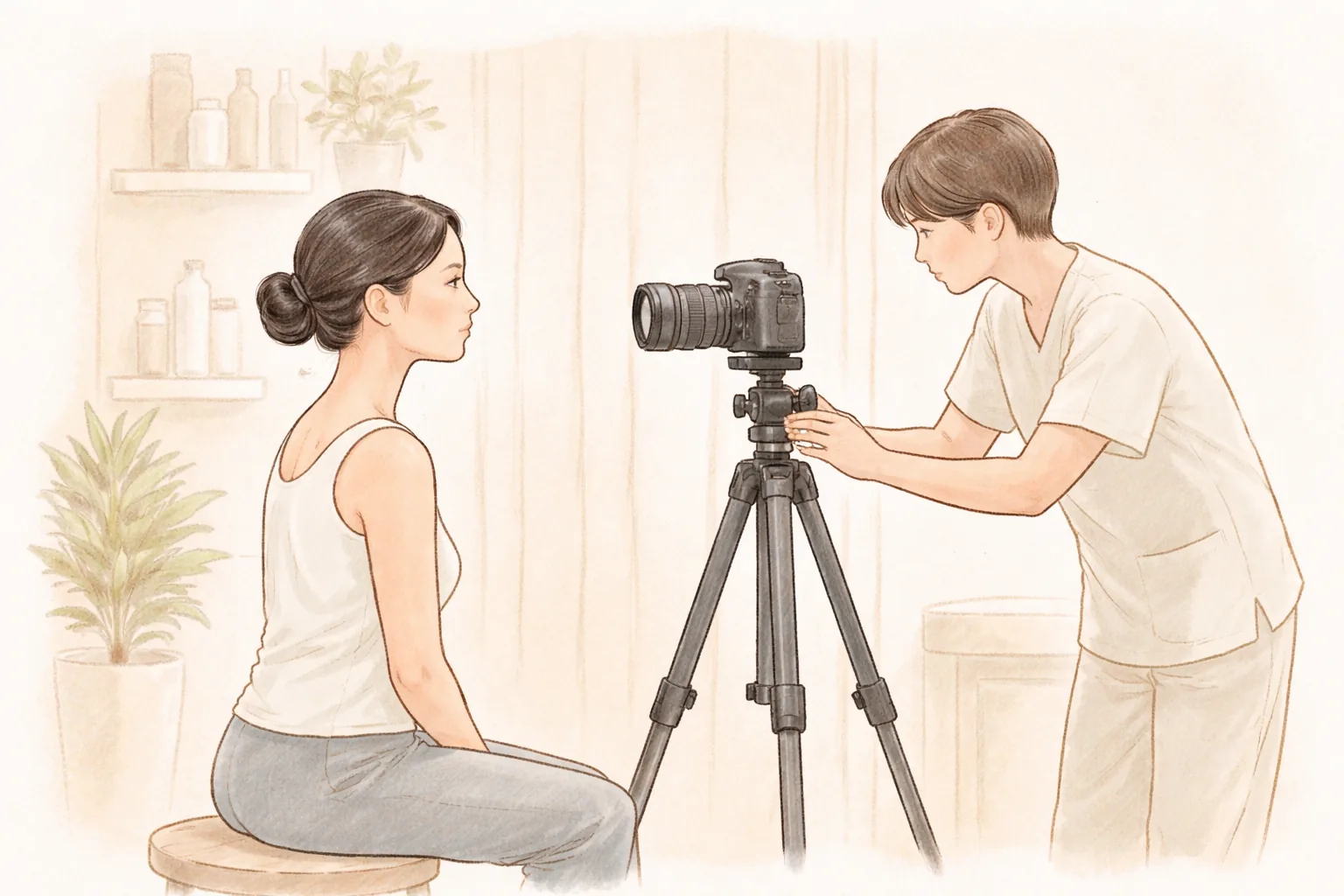
Follow-up — Taking photos at 1–2 month intervals helps you see changes objectively. If redness or swelling lasts more than a few days, or if there are blisters or worsening pain, don't wait—get it checked.
Side effects are usually mild and temporary. Common ones include redness, swelling, tenderness, small bruises, and temporary numbness or reduced sensation, most of which subside within a few days. DermNet NZ states the reported incidence of side effects is under 1%, lists swelling and redness as common side effects, and also mentions the risk of burns, blisters, and scarring.
Rare effects require more attention. The US FDA medical device adverse event report includes a case of eye burns after Thermage treatment, which states that the Thermage user manual lists blisters and redness as known side effects, and because the procedure heats the upper skin layers, burns, blisters, and crusting are possible, with a small chance of scarring. The same document emphasizes that when treating around the eyes, properly sized plastic eye shields should be used, and metal shields can transmit RF energy to the eyes and cause damage.
The ATTITUDE Clinic column adds unwanted fat layer volume loss as a rare side effect. These risks can be reduced by accurately diagnosing and setting energy levels and treatment depth. If you notice unexpected changes, it's safer to contact us right away rather than waiting.
Frequently asked questions
What is the difference between Density and Thermage, ultimately?
Both use radiofrequency energy. The divergence is in electrode configuration and the layers addressed. Thermage uses monopolar RF to heat broadly from the dermis into the subcutaneous fat, while Density adds bipolar to monopolar to address superficial and deep layers separately. So if you also have superficial concerns like skin texture and fine wrinkles, the design difference matters; if deep sagging is the main concern, ultrasound-type treatments are considered first. Ultimately, which layer of your face is the priority is the standard.
Both are radiofrequency—how does pain differ?
Pain is determined more by energy level, shot count, and nerve density by area than by device name. Even with the same device, higher settings hurt more, and the jawline and eye area near bone are more sensitive than the cheeks. Radiofrequency heats broadly, so it's often described as a lingering warm sensation, while ultrasound passes through deep layers instantly, often described as a hot feeling. If pain is a concern, discuss anesthesia methods and intensity adjustment during consultation.
What kind of face is Thermage best for, and when are expectations low?
DermNet NZ considers Thermage best at the stage when early aging signs appear, like nose and mouth wrinkles, and for thin facial skin just before considering surgery. Conversely, if skin is very lax with prominent cheek sagging or a double chin, improvement is limited and surgery may be more appropriate. It's also helpful to know that results are hard to predict and some people see no improvement, so you can set expectations. In consultation, we check the location of sagging and skin thickness first.
Can facial fat decrease after treatment?
In rare cases, unwanted fat layer volume loss can occur. Radiofrequency delivers heat to the layers beneath the skin, so for faces with already reduced volume, a broad-heating design can be a burden. So we check volume status first in consultation and, if needed, consider a narrower heat approach or a different sequence. If you feel a sunken cheek change after treatment, tell us at the follow-up.
What should I look for in a consultation when choosing a clinic?
What a consultation checks matters more than whether a clinic owns the device. Look at whether they ask about skin thickness, volume, previous treatment history and responses first; whether they explain which layer they want to treat first and why; and whether they inform you of side effects and recovery time in advance. Your pain concerns and important schedule should also be something you can share so the plan is realistic. A clinic that talks specifically about when and how results are judged, rather than guaranteeing outcomes, is easier to continue consulting with.
At a glance
| Item | Key point |
|---|---|
| Energy | Both Density and Thermage use RF, but electrode configuration differs |
| Layers addressed | Thermage heats broadly from dermis to subcutaneous fat; Density addresses superficial and deep layers separately |
| Pain | Determined by energy level, shot count, and nerve density by area |
| Recovery | Redness and swelling from 1–2 hours to a few days; most return to daily life the next day |
| Judging results | From immediate to a few weeks or 2–3 months; collagen grows for up to 6 months |
| Common side effects | Redness, swelling, tenderness, small bruises, temporary numbness |