XERF Side Effects: Common Reactions and Signs You Should Call Right Away
A clear guide to XERF treatment side effects, including common swelling and redness after XERF lifting and the signals you should not wait on. Written for international visitors on a short stay in Gangnam, Seoul, who need to plan around flights and aftercare.
Written by ATTITUDE Clinic Editorial Team
If you are researching XERF, your first worries are probably 'what if the swelling lasts too long' and 'are there any long-term side effects.' If you are visiting from abroad on a short trip, it is even more stressful because you may have a flight just days after treatment. This article separates the common reactions seen with radiofrequency lifting like XERF (세르프) from the signs that mean you should not wait and should contact the clinic right away.
The Short Answer
Non-surgical lifting, including XERF, commonly causes temporary reactions such as swelling and redness. According to the American Academy of Dermatology, skin-tightening procedures usually cause redness and swelling, and the risk of other side effects is not high when a specialist performs them. The ATTITUDE Clinic column also notes that swelling, redness, mild heat, small bruises, and temporary numbness or reduced sensation after lifting are common reactions that settle within a few days. However, unexpected symptoms such as blisters or pain that keeps getting worse should not be waited on — get medical care.
What Does XERF Do Beneath the Skin?
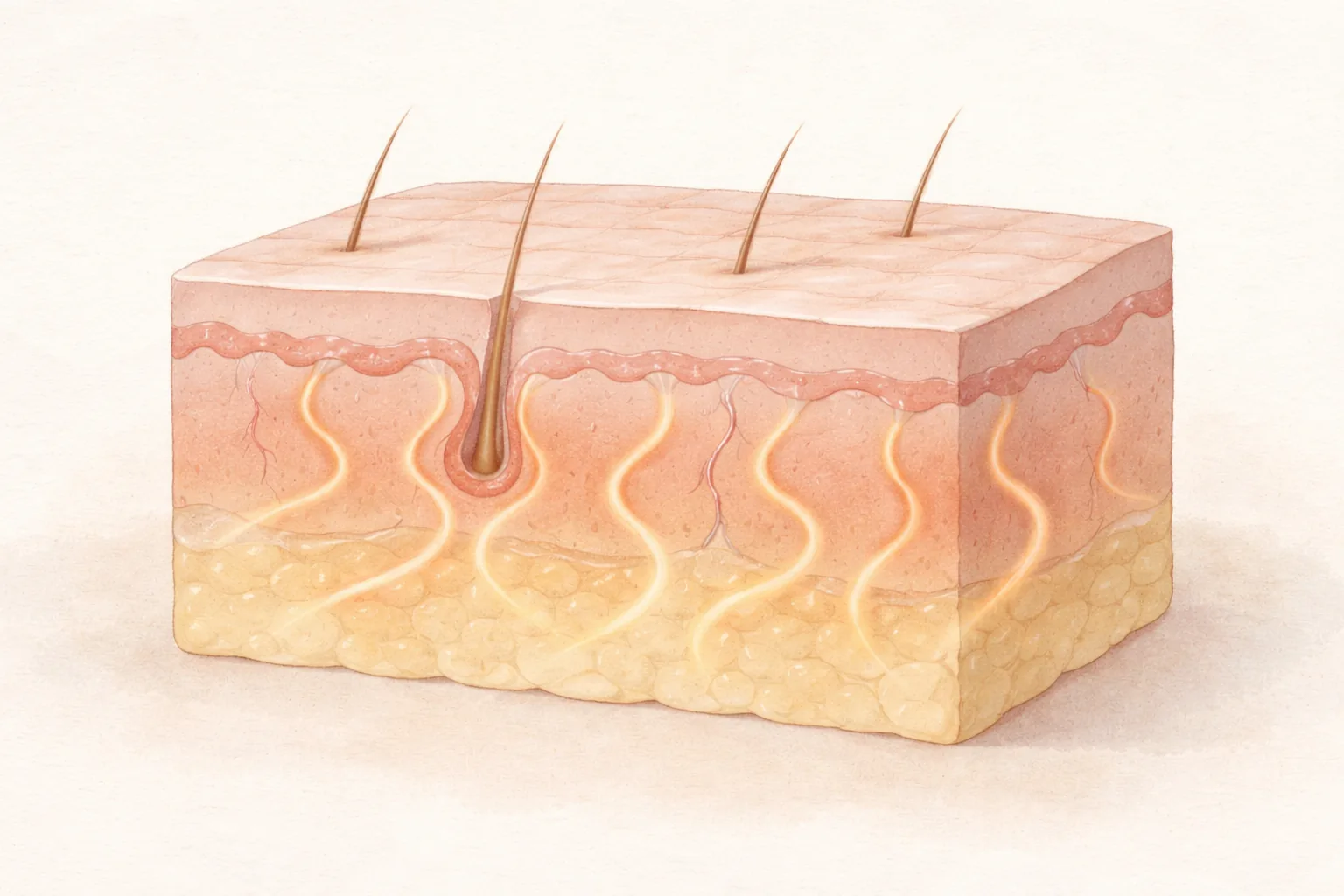
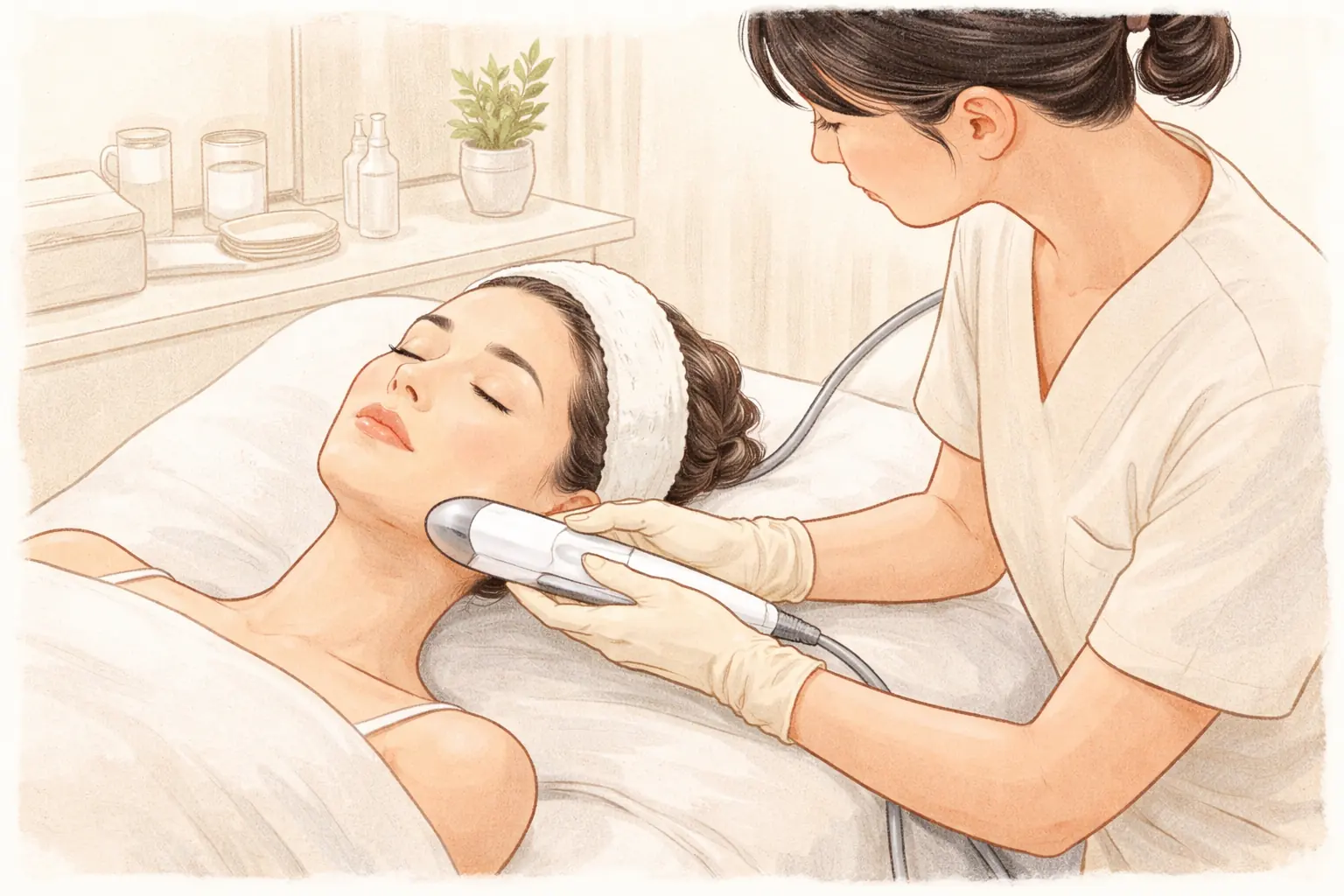
XERF (쎄르프) is described in the ATTITUDE Clinic treatment guide as a Lutronic monopolar radiofrequency (RF) device. Radiofrequency works by electrical energy passing through skin tissue and converting into heat, similar to friction heat. Unlike ultrasound-based devices that concentrate energy into a single point, it can be understood as heating a relatively broad area from the dermis down to the subcutaneous fat layer.
The common goal of lifting treatments is delivering heat to the deeper layers that support sagging skin. This heat is thought to slightly contract collagen and then gradually trigger remodeling. Since XERF is also a radiofrequency device, understanding that heat is created beneath the skin and how that heat affects tissue makes it easier to read your symptoms after treatment.
So why does the skin turn red? Heat stimulation temporarily dilates the tiny blood vessels in the skin. Swelling follows a similar logic. When tissue is heated, fluid temporarily gathers and can make the area look puffy. These reactions usually follow a course of settling naturally.
Why Do Swelling and Redness Happen, and When Do They Settle?
For about 1–2 days right after treatment, mild redness and a sensation of heat from thermal stimulation may remain. According to the ATTITUDE Clinic column, these reactions mostly resolve on their own. During this window, however, the skin barrier is temporarily weakened, so you need to be more careful than usual with sun protection to recover without pigmentation.
Swelling is a temporary response to heat, and the degree varies by facial area and energy level. Common side effects include redness, swelling, tenderness along the jawline when pressed, small bruises, and temporary numbness or reduced sensation. They usually settle within a few days, but they can last longer, so tracking how many days it has been and whether it is getting worse helps with judgment.
There are also differences by area. Areas close to bone with dense nerves, such as the jawline, cheekbones, forehead, and eye area, may feel relatively more sensitive. Thicker areas like the cheeks tend to feel less painful at the same energy level. That is why, even with the same device, where and how much energy is used determines the size of the reaction.
Which Reactions Are Common, and Which Signals Should You Not Wait On?
The standard for separating common reactions from warning signs is the type of symptom and how long it lasts. Common reactions show a pattern of decreasing over time. On the other hand, if pain is getting worse or blisters appear, the direction of recovery is different, so it is safer not to wait.
According to the ATTITUDE Clinic column, burns, blisters, small scars, temporary facial muscle weakness, and unwanted fat-layer volume loss can occur rarely. These reactions are uncommon, which is why accurately diagnosing and setting energy levels and treatment depth matters. If you have unexpected symptoms such as blisters or pain that keeps getting worse, you should get medical care right away.
One more thing: data summarizing adverse reaction rates by device is still scarce. That is why the consultation before treatment needs to check your skin thickness, sagging locations, and past reactions together.
XERF vs Other Lifting Treatments: What Should You Compare?
Table 1 XERF vs Other Lifting Treatments: What Should You Compare?
Category
Energy Type
Main Concerns Targeted
What to Check Before Treatment
XERF (쎄르프) · Lutronic
Monopolar radiofrequency (RF)
Facial lifting, eye area (XERF Eye)
Possible side effects, pre-treatment consultation with a doctor
Thermage FLX · Solta
Monopolar radiofrequency (RF)
Broad heating from dermis to subcutaneous fat, skin texture and elasticity over wide areas
Pain variation by energy level and nerve density by area
Small thermal points at set depths, deep sagging, and jawline
Depth reached by heat and pain
Onda · DEKA
Microwave
Facial and body lifting
Treatment area and heat sensation
Swipe sideways to see the whole table.
In summary, XERF is a radiofrequency lifting device, and temporary reactions such as swelling and redness after treatment are common. The standard for separating common reactions from signals you should not wait on is the type of symptom and how long it lasts. Even within the same radiofrequency category, the experience and recovery vary by energy level and area.
If This Applies to You
If a Wedding or Photo Shoot Is Coming Up
The degree of remaining swelling and redness depends on energy level and your skin's reaction. If your event is soon, schedule the treatment with some buffer time, and tell the clinic about your schedule during consultation so a plan can factor in recovery time. Avoid saunas, strenuous exercise, and alcohol on the day of treatment.
If You Want to Keep Up with Regular Maintenance
The repeat interval is usually around 1 year, decided by the doctor after reviewing your progress. Rather than going strong all at once, the interval is adjusted while recording your skin's response. Maintenance duration varies with age, everyday sun exposure, and lifestyle habits, so carrying over the response from your previous session into the next plan is the practical approach.
If Your Skin Is Sensitive or Prone to Redness
Pain varies greatly by energy level and nerve density by area. Areas close to bone with dense nerves, such as the jawline, cheekbones, forehead, and eye area, may feel more sensitive. Discussing anesthesia options and energy adjustment during consultation can help reduce discomfort during treatment.
If You Are an International Visitor on a Short Stay
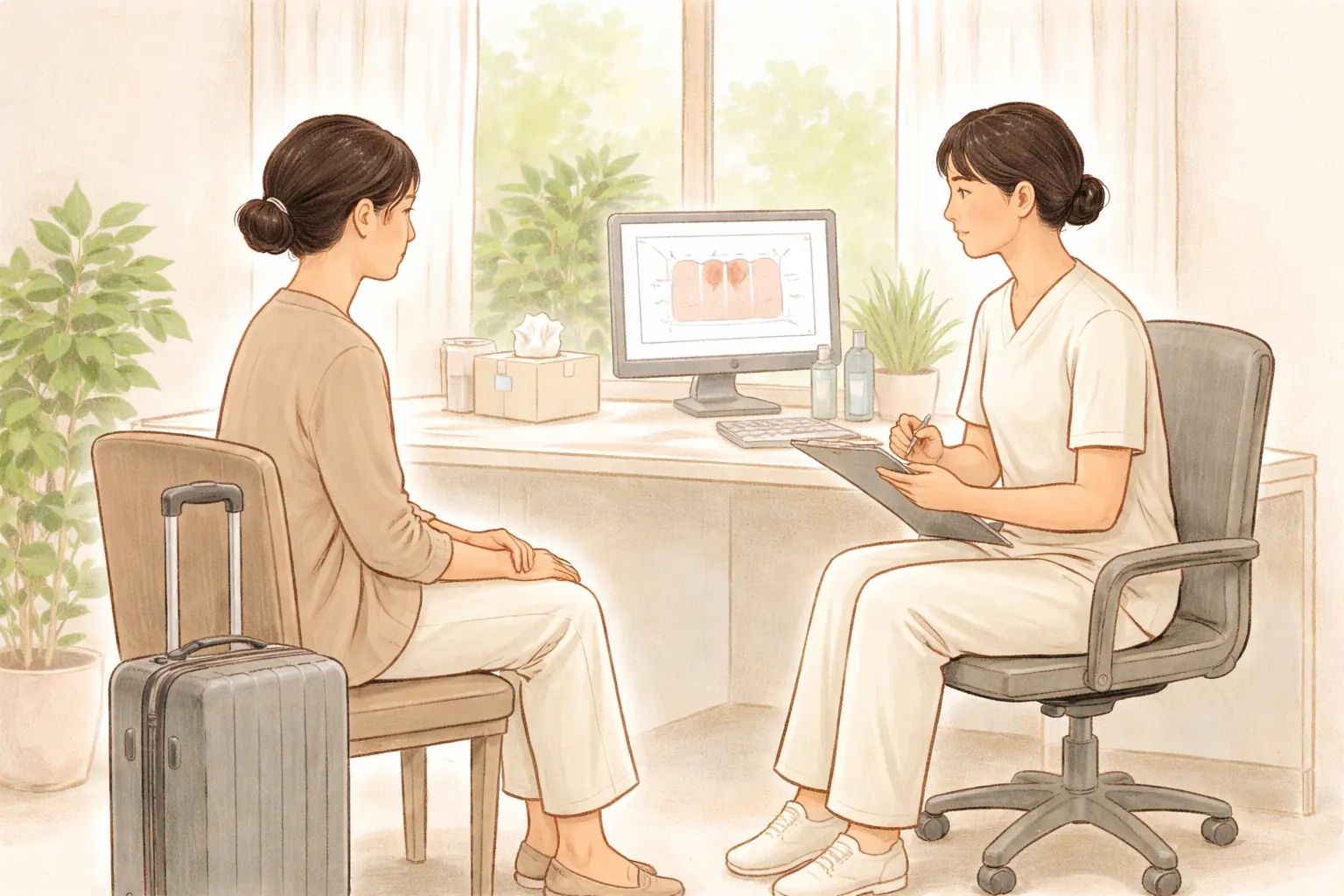
If you are flying out within a few days after treatment, tell the clinic your flight schedule and how you can be reached after returning home during the consultation. For 1–2 days right after treatment, redness and mild heat may remain, and you need to be careful with sun protection during this window. If unexpected symptoms appear before or after your flight, it is safer to be guided on how to get care locally as well.
Please tell us before your consultation
Recent sun exposure, medications you are taking (including blood thinners), active ingredients you are using on your skin, reactions after past treatments, important events, and your departure date. It also helps to mention pregnancy or breastfeeding, and any skin inflammation or wounds.
How ATTITUDE Clinic Handles This
AI skin analysis record — Your skin condition and concern areas are recorded through photos and a questionnaire. The analysis tool organizes information and does not replace a medical diagnosis.
Doctor consultation — Based on the record, the location and degree of sagging, desired results, schedule, and past reactions are reviewed together. The treatment area, energy level, and expected reactions are explained.
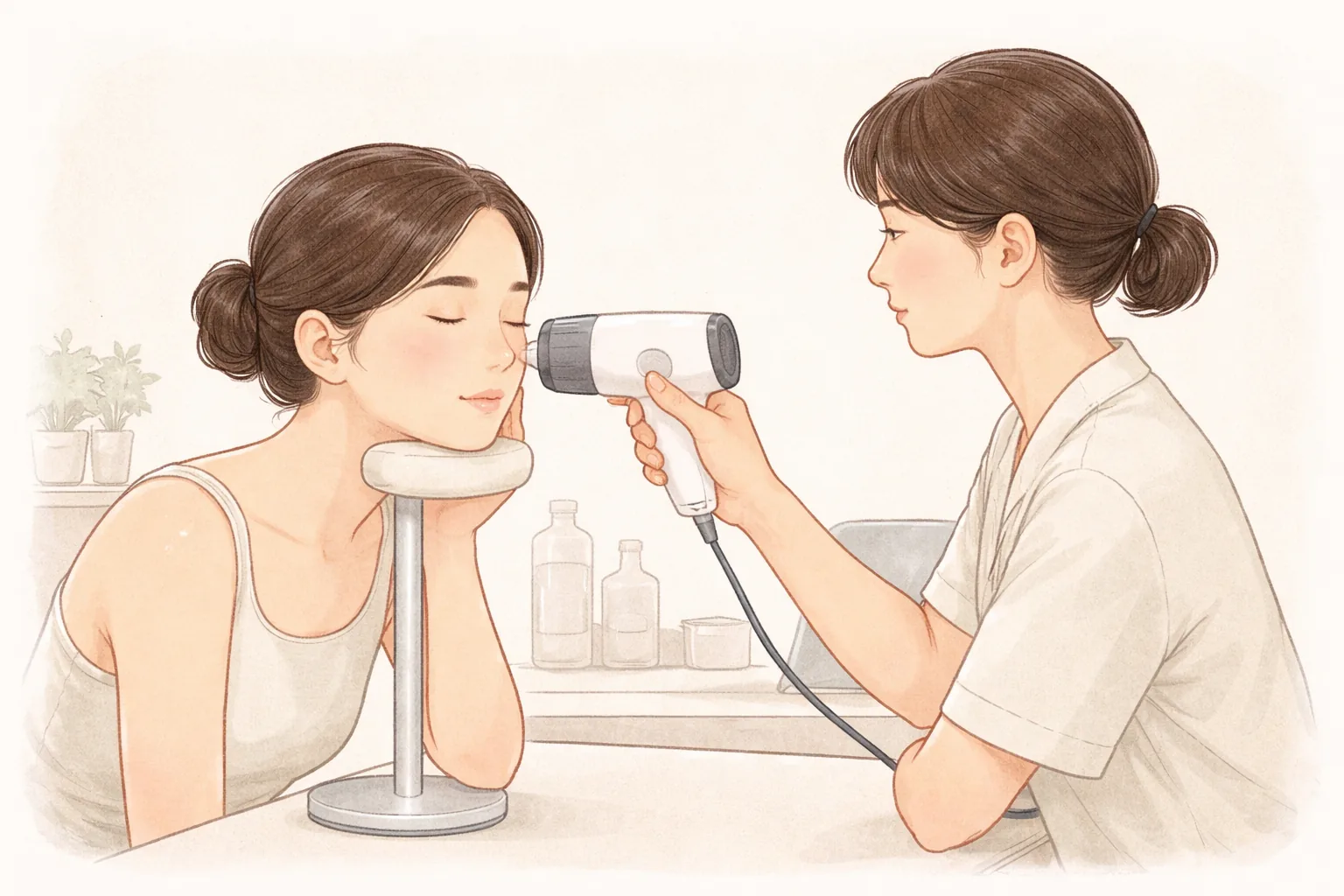
Treatment performed directly by the doctor — The doctor personally performs the necessary devices, such as XERF and XERF Eye. The device and number of shots follow the plan set during consultation.
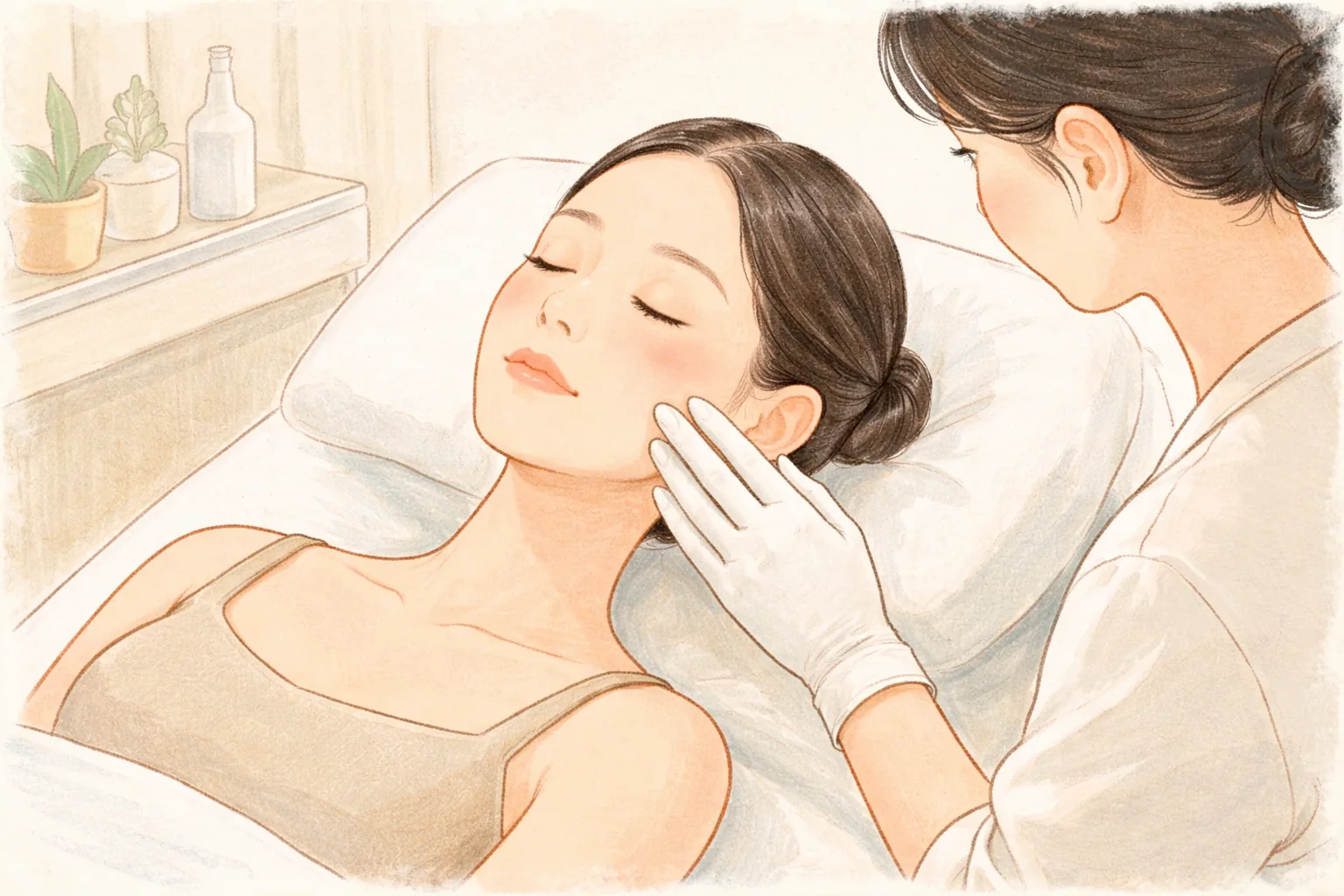
Recovery and aftercare — Post-treatment reactions are checked, and guidance is given on sun protection, moisturizing, and the next visit. You are advised to contact the clinic right away if any adverse reactions occur.
Lifting-related devices covered at ATTITUDE Clinic include XERF · Lutronic, XERF Eye, Thermage FLX · Solta, Ultherapy · Merz, Shurink Universe (HIFU) · Classys, and Onda · DEKA, as introduced in the treatment guide.
Aftercare and Side Effects
Soothing — Avoid saunas, jjimjilbangs, strenuous exercise, and alcohol on the day of treatment.
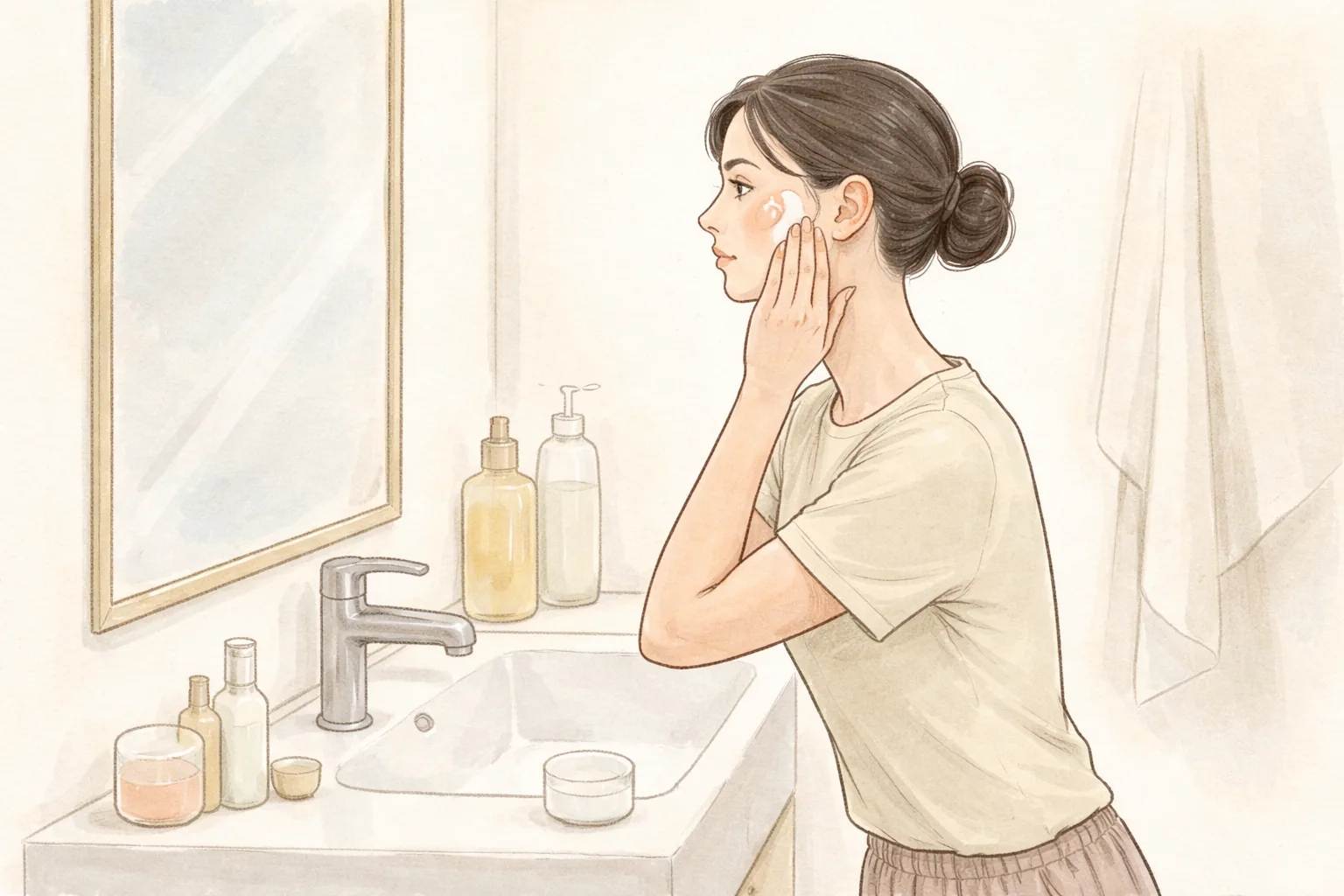
Moisturizing — The skin barrier can be temporarily weakened, so keep up moisturizing.
Sun protection — Apply sunscreen more carefully than usual for several days after treatment.
Progress check — Watch for changes in swelling, redness, and pain, and contact the clinic if unexpected symptoms persist.
ATTITUDE Clinic's other treatment guide also notes that basic habits like sun protection and hydration affect how long changes last. These two become especially important during recovery.
Common side effects are temporary swelling, redness, mild heat, small bruises, and temporary numbness or reduced sensation. They usually settle within a few days. Rarely, burns, blisters, small scars, temporary facial muscle weakness, and unwanted fat-layer volume loss can occur. If you have unexpected symptoms such as blisters or pain that keeps getting worse, get medical care right away. It is also safer to contact the clinic if swelling, pain, or heat persists.
Frequently Asked Questions
When do swelling and redness settle after XERF?
After lifting treatments, reactions like swelling, redness, and mild heat usually settle within a few days. They can last longer, so check how many days it has been, whether it is getting worse, and whether other symptoms are present. For 1–2 days right after treatment, mild redness and heat from thermal stimulation may remain and mostly resolve on their own. During this period, the skin barrier is weakened and sun protection is needed. If swelling lasts long or is worse on one side, it is checked during consultation.
Is XERF treatment really painless?
Pain varies greatly by energy level and nerve density by area. Areas close to bone with dense nerves, such as the jawline, cheekbones, forehead, and eye area, may feel more sensitive, while thicker areas like the cheeks may feel less even at the same energy. If you are sensitive to pain, discuss anesthesia options and energy adjustment during consultation. Rather than 'it doesn't hurt at all,' it is better to know in advance which areas are how sensitive.
How do 300 shots and 600 shots differ?
The number of shots is a configuration chosen based on the treatment area and concern areas. The ATTITUDE Clinic treatment guide lists XERF 300 shots, 600 shots, and 900 shots, and XERF Eye 225 shots and 450 shots. A higher number of shots can cover a broader area, but intensity and depth are set differently by area. Which configuration fits you is decided during consultation based on sagging locations and skin thickness. It cannot be said that 600 shots is unconditionally better than 300 shots.
When do XERF results show, and how long do they last?
With radiofrequency lifting, firmness right after treatment may partly be due to swelling, and further changes usually appear gradually over 2–6 months. With ultrasound-based devices, it is hard to feel a big change right after treatment, and if there is a change, it appears gradually over about 2–3 months. The repeat interval is usually around 1 year, decided by the doctor after reviewing your progress. Maintenance duration varies with age, sun exposure, and lifestyle habits. Rather than stating a maintenance period unique to XERF, it is adjusted while recording your progress.
What should I look for when choosing a clinic for XERF?
What matters more than the device name is what is checked before treatment. Look at whether the consultation explains skin thickness and sagging direction, energy level by area, number of shots, expected reactions, and how to contact the clinic. If the clinic also asks about past treatment reactions, medications you are taking, and your schedule, it is easier to build a recovery plan. You can also check whether the clinic actually has devices like XERF and XERF Eye and whether the doctor performs them directly. The standard is not a ranking of who is better, but whether they build a plan that fits your skin.
At a Glance
Table 2 At a Glance
Item
Key Points
Common reactions
Swelling, redness, mild heat, small bruises, temporary numbness, usually settling within a few days
Signs to call right away
Blisters, pain that keeps getting worse, persistent swelling and heat
Rare but possible reactions
Burns, blisters, small scars, temporary facial muscle weakness, unwanted fat-layer volume loss
Before treatment, check
Medications, active skin ingredients, past reactions, schedule and departure date
Aftercare order
Soothing → moisturizing → sun protection → progress check
Repeat interval
Usually around 1 year, decided by the doctor after reviewing progress
This article offers general health information. It is not a substitute for diagnosis or treatment based on your own condition, so please talk through your situation with a doctor.