Filler vs SKINVIVE: What Sets Skin Boosters Apart (Belotero Revive, Hilo Wave)
Filler and SKINVIVE, plus Belotero Revive and Hilo Wave, are all hyaluronic acid—yet they differ in purpose and injection depth. Here is how they compare, how long each lasts, whether filler can be dissolved, and what to watch after treatment.
Written by ATTITUDE Clinic Editorial Team
Many people hesitate about filler because they worry their face will look larger or unnatural. On the other hand, they have heard of skin boosters like SKINVIVE or Rejuran but are unsure how they differ from regular filler. This article walks through which layer of the skin each treatment works in, which concerns each one suits, how long results last and whether they can be reversed, and what to watch out for after treatment.
The bottom line first
Filler restores volume to hollow areas and shapes facial contours, while skin boosters such as SKINVIVE aim to improve skin texture and hydration rather than add volume. Both often use hyaluronic acid, but the layer they are injected into, the way the product is designed, and the results you can expect are different. The US Food and Drug Administration (FDA) describes filler as a medical device implant that helps make the face look smoother and fuller, and absorbable fillers are approved for the correction of moderate to severe facial wrinkles and skin folds, and for lip, cheek, chin, and hand volume augmentation (FDA). Skin boosters, by contrast, are presented as delivering moisture or regenerative ingredients directly to the skin or stimulating fibroblasts (ATTITUDE Clinic column). So the choice is not about which is better, but about whether your concern is volume or skin quality.
If both use hyaluronic acid, why are they split into filler and skin boosters?
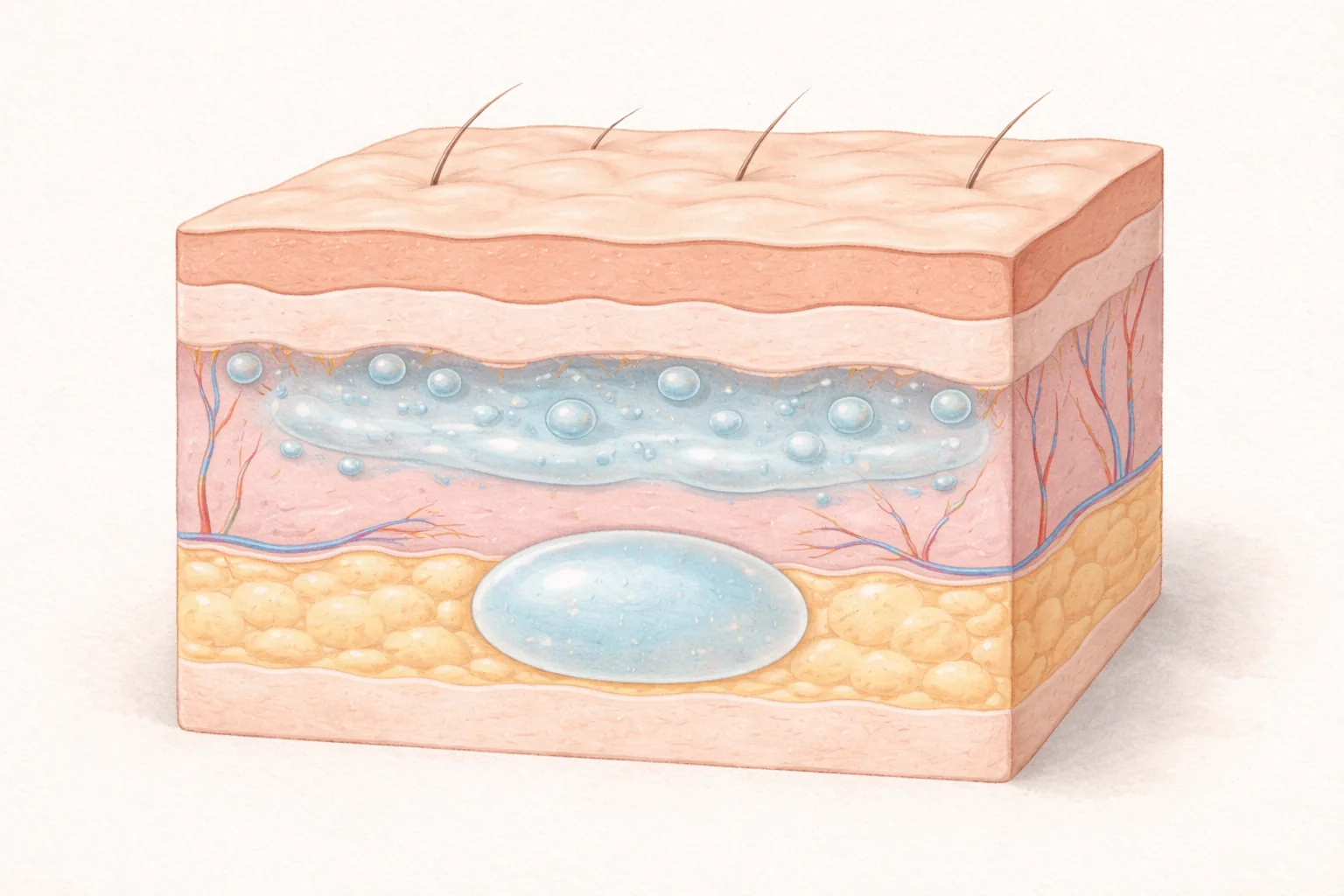
Hyaluronic acid (HA) is a substance naturally present in skin and joints, and it attracts many times its own weight in water. With age or prolonged UV exposure, this HA decreases, leaving skin dry and less elastic. Even the same HA plays a completely different role depending on where and for what purpose it is placed. Filler is used to add volume and create shape, while skin boosters are used to refine the moisture environment and texture within the skin. The ATTITUDE Clinic column also distinguishes skin boosters (PN and HA types) as working by inducing collagen production or supplying moisture, while Re2O (hADM) directly replenishes the extracellular matrix (ECM, the scaffolding between cells) (collagen injection column). The idea that the same ingredient means the same treatment falls apart here.
Which concerns do filler and SKINVIVE each suit?
Filler suits cases where the cheeks are hollow, nasolabial folds are deep, or the lips or chin lack volume. The FDA-approved indications for absorbable fillers also cover correction of moderate to severe facial wrinkles and skin folds, and lip, cheek, chin, and hand volume augmentation (FDA). If instead your concern is thin, dry skin, makeup that does not sit well, and fine lines that stand out, a skin booster fits better than volume-adding filler. SKINVIVE, Belotero Revive, Hilo Wave, Rejuran, Juvelook, and Re2O are grouped under skin boosters in the ATTITUDE Clinic treatment guide, while domestic and imported HA fillers are listed separately (treatment guide). Rejuran's PN (polynucleotide) and the PDRN (polydeoxyribonucleotide) in salmon DNA injections are described as activating cell regeneration signals so that fibroblasts produce collagen on their own (collagen injection column). Since skin boosters themselves split between moisture-focused and regeneration-signal-focused types, the skin is assessed first rather than choosing by product name alone.
How do injection method and product change the result?
Because filler must create volume, the product is firmer and is placed relatively deep. Skin boosters are presented as treatments injected into the dermal layer (collagen injection column), and rather than pooling product in one spot, dividing small amounts across many points shapes the result. With the same product, injecting too shallowly can leave marks for a long time, while injecting too deeply can reduce the intended effect. So the practitioner's experience and adjustment of depth and spacing to your skin matter more than the product name. Filler is the same in this respect: the FDA explains that results depend on the structure of the tissue beneath the skin and on the volume and type of filler used (FDA).
Because skin boosters are not volume-adding treatments, the face shape is not expected to change much, but some of the immediate plumpness may be swelling that subsides over a few days (collagen injection column). Filler, by contrast, shows volume change right after injection, but it takes time for the final look to settle once swelling goes down.
How long results last and whether they can be reversed
How long filler lasts depends on the material and the injection site. The FDA notes that absorbable fillers are gradually absorbed over time, so repeat treatment may be needed to maintain the desired effect (FDA). The American Society of Plastic Surgeons (ASPS) explains that hyaluronic acid fillers usually take 8–18 months to break down naturally by enzymes in the body (ASPS). Skin boosters are typically presented as a course of several sessions at 2–4 week intervals, with maintenance sessions considered afterward, and the effect is described as gradually fading once the stimulation ends (collagen injection column). How long results last varies widely between individuals, and long-term data are still limited.
Whether a treatment can be reversed is another key difference. Hyaluronic acid filler can be broken down with an enzyme called hyaluronidase. However, ASPS explains that dissolving only part of it is difficult, making it closer to all-or-nothing, and that the dissolving injection itself carries risks of pain, bruising, swelling, and bleeding (ASPS). The FDA notes that permanent fillers that are not hyaluronic acid may be difficult or impossible to remove (FDA). So if the possibility of reversal later matters to you, the choice of material matters.
Table 1 How long results last and whether they can be reversed
Category
Main goal
Suits these concerns
What to expect
Domestic and imported HA fillers (Juvéderm, Belotero, Restylane, etc.)
Volume and contour
Hollow cheeks, deep nasolabial folds, lip and chin volume
Immediate volume change, natural breakdown over 8–18 months, dissolvable with hyaluronidase
SKINVIVE (Allergan)
Skin texture and hydration
Dryness, fine lines, makeup not sitting well
Dermal layer injection, can be planned over several sessions, maintenance varies by individual
Belotero Revive (Merz)
Skin texture and hydration
Skin texture and glow
Differences by product, suitability judged in consultation
Rejuran (PN)
Regeneration signals
Elasticity and skin regeneration
Several sessions at 2–4 week intervals, then maintenance
Re2O (hADM)
ECM replenishment
Thinning skin, reduced elasticity
Immediate plumpness is swelling, changes over several weeks, maintenance varies by individual
Swipe sideways to see the whole table.
In short filler targets volume, while skin boosters like SKINVIVE target skin texture and hydration. Even with the same hyaluronic acid, the injection layer and product design differ, so the two are not competitors but tools chosen or combined according to your concern. It is worth confirming reversal potential and how long results last during consultation as well.
If this sounds like your situation
When the date is fixed, such as a wedding or photoshoot
Swelling after filler is most noticeable right after injection, and the face usually returns to a normal-looking state within 3 days, but it can take up to 3 weeks to settle completely (ASPS). If you have an important event, it is safer to have treatment at least 2–3 weeks beforehand and to discuss the possibility of bruising and swelling in consultation. Skin boosters are also often planned over several sessions, so working backward from your schedule is needed.
When you want to leave hollow cheeks as they are and just improve skin quality
If you are uneasy that adding volume might make your face look unnatural, skin boosters become the first thing to consider. Because skin boosters are not volume-adding treatments, facial shape does not change much; instead they work on moisture and texture within the skin (collagen injection column). That said, deep wrinkles or pronounced cheek hollowing may not be enough with skin boosters alone, so whether to combine filler is also reviewed in consultation.
When your skin is sensitive or prone to redness
Injectable treatments temporarily stress the skin barrier, so redness, stinging, and swelling can occur. The ATTITUDE Clinic column notes that the treatment itself can cause redness, swelling, dot-like marks, dryness, or thin crusting, and that lumps (granulomas) or long-lasting inflammation have rarely been reported (exosome column). If your skin is sensitive, tell the doctor about your skin condition and past reactions before treatment.
When you are an overseas visitor on a short stay
Skin boosters are often planned as several sessions at 2–4 week intervals (collagen injection column), so a plan that finishes in one visit may be difficult during a short stay. Filler can show volume change in one visit, but bruising and swelling may last several days, so this is coordinated in consultation alongside your return schedule.
Tell us before your consultation — recent UV exposure and outdoor activity plans, medications you are taking (including aspirin, NSAIDs, and blood thinners) and supplements, active ingredients in your usual skincare (retinol, acids, and so on), past reactions to filler, skin boosters, or anesthetics, whether you have an autoimmune disease, allergies, are pregnant, or are breastfeeding, and any fixed dates such as a wedding or photoshoot. ASPS advises avoiding aspirin and NSAIDs before and after filler treatment (ASPS), and the ATTITUDE Clinic column also checks autoimmune disease, history of reactions to tissue-derived products, medications, and pregnancy or breastfeeding during intake (collagen injection column).
How ATTITUDE Clinic proceeds
Consultation and intake — We check whether your skin concern is volume or skin quality, along with past treatment reactions, medications, and whether you have allergies, autoimmune disease, are pregnant, or are breastfeeding. At this stage the broad direction—filler or skin booster—is set (collagen injection column).
Skin assessment — The doctor examines skin thickness, pigmentation, elasticity, and dryness to decide the suitable product and injection sites. Even among skin boosters, moisture-focused and regeneration-signal-focused products differ, so the choice depends on your concern (collagen injection column).
Treatment — The chosen product and dosage are injected. Filler is placed to match the goal of creating volume, while skin boosters are injected so they spread evenly through the dermal layer (FDA, collagen injection column).
Recovery and follow-up — We explain aftercare and when to check on progress. If swelling, bruising, or pain goes beyond the expected range, or if there are signals such as vision changes, we advise seeking care immediately (collagen injection column).
In the ATTITUDE Clinic treatment guide, related items include SKINVIVE (Allergan), Belotero Revive (Merz), Hilo Wave, Rejuran, Juvelook, Sculptra, Re2O, and domestic and imported HA fillers (treatment guide).
Aftercare and side effects
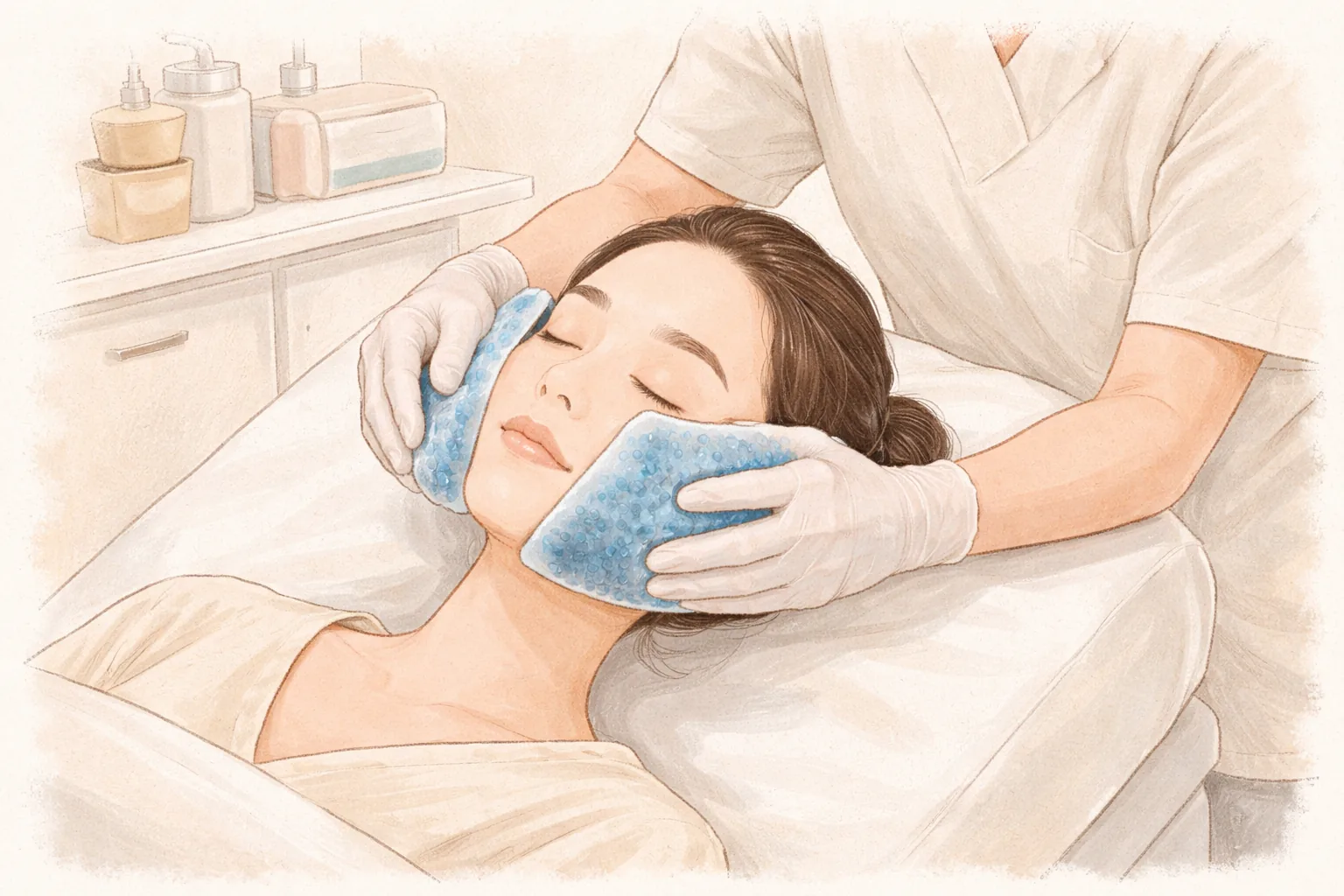
Soothing and cold compresses — For the first 24 hours after filler, cold compresses help reduce swelling (ASPS). After skin boosters too, avoiding vigorous exercise, saunas, and alcohol on the same day is advised (collagen injection column).
Avoid pressure and massage — Pressing hard or massaging the treated area can move the product before it settles. ASPS advises avoiding massage tables and strong massage for 24–48 hours after filler (ASPS), and the ATTITUDE Clinic column also explains avoiding massage and strong pressure at the injection site (collagen injection column).
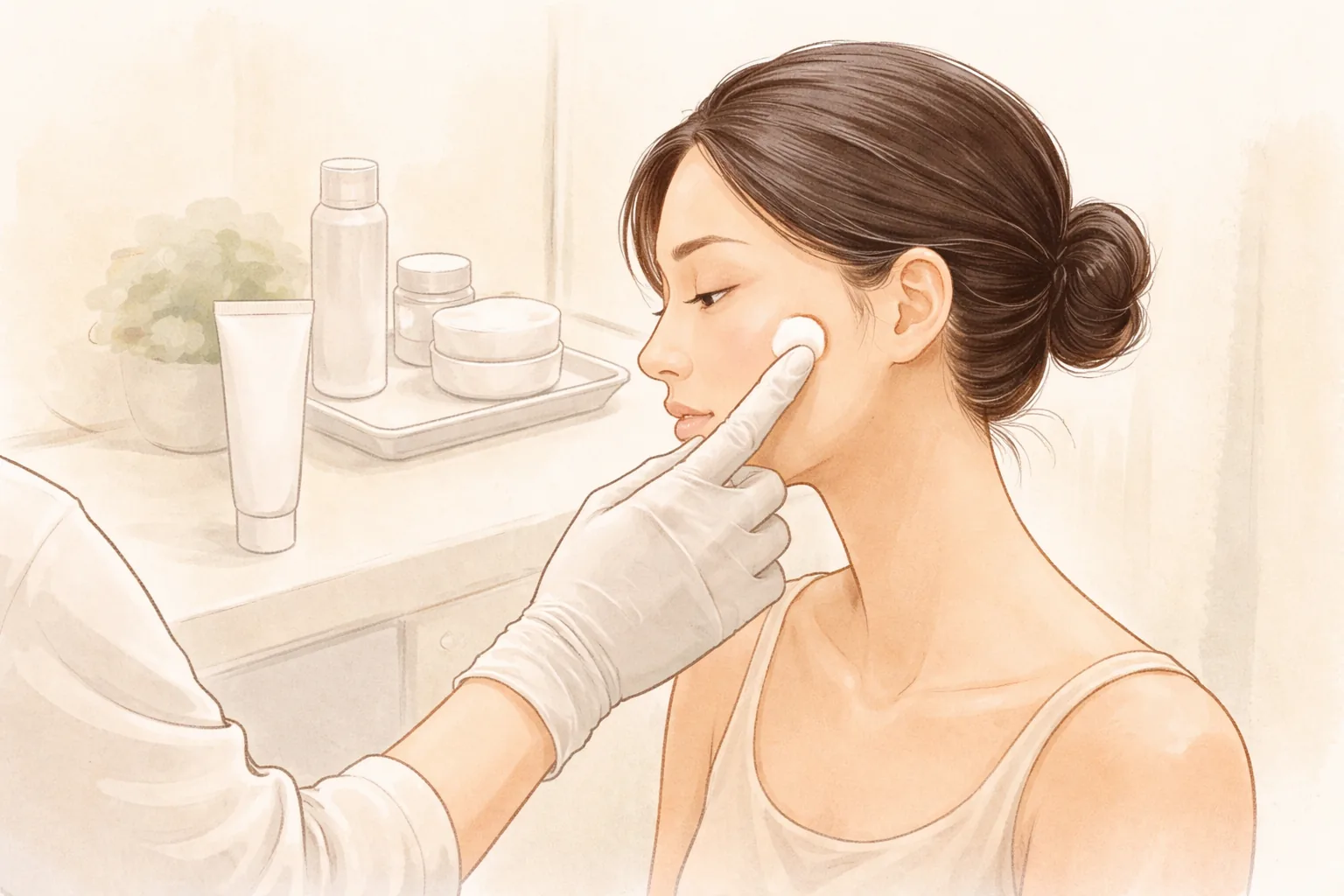
Moisturizing and sun protection — Wash your face gently 4–6 hours after treatment, and makeup can be applied from the next day. Sunscreen is advised throughout the recovery period, applied carefully at SPF 50+ (collagen injection column). ASPS also recommends avoiding prolonged UV exposure (ASPS).
Follow-up — Swelling and bruising are common and usually subside within a few days to a few weeks (FDA). However, if pain is unusual or worsening, if the skin at the injection site turns white, mottled, grayish-blue, or black, or if there are vision changes, do not wait and seek care immediately (collagen injection column).
Common reactions are swelling, bruising, pain, and redness. The FDA explains that most side effects appear right after injection and resolve within a few days to a few weeks (FDA). Less commonly, nodules or granulomas, infection, allergic reaction, filler migration, or leakage or rupture at the injection site can occur. The most concerning complication is filler entering a blood vessel by mistake and blocking blood flow, which, though rare, can lead to tissue necrosis, vision problems (including blindness), and stroke (FDA). If swelling, pain, or heat continues after an injectable treatment, or infection is suspected, contact the clinic (ASPS).
Frequently asked questions
How is SKINVIVE different from regular filler?
SKINVIVE is listed under skin boosters in the ATTITUDE Clinic treatment guide (treatment guide). While filler aims to add volume to hollow areas and create contour, skin boosters work by supplying moisture or regenerative ingredients to the skin or stimulating fibroblasts to improve skin texture and hydration (collagen injection column). Because it is not a treatment that changes facial shape, volume change is not expected. Instead, it approaches concerns such as dryness, fine lines, and makeup not sitting well. Even within the same hyaluronic acid family, the injection layer and product design differ, so the skin is assessed in consultation to decide which fits.
Are SKINVIVE and Belotero Revive the same thing?
Both are separate products grouped under skin boosters in the ATTITUDE Clinic treatment guide (treatment guide). They belong to the same category, but the manufacturer and product composition differ, and which product suits you better depends on skin thickness, hydration, treatment area, and desired result. For a specific product's ingredients and concentration, the accurate approach is to confirm the product used during consultation. How soon effects appear and how long they last also vary between individuals, so it is hard to rank them by product name alone.
How long do SKINVIVE results last?
Skin boosters are typically presented as several sessions at 2–4 week intervals, with maintenance sessions considered afterward, and the effect is described as gradually fading once the stimulation ends (collagen injection column). How long results last varies greatly with skin condition, lifestyle, and UV exposure, and long-term data are still limited. So rather than expecting an absolute number of months, it is more realistic to use it as a guide for when the next session might be. Basic care such as sun protection and moisturizing also affects maintenance.
Can filler be reversed?
Hyaluronic acid filler can be broken down with hyaluronidase. ASPS explains, however, that dissolving only part of it is difficult, making it closer to all-or-nothing, and that the dissolving injection itself carries risks of pain, bruising, swelling, and bleeding (ASPS). Permanent fillers that are not hyaluronic acid may be difficult or impossible to remove (FDA). So if reversal potential matters, it is best to check the material from the start. Recording which filler you received and when can help later.
What should I check when choosing a clinic?
The FDA advises seeking a licensed health care provider with experience in dermatology or plastic surgery before receiving filler (FDA). It is also worth checking whether the product used is authentic, which product and how many cc are used, and whether there is a system for responding if problems arise after treatment. Look too at whether the pre-treatment intake asks enough about allergies, medications, and past treatment reactions. The ATTITUDE Clinic column emphasizes consulting sufficiently with the doctor before treatment, assessing skin condition, and then planning (collagen injection column).
At a glance
Table 2 At a glance
Item
Key point
Goal of filler
A treatment that adds volume to hollow areas to create contour
Goal of SKINVIVE
A skin booster that improves skin texture and hydration
How long results last
Filler varies by material and site, with HA breaking down naturally over 8–18 months; skin boosters vary widely between individuals
Reversal
HA filler can be broken down with hyaluronidase, but partial dissolution is difficult
Aftercare
Avoid pressure, massage, saunas, and alcohol for 24–48 hours, and use sun protection
How to choose
Consider whether your concern is volume or skin quality, along with reversal potential and your schedule
This article offers general health information. It is not a substitute for diagnosis or treatment based on your own condition, so please talk through your situation with a doctor.