Fractional Laser Side Effects: Common Reactions vs When to Call Your Clinic
Fractional and erbium laser side effects explained by recovery stage: which reactions are normal, which need a call to the clinic, how long redness lasts, and how aftercare and SPF protect against dark spots laser treatment can stir up.
Written by ATTITUDE Clinic Editorial Team
One of the most common questions from people considering a fractional or erbium fractional laser is: “My face is this red and stinging after the treatment — is that normal?” and “If crusts form, when should I contact the clinic?” If it overlaps with a wedding, a photo shoot or a short stay in Korea, the worry gets worse. This article separates common reactions from signals that need a call, then goes through what shapes recovery time, preparation before treatment, aftercare and what to check when choosing a clinic.
The short answer first
Right after a fractional or erbium fractional laser, redness, heat, swelling, stinging, dryness, a sandpaper-like texture and thin crusts are common parts of recovery. They usually settle within a few days to 1–2 weeks, but the range is wide depending on intensity, area and your skin condition. If pain keeps getting worse, or redness and heat last longer than expected and suddenly spread, or you see blisters, oozing, pus, fever or pigment turning noticeably darker, do not tough it out — contact the clinic that treated you. Even with the same treatment, reactions differ with energy level and skin thickness in the treated area, so it is safer to confirm your own normal range before treatment.
What does a fractional or erbium fractional laser do to the skin?
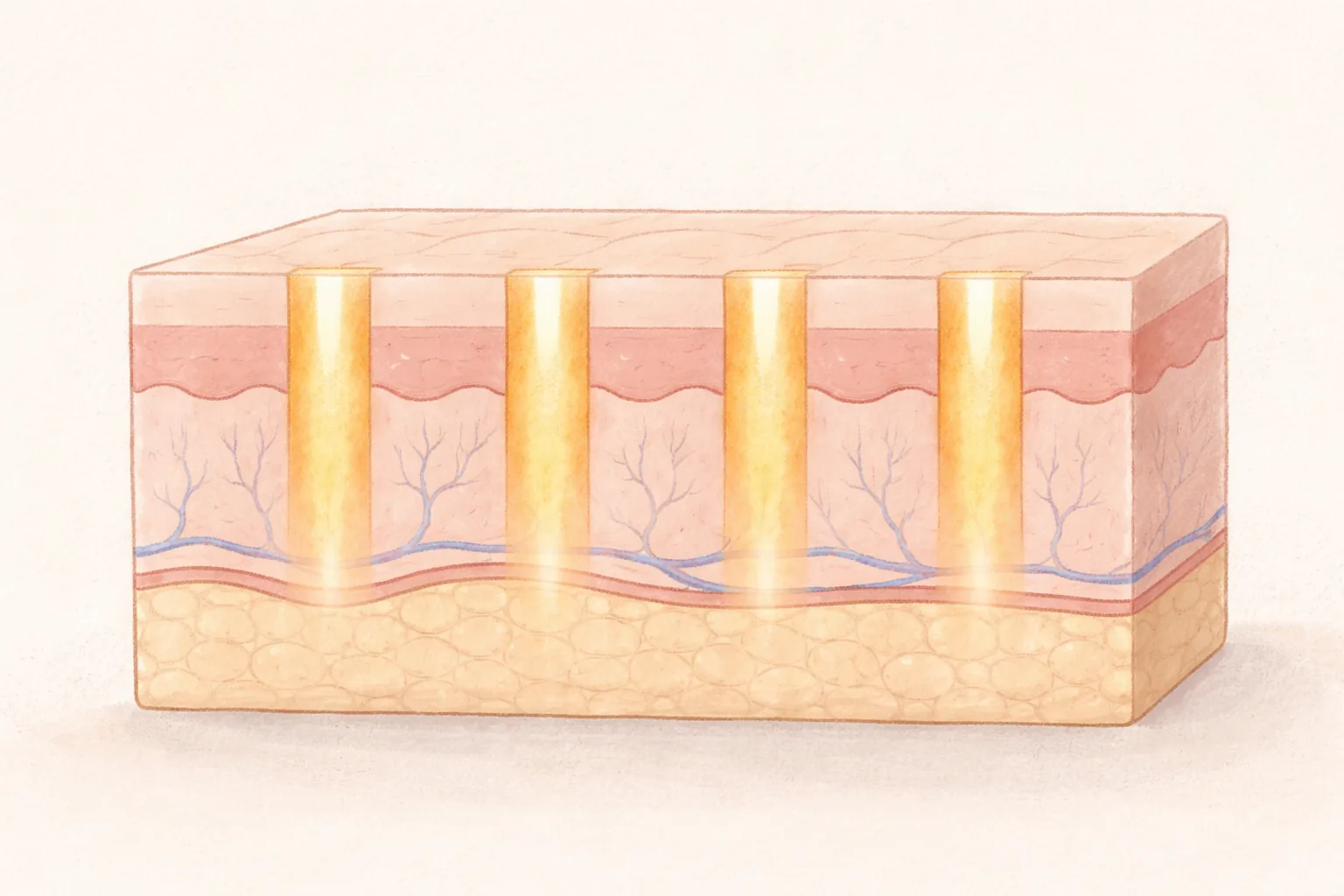
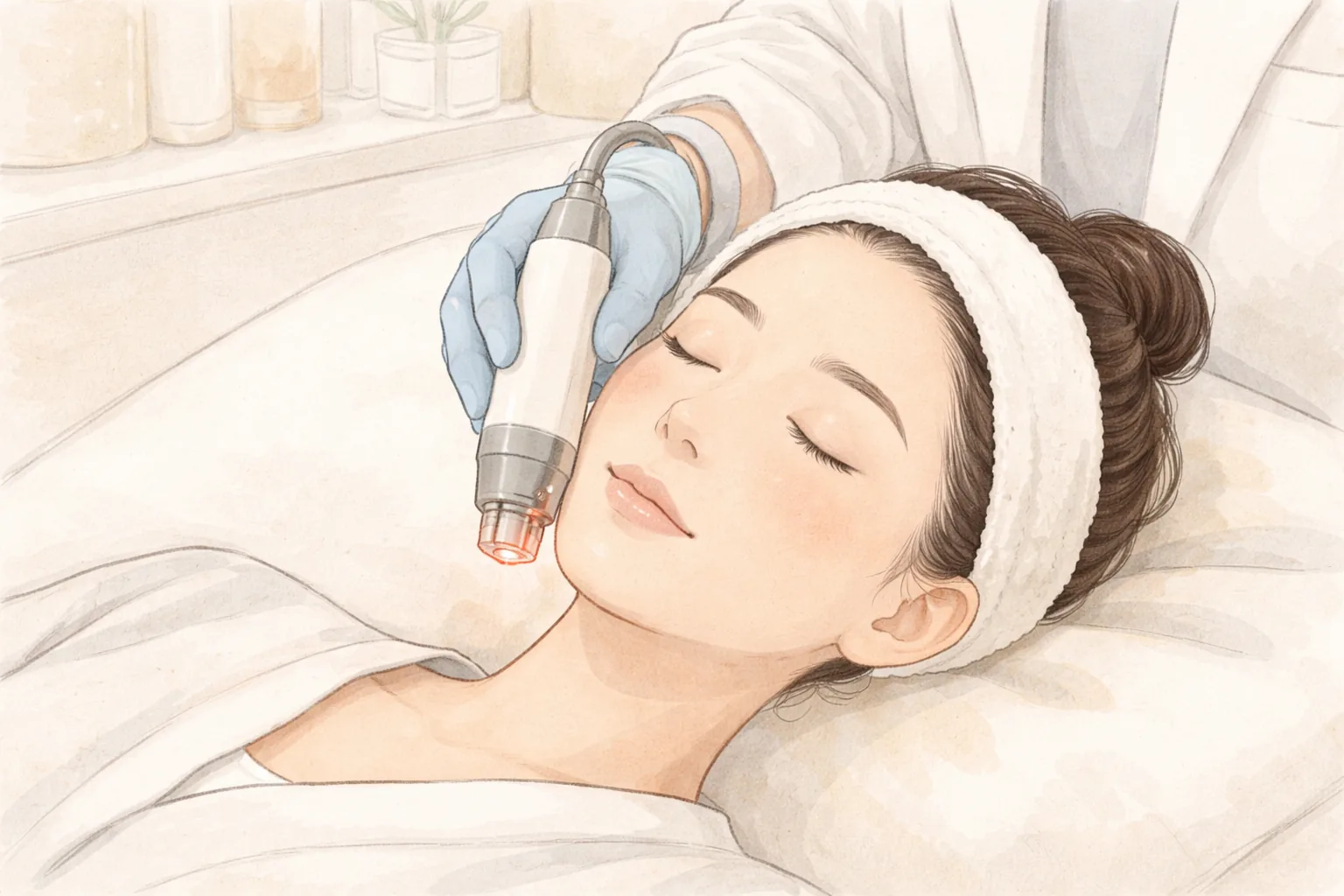
A fractional laser splits the laser beam into thousands of very small treatment zones, stimulating only part of the skin. These small zones are called microscopic treatment zones (MTZ, units that deliver energy to a target point while leaving the surrounding skin untouched). Unlike fully resurfacing the skin in one pass, the undamaged surrounding tissue helps recovery, so healing is faster. Fractional laser reference explains that fractional lasers treat both the epidermis and dermis, and are used for facial wrinkles, sun damage, surgical scars and acne scars. They can also be applied to pigment conditions such as melasma, but the same source notes that the treatment itself can cause post-inflammatory hyperpigmentation.
Depth of action differs by device. Erbium:YAG is used to refine the epidermis and shallow dermis, while CO2 lasers act more deeply, with longer recovery and higher complication risk. Cleveland Clinic guidance describes erbium lasers as reducing damage to surrounding tissue and causing fewer side effects such as swelling, bruising and redness than CO2. ATTITUDE Clinic's treatment guide presents Erbium Fractional as a micro-peeling treatment that helps improve pores and scars. ATTITUDE Clinic treatment guide
So why is skin red and stinging right after treatment? Because the microscopic damage created on purpose sends collagen regeneration signals, which show on the surface as heat, redness and dryness. Seeing this change as one big “burn” makes it easy to panic. In reality, where, how much and how the heat is applied is what separates treatment from side effect. A laser and skin barrier column also explains that if intensity is too high or sessions are repeated before recovery, the risk of burns or hyperpigmentation rises.
How do you tell common reactions from signals to call?
Reactions after treatment usually fade with time. If they instead keep worsening, spread to one side, or mix with oozing or pus, other problems need to be checked. The table below summarizes reactions commonly seen after treatment and what to look at.
Table 1 How do you tell common reactions from signals to call?
Reaction
Common timing
More common with
What to look at
Redness, heat
Right after, for days
Fractional low power usually settles within 3–5 days; high power within 7–14 days
If it suddenly spreads or worsens beyond 3 days, call
Swelling, stinging
1–3 days after
Fractional types, including erbium fractional
If pain keeps worsening, don't endure it — call
Dryness, sandpaper texture
3–7 days
Fractional laser
Moisturize to reduce tightness, don't rub
Thin crusts, dot-like marks
5–14 days
Peeling erbium:YAG laser types
Don't pick them off; wait for them to fall on their own
Temporary hyperpigmentation
After 2–4 weeks
More common in darker or tanned skin
Step up sun protection and check at a consultation
Swipe sideways to see the whole table.
With fractional low-power treatment, redness and a sandpaper-like texture can last 3–5 days; with high-power treatment, swelling, exudation (oozing) and crusts can last around 7–14 days. Fractional laser and downtime column
In short redness, heat, swelling, stinging, dryness and thin crusts are usually reactions that appear during recovery. But if pain worsens or oozing, pus, blisters or fever come with them, that may not be a recovery reaction but a signal that needs checking, so telling the clinic that treated you right away is safer.
What shapes recovery time?
Even with the same fractional laser, energy level, treatment depth, treatment area, skin thickness, sun exposure and interval between sessions all change recovery time. Cleveland Clinic guidance reports a recovery period of 1 week for erbium laser resurfacing, and explains that redness fades over 2–3 months but can remain for 6 months to 1 year, and may last longer in people with blonde or red hair. Fractional laser resurfacing is also guided around 1 week of recovery.
Erbium fractional refines the surface, so recovery is relatively short, but raising the intensity increases swelling, oozing and crusts. Conversely, splitting treatment into several lower-intensity sessions reduces downtime but may also deliver less change per session. After treatment, hot saunas, jjimjilbang and intense exercise can raise skin temperature and amplify redness and pigment reactions, so it is better to avoid them for the period you are advised. Laser and skin barrier column
Ultraviolet light is a major factor that lengthens recovery. If UV reaches newly formed skin after treatment, hyperpigmentation can appear and undo the laser result. The fractional laser and downtime column recommends applying SPF 50+ sunscreen for at least 2 weeks after treatment and reapplying every 2 hours outdoors. If your skin already reacts strongly to pigment, as with melasma, fractional treatment itself can cause post-inflammatory hyperpigmentation, so the approach needs to differ. Fractional laser reference
What to check before treatment, and when it isn't a good fit
Before treatment, your medical history, current skin condition and desired results are reviewed together. Cleveland Clinic guidance also explains that the doctor decides the laser type after a full evaluation. Technique and settings differ with age, skin type, sun exposure and treatment area, so the same device is not used at the same intensity for everyone. Fractional laser reference
Recent UV exposure, medications you take, active ingredients you apply to your skin, past laser, filler or skin booster treatments and how your skin reacted then are all information you should share at the consultation. If your skin has become sensitive or cosmetics sting, intensity can be lowered or timing adjusted. Laser and skin barrier column
If you are a visitor staying abroad for a short time, it helps to discuss your return date and outdoor plans together. Deciding in advance whether you can handle sun protection and moisturizing during recovery yourself, and what criteria to use to contact the clinic if follow-up after returning home is difficult, can reduce anxiety. Whether to treat and at what intensity is decided by the doctor after reviewing your skin condition and schedule together.
If this sounds like you
If a ceremony, shoot or important event is 2–4 weeks away
A strong treatment you are having for the first time right before an event can leave redness or crusts overlapping the day. It is better to count backward from the date and adjust the treatment type, intensity and start timing. Tell the clinic your schedule first at the consultation.
If you are an overseas visitor on a short stay
Follow-up after you return home may be difficult, so it helps to set the state on the treatment day and the next day, how to contact the clinic, and a check-up schedule before you fly home. Dryness and UV exposure during the flight also affect recovery. Share your length of stay and return date at the consultation.
If your skin is sensitive or flushes easily
When the skin barrier is weakened, the same intensity can feel stronger. If cosmetics usually sting or you have had redness linger long after a treatment, tell the clinic in advance. It helps with adjusting intensity and intervals. Laser and skin barrier column
If you want steady, ongoing care
Rather than one strong session, keeping to the interval your skin needs to recover and treating periodically is less of a burden. Repeating the same area before it recovers can raise the risk of hyperpigmentation. Intervals differ with laser type, goal and skin condition, so they are adjusted at consultations while watching progress. Laser and skin barrier column
Tell us before your consultation
UV exposure in the last 2–4 weeks and upcoming outdoor plans
Medications you take, active ingredients you apply to your skin
Past laser, filler or skin booster treatments and how your skin reacted
Important dates such as a wedding, shoot, business trip or flight home
Your usual pain sensitivity and any current skin sensitivity
How ATTITUDE Clinic runs the process
AI skin analysis record — AI skin analysis records pores and skin condition. This tool records and organizes information to support the consultation; it is not a medical diagnosis. Pore column
Doctor consultation — Your skin condition, lifestyle habits and schedule are added to the analysis record, and the doctor explains whether erbium fractional is right for you, along with intensity, area, recovery time and precautions. Pore column
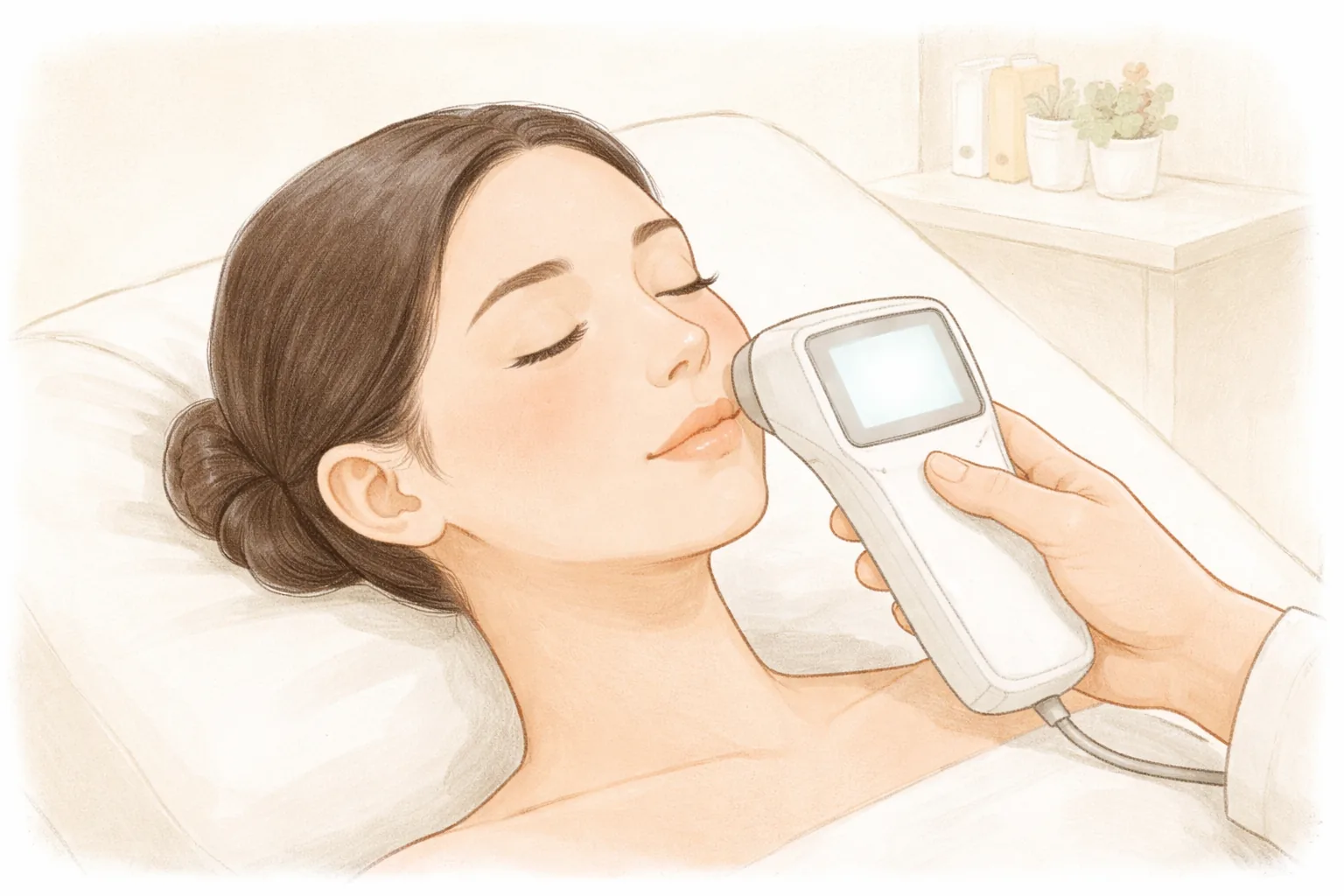
Treatment performed by the doctor — The doctor personally performs the treatment suited to your type and cause, and does not recommend more treatment than needed. We follow the principle of genuine products, accurate dosing and fair pricing. Pore column
Recovery and aftercare — We guide you on soothing, moisturizing and sun protection after treatment and on when to contact us, and adjust the next interval while watching your progress. Fractional laser and downtime column
The device guided for this topic is Erbium Fractional. ATTITUDE Clinic's treatment guide describes it as a micro-peeling treatment that helps improve pores and scars. ATTITUDE Clinic treatment guide
Aftercare and side effects
After treatment, it helps to care for your skin in this order.
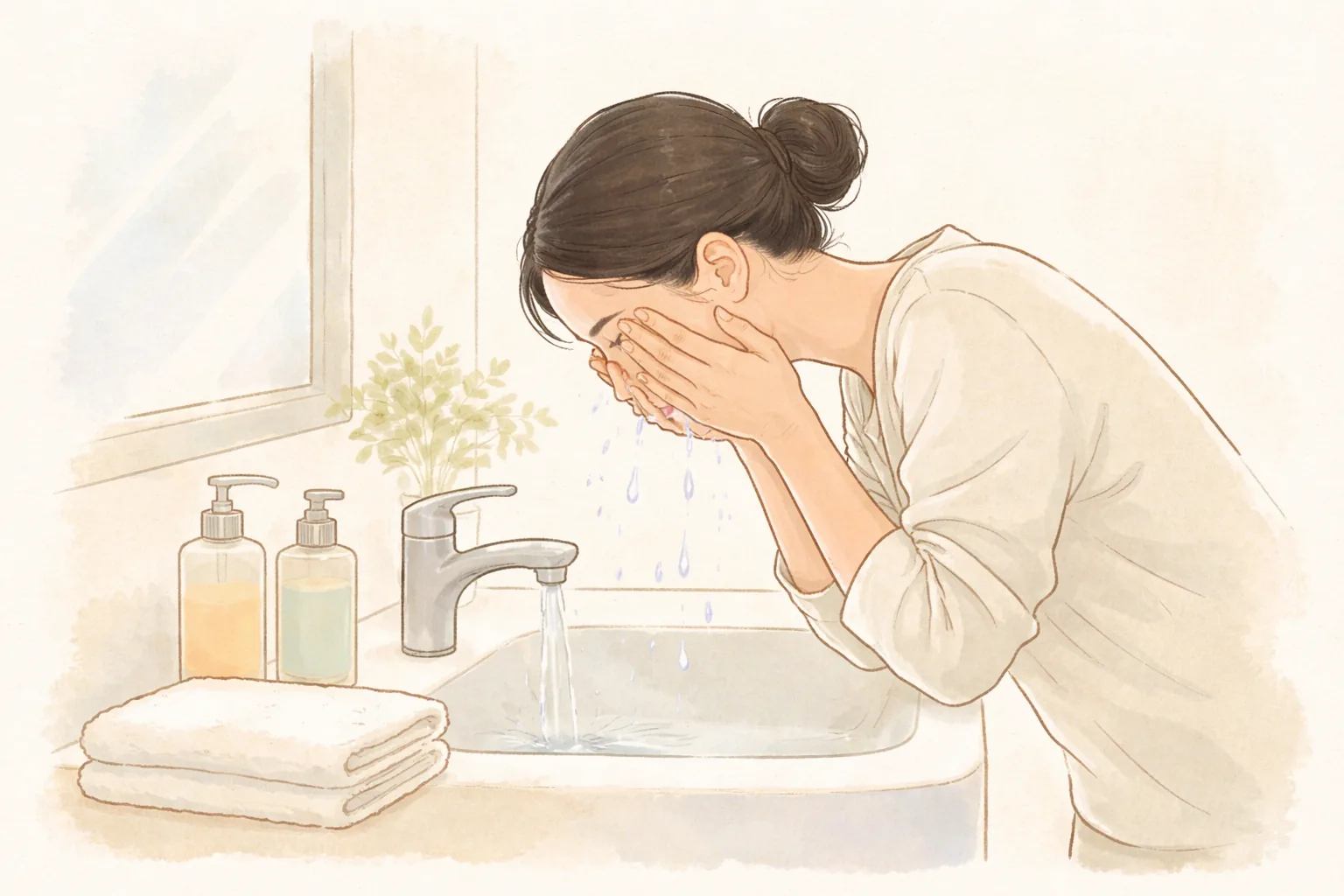
Soothing — On the treatment day, avoid hot water, saunas, jjimjilbang and intense exercise, and wipe gently with lukewarm water. If skin temperature rises, redness and pigment reactions can grow. Fractional laser and downtime column
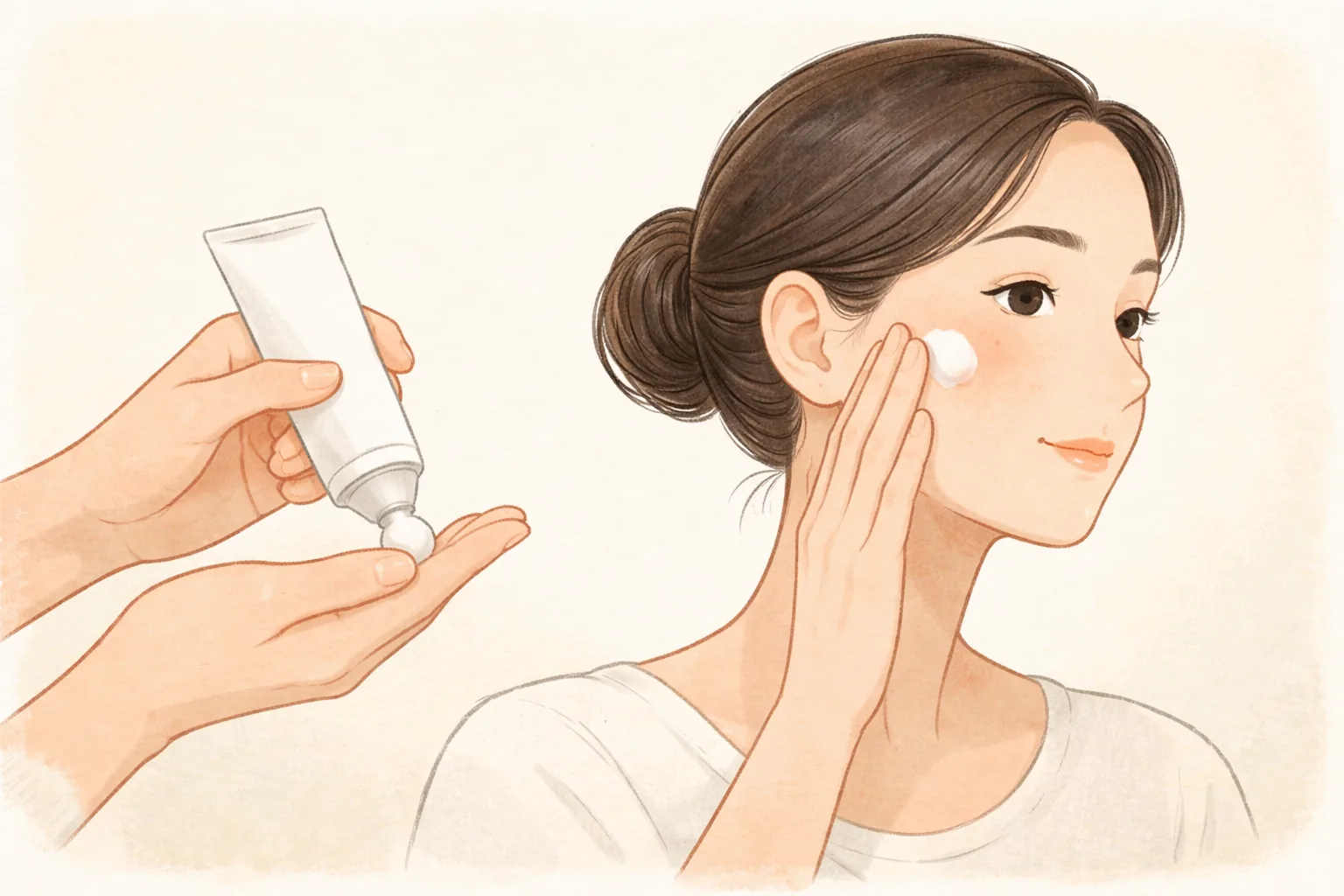
Moisturizing — To reduce dryness and tightness, apply a gentle moisturizer thinly and often. Washing your hands clean before applying helps reduce trouble.
Sun protection — Apply SPF 50+ sunscreen for at least 2 weeks and reapply every 2 hours outdoors. Use hats and parasols for physical protection as well. Fractional laser and downtime column
Checking progress — Do not pick crusts off, and contact the clinic if redness or stinging lasts more than 3 days or suddenly worsens. Fractional laser and downtime column
Common side effects are redness, heat, swelling, stinging, dryness, a sandpaper-like texture, thin crusts and dot-like marks. Temporary hyperpigmentation can occur, and the risk is higher especially in darker or tanned skin. Cleveland Clinic guidance explains that small white bumps (milia) can appear during recovery for up to a month and can be managed with gentle cleansing.
Rarely, blisters, hypopigmented spots (patches where skin color lightens), infection, scars, or pigment returning later can occur. Laser and skin barrier column After peeling lasers such as erbium:YAG, redness, swelling, dot-like marks, dryness and thin crusts are common and usually settle within a few days to 1 week. Pore column
There are cases where you should contact the clinic instead of waiting. If pain keeps worsening, oozing or pus appears, blisters form, fever accompanies, redness suddenly spreads, or pigment turns noticeably darker, your recovery needs to be checked. The same applies if there is pain or odor under a crust.
Frequently asked questions
How long does redness last after a fractional or erbium fractional laser?
With fractional low power, redness commonly settles within 3–5 days; with high power, within 7–14 days. Erbium laser resurfacing is guided as 1 week of recovery. However, redness can take 2–3 months to fade completely, or as long as 6 months to 1 year in some cases, and may last longer in people with blonde or red hair. Intensity, area, skin thickness and UV exposure shape the duration. If redness suddenly spreads or pain worsens, don't wait — contact the clinic.
When can I wash my face and wear makeup after treatment?
On the treatment day, reduce irritation, and from the next day wipe with lukewarm water and a gentle cleanser, pressing rather than rubbing. Avoid exfoliation, scrubs, hot water and saunas for the period you are advised. Makeup depends on your recovery state, so following the doctor's guidance is safer. Once recovery is complete, makeup can cover redness, and oil-free products are recommended. Cleveland Clinic guidance
Crusts have formed — can I pick them off?
Crusts are part of the process in which skin covers the wound itself and builds new skin underneath. Picking or scratching them off can damage new tissue and leave hyperpigmentation or scars. Leave them until they fall off on their own, and don't rub them when washing. If pus, odor or pain appears under a crust, contact the clinic right away. Fractional laser and downtime column
How do I manage my skin to reduce hyperpigmentation after treatment?
The biggest factor is ultraviolet light. Apply SPF 50+ for at least 2 weeks after treatment and reapply every 2 hours outdoors. Use hats and parasols for physical protection as well. Avoid saunas, jjimjilbang and intense exercise for 1–2 weeks. If your skin is darker or tanned, the risk of hyperpigmentation is greater, so tell the clinic in advance. If you have a pigment condition such as melasma, fractional treatment itself can cause post-inflammatory hyperpigmentation, so the approach needs to differ.
How do I choose a clinic that does this treatment well?
Don't look only at the device name — see whether the consultation explains your skin condition, treatment area, intensity and expected recovery time. It is also worth checking whether side effects and criteria for contacting the clinic are explained specifically, and whether more sessions than needed are recommended. Look at whether the doctor performs the treatment personally, whether the devices used are genuine, and whether records are kept. ATTITUDE Clinic runs a flow of recording with AI skin analysis, consulting with the doctor, and then having the doctor perform the treatment personally. Remember that the analysis tool is for recording and organizing, not diagnosis. Because individual differences are large, it is better to choose a place that can explain your skin condition rather than deciding based on one clinic's recommendation alone.
This article offers general health information. It is not a substitute for diagnosis or treatment based on your own condition, so please talk through your situation with a doctor.