Mole Removal Korea: Swelling, Recovery, and When You Can Return to Daily Life
How mole removal is performed, how long swelling and crusting last, and when you can return to daily life. We break down scar and regrowth signs, plus recovery factors, for anyone considering mole removal in Korea or Gangnam.
Written by ATTITUDE Clinic Editorial Team
Once a mole is gone, swelling is often the first thing on your mind. When will the crust fall off? When can you wash your face and wear makeup again? When will the red mark fade? This article walks through how mole removal proceeds in the skin, what counts as normal healing in the days after, and what to look at when deciding you're ready to return to daily life.
The short answer
Mole removal is usually a short procedure completed in a single outpatient visit, and because it is done with anesthesia, there is little pain during the treatment (Cleveland Clinic guide). For a few days afterward, the area may sting or burn, and redness, swelling, and a thin crust can appear together. How fast you recover and when you can return to daily life depends on the mole's size, depth, location, and whether it was removed by excision or shaving. Let the crust fall off on its own, and if a mole grows back at the removal site, don't brush it off as a cosmetic issue—see a doctor right away (American Academy of Dermatology guide).
How is mole removal performed in the skin?
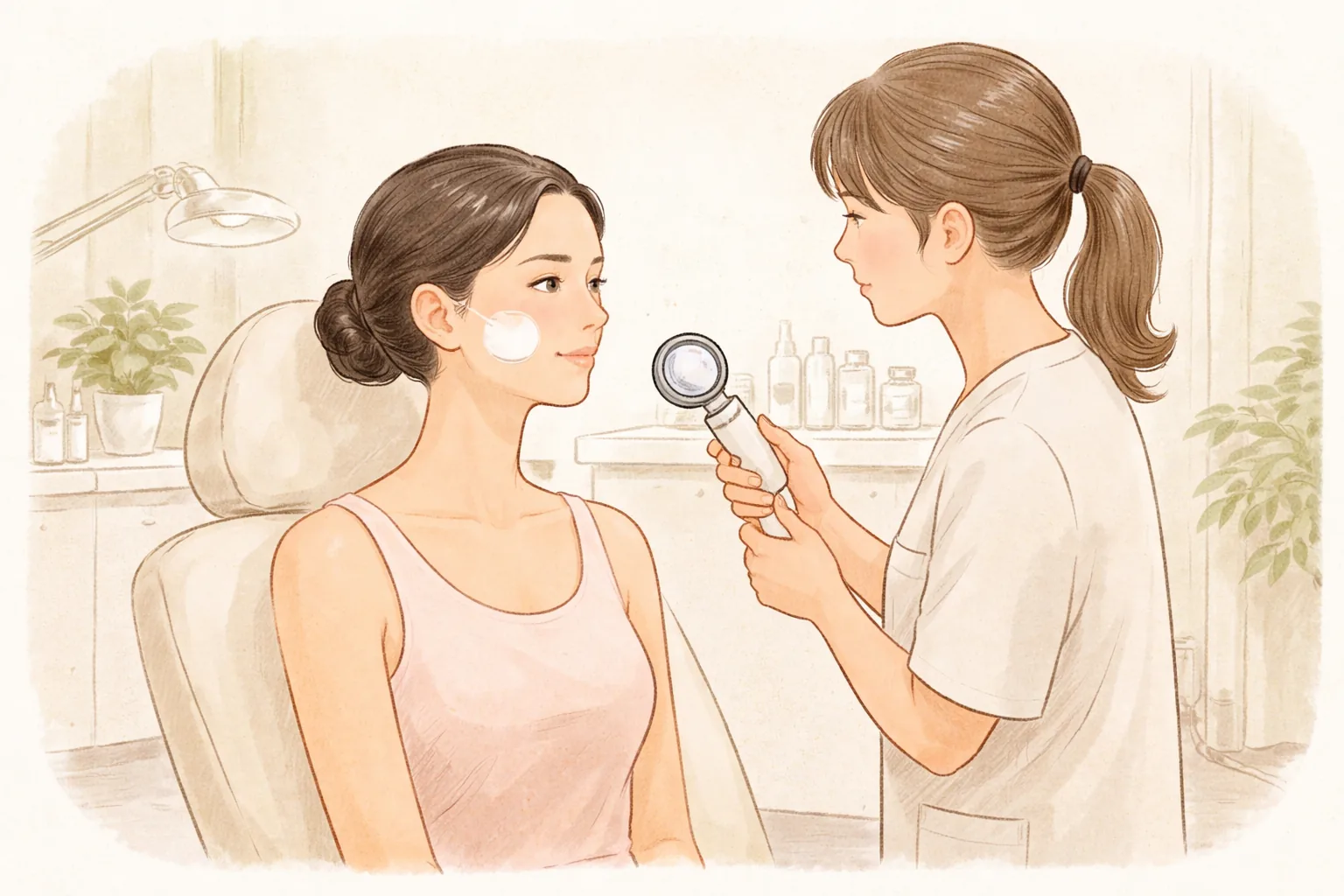
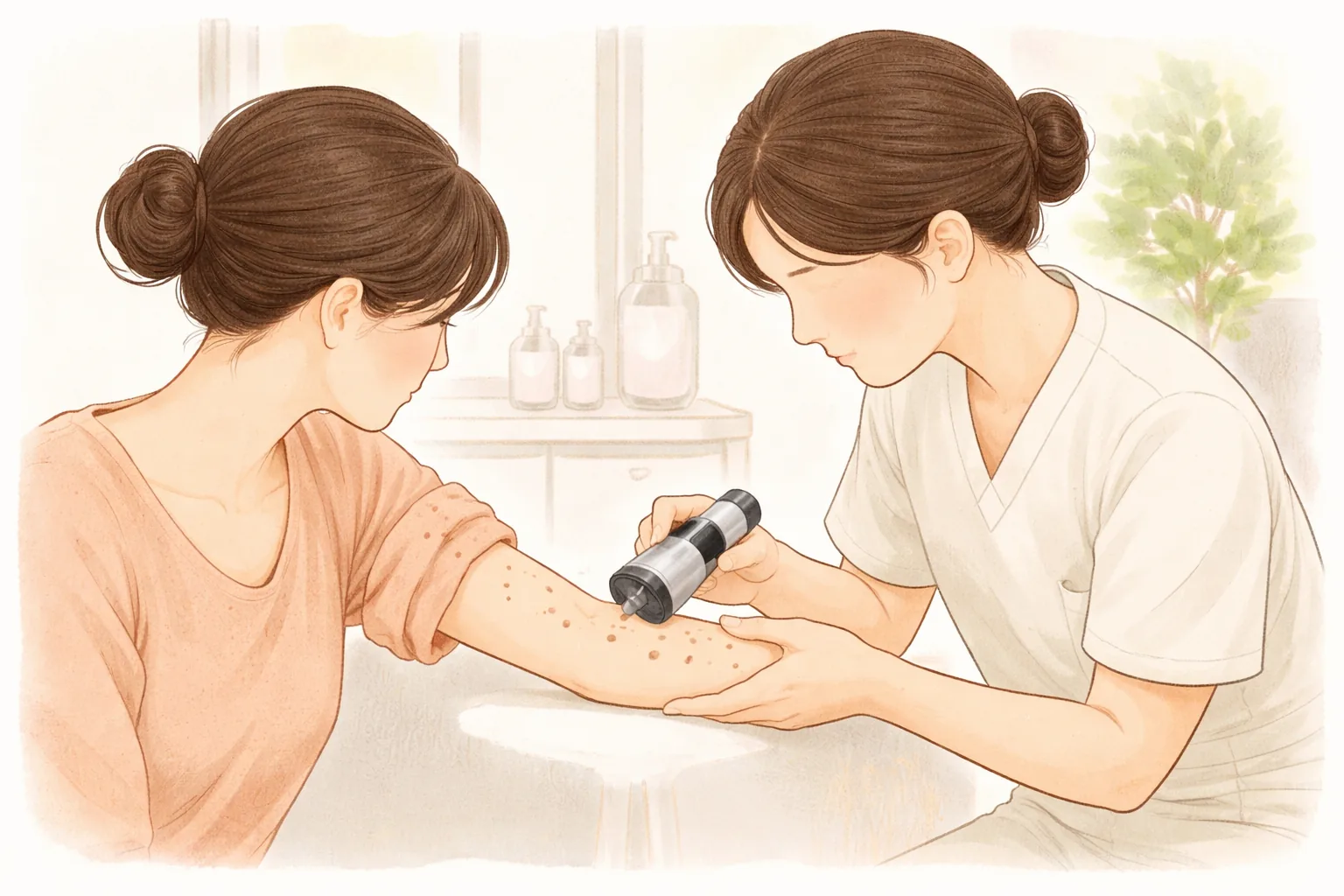
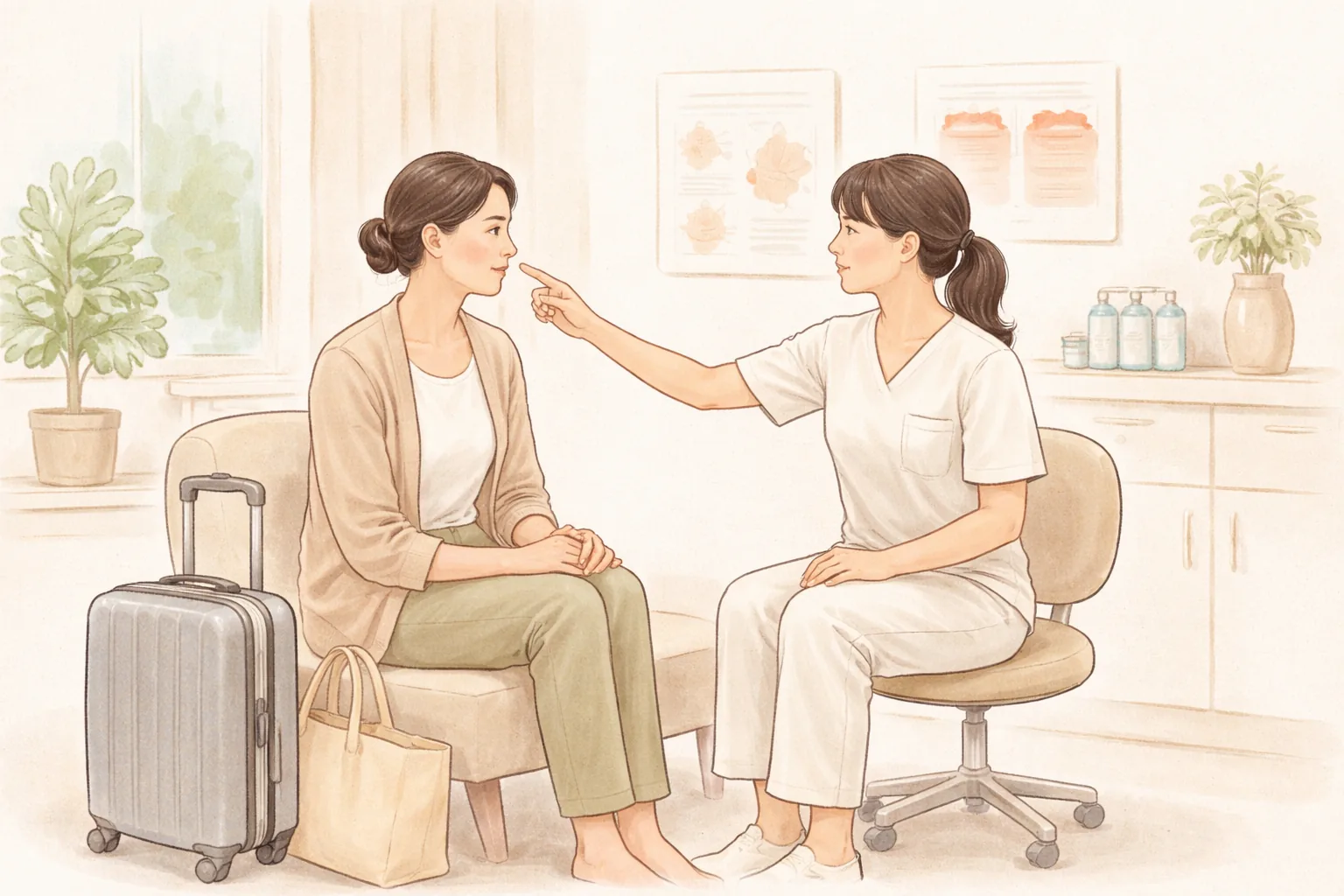
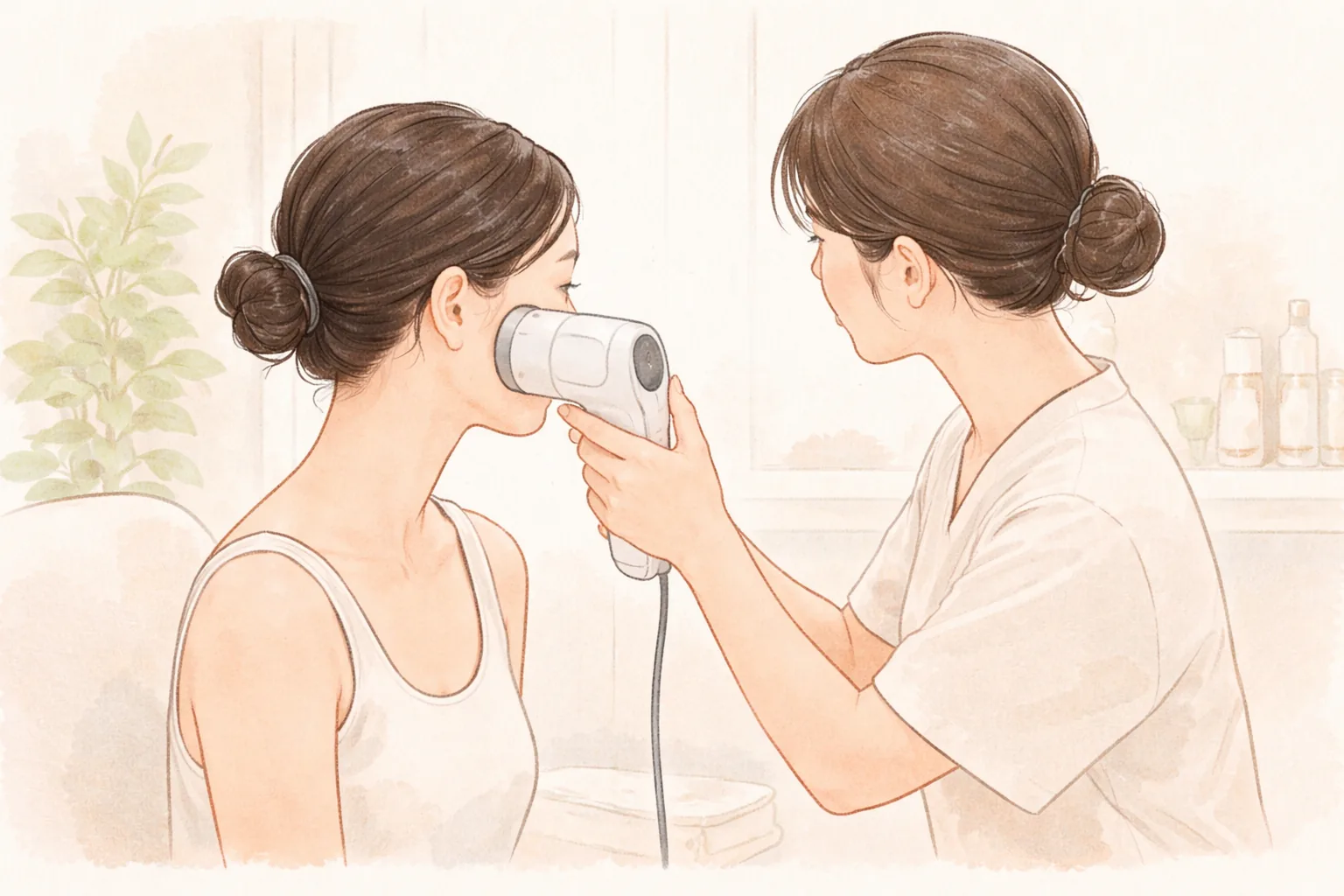
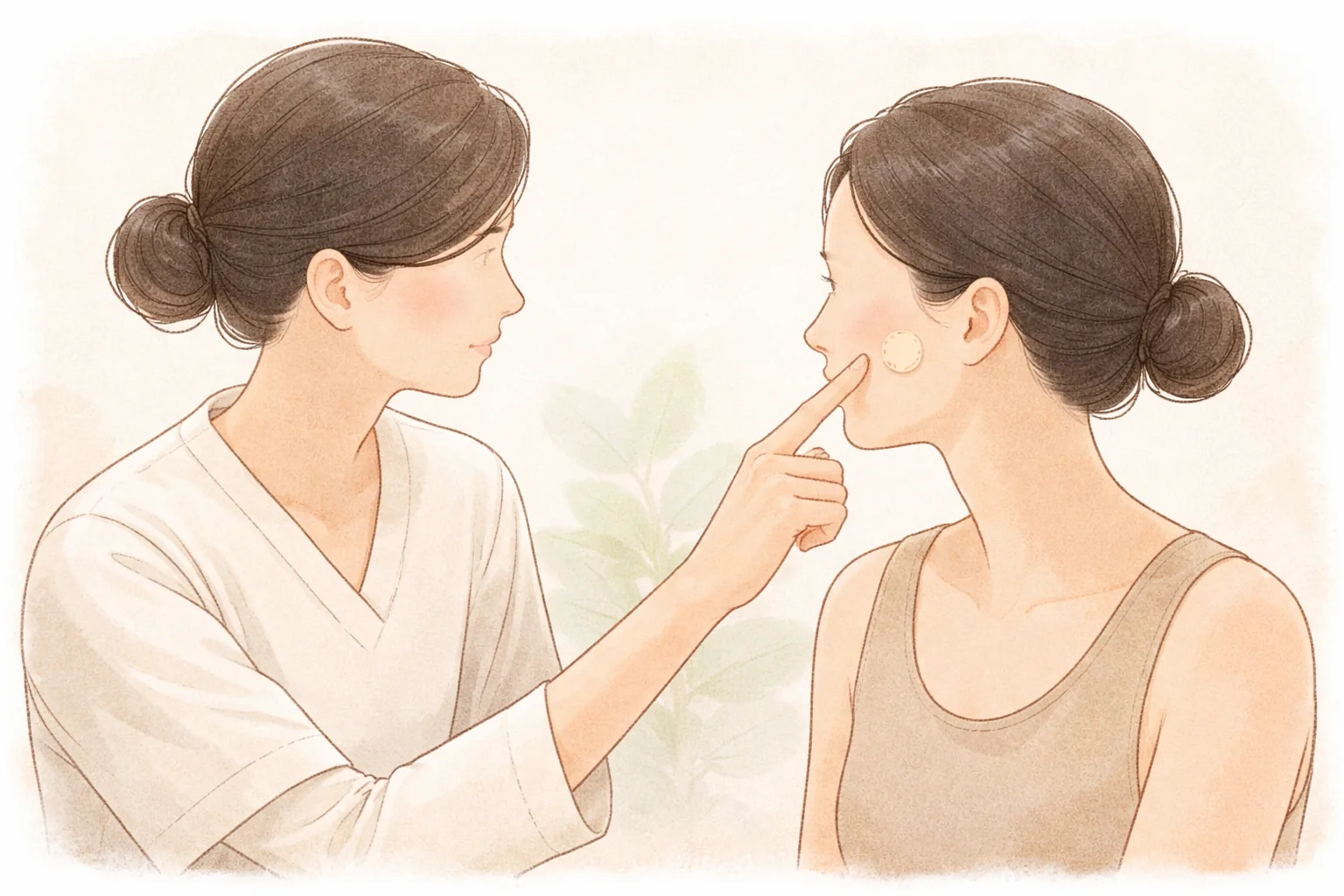
Not all moles are the same. Most moles don't need treatment, but removal may be considered when a mole is frequently rubbed by clothing, is visually bothersome, or is suspected of being skin cancer (American Academy of Dermatology guide). Before removal, the skin is examined closely, and if needed, a photo of the mole is taken for later comparison or the area is checked with a dermatoscope (an instrument that magnifies the skin surface) (Cleveland Clinic guide).
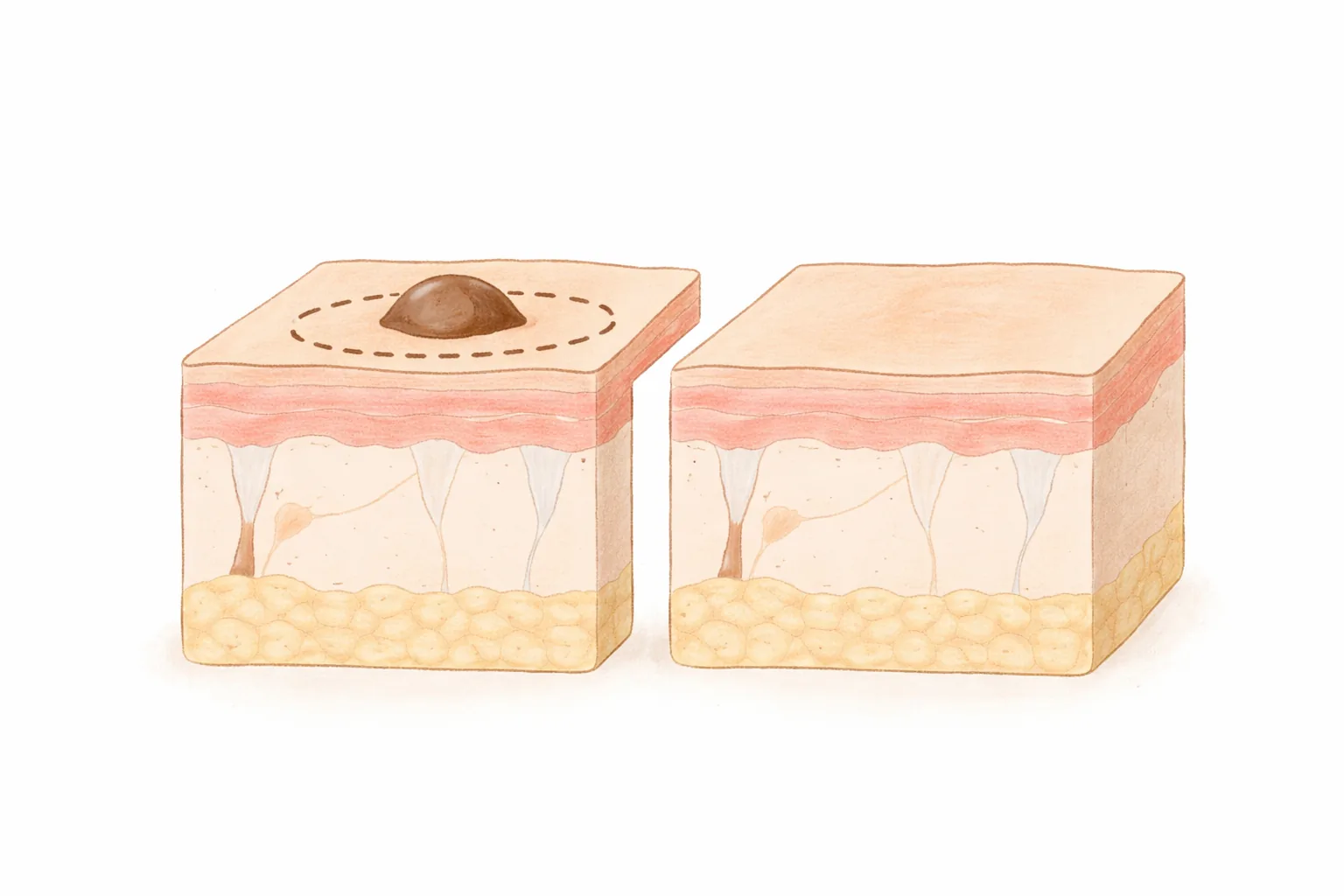
There are two main methods. Surgical excision involves local anesthesia, then using a scalpel to separate the mole along with a margin of normal skin, stopping any bleeding, and suturing if needed. Shave removal uses a surgical blade to shave the raised portion flat. The decisive difference is that tissue obtained by excision can be examined under a microscope to check for cancer cells (American Academy of Dermatology guide, Cleveland Clinic guide).
So when someone asks, "Can I just laser off a suspicious mole first?" there is an order to things. If a mole has recently changed in size or shape, or itches or bleeds, the nature of the lesion should be checked before removing it. In that case, excision with tissue examination takes priority over erasing the surface.
Why does swelling happen, and how long does it last?
Swelling and redness at the treated site are common reactions after heat is delivered to the skin (laser column). Whether by excision or laser, the site where a wound is created draws tissue fluid that causes swelling, and redness remains while new skin is built underneath. The degree and duration vary with the treatment area, the skin thickness at that site, and individual healing speed.
According to the Cleveland Clinic guide, you may feel stinging or burning at the treated site for a few days after the procedure (Cleveland Clinic guide). Touching or pressing the area frequently while it is swollen does not help recovery. On the neck or body, where skin is thicker and circulation is slower than on the face, swelling can subside more slowly even for a mole of the same size.
What matters is the direction, not the amount of swelling. If the swelling is trending down, it can be seen as part of healing, but if the area widens over time and heat and pain grow along with it, another cause should be checked.
Crusts and healing tape: how long should you manage them?
A thin crust can form at the site after mole removal. Crusting is a common course after peeling-type treatments that resurface the skin (laser column). The crust is a natural protective cover over the skin regenerating underneath, so it's better to let it fall off on its own than to pull it off. After the procedure, the skin is temporarily sensitive, and avoiding strong exfoliation and harsh scrubs is the basic rule of care (laser column).
How long to keep healing tape or a protective pad on depends on the mole's size and depth and whether sutures were placed after excision. Excision and shave removal create different wound shapes, so the protection method cannot be the same. Rather than counting down fixed days, it's safer to follow the replacement and removal timing advised by the clinic that treated you.
Even after the tape comes off, healing is not finished. The newly covered skin is still sensitive to irritation, so don't rub it when washing, and don't pick at any remaining crust or flaking skin.
When can you return to daily life?
Mole removal is usually performed as an outpatient procedure, and most cases are completed in a single visit. Rarely, a second visit may be needed (American Academy of Dermatology guide). Because the procedure itself is short, returning to daily life hinges not on the day of treatment but on how the wound behaves over the following days.
When can you wash your face and wear makeup again? It depends on how the wound is being protected. Sutured wounds and wounds covered with a protective pad require different care, so it's best to return to your usual routine within the range advised before the procedure. Until the wound surface closes, avoid rubbing the area or layering cosmetics on it.
Exercise and saunas also affect healing speed. After the procedure, the skin is temporarily sensitive, so it's better to postpone intense activities for the period you were advised (laser column).
Scars and pigment changes: how can you reduce them?
It helps to keep expectations realistic by remembering that mole removal trades a mole for a mark. The American Academy of Dermatology advises against removing moles at home yourself. Cancer cells may remain, and the risk of scarring or infection increases (American Academy of Dermatology guide). That's why removal is done at a medical facility using sterile instruments.
Post-procedure hyperpigmentation—temporary darkening of the skin—can occur especially if your skin is darker or you've recently been in the sun, and rarely, blisters, hypopigmented spots, infection, or scarring can appear (laser column). These changes tend to emerge gradually over days to weeks rather than immediately after the procedure, so consistently using sun protection and moisturizer during recovery affects the outcome (collagen injection column).
If a mole regrows at the removal site, you should see a doctor again immediately. Regrowth can be a sign of the most severe type of skin cancer (American Academy of Dermatology guide). Regrowth is checked over weeks to months, not right after the procedure.
Table 1 Scars and pigment changes: how can you reduce them?
Method
How it's done
Considered for
What to watch after
Surgical excision
After local anesthesia, the mole and a margin of normal skin are separated, bleeding is stopped, and sutures are placed if needed
Large, deep moles; suspicious lesions needing tissue examination
Tightness and redness at the suture site, biopsy results
Shave removal
A surgical blade shaves the raised portion flat
Moles that protrude from the surface
Crusting and surface healing, regrowth
Excision of a suspicious lesion
The mole is removed while the tissue is examined under a microscope
Moles that recently changed shape or color, or itch or bleed
Follow-up care based on test results
Swipe sideways to see the whole table.
In summary With mole removal, how the site heals matters more to the outcome than the removal itself. Excision and shave removal target different moles and have different points to watch after the procedure. Which one fits your mole is decided by looking at its size, depth, and whether it has changed.
If this sounds like your situation
If a wedding, photo shoot, or interview is coming up
If you have a fixed date, it's better to work backward from it when timing the procedure. How long it takes for redness and swelling to settle varies with the mole's size and removal method, so the more buffer you allow, the more options you have for adjusting intensity and scope. Tell us your date at the consultation and we'll plan around it.
If you have several moles and want them handled at once
Mole removal is usually done in a single visit, but if there are many moles or their depths vary, the area may be treated in stages (American Academy of Dermatology guide). Removing everything at once can increase the total healing area and make care harder. After checking the number and size, we decide at the consultation whether splitting the work is better.
If your skin is sensitive or easily flushed
When skin is sensitive, the possibility of prolonged redness or hyperpigmentation should also be considered (laser column). If you've recently used irritating skincare, it's better to adjust the timing of the procedure. If your usual cosmetics sting or your skin has become unusually sensitive, let us know at the consultation.
If you're an overseas visitor on a short stay
With a short stay, redness or dryness right after the procedure can overlap with your next plans. If you tell us your return date and schedule in advance, we'll discuss the removal area and method around it. If your flight is soon, it's good to also receive wound-care instructions.
Tell us before your consultation Let us know whether you've had a lot of sun exposure recently, any medications you're taking (including blood thinners), any cosmetics or exfoliants you're using, and whether you've had skin become sensitive or leave pigment behind after a previous procedure. It also helps to mention whether your mole's size, color, or shape has recently changed, or whether it itches or bleeds, so we can set the order of checks before removal. If you have an important date such as a wedding, photo shoot, or trip, tell us that too.
How ATTITUDE Clinic approaches it
AI skin analysis record — Your current skin condition—pigmentation, redness, texture, pores, and more—is recorded with AI skin analysis. The analysis tool records and organizes information to support the consultation; it is not a medical diagnosis.
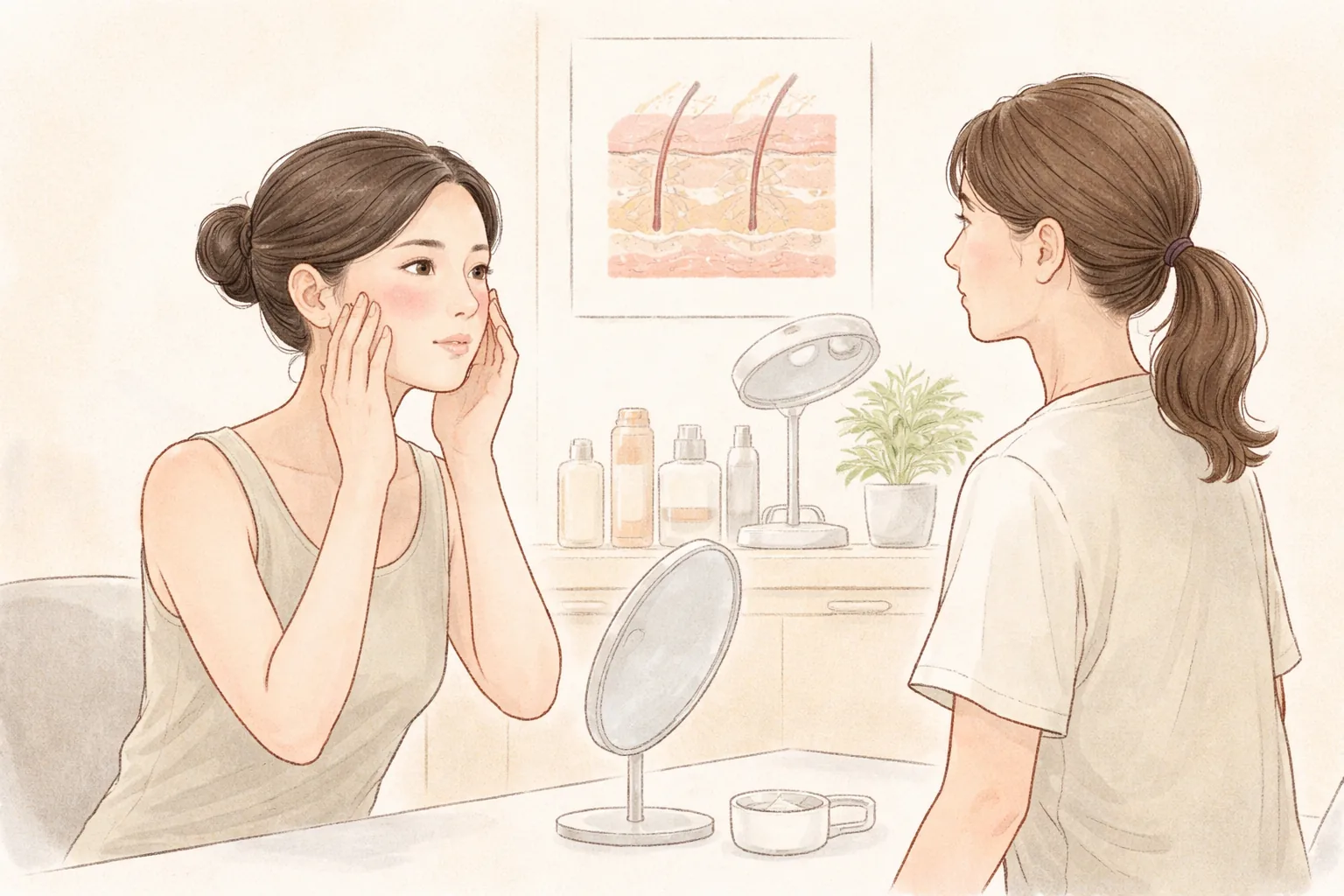
Direction set in a doctor's consultation — The analysis record is combined with the mole's size and depth, your schedule, pain sensitivity, and skin history to decide the removal method, scope, and timing together.
Procedure performed by the doctor — Anesthesia is used as needed to reduce discomfort, and the doctor performs the procedure directly. Our principle is not to recommend a larger area than necessary.
Recovery and aftercare — We guide you on wound protection, sun protection, and when to check progress, and if warning signs appear, you come in to be checked.
Mole removal is listed in ATTITUDE Clinic's treatment and pricing guide, and the cost varies with the mole's size, number, and depth (treatment and pricing guide). If surrounding pigment or redness is also a concern, we decide at the consultation whether to combine devices such as PicoPlus (pigment), Vbeam (vessels), or Er:YAG laser (skin surface) (laser column).
Aftercare and side effects
Wound protection — Cover the wound as advised, and let the crust fall off naturally. When to replace healing tape or a protective pad depends on whether sutures were used and the wound size.
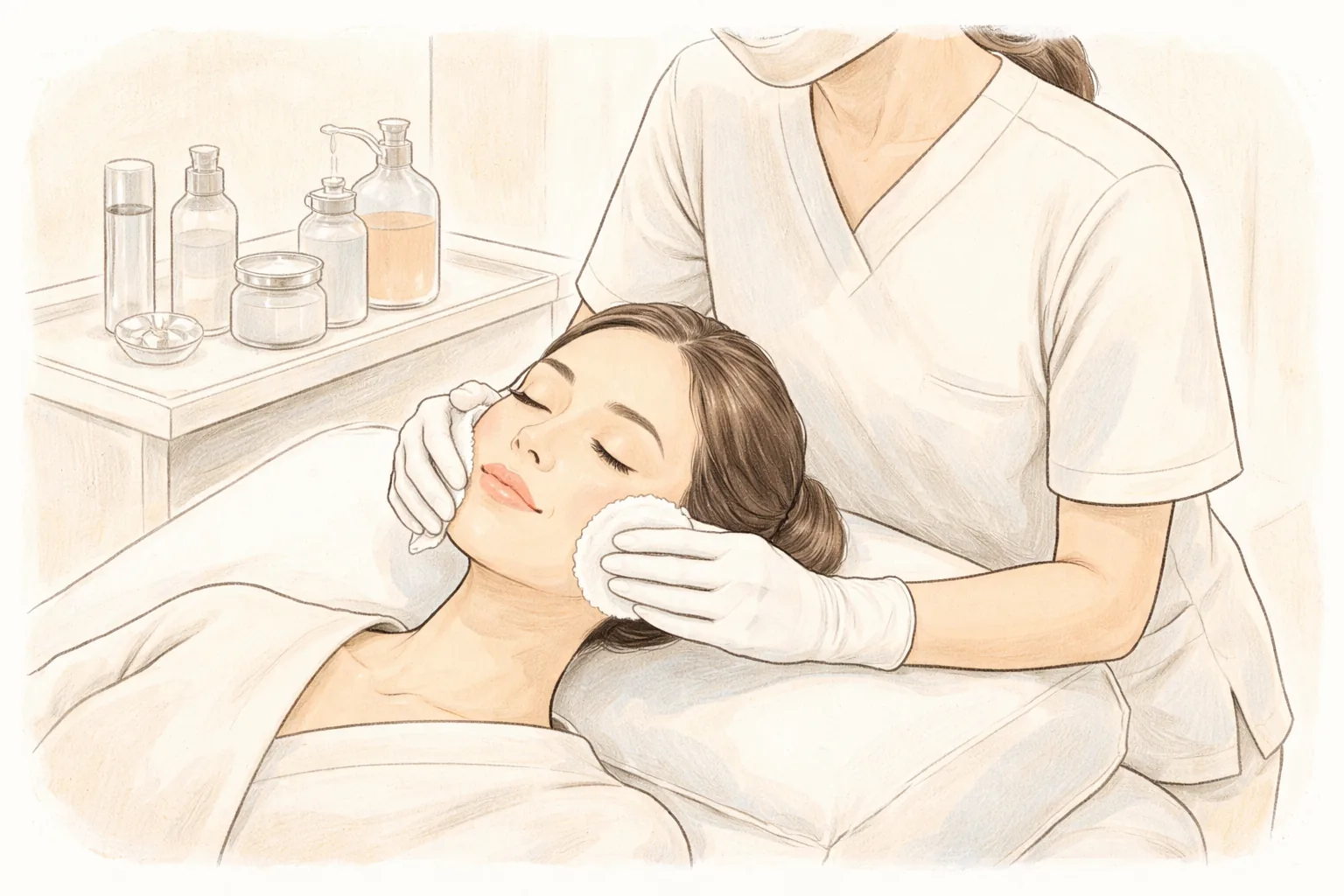
Washing and moisturizing — Wash gently without rubbing the wound area. Newly covered skin tends to dry out, so keep up with moisturizing.
Sun protection — Apply sunscreen diligently throughout recovery. Hyperpigmentation is linked to sun exposure, so protection during this period is especially important.
Checking progress — Check whether redness and swelling are decreasing and how the crust and wound surface are changing. If things last longer than expected or pain worsens, come in rather than enduring it.
Common reactions are redness, heat, swelling, and stinging, and a thin crust can form at the treated site (laser column, Cleveland Clinic guide). More rarely, temporary hyperpigmentation, blisters, hypopigmented spots, infection, or scarring can occur (laser column). If redness or heat lasts longer than expected or pain worsens, it's better to get checked rather than wait (collagen injection column). If a mole regrows at the removal site, don't delay—see a doctor again (American Academy of Dermatology guide).
FAQ
After mole removal, can I pull the crust off myself?
The crust is a natural protective cover over the skin regenerating underneath. Pulling it off exposes a larger area to irritation, so it's better to let it fall off on its own. After the procedure, the skin is temporarily sensitive, and avoiding strong exfoliation and scrubs is the basic rule of care (laser column). When washing, don't rub, and while the crust remains, it's safer not to layer cosmetics on that area.
How long should I keep healing tape on after mole removal?
How long to keep it on depends on the mole's size and depth and whether sutures were placed after excision. Excision and shave removal create different wound shapes, so the protection method cannot be the same. Rather than counting down fixed days, follow the replacement and removal timing advised by the clinic that treated you, and even after the tape comes off, don't rub the newly covered skin. If you see oozing, odor, or redness spreading to the surrounding area, seeing a doctor takes priority over tape care.
Will mole removal leave a scar?
Mole removal trades a mole for a mark, so it's hard to say no trace will remain at all. The American Academy of Dermatology advises that removing moles at home yourself increases the risk of scarring or infection (American Academy of Dermatology guide). Hyperpigmentation can occur especially if your skin is darker or you've recently been in the sun, and rarely, scarring can appear (laser column). Sun protection and avoiding irritation during recovery affect how visible the mark is.
What should I do if the mole grows back?
If a mole regrows at the removal site, you should see a doctor again immediately. Regrowth can be a sign of the most severe type of skin cancer (American Academy of Dermatology guide). Redness or a light brown color during healing may be a temporary change, but if it's rising up again, it needs to be distinguished. Regrowth is checked over weeks to months, so watching the area even after the procedure is helpful.
How do I choose a clinic for mole removal in Korea?
What a clinic checks before the procedure matters more than the device names. Look at whether they first distinguish whether your mole is a pigment issue, a skin surface issue, or a lesion that needs tissue examination. Other points to check are whether they avoid setting an excessive scope and number of sessions up front, and whether the consultation thoroughly explains pain, recovery schedule, and aftercare precautions (laser column). It's also good to see whether the clinic is a place you can return to if discomfort arises after the procedure.
At a glance
Table 2 At a glance
Item
Key point
Method
Divided into surgical excision and shave removal; suspicious lesions prioritize excision with tissue examination
Procedure time
Usually completed in a single outpatient visit; rarely, a second visit is needed
Common reactions
Stinging, redness, swelling, and a thin crust can appear for a few days after
Crust and tape
Let the crust fall off naturally; protection duration depends on whether sutures were used and wound size
Returning to daily life
Don't rub until the wound surface closes; postpone intense activities for the advised period
When to get checked again
If pain and redness last long or a mole regrows, see a doctor right away
This article offers general health information. It is not a substitute for diagnosis or treatment based on your own condition, so please talk through your situation with a doctor.