Pico Laser and Fractional Laser Together: Order and Spacing
Pico laser treatment combined with fractional laser: what to do first, whether to do both on the same day or split them, and how to plan recovery and spacing. Learn pico toning benefits and pico laser benefits for melasma and more.
Written by ATTITUDE Clinic Editorial Team
When you get pico fractional and fractional laser together, will results be better, or will recovery just take longer? This is a common question in consultation rooms. Because the two lasers do different things in the skin, combining them is possible, but rather than overlapping them strongly on the same day, it is easier to predict outcomes by dividing the goals and setting the order and spacing.
The bottom line first
Combining them is possible. Fractional erbium lasers create very fine columns of heat in the epidermis and dermis to stimulate collagen renewal, while pico laser shatters pigment particles with extremely short pulses. So if you are concerned about both spots and pores, or shallow scars, you divide the order so that pigment is addressed first and regeneration later. When done on the same day, lower the intensity or treat different areas; when split across different days, a 4–6 week interval is commonly referenced for fractional laser. Recovery speed and pigment response vary with skin condition, so the number of sessions and intensity are decided in consultation.
What do fractional and pico lasers each do in the skin?
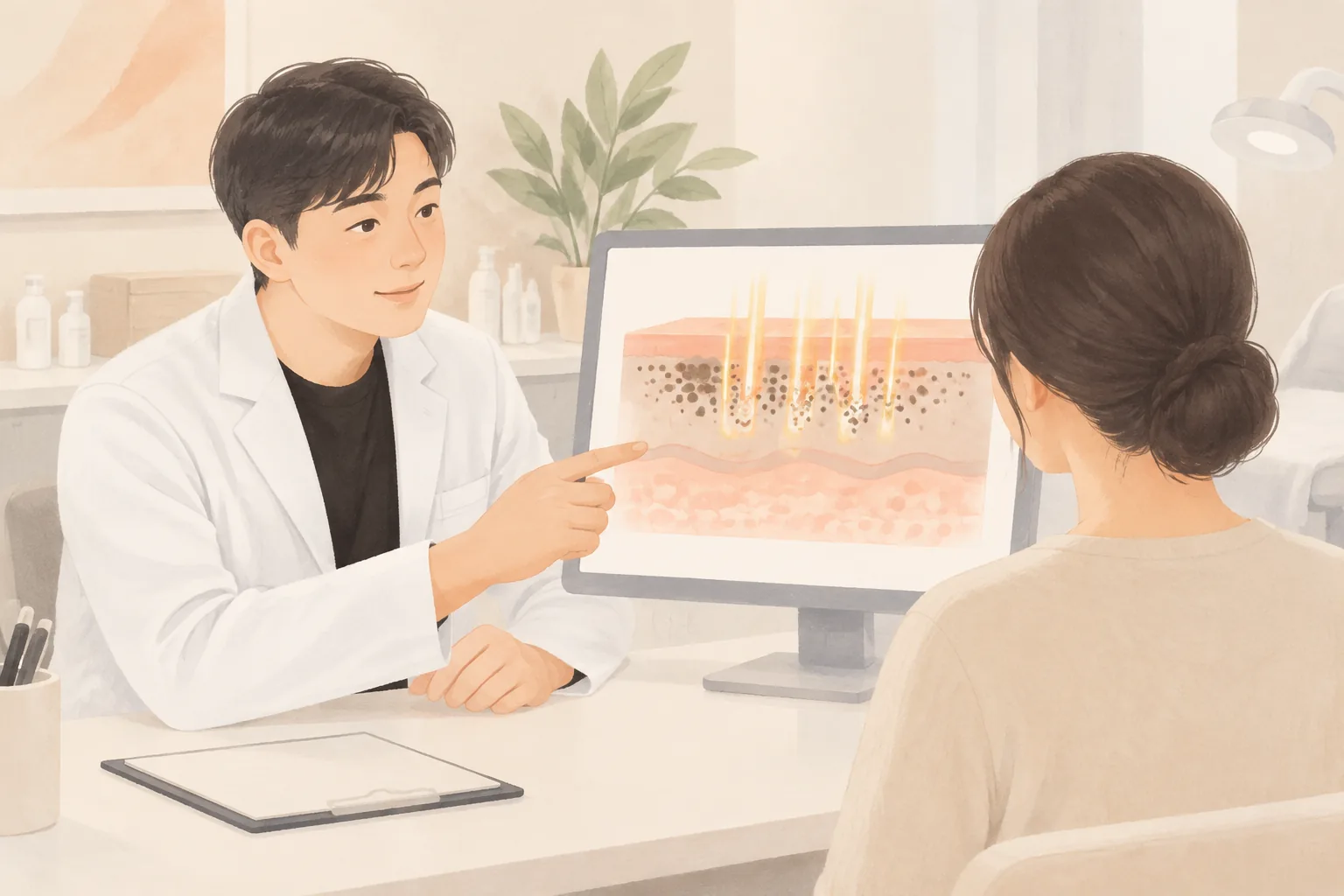
Fractional laser splits the beam into thousands of microscopic treatment zones, touching only part of the skin. These zones are called microscopic thermal treatment zones—small columns that concentrate heat at target points while leaving surrounding tissue intact. Because the remaining normal tissue helps recovery, the recovery burden is less than with fully ablative resurfacing. According to DermNet NZ’s explanation of fractional laser treatment, this approach acts on both the epidermis and dermis to cause collagen remodeling and new collagen formation. The erbium YAG laser used at ATTITUDE Clinic applies this principle to surface and shallow scar texture and to tidying around pores.
Pico laser targets pigment and ink particles with pulses shorter than 1 nanosecond. It is designed around pressure—photomechanical effect—rather than heat, reducing thermal damage to surrounding tissue. According to DermNet NZ’s explanation of picosecond laser, some picosecond lasers have fractional handpieces used to treat acne scars, photoaging, and fine wrinkles. What searches call pico fractional is this approach of delivering pico energy in fractional dots. The two lasers have different targets, so their roles do not overlap even on the same face.
Why divide the order rather than doing it all at once?
Doing both at once may seem like it would give a stronger effect, but when the skin receives a lot of heat and stimulation at once, recovery signals overlap. Fractional laser leaves crusting and redness, and pico laser can add pigment stimulation and redness. DermNet NZ’s explanation of fractional laser treatment notes that when fractional laser is used for pigment disorders, post-inflammatory hyperpigmentation can occur. For sensitive pigment like melasma, this is why overlapping strong stimulation can be a burden.
According to Cleveland Clinic’s guide to laser skin resurfacing, suitability for laser resurfacing may differ if there is active acne or very dark skin. On a face with active inflammation, calming the inflammation may come before layering a rejuvenating laser. ATTITUDE Clinic’s column also explains that when multiple causes overlap, dividing priorities rather than doing everything at once reduces skin burden. Repeating before recovery is complete burdens the skin barrier.
What determines the interval when done together?
Interval is determined by goals, intensity, skin condition, and schedule more than by laser names. Fractional laser takes time for new collagen to form and settle, so for pores and skin texture, 3–5 sessions at 4–6 week intervals are given as a common example. Pico toning gradually breaks down pigment, so it is spaced at least 1 week apart, and sensitive pigment like melasma is approached with lower energy over multiple sessions. If both are done on the same day, lower the intensity of one or divide the areas to reduce heat burden.
One example introduced by DermNet NZ’s explanation of fractional laser treatment is 4–5 sessions at one-month intervals. These numbers do not apply unchanged to every device and vary with energy and treatment area. Cleveland Clinic’s guide to laser skin resurfacing lists recovery of about one week for erbium resurfacing and fractional resurfacing, and up to 2 weeks for CO2. When done together, it is safer to match the interval to the longer recovery side. Sun protection is continued until recovery is complete.
Table 1 What determines the interval when done together?
Category
Main target
Concerns it suits
Recovery and interval notes
Erbium fractional, erbium YAG laser
Microscopic heat columns in epidermis and dermis
Pores, shallow scars, skin texture
Crusting and redness for a few days; fractional 4–6 week intervals are common
Pico laser, PicoPlus
Pigment
Spots, melasma tone, hyperpigmentation
Toning at least 1 week apart; redness depending on intensity
Pico fractional handpiece
Dermal regeneration
Acne scars, photoaging, fine wrinkles
Method available on some devices; recovery varies with intensity
Swipe sideways to see the whole table.
In summary Even if spots and pores are both concerns, there is no need to overlap both lasers at the same intensity. Decide whether pigment or regeneration comes first; if on the same day, lower intensity; if on different days, base it on the fractional recovery interval. Repeating before recovery is complete increases skin burden.
If this applies to you
If you have a wedding or photo shoot within two months
Fractional laser is known to leave crusting and redness for a few days, and erbium resurfacing takes about a week to recover. A strong first treatment right before a wedding can overlap redness with your schedule, so calculate backward from the date to adjust intensity and timing. Pico toning can also cause redness on the day, so allow buffer rather than doing it the day before an important event.
If you want steady management of pores and spots
Rather than going strong at once, periodic management while respecting recovery intervals is less burdensome. Refer to 4–6 weeks for fractional and at least 1 week for pico toning, but when placing both in the same month, schedule around the longer recovery side. What matters more than the number of sessions is checking whether redness and pigment response have settled sufficiently before the next treatment.
If your skin is sensitive or prone to redness
Redness, heat sensation, and stinging are common after laser. Repeating before recovery can make the skin barrier sensitive and leave redness longer, so start with lower intensity and use topical anesthesia to reduce discomfort. If cosmetics sting more than usual, tell the clinic before treatment.
For short-stay international visitors
If your return date is fixed, redness and dryness right after treatment can affect travel plans. Tell the clinic your departure date and next schedule in advance so intensity and type can be adjusted. During recovery, pay special attention to moisturizing and sun protection, and plan with in-flight dryness in mind.
Tell us before consultation If you have recent UV exposure, medications you are taking, active ingredients you apply to the skin, past sensitivity after laser or skin booster, or important schedules like weddings or photo shoots, please tell us in advance. The same treatment may have a different order and intensity based on this information.
How ATTITUDE Clinic proceeds
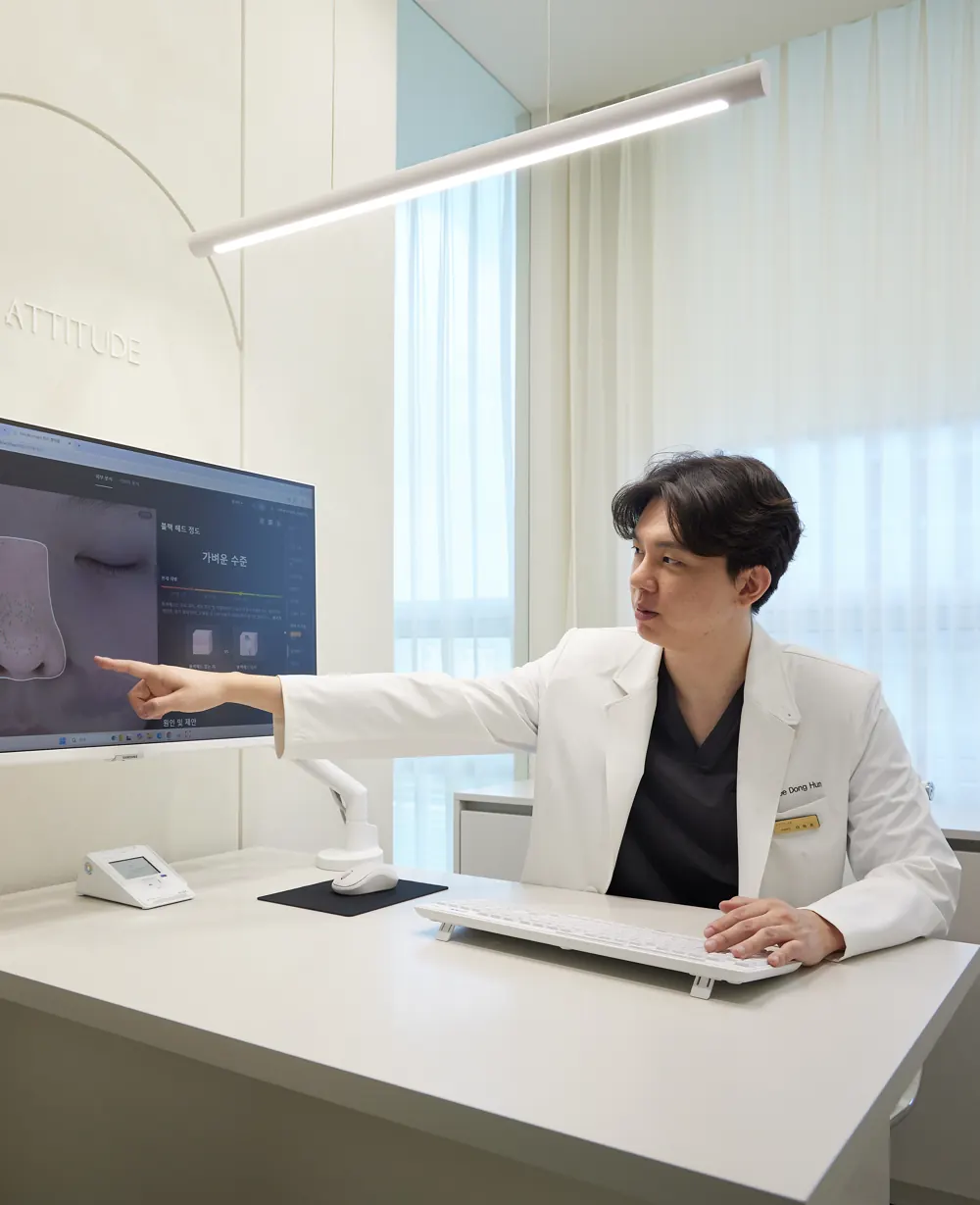
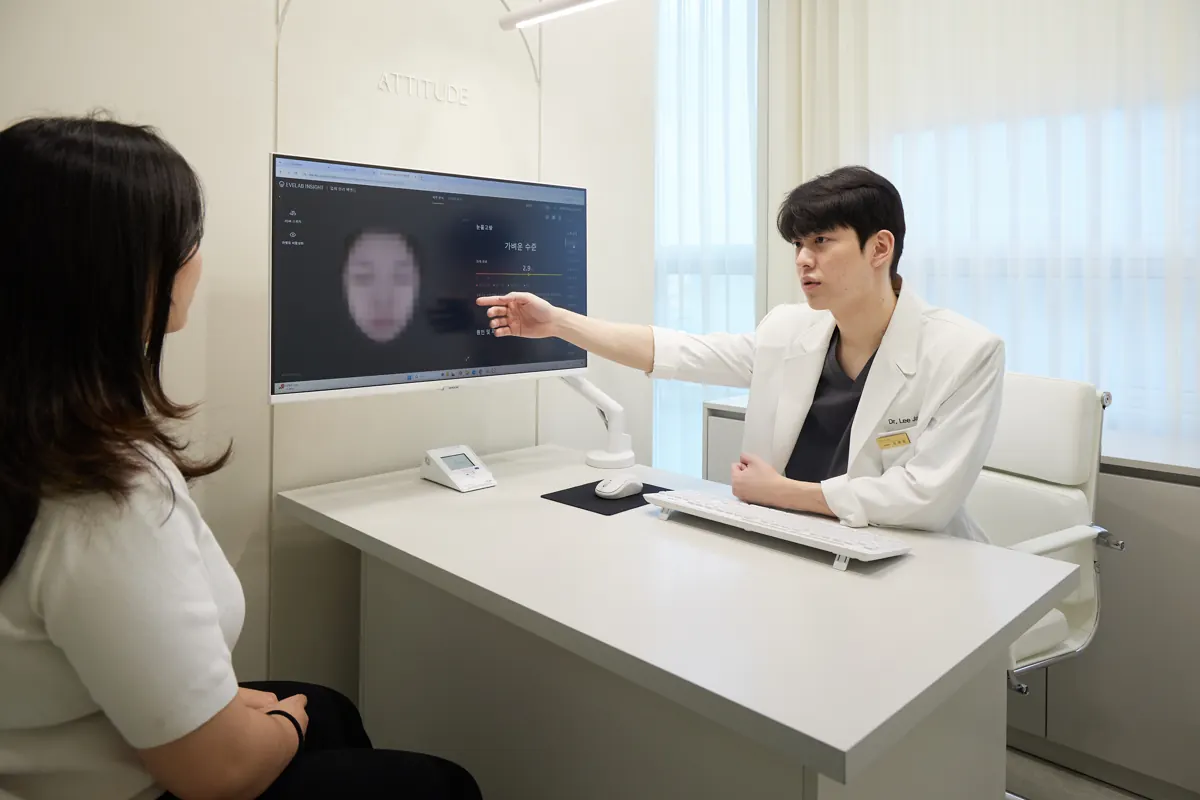
Precision diagnosis and skin analysis AI skin analysis records pigment, redness, texture, and pores, and the doctor reviews the cause of your concerns. Analysis tools record and organize information; they are not a medical diagnosis. ATTITUDE Clinic’s column also states that the doctor makes judgments based on analysis records.
Doctor consultation to design the order Analysis records plus schedule, pain sensitivity, and prior treatment history are used to decide whether pico or fractional comes first. Whether to do them on the same day or split across days is also decided at this stage.
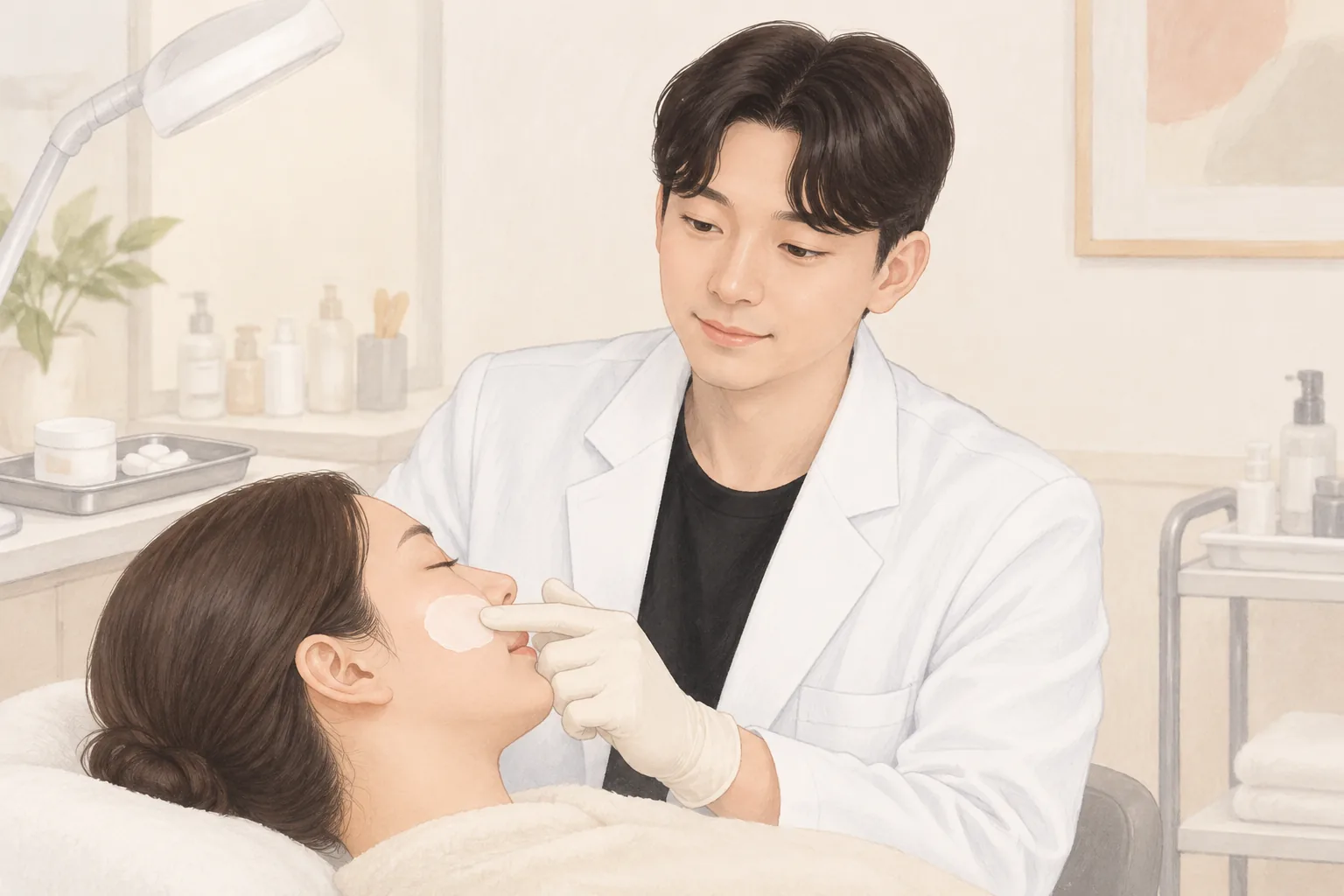
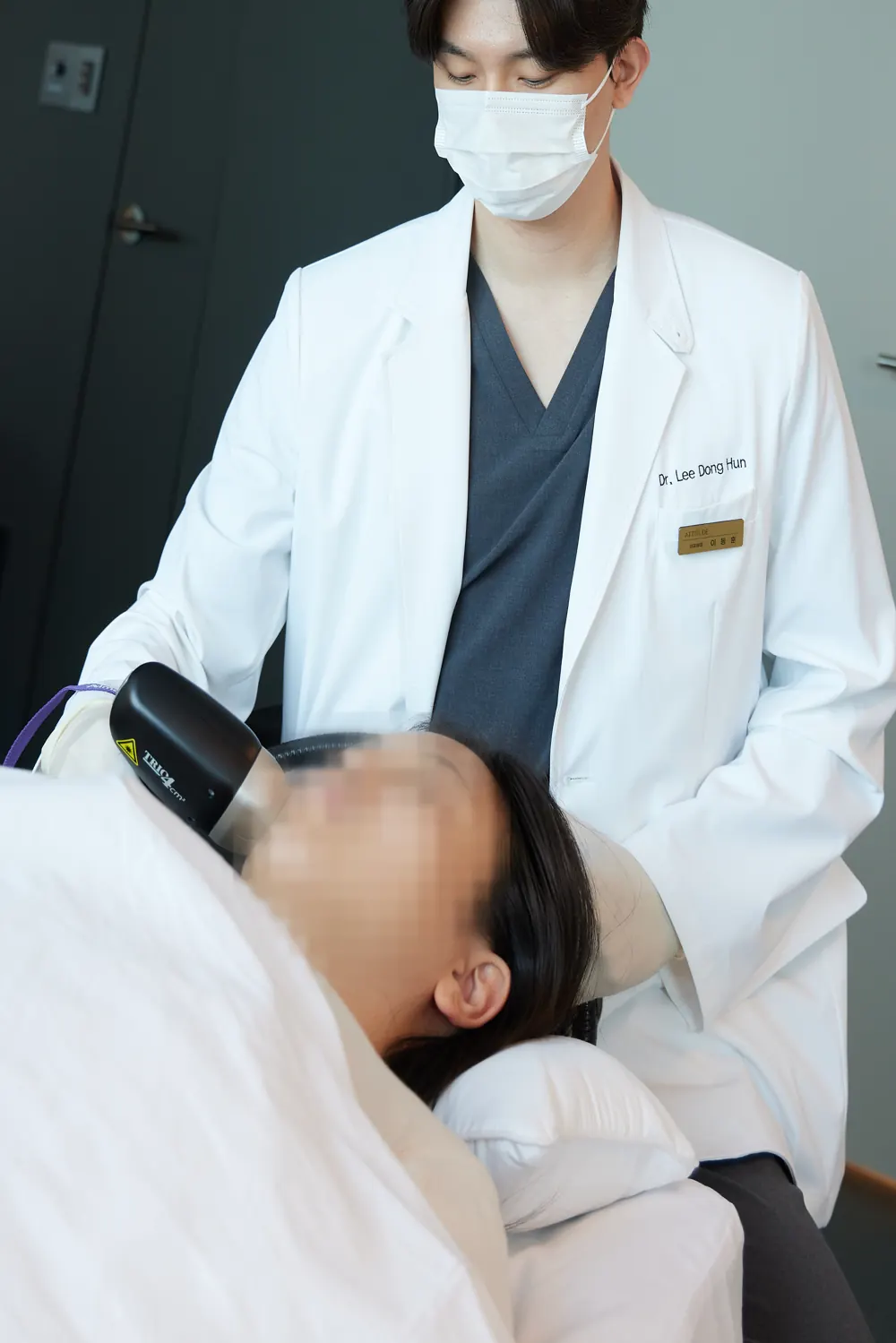
Doctor-performed treatment and follow-up If needed, topical anesthesia reduces discomfort, and the doctor performs the treatment. Pigment is addressed with PicoPlus, and surface and shallow scar texture with erbium YAG laser, within the device range listed in ATTITUDE Clinic’s treatment guide and only as much as needed. The principles of genuine products, accurate dosing, and fair pricing apply to lasers as well.
Four steps your doctor sees to in person
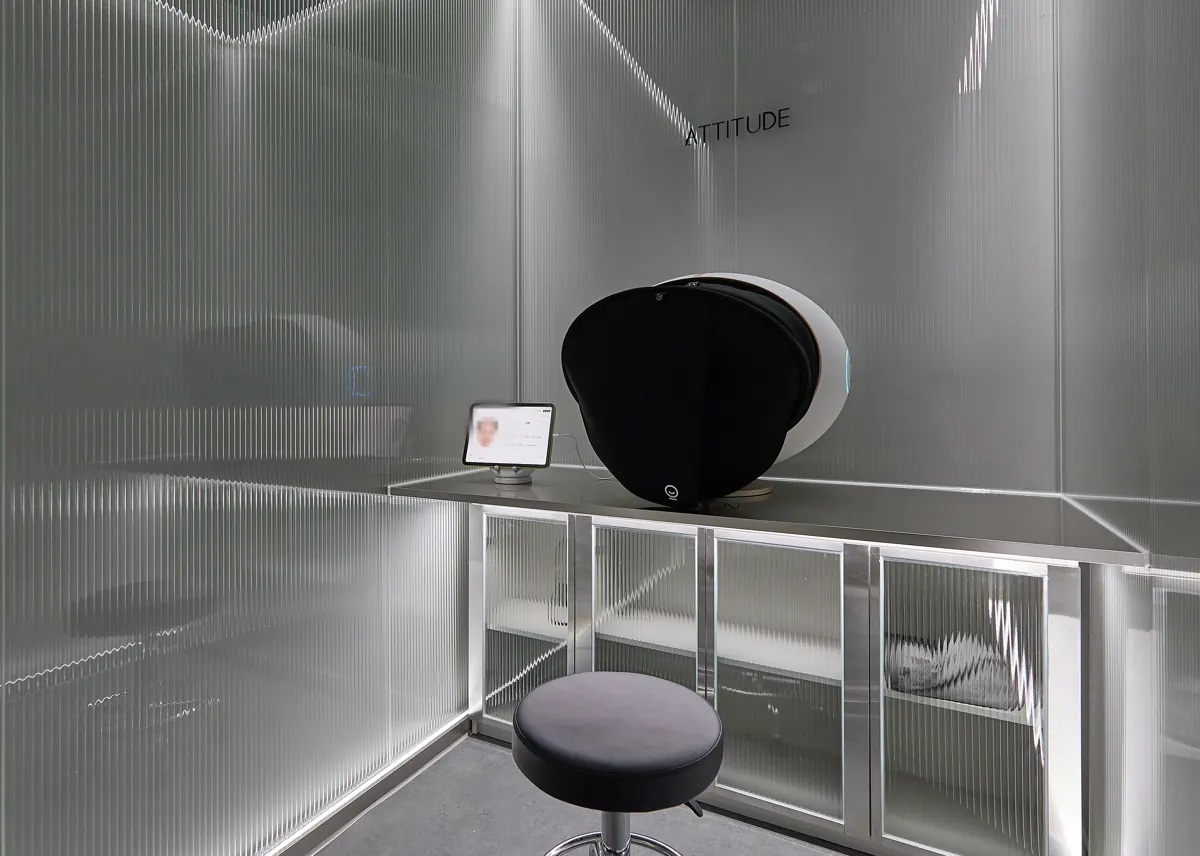
From the diagnostic device to the treatment bed, the doctor you first consult takes care of everything.
01
Precision diagnosis
In a private diagnosis room the whole face is photographed, recording even skin conditions that are hard to see with the eye.
02
Skin analysis
The doctor goes through your pore, pigmentation, wrinkle and firmness results with you on screen and explains what comes first.
03
One-to-one design
With your skin, the balance of your face, the change you want and your schedule in view, you decide the treatment and its extent together.
04
Treatment by your doctor
The doctor who consulted you performs the treatment from start to finish in a private treatment room. No one takes over halfway.
“I take injection pain seriously.”
Co-Director Dr. Lee Dong Hun
Many people hesitate over injection treatments because they hurt. So we went back over everything, from the anesthetic to the products used.
Careful numbing, unhurried timingWe allow plenty of time for a special numbing cream to take full effect, and add anesthetic injections for the treatments and areas that need them.
Fine needles, finished quicklyInjection treatments use fine needles, and the doctor finishes them personally in a short time, adjusting along the way by watching how you are doing.
Even the product formulation countsThe same treatment can feel more or less demanding depending on the product, so we take that into account too.
The anesthetic method and whether it is used are decided after an examination, according to the treatment, the area and your condition. How much it hurts varies from person to person.
Aftercare and side effects
Soothing On the day of treatment, do not rub the skin; wash gently with lukewarm water. If heat lasts long or stinging worsens, do not endure it—get it checked.
Moisturizing Dryness is common, so apply moisturizer thinly and often. Do not pick crusts with your hands. Let crusts fall off on their own as new skin rises.
Sun protection Apply SPF 50+ sunscreen for at least 2 weeks, and reapply about every 2 hours outdoors. ATTITUDE Clinic’s column explains that sun protection during this period is especially important for preventing hyperpigmentation.
Follow-up If redness and stinging last more than 3 days or suddenly worsen, visit the clinic for a check. Avoid saunas, jjimjilbangs, intense exercise, and strong exfoliation for the period advised.
Common reactions are redness, heat sensation, swelling, stinging, and dryness; ablative lasers can cause crusting. Temporary hyperpigmentation can occur, especially if skin is dark or tanned, and bruising can occur if a vascular laser is combined. Rarely, blisters, hypopigmentation, infection, scarring, or pigment recurrence may occur. If redness or pain lasts longer than expected, contact the clinic right away.
Frequently asked questions
Can I get fractional and pico laser on the same day?
It is possible, but divide the goals first. If spots are the main concern, place pico laser first; if pores and shallow scars are the main concern, center on fractional and lower the intensity of the other. Overlapping on the same day can compound redness and heat and prolong recovery, so divide areas or weaken one side. If you have an important schedule, spacing them apart is easier to predict than same-day treatment.
How is pico fractional different from regular fractional?
Regular fractional uses lasers such as erbium YAG or CO2 to create microscopic heat columns in the skin. Pico fractional uses the short pulses of pico laser through a fractional handpiece to induce dermal regeneration. It is designed around pressure rather than heat, with less thermal damage to surrounding tissue, but recovery varies with intensity and device. The choice depends on scar depth and skin type.
How much longer is downtime when done together?
Fractional leaves redness and crusting for a few days; erbium resurfacing and fractional resurfacing are guided as about one week of recovery, and CO2 up to 2 weeks. Pico toning is relatively short, but higher intensity leaves more redness. Doing both on the same day can overlap recovery signals and prolong downtime, which is why intensity is lowered.
Can it be combined on skin with pigment?
First look at the type of pigment. Pigment with clear borders like spots and broad, sensitive pigment like melasma are approached differently. Fractional laser can cause post-inflammatory hyperpigmentation when used on melasma, and pico laser also requires more caution for side effects in darker skin tones. So a common order is to stabilize pigment first, then add a rejuvenating laser.
What should I look for when choosing a clinic?
Look at whether they first confirm whether your concern comes from pigment, blood vessels, or the skin surface, rather than device names. It is also a criterion whether they sufficiently explain in consultation whether treatments will be on the same day or split, recovery period, and precautions. Check whether they avoid rigidly setting the number of sessions and intensity, and whether you can get checked if you have discomfort after treatment. The needed combination varies with skin condition, so the process of confirming directly in consultation remains.
At a glance
Table 2 At a glance
Item
Key point
Goal division
Pigment with pico laser; surface, pores, and shallow scars with fractional
Same-day or not
Possible, but lower intensity or divide areas and order
Common intervals
Fractional 4–6 weeks; pico toning at least 1 week
Downtime
Fractional has crusting and redness; pico toning is relatively shorter
Conditions to note
Active inflammation, dark skin tone, sensitized skin barrier
Care
Moisturizing, sun protection, avoid saunas and exfoliation
This article offers general health information. It is not a substitute for diagnosis or treatment based on your own condition, so please talk through your situation with a doctor.