Pico Laser and Genesis Toning Together: Order and Spacing
What pico laser treatment and Genesis toning each target, how the order and interval are decided when combining them on the same day, and what to consider when waxing falls on the same schedule.
Written by ATTITUDE Clinic Editorial Team
Many people wonder whether they can get pico laser treatment and Genesis toning on the same day, and whether changing the order changes the result. It is also not uncommon for someone to come in for a consultation because a forehead hairline waxing appointment falls on the same day and they are unsure which to do first. Let's start with what each procedure targets, then look at how the order and interval are decided when they are done together.
The Bottom Line First
The two procedures target different things, so they are sometimes combined on the same day. The order and interval depend on whether pigment or redness comes first and how sensitive the skin is. Doing everything at once at high intensity only adds stress to the skin, so it is better to arrange only what is needed, in order. When something like waxing that physically irritates the epidermis falls on the same schedule, the first question is how much the treatment areas overlap. Below, we go through how each procedure works, the criteria for deciding on a combination, and the post-treatment care order.
What Do Genesis Toning and Pico Toning Each Target?
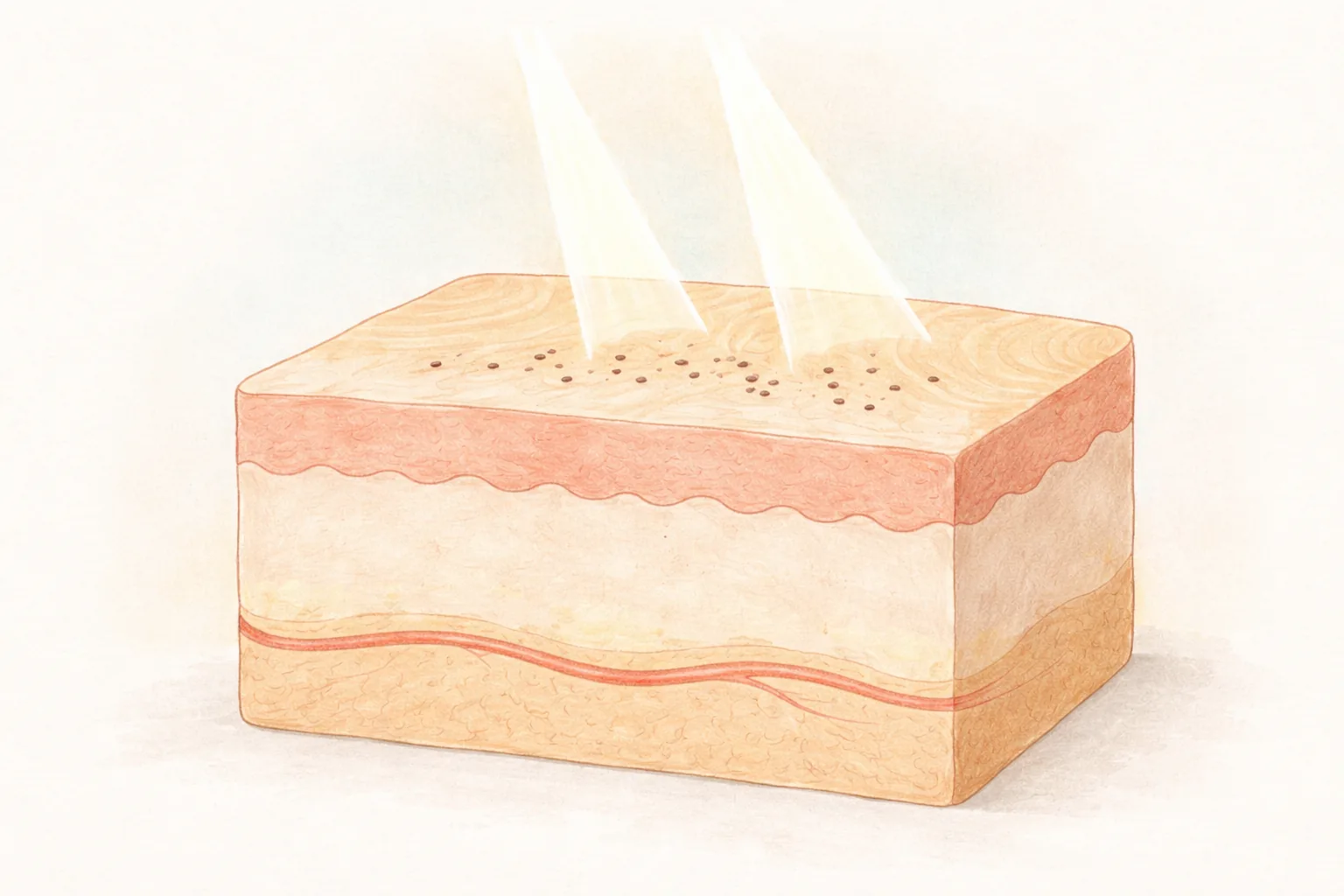
A laser is light energy gathered at a single wavelength. This light is absorbed by a specific target that responds to that wavelength and converted into heat or impact. The principle of concentrating energy on the desired target while leaving surrounding normal skin mostly untouched is called selective photothermolysis. The column Does Frequent Laser Treatment Really Thin the Skin? also explains that wavelength, energy, and treatment interval are key factors determining the result.
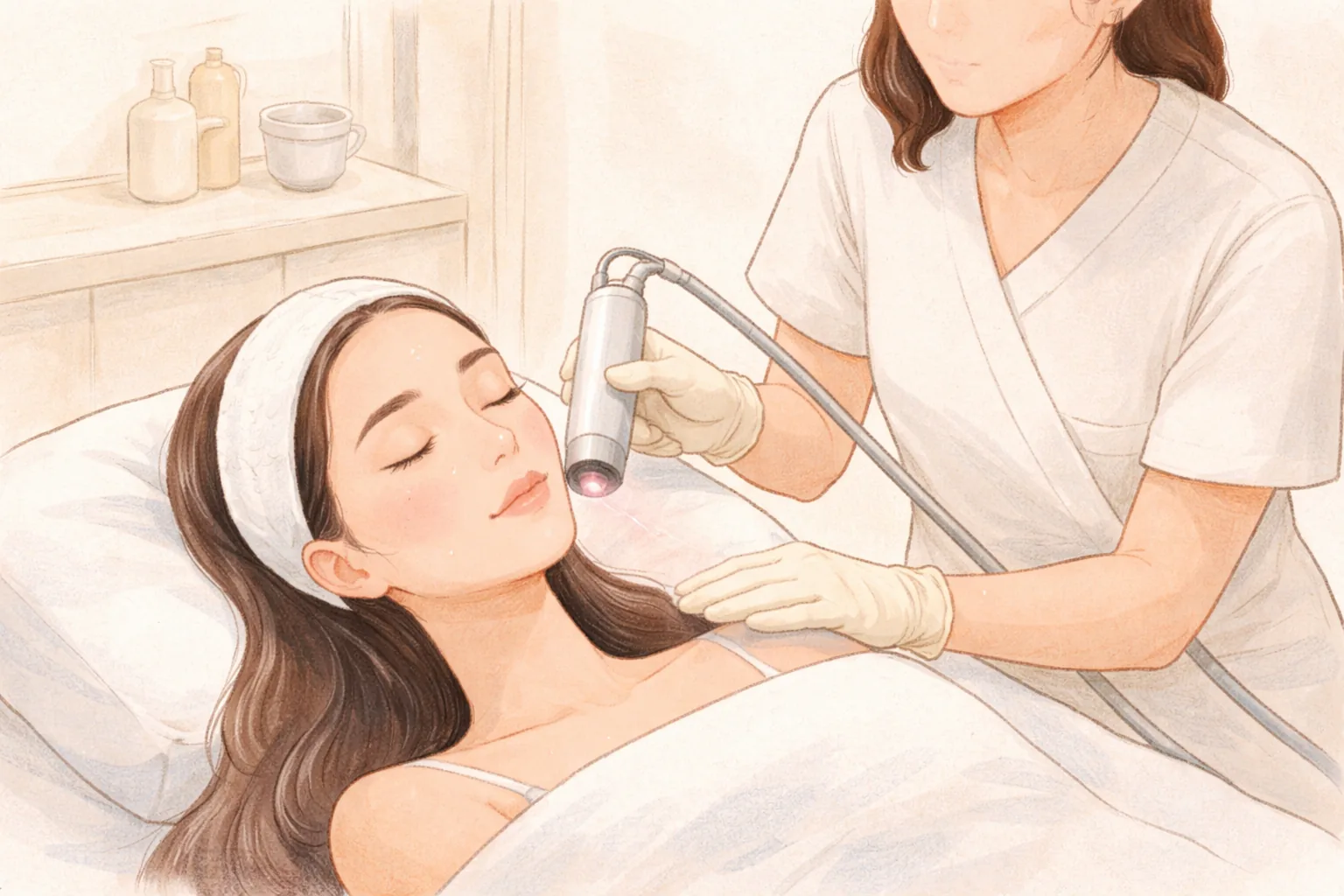
The picosecond laser used in pico toning has a pulse duration on the order of 1 trillionth of a second. It delivers strong energy in a very short moment to break melanin pigment particles into fine pieces, and the body gradually clears the fragmented pigment. The column Spots, Redness, Scars—Can Lasers Really Fix Them All? introduces this method of selectively breaking down pigment as selective photothermolysis and explains that pigment seated deep like melasma is safer to clear slowly over multiple sessions at low power.
Genesis toning uses a 1064nm laser applied repeatedly to gradually build heat in the dermis. Rather than breaking pigment particles, its focus is on skin texture, redness, and fine wrinkles, and the ATTITUDE Clinic treatments and pricing guide also lists it as a treatment for anti-aging purposes. The same column notes that for redness and superficial vessels, the 532nm vascular laser Vbeam and Genesis toning are used. Conversely, picosecond laser alone cannot be expected to improve vascular concerns.
Pigment that appears brown and a state that appears red because fine vessels under the skin are dilated can both look like blotches on the surface, but their causes differ. So rather than asking which laser is better, the starting point for a combination is first sorting out whether your concern comes from pigment or from vessels.
If Pigment and Redness Appear Together, Is a Combination the Answer?
It is not uncommon for a person to have both pigment and redness on their face. The column Melasma, Freckles, Spots, Solar Lentigines—Are They All the Same? explains that melasma and spots overlapping in the same area, or forms somewhere between freckles and melasma, are common. If there are two causes, two approaches are needed, and this is where the idea of a combination comes in.
A combination should not become the goal in itself. If there is only one target and you pile on procedures, the only thing that increases is the stimulation the skin has to handle. This is also why the same column points out that using strong energy on melasma can stimulate the pigment-producing cells and actually make the pigment darker. A combination is an option that makes sense when concerns overlap.
ATTITUDE Clinic adds schedule, pain sensitivity, and skin history to the analysis record to decide the type, intensity, and timing of procedures together. This means the laser choice and combination differ depending on the cause of the concern.
When Done Together, What Decides the Order and Interval?
First is priority. Whether pigment or redness comes first determines which procedure goes ahead. Second is pigment depth and skin reactivity. Melasma spread into the dermis and spots seated superficially in the epidermis are not approached with the same wavelength. Third is how many days remain until the next commitment. After a procedure with a longer recovery, the next one is scheduled with more room.
Toning is usually spaced at least 1 week apart. Very frequent toning has been reported in connection with mottled hypopigmentation, so narrowing the interval is not beneficial. (Does Frequent Laser Treatment Really Thin the Skin?) Recovery time also varies widely by procedure type. Low-power picosecond toning causes redness and stinging for a few hours to the same day, while removing spots at high power leaves crusts that take about 7–10 days. (Spots, Redness, Scars—Can Lasers Really Fix Them All?)
Table 1 When Done Together, What Decides the Order and Interval?
Procedure
Target
Concerns it suits
Common post-treatment reactions
Pico toning (PicoPlus 1064nm)
Melanin pigment
Spots, melasma, and other pigment and skin tone
Temporary redness and stinging, crusts at high power
Vbeam (532nm)
Superficial vessels
Redness, facial flushing
Redness and swelling, possible bruising
Genesis toning (1064nm)
Dermal heat stimulation
Skin texture, fine wrinkles, redness management
Heat sensation and redness subside relatively quickly
Erbium fractional
Skin surface and structure
Pores, shallow scars, rough texture
Redness, sandpaper-like texture
Swipe sideways to see the whole table.
In short A combination is meaningful when pigment and redness overlap. The order is decided by which concern is more prominent and by skin reactivity, and the interval is based on recovery time and toning's basic minimum of 1 week. Even when the two procedures are placed on the same day, lowering the intensity and dividing them reduces stress on the skin.
In These Situations
If a ceremony or photo shoot is a few weeks away
A procedure you are getting for the first time right before a ceremony can overlap with your schedule in the form of redness or sensitized skin. Counting backward from the date and adjusting the procedure type, intensity, and start timing widens your options. This is why you should mention your schedule first at the consultation.
If you want to manage things steadily
Rather than going strong all at once, managing periodically while keeping to the interval at which the skin recovers puts less burden on the skin. If you set a goal and place only the needed procedures at the right times, the toning interval is naturally maintained.
If your skin is sensitive and reddens easily
If flushing comes from the skin's own reactivity, the laser's effect may be limited. The approach differs depending on whether the cause is superficial vessel dilation or sensitive skin, so the cause needs to be sorted out before deciding on a combination. (Spots, Redness, Scars—Can Lasers Really Fix Them All?)
If your visit is a short stay
If you pile up procedures with long recovery times all at once, they will clash with your schedule. Within your stay, it is realistic to focus on procedures with short recovery and divide the rest into your next visit.
Please tell us before your consultation
Sun exposure, outdoor activities, and travel plans within the last 2 weeks
Medications you are taking and skincare ingredients you are using (retinoids, acids, etc.)
Any experience of pigment darkening or prolonged redness after a previous laser procedure
Schedules that irritate the epidermis, such as waxing, exfoliation, or peeling
Dates you cannot avoid, such as ceremonies, photo shoots, or business trips
How ATTITUDE Clinic Proceeds
AI skin analysis record — Records and organizes your skin condition to support the consultation. The analysis tool gathers and presents information and does not make a medical diagnosis. The pigment type is judged by the doctor during examination.
Consultation with the doctor to set goals and priorities — Adding lifestyle habits, concerns, and schedule to the analysis record, the doctor decides whether to address pigment or redness first and designs the procedure combination. What is needed, what is not, and the order are decided together.
Procedures performed directly by the doctor — The intensity and combination are adjusted to your skin condition, and the doctor performs the procedure directly. Procedures beyond what is needed are not recommended.
Recovery and management — Post-treatment reactions are checked, and the next interval and intensity are adjusted. We follow the principle of genuine products, correct dosage, and fair pricing as guided. (ATTITUDE Clinic treatments and pricing guide)
Devices such as PicoPlus, Vbeam, Genesis toning (V-Laser Genesis), and erbium fractional are combined according to pigment, vessels, and skin texture. Which device to use is decided after examining your skin condition.
Post-Treatment Care and Side Effects
Soothing — Heat remains right after the procedure. Wash lightly with lukewarm water and avoid saunas, jjimjilbangs, and intense exercise for 1–2 weeks.
Moisturizing — Skin that has received heat stimulation tends to become dry. Moisturize more heavily than usual and postpone exfoliation and peeling for the period you are advised.
Sun protection — For at least 2 weeks after the procedure, apply SPF 50+ sunscreen and reapply about every 2 hours when outdoors. Sun exposure during this period can cause pigmentation and undo the effects of the procedure. (Spots, Redness, Scars—Can Lasers Really Fix Them All?)
Checking progress — Watch when redness and heat subside and how the pigment changes, and adjust the next session's interval.
Common reactions are redness, swelling, heat sensation, and dryness, and thin crusts form depending on the procedure. Small crusts that form after spot laser usually fall off in 7–10 days. (Melasma, Freckles, Spots, Solar Lentigines—Are They All the Same?) Rarely, hypopigmentation in which the skin color lightens, blisters, or scars can occur, and pigment sometimes reappears over time.
If redness and stinging last more than 3 days or suddenly worsen, or if blisters or oozing appear, it is safer to contact the clinic rather than wait.
Frequently Asked Questions
Can I get pico laser treatment and Genesis toning on the same day?
It is possible, but the first point is that the two procedures target different things. Pico toning is for pigment, while Genesis toning is for dermal heat stimulation and redness. When doing them on the same day, which one to place first and how to divide the intensity are decided based on skin reactivity. If a procedure with longer recovery comes first, the next interval is pushed back, so the order is calculated together with your upcoming schedule. Lowering the intensity and dividing the session reduces stress on the skin.
How do pico toning and Genesis toning differ in effect?
Picosecond laser gathers energy in a short time on the order of 1 trillionth of a second to break pigment particles into fine pieces, while Genesis toning uses a 1064nm laser to build heat in the dermis and address skin texture and redness. If spots and melasma are your concern, pico toning takes priority; if redness, fine wrinkles, and skin texture are your concern, Genesis toning does. Picosecond laser alone cannot be expected to improve vascular concerns. (Spots, Redness, Scars—Can Lasers Really Fix Them All?)
How often should I get Genesis toning?
Toning is usually spaced at least 1 week apart. Very frequent toning has been reported in connection with mottled hypopigmentation, so narrowing the interval is not advantageous. (Does Frequent Laser Treatment Really Thin the Skin?) The actual interval varies with the laser type, purpose, and skin condition, so it is adjusted while observing progress. Repeating before recovery is complete can weaken the skin barrier, making it sensitive or leaving redness for longer.
Can I get a forehead hairline wax on the same day?
Waxing is a procedure that physically strips away epidermal keratin, so overlapping it on the same day as laser treatment on sensitized skin can accumulate irritation. The forehead hairline is a location that easily overlaps with the toning area covering the whole face. How many days to leave between the two appointments, or which to do first if they are on the same day, is decided during consultation based on the waxing area and skin reactivity. If you have recently had exfoliation or peeling, telling us helps us adjust the order.
What should I look at when choosing a place to get the procedure?
The American Academy of Dermatology advises that results depend heavily on the skill and experience of the person performing the procedure. (AAD: Questions to Ask at a Cosmetic Procedure Consultation) A good starting point is to ask at the consultation about recovery time, the number of sessions needed, and what results you can realistically expect. Along with the device list, look at whether they first sort out the cause of your concern, whether they recommend only the procedures you need, and whether it is a place where you can check back if you feel uncomfortable after the procedure.
At a Glance
Table 2 At a Glance
Item
Key point
Target
Pico toning is for pigment; Genesis toning is for dermal heat stimulation, redness, and skin texture
When a combination is meaningful
When pigment and redness overlap on the same face
Criteria for order
Priority of the concern, skin reactivity, and days remaining until the next commitment
Interval
Toning usually at least 1 week; more room after a procedure with longer recovery
Common reactions
Redness, heat sensation, dryness, and thin 7–10 day crusts depending on the procedure
Post-treatment essentials
Soothing and moisturizing, and at least 2 weeks of SPF 50+ sun protection
This article offers general health information. It is not a substitute for diagnosis or treatment based on your own condition, so please talk through your situation with a doctor.