
Doctors’ Column
Melasma, freckles, sun spots and seborrheic keratoses: are they all the same thing?
No. All four can look like brown marks, but they differ in cause, in where they sit in the skin and in how they behave, so they are treated differently. Freckles and sun spots are often treated with a spot laser; melasma usually needs low-energy toning over time with daily sun protection, because strong settings can make it darker; and raised seborrheic keratoses are usually removed rather than toned.
How do you tell them apart?
In everyday English, “age spots” can mean either flat sun spots or raised seborrheic keratoses, which is one reason they get mixed up. A doctor looks at color, edges, pattern, texture and location:
| Type | What it usually looks like | What is behind it | How it tends to behave |
|---|---|---|---|
| Melasma | Blurred, patchy brown areas, often on both cheeks, sometimes on the forehead or upper lip | Overactive pigment cells, influenced by hormones, UV and visible light, and heat | Long-term; tends to flare with sun, heat and hormonal changes |
| Freckles | Small light-brown dots, often since childhood, more visible on fair skin | An inherited tendency, brought out by sun | Darker in summer, lighter in winter; tend to return with sun |
| Sun spots (solar lentigines) | Flat brown spots with clearer edges on the cheeks, temples and backs of the hands | Years of accumulated sun exposure | Often respond to spot laser; new ones can appear with more sun |
| Seborrheic keratoses | Slightly raised, rough, “stuck-on” spots, light brown to almost black | A common, harmless growth of the outer skin cells that becomes more frequent with age | Usually do not fade with toning; commonly removed, and new ones can appear over the years |
In practice they often overlap: melasma and sun spots in the same area, or freckles blending into melasma. That is hard to sort out in a mirror, and it matters, because a treatment that suits one type can aggravate another.
One rule comes before any cosmetic plan: a spot that is new, growing, changing in shape or color, itching or bleeding should be checked medically first, because some skin cancers can look like an ordinary brown spot.
What do they have in common, and why does depth matter?
Melasma, freckles and sun spots all come down to melanin, the pigment made by cells called melanocytes in the lowest layer of the epidermis. UV and visible light, heat, inflammation and hormones prompt these cells to make more pigment as a form of protection, and where it builds up, the skin looks darker. The same sun affects people differently: one person develops melasma, another collects sun spots, a third shows little change, depending on skin type, genes and hormones.
Seborrheic keratoses are different. They are a thickening of the outer skin cells, and their color is part of that growth rather than mainly a pigment-cell problem, which is why pigment treatments alone do little for them.
Depth matters too. Pigment in the epidermis, near the surface, tends to respond faster than pigment that has reached the dermis below, and melasma often involves both levels, which is one reason it responds slowly. Pigment lasers use wavelengths absorbed by melanin, and the wavelength affects how deep the light reaches: 532nm acts closer to the surface, while 1064nm reaches deeper and is used at low energy for toning.
Why can the same laser help one spot and worsen another?
Because the goal differs. With a distinct freckle or sun spot, the aim is to break up a concentrated deposit of pigment, so a stronger, targeted pulse on that spot makes sense. With melasma, the pigment cells themselves are overactive, and a strong pulse can irritate them: the area may look lighter at first and then come back darker, a reaction called post-inflammatory hyperpigmentation.
- Freckles and sun spots are often treated with a spot laser such as Pico Spot (532nm picosecond). The spot darkens, a thin crust forms and then lifts off. Some spots need another session, and freckles tend to return with sun.
- Melasma is usually managed with low-energy toning such as Pico Toning (1064nm), as a course, together with daily sun protection and, where the doctor thinks it appropriate, prescription creams or tablets. Spot laser is used with caution on melasma areas, and very frequent, repeated toning has been linked to uneven pale spots, so settings and intervals are kept conservative.
- Seborrheic keratoses are removed rather than toned, commonly with an erbium (Er:YAG) laser that takes off the raised surface layer; the area then forms a small scab and heals.
- Redness alongside pigment: when visible blood vessels are part of the picture, a vascular laser such as the V-Laser (532nm) may be added; see our guide to facial redness.
Because the types overlap, a plan often combines tools, such as spot laser for distinct spots and toning for the background, in an order the doctor sets and with pauses when the skin needs a rest.
How many sessions, and what are the side effects?
Spot laser is often one session per spot, checked again after the skin has settled. Toning is a course, with sessions at least a week apart, so only one or two fit into a short trip. Melasma is a long-term condition: treatment may lighten it, but it tends to return with sun, heat and hormonal changes, so the realistic aim is control over time. A trip to Korea is the start of a plan rather than the whole plan.
Common side effects of pigment lasers include redness, swelling, crusting and temporary darkening of treated areas; less commonly, lighter patches, blistering or scarring can occur, and pigment can return over time. After a spot laser, small crusts typically come off in about 7–10 days; after toning, mild redness usually settles within hours. Results and recovery vary from person to person, and your doctor explains the risks before treatment.
Have spot laser or erbium removal early in your trip, so crusts and scabs can lift before you fly or before important photos: about 7–10 days for spot laser and about 7 days or more after erbium. For toning, 1 day or more is a conservative margin. See flying after skin treatment and our pigmentation guide.
Why is sun protection part of the treatment?
UV light is one of the main triggers for pigment cells, and visible light also plays a part in melasma. After laser, treated skin is more prone to darkening, so sun protection belongs to the plan rather than being an extra.
- Avoid tanning before treatment; tanned skin is more prone to darkening after laser.
- Use a broad-spectrum sunscreen (SPF 30 or higher) every morning, and reapply about every two hours outdoors and after sweating or wiping your face.
- For melasma, a tinted sunscreen can help, because it also blocks some visible light.
- Wear a hat and seek shade on sightseeing days, and pause strong actives such as retinoids, peels and scrubs on treated skin until your doctor says you can restart.
Questions to ask before you book:
- Which type of pigmentation do you think I have, and how will the doctor confirm it?
- Which device and wavelength for each area, how many sessions, and how far apart?
- What side effects are possible, and what should I do if an area darkens afterwards?
- Is spot laser priced per spot, by size or per session, and does the quote include VAT?
How ATTITUDE approaches this
At ATTITUDE Clinic in Seoul, an AI skin analysis first records your skin. The analysis tools record and organise information to support the consultation; they do not provide a medical diagnosis. One of our two co-directors then looks at your skin with you, confirms which type of pigmentation you are dealing with, and decides with you what you need, what you don't, and in what order, for example whether spots should be treated now or tone should come first. Every unit price is published on the price list, the same on every language version of this site, VAT excluded. To start, send a booking request.
Prices at ATTITUDE
All prices exclude VAT. Prices are the same on every language version of this site.
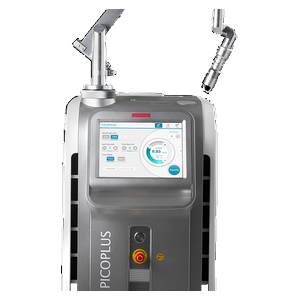 Pico ToningPicoPlus · LUTRONICPico SpotPico Spot
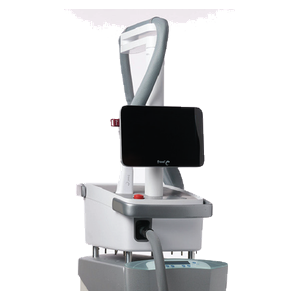 Erbium FractionalErbium Fractional
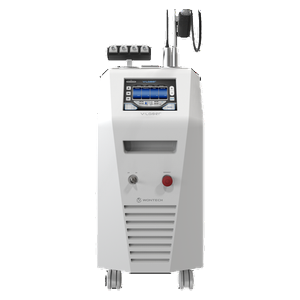 V-LaserV-Laser Vascular
Frequently asked questions
How can I tell melasma from sun spots?
Melasma is usually blurred and patchy, often on both cheeks, while sun spots are flat with clearer edges. The two often occur together, so a doctor should look before any treatment is chosen.
Why is melasma so hard to treat with lasers?
The pigment cells themselves are overactive and react to sun, heat and hormones, so pigment tends to come back, and strong laser settings can make melasma darker. It is usually managed over time with low-energy toning, daily sun protection and the home care your doctor recommends.
Can seborrheic keratoses be treated the same way as melasma?
Usually not. A seborrheic keratosis is a raised growth of the outer skin cells that is commonly removed, for example with an erbium laser, while melasma is managed with low-energy toning; the goals and settings differ.
Do freckles come back after laser treatment?
They can. Freckles reflect an inherited tendency and darken with sun, so without daily sun protection they often return.
How long do scabs last after a spot laser?
Small crusts typically come off by themselves in about 7–10 days. Don't pick them, and protect the new skin from the sun, because it can darken for a while.
Is sunscreen really that important after pigment treatment?
Yes. Treated skin is more prone to darkening, so use a broad-spectrum sunscreen every day and reapply about every two hours outdoors.
Plan your visit
Send a booking request or message us. We reply during clinic hours (Korea time), in the order received.