Pico Laser vs. Vascular Laser: How to Tell Pigmentation from Redness
Pigmentation and redness look similar but have different targets under the skin, which is why pico laser treatment and vascular lasers are used separately. Here's what to check in a consultation.
Written by ATTITUDE Clinic Editorial Team
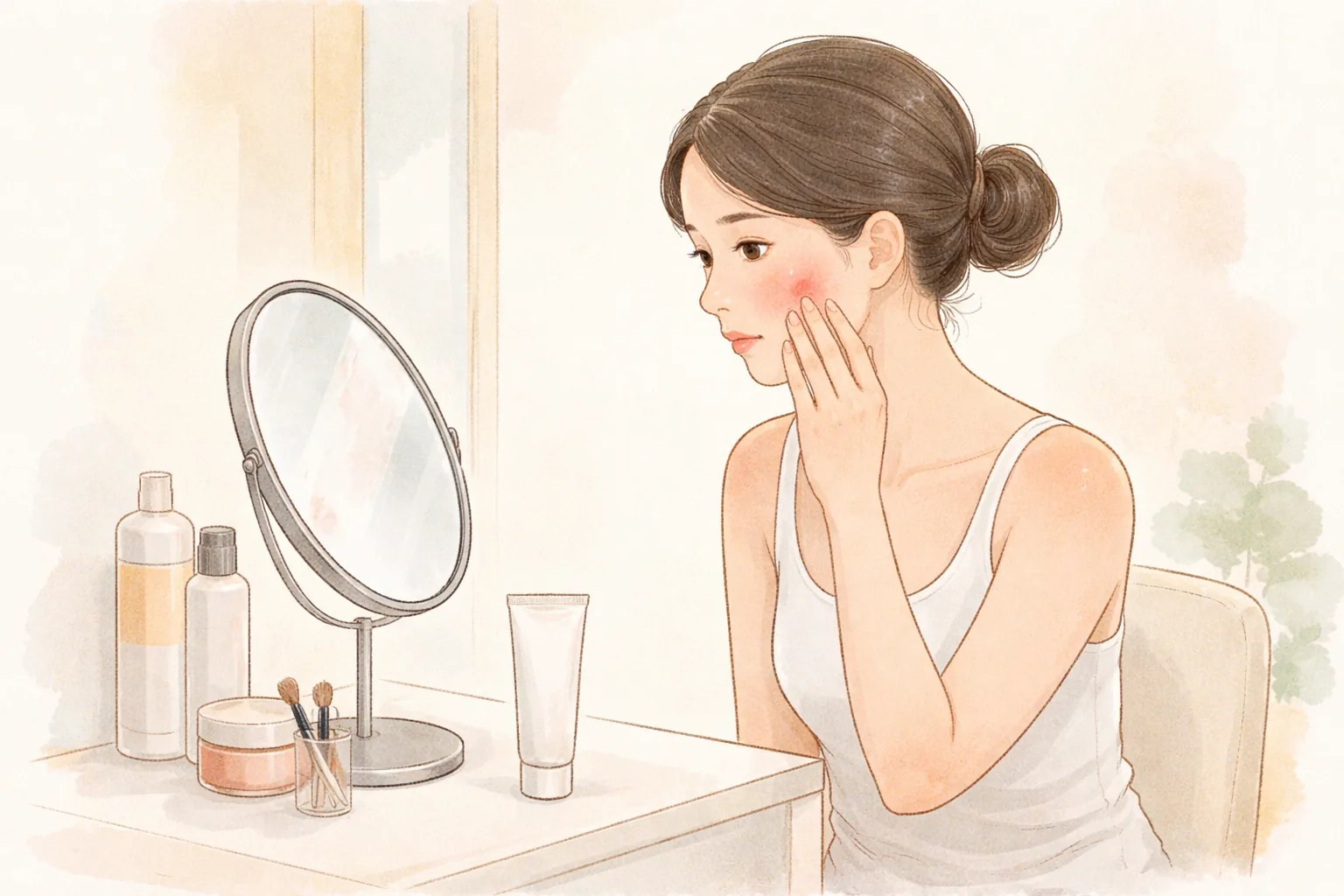
When one side of your face flushes red and brown spots sit on the other, it's hard to know where to start. People often ask whether redness and brown spots can be addressed in one consultation, which should come first, and whether you can tell them apart at home just by color. This article starts with what pigmentation and redness each involve under the skin, then walks through what gets checked in a consultation. The distinction between melasma, freckles, spots, and seborrheic keratosis is covered in our melasma and freckles article, so here we'll only touch on it briefly.
The short answer first
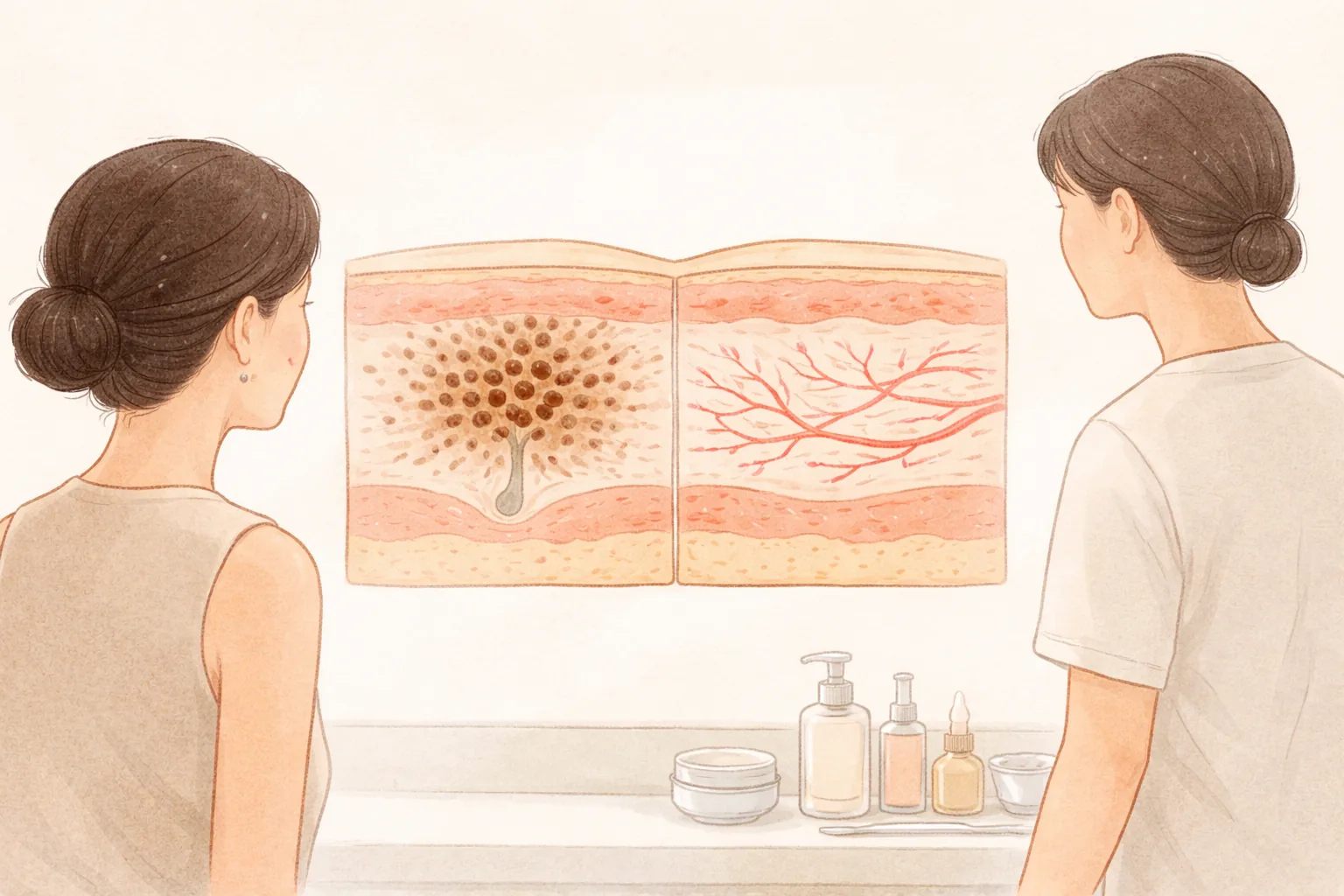
Pigmentation and redness can look similar in color, but the target under the skin is different. Brown spots are a buildup of melanin pigment, while redness comes from hemoglobin-carrying blood vessels that have become visible. So pigment-targeting devices and vessel-targeting devices are used separately. Both can appear on the same face and be assessed in the same consultation. But which one is more prominent right now, and how sensitive your skin is to irritation, will change the order and intensity.
Is everything brown pigmentation, and everything red rosacea?
On the brown side, melasma, freckles, and spots all start from melanocytes (cells that produce melanin) in the skin. When triggered by UV, heat, inflammation, or hormonal changes, the skin produces more melanin to protect itself, and when it collects in one area, it shows up as pigmentation. Seborrheic keratosis, by contrast, isn't accumulated pigment but a benign lesion where cells in the outer skin layer thicken, so the mechanism is different from the start. That's why not everything brown can be approached the same way.
On the red side, blood vessels are involved. According to Cleveland Clinic's guide to rosacea, rosacea is an inflammatory skin condition that causes redness on the face, mainly on the nose, cheeks, and forehead, and often begins after age 30. Frequent flushing may come and go, then settle into persistent redness, and fine visible vessels like spider veins may appear. Some types also come with small bumps or stinging.
It's hard to judge at home by color alone because the two overlap. In practice, melasma and spots often overlap in the same area, or fall somewhere between freckles and melasma. If the borders are blurred and spread widely and symmetrically on both cheeks, melasma is more likely, but that alone doesn't determine the treatment direction. However, a new or growing mole, a spot that changes color or shape, or one that itches or bleeds should be checked medically before any cosmetic procedure.
Why do pigmentation and redness use different lasers?
A laser is light energy concentrated at one wavelength. As explained in ATTITUDE Clinic's column, when it reaches the skin, it's absorbed only by substances that respond to that wavelength and converted into heat and impact. Melanin, which produces pigment, and hemoglobin in blood vessels absorb different wavelengths, so pigment-targeting devices and red-vessel-targeting devices are separate. This principle of sparing surrounding normal skin and concentrating energy on the target is called selective photothermolysis.
That's why the order differs even for the same face. For brown spots, picosecond lasers that use a wavelength melanin absorbs are mainly used, while for redness and shallow vessels, vascular lasers that use a wavelength hemoglobin absorbs are used. ATTITUDE Clinic's guide to pigment and redness lasers notes that picosecond lasers are unlikely to improve vascular concerns. That's why identifying where your concern comes from matters more than memorizing device names.
Melasma is approached differently even though it's the same brown. The pigment-producing cells themselves are overactive, so a single strong burst of energy can irritate them and make the color darker instead. The standard approach is low energy spread over multiple sessions, watching how the skin responds. The American Academy of Dermatology's guide to diagnosing and treating rosacea also notes that treatment plans include lifestyle measures such as sun protection, gentle cleansing, and moisturizing. It's not a problem that lasers alone can solve.
Here's a table of common examples from ATTITUDE Clinic's column.
Table 1 Why do pigmentation and redness use different lasers?
Concern
Target
Main devices
Typical sessions and intervals
Spots and freckles
Melanin pigment
PicoPlus (picosecond)
1–3 sessions, 4–8 weeks
Melasma and widespread pigment
Melanin pigment
PicoPlus low-power toning
8–12 or more sessions, at least 1 week apart
Redness and shallow vessels
Hemoglobin
Vbeam, Genesis toning
3–5 sessions, 4–6 weeks
Pores, skin texture, shallow scars
Skin surface structure
Erbium YAG laser
3–5 sessions, 4–6 weeks
Swipe sideways to see the whole table.
Session counts are typical examples of how treatment often goes and vary with pigment depth and lifestyle habits such as UV exposure.
In short even on the same face, spots come from pigment, redness from blood vessels, and rough texture from the skin surface. The order is to check where your concern comes from before asking which device is best. When causes overlap, prioritizing rather than doing everything at once reduces the burden on your skin.
Should you decide on a procedure first when you have redness?
Rosacea doesn't have a single cause. According to the AAD guide, dermatologists diagnose it by examining the skin and eyes and asking about the pattern of symptoms that come and go, and tests are sometimes needed to rule out other conditions that cause facial color changes. That's why the same intensity can't be applied just because the skin is red.
Triggers also vary from person to person. UV exposure, hot or cold temperatures, and hormonal changes can be signals, while overheating, alcohol, or spicy food can be triggers. Writing down which factors you react to over a few days to weeks helps at the consultation. If it's superficial vessel dilation, vascular lasers can be expected to reduce it, but redness caused by high skin reactivity itself may respond less to lasers.
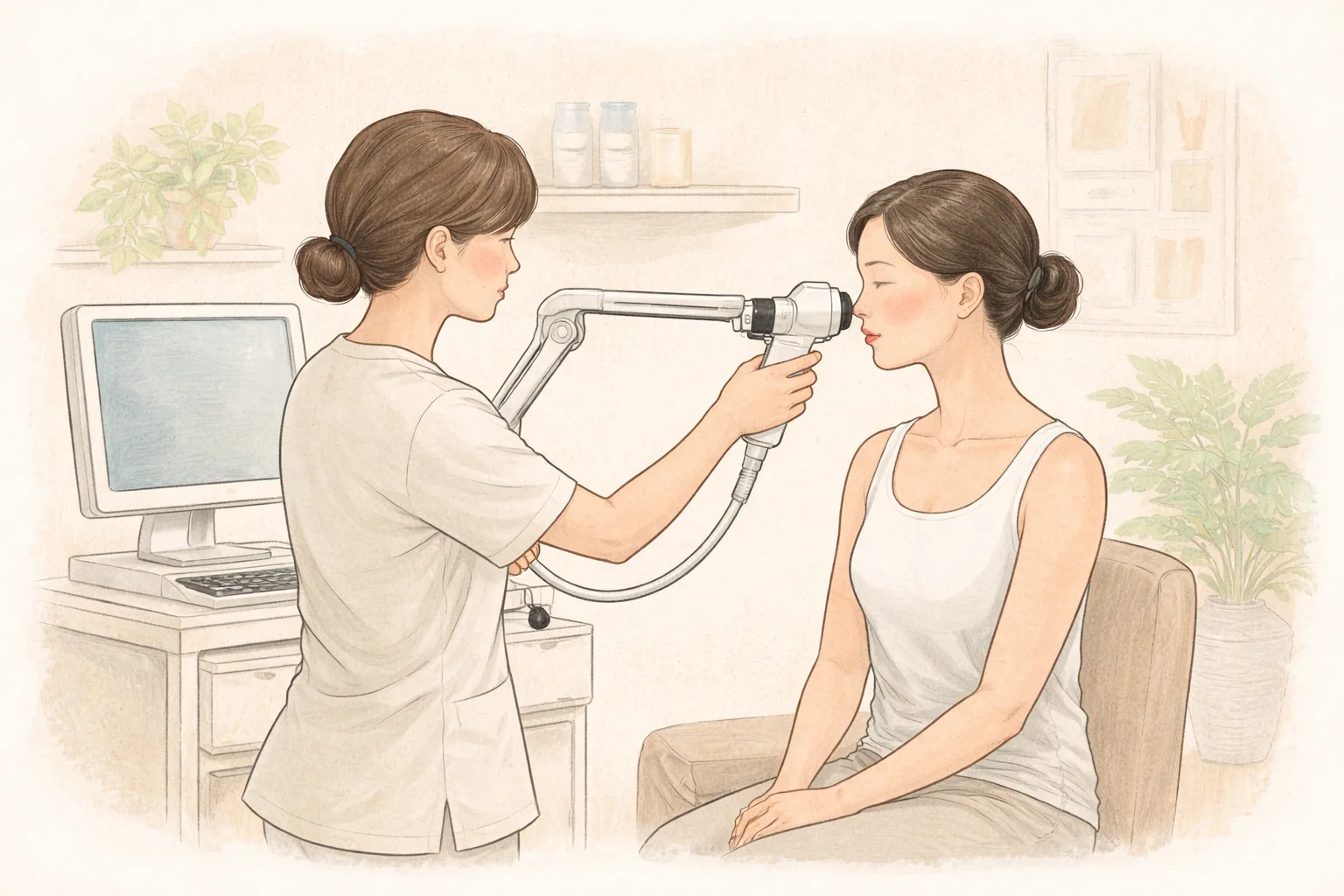
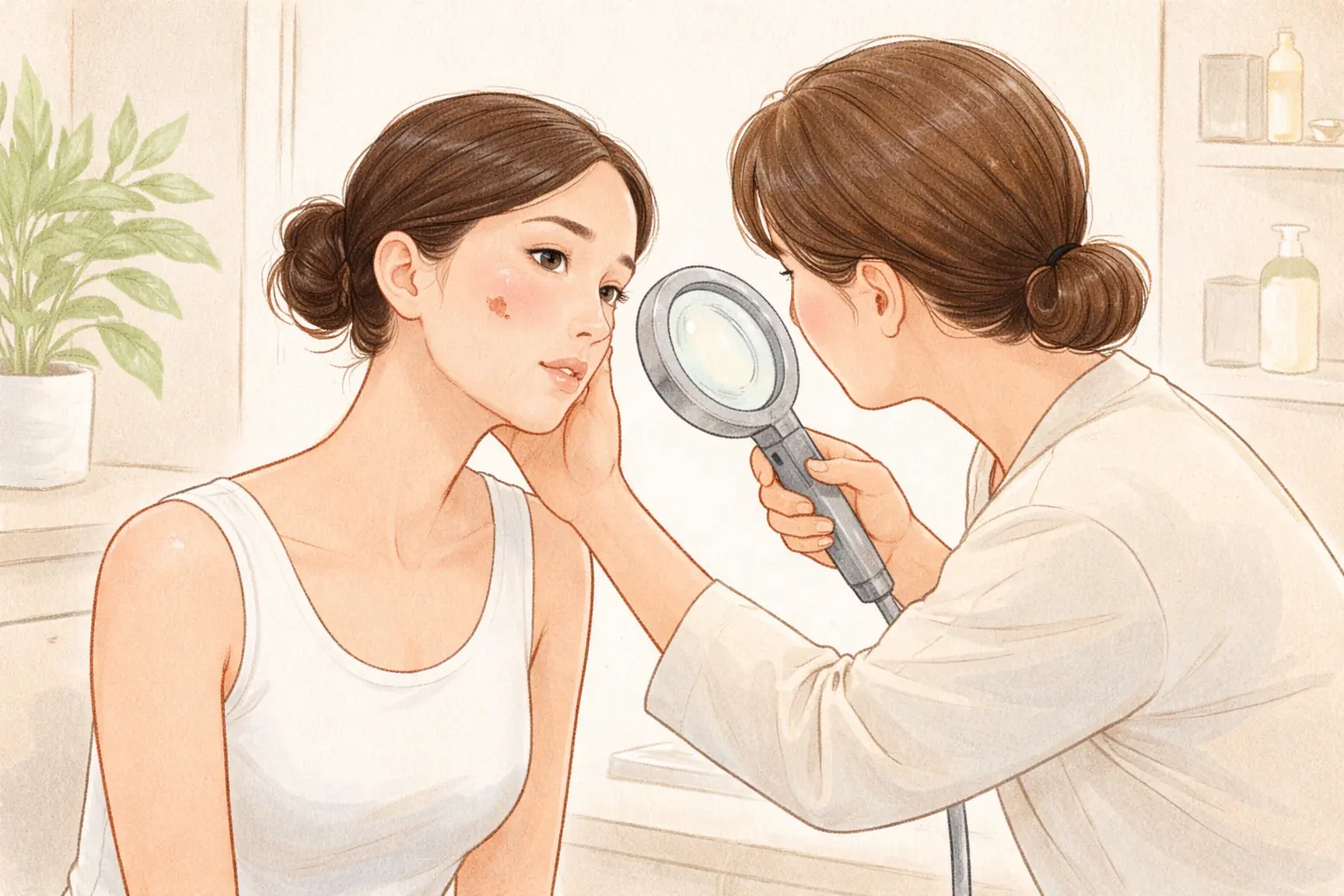
So in a consultation, beyond looking at the pigment type, the skin barrier condition and irritation reactivity are assessed together. Even for the same redness, the timing and method differ depending on whether it's a phase with active inflammation or a state of dilated vessels. At ATTITUDE Clinic, skin condition is recorded with an analysis tool and the doctor judges by examination; the analysis record is a tool to organize information for the consultation, not a medical diagnosis.
Why doesn't rosacea resolve in one go?
The Cleveland Clinic guide describes rosacea as a condition to manage over a lifetime rather than cure, and notes it can improve and worsen over time. So it's more realistic to aim for "less uncomfortable, less intense" rather than "elimination."
There's more than one way to fade redness. According to the AAD guide, topical medications that narrow blood vessels can temporarily fade redness, and the color gradually returns after the point of maximum fading. Light-based treatment is described as gentler than lasers but done in more sessions. Which is right depends on the type of redness and skin condition.
If this sounds like you
When your face flushes often and spots bother you too
Flushing and brown spots have different targets, so they aren't treated at the same intensity at once. Which to address first and how to split the two is decided in the consultation. It helps to bring notes on when your face typically flushes.
When you have a shoot or wedding date set
Work backward from the date to choose the procedure type and intensity. Since visible reactions like redness, bruising, and crusts need recovery time, it's best to share your schedule first. Small crusts after pigment procedures usually fall off in 7–10 days, and vascular laser bruising can take 1–2 weeks to fade.
When your skin is sensitive or flushes easily
When reactivity is high, intensity is lowered and intervals are spaced out. If irritation is active, postponing the procedure is also considered in the consultation. If cosmetics have recently felt stinging, that fact itself is important information.
If you're a short-stay visitor
What matters is whether recovery and follow-up can be completed within your stay. Low-power toning with short downtime and high-power procedures that leave crusts require completely different scheduling. Share your return date and outdoor activity plans so a plan can be made without overdoing it.
Please tell us before your consultation
UV exposure or tanning in the last 2 weeks, medications you're taking and topical active ingredients (retinol, acids, etc.), whether past procedures caused blisters, pigment changes, or bruising, and important dates like weddings, shoots, or travel. If your skin feels stinging or sensitive, mentioning that too helps adjust intensity and timing.
How ATTITUDE Clinic proceeds
AI skin analysis record — Current skin condition such as pigment, redness, texture, and pores is recorded with an analysis tool. This record is a tool to organize information for the consultation and is not a medical diagnosis.
Doctor consultation to interpret type and cause — Lifestyle habits and concerns are added to the analysis record, and the doctor examines you directly to judge whether it's pigment or vascular and at what depth. What's needed now, what isn't, and the order are decided together.
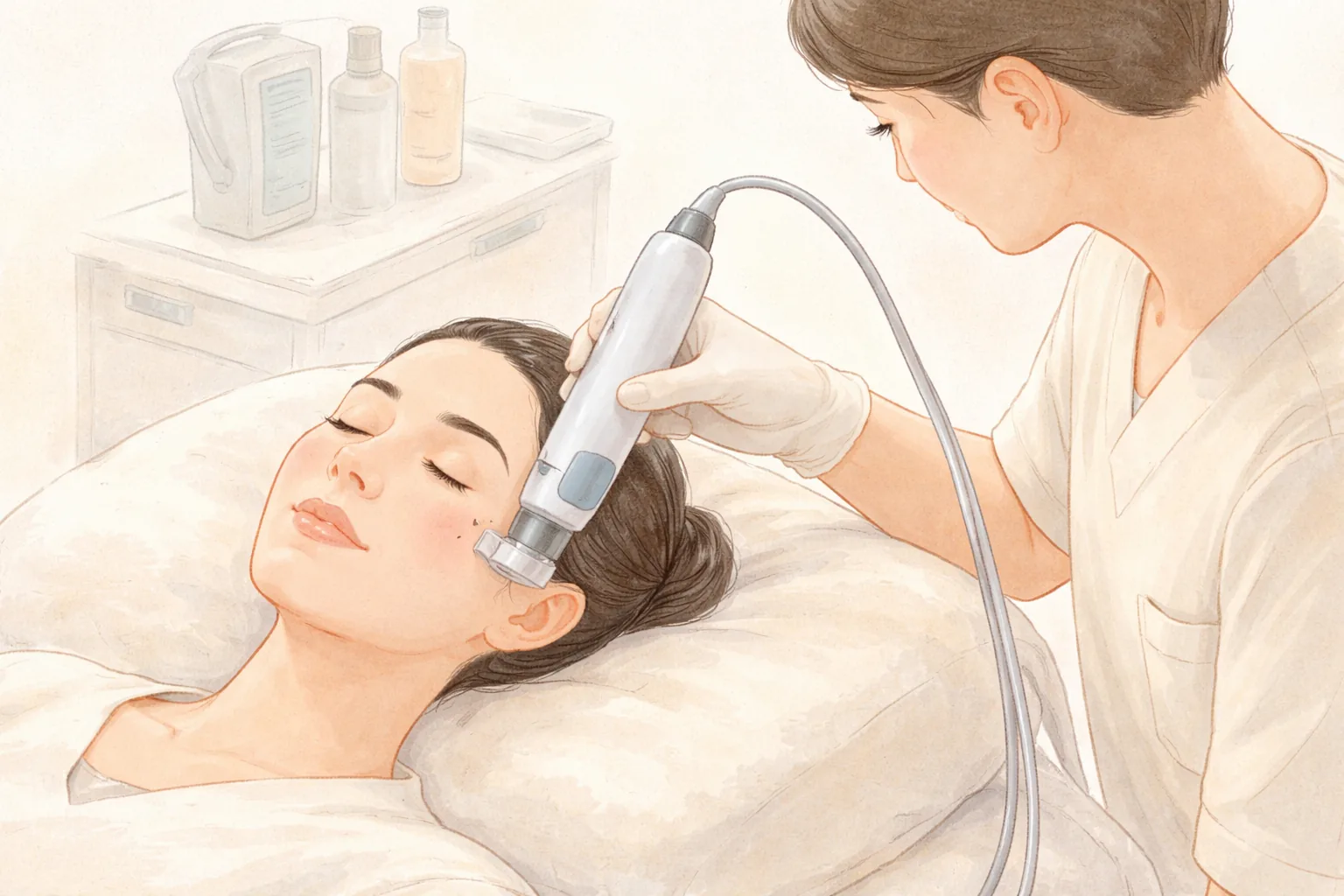
Doctor-performed procedure — Among devices such as PicoPlus, Vbeam, erbium YAG laser, and Genesis toning, the one suited to your concern is chosen, and the doctor personally adjusts intensity and combination.
Aftercare and side effects
Soothing — Right after the procedure, the skin's barrier is temporarily weakened. Wash with lukewarm water without rubbing, pressing lightly, and avoid environments that raise skin temperature such as saunas, jjimjilbangs, and intense exercise for the period you're advised.
Moisturizing — When dryness sets in, redness lingers longer. Apply the recommended moisturizer generously, and postpone exfoliation or harsh scrubs until recovery is complete.
Sun protection — For at least 2 weeks after the procedure, apply SPF 50+ sunscreen and reapply about every 2 hours outdoors. If you don't block UV well during this period, pigmentation can develop on newly formed skin and undo the effect.
Follow-up — If crusts form, don't pick at them and let them fall off on their own. If redness or heat lasts longer than expected or pain worsens, don't endure it — come in to be checked.
Common reactions are redness, swelling, heat, and stinging, and procedures that work on the surface, such as pigment spots or erbium YAG laser, can leave crusts. If your skin is dark or tanned, temporary pigmentation can occur, and Vbeam can cause bruising. Rarely, blisters, hypopigmentation, infection, or scarring can occur, or pigment can return over time.
Frequently asked questions
How are melasma and spots different?
Both start from melanin, but the layer they settle in and the way they spread differ. Spots often have relatively distinct borders and cluster in the outer skin layer, so an approach focusing on individual spots is used. Melasma spreads widely with blurred borders and the pigment cells themselves are overactive, so the standard approach is low energy repeated over time. In practice, the two often overlap in one area, so it's confirmed by examination rather than by color alone.
Can I consult about redness and brown spots together?
Yes. But since the targets are different, they aren't pushed at the same intensity at once; instead, which to address first and how to split them is decided. If your skin is in a sensitive phase, the irritated side may be calmed first and the rest postponed. In the consultation, whether the redness looks like spider veins or is a flushing symptom, and how deep the pigment is, are assessed together.
Will laser treatment make rosacea go away?
It depends on the type of redness. If it's shallow vessels visible near the surface like spider veins, vascular lasers can be expected to reduce it. Conversely, redness caused by high skin reactivity itself responds less to lasers and needs lifestyle management and other treatments together. Rosacea is a condition that can improve and worsen over time, so a management perspective is needed rather than aiming for a one-time fix.
How many sessions does pigment treatment take?
Typical examples of how treatment often goes are 1–3 sessions for spots, 8–12 or more for widespread pigment, and around 3–5 sessions as a baseline for vascular concerns. These numbers are examples only and vary with pigment depth, skin type, and UV exposure habits. So the number of sessions and intervals are adjusted after checking your skin condition at the first consultation and watching how it responds.
What should I look for when choosing a place for these procedures?
I'd suggest looking at the examination process before the device list. Criteria include whether they check before the procedure whether your concern is pigment or vascular, whether they recommend only what's needed without pushing session counts or intensity, and whether they explain pain, recovery schedule, and precautions thoroughly. Finally, it's good to check whether they're a place where you can be seen if discomfort arises after the procedure.
At a glance
Table 2 At a glance
Item
Key point
Difference between brown and red
Brown targets melanin pigment, red targets hemoglobin-carrying blood vessels
Why the same laser can't be used
Melanin and hemoglobin absorb different wavelengths, so devices differ
Why melasma is tricky
Pigment cells are overactive, so strong energy can backfire
Features of rosacea
Redness on nose, cheeks, and forehead that can improve and worsen repeatedly
Key aftercare
Don't pick crusts, moisturize, SPF 50+ sun protection for 2 weeks
ATTITUDE Clinic's approach
AI skin analysis record → doctor's examination to determine type → doctor-performed procedure
This article offers general health information. It is not a substitute for diagnosis or treatment based on your own condition, so please talk through your situation with a doctor.