Pico Laser Toning on Dry, Sensitive Skin: Intensity and Intervals That Decide Side Effects
Why pico laser toning can be a burden on dry, sensitive skin, the conditions that increase side effects, and how to manage before, during and after treatment, plus when to follow up at ATTITUDE Clinic.
Written by ATTITUDE Clinic Editorial Team
Many people wonder if pico laser toning is okay for dry skin, or whether sensitive skin should only do low-intensity sessions repeatedly. If redness lingers or flaking appears after toning, the next appointment can feel worrisome. This article covers why toning can be a burden on dry, sensitive skin, the conditions that increase side effects, and when to follow up.
Bottom line first
Dry or sensitive skin isn't a reason to avoid laser toning entirely. The problem is when the intensity is too high for your skin condition, or when sessions are stacked before recovery is complete. Adding heat to a weakened barrier can leave redness for longer and cause post-inflammatory hyperpigmentation. Intensity, intervals, and pre- and post-treatment hydration determine the outcome. The right intensity is decided by examining your skin, so the consultation examines your barrier condition first.
Why is dry skin more sensitive to lasers?
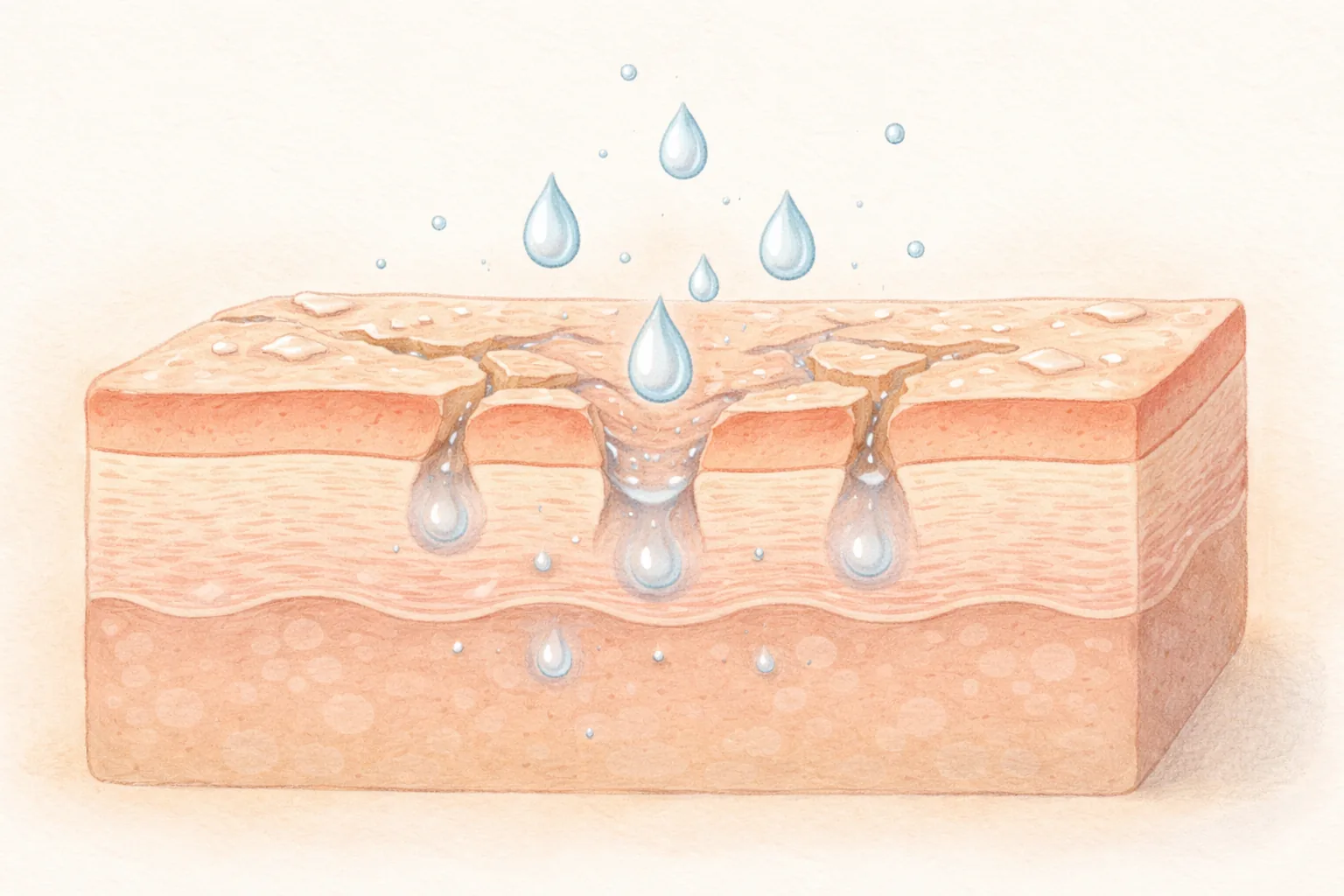
Normal skin keeps a smooth texture because oils in the outer layer prevent water from escaping. According to the MSD Manual, when these oils decrease, water in deeper layers evaporates and skin becomes dry. Dry skin is common, especially after middle age.
Dry skin becomes rough and flakes in small pieces, and in severe cases it cracks. Cleveland Clinic also notes that when dry skin cracks and fissures form, it can become vulnerable to infection. It's also worth remembering that rubbing or scratching itself can lead to infection and scarring.
So how do lasers work? A laser doesn't burn the entire skin; it adjusts wavelength and intensity so energy is absorbed only by targets like pigment, blood vessels, or water. This principle of reducing damage to surrounding normal skin is called selective photothermolysis. On skin with a thinned barrier, the same intensity may be felt as greater irritation, and slower recovery means redness lingers longer.
So low intensity is closer to a control tool than a safety guarantee. For sensitive skin, lowering intensity should go together with lengthening intervals and scheduling sessions in a window where the barrier is stable. Toning isn't a treatment that aggressively peels the skin surface, but the absence of scabs doesn't mean there's no irritation at all.
Three factors that decide the result — intensity, interval, barrier
First is intensity. Even with the same laser, how much energy is delivered changes the irritation your skin receives. If the intensity is too high for your skin condition or repeated without a recovery period, the risk of side effects like burns or hyperpigmentation increases, so for dry and sensitive skin it's safer to start at low intensity and adjust the next session based on how quickly redness subsides after the first treatment.
Second is interval. According to common examples in the ATTITUDE Clinic column, spots are treated at 4–8 week intervals for 1–3 sessions, melasma and widespread pigment at least 1 week apart for 8–12 or more sessions, and pores and skin texture at 4–6 week intervals for 3–5 sessions. These numbers are examples and vary with pigment depth and skin condition. The drier your skin, the more you check recovery speed first and set the next interval accordingly.
Third is the barrier and UV protection. Right after treatment, the skin's defensive barrier is temporarily weakened, so if UV protection is insufficient, hyperpigmentation can develop on newly formed skin and undo the result. The same column recommends applying SPF 50+ sunscreen for at least 2 weeks after treatment and reapplying about every 2 hours outdoors.
Table 1 Three factors that decide the result — intensity, interval, barrier
Laser
Target
Suitable concerns
Common post-treatment reaction (downtime)
Picosecond low-power toning
Pigment
Melasma, widespread pigmentation, dullness
Temporary redness and stinging, several hours to same day
Picosecond high-power (spots)
Epidermal pigment
Relatively well-defined spots
Small scabs, about 7–10 days
Erbium fractional
Skin surface and structure
Pores, skin texture, shallow scars
Redness and sandpaper-like texture for 3–5 days; swelling, oozing, scabs for 7–14 days depending on intensity
Vascular laser (Vbeam)
Blood vessels
Redness, facial flushing
Redness and swelling for a few days; bruising for 1–2 weeks if it occurs
Swipe sideways to see the whole table.
In summary — On dry, sensitive skin, the burden of toning depends on intensity and interval. Start at low intensity, schedule the next session after recovery is complete, and keep UV protection and hydration going before and after treatment — that's what protects the result. Even the same toning requires a different plan depending on barrier condition, so the first consultation examines your skin first.
If this applies to you
When a ceremony or photo shoot is coming up
A first-time treatment right before an event can coincide with redness or sensitized skin on the day. The earlier you start relative to the date, the more options you have for adjusting intensity and timing. Telling us the date at the consultation lets us set intensity and type accordingly.
When you want to steadily manage skin that is both dry and sensitive
Enter at low intensity during a stable barrier window and adjust intervals based on recovery speed. Moisturizer is best applied within 5 minutes of washing, and ingredients that fill the barrier like ceramides help (Cleveland Clinic). If you're also using retinol or exfoliating products, we reassess your condition before treatment.
If you're an international visitor on a short stay
With a fixed itinerary, redness or dryness right after treatment can affect your schedule. Tell us your return date and next plans, and we'll advise on intensity and type accordingly. A plan built on multiple sessions may be hard to complete within your stay, so we focus on checking your response to one session.
When considering treatment in cold, dry weather
Cold, dry weather is among the risk factors for dry skin (MSD Manual). The season itself doesn't block treatment, but during this period it's better to keep hydration and sun protection especially thorough.
Please tell us before your consultation
Recent UV exposure and outdoor activity
Medications you take or apply, and whether you use retinol or acid-based cosmetics
Any experience of redness or hyperpigmentation lingering after previous treatments
Dates when your skin condition matters, such as a wedding, photo shoot, or trip
How ATTITUDE Clinic proceeds
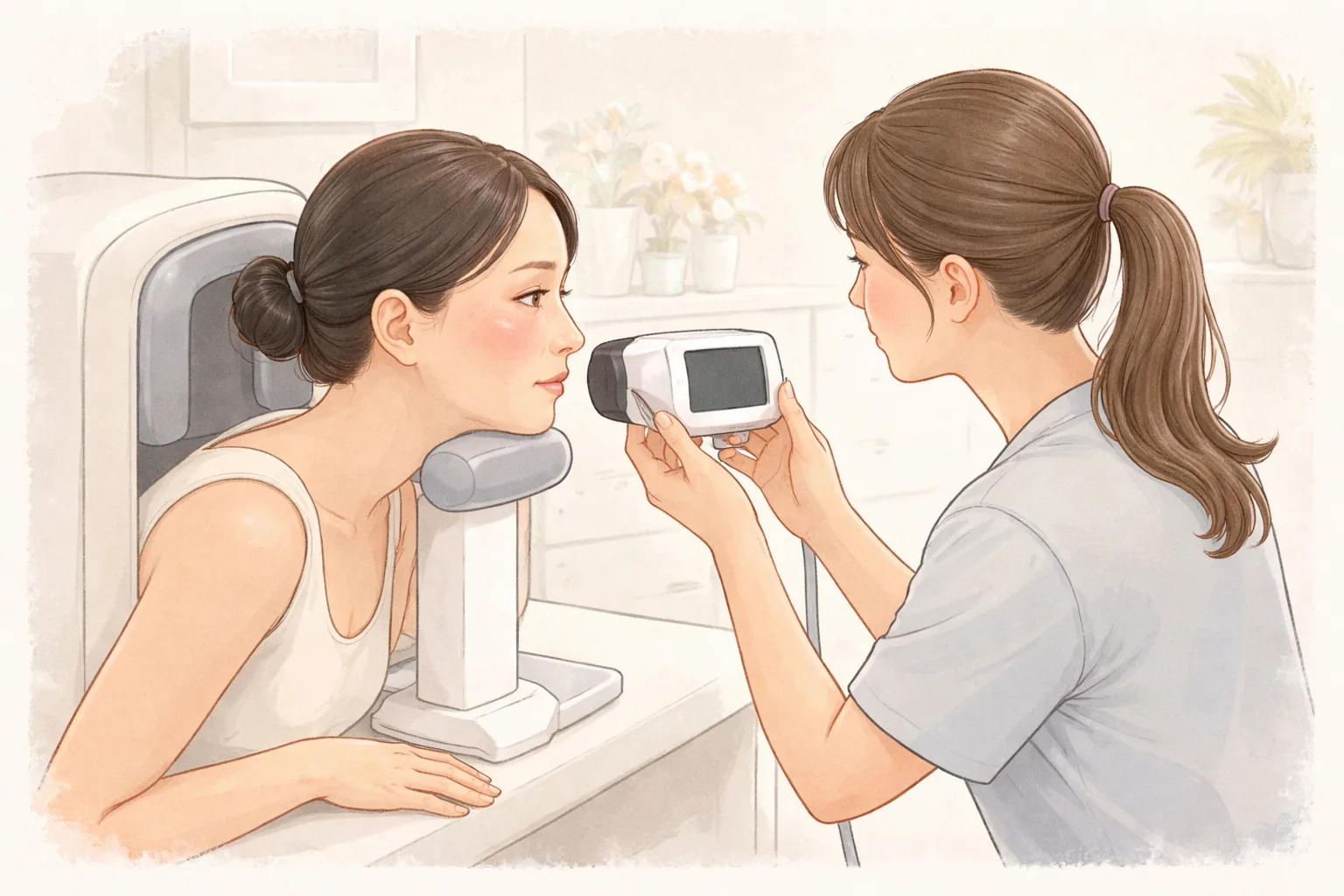
AI skin analysis record — Records and organizes your skin condition to support the consultation. The analysis tool is a recording tool that collects and displays information and does not make a medical diagnosis. Judgment about pigment type and barrier condition is made by the doctor through examination.
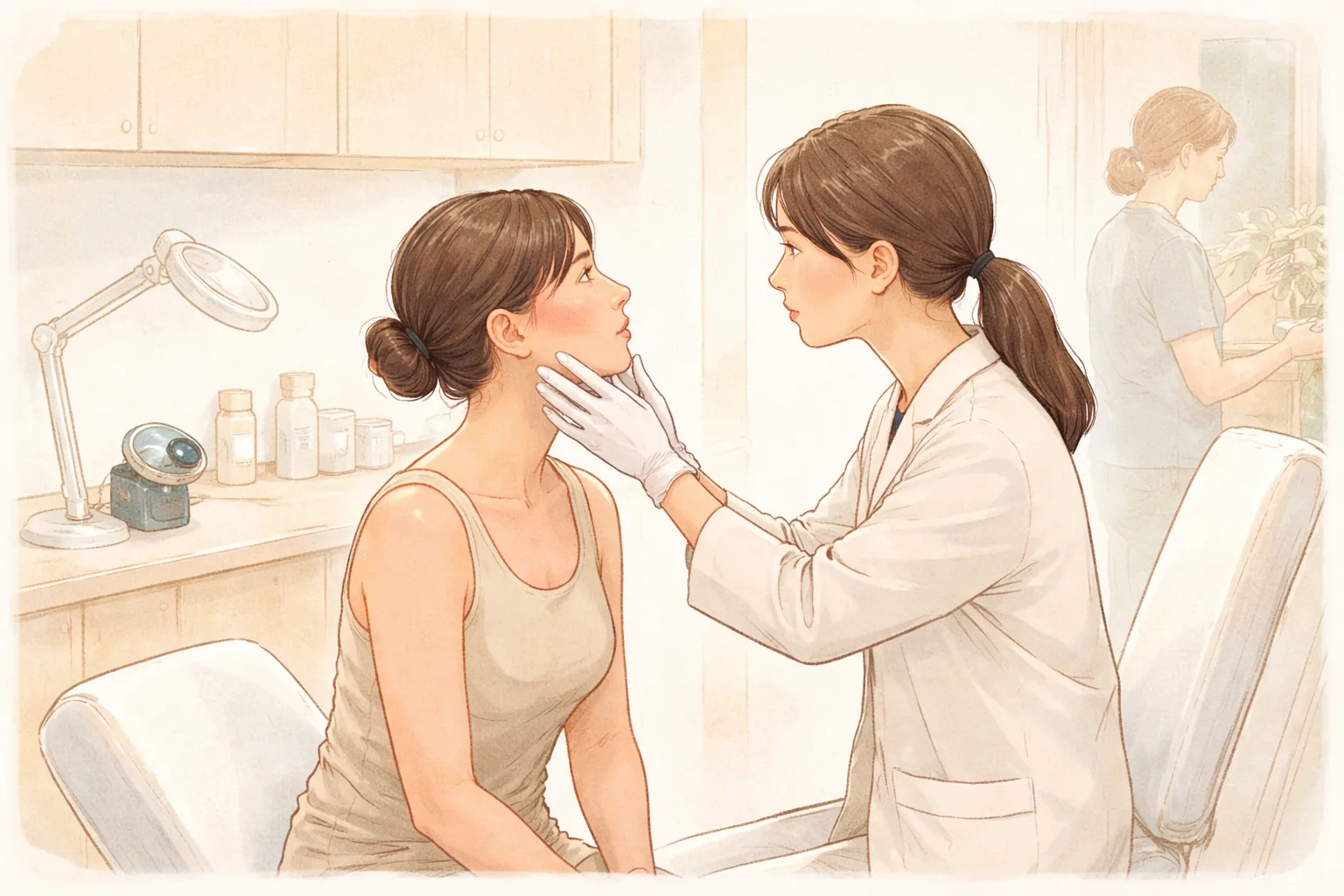
Treatment direction designed in doctor consultation — Analysis records plus your schedule, pain sensitivity, skin history and current products are used to decide treatment type, intensity and timing together. If you've had sensitivity after previous treatments, it's reflected here.
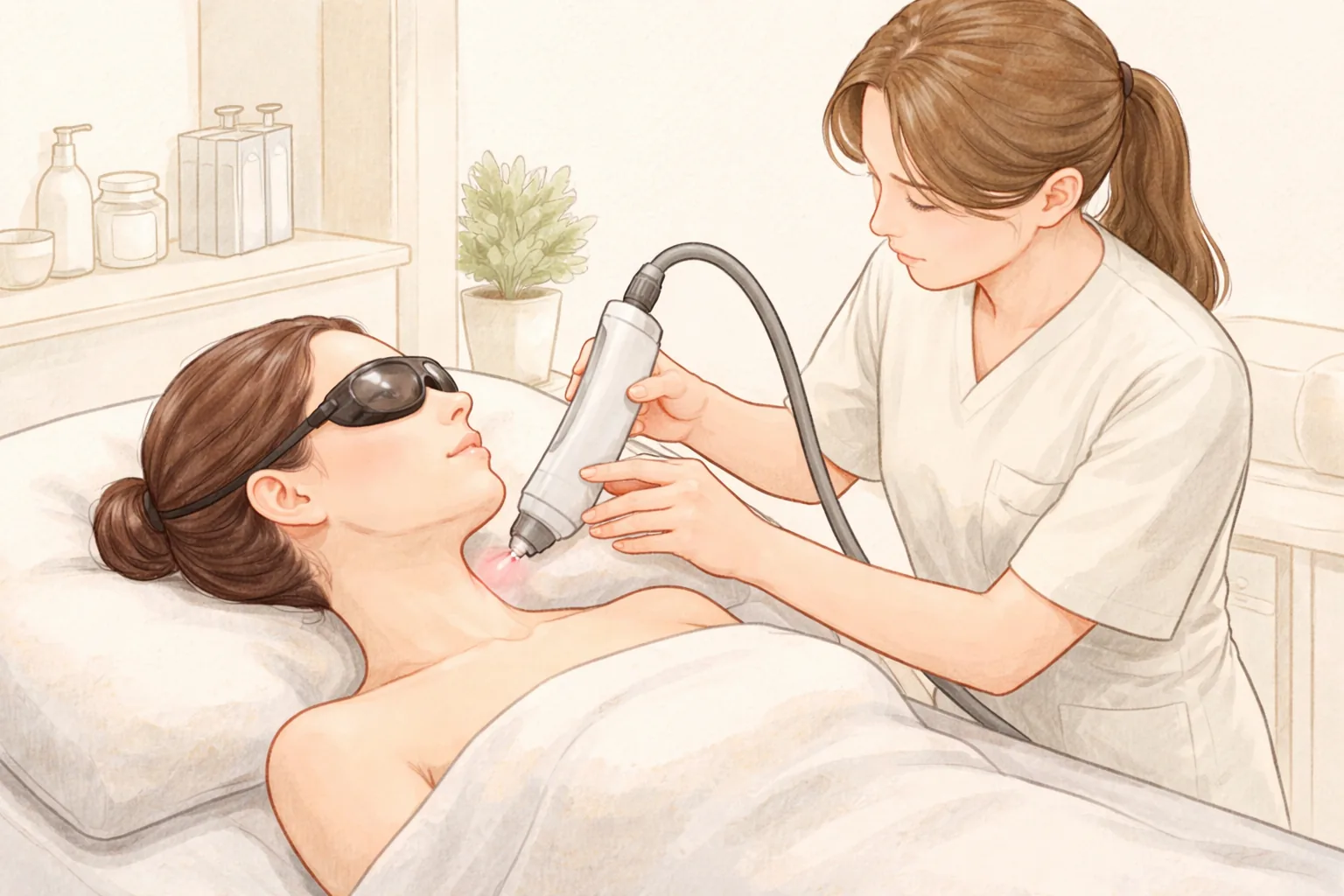
Treatment performed by the doctor — The doctor selects the appropriate device from our available equipment for your pigment type and personally adjusts intensity and combination. Pain varies with laser type and intensity, area, and individual sensitivity, and topical anesthesia is used to reduce discomfort if needed.
Recovery and management — After treatment, management centers on UV protection and hydration, and the intensity and interval of the next session are adjusted based on progress. We do not recommend more sessions than necessary as a matter of principle.
Devices used for this topic are the 1064nm pico laser Picoplus, the 1064nm laser Genesis toning, the 532nm vascular laser Vbeam, and erbium fractional (treatment guide).
Aftercare and side effects
After treatment, manage in this order.
Calming — On the day of treatment, avoid hot water, saunas, steam, and intense exercise. Raising skin temperature can dilate blood vessels and reactivate pigment cells, so reduce heat stimuli during recovery.
Hydration — Fill the barrier with a moisturizer based on ceramides and panthenol. Wash with lukewarm water and pat dry gently without rubbing.
UV protection — Apply SPF 50+ sunscreen for at least 2 weeks and reapply every 2 hours outdoors. Pause exfoliation and scrubs for the advised period.
Progress check — Set the next session's intensity and interval by watching how redness and dryness subside. If scabs form, leave them until they fall off on their own.
Side effects range from common to rare. Redness, heat sensation, swelling, and stinging are common, and treatments that work the surface, like pigment spot or erbium YAG laser, can form scabs. Temporary hyperpigmentation can occur especially if your skin is darker or tanned, and vascular lasers can cause bruising. Rarely, blisters, hypopigmentation, infection, scarring, or pigment returning later can occur. Side effects can occur even with appropriate settings, so before treatment the doctor explains the side effects of the planned laser and settings.
There are also times to visit without waiting. If redness or heat lasts longer than expected or pain worsens, don't endure it — get it checked. The column advises contacting us if redness and stinging last more than 3 days or suddenly worsen.
FAQ
Can I get pico laser toning if I have sensitive skin?
In many cases you can, but the starting point for the decision is whether your skin is currently in a state to handle treatment. While redness is present or stinging and tightness continue, stabilizing the barrier may come before toning. Conversely, if you have dryness but not much redness or heat and recovery is uneventful, you can start at low intensity. This judgment can't be made from skin thickness alone — it considers current inflammation, barrier condition, and reactions after previous treatments together. Telling us your current cosmetics and recent treatment history at the consultation helps set intensity and interval.
How long does it take for the skin barrier to recover?
The time for redness to subside varies widely with laser type and intensity. Low-power toning often calms within several hours to the same day, while surface treatments can involve redness, dryness, and thin scabs for several days (ATTITUDE Clinic column). How quickly the barrier itself refills depends on recovery conditions like hydration, UV protection, and sleep, so it's hard to pin down in days. That's why the next session is set based on your response after the first treatment rather than a pre-set date. While tightness and stinging continue, we adjust by lengthening the interval.
Can hyperpigmentation get worse after treatment?
It's possible. Right after treatment, the skin's defensive barrier is weakened, so if UV protection is insufficient, hyperpigmentation can develop on newly formed skin and undo the result. In conditions like melasma where pigment cells are overactive, strong energy can act as irritation and cause a rebound that darkens pigment, so we use a low-energy repeated approach (melasma and spots column). If you've had pigment darken after a laser before, we don't repeat the same settings but re-examine the response at that time. Two weeks of sun protection after treatment is the basis for reducing this risk.
My skin is flaking — can I remove it?
It's better not to. Dry skin flakes repeatedly, and using exfoliating products to peel it off can strip more layers than expected, creating a cycle of having to soothe newly damaged skin again (Cleveland Clinic). Scabs after treatment are the same — leave them until they fall off on their own, and picking at them can damage new skin tissue and leave hyperpigmentation or scars. Instead, fill the barrier with a ceramide moisturizer and avoid irritating scrubs and saunas for the advised period. If flaking continues for a long time, we take it as a signal to lengthen treatment intervals.
What should I look for when choosing a clinic?
It's better to look at the order of care than the equipment list. The first criterion is whether they check before treatment whether your concern comes from pigment, blood vessels, or a barrier problem. The second is whether they recommend only necessary treatments and don't rigidly set the number of sessions or intensity. The third is whether they explain pain, recovery schedule, and post-treatment precautions at the consultation, and the fourth is whether it's a place where you can get checked if discomfort arises after treatment. Rather than whether they have analysis equipment, how they interpret that record and reflect it in the plan helps your decision.
At a glance
Table 2 At a glance
Item
Key point
Conditions that increase burden
Intensity stronger than your skin condition, repeating before recovery
What low intensity means
Not a safety guarantee but a control tool, viewed together with interval
Basis for minimum interval
Very frequent toning has been reported in association with mottled hypopigmentation, so usually at least 1 week
This article offers general health information. It is not a substitute for diagnosis or treatment based on your own condition, so please talk through your situation with a doctor.