Pico Toning for Skin Laxity and Firmness: Who It Suits and What to Expect
Pico toning targets pigment, not sagging. Here's what picosecond lasers can and can't do for firmness, which skin types and ages benefit, and what to check before treatment.
Written by ATTITUDE Clinic Editorial Team
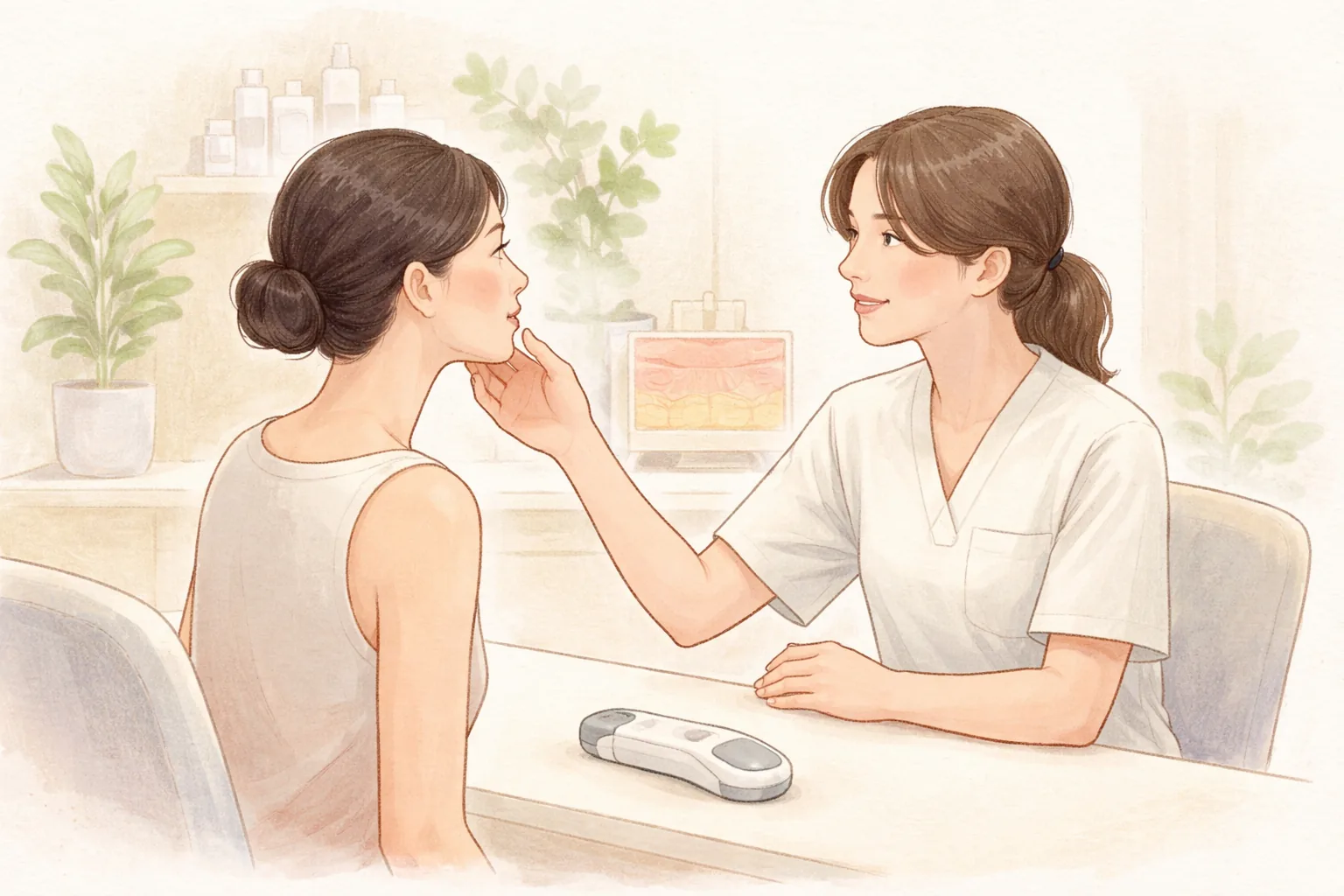
A question that comes up often from people looking into pico toning: "I heard it doesn't just remove spots — it regenerates skin and boosts elasticity. Will it help my sagging face too?" It's a treatment known for clearing pigment, but the words "regeneration" and "firmness" get attached to the name, and expectations grow. This article walks through what a pico laser actually does in the skin, how far it can influence firmness and sagging, and which skin types and ages this treatment suits.
The bottom line first
The primary target of a picosecond laser is melanin pigment. It delivers strong energy to pigment in an extremely short burst, shattering the particles so the body can gradually clear them. It is not a device that creates lifting force in the skin. Of course, when pigment fades, skin tone looks brighter, and that can create the impression of firmer skin. But laxity is caused by changes in dermal collagen and elastic fibers and loosening of the SMAS layer, and those are addressed with deep-heat approaches like HIFU (high-intensity focused ultrasound) or RF (radiofrequency). So the question "Is a pico laser good for firmness too?" is really a question of "Is pigment my main concern, or is sagging?"
What does a picosecond laser do in the skin?
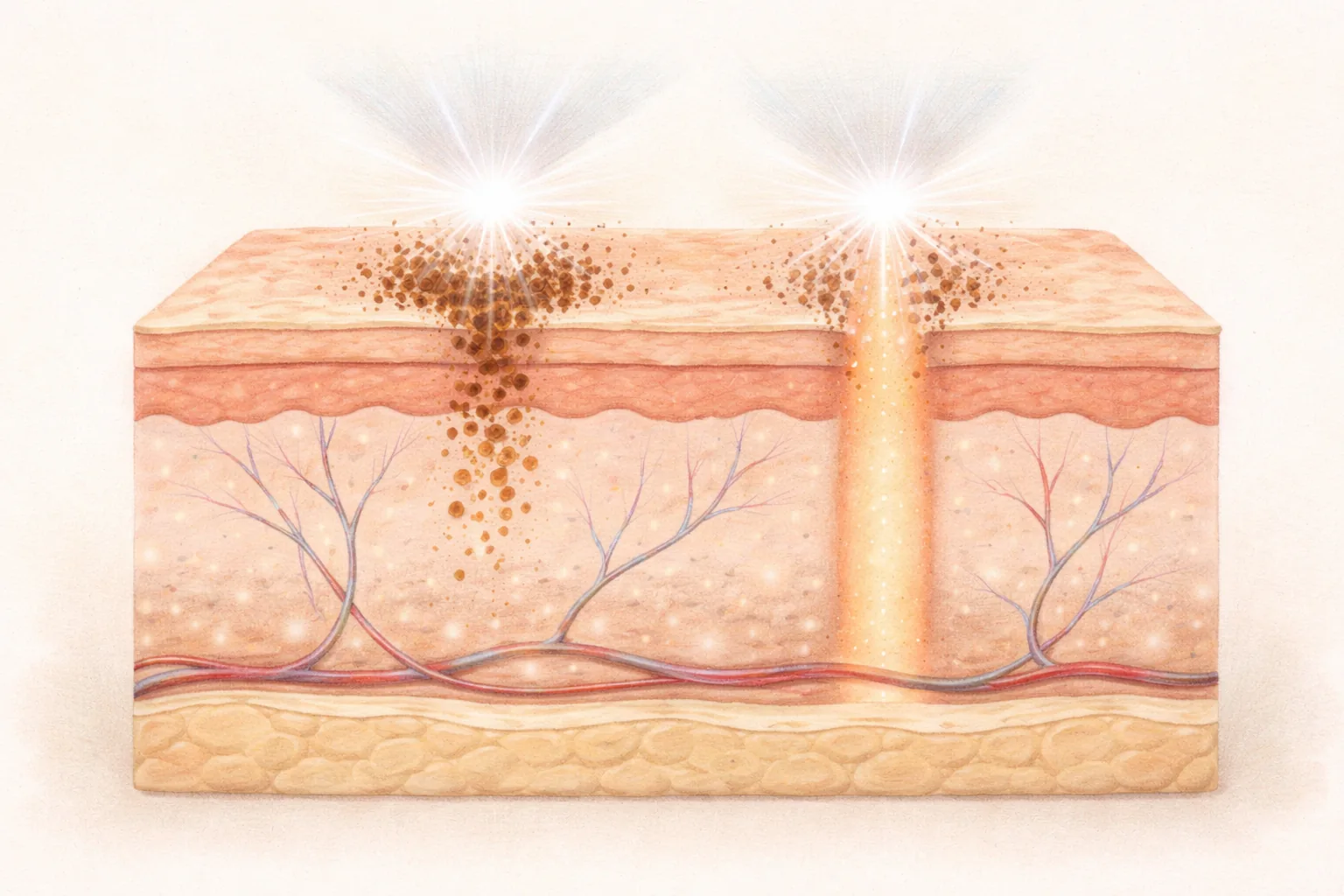
One of the basic principles of dermatologic lasers is selective photothermolysis — targeting energy at a specific target while leaving surrounding tissue less affected. Picosecond lasers follow this principle. "Picosecond" means the light pulses on and off in about one trillionth of a second. Delivering energy in such a short burst relatively limits how much heat spreads to surrounding tissue while shattering pigment into fine particles. Because the wavelength selectively absorbs melanin, it can focus on areas where pigment sits, such as spots or pigmentation. ATTITUDE Clinic's column also describes the picosecond family as "a method that selectively breaks up pigment only" (spots, redness and scars laser column).
So why do the words "regeneration" and "firmness" follow it around? There are separate lasers that prompt the skin to regenerate on its own. A fractional laser (such as erbium fractional) creates tiny column-shaped micro-injuries without burning the entire surface — that's closer to the regeneration side. It delivers energy through only some of the holes, like a sieve, leaving the rest intact. The undamaged surrounding cells receive regeneration signals, produce new collagen, and fill in the tissue. While a picosecond laser deals with pigment, the regeneration-inducing role is often handled by the fractional family. Even with the same word "laser," different targets produce different results.
Where are firmness and sagging determined?
Facial sagging isn't explained by a single cause. As skin ages, it gradually thins, loses elasticity, and the attachment between subcutaneous fat and skin weakens, causing it to sag downward with gravity. According to Asan Medical Center, in the aging face, elastic fibers and collagen fibers in the dermis degenerate, elasticity drops, and the structures supporting the skin and soft tissue weaken, causing tissue to sag. These changes begin in the early 30s, and UV damage is thought to be closely linked to wrinkles, melasma, and further to skin cancer development (Asan Medical Center aging face).
Non-surgical skin tightening treatments deliver heat to these deeper layers. According to the American Academy of Dermatology, ultrasound, radiofrequency, or lasers send heat to induce collagen production, and it takes time for the body to make collagen. Ultrasound treatments usually show results over 2–6 months. Radiofrequency treatments may produce some immediate tightening after a single session, with peak results around 6 months, and results may last 2–3 years with proper skin care (AAD, Many ways to firm sagging skin). Pico lasers take a different path. They focus on shattering pigment and are not designed to stack heat in deep layers for collagen remodeling — keeping that distinction in mind brings expectations closer to reality.
When pigment is the main concern: conditions where pico lasers work well
Pico lasers work best when pigment is the primary concern. Pigment with relatively clear borders like spots, brown marks left after acne, or an overall dull tone fall into this category. Melasma, on the other hand, is a pigment condition influenced by hormones, and delivering strong laser energy all at once can actually make pigment darker. So melasma is safely treated with low power over many sessions, clearing it gradually (spots, redness and scars laser column). Even on the same face, the strategy differs: spots are targeted precisely while melasma is treated gently and divided up.
Age itself is not a criterion for whether a pico laser suits you. Settings and timing vary based on the type and depth of pigment, skin type, recent UV exposure, and medications you're taking. However, after age 40, when sagging becomes more noticeable, pigment and firmness concerns often overlap. It's better to plan together when to fit in HIFU or RF while clearing pigment with a pico laser. The AAD lists good candidates for non-surgical tightening as people with mild sagging, stable weight, and good sun protection habits, and notes that tightening procedures may not help when sagging is significant (AAD). This guideline is worth referencing when considering pico lasers alongside firmness treatments.
Pigment goals vs. firmness goals: how to divide the devices
Here's how the lasers and lifting devices used at ATTITUDE Clinic break down by target. Even treatments with the same name have different roles depending on the layer they target.
Table 1 Pigment goals vs. firmness goals: how to divide the devices
Approach
Example device
Target
Role in firmness and sagging
Picosecond toning
PicoPlus 1064nm
Melanin pigment
Clears pigment to even out tone. Not designed to directly lift sagging
Pico spot removal
Pico spot 532nm
Localized spots
Removes spot-by-spot pigment. A different axis from firmness and sagging
Fractional
Erbium fractional
Skin surface, texture, shallow scars
Promotes regeneration after micro-injury to refine texture. Not a treatment that lifts deep sagging
HIFU
Ultherapy, Shurink
Dermis to deep SMAS layer
Creates small thermal points at set depths to induce collagen remodeling. Mainly used for jawline and sagging
RF
Thermage
Broadly from dermis to subcutaneous fat
Heats a broad area to improve firmness. Used for skin texture and widespread loss of firmness
Swipe sideways to see the whole table.
The HIFU and RF descriptions in the table are based on principles outlined in ATTITUDE Clinic's lifting column. HIFU focuses ultrasound energy to a point like a lens concentrating light, creating small thermal points at a set depth, while RF converts electrical energy into heat as it passes through tissue, broadly warming from the dermis to subcutaneous fat (Ultherapy, Shurink and Thermage column). In this table, the pico laser stands on the pigment axis, while HIFU and RF stand on the firmness axis.
In summary The pico laser is on the axis of clearing pigment to even out skin tone, while sagging and firmness are on the axis of delivering heat to deep layers. If both concerns overlap, dividing your goals and setting an order — rather than trying to solve everything with one device — reduces the burden on your skin. Whether to clear pigment first, address firmness first, or do both on the same day is decided after assessing your skin condition.
In these situations
If you have a wedding or photo shoot in a few weeks
Packing a first-time treatment right before a wedding can mean redness or sensitized skin overlapping with your schedule. Low-power picosecond toning tends to have short downtime — a few hours to the same day — but settings that cause crusting, like spot removal, can take about 7–10 days. The earlier you start, counting back from your date, the more options you have (laser column).
If you want to manage pigment steadily while also thinking about firmness
Rather than going strong all at once, respecting the intervals your skin needs to recover and treating periodically is less burdensome. For spots, 1–3 sessions at 4–8 week intervals is a common example, and for melasma toning, 8–12 or more sessions at minimum 1-week intervals is often the approach (spots, redness and scars laser column). Firmness treatments need time for collagen to be produced after the procedure, so they're scheduled so they don't overlap with your pigment plan.
If your skin is sensitive or prone to redness
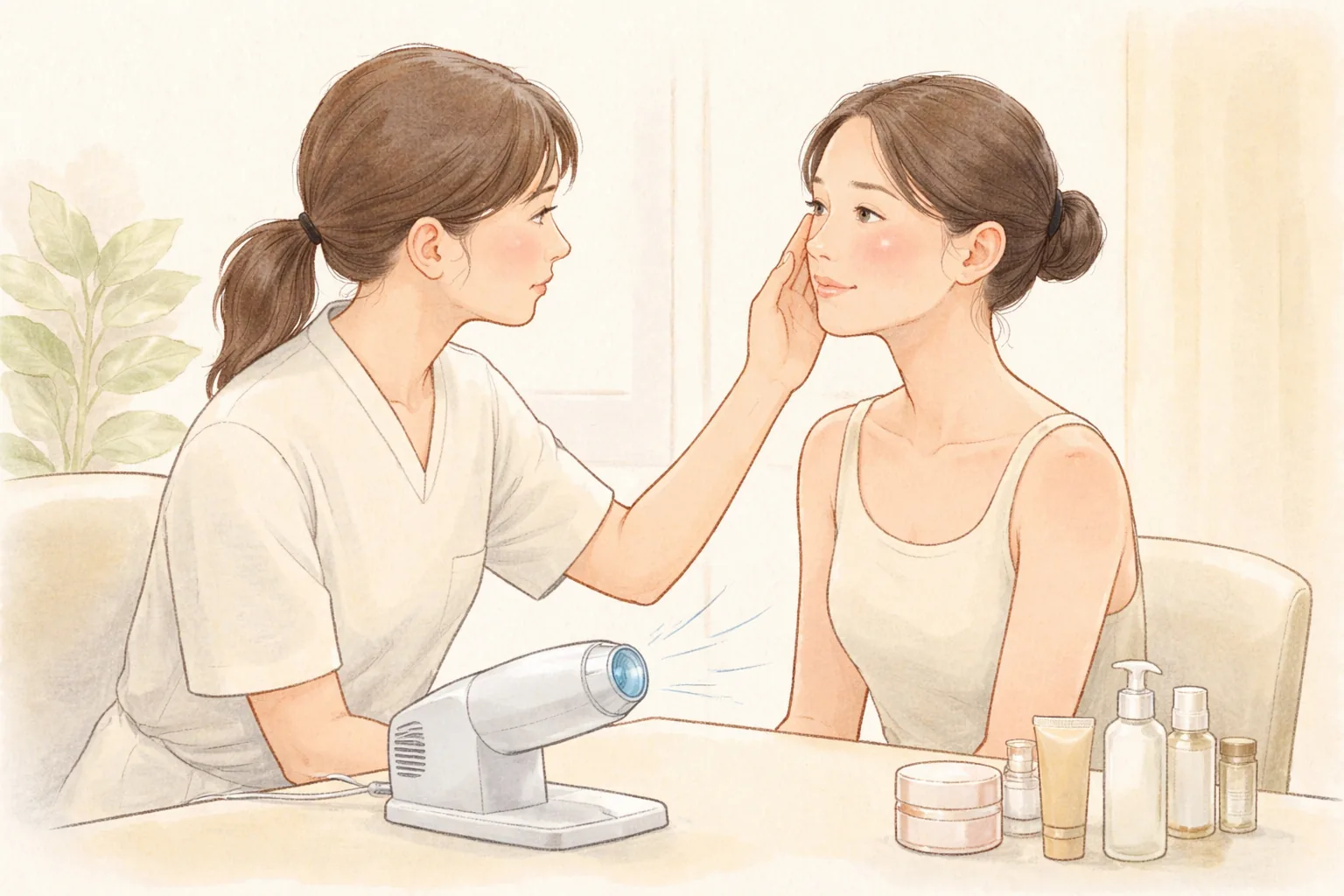
Picosecond lasers deliver energy in a short burst to reduce heat burden on surrounding tissue, but if your skin is highly reactive, it's safer to lower the settings and allow generous intervals. If redness is your main concern, vascular lasers are considered before pico lasers. Letting us know about past sensitivity and the cosmetics you're using helps with setting adjustments.
If you're an international visitor on a short stay
If you have a fixed return date, redness or dryness right after treatment could affect your plans. Letting us know your length of stay and upcoming schedule in advance lets us adjust intensity and treatment type accordingly. Settings that cause crusting are best avoided when your schedule is tight.
Please tell us before your consultation
Whether you've had significant recent UV exposure
Medications or topicals you're using, especially retinoids or irritating ingredients
Any experience of skin becoming sensitive after a previous treatment
Fixed dates such as weddings, photo shoots, or travel
How ATTITUDE Clinic proceeds
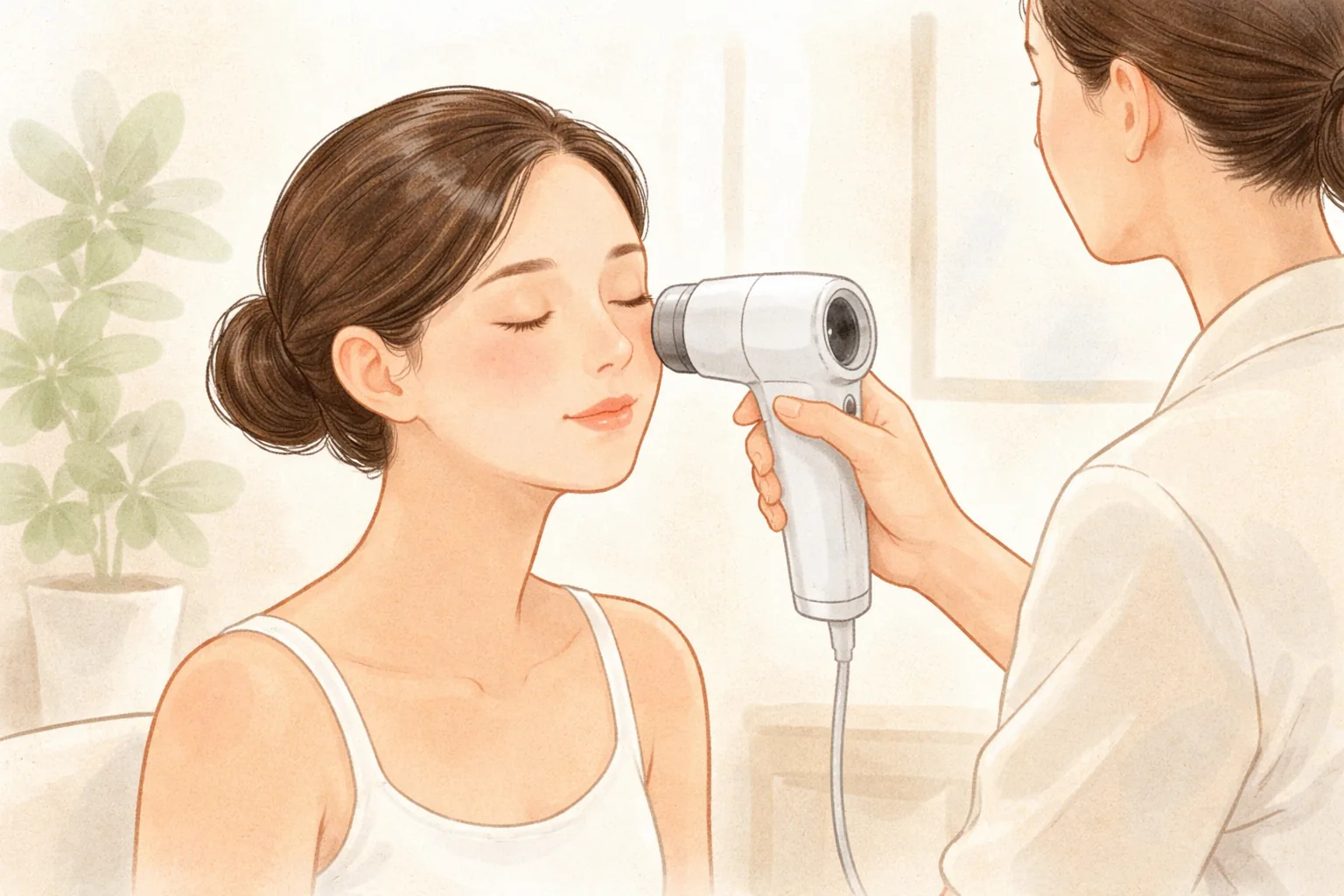
AI skin analysis record — We record your current skin condition including pigment, redness, texture, and pores. The analysis tool records and organizes information to support consultation; it is not a medical diagnosis.
Treatment plan designed in doctor consultation — We add your schedule, pain sensitivity, and skin history to the analysis record, then divide pigment goals and firmness goals. We decide together which devices to use at which intervals.
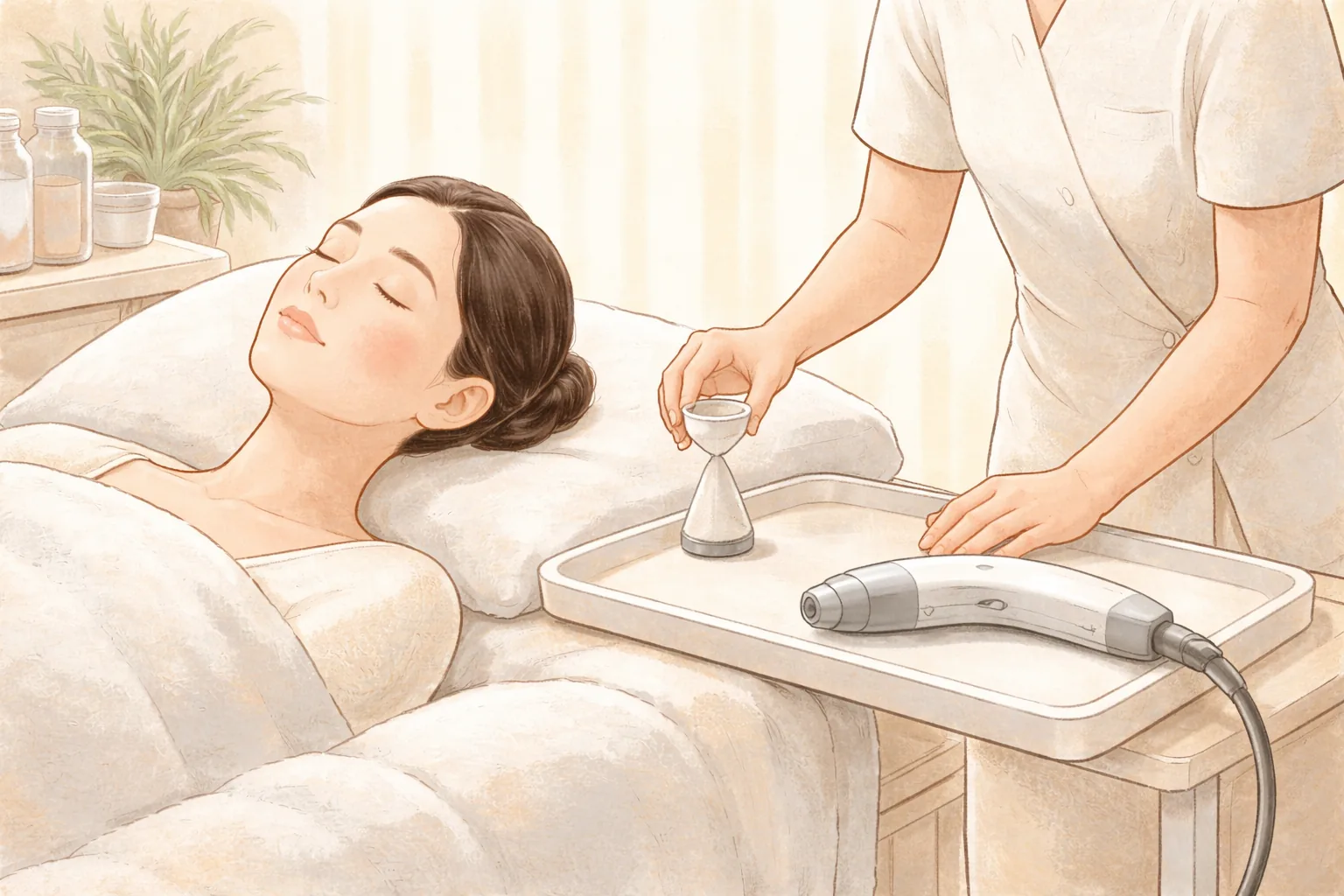
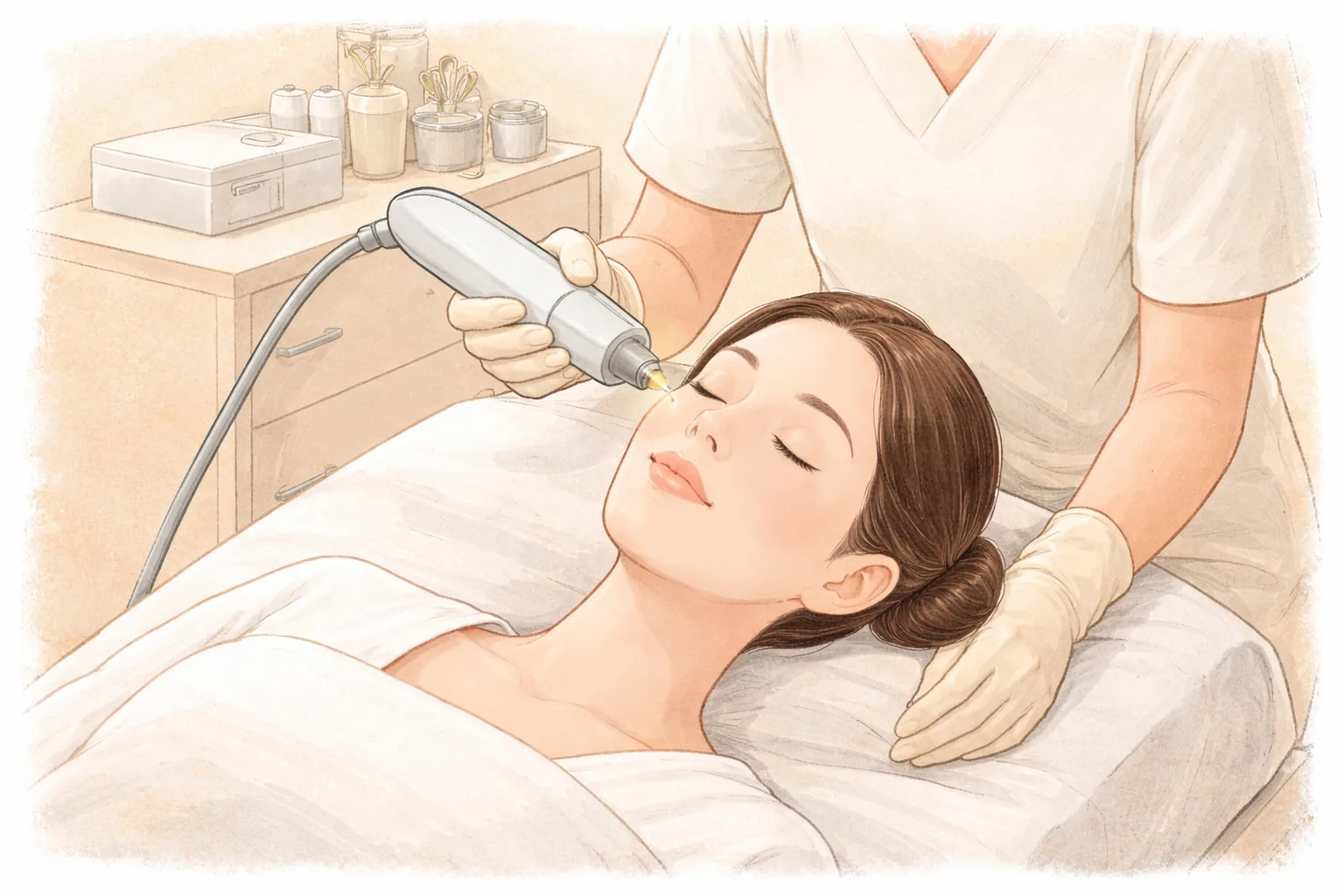
Treatment performed by the doctor — If needed, topical anesthesia reduces discomfort, and the doctor performs the treatment directly. We don't recommend more treatment than necessary.
Recovery and aftercare guidance — We guide you on sun protection, moisturizing, and irritants to avoid after treatment, and check on your progress.
The devices used for this topic include PicoPlus, Pico spot, erbium fractional, Genesis toning, Vbeam, Potenza, Ultherapy and Shurink, and Thermage. Pico toning uses a 1064nm pico laser for pigment and brightening, while Pico spot uses a 532nm pico laser for pigment removal (treatments and pricing). Lasers are not a case of "stronger and more often is better" — even with the same laser, adjusting wavelength, energy, treatment area, and intervals to your skin condition determines results and safety (laser column).
Aftercare and side effects
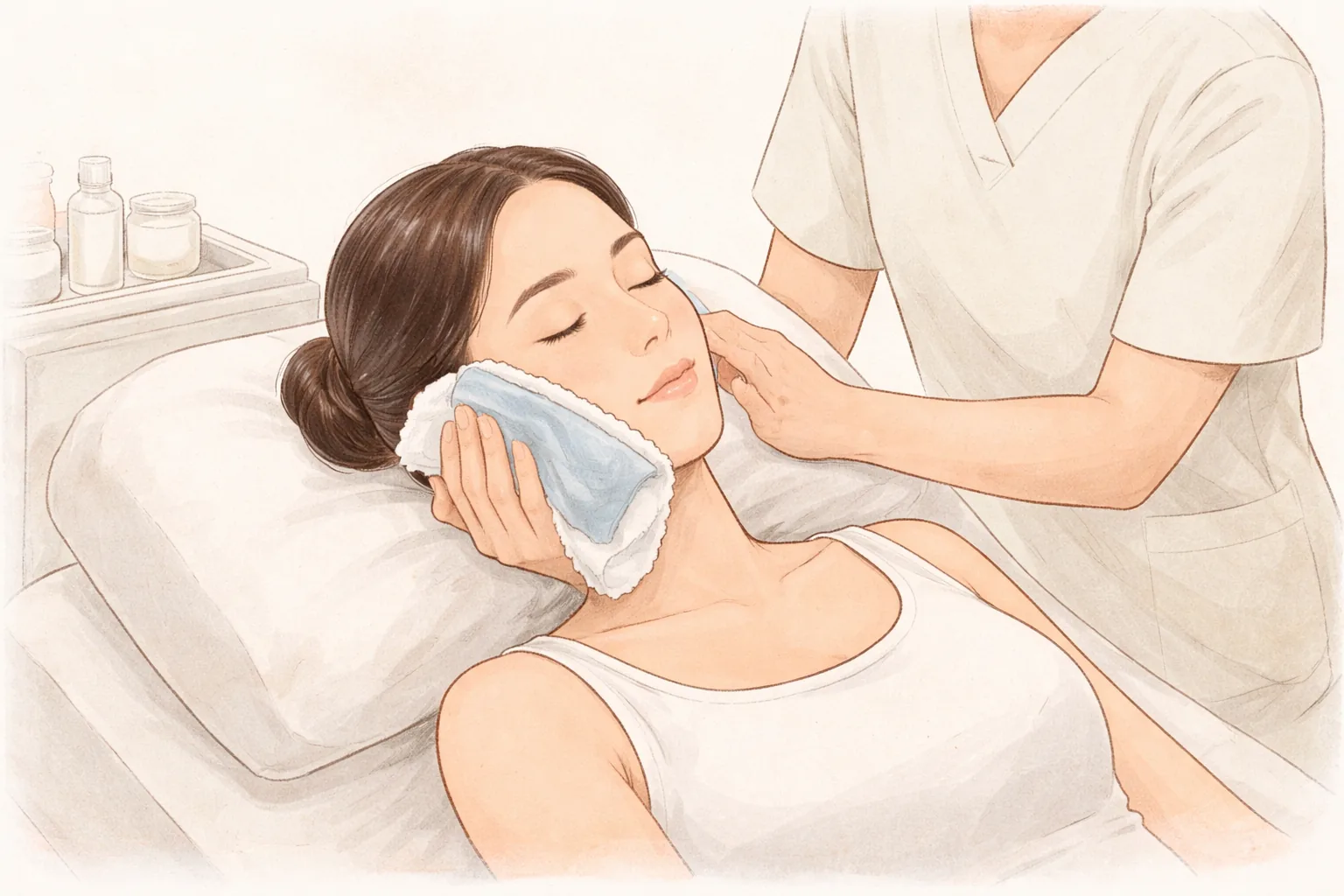
Soothing — Redness and heat may remain right after treatment. Calm them with cold packs or soothing care, and avoid saunas, intense exercise, and alcohol on the day.
Moisturizing — The skin barrier is temporarily weakened and tends to dry out. Apply a gentle moisturizer generously.
Sun protection — If you don't properly block UV during recovery, pigmentation can develop on newly formed skin and undo the results. Apply SPF 50+ sunscreen for at least 2 weeks, and reapply about every 2 hours outdoors.
Progress check — For treatments that cause crusting, don't pick at it — let it fall off on its own. If redness or stinging lasts more than 3 days or suddenly worsens, don't wait — come in to be checked.
Common reactions include redness, heat, swelling, and stinging. Treatments involving peeling, such as spot removal or erbium fractional, can cause thin crusts to form and temporary pigmentation may occur. Vascular lasers can cause bruising. Rarely, blisters, hypopigmentation, infection, scarring, or pigment rebound can occur. These possibilities are explained before treatment based on the planned device and settings (laser column). If redness or heat lasts longer than expected or pain worsens, it's safer to come in rather than wait.
Frequently asked questions
Does pico toning improve skin regeneration or firmness too?
The main action of a picosecond laser is breaking down pigment. As pigment fades, skin tone looks brighter and can give a firmer impression, but its purpose differs from treatments that stack heat in deep layers to create new dermal collagen and elastic fibers. The fractional laser is the one focused on inducing regeneration, while sagging and firmness are handled by HIFU or RF. If you're concerned about both pigment and firmness, setting priorities in consultation is the right first step.
What's the difference between laser toning and pico toning?
Both are toning approaches that treat pigment with low energy in divided sessions, but which wavelengths and devices are used affects the depth of pigment targeted and the intensity design. Picosecond lasers have a pulse duration of about one trillionth of a second, relatively reducing heat burden on surrounding tissue while shattering pigment into fine particles. Even within the pico family, 1064nm is used for pigment and brightening, while 532nm is used for spot removal (treatments and pricing). Ultimately, identifying what type of pigment you have matters more than the device name.
How many pico toning sessions before I see results?
It depends on the type and depth of pigment. For spots, 1–3 sessions at 4–8 week intervals is a common example, and for broad, sensitive pigment like melasma, 8–12 or more sessions at minimum 1-week intervals is often the gradual approach. These are just common examples, and the number of sessions needed varies with UV exposure and lifestyle. The number and intervals are decided after checking your skin condition at the first consultation (spots, redness and scars laser column).
Is pico toning painful? What about downtime?
Low-power toning typically causes stinging and temporary redness, with downtime as short as a few hours to the same day. If power is increased, such as for spot removal, crusts form and it can take about 7–10 days. Pain varies with energy intensity, treatment area, and individual sensitivity, so if you're sensitive, let us know at consultation and we'll guide you on anesthesia options. Treatments that cause crusting are best avoided when your schedule is tight.
What should I check when choosing a clinic for pico laser?
First, see whether they distinguish between types of pigment. Melasma and spots are treated differently, so even with the same pico toning, power and interval design should differ. Next, check whether they review your skin condition, schedule, and medications before treatment, and whether they guide you on sun protection and progress checks afterward. Cost varies with treatment area and session structure, so rather than comparing single-session prices, it's better to see whether the overall plan includes only what you need. You can also ask in consultation whether they follow the principles of authentic products, proper dosing, and fair pricing.
At a glance
Table 2 At a glance
Item
Key point
Main target of picosecond laser
Melanin pigment
Cause of firmness loss and sagging
Degeneration of dermal collagen and elastic fibers, weakened support structure
Pico laser and firmness
Not a treatment that directly lifts sagging; evens tone by clearing pigment
Approaches for firmness
HIFU (Ultherapy, Shurink), RF (Thermage), etc.
Best suited for
Skin where pigment is the main concern and sagging is mild
Key aftercare
Sun protection, moisturizing, don't pick at crusts
This article offers general health information. It is not a substitute for diagnosis or treatment based on your own condition, so please talk through your situation with a doctor.