Rejuran Skin Booster Pain: Why Area and Injection Method Decide How It Feels
Rejuran skin booster pain depends on area and injection method. Learn how rejuran pain is managed, how anesthesia is chosen, and what reactions to expect. Rejuran eye, rejuran skincare.
Written by ATTITUDE Clinic Editorial Team
When people look into a skin booster, the first question is usually "how much does it hurt?" Stories about multiple needle pricks, numbing cream applied beforehand, and friends who barely felt a thing all get mixed together, making it hard to know what to expect. This article goes through, in order, what sets the level of discomfort, what anesthesia options exist and when they are decided, and what reactions remain after treatment and for how long.
The short answer
Skin booster pain is determined by the area, the injection method, the number of injection points, the anesthesia method, and how you feel that day—more than by the product name. Because the ingredient is placed into the dermis, some stinging as the needle passes is expected, and injection marks, swelling, or bruising can remain afterward. Anesthesia combines numbing cream, cold packs, and nerve-block injections to suit the situation, and which method to use and how long to wait are decided during the consultation. Even with the same product, thin areas like the forehead and eye area feel more sensitive, while the cheeks and jawline feel relatively less so. So rather than "skin boosters hurt," what matters is where on your face, how many points, and with which tool the product is placed.
What determines the pain?
As the ATTITUDE Clinic column on skin boosters ("water glow" injections) and PN boosters notes, discomfort varies widely with the treatment area and your personal pain threshold (water glow injection column). Each needle entry means another stinging moment.
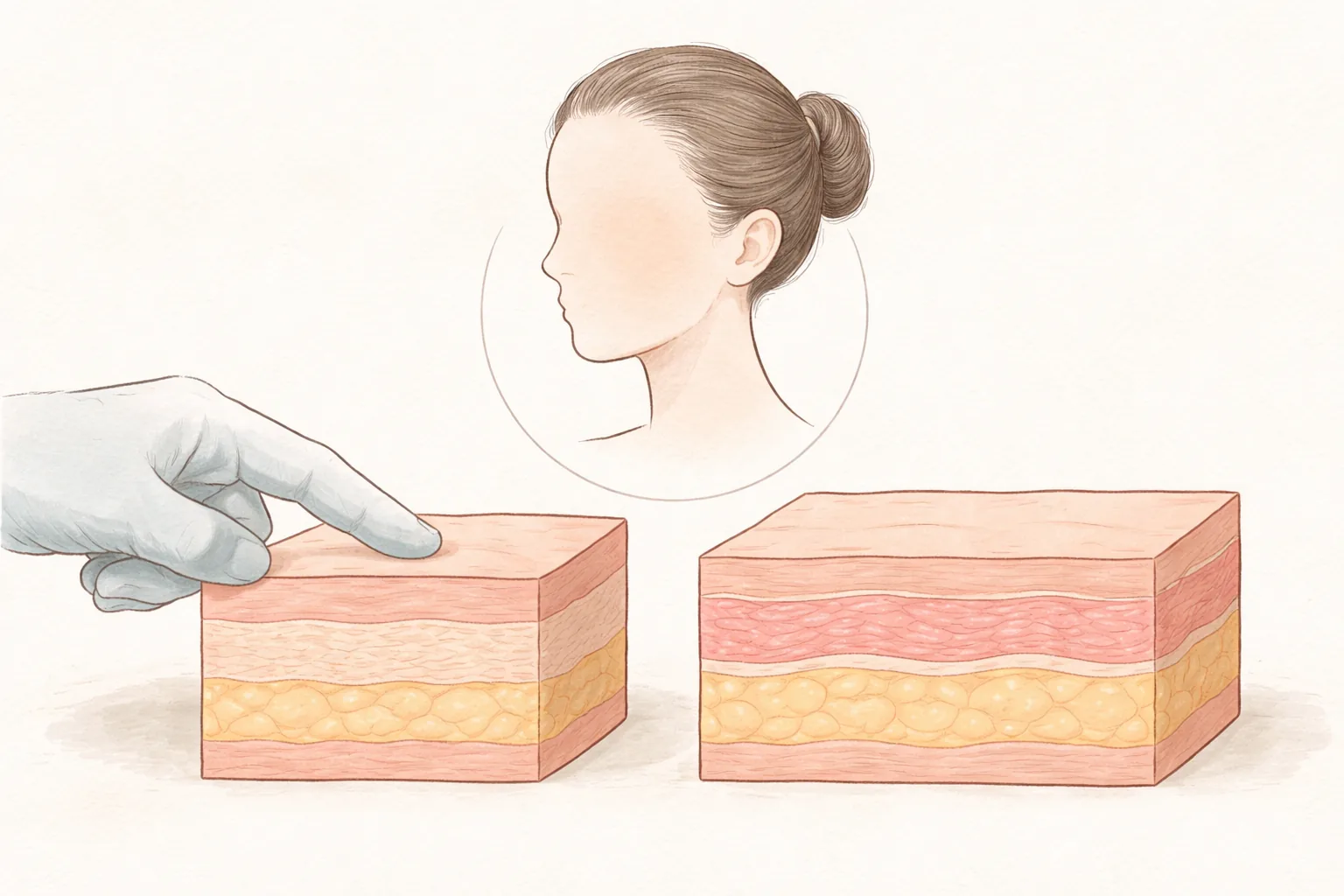
Area makes a big difference. The forehead, eye area, and around the lips—thin tissue close to bone—feel more sensitive to the same stimulus, while thicker areas like the cheeks and jawline feel relatively less. The number of injection points matters too. The more densely the face is divided, the more needle entries occur, so the experience differs from a treatment that sweeps broadly in one pass.
Pain thresholds vary from person to person. Even with the same area and the same number of points, one person shrugs it off while another wants a pause midway. This difference is not about willpower—it reflects the distribution of sensory nerves, your skin's current condition, sleep, and how you feel that day.
What anesthesia options exist, and when are they decided?
For injections, the American Academy of Dermatology advises that cold packs, topical numbing cream, and nerve-block injections are used depending on the situation (AAD filler guidance). The same guidance notes that areas with less sensation, like the hand, often need no anesthesia, while sensitive areas like the lips commonly use a nerve block. This covers injections in general; which method is used for a skin booster depends on the area and the injection plan.
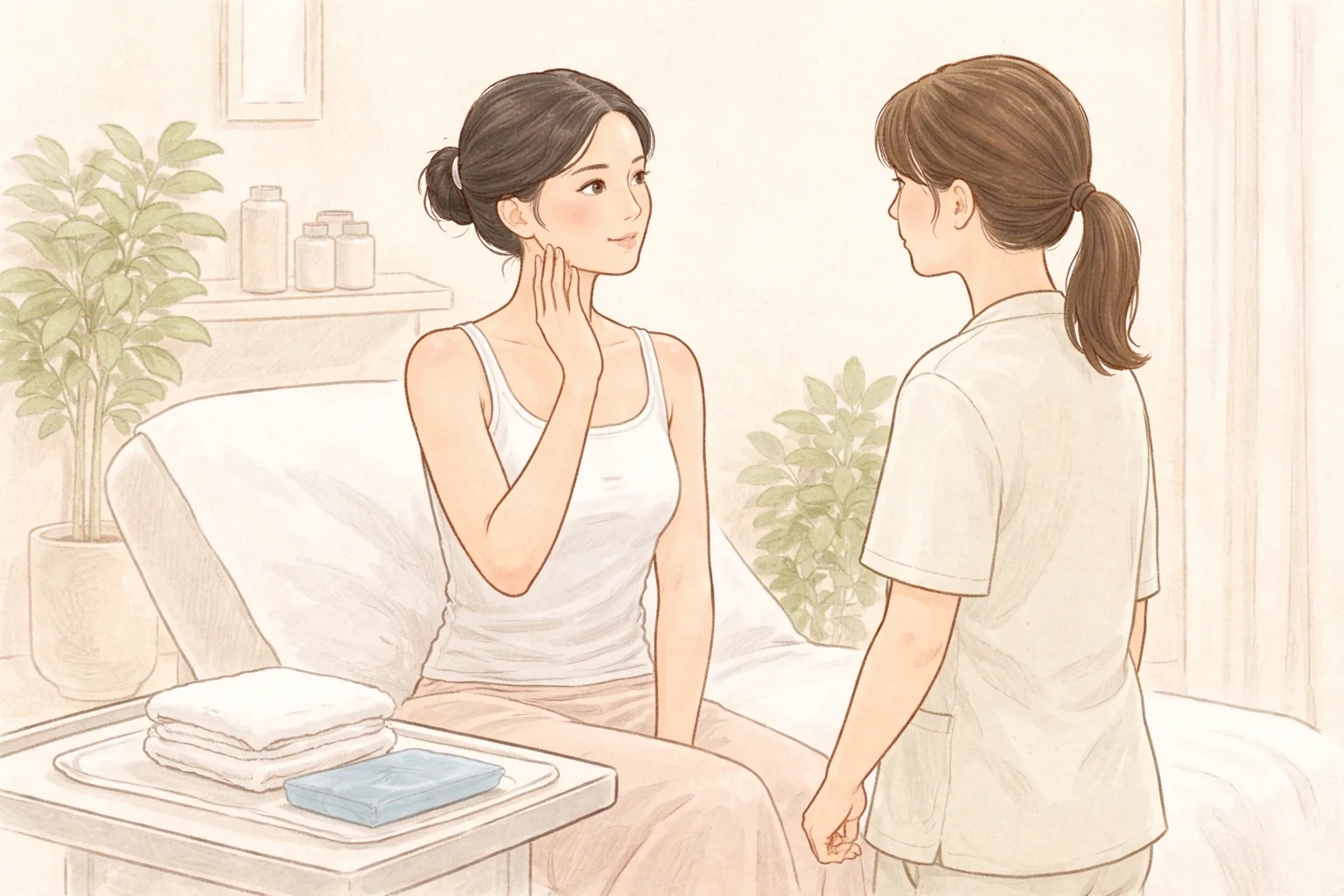
Topical numbing cream does not work immediately. It needs time on the skin to take effect, so if the anesthesia method is decided at your consultation, it helps to arrive on the treatment day with that much extra time. A nerve-block injection is considered when treating sensitive areas; since it means one more injection, its need and order are reviewed together during the consultation.
The AAD recommends asking, at a cosmetic consultation, whether anesthesia will be used during the procedure, what the risks are, and how long recovery takes (AAD consultation checklist). Anesthesia is not an add-on to the procedure—it is part of the pain and recovery plan.
Needle, cannula, and injection tool change how it feels
The same product feels different depending on the tool. The ATTITUDE Clinic column explains that injecting many points densely with a fine needle repeats brief stinging moments, while a cannula—a thin tube with a rounded tip—inserted to spread the product from within stings only on entry, with relatively less discomfort afterward (water glow injection column).
The choice of tool is not a preference; the area and goal decide it. Areas that need different depths and amounts point by point favor a fine needle, while spreading evenly over a broad area suits a cannula. It is common to use different approaches for different zones of the same face.
One common misconception: "a cannula means no pain" is not accurate. You still feel the initial entry, and bruising or swelling does not disappear. It is closer to reducing the repeated prick of a needle.
Treatment day and the next day: what remains?
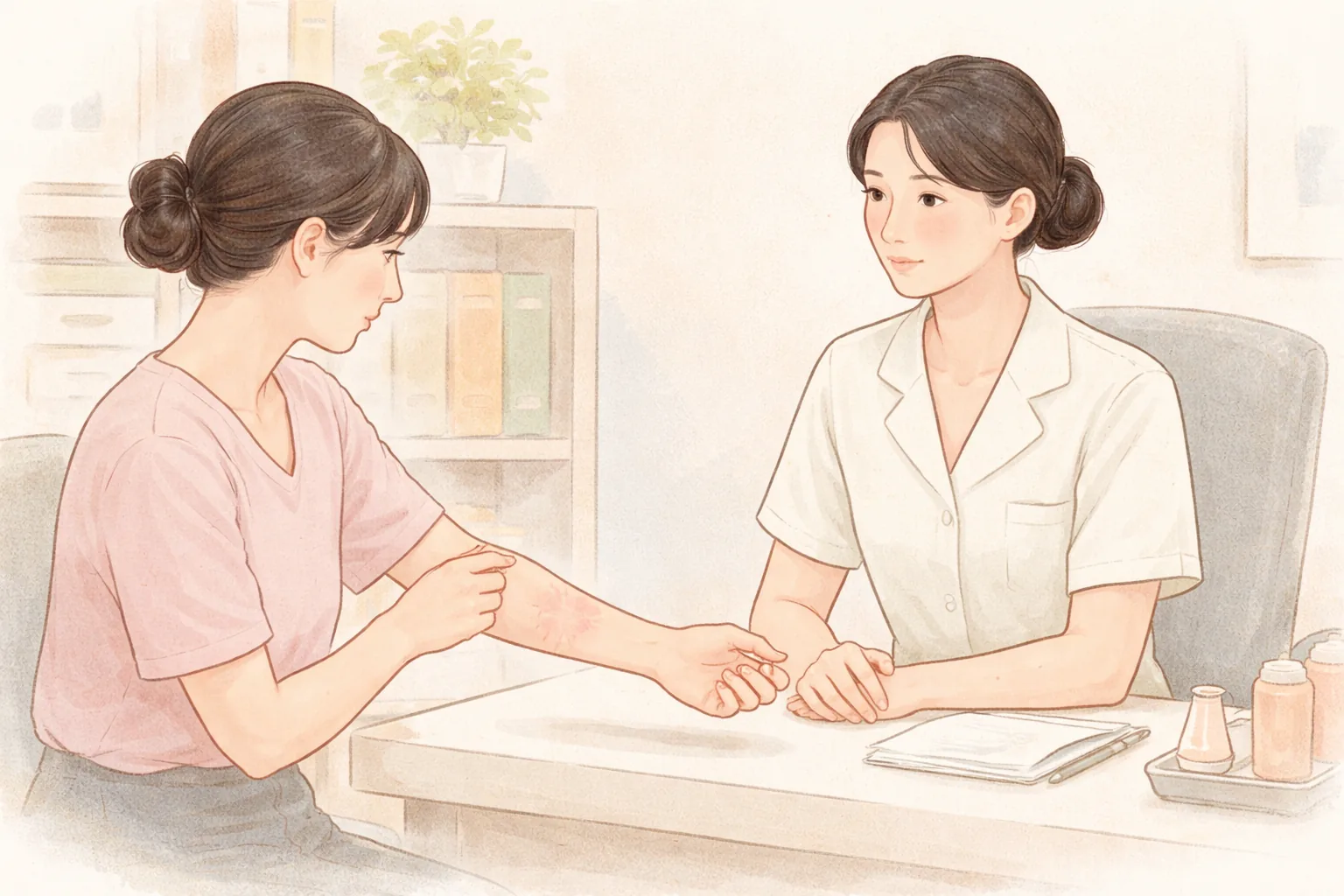
Because these are injection treatments, needle marks, redness, swelling, and bruising can occur with any method (skin booster section of the enlarged pores column). The ATTITUDE Clinic column explains that small bumps (papules) along the injection points can remain for 1 day to several days, a reaction as the ingredient is absorbed that mostly resolves on its own. Swelling usually subsides within 1 day to several days, and bruising can take more than 1 week to fade.
Treatments that place allogeneic collagen (hADM, a material derived from human acellular dermis with cells removed and structural components like collagen and elastin retained) produce a fuller feel right after, some of which is swelling that settles over several days (collagen injection column). In thin-skinned areas like under the eyes or the lips, marks are more noticeable even with the same amount, and if you bruise easily, the timing is reviewed alongside your schedule.
Table 1 Treatment day and the next day: what remains?
Delivers regeneration signals and moisture to the dermis
Repeated needle entries can cause repeated stinging; papules, swelling, and bruising can remain for 1 day to several days
Multiple-point injection with a fine needle
Fine control of depth and amount at each point
More points mean more needle entries and repeated brief stinging
Cannula (thin tube with a rounded tip)
Even spread over a broad area
Stings only on entry, with relatively less discomfort afterward; bruising and swelling can still occur
hADM allogeneic collagen (Re2O)
Directly replenishes structural components of the dermis
A fuller feel and swelling for 1–3 days; bruising can last more than 1 week; avoid massage and strong pressure
Swipe sideways to see the whole table.
In short, what determines pain is not the product name but the area, the number of injection points, the injection tool, and the anesthesia method. Deciding these 4 things together at your consultation lets you picture how the treatment day will feel and what the next day may bring. Swelling and papules usually settle within a few days, but if bruising conflicts with your schedule, it is better to adjust the timing.
If this sounds like you
When a wedding or shoot is a few weeks away
Swelling and papules usually last 1 day to several days, and bruising can last more than 1 week, so it is better to leave a margin rather than schedule right before an important event. Tell us at the consultation how much time is left before the shoot, and we adjust the area, number of points, and tool to that timeline. Marks are more noticeable in thin-skinned areas like under the eyes and around the lips, so for shoots that capture many expressions, the order is sometimes rearranged.
When you feel you bruise easily
How much you bruise depends on individual factors like blood vessel distribution and skin thickness. If you have had injections before and bruised for a long time, telling us which area and when helps us adjust the tool and number of points. If you are taking medication that affects blood clotting, please mention that in advance as well.
When your skin is sensitive or flushes easily
For skin that stays red for a long time even after the same stimulus, we look at the anesthesia method and treatment scope in a divided way. Rather than treating a broad area at once, dividing it into zones or starting with a gentler approach reduces the recovery burden. At the consultation, we check whether your skin usually flushes easily.
International visitors on a short stay
If your stay is short, you may have to travel home with bruising and swelling still present. Tell us your return date and important appointments, and we decide together whether to adjust the treatment scope or postpone the timing. If you need interpretation, guidance on pain and recovery is provided first before starting.
Please tell us before your consultation
Recent sun exposure and travel plans, medications you take (especially those affecting blood clotting), pregnancy or breastfeeding, use of topical retinoids or acids, any past experience of prolonged bruising or swelling after injections, and unavoidable dates such as weddings, shoots, or business trips—sharing these lets us set the anesthesia method and treatment scope around your schedule.
How ATTITUDE Clinic proceeds
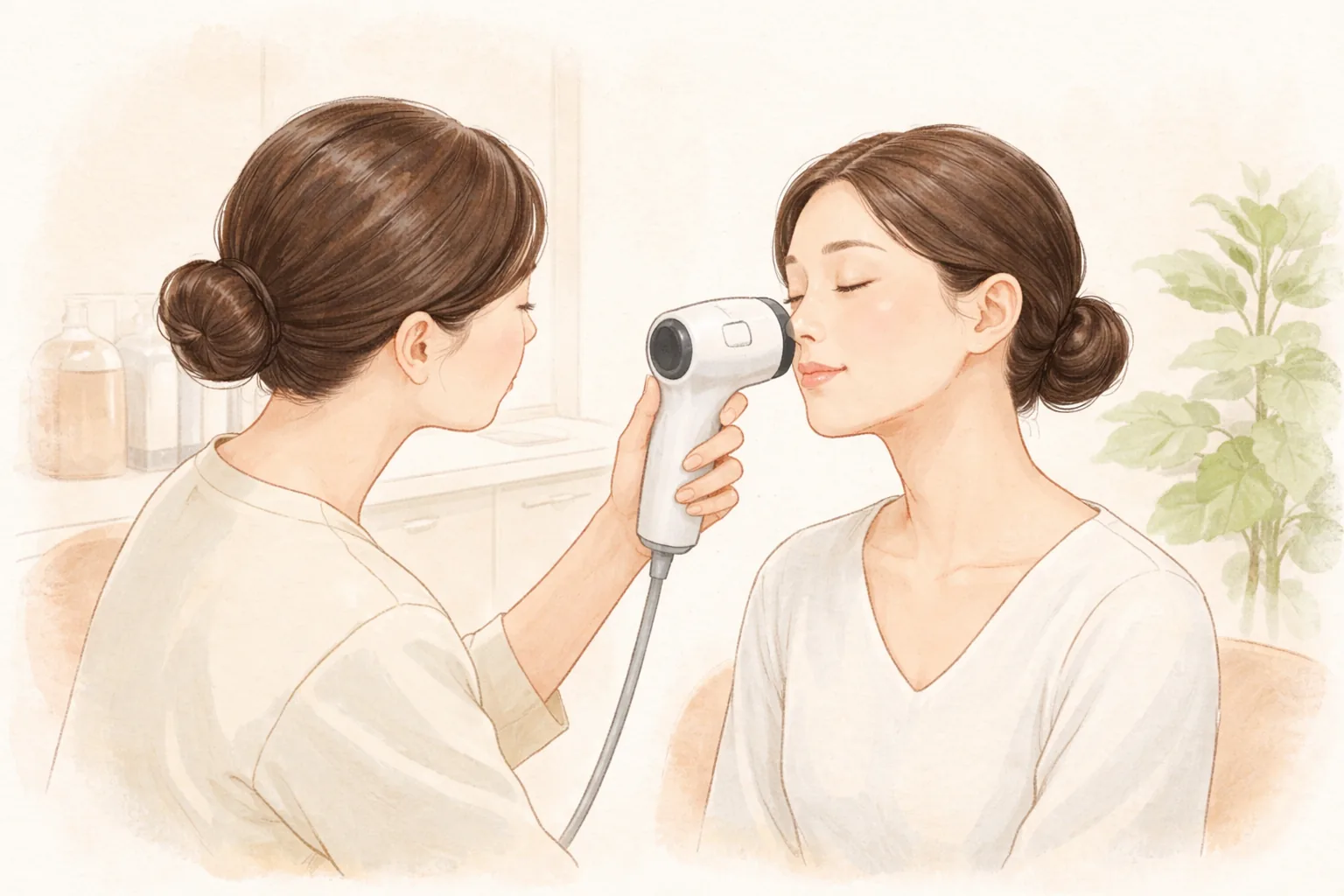
AI skin analysis record: We record skin thickness by facial area, dryness, and redness tendencies. The analysis tool records and organizes information to support the consultation; it is not a medical diagnosis, and interpretation is done by the doctor.
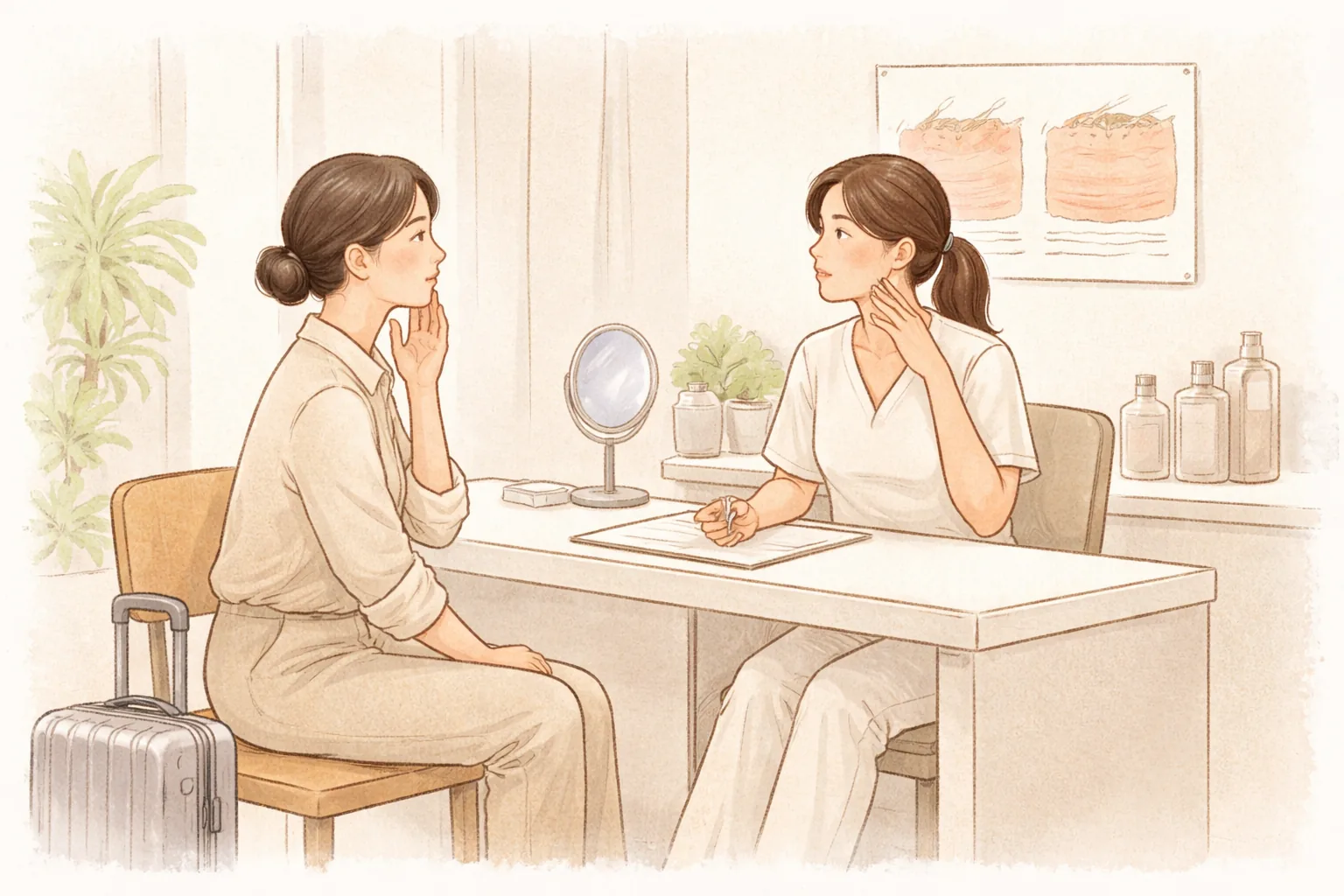
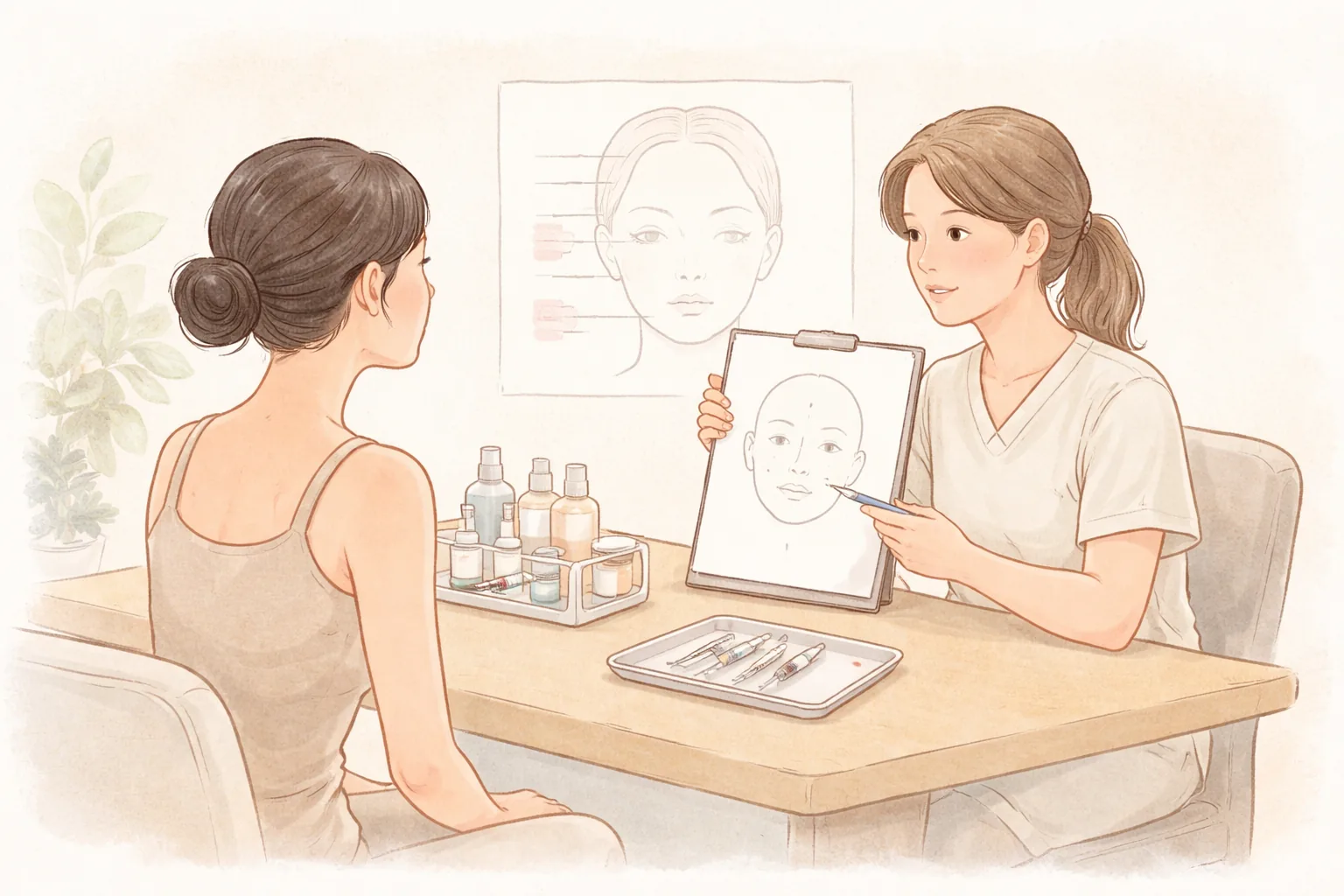
Doctor consultation: We add your pain threshold, past treatment responses, and schedule to the record to decide the product and injection method. At this stage, the anesthesia method and waiting time are also confirmed.
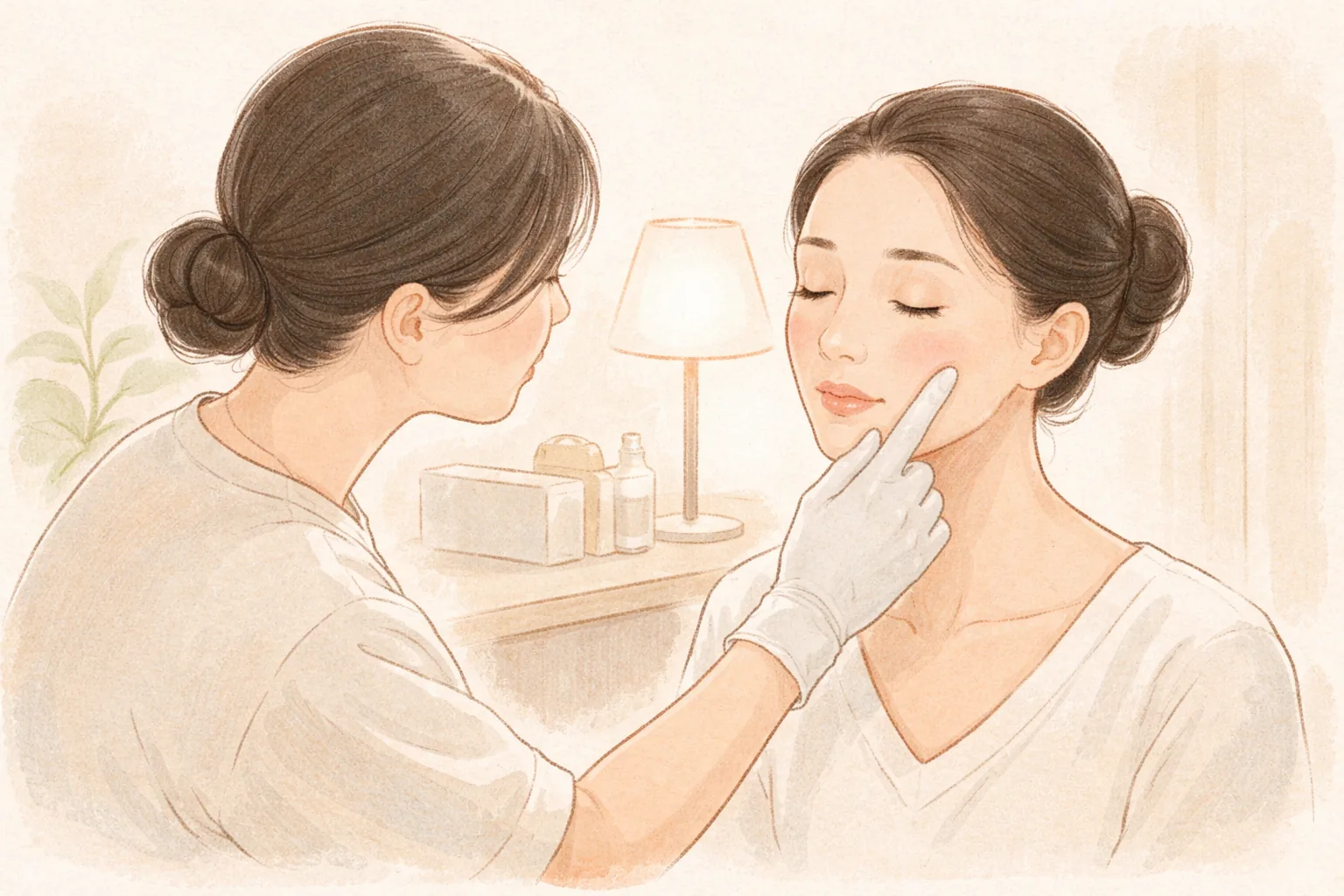
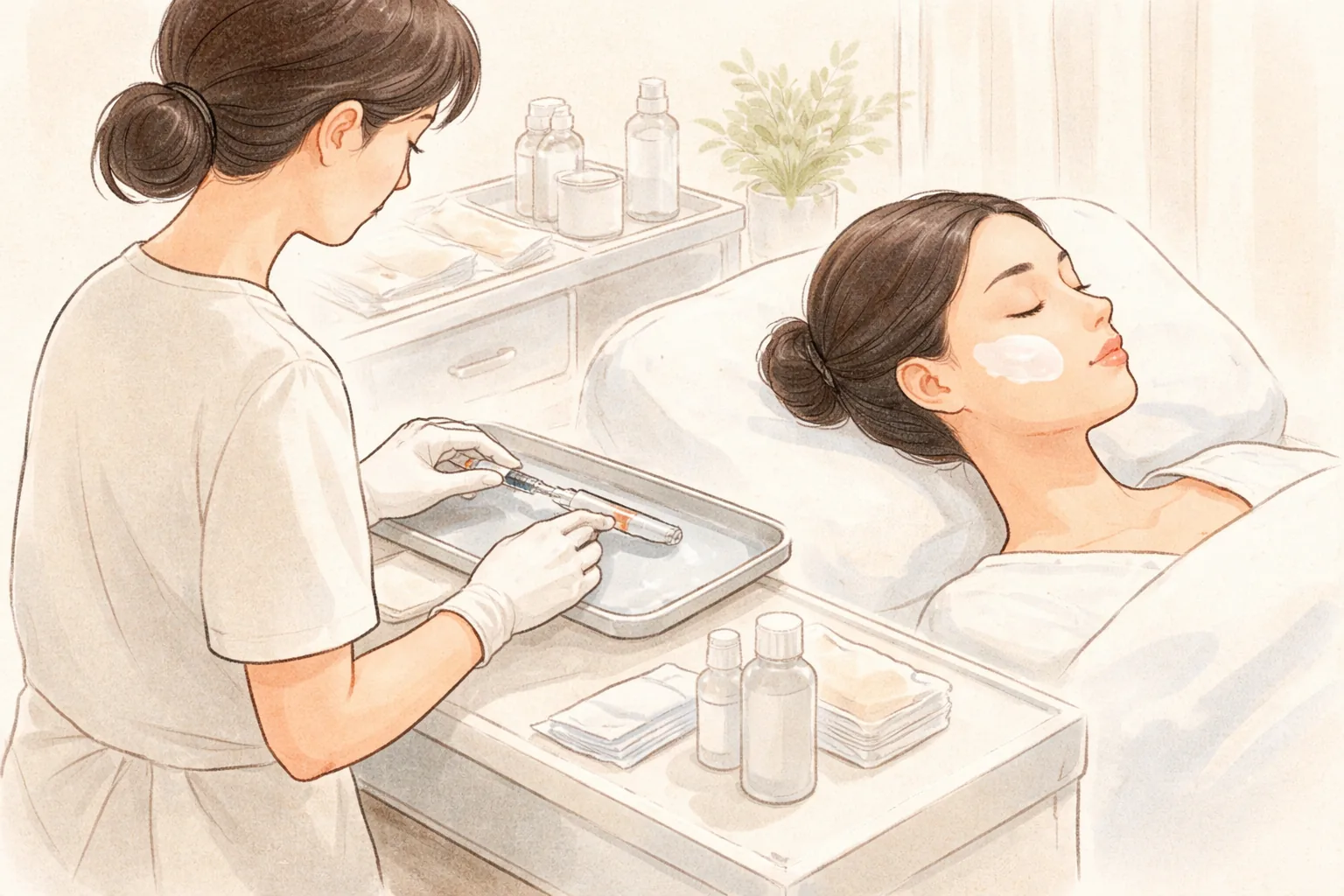
Treatment performed by the doctor: The doctor performs the treatment according to the plan and adjusts scope and intensity during the procedure. We do not proceed with more injection points or intensity than necessary.
Recovery and aftercare guidance: We explain reactions that may remain after treatment, how long they last, and when to return.
The ATTITUDE Clinic skin booster lineup includes Rejuran Healer and HB, S, Rejuran eye, Juvelook (PDLLA) Skin and Volume, Re2O, SKINVIVE, and Belotero Revive, and "water glow" injections, PDRN (salmon DNA) injections, and exosome injections are also offered as injection treatments in the same family (treatments and pricing). Which product goes into which area and how is decided after reviewing your skin condition, and we follow the principles of genuine product, exact dose, and fair price, using only as much as needed.
Aftercare and side effects
Soothing: If swelling rises right after treatment, a cold pack can help. Check the method and duration with the medical team first, and do not press or rub the injection sites hard.
Moisturizing: Once the injection marks have closed, replenish the skin barrier with a gentle moisturizer. Wash your face lightly after 4–6 hours, and makeup is often possible from the next day.
Sun protection: During recovery, reapply sunscreen more carefully than usual. During this period, the skin's barrier is temporarily weakened and pigmentation can remain.
Follow-up: Note when papules and swelling subside and how much bruising there is, and tell us at your next visit—it helps us adjust the interval and scope.
Common reactions are small papules at the injection sites, redness, swelling, tenderness to touch, and bruising. Papules and swelling usually subside within 1 day to several days, and bruising can take more than 1 week. Rarely, infection, allergic reactions, or small lumps (nodules) can occur. Very rarely, the injected material can block or damage blood vessels.
There are signals not to wait on. If you have pain that is unusual or worsening, if the skin at the injection site turns white, mottled, bluish, or black, or if your vision changes, seek medical care immediately. Contact the clinic if swelling, pain, or warmth persists. Skin boosters are not recommended during pregnancy or breastfeeding, and if you have an autoimmune condition or a history of reacting to tissue-derived products, you must tell us before treatment.
FAQ
Is numbing cream alone enough to get through a rejuran skin booster?
It depends on the area, the number of injection points, and the injection tool. Thicker areas like the cheeks and jawline are often fine with topical numbing cream, but sensitive areas like the forehead, eye area, and around the lips call for other methods as well. The AAD advises that cold packs, topical numbing cream, and nerve-block injections are used depending on the situation before injections (AAD filler guidance). Topical numbing cream needs time to take effect, so once the method is decided at your consultation, just arrive with that much extra time.
Is manual injection different from device-assisted injection in terms of pain?
It is hard to say one is always less painful; the anesthesia method, the area, and how you feel that day all play a role. The tool difference, however, is clear. Injecting multiple points with a fine needle repeats stinging moments, while spreading with a cannula stings mainly on entry (water glow injection column). Even with the same product, different approaches are commonly used for different points, so asking at your consultation which tool is used on which area makes it easier to gauge how it will feel.
How long do bruising and papules last after treatment?
Papules usually subside within 1 day to several days, and swelling follows a similar course. Bruising can take more than 1 week to fade, and how much you bruise depends on individual factors like blood vessel distribution and skin thickness. Treatments that leave a fuller feel right after, like allogeneic collagen, add about 1–3 days of swelling (collagen injection column). Sun protection and gentle moisturizing make recovery smoother.
Can I receive several products on the same day?
Whether it is possible and in what order depends on the products, areas, and skin condition, so it is decided at your consultation. Rejuran skin booster treatments are usually planned as several sessions at 2–4 week intervals, then maintained with wider spacing, and combining with lasers or lifting also changes the results and recovery speed depending on whether it is done the same day or with a gap of a few days (water glow injection column). If you are considering several treatments, it is better to set an overall plan first rather than deciding each one separately, and costs are also guided according to that plan.
How do I check that a clinic is good at rejuran skin boosters?
The AAD recommends checking the practitioner's qualifications and experience with the procedure, how much they have treated people of similar skin tone and age, and how they explain risks and recovery time (AAD consultation checklist). Add questions about pain and anesthesia: whether anesthesia is used during the procedure, which method is used and how long you wait before starting, who performs the treatment, and when to return. If you get answers to all of these, it means the plan is concrete.
At a glance
Table 2 At a glance
Item
Key point
What determines pain
Tissue thickness of the area, number of injection points, injection tool, anesthesia method, how you feel that day
Sensitive areas
Forehead, eye area, and around the lips are relatively sensitive; cheeks and jawline less so
Anesthesia methods
Topical numbing cream, cold packs, and nerve-block injections combined to suit the situation
Tool differences
A fine needle repeats stinging; a cannula stings mainly on entry
After treatment
Papules and swelling for 1 day to several days; bruising can last more than 1 week
Signals to contact the clinic
Worsening pain, changes in skin color, changes in vision
This article offers general health information. It is not a substitute for diagnosis or treatment based on your own condition, so please talk through your situation with a doctor.