Rejuran Skin Booster Sessions and Intervals: What Actually Decides Them
How many Rejuran skin booster sessions you need and at what interval, what decides the count, what to watch between visits, and how combining treatments shifts the plan — an ATTITUDE Clinic column.
Written by ATTITUDE Clinic Editorial Team
Once you start looking into skin boosters, you tend to get stuck on "how many times do I need this" and "when should the next session be." You have heard more than once that this is not a treatment that changes things the next day, so it is hard to guess where the count and interval should land. This article walks through, in order, what decides the number of sessions, why the interval differs by product, and what to watch between visits.
The short answer first
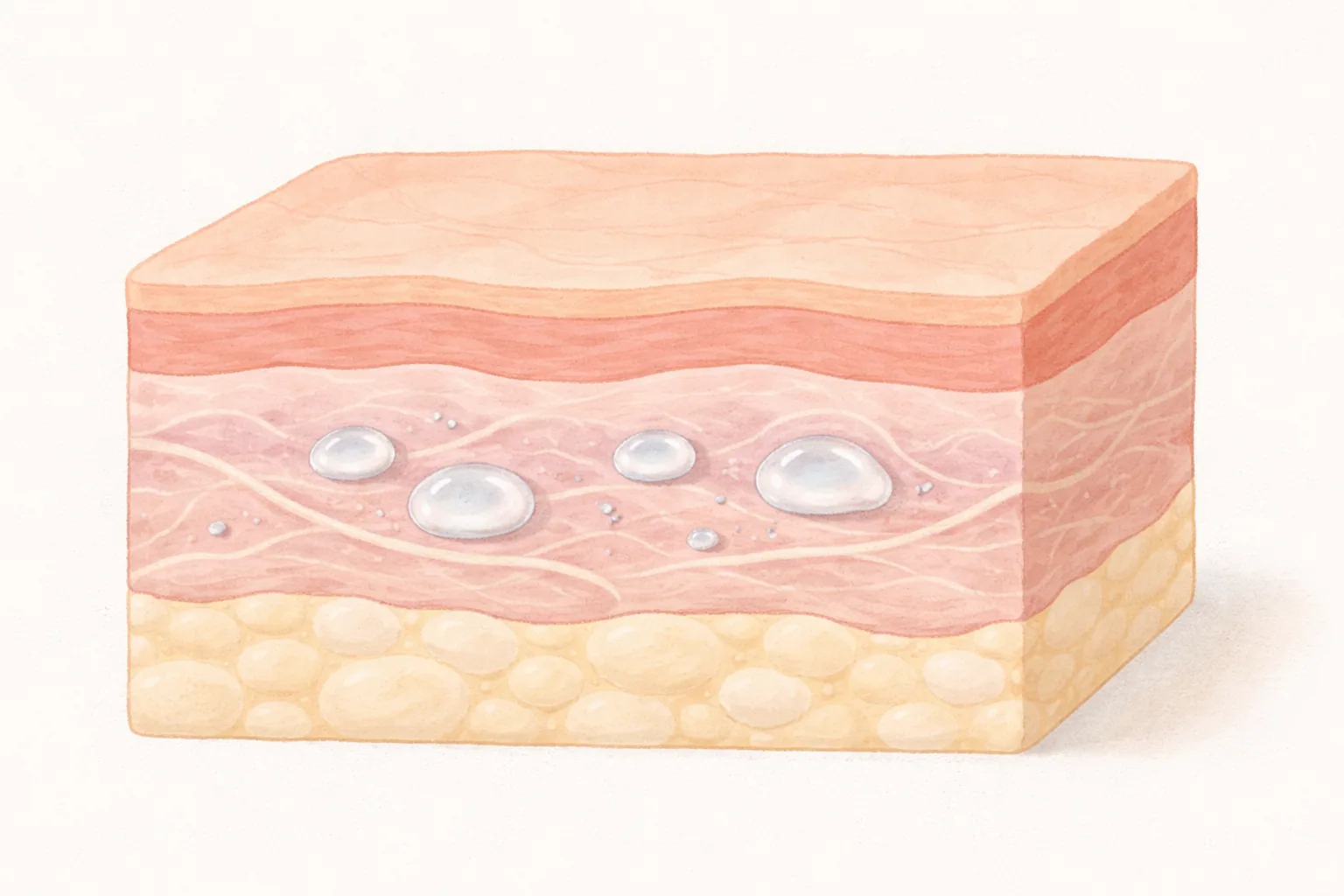
A skin booster works by placing an ingredient into the dermis (the layer beneath the surface where collagen and firmness are made) and drawing out the skin's own response, so a noticeable change in texture after one or two sessions is uncommon. In the ATTITUDE Clinic column, PN (polynucleotide) and HA (hyaluronic acid) boosters such as Rejuran are described as usually given a few times at 2–4 week intervals and then continued as maintenance (ATTITUDE Clinic column). The count is decided not by the product name but by skin thickness, the type of concern, the area and injection volume, and how much redness or swelling remained after the last session. So rather than locking in a total number from the start, it is more realistic to check the response each visit and set the next interval.
Why doesn't one session finish the job?
PN activates cell regeneration signals to help fibroblasts build collagen on their own, while HA attracts moisture inside the skin to add hydration. Both work by stimulating the skin's own production capacity, so once the stimulation ends, the effect gradually fades (ATTITUDE Clinic column). This is why a plan that repeats stimulation at steady intervals makes more sense than stopping after one session.
A common misunderstanding here is the idea that "more, more often" is better. ATTITUDE Clinic does not push excessive session counts or intensity for fast results. The clinic holds that treating only as much as needed, matched to the skin's condition and cause, is what reduces strain on the skin (pore column). Giving the skin time to recover between sessions, rather than narrowing the interval, makes the plan easier to keep.
How many sessions you plan is up to your skin
Even with the same ingredient, the number of sessions differs from person to person. If the skin is thin and the main concern is inner dryness, the plan leans toward refining texture and holding moisture; if the skin has thinned and the main concern is a loss of firmness, the plan leans toward replenishing structure. The area, injection volume, recovery speed after previous sessions, and any treatments done together all feed into the total count.
It is worth not letting this part slide during consultation. According to the American Academy of Dermatology, you should ask at a pre-treatment consultation how many sessions the procedure needs, how long recovery takes, and how to prepare and care for your skin afterward (AAD consultation guidance). The same resource also notes that results depend heavily on the practitioner's skill and experience. In other words, even with the same product, the session count and interval shift depending on who plans it and how.
What adjusts the interval between sessions?
The speed at which last session's redness or swelling subsides is the first signal. If bruising lingers or the injection site feels bumpy for a long time, the interval is stretched a little. Conversely, if recovery is quick and the skin takes it well, the planned interval is kept. Because recovery time varies by person, setting the return-to-exercise, work, and events timeline together at consultation, as the AAD guidance suggests, keeps your schedule from tangling (AAD consultation guidance).
With methods that replenish collagen structure directly into the dermis, a thicker feeling appears right after, and some of it settles over a few days as swelling. When change comes, it appears gradually over several weeks with wide individual variation, and long-term data on how long it lasts is still limited. That is why this approach is refined session by session rather than fixed mechanically as "a few sessions at a few weeks apart" (ATTITUDE Clinic column).
What changes the plan even for the same booster
Combining treatments that open the surface changes the plan. Right after microneedling or ablative fractional lasers such as erbium or CO2, temporary micro-channels form on the surface, and adding exosomes at that point is thought to allow deeper delivery into the skin. Conversely, exosomes applied after ultrasound or radiofrequency lifting, which does not open the surface, mostly stay on the surface, so whether and in what order to combine is decided at consultation (exosome column).
Lifestyle habits also affect the session plan. Basics like sun protection and hydration play a role in how long changes last (ATTITUDE Clinic column). Because the product, dose, and session count all change the total cost, you will be given cost guidance alongside the plan.
Table 1 What changes the plan even for the same booster
Category
What it does in the skin
Concern it mainly targets
What to look at in session planning
PN/HA skin booster (Rejuran, etc.)
Helps fibroblasts build collagen on their own; HA holds moisture
Fine lines, skin texture, inner dryness
A few sessions at 2–4 week intervals, then maintenance
Re2O (hADM allogeneic collagen)
Directly replenishes an ECM structure containing collagen, elastin, and hyaluronic acid into the dermis
Skin that has thinned with a loss of firmness
Usually planned as a few sessions, adjusted as the response is observed
Exosome combination
An adjunct that relays regeneration signals between cells
Recovery support after laser or microneedling
Combined right after a treatment that opens the surface
Microneedling / ablative fractional laser
Creates temporary channels on the skin surface
Pores, scars, skin texture
The treatment's own recovery comes first; booster combination sits on top of that
Swipe sideways to see the whole table.
In short the number and interval of skin booster sessions are decided not by the product list but by skin thickness, the concern, and the response to the last session. PN/HA boosters such as Rejuran generally follow a few sessions at 2–4 week intervals, while methods that replenish structure directly adjust the count as the response is observed. Checking progress one session at a time and setting the next interval beats pushing repeated sessions.
If this sounds like your situation
If you have a fixed date, like a wedding or a shoot
Count backward from the event date and leave a buffer between the last session and the event. Bruising can take more than 1 week to fade, so it is better to avoid a first session right before an event. If you mention the date first at consultation, the session count and interval can be adjusted to match.
If your skin is sensitive or tends to redden easily
If redness or swelling tends to linger, the plan leans toward longer intervals and lower intensity. If you have a history of allergic reaction to an ingredient or have reacted to tissue-derived products before, be sure to say so before treatment. The more sensitive the skin, the more the next plan should be set by watching the response to one session.
If you are a visitor on a short stay
If your schedule makes it hard to complete several sessions at 2–4 week intervals, start by deciding at consultation what to aim for with one or two sessions. Once the goal is set, sessions can be compressed into your remaining time, or a plan to continue after you return home can be laid out together. It is better to be upfront from the start about a schedule that makes it hard to keep the interval between sessions.
If you want steady maintenance
After finishing the planned sessions, set a maintenance interval and continue. How long results last varies widely by person and is influenced by skin condition and lifestyle. Keeping up sun protection and moisturizing between sessions makes the next plan much easier to set.
Tell us before your consultation Please mention recent sun exposure (vacation or outdoor activity), any medications you take (including blood thinners), pregnancy or breastfeeding, exfoliating skincare ingredients you apply (such as retinol), any experience of prolonged bruising or swelling after a previous treatment, allergies or reactions to tissue-derived products, and any fixed dates such as a ceremony or shoot.
How ATTITUDE Clinic proceeds
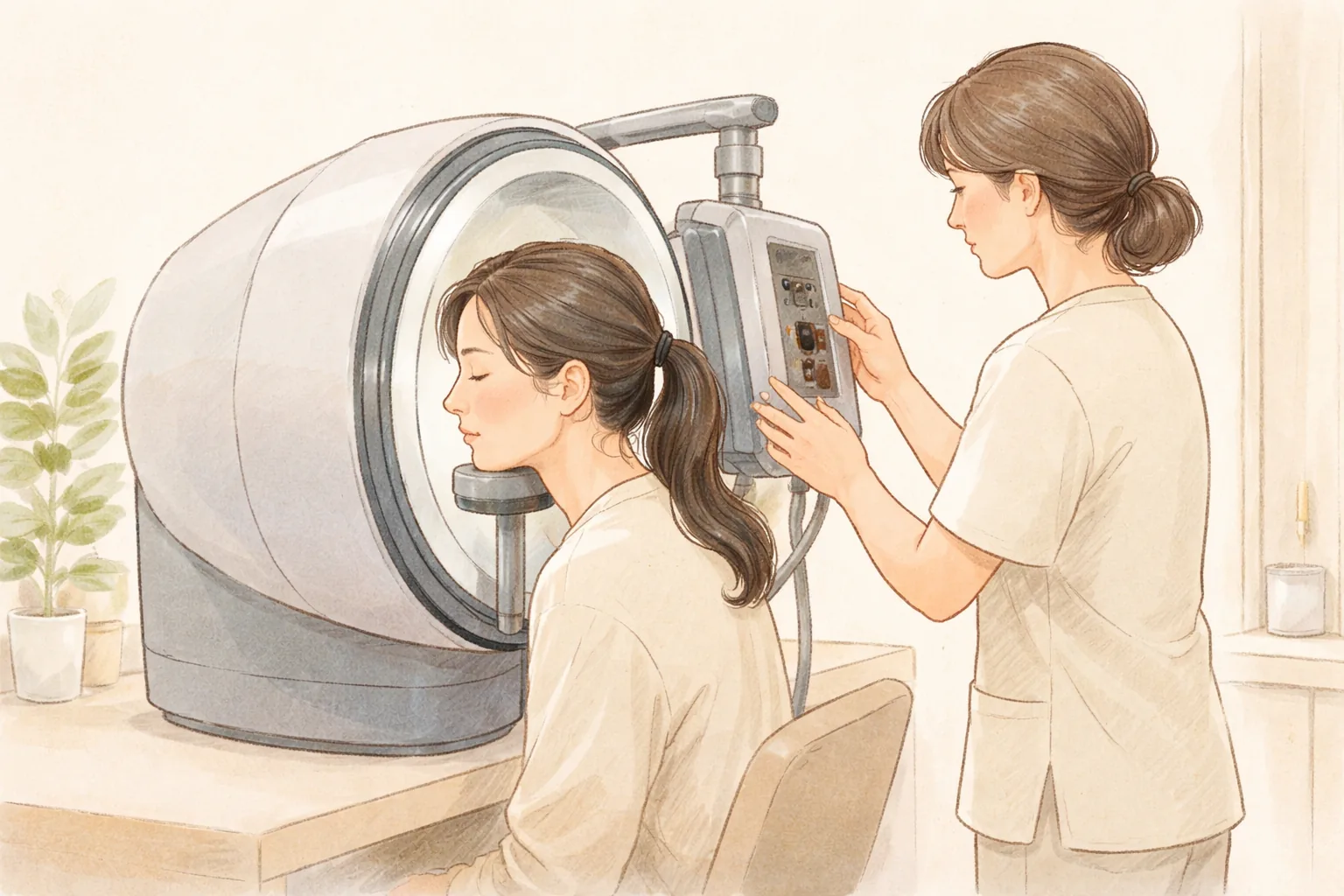
AI skin analysis record — Your skin condition is recorded and organized. The analysis tool only records and organizes information to support consultation and is not a medical diagnosis; interpretation and judgment rest with the doctor.
Doctor consultation — Your skin condition and lifestyle habits are added to the analysis record to interpret the main cause of your concern, and a plan is set for which ingredient, how many sessions, and at what interval. Unnecessary treatments are not recommended.
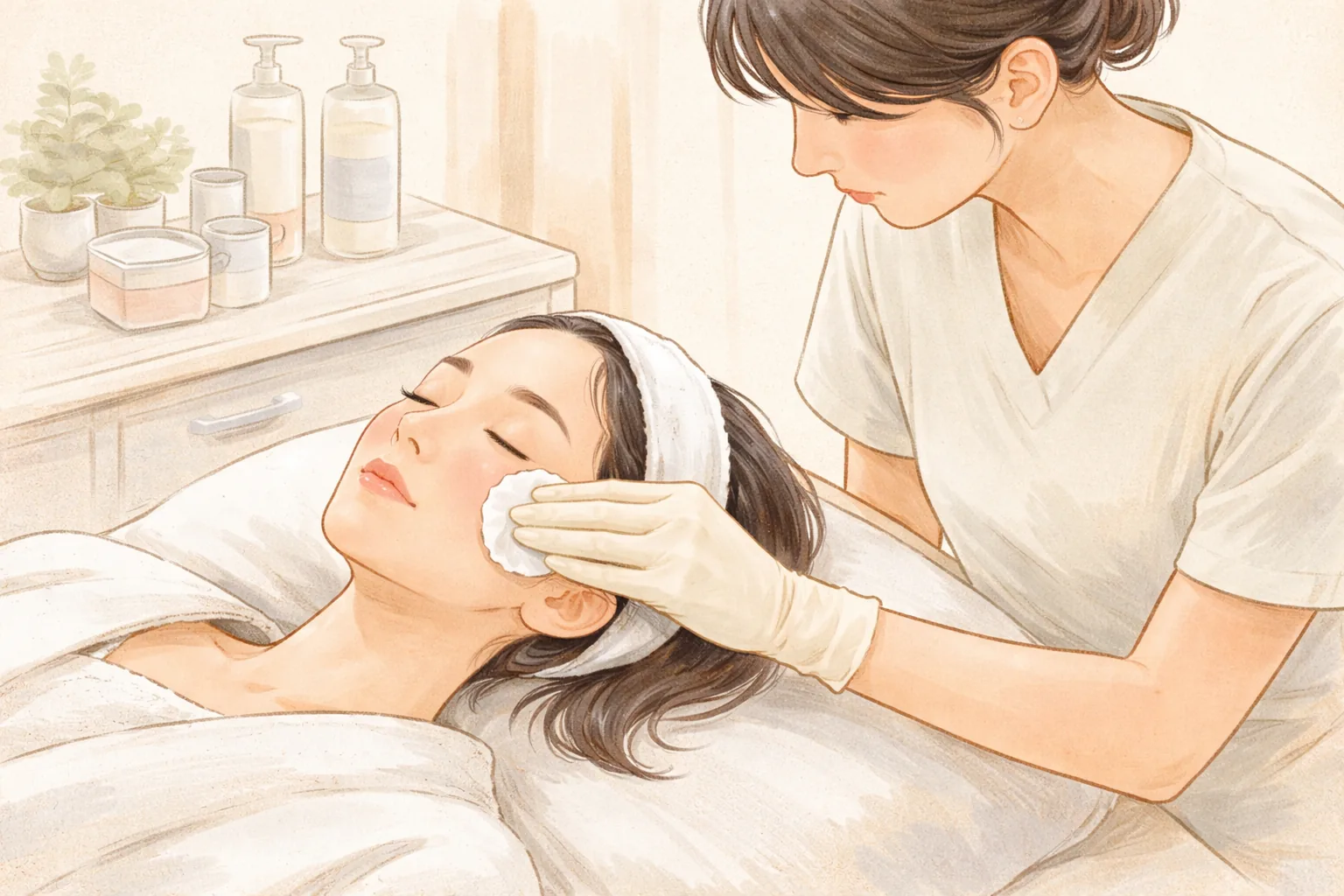
Treatment performed by the doctor — Performed under the principles of genuine product, accurate dose, and fair price, without pushing excessive session counts or intensity for fast results.
Progress check and care at each session — Redness, swelling, and changes in skin texture are checked at each session, and the next session's interval and intensity are adjusted.
Skin booster items currently offered on this topic include Rejuran Healer, HB, S, and i; Juvelook Skin and Volume; Sculptra; Re2O; SKINVIVE; Belotero Revive; Radiesse; Gouri; Hilo Wave; skin booster ("water glow") injections; PDRN (salmon DNA) injections; and exosomes (treatments and pricing). Which product to use in which order is decided at consultation after seeing your skin condition.
Aftercare and side effects
Soothing — On the day of treatment, do not press hard on or massage the injection sites. Avoid strenuous exercise, alcohol, and saunas that day, and a cold compress helps if there is heat.
Moisturizing — Keep moisturizing so the skin does not dry out.
Sun protection — Reapply sunscreen carefully throughout the recovery period.
Progress check — Watch how redness, swelling, and the feel of the injection sites change, and adjust the next interval.
After treatments injected into the dermis, the guidance is to wash your face lightly starting 4–6 hours later and to apply makeup from the next day (ATTITUDE Clinic column). Common reactions are bruising, swelling, redness, stinging, and tenderness when pressed. Bruising can take more than 1 week to fade, and the injection site may feel bumpy for a while.
Rarely, nodules, infection, or allergic reactions can occur (pore column). It is rare for an injected product to block or damage a blood vessel, but if you have pain that is unusual or getting worse, if the skin at the injection site turns white, mottled, bluish-gray, or black, or if your vision changes, do not wait — seek care immediately. Contact the clinic as well if swelling, pain, or heat persists.
Frequently asked questions
How many times do I need a Rejuran skin booster?
PN/HA boosters such as Rejuran generally follow a few sessions at 2–4 week intervals, while methods that replenish collagen structure directly are usually planned as a few sessions. There is no fixed answer; skin thickness, the type of concern, the area, and injection volume decide the count. At the first consultation, it is gentler to see the response after the first session and plan from there rather than fixing a total count. As sessions add up, total cost changes too, so check the plan and the cost together.
Is it pointless to stop after one or two sessions?
Not necessarily. However, PN/HA boosters work in a way that fades gradually once stimulation ends, so one or two sessions may give limited perceived change. If several sessions are difficult because of your schedule, decide first at consultation what to aim for with one or two sessions. The interval when you continue later is set again based on your skin condition at that time.
How long do skin booster side effects usually last?
The most common reactions are bruising, swelling, redness, and tenderness when pressed. Bruising can take more than 1 week to fade, and a bumpy feeling may remain for a while. Rarely, nodules, infection, or allergic reactions can occur. If the skin at the injection site turns white or your vision changes, do not wait for the next session interval — seek care immediately.
Can I get several boosters at once?
When the purposes differ, they are sometimes designed as a combination. Exosomes are thought to deliver deeper into the skin when added right after microneedling or an ablative fractional laser, whereas after lifting that does not open the surface they mostly stay on the surface (exosome column). Whether to combine and in what order affects the session count and interval, so it is decided at consultation.
How do I check that a clinic is good at skin boosters?
According to the American Academy of Dermatology, you should ask how many times the practitioner has performed the procedure, how much experience they have with your skin tone, type, and age group, how many sessions you need, and how long recovery takes (AAD consultation guidance). The same resource also advises weighing, when choosing an injectable, whether the treatment suits you and whether it is performed safely (AAD filler guidance). It is also worth seeing whether the clinic looks at your skin condition first, proposes the type and number of sessions, and tells you what you do not need.
At a glance
Table 2 At a glance
Item
Key point
Basic plan
PN/HA boosters: a few sessions at 2–4 week intervals, then maintenance
What decides the count
Skin thickness, type of concern, area and injection volume, recovery speed
Signals to adjust the interval
How fast redness and swelling subside, how much bruising or bumpiness remains
When combining
Combining right after a treatment that opens the surface favors delivery; order is decided at consultation
Common reactions after treatment
Bruising, swelling, redness, stinging, tenderness when pressed
What to ask at consultation
How many sessions are needed, recovery time, side effects, cost, schedule adjustment
This article offers general health information. It is not a substitute for diagnosis or treatment based on your own condition, so please talk through your situation with a doctor.