Rejuran Skin Booster: How Many Sessions and at What Intervals?
How the Rejuran skin booster works, what determines the number of sessions and their spacing, recovery and aftercare, and what to check before your consultation.
Written by ATTITUDE Clinic Editorial Team
When people start looking into Rejuran, the first thing that trips them up isn't the effect — it's the number of sessions. How many times do I need it, how far apart should they be, is one session not enough? This article starts with what the Rejuran skin booster line actually does inside the skin, then walks through what determines the number of sessions and intervals, and what to look after before and after treatment.
The short answer first
Rejuran (PN, polynucleotide) isn't a substance that fills hollows — it works in the dermis to help skin repair itself, so it isn't a one-and-done treatment. ATTITUDE Clinic's column explains that PN and HA skin boosters are usually planned as a few sessions spaced 2–4 weeks apart, after which the interval is widened and maintenance sessions continue. How many sessions are appropriate depends on your skin, the areas of concern, and any treatments done alongside it, so it's decided at your consultation after your skin is examined. Judge by the texture at the end of the course rather than by the change right after the first session.
What does Rejuran do inside the skin?
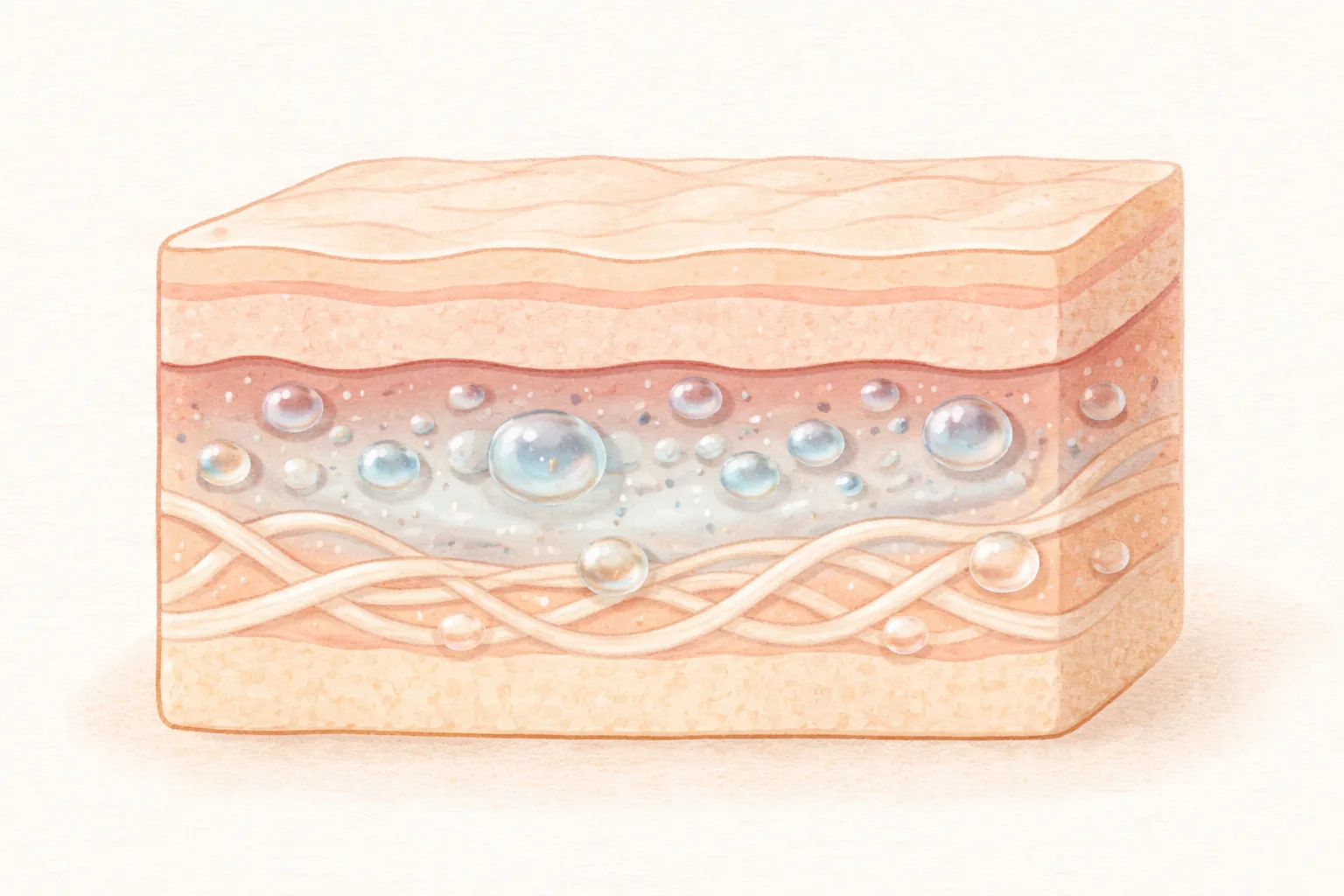
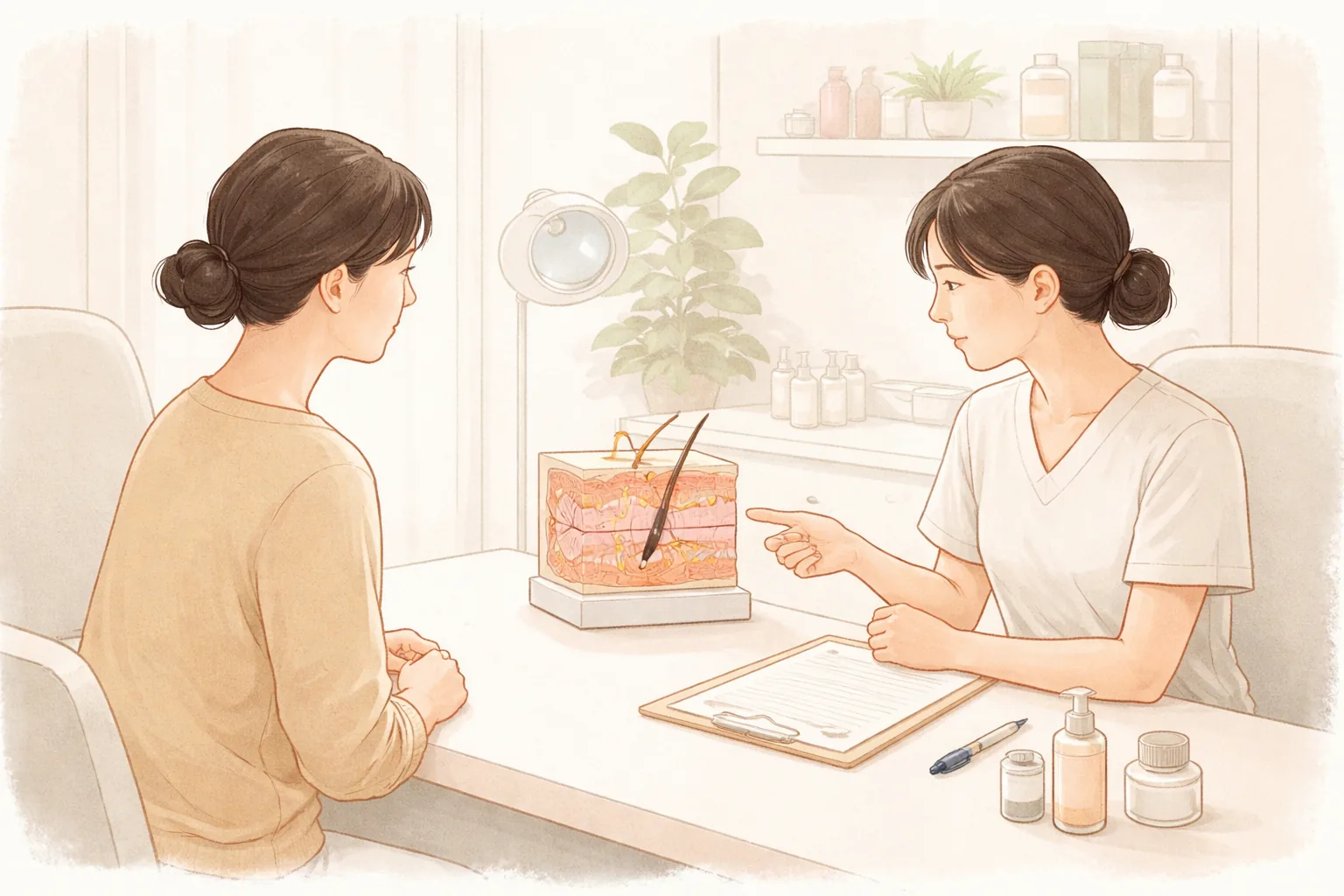
Rejuran's main ingredient is PN (polynucleotide, a substance derived from nucleic acid and purified from sources such as salmon). When injected into the dermal layer (the layer inside the skin where collagen is produced), it is known to support the response that repairs damaged tissue and to stimulate the cells that make collagen. It isn't filling in collagen directly — it's easier to think of it as sending skin cells a signal to get back to work.
The skin booster grouped under the same umbrella, the "water glow" injection, works differently. It's hyaluronic acid (HA, an ingredient that strongly attracts water), which goes into the dermis and holds moisture to give hydration and a sense of volume, while PN targets skin texture and fine lines through a repair response. That's why in practice the two are sometimes used together with only the mixing ratio changed: more PN when regeneration and elasticity are the priority, more HA when immediate glow and hydration are the priority.
So why do we say Rejuran doesn't end after one session? A volumizing treatment changes things on the spot by the amount placed, but PN takes time for cells to respond, so changes appear gradually. Right after treatment there's actually swelling, so it's hard to feel a big change — you watch the texture settle over several weeks. That's why a plan built up at steady intervals is the natural approach.
Is there one fixed number of sessions?
There's a common misunderstanding. It's easy to assume that somewhere in the product insert there's a fixed number like "three sessions." In reality the plan depends on your skin, and the phrase "a few sessions" itself carries that flexibility. According to ATTITUDE Clinic's column, PN and HA skin boosters are usually done as a few sessions spaced 2–4 weeks apart, after which the interval is widened and treatment moves to maintenance.
What changes that number? First, the condition of your skin. Dry, thin, sensitive skin and skin whose main concerns are thickness and pores have different goals, so it's hard to approach them with the same number of sessions. Second, the area of concern. Thin areas like around the eyes differ from the full face in injection depth and volume, so the response shows up differently too. Third, your maintenance habits.
The speed at which collagen is produced and broken down differs from person to person. The same column explains that the older you are, and the more aging has progressed through UV exposure or smoking, the faster synthesized collagen tends to be lost. That's why the same number of sessions can last for different lengths of time. Approaching it as ongoing care rather than a single treatment is the realistic approach.
When treatments done alongside are added, the order and intervals are adjusted again. When a supporting treatment is layered right after a laser or microneedling, a standardized repeat cycle is still being established, so whether to add it and at what interval is decided by the doctor for each case. Depending on which treatment is the main one, Rejuran's role and number of sessions change too.
Why is 2–4 weeks the standard interval?
The interval is set by two timings overlapping. One is the time for the treatment site to settle, the other is the time for the skin to show a response. The millet-seed-like papules, redness, and swelling left at the injection site usually settle within a day to a few days, and if bruising appears it can take more than a week to fade. Scheduling the next session before recovery is finished leaves the skin no time to rest.
Spacing them too far apart, on the other hand, weakens the sense of accumulation. The rhythm that sustains the next stimulus while the repair response continues in the dermis is 2–4 weeks. Of course, this value isn't a fixed rule either — it's a baseline adjusted by watching your response. If swelling lasts long after the first session or irritation lingers sensitively, the interval is extended; if the response is stable, the plan goes ahead as scheduled.
After the course is finished, the interval is widened and treatment moves to maintenance. The maintenance interval is usually set longer than the initial sessions, and that length also depends on your skin condition.
Which concerns call for the full face, and which for around the eyes?
ATTITUDE Clinic's treatment guide lists Rejuran Healer, Rejuran HB, Rejuran HB — lips, Rejuran S, and Rejuran Eye under the skin booster section. As the names are divided, so are the areas and purposes. If your concern is texture and fine lines across the full face, a product that treats the full face is considered; for thin, sensitive areas like around the eyes, a product tailored to that area is considered.
Rather than choosing by name alone, it's better to confirm at your consultation which product will be used and in what amount. Even with the same Rejuran, different areas mean different injection depth, volume, and session plan. The table below organizes the injections and skin boosters offered at ATTITUDE Clinic by concern.
Table 1 Which concerns call for the full face, and which for around the eyes?
Treatment / product
Key ingredient and action
Best suited to
What the plan looks at
Rejuran Healer
PN — supports a repair response in the dermis
Overall facial texture and fine lines
A few sessions 2–4 weeks apart, then maintenance
Rejuran Eye
PN — a line for thin areas like around the eyes
Fine lines around the eyes and thinned skin
The area is thin, so volume and depth are adjusted
Rejuran HB, HB — lips
Products in the PN line targeting specific areas
Dryness and texture in specific areas such as the lips
Confirm which product and how much is used
"Water glow" injection (HA)
HA — attracts moisture to give hydration
Dryness and dull skin tone
Whether alone or mixed with PN, and the ratio
Re2O (hADM)
Replenishes the dermis with human-derived acellular allogeneic dermis
Skin that feels thinner and less elastic
Usually planned as a few sessions; duration varies by individual
Swipe sideways to see the whole table.
In summary Rejuran isn't a filling treatment — it's one that gives the skin time to respond, so the number of sessions and the intervals shape the result. Usually a few sessions are done 2–4 weeks apart, after which the interval is widened and treatment moves to maintenance, and the specific numbers are decided at your consultation based on your skin, the area, and any treatments done alongside.
If this sounds like your situation
When a date is fixed, such as a wedding or a shoot
The papules and swelling at the injection site settle within a day to a few days, but if bruising appears it can take more than a week to fade. If you have an important event, it's more reassuring to leave at least 1 week of buffer and schedule the last session accordingly. If your date is fixed, tell us your schedule at the consultation and we'll work backward to plan the sessions.
If you want steady, ongoing care
After the course is finished, the interval is widened and maintenance sessions follow. The maintenance interval is set longer than the initial sessions, and it's readjusted each time based on your skin's response. Keeping the same interval over a long period is easier to plan around than bunching sessions together.
Sensitive skin that reddens easily
PN is also known to work in the direction of calming redness, so it tends to be considered first for skin that has become sensitive to irritation. That said, the more sensitive your skin, the more conservatively the injection volume and interval are set, and when it overlaps with other treatments, the order is decided first. Whether to do several treatments on the same day or stagger them is decided after looking at your skin.
International visitors on a short stay
If your length of stay is fixed, start by calculating how many sessions can fit within it. If your schedule makes it hard to keep the intervals, adjusting the scope of a single session is better than adding more sessions. It's also worth sorting out at the consultation how you'll continue your care after returning home.
Please tell us before your consultation Your recent UV exposure and any periods when your skin became sensitive, medications you're taking (especially blood thinners), pregnancy and breastfeeding, allergies or any history of reacting to tissue-derived products, recent treatments and the active topical ingredients you're using, and any important upcoming dates. The American Academy of Dermatology provides information for deciding on and safely receiving filler treatments, emphasizing checks at the consultation stage. With this information, sessions and intervals can be planned far more realistically.
How ATTITUDE Clinic proceeds
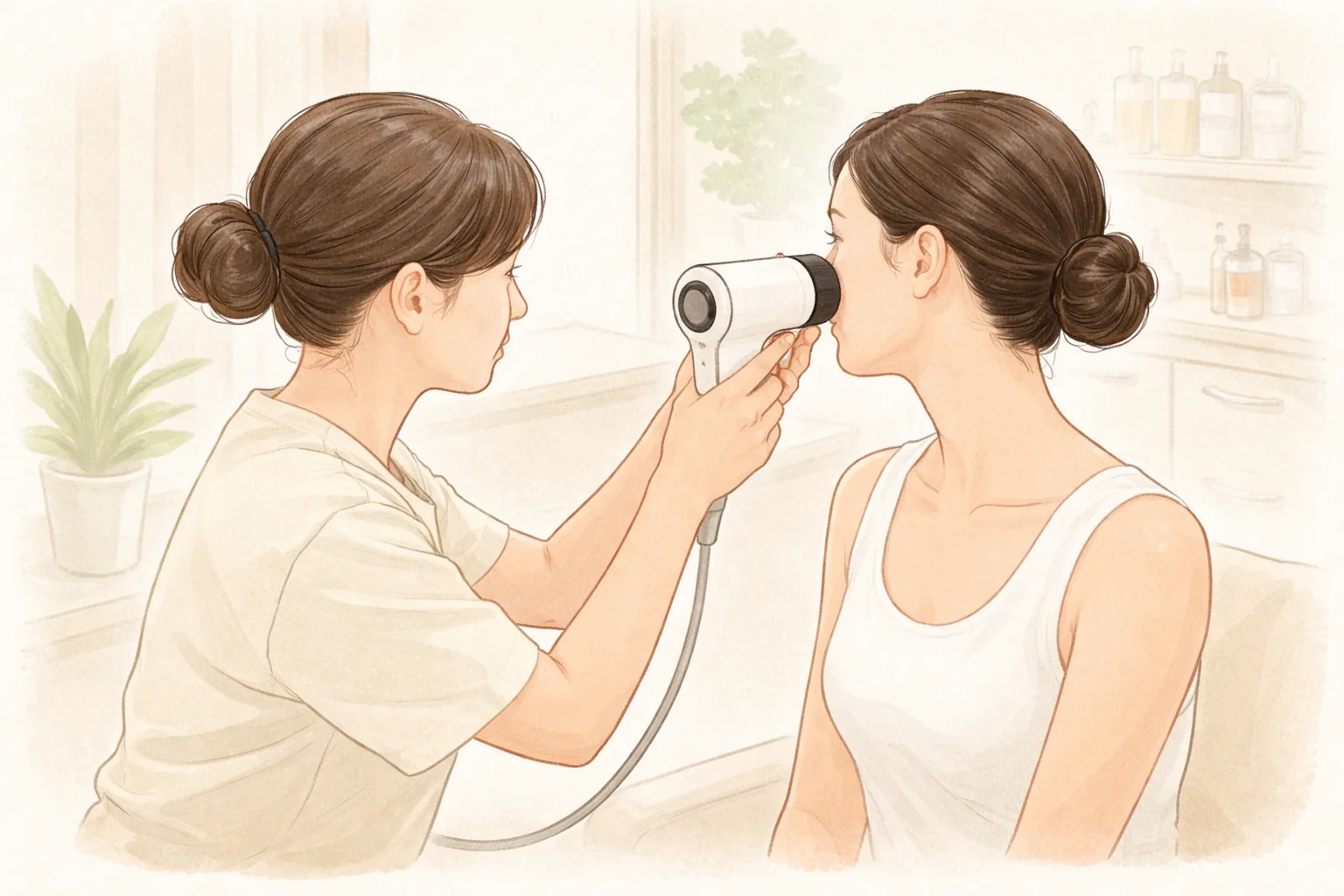
AI skin analysis record — Your skin is photographed and its condition organized into values and compared with previous records. The analysis tool records and organizes information; it is not a means of diagnosing a disease or condition. This record becomes reference material for judging sessions and intervals.
Consultation with the director — Based on the record and your history, we decide which product to use on which area, and how many sessions at what interval. When it overlaps with other treatments, the order and intervals are also designed at this stage.
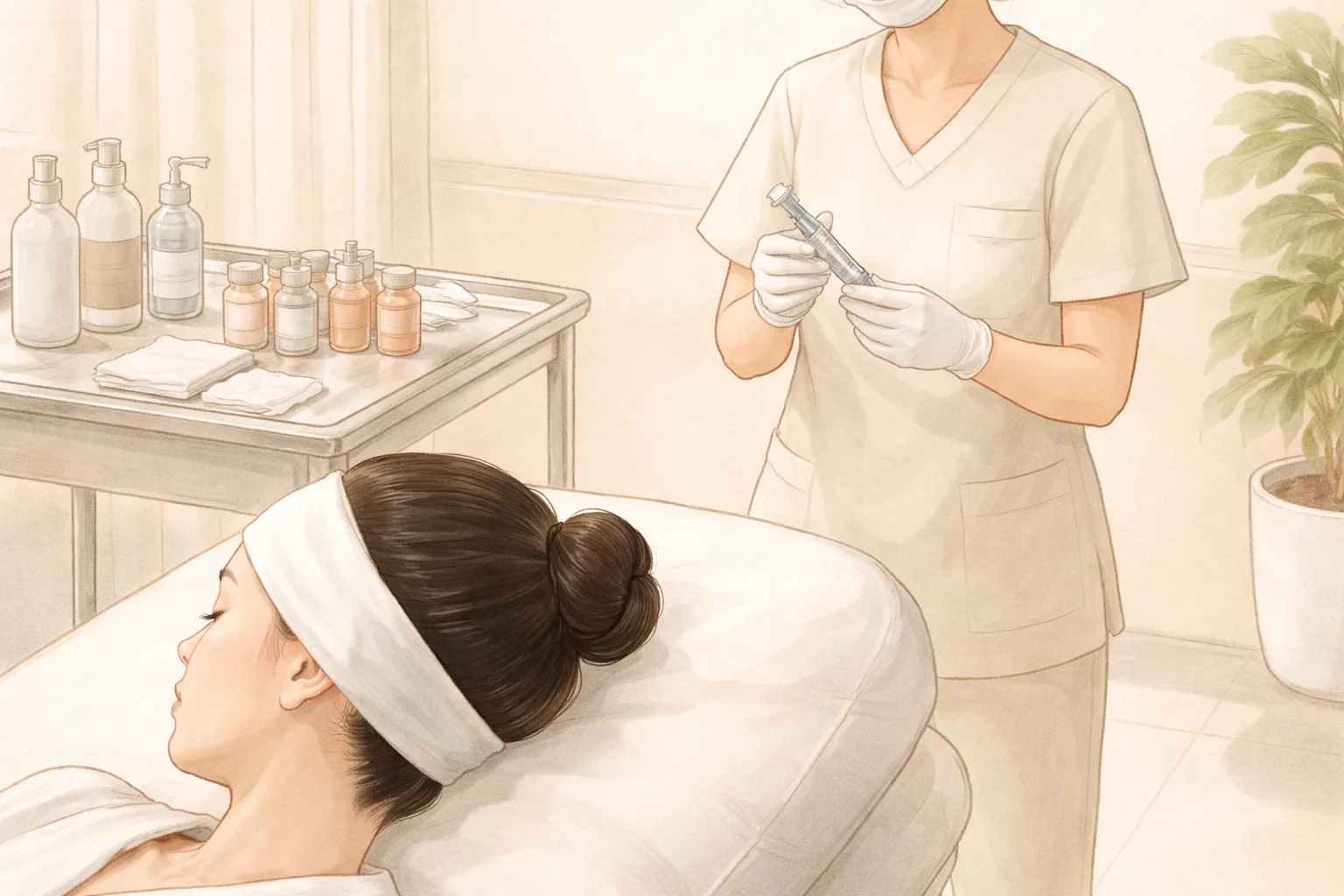
Treatment performed by the director — The anesthesia method, injection depth, and volume are decided and the treatment is performed. Pain differs by area and individual, and the anesthesia method is explained during your consultation.
Recovery and care — After treatment, we advise you on when to return according to the recommended cycle, and lay out the care to follow in between.
On this topic, the products listed in the treatment guide are Rejuran Healer, Rejuran HB, Rejuran HB — lips, Rejuran S, and Rejuran Eye, along with the "water glow" injection and Re2O (hADM). Which product to use is decided at your consultation based on the area and your concerns.
Aftercare and side effects
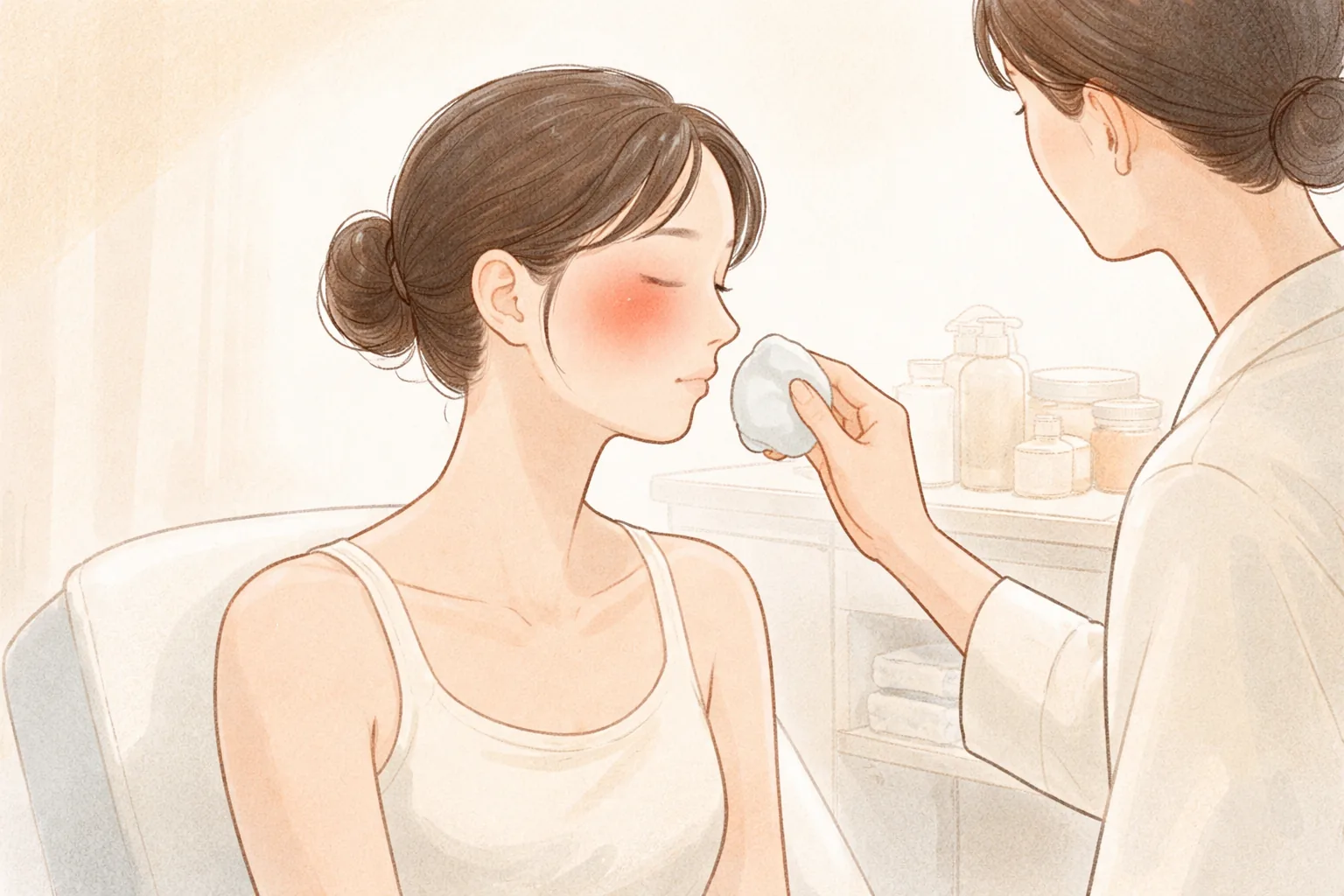
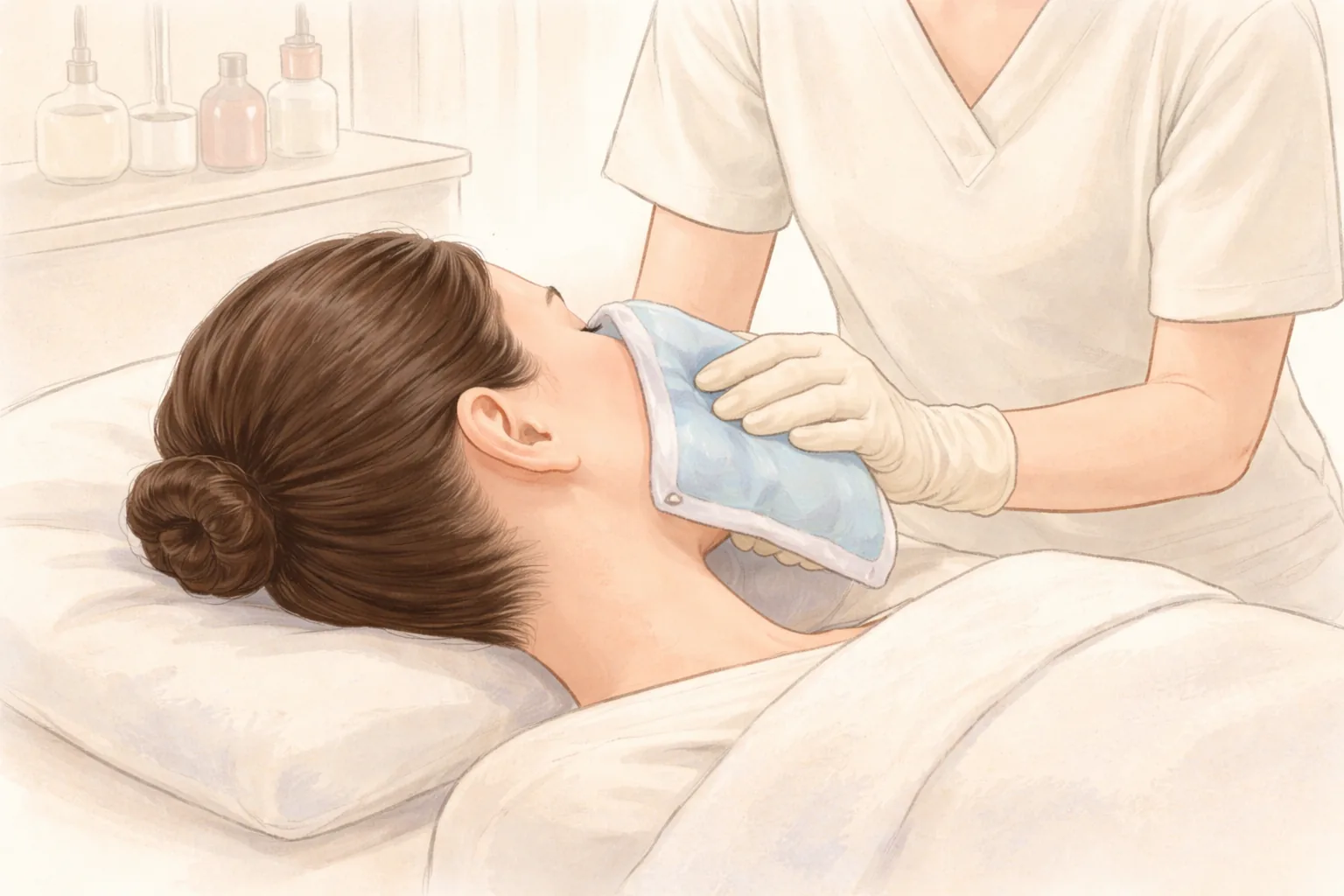
Calming — On the day of treatment, don't press or rub the injection site. Cold compresses may help with swelling, but confirm the method with your clinician, and avoid saunas, strenuous exercise, and alcohol on the same day.
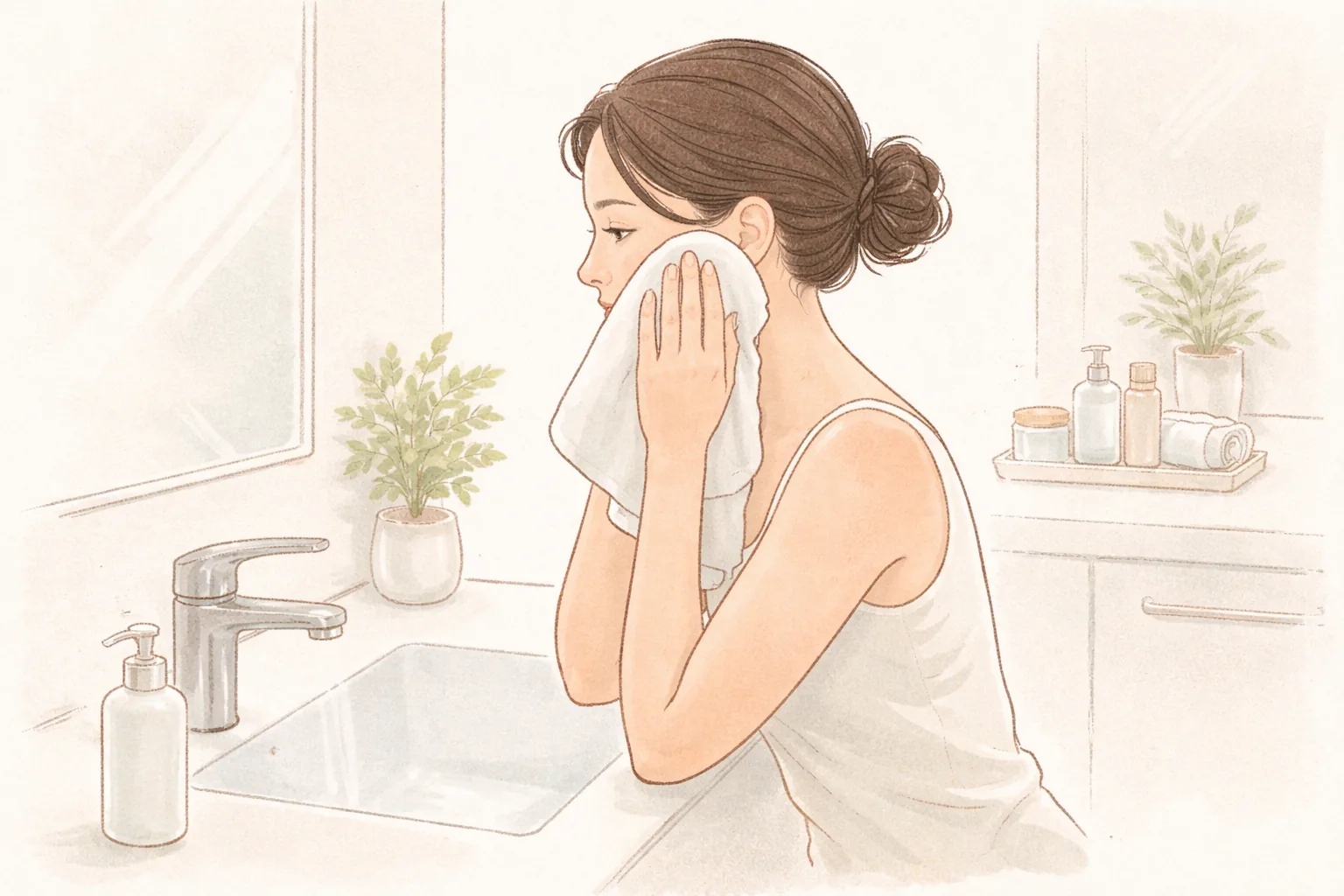
Cleansing and moisturizing — Makeup is often possible from the next day once the injection marks have closed, so check with your doctor. Keeping the skin moisturized so it doesn't dry out makes recovery easier.
Sun protection — For 2–3 days after treatment, apply sunscreen more carefully than usual. During this period the skin's barrier is temporarily weakened, so protection is important to recover without pigmentation.
Checking progress — Papules and swelling usually settle within a day to a few days. If an area stays raised for a while or lasts longer than expected, tell the clinic before postponing your next session.
Common reactions are small papules at the injection site, redness, swelling, tenderness when pressed, and bruising. Less commonly, infection, allergic reactions, or small lumps can occur, and very rarely the injected substance can block or damage blood vessels. If you have pain that is unusual or worsening, or if the skin at the injection site turns white, mottled, bluish-gray, or black, or if your vision changes, don't wait — seek care immediately. Likewise, tell the clinic if bruising or swelling remains beyond a week.
Frequently asked questions
How many Rejuran sessions do I need, and at what intervals?
ATTITUDE Clinic's column advises that PN and HA skin boosters are usually done as a few sessions spaced 2–4 weeks apart, after which the interval is widened and maintenance sessions continue. This value isn't a fixed rule but a baseline, adjusted according to your skin, the areas of concern, and any treatments done alongside. It's also common to decide the second interval after seeing how the first session responded. The number you need is decided at your consultation after your skin is examined, and the next plan is set based on the texture at the end of the course.
When do results start to show, and how long do they last?
Right after treatment there's swelling, so it's hard to feel a big change — if there is one, it appears gradually. That's why we look at texture over several weeks rather than how it feels on day one. The wide individual variation in duration is because the speed at which collagen is produced and broken down differs from person to person, with factors like age, UV exposure, and smoking also playing a role. That's why maintenance sessions are planned alongside it, as ongoing care rather than a single treatment. The timing and degree are more accurately explained at your consultation after your skin is examined.
How long do the embossing (papules) and swelling last?
Bumpy marks can remain along the injection points, which is a reaction as the substance is absorbed and usually settles within a day to a few days. Swelling follows a similar pattern, and if bruising appears it can take more than a week to fade. During this period the skin's barrier is temporarily weakened, so sun protection needs more attention than usual. If an area stays raised for a while or lasts longer than expected, don't move your next session earlier — tell the clinic.
How is this different from the "water glow" injection or exosomes?
The "water glow" injection is mainly based on hyaluronic acid and attracts moisture to provide hydration, while Rejuran is a PN formulation and a separate treatment. Sometimes a supporting treatment such as exosomes is layered after a laser or microneedling, and the standardized repeat cycle for this is still being established, so the doctor decides for each case. The three aren't so much substitutes for one another as options combined according to purpose. Which combination suits you depends on what your skin is lacking right now.
What should I check when choosing a clinic?
Comparing price alone makes it hard to judge, since the conditions differ. Check together which product name is used, how much is used per session, and how many sessions are planned at what interval. The anesthesia method, recovery time, and how possible side effects are explained are also things to check. It's also worth seeing whether medications you're taking and your allergy history are asked about thoroughly during the intake. The more specific the explanation, the more realistically you can plan your sessions.
At a glance
Table 2 At a glance
Item
Key point
Key ingredient and action
PN supports a repair response in the dermis; HA attracts moisture
Typical interval
Usually a few sessions 2–4 weeks apart, then the interval is widened for maintenance
What determines the number of sessions
Skin condition, areas of concern, maintenance habits, and the order of treatments done alongside
Recovery
Papules and swelling for a day to a few days; bruising can take more than 1 week
Maintenance
The interval is widened and maintenance sessions continue
Decided at your consultation
Product name and amount used, sessions and intervals, anesthesia method, and the order of treatments done alongside
This article offers general health information. It is not a substitute for diagnosis or treatment based on your own condition, so please talk through your situation with a doctor.