Rejuran: Skin Condition Matters More Than Your Age
Why Rejuran suitability is judged by skin thickness, dryness, elasticity, and health, not age — plus the differences between lines and recovery and side effects.
Written by ATTITUDE Clinic Editorial Team
The question people searching for Rejuran ask most often is "What age should I start?" or "Can I get it in my 20s?" The real reason age comes up is suitability. This article walks through what to look at in the skin before the number of your age, what Rejuran does inside the skin, how the lines differ and how they compare to other injectable treatments, and recovery details like embossing and swelling.
The bottom line first
Rejuran is a PN (polynucleotide) skin booster — not a volume-filling treatment, but one that helps the skin's own recovery response. Suitability isn't decided by age alone. According to the American Academy of Dermatology, a dermatologist judges whether a procedure will produce the desired result by looking at skin condition, age, and health together (questions to ask at a consultation). Even among people in their 30s, if the skin is thin and dry, Rejuran tends to be considered first; if volume loss or sagging is the main concern, other approaches are looked at first. What gets decided in consultation isn't "how old are you" but "what is your skin lacking right now."
What does Rejuran do inside the skin?
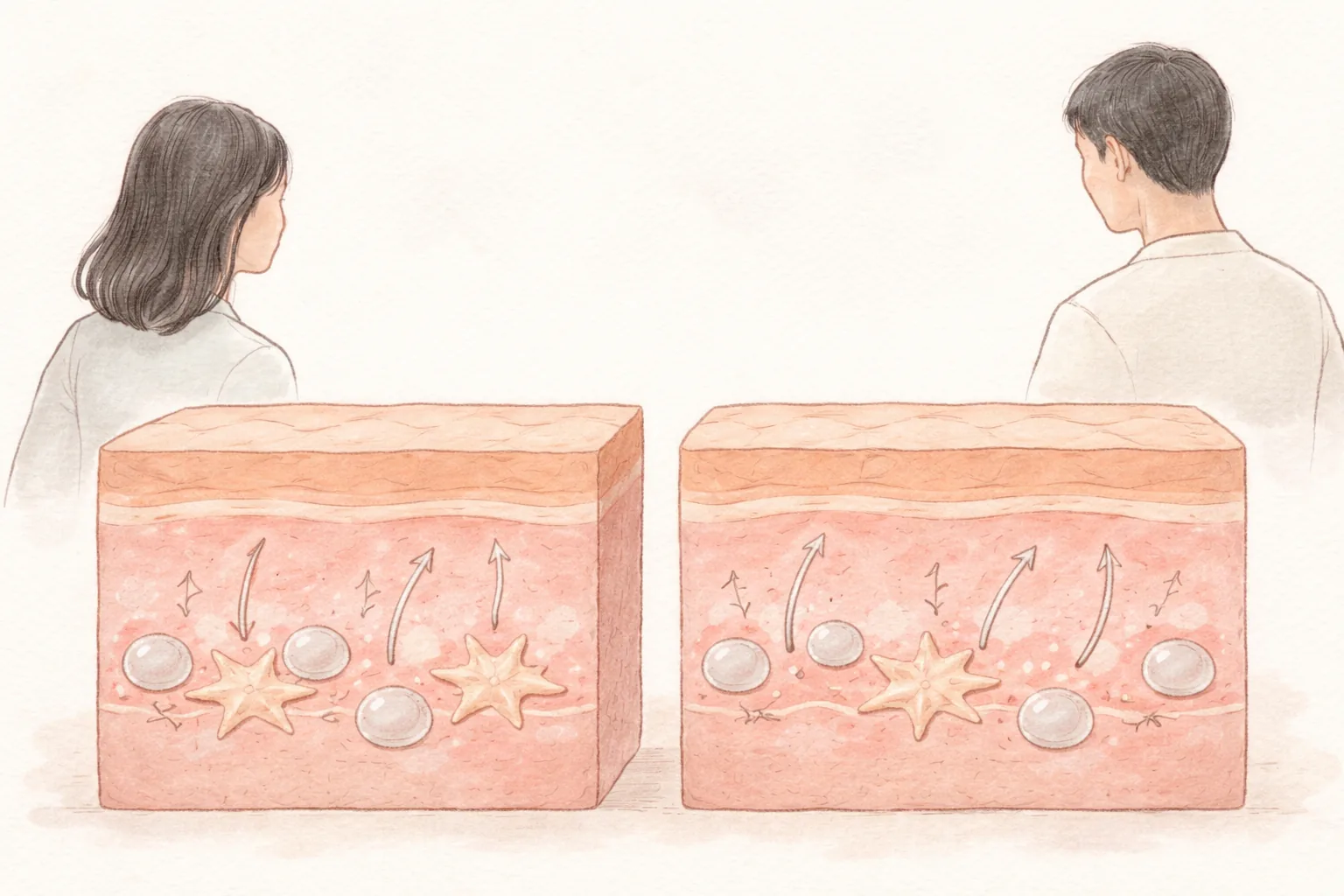
Rejuran's main ingredient is PN, or polynucleotide. It's a purified ingredient obtained from salmon and other sources, and when injected into the dermis (the layer where collagen is produced inside the skin) it is known to help the response of regenerating damaged tissue and stimulate collagen-producing cells. It's also discussed as helping calm redness (what happens inside the skin).
There's one point of difference here. Dermal filler fills the space on the spot with the injected ingredient, creating immediate volume. Rejuran doesn't work that way. It sends a signal for the skin to produce something on its own, so results build over weeks rather than overnight. According to the American Academy of Dermatology, collagen-stimulating fillers show results over 2–3 weeks and are distinguished from fillers with immediate results (filler consultations and post-procedure checks). That's where the sense that regeneration-focused treatments take time comes from.
So expecting Rejuran to be a "get it and feel better right away" treatment misses the mark. Thinking of it as "one shot and done" also misses the mark. Usually several sessions are done at 2–4 week intervals, then the intervals are widened for maintenance sessions.
What to look at before age, and how your 20s and 40s differ
A dermatologist judges whether a procedure will produce the desired result by weighing skin condition, age, and health together. Age is just one axis, not a standalone criterion (American Academy of Dermatology consultation guidance).
In your 20s, skin thickness tends to be relatively maintained and oiliness is often higher. If the main concerns at this stage are pores, pigmentation, or acne marks, Rejuran is unlikely to be the first choice. However, if the skin barrier has thinned from frequent exfoliation or repeated laser treatments, it can be considered for managing skin texture.
After your 30s, the skin gradually thins, fine lines become more noticeable, and chronic dryness and dullness settle in. Many people first consider skin boosters like "water glow" injections or Rejuran at this time (who it suits). If the skin has become thinner and fine lines are starting to show, Rejuran's direction fits the concern.
After your 40s, decreased skin thickness and reduced elasticity overlap. At this point, it's better to look at structure along with PN alone. If skin texture and moisture are the main concerns, PN and HA skin boosters are considered; if the skin feels thinner and less elastic, supplementing the dermis with structures like collagen and elastin is considered alongside (collagen injections — do they build up in the skin right away?).
Gender isn't a criterion either. In consultation, skin thickness, sebum production, and a history of irritation from shaving or exfoliation are looked at together. Even with the same concern, the line and dosage differ depending on these factors.
Which concerns make Rejuran the first option?
If the following applies, it's worth bringing up Rejuran first in consultation: skin is thinning and fine lines are starting to show; there's chronic dryness and dullness that basic skincare can't solve; it's being considered as part of an overall plan including lasers or lifting; you want natural, gradual improvement rather than an immediate big change; or you want to address subtle scar marks or dull skin texture at the same time (who it suits well).
Conversely, if volume correction is the goal, the order changes. Dermal filler is used to fill volume in specific areas, while Rejuran is used to address the skin's own texture and elasticity. If hollowness is the main concern, a volume-filling approach is considered first (the difference between collagen injections and fillers).
Thin-skinned areas like under the eyes are trickier to judge. If the skin texture itself is rough and fine lines are the concern, Rejuran is considered; if hollowness or pigmentation is the cause, the cause is identified in consultation and planned alongside other approaches.
How do the Rejuran lines and other injectables differ?
ATTITUDE Clinic's price list includes Rejuran Healer, Rejuran HB, Rejuran HB lips, Rejuran S, and Eye Rejuran lines (treatment guide). Which line to use is decided in consultation based on whether the whole face or thin areas like the lips or eye area are being treated, and how thick the skin is.
Even with the same injection, different ingredients do different things. "Water glow" injections use hyaluronic acid (HA) to attract water and add moisture, while Rejuran's PN helps the skin's recovery response. Re2O's hADM (human-derived acellular allograft dermis) directly supplements the dermis with structures like collagen and elastin. Exosomes aren't a treatment themselves but an adjunct added to existing treatments (exosomes — does applying them after a treatment really work?).
Table 1 How do the Rejuran lines and other injectables differ?
Type
What the treatment does
Main concerns it suits
Time sense
Rejuran (PN-based)
Sends regeneration signals to the dermis to stimulate collagen-producing cells
Thinned skin, fine lines, dryness, dull texture
Not immediate but gradual, usually several sessions at 2–4 week intervals
"Water glow" injection (HA-based)
Attracts moisture to add hydration
Dryness, dull skin tone
Felt after immediate swelling subsides
Re2O (hADM)
Supplements the dermis with extracellular matrix like collagen and elastin
Decreased skin thickness and elasticity
Plump feel right after lasts a few days, changes over weeks
Exosomes
Adjunct that adds regeneration signals
Recovery support after treatments that open the surface
Used alongside rather than alone; the main role belongs to the primary treatment
Swipe sideways to see the whole table.
In summary, Rejuran is a treatment that signals the skin to recover on its own. That's why the choice depends on whether the concern is volume or skin texture, and even within Rejuran, the line differs depending on the area and thickness.
If this situation applies to you
When a ceremony or photo shoot is weeks away
Since changes appear gradually, results may not rise as much as hoped if the schedule is tight. Swelling and papules usually subside within a day to a few days, but bruising can last over a week, so plan with at least a few days of buffer before an important event.
When you want consistent management
Usually several sessions are done at 2–4 week intervals, then the intervals are widened for maintenance. Results continue when approached as ongoing management rather than a one-time fix. The next visit is guided according to the recommended interval after the procedure (when and how results appear).
Sensitive or redness-prone skin
Redness and bumpy marks can appear along the injection points. If you've ever reacted to cosmetics or medications, or if there's inflammatory acne, infection, or lip herpes at the treatment site, you need to let the clinic know in advance so the plan can be adjusted (pre-procedure checklist).
International visitors on a short stay
A schedule cramming sessions into a few days may not match the skin's recovery pace. If your stay is short, decide together in consultation how many sessions to do and how to continue the rest.
Please tell us before your consultation whether you are pregnant or breastfeeding, have an autoimmune disease, have ever reacted to cosmetics or medications, have infection, inflammatory acne, or lip herpes at the treatment site, are taking medications (especially those affecting blood clotting), your recent sun exposure, and any upcoming important events (pre-procedure checklist).
How ATTITUDE Clinic proceeds
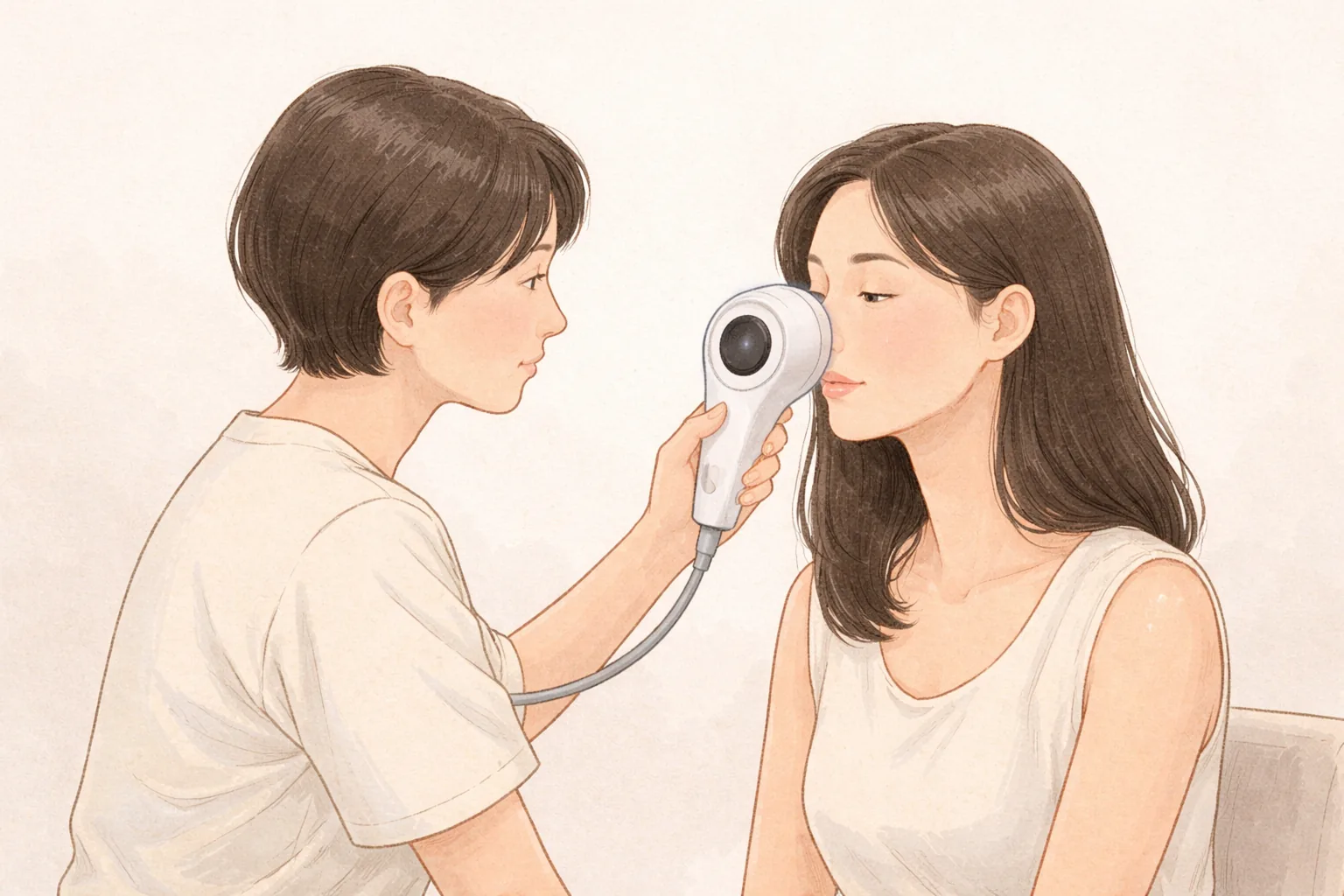
AI skin analysis record — The skin condition is photographed and recorded numerically as consultation material. It's a recording aid and does not replace a medical diagnosis. It helps track progress by allowing comparison under the same conditions.
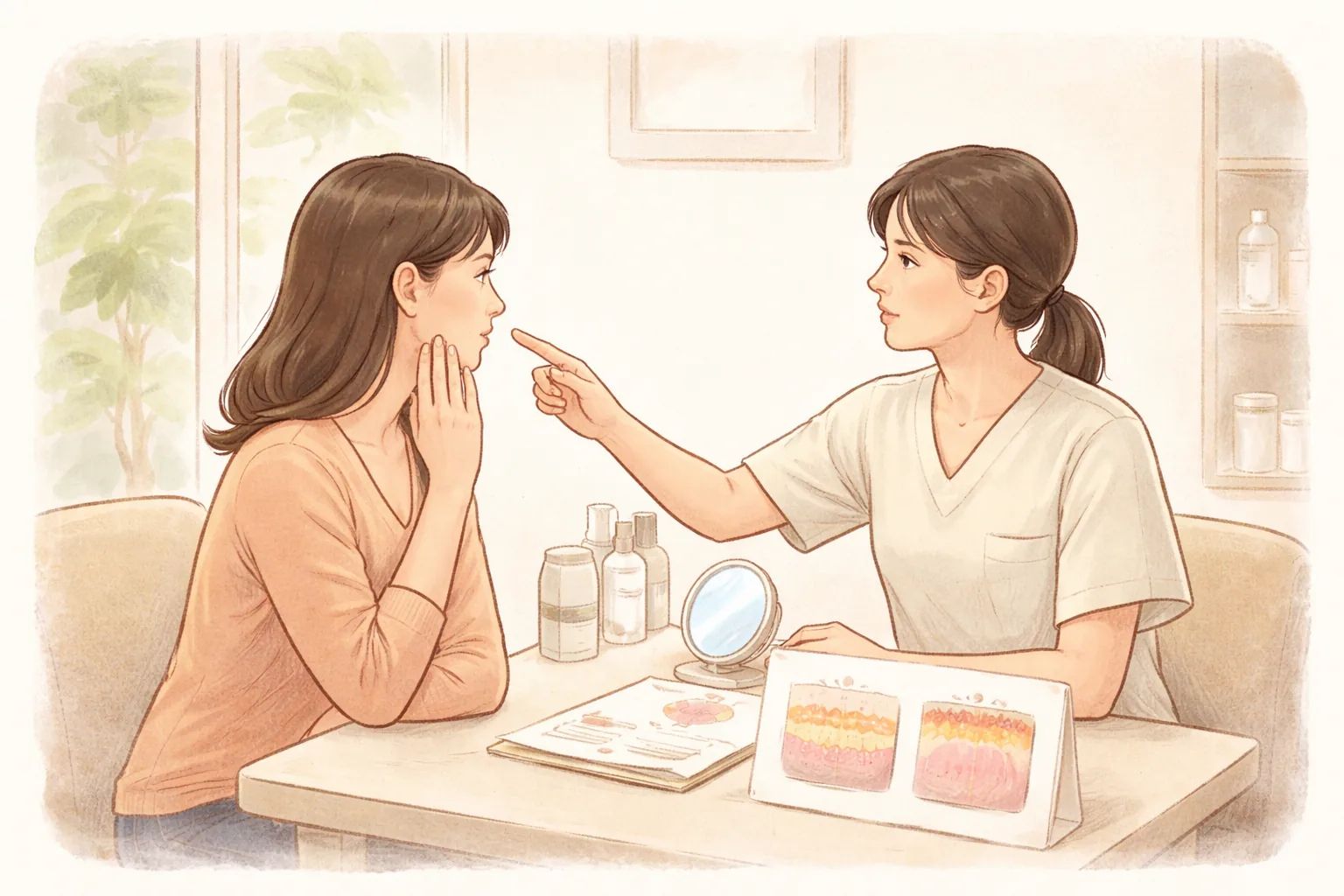
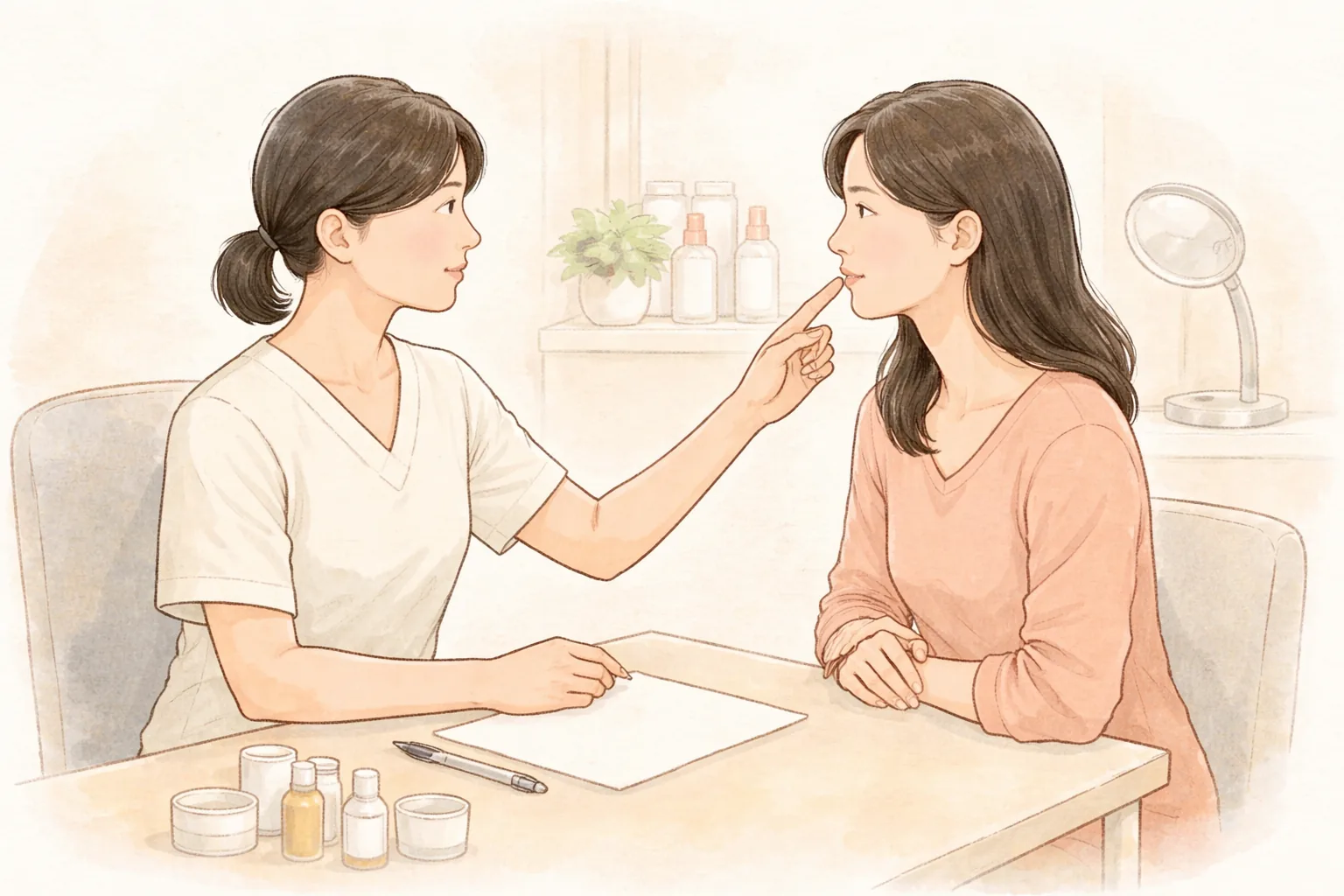
Doctor consultation — Skin thickness and dryness, elasticity, age and health, medications, and upcoming schedules are reviewed together. Which line, at what depth and dosage, and how many sessions are decided at this stage.
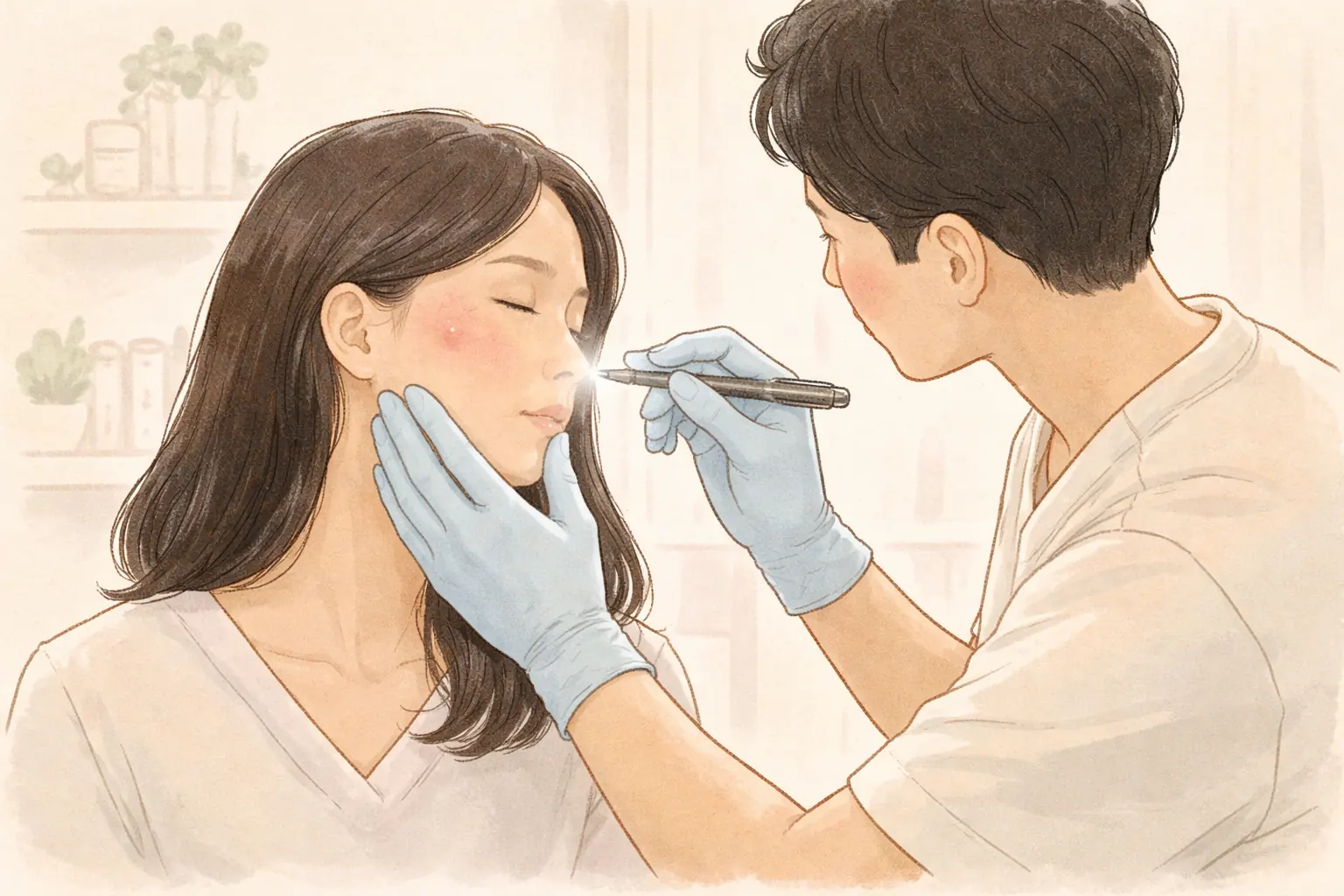
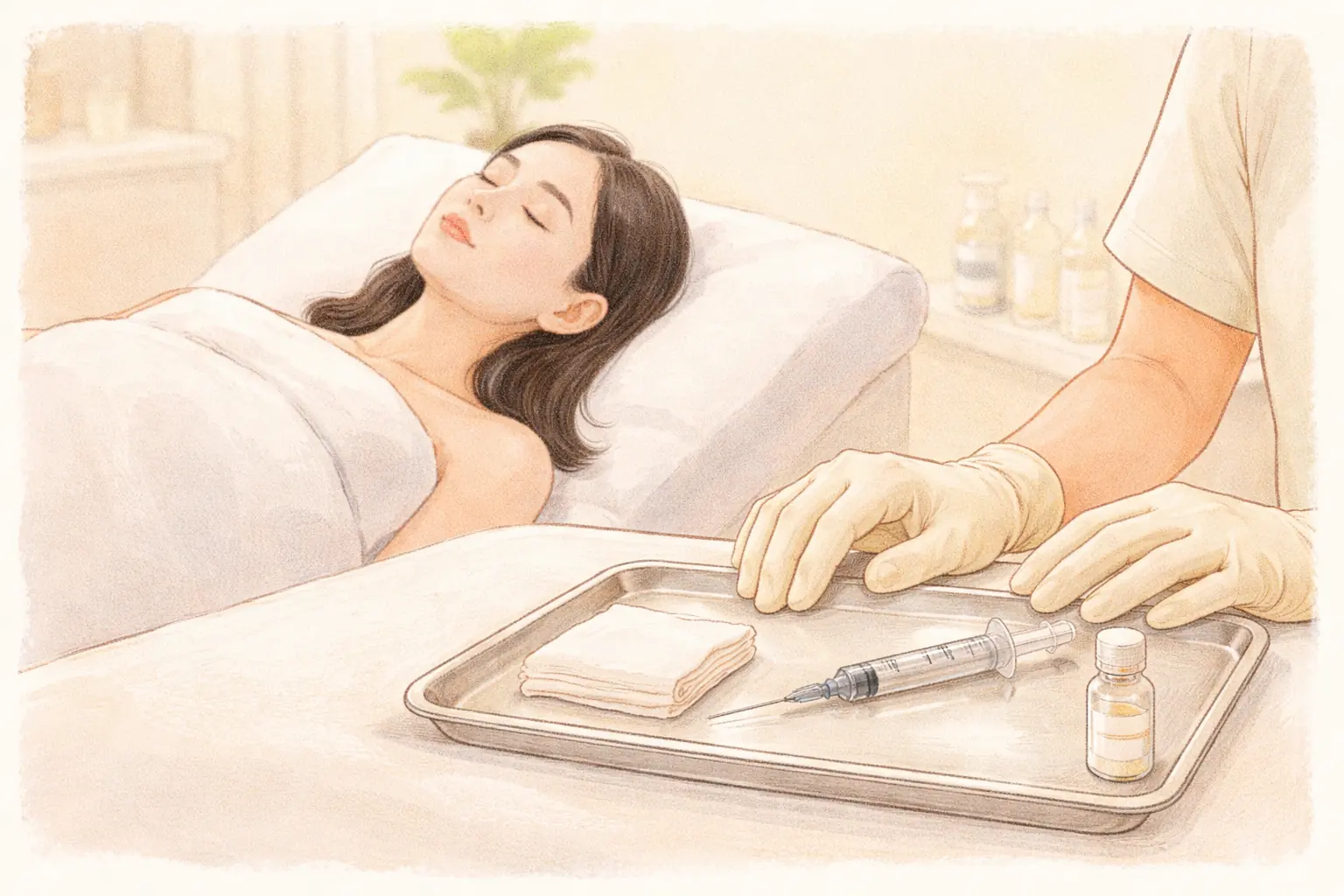
Treatment performed by the doctor — Based on genuine products and accurate dosage, the doctor performs the treatment directly. According to ATTITUDE Clinic's treatment guide, individual diagnosis and treatment plans are decided directly by the medical team during the consultation (treatment guide).
Recovery and management — The next visit is guided according to the recommended interval after the procedure, and reactions during recovery are checked (recommended interval after treatment).
Post-procedure care and side effects
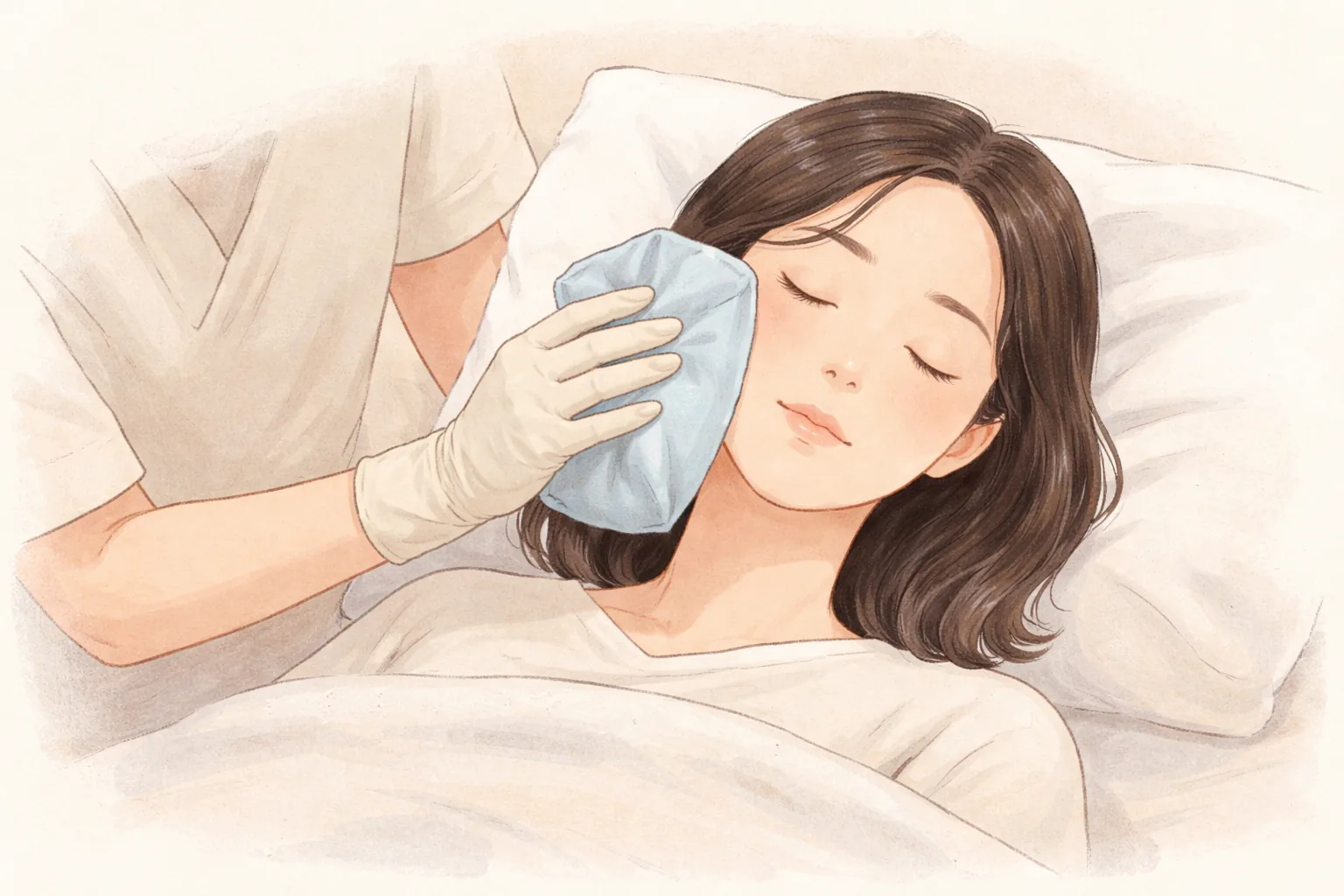
Soothing — Avoid saunas, strenuous exercise, and alcohol on the day of the procedure. Cold compresses can help with swelling; check the method with the medical team.
Cleansing and makeup — Makeup is often possible from the next day once the injection marks have closed. Don't press or rub the treatment area hard (post-procedure care).
Moisturizing — Dryness can make recovery feel slower, so moisturize more than usual.
Sun protection — Apply more carefully than usual for 2–3 days after the procedure. During this period the skin's barrier is temporarily weakened, so sun protection is needed to recover without pigmentation.
Common reactions are papules (bumpy marks) along the injection points, redness, swelling, tenderness when pressed, and bruising. Papules and swelling usually subside within a day to a few days, and bruising can take over a week to fade. Rarely, infection, allergic reactions, or small lumps can occur, and very rarely the injected ingredient can block or damage blood vessels.
There are also signs not to wait on. If you have pain that is unusual or worsening, skin at the injection site turning white or mottled, blue-gray or black, or changes in vision, get medical care immediately. If bumpy marks or lumps persist for a while, contact the clinic without waiting for your next appointment (recovery and warning signs).
Frequently asked questions
What age is best to start Rejuran?
There's no age that sets the starting point. According to the American Academy of Dermatology, whether a procedure will produce the desired result is judged by looking at skin condition, age, and health together (consultation guidance). In practice, many people consider it after their 30s when fine lines and chronic dryness settle in, but even in your 20s, if the skin barrier has thinned and texture has become rough, it can be considered. Conversely, even in your 40s, if volume loss is the main concern, other approaches come first.
How do Rejuran Healer, HB, and Eye Rejuran differ?
ATTITUDE Clinic's price list divides the lines into Rejuran Healer, HB, HB lips, S, and Eye Rejuran (treatment guide). The line used differs depending on whether the whole face or thin, delicate areas like the lips or eye area are being treated. Even within the same line, dosage and depth are adjusted according to skin thickness and concerns, so the criterion isn't which is better but what fits which area. The exact differences are explained after seeing your skin in consultation.
When do results appear, and how long do they last?
Right after the procedure, swelling makes it hard to feel a big change. Changes appear gradually, and the timing, extent, and duration differ from person to person. Because the rate at which collagen is produced and broken down differs, the older you are and the more aging has progressed from sun exposure or smoking, the faster synthesized collagen tends to be lost (results and maintenance). That's why several sessions at 2–4 week intervals are done rather than a single treatment, with maintenance sessions planned alongside.
How long do embossing and swelling last?
Embossing refers to the bumpy marks that appear along the injection points, a reaction that occurs as the ingredient is absorbed. It usually subsides within a day to a few days, and swelling decreases over a similar period. Bruising can take over a week to fade, and the degree varies with blood vessel distribution (papules and swelling). Post-procedure care instructions differ by product. According to the American Academy of Dermatology, one filler, poly-lactic acid, is massaged gently several times a day for 1–2 weeks, while other fillers advise not touching the treatment area for three days unless instructed otherwise (post-filler checks). Rejuran also follows the instructions given in consultation.
What should I check when choosing a clinic?
The American Academy of Dermatology has compiled questions to ask your doctor before a procedure. How many times have you performed this procedure, how many patients of my skin type and age have you treated, what results can realistically be expected, and what are the risks and recovery time (questions to ask at consultation). Results depend heavily on the practitioner's skill and experience, so check these items first. Cost, number of sessions, and whether the products used are genuine are also things to look at.
At a glance
Table 2 At a glance
Item
Key point
Suitability criteria
Skin thickness, dryness, elasticity, and health are looked at together rather than the age number
What it does
A PN-based treatment that helps the skin's recovery response rather than filling volume
Concerns it suits
Thinned skin, fine lines, chronic dryness, dull texture
When other approaches come first
When volume loss, pigmentation, or sagging is the main concern
Plan
Usually several sessions at 2–4 week intervals, then maintenance sessions
Recovery
Papules and swelling a day to a few days, bruising can last over 1 week; worsening pain or skin color changes need immediate care
This article offers general health information. It is not a substitute for diagnosis or treatment based on your own condition, so please talk through your situation with a doctor.