Rejuran Eye vs Filler: Choosing Based on What's More Urgent — Volume or Skin Texture
Rejuran eye vs filler compared: how each works, who they suit, pain and recovery, and aftercare. Understand tear trough filler vs polynucleotide before your Gangnam consultation.
Written by ATTITUDE Clinic Editorial Team
"How is Rejuran different from filler?" "Can I add Rejuran to a face that's already had filler?" These are questions I hear often in consultations. Both go in as injections, but they do different jobs in the skin. This article walks through how filler and Rejuran each work, which concerns each suits, and how pain and recovery differ.
The conclusion first
Filler is a treatment that fills hollow volume to improve facial contours and wrinkles, while Rejuran is a skin booster that supports skin regeneration and addresses skin texture, elasticity and fine lines. Filler works by the injected material directly filling, so change appears relatively quickly, whereas Rejuran builds up over sessions and shows gradually. So rather than "which is better," the choice depends on whether your concern right now is volume or skin texture. The two aren't competitors — you can plan an order and use them together depending on your goal.
What does filler do in the skin?
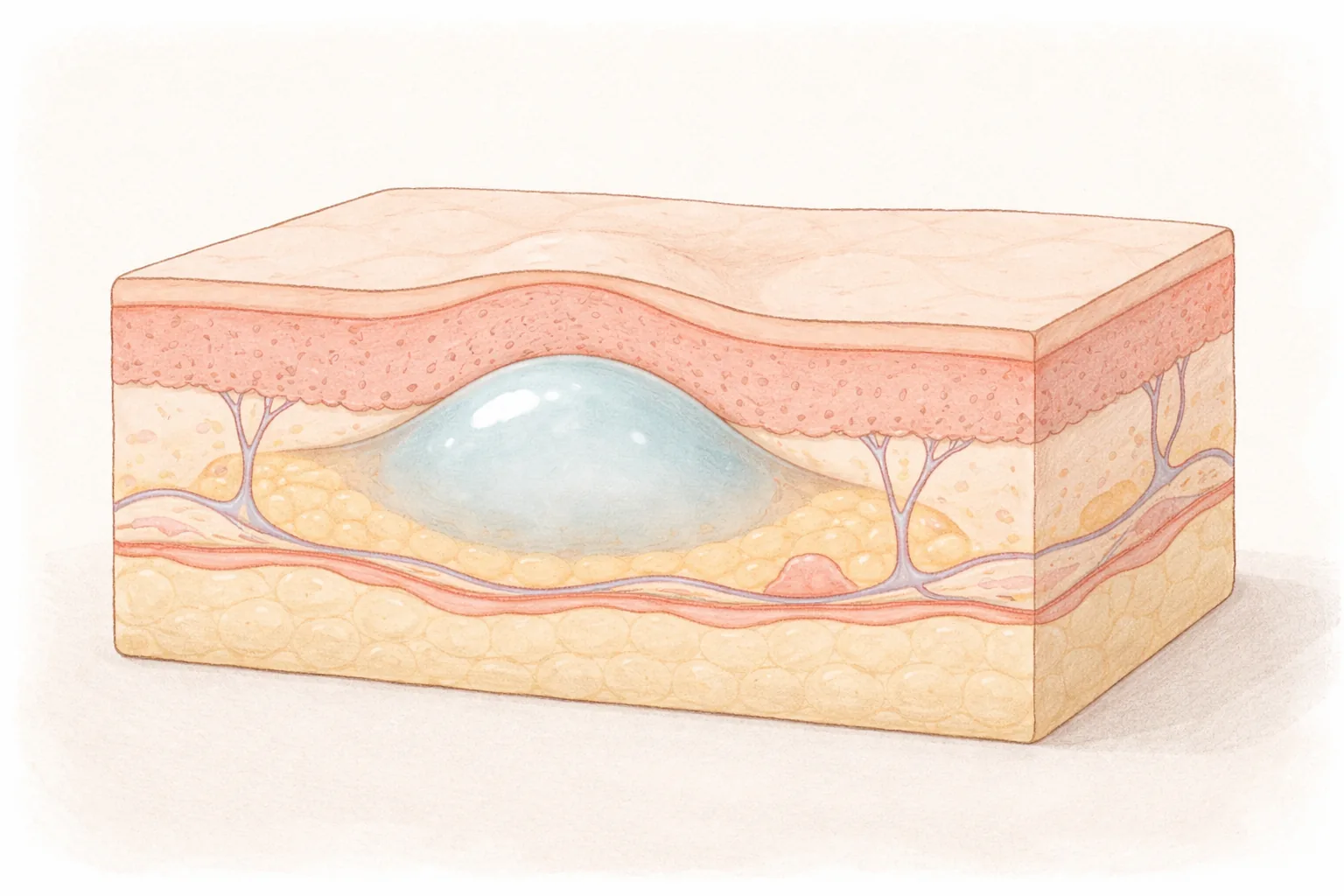
Filler is injected into the skin like a medical implant to create a smoother, more voluminous facial line. According to US FDA material, absorbable fillers are approved for use in moderate to severe facial wrinkles and nasolabial folds, fine lines around the lips, and volume enhancement of the lips, cheeks and chin. Because the injected material is naturally absorbed over time, you may need another treatment after a certain period to maintain the effect. Duration varies by filler material and injection site.
Hyaluronic acid filler is gel-like and soft, used to fill volume and contours naturally. According to the American Society of Plastic Surgeons, hyaluronic acid is a substance also found in our bodies and is broken down over time by enzymes in the body, usually taking about 8–18 months. If you don't like the result, or if lumps or vascular problems occur, the filler can be dissolved with an enzyme called hyaluronidase. But this process is also an injection, so risks like pain, bruising and swelling apply.
One misunderstanding about filler is the idea that "filler only smooths wrinkles." In practice, it's more focused on filling areas lacking volume, like hollow cheeks, chin or lips. Conversely, if your main concern is skin texture itself, fine lines, or loss of elasticity, an approach other than filler may be needed. Another point: after filler injection, swelling and bruising are common, and rarely it can block a blood vessel and lead to serious complications. The FDA warns that accidental injection into a blood vessel can cause problems such as necrosis, vision abnormalities and stroke.
How is Rejuran different from filler?
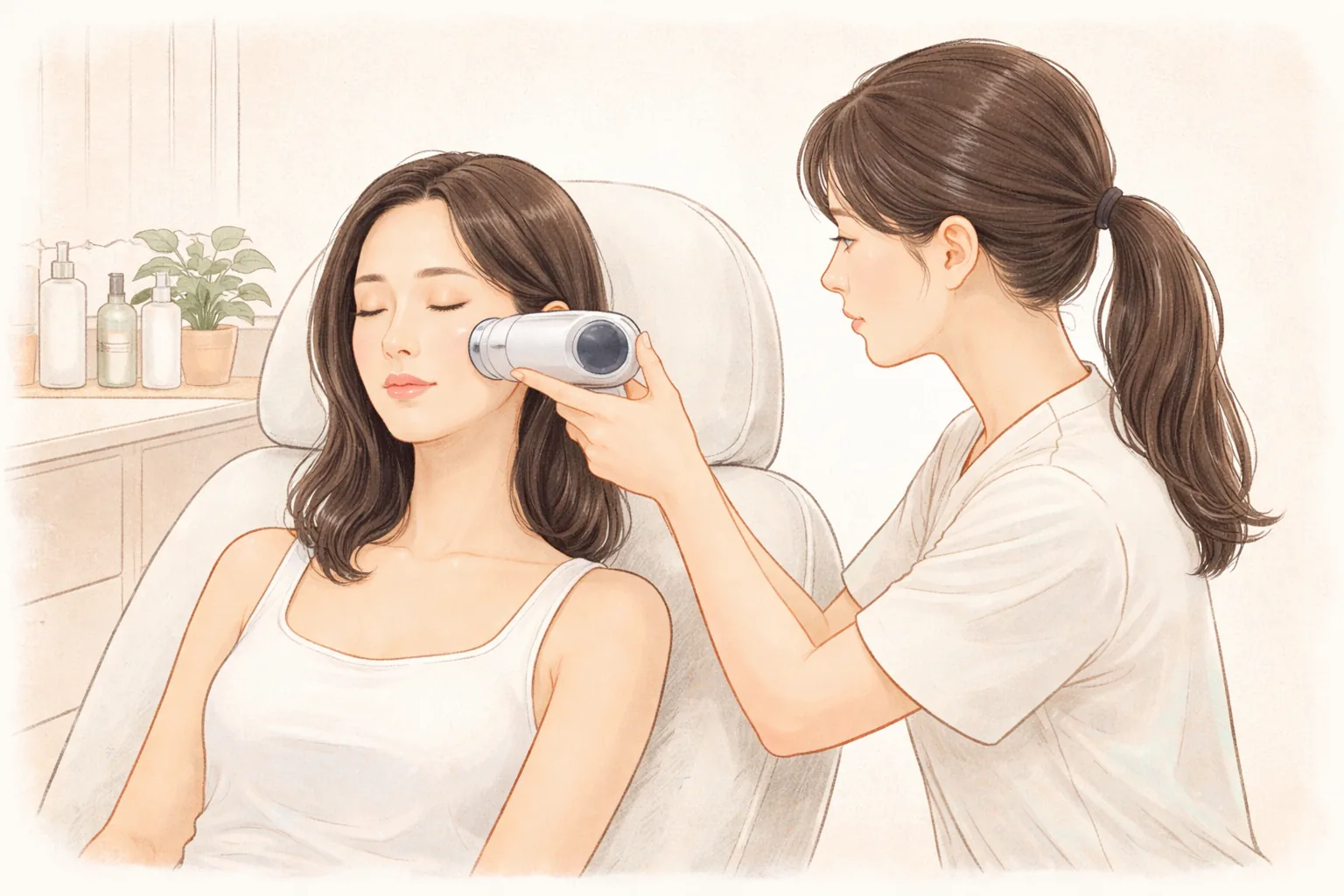
Rejuran isn't a volume-filling material like filler — it's a skin booster that helps the skin recover on its own. As explained in the ATTITUDE Clinic column, PN (polynucleotide) is a substance extracted from salmon and other sources; when injected into the dermis, it is known to support the response that regenerates damaged tissue and stimulate cells that produce collagen. So rather than an immediate volume change after injection, the flow is that skin texture, elasticity and fine lines gradually improve over time. HA (hyaluronic acid) skin boosters attract moisture and add hydration, while PN places more weight on regeneration and elasticity.
Even among skin boosters, the action differs by ingredient. According to the ATTITUDE Clinic collagen injection column, PN and PDRN are different ingredients and products. PN activates cell regeneration signals and helps fibroblasts produce collagen on their own, while PDRN has shorter molecular chains and is used mainly for hydration and regeneration. Rejuran belongs to the PN family and is distinct from PDRN, which is called a salmon DNA injection.
You might think, "Rejuran also goes in as an injection like filler, so isn't it filler?" But filler works by the injected material itself serving as filling and then being broken down and absorbed, while Rejuran works by the injected ingredient sending signals to skin cells and inducing them to make collagen on their own. So Rejuran is closer to "a treatment that changes the skin's condition" than "a filling treatment." Knowing this difference makes it easier to judge which treatment to consider first for which concern.
Which concern calls for filler, which for Rejuran?
The first criterion that divides the choice is "what is lacking." If your cheeks are hollow, nasolabial folds are deep, and chin or lip volume is lacking, filler is right. Filler directly fills the lacking volume and corrects facial contours. Conversely, if the skin is thinning, fine lines are increasing, elasticity is dropping, and redness doesn't subside easily, you may consider Rejuran or another skin booster first. The ATTITUDE Clinic column also explains that PN and HA skin boosters suit hydration and skin texture management, while filler suits volume correction.
The second criterion is "how quickly you need change." Filler shows volume change right after injection, so it's advantageous when you want to correct a specific area immediately. Rejuran is a treatment you build up over sessions, so rather than expecting dramatic change from one session, you receive it multiple times at 2–4 week intervals and watch the skin condition change gradually. If you have a pressing schedule, consider this difference first.
The third criterion is "what your skin can handle." Filler can cause swelling, bruising, and rarely vascular problems at the injection site. Because Rejuran involves injecting multiple points into the dermis, papules (small bumps), redness and bruising can remain for 1 day to several days. If your skin is sensitive or you've recently had another treatment, it's best to discuss with the doctor what order to proceed in.
Table 1 Which concern calls for filler, which for Rejuran?
Category
Filler (hyaluronic acid, etc.)
Rejuran (PN skin booster)
Main purpose
Filling hollow volume and smoothing wrinkles
Creating a skin regeneration environment to help texture and elasticity
Mechanism
Injected material directly fills
Sends cell regeneration signals to help collagen production
When change appears
Volume change right after injection
Gradually, as sessions build up; swelling right after
Duration and adjustment
Absorbed depending on material and site; HA can be dissolved
Large individual variation; maintenance sessions planned together
Best-suited concerns
Hollow cheeks, nasolabial folds, lips, etc.
Skin texture, fine lines, loss of elasticity, redness
Swipe sideways to see the whole table.
In summary Filler is a treatment that fills hollow areas, while Rejuran is a treatment that helps the skin recover on its own. The two aren't competitors — you can choose based on your concern, or set an order and use them together.
If this sounds like your situation
When a schedule like a ceremony or shoot is coming up
Filler can leave bruising and swelling for several days, and Rejuran can leave papules and redness for 1 day to several days. If you have an important schedule, it's better to consult at least 1 week ahead and decide the treatment timing with recovery time in mind. The more urgent your schedule, the more you'll want to discuss with the doctor first which treatment suits you. If you plan multiple treatments on the same day, recovery periods can overlap, so the order may need adjusting.
When you want ongoing skin care
Rejuran is usually planned as multiple sessions at 2–4 week intervals, then maintained with wider intervals. Filler is reconsidered for retreatment once absorbed. Approaching it as management rather than a one-time treatment makes planning easier. Maintenance intervals vary with skin condition and lifestyle, so the next visit timing is set in consultation.
Sensitive or easily reddened skin
PN is known to help calm redness, so Rejuran may be considered first for this kind of skin. Filler, on the other hand, can cause redness and swelling at the injection site. If you have a history of skin reactions, it's best to mention it first in consultation. Which product suits you depends on skin thickness and the concern area.
International visitors on a short stay
Your choice depends on whether the progress can be checked during your stay and how much time there is until your next visit. Filler shows change relatively quickly but has the possibility of bruising and swelling, while Rejuran requires building up sessions, so it may not suit a short schedule. It's good to discuss your stay schedule and recovery time together. Since progress checks may be needed after treatment, it's safer to leave some margin before your flight home.
Tell us before your consultation Please mention in advance any medications you're taking (especially those affecting blood clotting), recent UV exposure, pregnancy or breastfeeding status, allergy history, previous filler or skin booster treatments, and any important schedule.
How ATTITUDE Clinic proceeds
Skin assessment — We check skin thickness, concern areas and previous treatment history. This process is a record to support consultation, not a medical diagnosis. Analysis tools only organize and show information; the doctor makes the final judgment.
Doctor consultation — Based on whether your concern is volume or skin texture, we discuss whether to do filler or Rejuran first, or together. If you have a pressing schedule, we calculate recovery time together.
Treatment by the doctor — The doctor decides whether genuine products are used, and the injection amount and depth. We explain the anesthesia method and precautions before treatment.
Recovery and aftercare guidance — We guide you on post-treatment precautions and the next visit timing. We also let you know how to contact us if an adverse reaction occurs.
The treatments covered in this article are filler and Rejuran (skin booster), and ATTITUDE Clinic performs filler and skin boosters including Rejuran. Specific products and prices can be found in clinic information.
Aftercare and side effects
After treatment, manage in the following order.
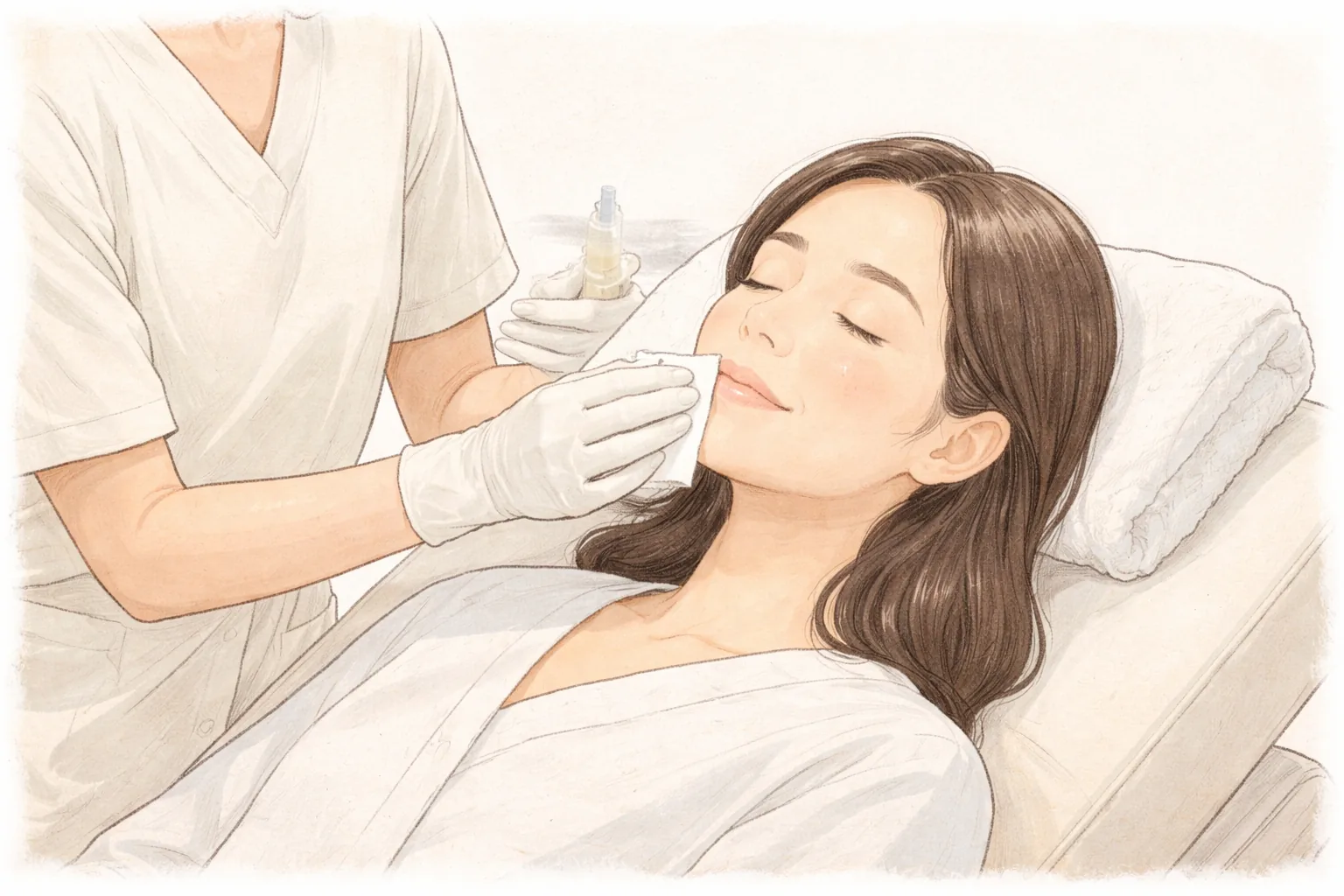
Soothing — On the day of treatment, you can apply cold compresses to reduce swelling and redness. Check the method with the medical staff.
Avoid pressure and massage — After filler, don't press hard on or massage the injection site. The American Society of Plastic Surgeons advises that strong massage can cause filler migration, and that lying on a massage table for 24–48 hours after treatment is also best avoided.
Avoid heat and alcohol — It's best to avoid saunas, strenuous exercise and alcohol on the day. The same material also recommends avoiding excessive heat like saunas for 24–48 hours after filler, and avoiding aspirin, NSAIDs and alcohol to reduce bruising.
Sun protection — Apply sunscreen carefully during the recovery period. It's good to be more attentive than usual for 2–3 days after treatment.
Common reactions are swelling, bruising, redness at the injection site and papules. After filler, swelling and bruising often subside within several days to several weeks. Less commonly, infection, allergic reaction, small lumps (nodules) and filler migration can occur. Rarely, the injected material can block a blood vessel and lead to serious complications such as necrosis, vision abnormalities and stroke. If you have pain that's different from usual or worsening, if the skin at the injection site turns white, mottled, bluish or black, or if you notice changes in vision, don't wait — seek care immediately. Contact the clinic if swelling, pain or fever persists.
Frequently asked questions
How is Rejuran different from filler?
Filler is a treatment that fills hollow volume to improve facial contours and wrinkles, while Rejuran is a skin booster that supports skin regeneration. Filler works by the injected material directly filling and then being absorbed over time, while Rejuran sends cell regeneration signals and helps the skin produce collagen on its own. So Rejuran doesn't create immediate volume from what's injected; instead, skin texture and elasticity change gradually as sessions build up. If hollow volume is your concern, filler is considered first; if skin texture and fine lines are your concern, Rejuran is considered first. The two treatments have different goals, so they can also be planned together.
Is the PN in Rejuran the same ingredient as PDRN?
No. PN (polynucleotide) and PDRN (polydeoxyribonucleotide) are both derived from salmon and other sources, but their molecular chain lengths and the layers they act on differ. According to the ATTITUDE Clinic column, PN has longer molecular chains than PDRN and is used to help collagen production in the dermis, while PDRN is used mainly for hydration and regeneration. Rejuran belongs to the PN family and is a product distinct from PDRN, which is called a salmon DNA injection. Which ingredient suits you is decided in consultation based on your skin condition.
Can I add Rejuran after getting filler?
Filler and Rejuran have different goals, so one doesn't replace the other. You can set an order — filling volume with filler and managing skin texture with Rejuran. However, whether they can be done on the same day and how much interval to leave depends on the treatment area, the product used, and the skin's recovery state. If you've had filler before, you need to tell us the history and timing in consultation so the doctor can plan. Rather than deciding in a hurry, it's safer to see the recovery progress and then decide the next step.
When do Rejuran effects start to appear?
Rejuran isn't a treatment that creates volume right away like filler; change appears gradually. The ATTITUDE Clinic column explains that usually several sessions are done at 2–4 week intervals, then intervals are widened to continue maintenance treatments. With just 1 session, the effect is limited and temporary, and if there are collagen-related changes, they appear gradually. Timing, degree and maintenance duration vary from person to person depending on skin condition and lifestyle. The older you are, and the more UV exposure or smoking, the shorter the maintenance period tends to be.
What should I look at when choosing a clinic?
The US FDA recommends receiving treatment from a licensed medical professional with dermatology or plastic surgery experience. In consultation, look at whether they directly check your skin condition, whether the products used are approved genuine products, and whether they sufficiently explain post-treatment precautions and side effects. It's also good to check whether they ask about previous treatment history, medications and allergies. Safer than a place that guarantees results or pushes sessions excessively is a place that honestly explains whether filler or Rejuran fits your concern.
At a glance
Table 2 At a glance
Item
Key point
Main purpose of filler
Fills hollow volume to improve facial contours and wrinkles
Main purpose of Rejuran
Skin booster that creates a skin regeneration environment to help texture and elasticity
When change appears
Filler right after injection; Rejuran gradually as sessions build up
Duration and adjustment
Filler absorbed depending on material and site; HA can be dissolved / Rejuran has large individual variation and maintenance sessions
Pain and recovery
Filler: bruising and swelling; Rejuran: papules and redness for 1 day to several days
Check before consultation
Medications, allergies, previous treatment history, important schedule
This article offers general health information. It is not a substitute for diagnosis or treatment based on your own condition, so please talk through your situation with a doctor.