Sagging Skin and Wrinkles: How Do You Set Goals for a Lifting Consultation?
How to break down what has changed by layer, what ultrasound, RF, and laser treatments do inside the skin, recovery and side effects, and the standards for checking total cost and reviews.
Written by ATTITUDE Clinic Editorial Team
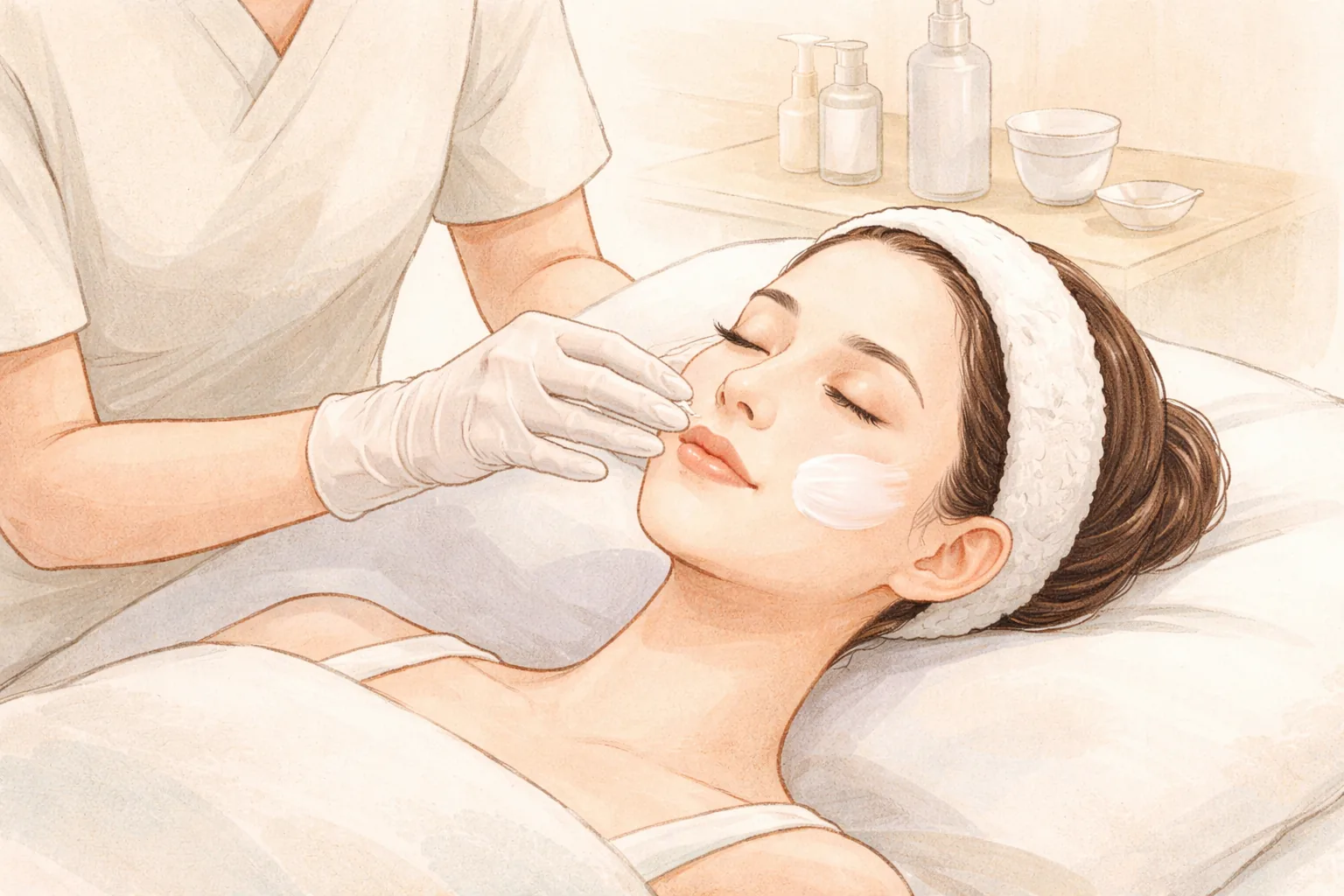
Many people book a lifting consultation and still feel vague about “exactly what treatment I will get, and whether this will smooth out my nasolabial folds.” The reasons for sagging differ by area, and even treatments with the same name as lifting do different things inside the skin. Let’s go step by step from how to break down what has changed by layer to recovery, cost, and how to read reviews.
The bottom line first
The goal of the consultation is set not by “what should we lift,” but by breaking down “what has changed” by layer. According to American Academy of Dermatology guidance, before a cosmetic procedure, a consultation should cover expected results and risks, alternatives, the number of sessions and treatment time needed, recovery and aftercare, and cost (AAD questions to ask). Depending on the approach, the depth reached by heat, when results appear, and the recovery burden differ (AAD firming treatments). Deciding on a checkpoint during the consultation reduces the chance of misreading a normal course as failure.
Why do sagging and wrinkles look different by area?
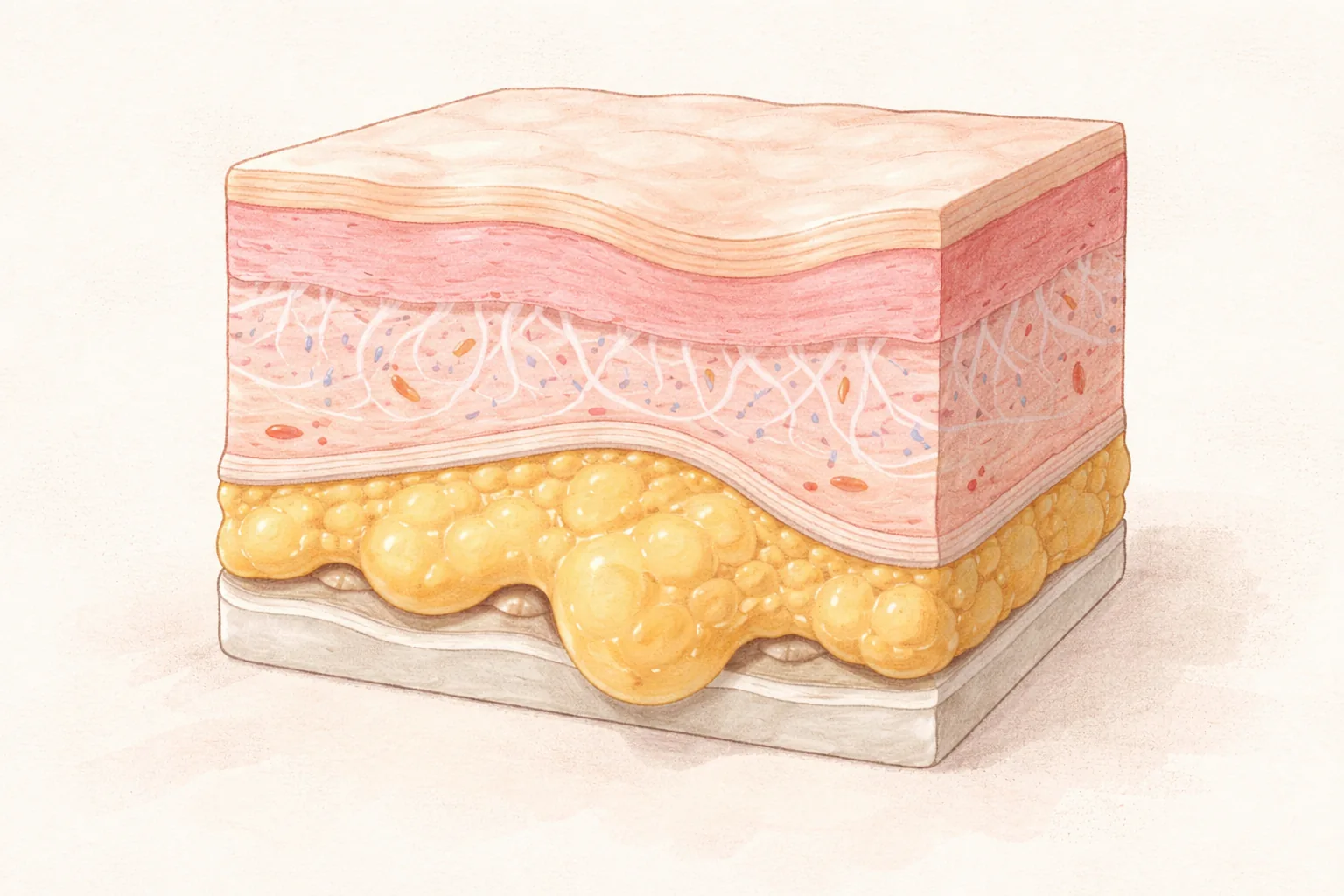
The skin is divided into three layers—epidermis, dermis, and subcutaneous fat—and beneath them are the facial muscles and the SMAS layer (a thin membrane that holds the facial muscles and skin together). With age, collagen fibers in the dermis decrease, subcutaneous fat descends with gravity, and the ligaments that had been holding tissue in place stretch. So even if everything is grouped under the same word “sagging,” the layers that have actually changed differ from person to person and area to area.
The eye area has thin skin and frequent use of expression muscles, so expression lines that fold when you smile are noticed first. Nasolabial folds deepen where the boundary created by descending cheek fat overlaps with reduced dermal density, while the neck has thin skin but a large surface area, so looseness spreads widely. This is why the same lifting energy can feel different around the eyes, cheeks, and neck.
Skin type, thickness, and regeneration speed also differ from person to person (Why do results differ even after the same treatment?). The treatment a friend raved about may not give you the same result, often because your starting point is different rather than because the treatment was done incorrectly.
Even with the same lifting treatment, how does what happens inside the skin differ?
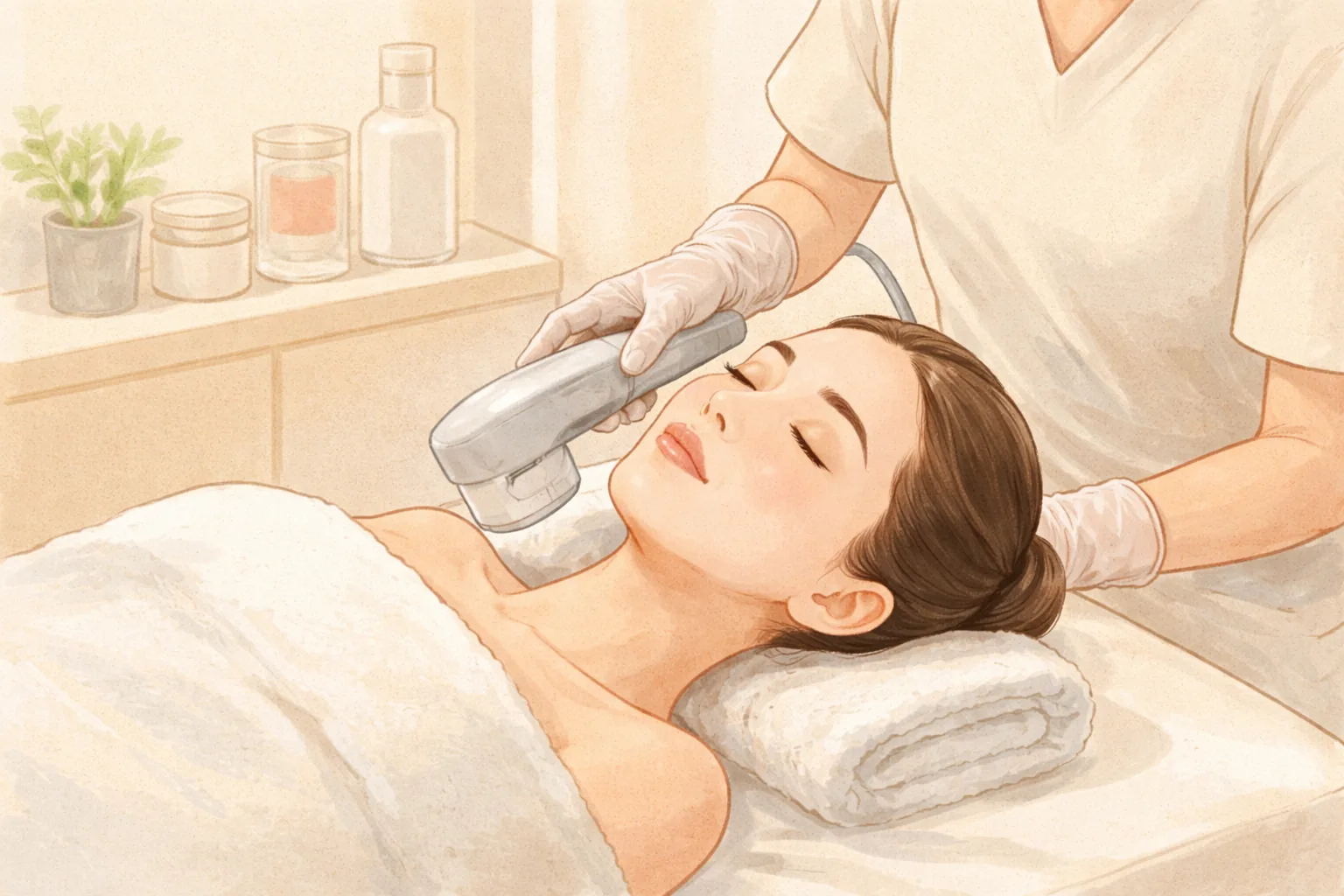
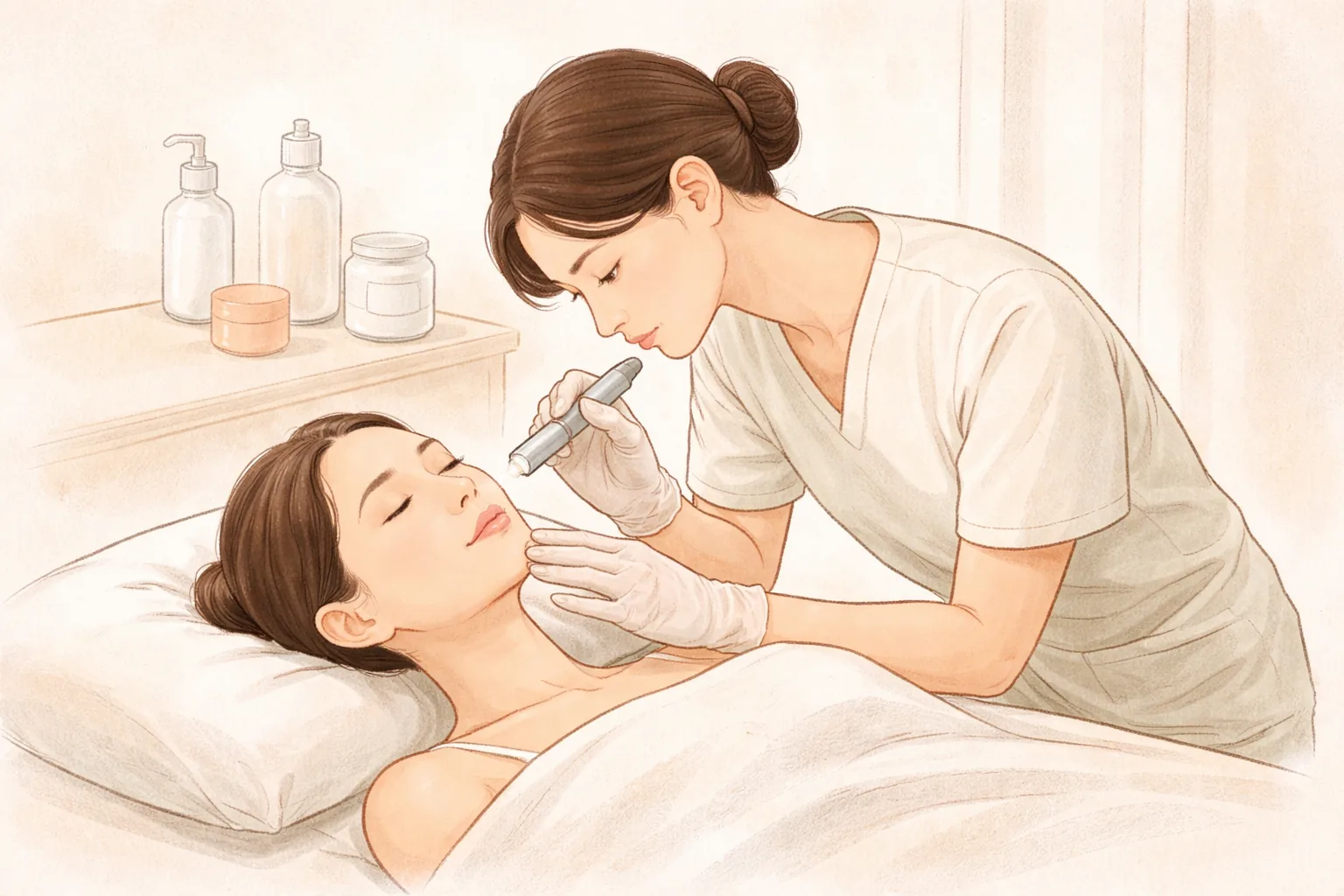
Ultrasound lifting gathers energy and creates small thermal points at a set depth, like focusing sunlight through a magnifying glass onto one spot. This heat is described as slightly contracting collagen and gradually starting remodeling. RF lifting uses electrical energy that passes through tissue and converts to heat, warming a broad area from the dermis to subcutaneous fat (Ultherapy and Shurink vs Thermage: same lifting, different principles?).
The American Academy of Dermatology explains that ultrasound delivers heat deep into the skin and that heat can increase collagen production. A single session usually produces gradual lifting and tightening over 2–6 months, and additional sessions may improve results further (AAD firming treatments). With RF, there is some immediate tightening sensation, and because collagen takes time to form, the best results appear at about 6 months; with appropriate skin care alongside, results may last 2–3 years.
Laser-based approaches include methods that send heat deeper without injuring the epidermis; depending on the area, 3–5 sessions may be needed, and results gradually appear between 2–6 months after the last session. In contrast, laser resurfacing (a method that removes the epidermis to induce regeneration) has a recovery burden heavy enough that you may need to stay home for 5–7 days, but it gives the fastest and most noticeable tightening, while the risk of side effects such as scarring is greater.
Why then do people feel results at such different times? Because tissue reached by heat rebuilds collagen at different speeds, and swelling or early tightness may feel like a result before settling down. This means it is not a treatment to judge in the mirror the next day.
Concentrates small thermal points at a set depth to induce collagen remodeling
Deep layer sagging, jawline
If there is change, it appears gradually over 2–3 months; energy level and pain vary by area
RF lifting (Thermage FLX)
Broadly warms the dermis to subcutaneous fat
Loss of elasticity over broad areas, skin texture
Initial firm feeling (some swelling); additional change at 2–6 months
Microneedling RF (Potenza (RF microneedling))
Delivers heat directly to the dermis with fine needles
Pores, scars, shallow irregularities
Irritation at treated areas, redness
Injectable category (skin booster, dermal filler)
Delivers ingredients into the dermis or replenishes volume
Skin texture and glow, hollow areas
Total amount varies by injection volume and area
Swipe sideways to see the whole table.
In short each approach targets a different layer, so “what is best” comes second to “what is the problem in my skin.” If deep layer sagging and broad loss of elasticity are present together, the consultation designs a combination that addresses different layers separately.
What do you set the goal with in the consultation?
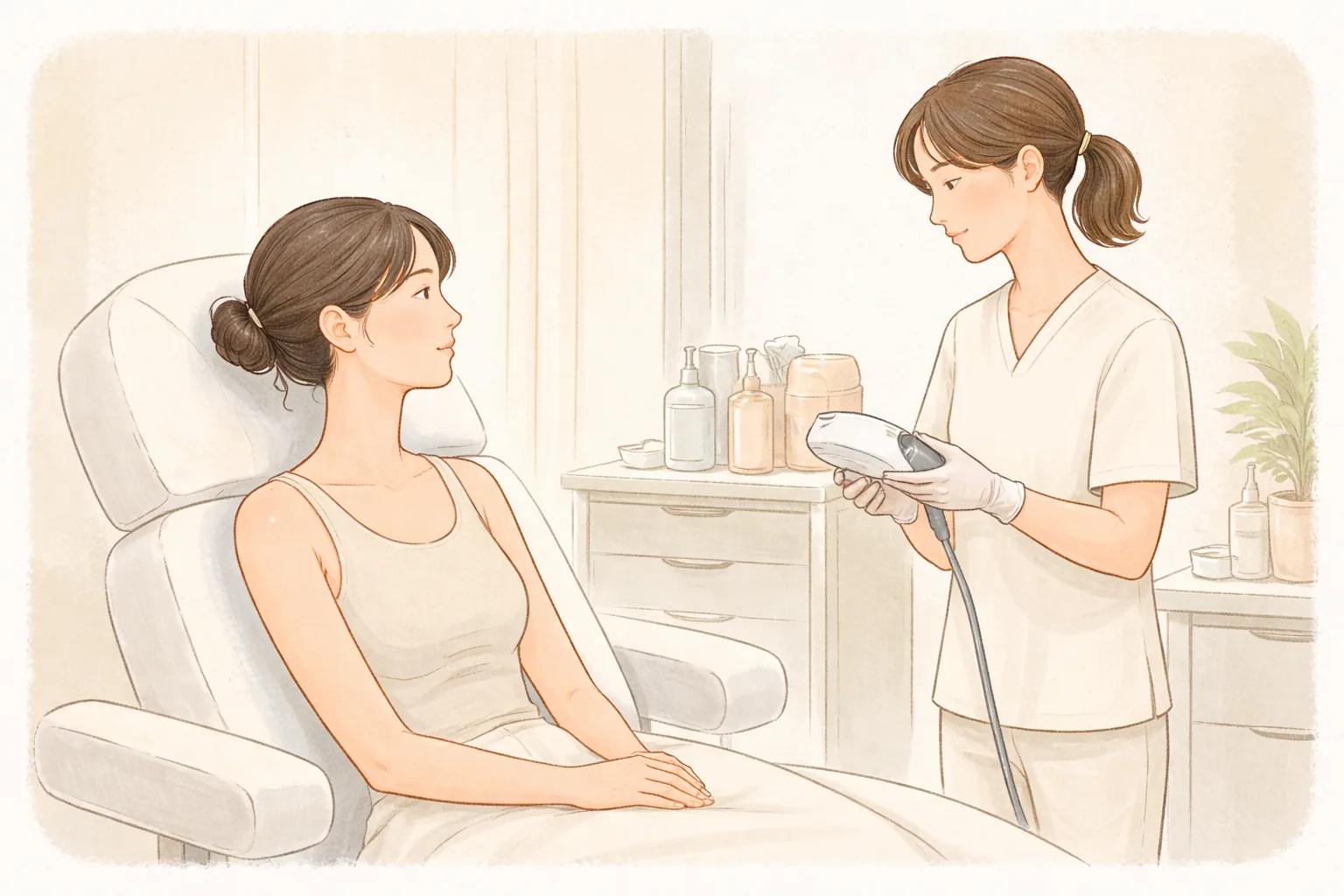
The consultation is a place to state the change you want, and also to disclose the recovery and risks you can accept. AAD guidance recommends asking whether this treatment fits your concern, what other options exist, what results can realistically be expected, what the risks are, treatment time and number of sessions needed, whether anesthesia is used, recovery period, before-and-after care, and cost (AAD questions to ask).
If you have records of previous treatments, it is better to bring them. Looking together at which device was used and how many shots or kJ were delivered, which product and how many cc were injected, when it was done, and how the response was at that time makes the direction clearer (Why do results differ even after the same treatment?). Sometimes the device or dose used the first time, or the interval, did not match the skin, or the result was judged too early, so the record itself becomes useful information.
Writing down your goals is another option. If you write your priorities, such as “a blurring jawline bothers me first” or “cheek sagging is more of a concern than fine lines around the eyes,” it becomes easier to decide the combination and sequence in the consultation.
How should you check recovery, side effects, and cost?
Non-invasive firming treatments have little or no downtime, and reactions are usually temporary redness and swelling. Most take less than 1 hour, and makeup is often possible right after, but minimally invasive methods require soothing and a few days of recovery (AAD firming treatments). Needle-based methods such as RF microneedling may require someone to drive you home after the procedure, and in some cases a compression garment is worn for 4–5 days.
After energy treatments, redness, swelling, tenderness when pressed, small bruises, and temporary numbness or reduced sensation are common and usually settle within a few days. Rarely, blisters, small scars, temporary muscle weakness, or unwanted fat layer volume loss can occur (Ultherapy and Shurink vs Thermage: same lifting, different principles?). If blisters form or pain gradually worsens, please seek care rather than waiting.
Cost is not determined by the treatment name alone. The ATTITUDE Clinic price list discloses unit prices separately by treatment and product, area, volume, and number of sessions, and VAT is separate on all amounts (Treatments and pricing). In the consultation, it is better to check the total amount along with which items are included, such as anesthesia or aftercare, which are separate, and whether the price is based on shots or cc.
In these situations
If an important event is a few weeks away
Even non-invasive treatments may leave redness and swelling for a few days, and laser resurfacing requires about 5–7 days of recovery. If you have a photo shoot or wedding where results are visible immediately, it is safer to schedule the consultation at least a few weeks in advance. For treatments whose results appear gradually, it is better to set the schedule based on recovery time rather than expecting the result by the event itself.
If you want to maintain results steadily
Repeat intervals for energy treatments are usually around 1 year, decided by the doctor after reviewing progress (Ultherapy and Shurink vs Thermage: same lifting, different principles?). Maintenance duration varies with tissue condition, UV exposure, and lifestyle habits, so an individualized plan is better than a one-off treatment. Keeping photos taken under the same conditions makes it much easier to compare changes at the next consultation.
If your skin is sensitive or flushes easily
Pain varies widely with energy level and nerve density by area. The jawline, eye area, and forehead, which are close to bone and densely innervated, feel more sensitive even at the same intensity, while thicker areas like the cheeks feel less. Anesthesia method and energy adjustment are items to decide together in the consultation, so it is good to mention first that you are sensitive.
If you are a short-stay visitor
Consultation booking and confirmation are different. After applying, it is confirmed when the clinic contacts you, same-day requests are accepted for time slots at least 1 hour after the current time, and the last reception is 17:30 (Consultation booking). If your stay is short, it is safer to leave recovery time and plan the schedule rather than cramming consultation and treatment into the same day.
Tell us before the consultation Recent UV exposure and travel plans, medications you are taking and topical retinoid or acid products, reactions from past procedures (bruising, blisters, pigment changes), and unavoidable events such as weddings or photo shoots will help us plan.
How ATTITUDE Clinic proceeds
AI skin analysis record — We record and organize your skin condition so you and the doctor look at the same information together. The analysis tool organizes information to support the consultation and does not make a medical diagnosis; judgment is made by the doctor.
Doctor consultation — We add your concerns, lifestyle habits, and previous treatment experience to the analysis record to decide together what is needed and what is not, and what combination, sequence, and intensity to use.
Treatment performed by the doctor — The doctor performs the procedure according to the plan set in the consultation, adjusting intensity while observing skin reactions during treatment.
Recovery and progress check — We guide you on post-treatment care and set the next visit and checkpoint in advance, comparing changes with photos taken under the same conditions.
The devices covered in this topic include ultrasound-based Ultherapy and Shurink Universe (HIFU), RF-based Thermage FLX and XERF (monopolar RF), Onda (microwave lifting) using microwaves, Titanium lifting (diode laser) with a 3-wavelength laser, and Potenza (RF microneedling). Injectable options such as Rejuran Healer, Juvelook (PDLLA), Sculptra, and Re2O (Elravie) are combined as needed (Treatments and pricing). Which device to use is decided based on skin condition and the area you want treated.
Aftercare and side effects
After the procedure, care follows this order.
Soothing — Heat and redness may remain right after treatment, so soothe with cold compresses. Avoid saunas, intense exercise, and alcohol on the same day.
Moisturizing — Because the skin barrier is temporarily weakened, apply a moisturizer that is less irritating than usual, and apply it generously.
Sun protection — During recovery, pigmentation is more likely, so apply sunscreen more carefully than usual. Most people can wear makeup from the next day.
Progress check — Check whether redness, swelling, and tenderness when pressed settle within a few days. Check at the timing set in the consultation.
Common reactions are redness, swelling, tenderness, small bruises, and temporary numbness or reduced sensation. Rarely, burns or blisters, small scars, and temporary muscle weakness may occur. If blisters form, pain gradually worsens, redness persists for a long time, or pigment changes become clear, please seek care rather than waiting until the next appointment.
Frequently asked questions
What is the difference between ultrasound lifting and RF lifting?
Ultrasound concentrates small thermal points at a set depth, while RF broadly warms from the dermis to subcutaneous fat. So for deeply sagging jawlines or eye areas, ultrasound-based treatments are relatively better suited, while for loss of elasticity over broad areas like the cheeks and neck, RF-based treatments are relatively better suited. The American Academy of Dermatology also explains that ultrasound, RF, and laser each deliver heat in different ways (AAD firming treatments). Whether to do both categories on the same day or split them with an interval is decided in the consultation after reviewing your skin condition.
When can I return to daily life after lifting?
Non-invasive treatments have little or no downtime, so most people can return to daily life from the next day, and makeup is often possible immediately. Needle-based methods and laser resurfacing require a few days of recovery and may require staying home for about 5–7 days. When you can return to exercise and social life differs by method, so it is more accurate to check in the consultation according to your schedule.
Can I check the price list before the procedure?
Unit prices are disclosed by treatment and product, area, volume, and number of sessions, and VAT is separate on all amounts (Treatments and pricing). However, the total may differ depending on the displayed unit and the actual number of shots or volume you receive, or whether an additional area is included, so please check the total and included/separate items together in the consultation. If you write down the treatment name and area you want when booking the consultation, you can immediately check whether that unit uses the same basis as the number of shots or volume you will receive. Also, by asking item by item whether anesthesia or aftercare is included in the total or separate, you can reduce the chance of unexpected amounts being added after the consultation.
Should I check when a review was written after the procedure?
Treatment results usually appear gradually over several months, so it is difficult to judge the final result from reviews written within a few days alone. For ultrasound-based treatments, if there is change, it appears over 2–3 months, and for RF-based treatments, additional change appears between 2–6 months after swelling subsides and the initial feeling settles (Ultherapy and Shurink vs Thermage: same lifting, different principles?). When reading reviews, it helps to look at the writing date along with whether there are photos taken under the same conditions and whether the device and number of shots are stated.
How do I choose a clinic that is good at lifting?
First, see whether the consultation explains expected results and risks, alternatives, recovery, and cost (AAD questions to ask). It is also worth checking how much experience they have with the same skin tone and age group, how they choose devices and by what criteria, and whether they review previous treatment records. A place that explains what the problem is in your skin, rather than just device names, is better for the long term.
At a glance
Table 2 At a glance
Item
Key point
Starting point of consultation
Break down what has changed by layer rather than what to lift
Differences by area
Eye area: thin skin and expression muscles; nasolabial folds and neck: fat descent and large area
Differences by approach
Ultrasound works in points deeper; RF broadly; laser recovery varies greatly by method
Checkpoint
Ultrasound gradually over 2–3 months; RF over 2–6 months
Recovery
Non-invasive: redness and swelling; minimally invasive and resurfacing: several days needed
Checking cost
Unit prices disclosed, VAT separate, total varies by shots, volume, and area
This article offers general health information. It is not a substitute for diagnosis or treatment based on your own condition, so please talk through your situation with a doctor.