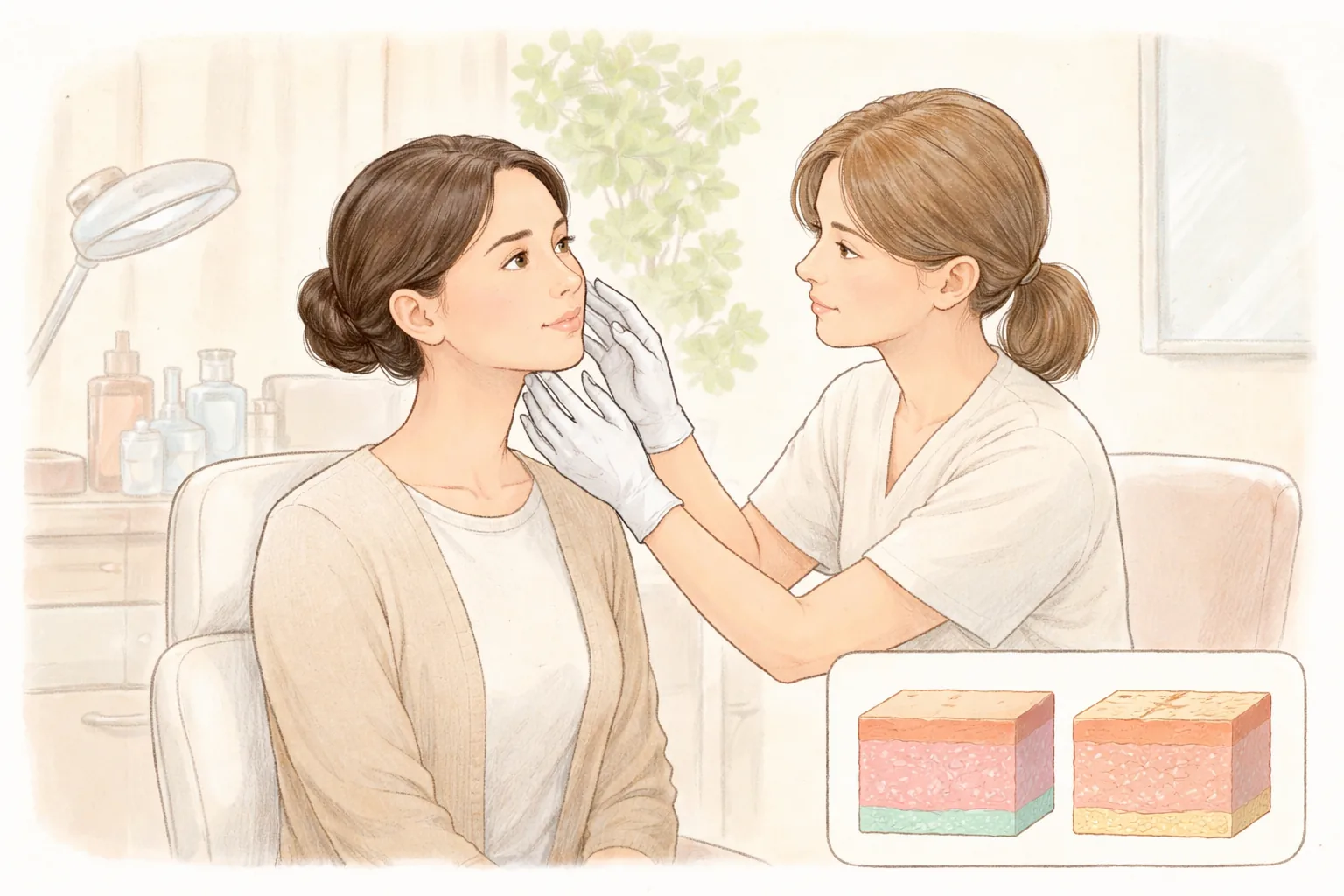
Thermage vs Ultherapy in Korea: What Each Lifting Device Does
Thermage FLX and XERF (RF) versus Ultherapy and Shurink (ultrasound): where each type of lifting delivers heat in the skin, what drives results, pain and recovery, aftercare, and how to prepare for a consultation at a clinic near Sinsa Station, Gangnam, Seoul.
Written by ATTITUDE Clinic Editorial Team
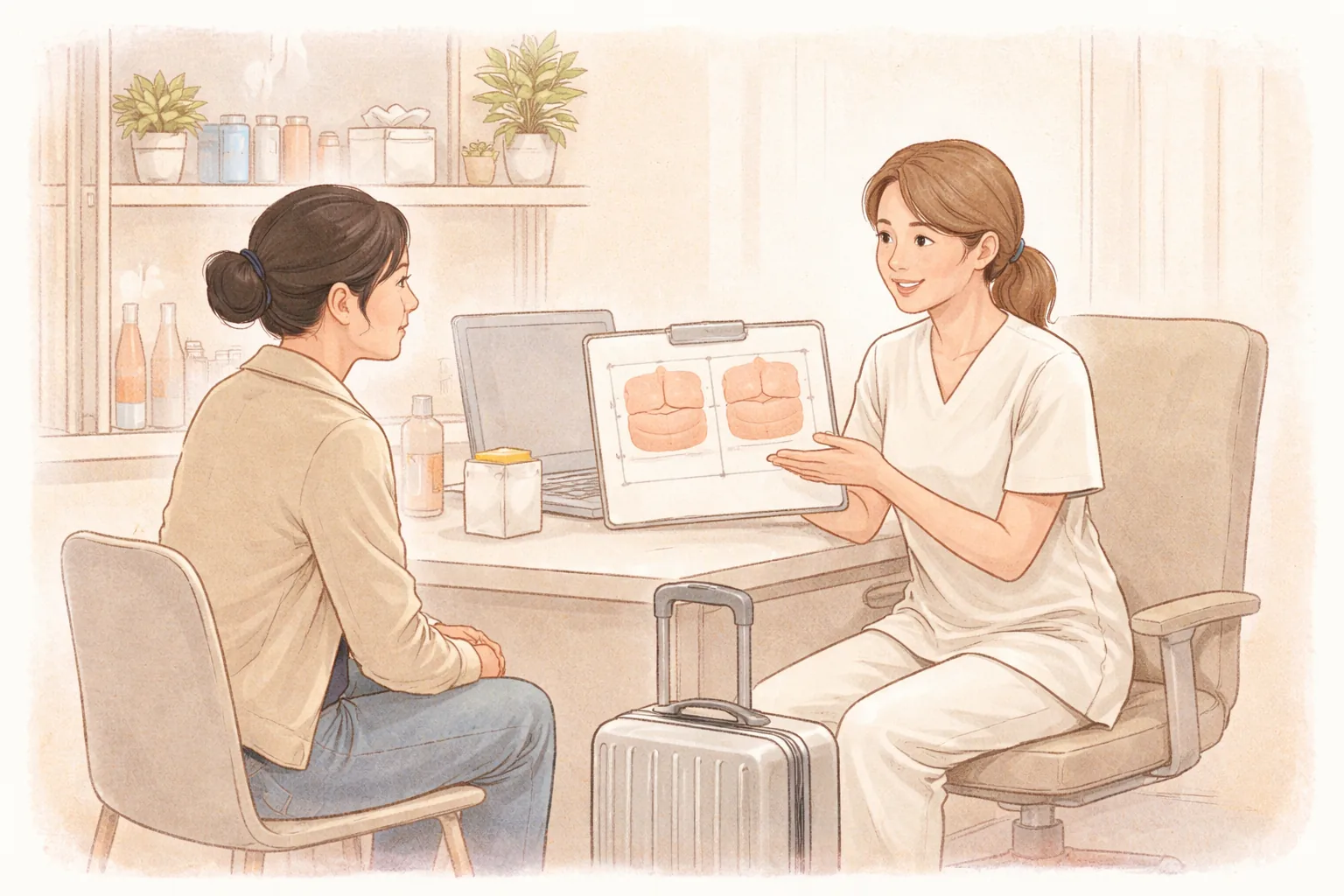
"Should I get Thermage or Ultherapy?" "What is the difference between ultrasound lifting like Sofwave and Thermage?" These are questions that come up often in consultations. The names are all different, but after hearing the explanations they can sound similar, so people end up choosing by price and reviews. This article covers where each type of treatment delivers heat in the skin, what drives results, and how preparation and recovery differ.
The short answer first
Ultrasound-based lifting concentrates small thermal points at a set depth, while radiofrequency (RF) heats broadly from the dermis down to the subcutaneous fat. The better first choice depends less on which device is 'stronger' and more on whether your concern is deep, localized sagging or broad laxity and skin texture. Results are decided by the layer and depth the heat reaches, energy level, and the condition of your skin at the start, not by the device name. Maintenance interval and repeat timing vary by person and are set by how your skin responds over time.
What is the difference between ultrasound and RF inside the skin?
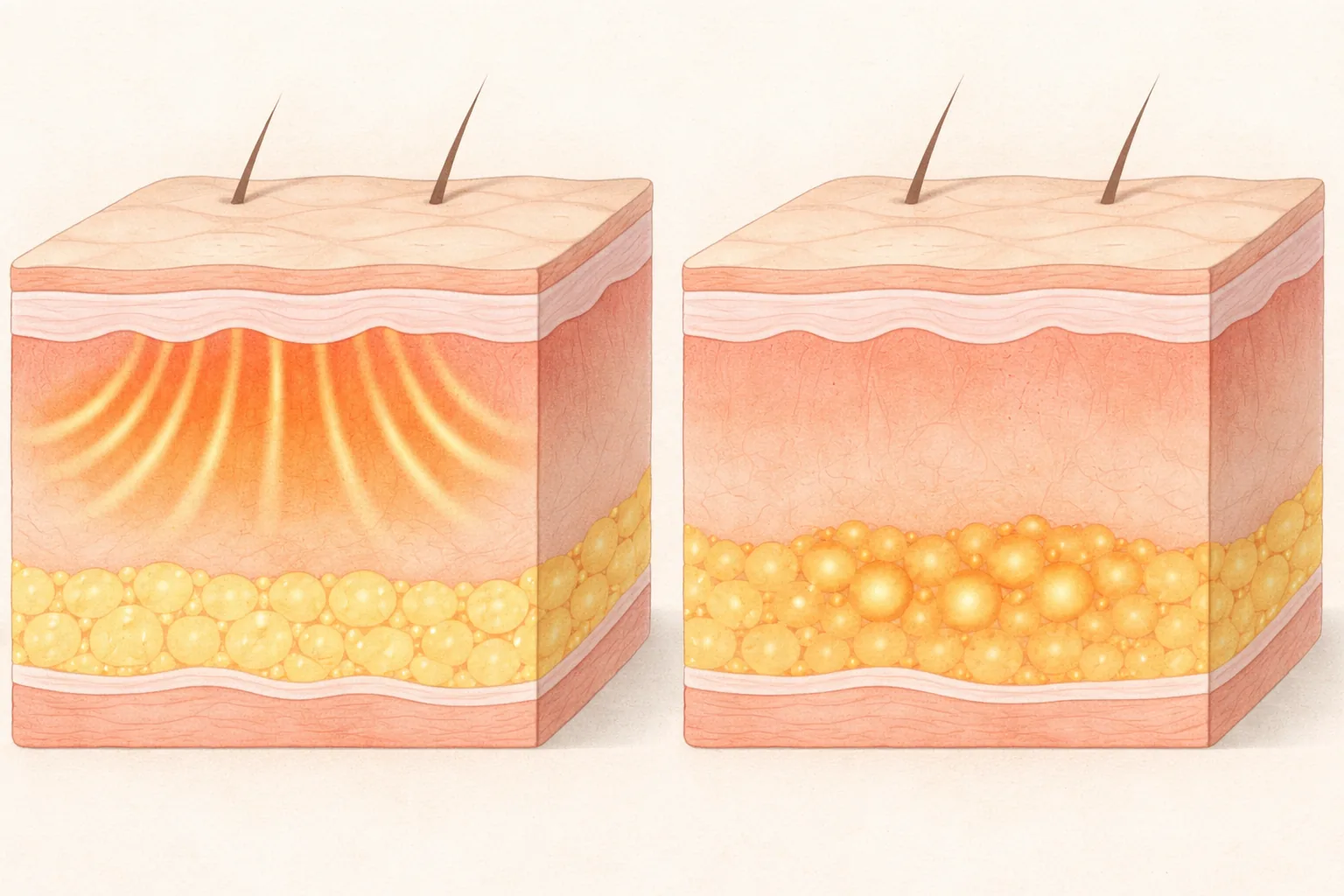
RF (radiofrequency) works by electrical energy passing through skin tissue and converting into heat through friction-like resistance. According to DermNet NZ's guide to radiothermoplasty, radiofrequency is delivered to deeper layers of the skin and causes a thermal effect, and this heat contracts collagen (the protein that gives skin its firm support), tightening tissue immediately. Collagen production also begins, and over about 6 months new collagen grows and the skin tightens further. This is the method Thermage uses, and in ATTITUDE Clinic's treatment guide, Thermage FLX and XERF are both listed as lifting treatments using monopolar radiofrequency current.
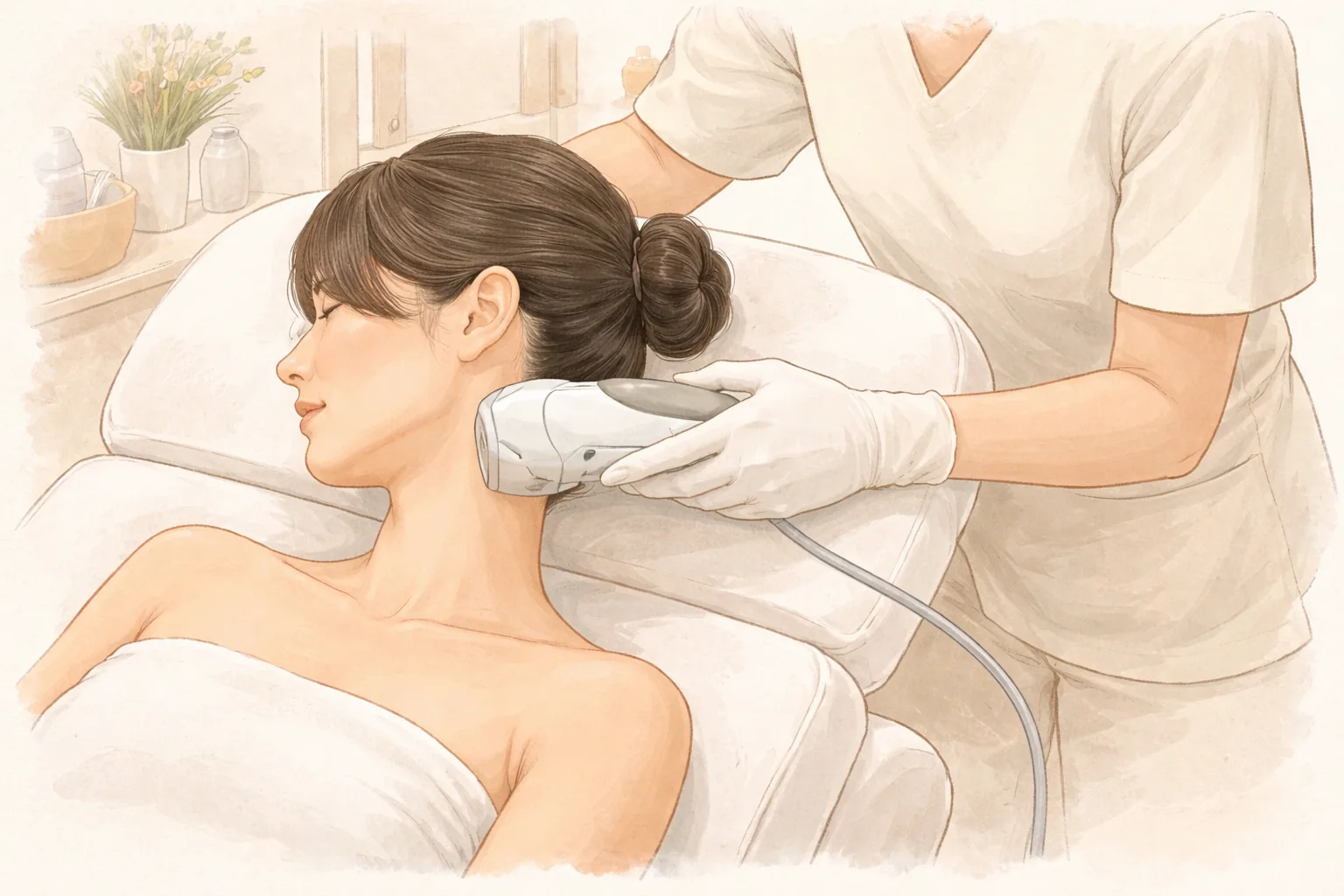
Ultrasound-based lifting doesn't spread heat; it concentrates it. As explained in an ATTITUDE Clinic column, HIFU (high-intensity focused ultrasound), used by Ultherapy and Shurink Universe (HIFU), focuses ultrasound energy into a single point the way a magnifying glass focuses light, creating small thermal points at the depth set by each cartridge. The reachable depth is set from the dermis to the SMAS layer, and the SMAS layer is a thin sheet that supports the facial muscles and skin, stretching with age and causing sagging. Devices that use ultrasound like Sofwave belong to the same ultrasound family, but belonging to the same family doesn't mean the depth at which heat concentrates or the firing method are the same.
Both families share the same goal: slightly contracting collagen with heat and slowly starting remodeling. What differs is the shape in which heat is distributed. RF spreads broadly across shallow layers; ultrasound places points at a set depth. This difference decides which concern each is used for first.
If they're both 'lifting,' why do clinics recommend different devices?
There's a common misunderstanding: the idea that 'a better-performing device gives better results.' A device is just a tool for delivering heat; the diagnosis and planning that decide which layer and what intensity determine the results. Even within the same ultrasound family, depth and firing method differ, and even with the same analysis, which device to use first, what intensity to use, and whether to combine other treatments depend on the person's concerns, their tolerance for downtime, and how sensitive their skin is.
Expectations aren't set by device name alone either. The DermNet NZ guide notes that Thermage-type treatment tends to work best on thinner faces at the stage just before considering surgery, and may show less improvement when skin is significantly lax and sagging. Results are hard to predict and in some people no effect appears, and when improvement shows varies from right after the procedure to 2–3 months. So what matters in a consultation isn't 'which device,' but 'where in my skin will heat be delivered, and what change can I expect, when?'
What decides the results?
First is the layer and depth the heat reaches. If sagging is deep and localized to the jawline or eye area, ultrasound reaching the SMAS layer is considered first; if laxity is broad across the cheeks and neck, RF, which heats broadly from the dermis to the subcutaneous fat, is considered first. If both concerns are present, a split design is set in the consultation.
Second is energy level and shot count. With the same device, raising intensity and increasing the number of shots in one area strengthens the thermal stimulation delivered, and pain increases along with it. A case needing strong energy for significant sagging and a case using low energy for prevention feel very different even for the same treatment.
Third is the skin's condition at the start. How thin or thick the skin is, how dense the tissue is, how much capacity remains to produce collagen on its own, and how fast recovery is all shape how the same intensity is received. As covered in an ATTITUDE Clinic column, when skin type, thickness, and regeneration speed differ, some people see visible change after one session and others need several sessions to feel it.
Fourth is the conditions that determine maintenance. The degree of SMAS layer laxity, age, everyday sun exposure and lifestyle all affect how fast collagen is synthesized and broken down, and how treatment intensity was set also matters. That's why an individualized plan is better than a one-time approach, and repeat timing is decided by how your skin responds, roughly around 1 year.
Fifth is the detail at the treatment stage. Fine intensity adjustments by area, anesthesia management, and adjusting while watching skin response during the procedure can't be covered by a manual alone.
How do pain and recovery differ by treatment family?
Lifting tends to have wide pain variation between individuals and between areas compared with other treatments. The biggest variables are energy level and nerve density by area. Areas close to bone with dense nerves, like the jawline, cheekbones, forehead, and eye area, are relatively sensitive, while thicker areas like the cheeks feel less even at the same energy. Ultrasound-based treatment is often described as a deep, hot, snapping sensation as it reaches the SMAS layer, while RF is often described as a warm, lingering sensation from broad heating near the surface.
Thermage-type treatment is usually performed without separate local anesthesia or painkillers. During the procedure you tell the clinician about heat and discomfort, and the RF intensity is raised or lowered accordingly. The procedure can take about 1–2 hours from start to finish. After treatment, redness and swelling can remain for 1–2 hours, sometimes a few days, and redness can be covered with makeup. Whether anesthesia is needed and which method suits you is discussed in the consultation based on the treatment and your skin condition.
Table 1 How do pain and recovery differ by treatment family?
Device
Energy and layer heat reaches
Concerns this is used for first
Thermage FLX
Monopolar RF, broadly from dermis to subcutaneous fat
Broad laxity across cheeks and neck, skin texture
XERF (monopolar RF)
Monopolar RF family
Different shot design within the same RF family
Ultherapy
HIFU ultrasound, points from dermis to SMAS
Deep, localized sagging like jawline and eye area
Shurink Universe (HIFU)
HIFU ultrasound family
Different depth and firing method within the same ultrasound family
Swipe sideways to see the whole table.
In summary ultrasound-based treatment is often used first for deep, localized sagging, and RF for broad laxity and skin texture. Which to do first is decided by the layer the heat reaches and your skin's condition that day, and the two families are sometimes split and used together.
If this sounds like your situation
If a wedding or photo shoot is a few months away
With ultrasound-based treatment, it's hard to feel a big change right after the procedure, and if there is change it usually appears gradually over 2–3 months. RF can feel firm early on, partly due to swelling, and further change appears over 2–6 months. Working backward from your schedule to set the timing and planning the whole course at the first consultation keeps you from rushing in the final week.
If jawline sagging and broad laxity are both concerns
A combination is considered: ultrasound for the deep layer and RF for broad areas. Whether to do them the same day or with an interval is decided by looking at your skin's recovery capacity and your downtime allowance together.
If your skin is thin and reddens easily
Thermage-type treatment can generally be used regardless of skin type, but redness and swelling after thermal stimulation are common. Because the same intensity feels different depending on skin thickness and sensitivity, energy level is adjusted in the consultation and a post-treatment calming plan is set together.
If you're an international visitor on a short stay
A single visit may not complete the plan, so it's better to allow generous time for the consultation. Confirm beforehand how much redness may remain and when you can return to daily life; prices are published by unit and shown the same on every language page.
Please tell us before your consultation
Recent sun exposure and upcoming outdoor plans, photo shoots, or event dates
Medications you take and active skincare ingredients (retinoids, acids, etc.)
Devices, shot counts or doses, dates, and reactions from previous treatments
Whether your skin is sensitive or reddens easily, and whether you're considering treatment around the eyes
How ATTITUDE Clinic handles this
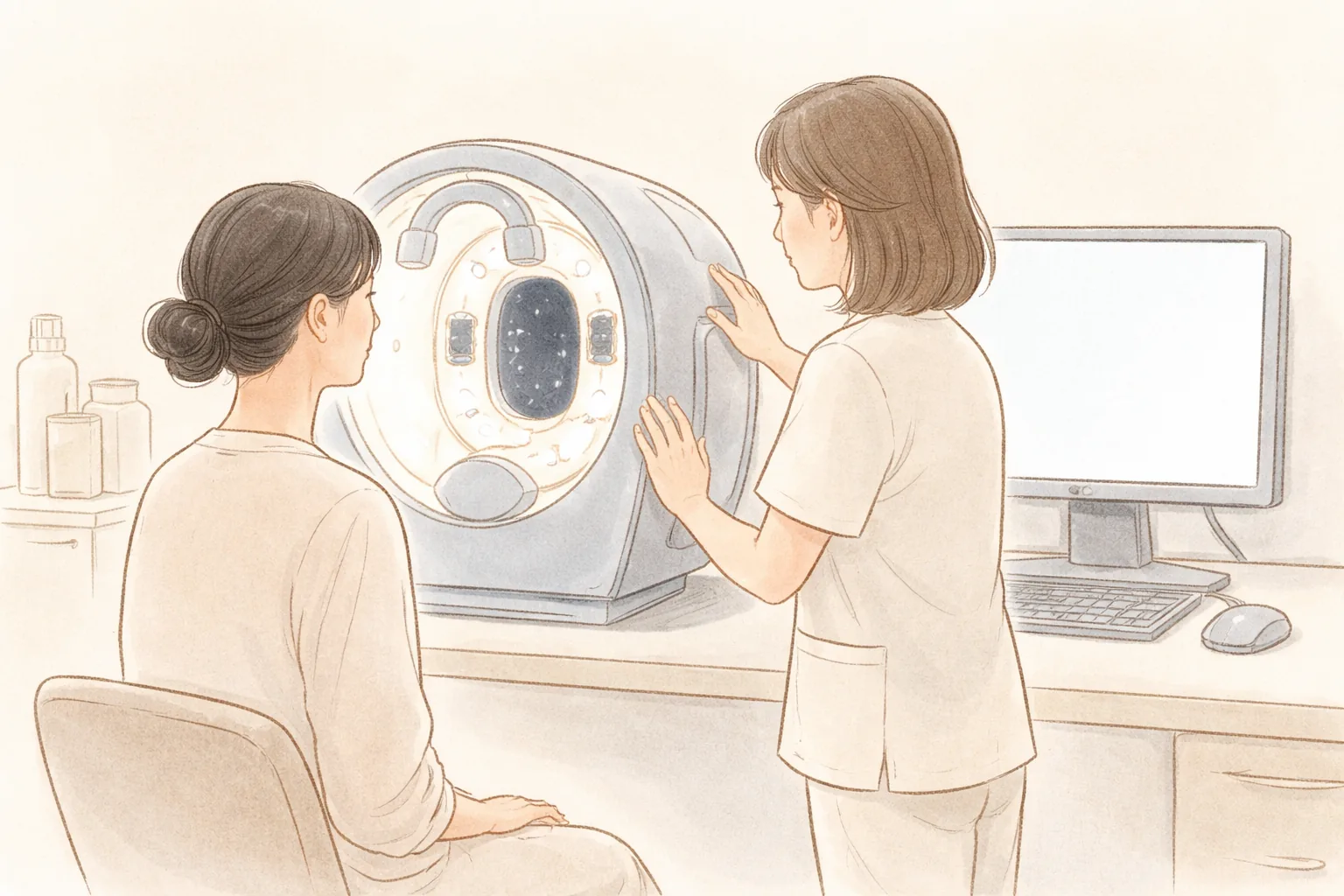
AI skin analysis record — Your skin condition is recorded and organized so you and the doctor look at the same information together. The analysis tool is a reference that records and organizes information to support the consultation and does not make a medical diagnosis.
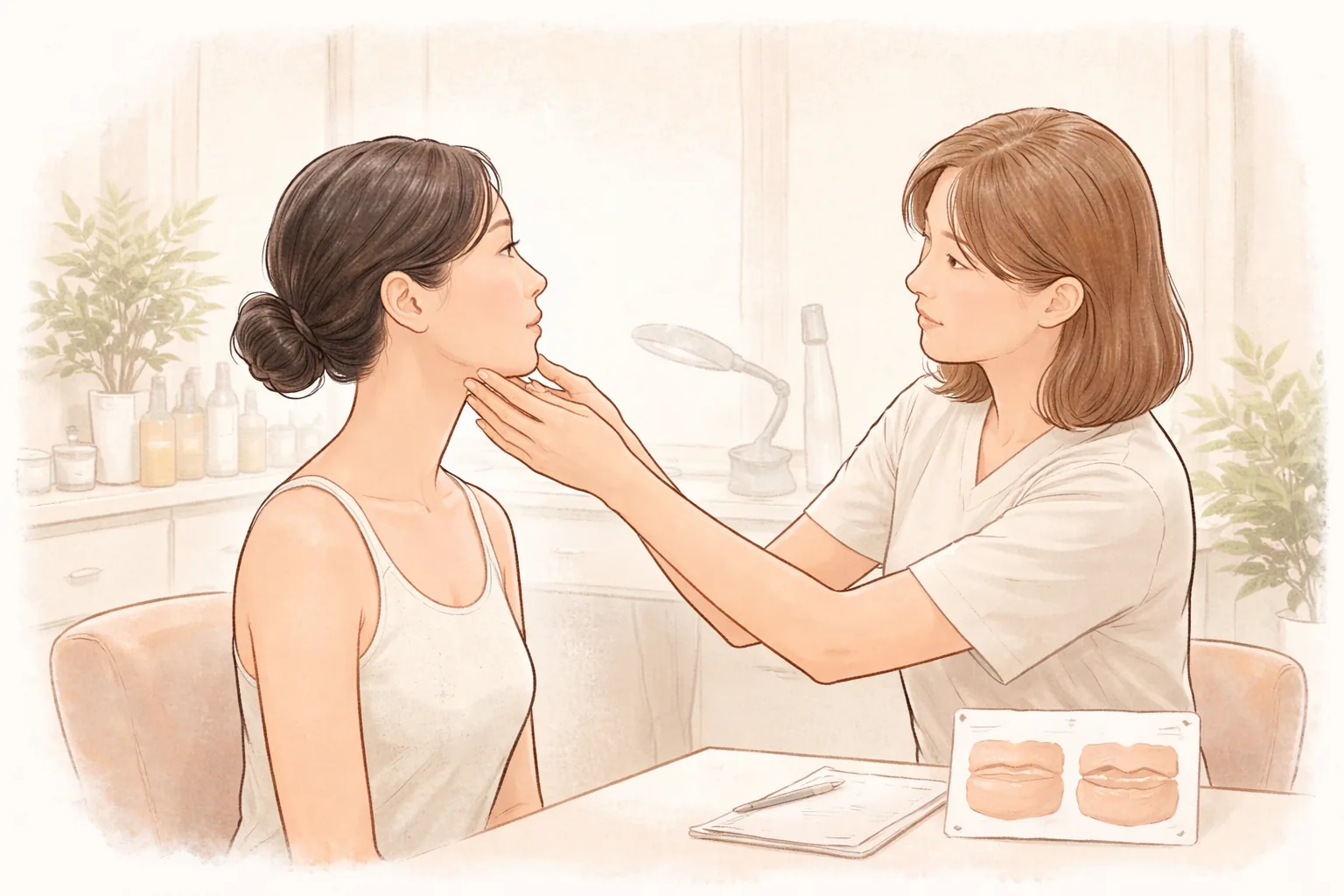
Doctor consultation — Your concerns, lifestyle, and previous treatment experience are added to the record to decide together which family to use first, the combination and order, and the intensity. Deciding what to leave out is also part of this step.
Treatment performed by the doctor — The doctor performs the plan set in the consultation and adjusts intensity while watching skin response during the procedure, so the plan and the actual treatment don't diverge.
Follow-up — When changes appear and how long they last vary by person, so the next timing is guided by how your skin responds.
Lifting devices at the clinic include Ultherapy and Shurink Universe (HIFU) in the ultrasound family, Thermage FLX and XERF (monopolar RF) in the monopolar RF family, Onda (microwave lifting) in the microwave family, and Titanium lifting (diode laser) in the 3-wavelength laser family. Which device to use in which order depends on your skin condition and concerns. Prices are published by shot count and unit and shown the same on every language page.
Aftercare and side effects
Calming — For a day or two right after treatment, mild redness and a feeling of warmth from thermal stimulation may remain and usually fade on their own. Cold compresses can help with swelling; confirm the method with your clinician.
Moisturizing — If skin feels tight or flaky, moisturize more diligently than usual.
Sun protection — The skin barrier is temporarily weaker during this period, so apply sunscreen more carefully than usual to recover without pigmentation.
Follow-up — Avoid saunas, intense exercise, and alcohol on the day itself; most people can return to daily life including makeup from the next day.
Common reactions are redness, swelling, tenderness when pressed, small bruises, and temporary numbness or reduced sensation. They usually settle within a few days but can last longer. The reported side effect rate for Thermage-type treatment is under 1%, and burns, blisters, and small scars can rarely occur. An FDA adverse event report lists blisters and redness as known possible side effects of Thermage treatment and notes that treatment heats the upper layers of the skin, which can lead to burns and subsequent blistering or crusting. The same report treats corneal damage as a possible risk in treatment around the eyes and states that properly fitting plastic eye shields should be used, and that metal shields can deliver RF heat directly to the eye and cause damage. Rarely, temporary facial muscle weakness or unwanted loss of fat-layer volume can occur, so the process of accurately diagnosing and setting energy level and treatment depth determines both results and safety.
There are changes you should check without waiting. These are when blisters appear, when pain gradually worsens, when vision blurs or the eye hurts, or when swelling and redness don't settle after several days. If there's any change different from what you expected, contact the clinic right away rather than waiting for your next appointment.
FAQ
Is Thermage or Ultherapy better?
The two aren't so much competitors as aimed at different layers. If sagging is deep and localized to the jawline or eye area, ultrasound reaching the SMAS layer is considered first; if laxity is broad across the cheeks and neck, RF, which heats broadly from the dermis to the subcutaneous fat, is considered first. Results are decided by the layer the heat reaches, energy level, and your skin's condition at the start, not by device name. Maintenance varies by person, and repeat timing is set by how your skin responds, around 1 year.
How does XERF differ from Thermage?
Both devices are listed as lifting treatments using monopolar RF current. Even within the same family, the way heat is delivered and the shot design differ by device, so which suits you is decided by looking at facial area and degree of sagging. Both devices are priced by shot count, making it easy to adjust the amount needed. Rather than which is better, the one matching your skin's condition that day is chosen in the consultation.
Can I have ultrasound and RF on the same day?
Yes. The deep layer is handled with ultrasound and broad or shallow areas with RF, sometimes used together. Whether to do them the same day or with an interval is decided by looking at your skin's recovery capacity, your downtime allowance, and how the treatments affect each other. Setting the order and interval together when planning the whole course at the first consultation is safer.
How painful is it, and how is anesthesia handled?
Variation is wide depending on energy level and nerve density by area. The jawline, cheekbones, forehead, and eye area are more sensitive than the cheeks, and the same intensity feels different by area. Ultrasound-based treatment is described as a deep, hot snapping sensation and RF as a warm, lingering one. Thermage-type treatment is usually performed without separate anesthesia, and the intensity is adjusted when you report the heat you feel. Anesthesia methods and options are discussed in the consultation.
What should I look for when choosing a lifting clinic?
Look at three things rather than the device name: whether they diagnose which layer heat should be delivered to, whether they adjust energy level and shot count to your facial condition, and whether they explain risks and the expected timing of changes before treatment. It's also worth checking who performs the plan set in the consultation. A clinic that decides with you what is needed and what isn't, rather than one that promises results, tends to serve you better over time.
At a glance
Table 2 At a glance
Item
Key point
Ultrasound family
HIFU creates small thermal points at a set depth, dermis to SMAS layer
RF family
Electrical energy converts to heat, broadly from dermis to subcutaneous fat
What decides results
Layer and depth heat reaches, energy level and shot count, skin type, thickness, and regeneration speed
When changes appear
Ultrasound over 2–3 months if changes occur; RF over 2–6 months after initial firmness
Pain and recovery
Varies by energy level and area; redness and warmth usually a day or two
Next session
Maintenance varies by individual; repeats decided around 1 year based on how your skin responds
This article offers general health information. It is not a substitute for diagnosis or treatment based on your own condition, so please talk through your situation with a doctor.