Ultherapy vs Shurink: How Shot Counts and Treatment Areas Compare
Comparing shot counts and treatment areas for Ultherapy and Shurink: what to look at, and which points to confirm in consultation before you decide.
Written by ATTITUDE Clinic Editorial Team
If the line of your jaw no longer looks the way it used to, it is natural to put "Ultherapy" and "Shurink" side by side and compare them. But once you start searching, the questions pile up: "Is shot count all that matters?", "Are 300 shots of Ultherapy the same as 300 shots of Shurink?", "How far across the face can it be done?" This article starts with what each treatment actually does inside the skin, then works through why shot counts and treatment areas cannot be compared by numbers alone, and what gets decided in consultation.
The short answer first
Shot count is the number of ultrasound pulses delivered, and what shapes the result is the depth and area the energy reaches, the cartridge selected, and your skin thickness and degree of sagging. Ultherapy and Shurink are both high-intensity focused ultrasound (HIFU) devices, but each device creates coagulation points at different depths and delivers energy in its own way, so the same 300 shots do not mean the same stimulation. Treatment area is also designed differently depending on whether you are covering the whole face broadly or targeting a localized area such as the jawline or eye area more deeply. So rather than asking "how many shots is best," the starting point for comparison is a consultation that sets which layer of your skin, which area, and at what intensity. Onset and how long results last vary with skin condition and design, so it is best to set your own benchmarks during consultation.
Same HIFU, so what differs?
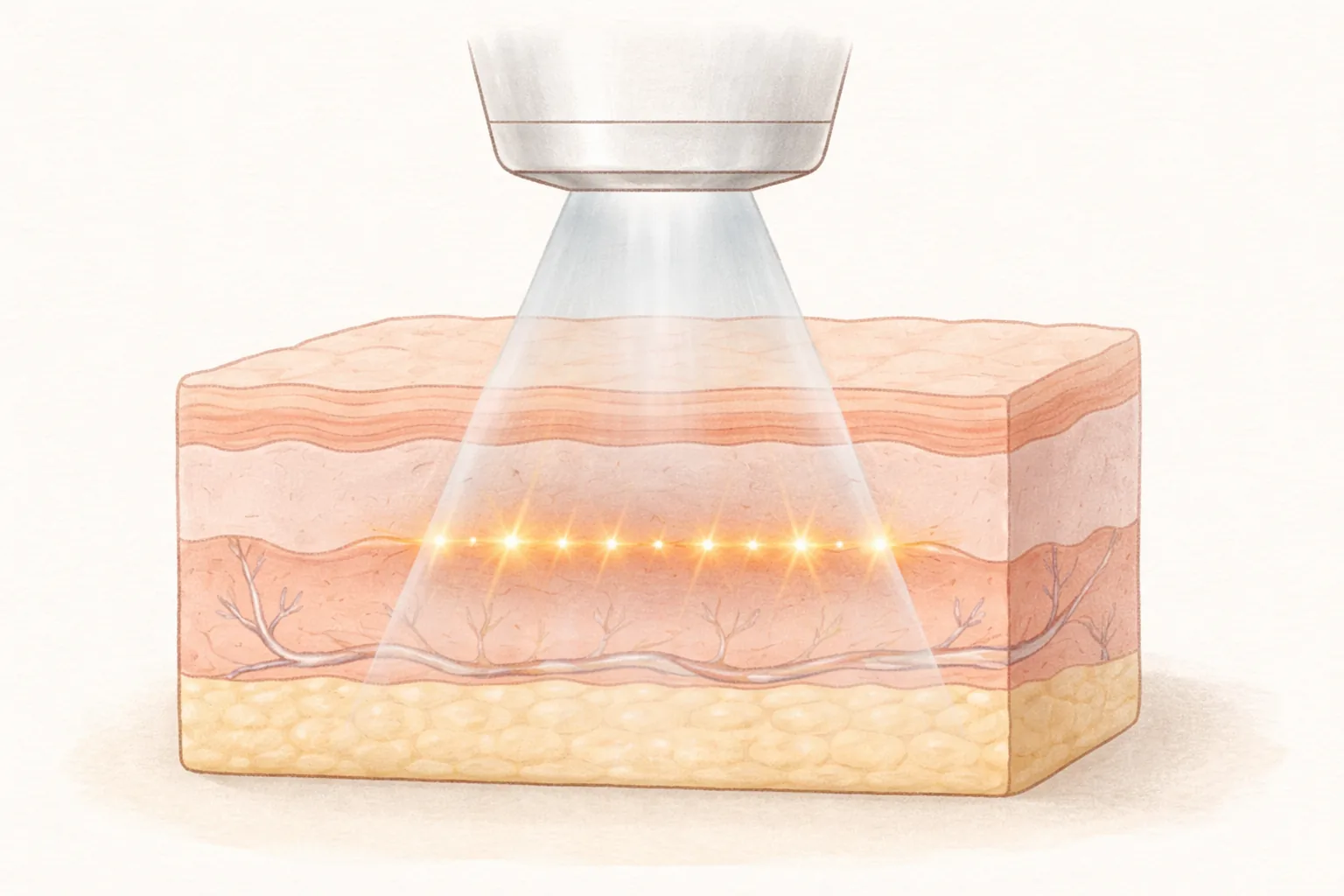
HIFU (high-intensity focused ultrasound) gathers ultrasound energy at a single point, much like a magnifying glass focusing light, creating tiny coagulation points at a set depth in the skin. As explained in the ATTITUDE Clinic column, Ultherapy and Shurink create these coagulation points at depths set by each cartridge, from the dermis down to the SMAS layer, and this heat slightly contracts collagen (the protein that keeps skin firm) while gradually starting remodeling. The SMAS layer sits deeper than the dermis, a thin sheet that supports the facial muscles and skin and stretches with age. Ultherapy, Shurink and Thermage: same lifting, different principles?
So why do results get designed differently when both are HIFU? Because the depth of the coagulation points and the way energy is delivered differ by device. Even under the same treatment name, what cartridge is used, how the energy level is set, and whether you sweep broadly or place shots densely point by point all change the stimulation your skin receives. Shot count is closer to a value that follows once this design is set.
There is one common misconception here: that "more shots means stronger and longer-lasting." More shots do increase the total heat stimulation the tissue receives, but that does not mean the energy reaches a deeper layer or that longevity lengthens in proportion. Depth is set by the cartridge, intensity by the energy level, and shot count is a value layered on top according to the area and the goal.
What shapes the result comes down to four things: how deep the energy goes (cartridge), how strongly it is delivered (energy level), which area and how much of it is treated, and the thickness and regeneration speed of skin that must tolerate and recover from that stimulation. The ATTITUDE Clinic column on why results differ even with the same treatment also notes that skin type, thickness and regeneration speed change the starting line itself. Why do results differ even with the same treatment?
How is the treatment area decided?
The phrase "treatment area" carries two things at once: how far across the face is treated, and how deep into the skin the energy goes. For localized, deeply sagging areas such as the jawline or eye area, concentrating coagulation points in a deeper layer fits well, while for broadly lost elasticity from cheek to neck, radiofrequency that heats a wide area is considered alongside. The ATTITUDE Clinic column likewise views Ultherapy and Shurink as relatively suitable for deep sagging, and Thermage for lost elasticity over a wide area.
Face size and degree of sagging also change how many shots are needed. Even treating the same full face, a small face and a large face have different areas to cover, and a face with pronounced sagging may need a denser design over the same area. So rather than comparing against a fixed answer like "300 shots equals the whole face," it is more practical to confirm which area of your face will be treated at which depth.
The price list also breaks items down by shot unit. On the ATTITUDE Clinic price list, lifting items are divided into units such as Ultherapy 100, 300, 600 and 900 shots, Eye Ultherapy 100 shots, and Shurink 300 shots, and all amounts exclude VAT. The shot count in an item name and the actual treated area are designed separately, so it is best to look at the latest price list and confirm your plan together during consultation. Treatments and pricing
What decides pain and recovery?
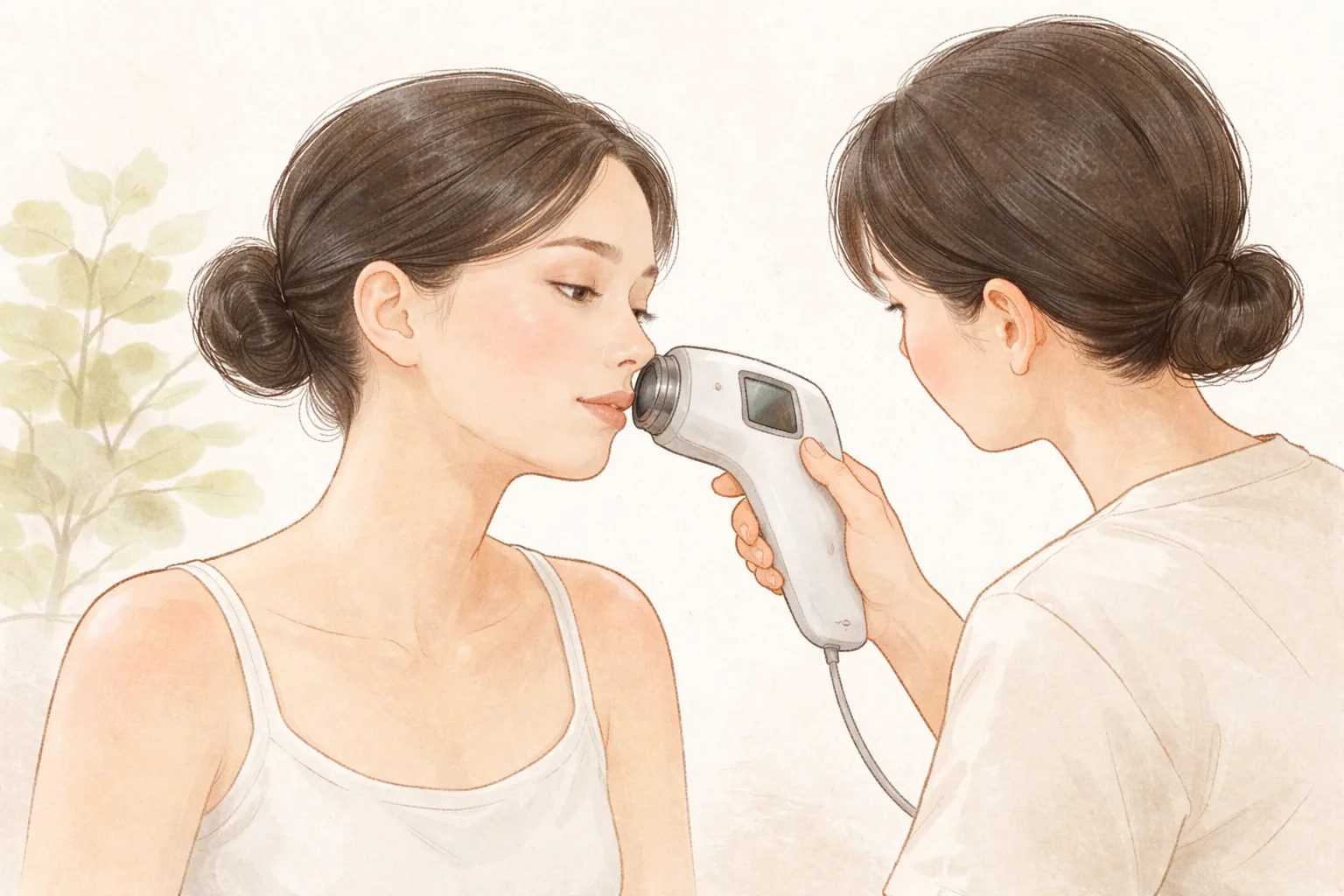
Pain is governed more by energy level and area than by the treatment name. Even with the same Ultherapy or the same Shurink, a higher energy level and more shots to one area mean stronger heat stimulation into deeper layers and a greater sensation of pain. A preventive approach using low energy and a case needing strong energy for pronounced sagging can feel very different.
Differences by area are also large. Areas close to bone with dense nerves, such as the jawline, cheekbones, forehead and eye area, feel more sensitive, while thicker areas such as the cheeks hurt less at the same energy. HIFU penetrates deeply in an instant, so it is often described as a "deep, hot" sensation, while radiofrequency heats broadly near the surface and is often described as a "warm, lingering" sensation. The anesthesia method is guided in consultation after looking at your skin condition and pain sensitivity together.
For a day or two right after treatment, mild redness and a feeling of warmth may remain from the heat stimulation and usually settle on their own. During this period the skin barrier is temporarily weakened, so being more careful than usual with sun protection helps you recover without pigmentation. According to the American Academy of Dermatology, results of non-invasive ultrasound tightening treatments usually appear gradually, and temporary redness and swelling can occur after the procedure. AAD guide to skin tightening procedures
Table 1 What decides pain and recovery?
Category
Energy method
Concerns and areas it mainly suits
What to expect
Ultherapy
High-intensity focused ultrasound (HIFU), small coagulation points at set depths
Localized, deeply sagging areas such as the jawline and cheeks
Large immediate change is uncommon; if there is change, it appears gradually over about 2–3 months
Shurink
High-intensity focused ultrasound (HIFU), depth adjusted by cartridge
Elasticity care that approaches different areas at different depths
Same family as Ultherapy; repeat timing is decided around roughly 1 year based on progress
Thermage
Radiofrequency (RF) heating dermis to subcutaneous fat broadly
Lost elasticity over a wide area from cheek to neck
Early firmness may be partly swelling, and further change usually appears over 2–6 months
Onda
A lifting item using microwaves
Listed on the price list as face and body items
Applied depth and area design are confirmed in consultation
Swipe sideways to see the whole table.
In short when comparing the two treatments, it is more orderly to decide which depth and which area to treat before placing shot count first. Shot count and energy level are the values that execute that design, and pain and recovery vary by area even within the same design.
If this sounds like your situation
If a ceremony or shoot is two or three months away
Ultherapy and Shurink tend to show change gradually over about 2–3 months if there is change, so with a schedule two or three months out, now can be a reasonable time without overdoing it. That said, redness and a feeling of warmth can remain for a day or two right after, so it is better to leave some buffer than to do it the day before an important date. If a shoot is right around the corner, say so first and adjust the plan rather than pushing a strong design.
If you want steady care with gradual improvement
Rather than aiming for a big change at once, deciding intervals based on progress fits better. Repeat timing is decided by the doctor around roughly 1 year based on progress, and repeating the same area at too short an interval may leave tissue no time to recover. Setting the big picture at the first consultation, how many sessions this year and in what order, makes the next visit much easier.
If your skin is thin or sensitive and reddens easily
At the same energy, thin skin feels stimulation more strongly and redness can linger longer. Telling the clinic your skin thickness, fat volume and reactions after previous treatments during consultation allows the energy level and cartridge depth to be adjusted lower. If redness tends to settle slowly, leaving a few days of schedule open after treatment is more comfortable.
If you are an international visitor on a short stay
Since the point at which results are checked easily overlaps with travel plans, it is best to mention your length of stay first during consultation. These treatments appear gradually, so a large change may be hard to feel during a short stay; instead, it is realistic to set which points to check after returning home and how to keep in touch. Booking and confirmation are different, and appointments are confirmed after the clinic's confirmation contact, so if your visit dates are set, applying in advance is safer. Consultation booking guide
Please tell us before your consultation
Recent sun exposure and travel schedule
Medications you take and active ingredients you apply to your skin
Records of previous treatments (device, shot count or kJ, product, volume, date, reaction at the time)
Fixed-date events such as ceremonies, shoots or business trips
Your pain sensitivity and past anesthesia experience
How ATTITUDE Clinic proceeds
AI skin analysis record: your skin condition is recorded and organized so you and the doctor look at the same information. The analysis tool is a reference that records and organizes information and does not make a medical diagnosis.
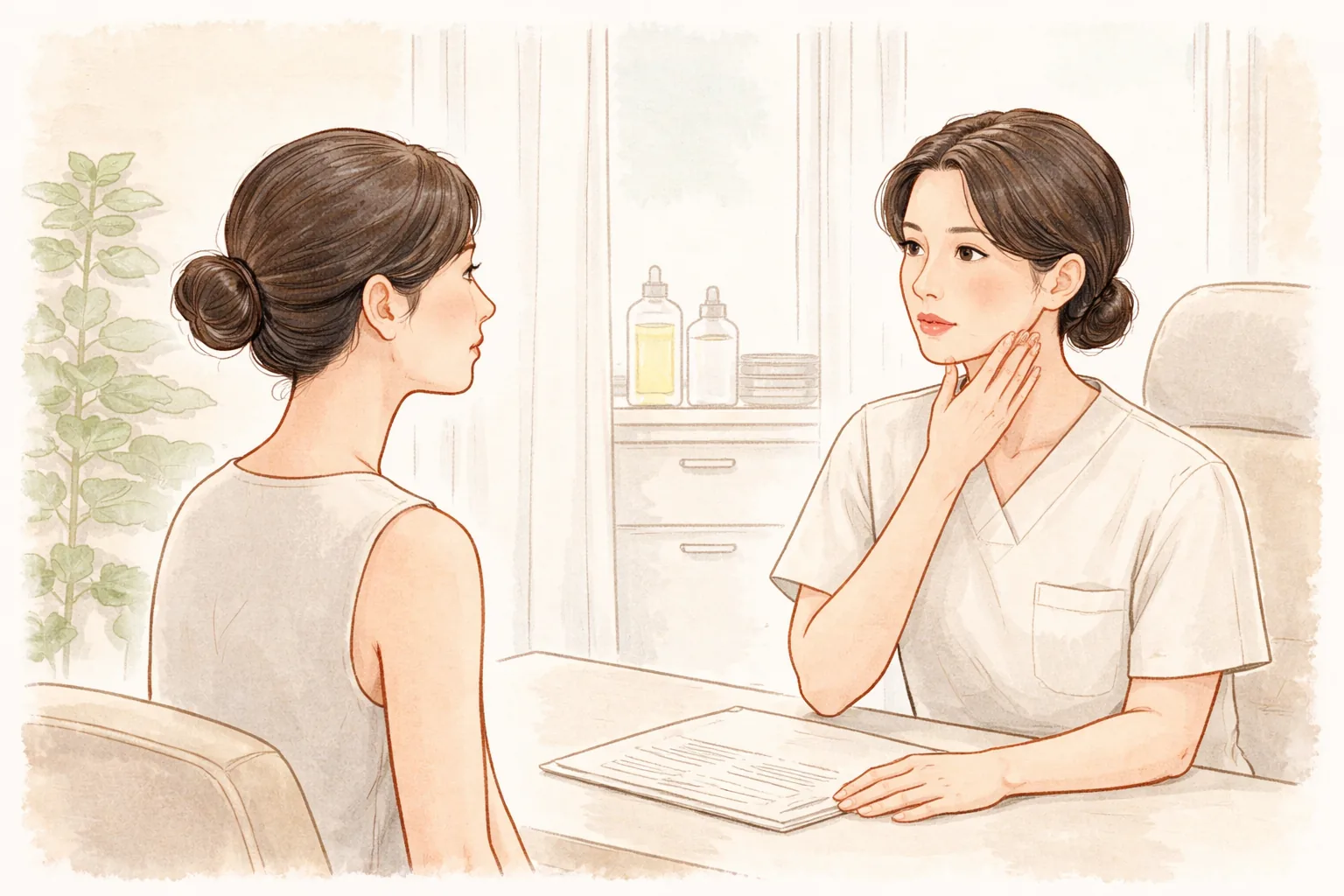
Doctor consultation: your concerns, lifestyle habits and previous treatment experience are added to the analysis record to decide together which device at which depth and intensity, and in what order.
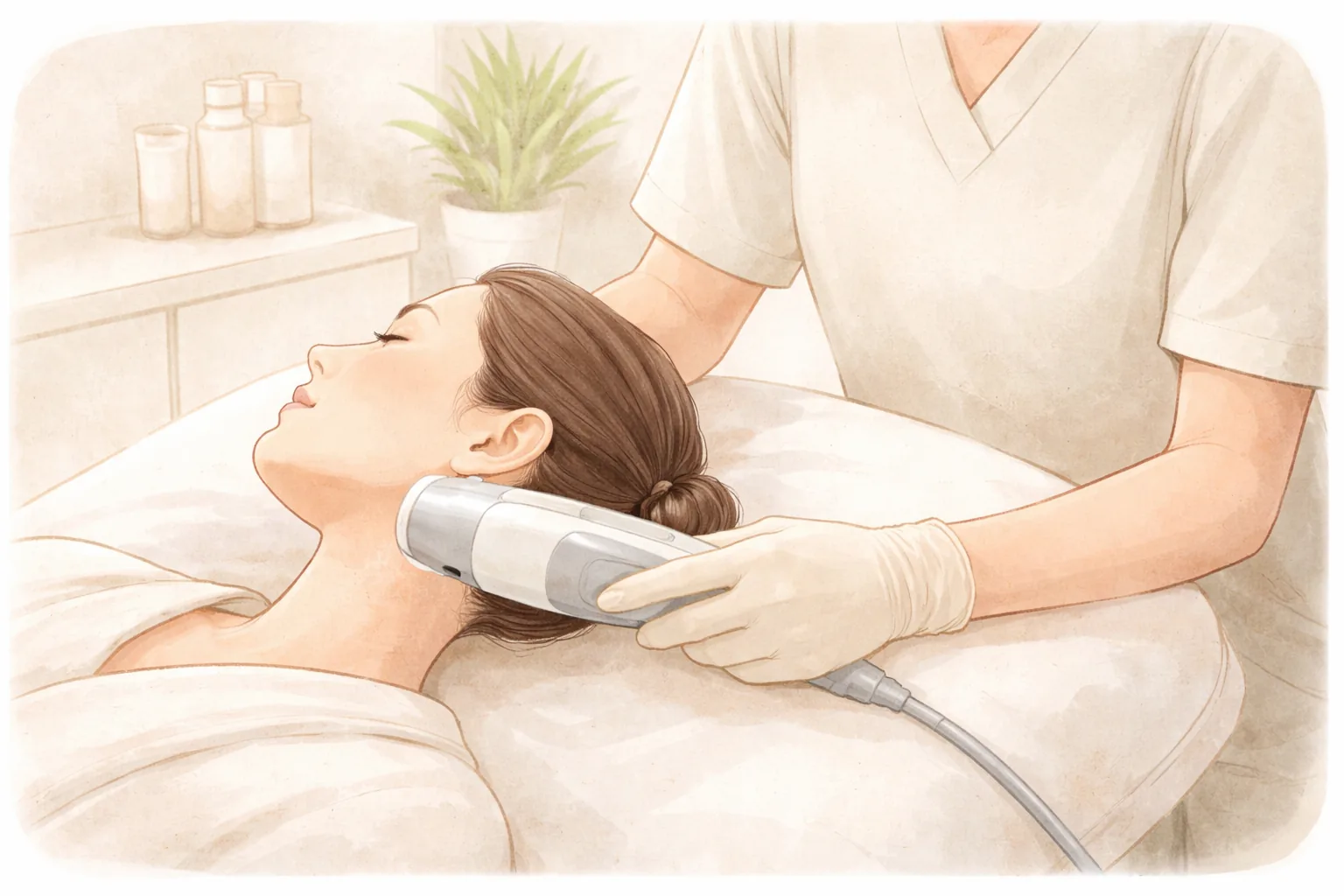
Treatment performed by the doctor: the doctor personally performs the treatment according to the plan set in consultation, adjusting intensity while watching your skin's response during the procedure.
Recovery and aftercare: you are guided on when to return and on recovery care such as sun protection and moisturizing.
Lifting items are made up of devices with different energy methods such as Ultherapy, Shurink, Thermage, XERF, Onda and Titanium, and prices are disclosed by unit, with VAT excluded.
Aftercare and side effects
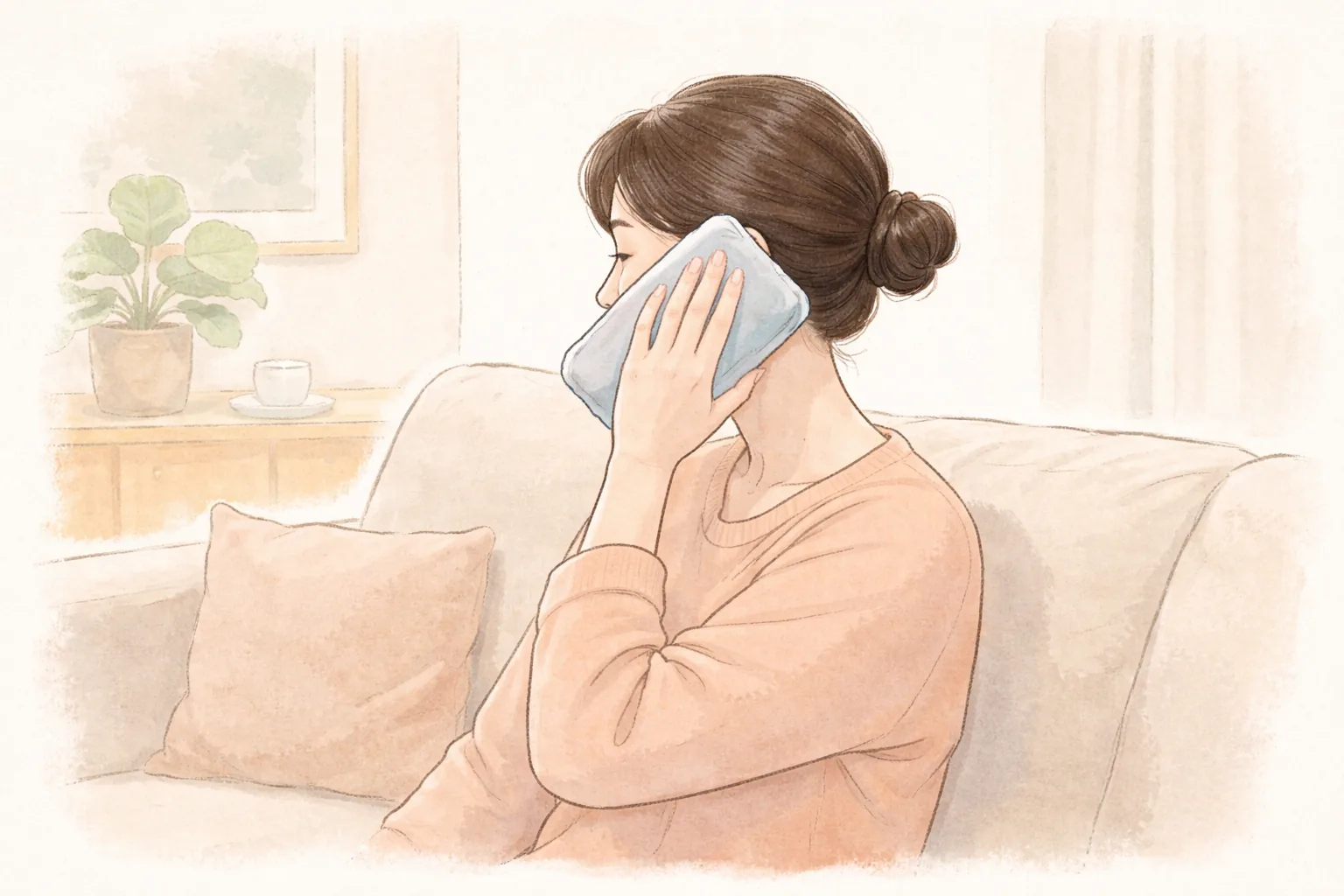
Soothing: on the day of treatment, cool the warmth and swelling with cold compresses, and avoid saunas, strenuous exercise and alcohol.
Moisturizing: since the skin barrier is temporarily weakened, apply moisturizer more often than usual.
Sun protection: applying sunscreen carefully for several days helps reduce pigmentation.
Checking progress: watch how quickly redness and swelling settle and whether pain or sensory changes remain, and tell the clinic if anything differs from what you expected.
Common side effects are redness, swelling, tenderness when pressed, small bruises, and temporary numbness or reduced sensation. They usually settle within a few days but can last longer. Rarely, burns or blisters, small scars, temporary facial muscle weakness, or unwanted fat-layer volume loss can occur. If blisters appear, pain keeps worsening, or reduced sensation continues for a long time, it is safer to seek care rather than wait.
Frequently asked questions
Both Ultherapy and Shurink are HIFU, so what is different?
They are the same family, but the depth at which coagulation points are made, the delivery method, and cartridge configuration differ. So even treating the same area, the depth and distribution of stimulation the skin receives differ. Rather than one being better, which suits you depends on whether the sagging is deep and localized or involves broad-area elasticity. Cartridge and energy level are decided in consultation based on your skin thickness and degree of sagging.
Does more shots last longer? Are 300 shots of Ultherapy the same effect as 300 shots of Shurink?
Shot count is not a value that proportionally raises results. Reached depth, energy level, area covered, and skin recovery speed act together, so even the same 300 shots produce different stimulation when the design differs. Longevity varies with individual skin condition and design, and repeat timing is decided around roughly 1 year based on progress. Rather than comparing numbers alone, checking which area is treated at what depth is more helpful.
Is Shurink very painful?
Pain varies widely with energy level and area. Areas close to bone with dense nerves, such as the jawline, cheekbones, forehead and eye area, are sensitive, while thicker areas such as the cheeks are relatively less so. Cases needing strong energy and preventive approaches at low energy also feel different. If it is hard to tolerate, the anesthesia method can be adjusted in consultation, and redness and a feeling of warmth may remain for a day or two right after treatment.
When do results show, and how often do you get it?
With Ultherapy and Shurink, a large change right after treatment is hard to feel, and if there is change it tends to appear gradually over about 2–3 months. With radiofrequency, further change after early firmness usually appears over 2–6 months. Repeat timing is decided by the doctor around roughly 1 year based on progress, and repeating the same area at too short an interval can leave tissue too little time to recover.
How do you choose a clinic that does this treatment well?
The American Academy of Dermatology advises confirming expected results and risks, alternatives, recovery time, the number of sessions and time needed, and cost during consultation. The practitioner's experience and how much they have treated your skin tone and age group are also worth asking about. In Korea, it is also worth checking how analysis records are used, whether previous treatment records are reviewed, and whether they explain that the analysis tool is not a diagnosis. No clinic can be declared the best, so judging by whether they answer your questions concretely is more realistic. AAD guide to questions for consultation
At a glance
Table 2 At a glance
Item
Key point
Starting point for comparison
Depth and area the energy reaches, and skin condition, before shot count
Ultherapy and Shurink
HIFU creates small coagulation points at set depths, inducing collagen remodeling
Treatment area
Designed separately for localized deep sagging and broad-area lost elasticity
Pain
Varies with energy level and nerve density by area
When you feel it
If there is change, gradually over about 2–3 months; repeat around roughly 1 year
Recovery
Possible redness and warmth for 1–2 days right after; sun protection needed
This article offers general health information. It is not a substitute for diagnosis or treatment based on your own condition, so please talk through your situation with a doctor.