Confused about wart removal pain in Seoul? We separate wart pain from removal pain and explain anesthesia and recovery for cryotherapy, electrosurgery, cantharidin, and salicylic acid.
Written by ATTITUDE Clinic Editorial Team
If you're considering laser removal for warts on your face or neck, pain is a common concern. You might wonder if numbing cream is enough, whether you need an injection, and how much it will hurt afterward. The pain from the wart itself and the pain from removal have different causes, so breaking them down gives a clearer answer.
The Bottom Line
Most warts are painless, but they can hurt when touched or on pressure-bearing areas like the soles. Removal pain varies by method, location, lesion depth, and anesthesia—it's hard to put a single number on it. Cryotherapy can be painful, so it's mainly done on older children and adults; before electrosurgery or curettage, the skin is numbed with an injection or topical anesthetic. After treatment, crusts, blisters, and redness may appear, so you need to watch both the type of pain and recovery signs.
Is the Wart Itself Painful?
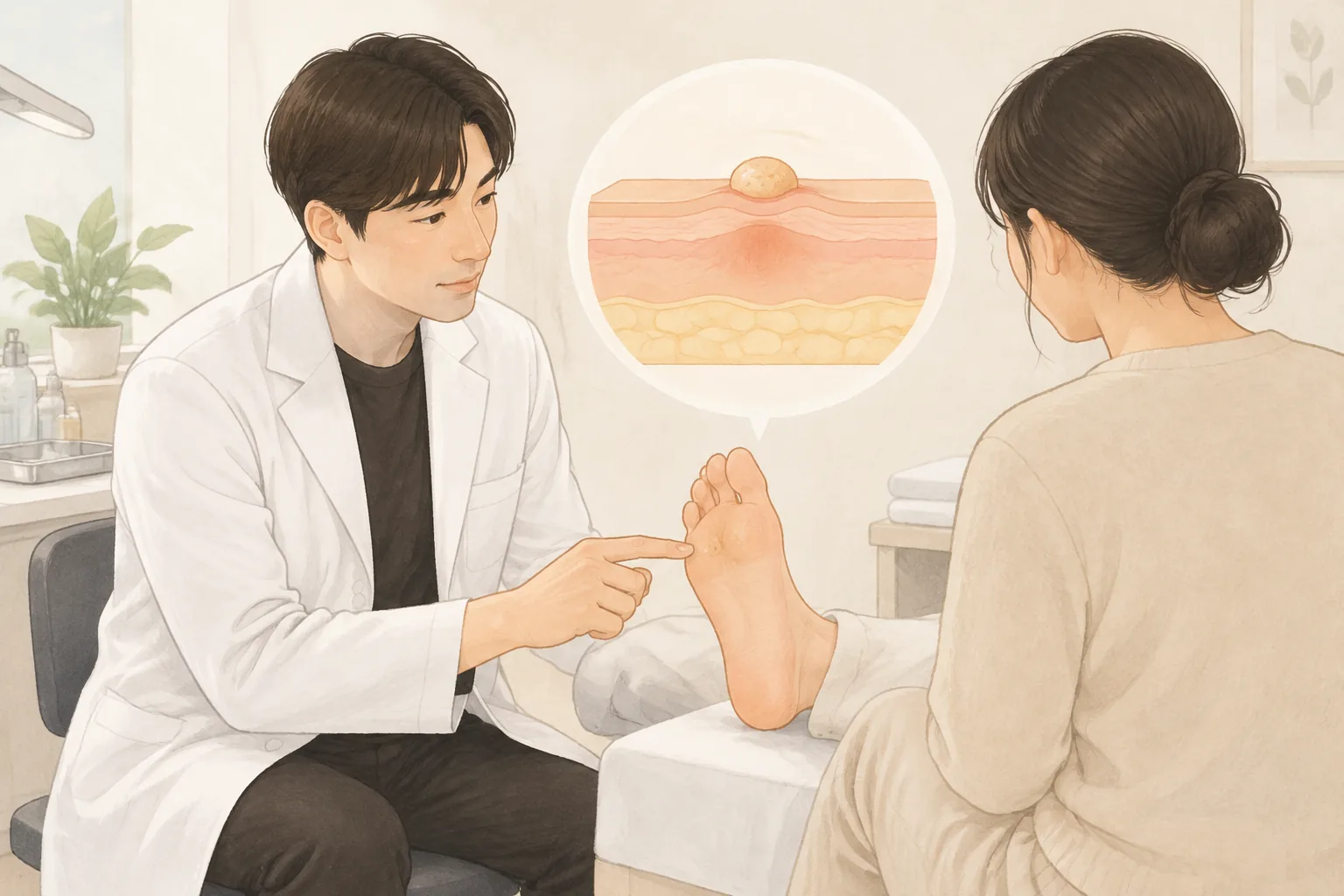
Warts are small growths on the skin's epidermis caused by human papillomavirus (HPV) infection. According to the MSD Manual, most warts are painless, but some hurt when touched, and plantar warts can be very painful due to pressure when standing or walking. So the saying that warts don't hurt is only half true. If it stings when you press with a finger or throbs with every step inside your shoe, you should consider the lesion's location and depth.
Flat warts on the face or neck rarely hurt and may look like acne or milia. Here, spreading and scarring are bigger concerns than pain. The American Academy of Dermatology self-care guide advises not to scratch or pick at warts and not to shave over them, as tiny cuts from shaving can spread the virus.
What Determines Pain During Removal?
Even for the same wart, the type of pain differs by treatment method. Cryotherapy freezes the lesion with a very cold substance so it forms a crust, while electrosurgery burns the lesion with electricity and then scrapes it off with a spoon-shaped instrument called a curette. The AAD treatment guide states that cryotherapy can be painful and is mainly performed on older children and adults. For young children, consider not only pain but also whether they can cooperate during the procedure.
Pain depends on the lesion's depth and size, number, whether it's on a thin-skinned area, and whether there's surrounding inflammation. Areas with thin, sensitive skin like around the eyes feel more stinging even at the same intensity. In the ATTITUDE Clinic column, laser pain varies greatly by laser type and intensity, treatment area, and individual sensitivity. Laser column
Applying numbing cream doesn't mean there's no pain at all. It reduces discomfort by dulling the skin's surface sensation, so pressure or stinging may remain during the procedure. If it feels unbearable, speak up right away rather than enduring it, so the intensity can be adjusted.
How Is Anesthesia Done?
Before burning and scraping warts with electrosurgery and a curette, the dermatologist numbs the treatment area with an injection or numbing cream, as explained in the AAD treatment guide. Injections reduce sensation relatively quickly but involve needle discomfort; topical anesthesia avoids needles but requires waiting for sufficient absorption. The choice depends on the lesion's location and extent, age, and pain sensitivity.
Numbing cream should be applied thickly and left for the full time. If the procedure starts immediately after application, the surface isn't numb enough and it may hurt. If you're especially sensitive to pain or had a hard time during a previous procedure, tell your doctor during consultation so the anesthesia time and method can be adjusted. The laser column notes that even for the same procedure, the anesthesia method is decided together during consultation based on area and intensity.
Table 1 How Is Anesthesia Done?
Method
What it does
Pain and anesthesia
Aftercare and sessions
Salicylic acid
Peels away keratin to thin the lesion
Stinging and irritation are common; not for at-home use on facial flat warts
Apply daily; pause if irritation is severe
Cryotherapy
Freezes the lesion with a very cold substance
Can be painful, so mainly for older children and adults
Crusts and blisters form and heal within 4–7 days; may repeat every 2–4 weeks
Cantharidin
Creates a blister under the lesion to lift it
Pain and blistering are expected
Wash off at home the same day and return to remove dead tissue
Electrosurgery & curettage
Burns with electricity and scrapes with a spoon-shaped instrument
Injection or topical anesthesia before treatment
Usually completed in a single session
Swipe sideways to see the whole table.
In summary The pain from the wart itself and the pain from removal are separate. Pain is determined by lesion location and depth, treatment method, and anesthesia, and crusts and blisters after the procedure are common during recovery.
How Do Post-Procedure Pain and Recovery Progress?
After cryotherapy, crusts or blisters at the treatment site are expected. According to the AAD, the treated area usually heals within 4–7 days, and most need more than one treatment, which can be repeated every 2–4 weeks. Treatment guide The speed at which pain decreases varies with lesion size and location; pressure-bearing areas like soles may feel uncomfortable for longer when walking.
Cantharidin is a treatment where pain and blistering are expected. The medication applied at the clinic must be washed off at home at the designated time to prevent excessive blistering, and you return later to remove the dead lesion. Treatment guide Skipping this step can lead to larger blisters or more pain.
Electrosurgery and curettage are performed under anesthesia, but wound care is needed afterward. If combined with laser or peeling, redness, heat sensation, stinging, and swelling are common, and crusts or temporary pigmentation may occur. Rarely, blisters, hypopigmented spots, infection, or scarring can develop. Laser column
If pain worsens or redness and heat last longer than expected, don't endure it—visit the clinic for a check. Avoiding rubbing or scratching the treated area also helps recovery.
If This Applies to You
Concerned About Warts on the Face or Neck
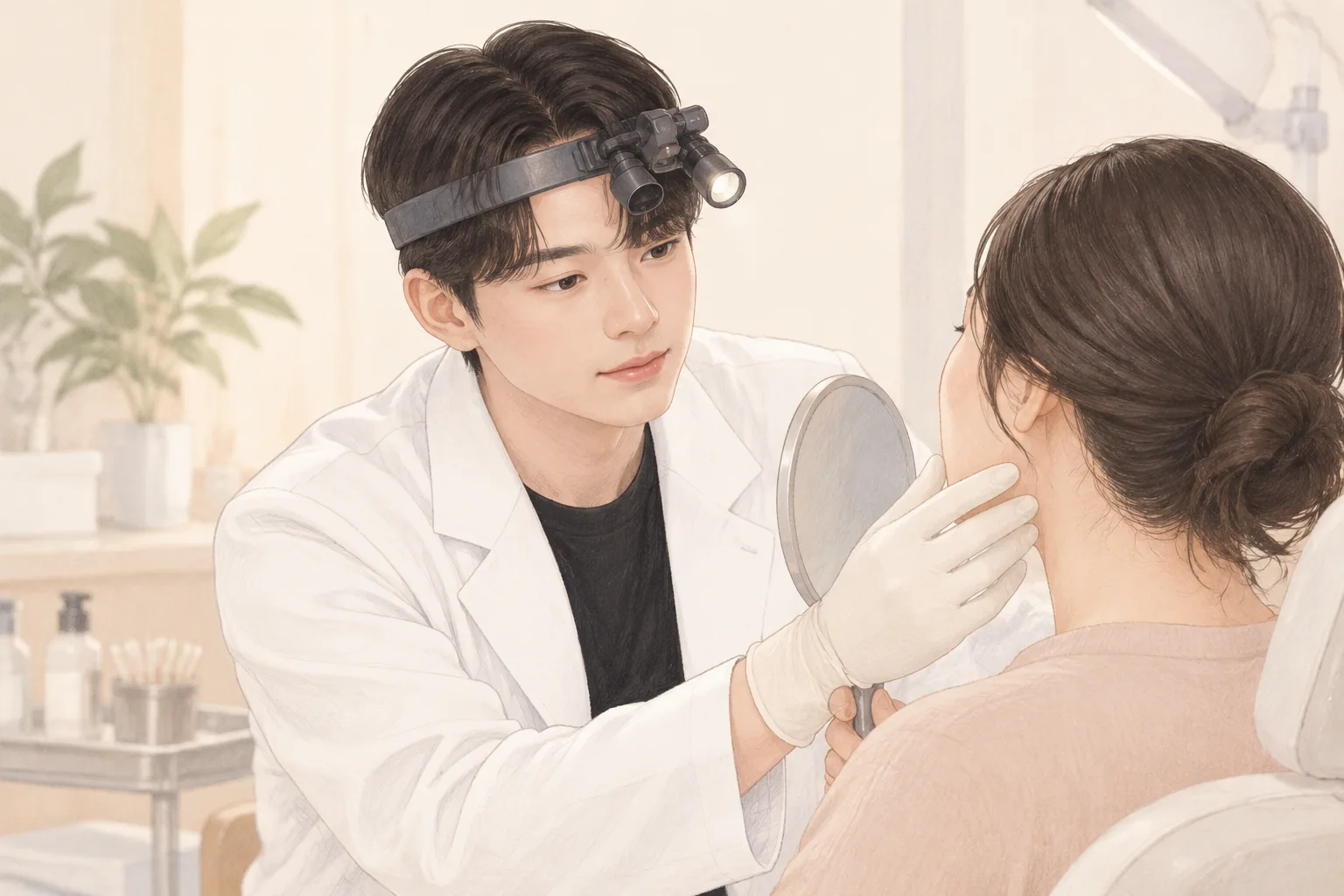
Don't treat facial warts at home; have them checked at a dermatology clinic. The AAD advises seeing a doctor if warts are on the face or genitals, or if lesions change, hurt, itch, or bleed. Self-care guide Flat warts cause little pain and are easy to ignore, but repeated shaving and exfoliation can spread them. Recording the number and extent of lesions before treatment helps plan the approach.
Pain When Walking Due to Plantar Warts
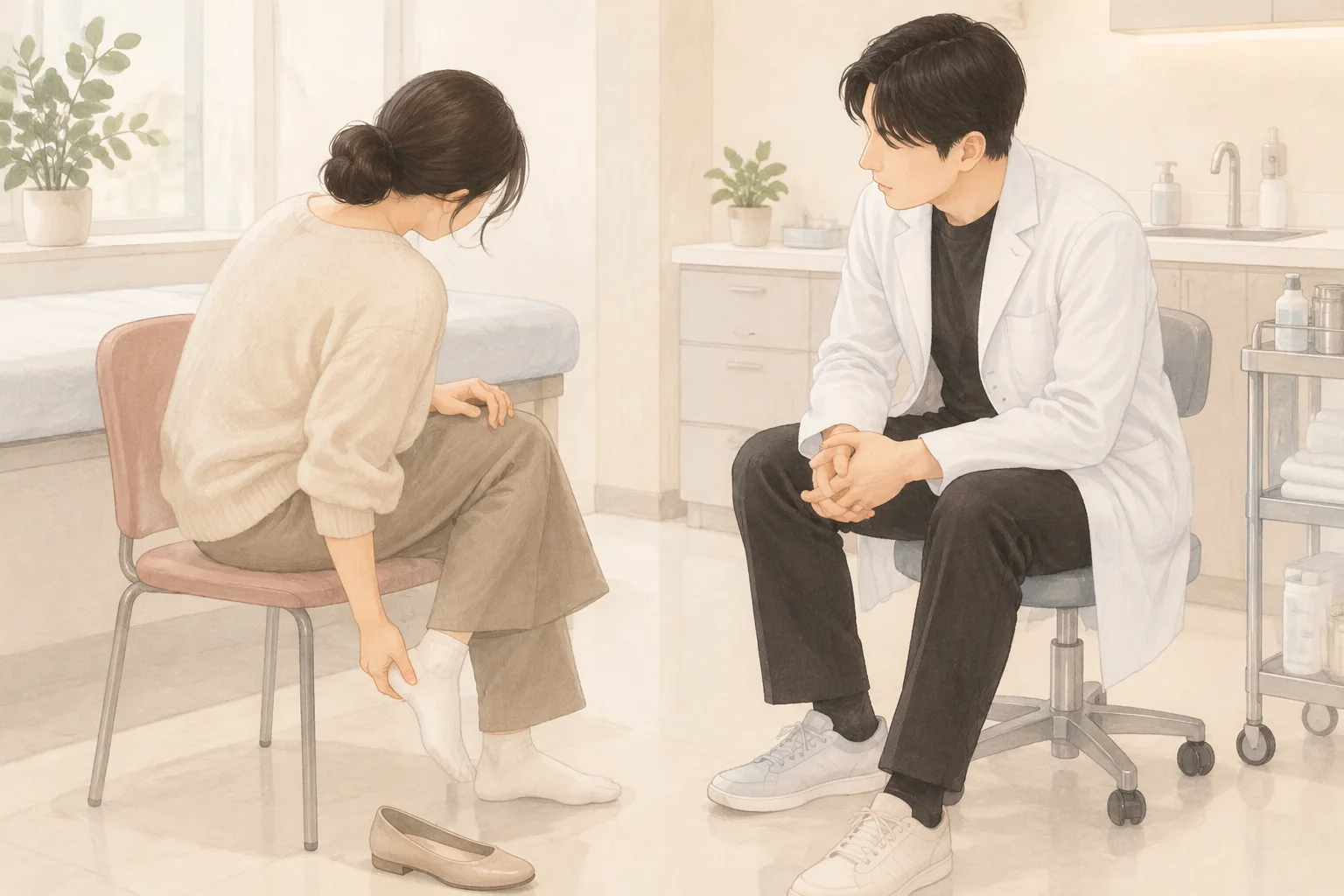
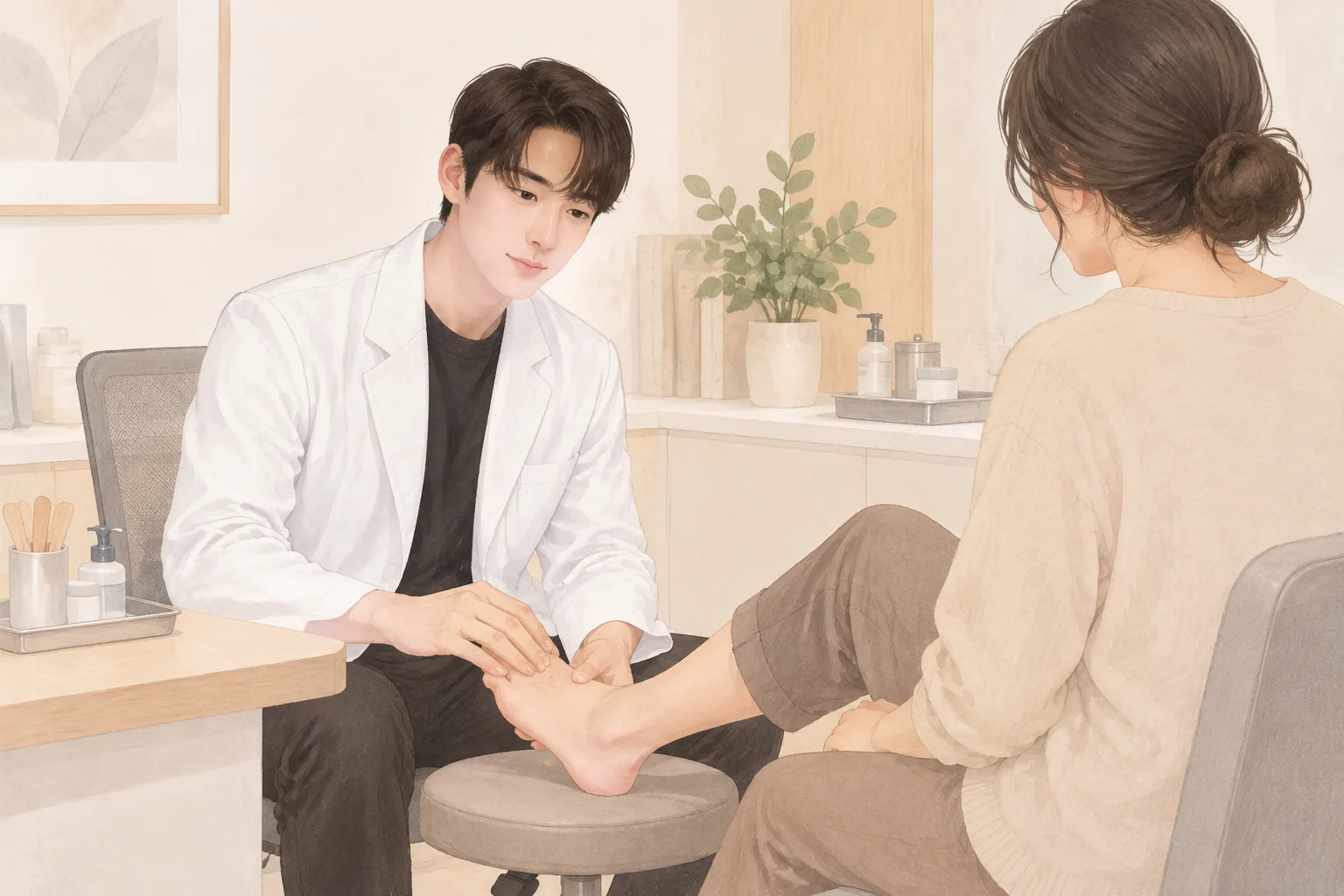
Plantar warts can be very painful due to pressure when standing or walking. MSD Manual If pain changes your gait, describe specifically how uncomfortable walking is during consultation. This information helps decide the timing and method of treatment rather than hiding the lesion and enduring it.
When a Ceremony, Photo Shoot, or Trip Is Coming Up
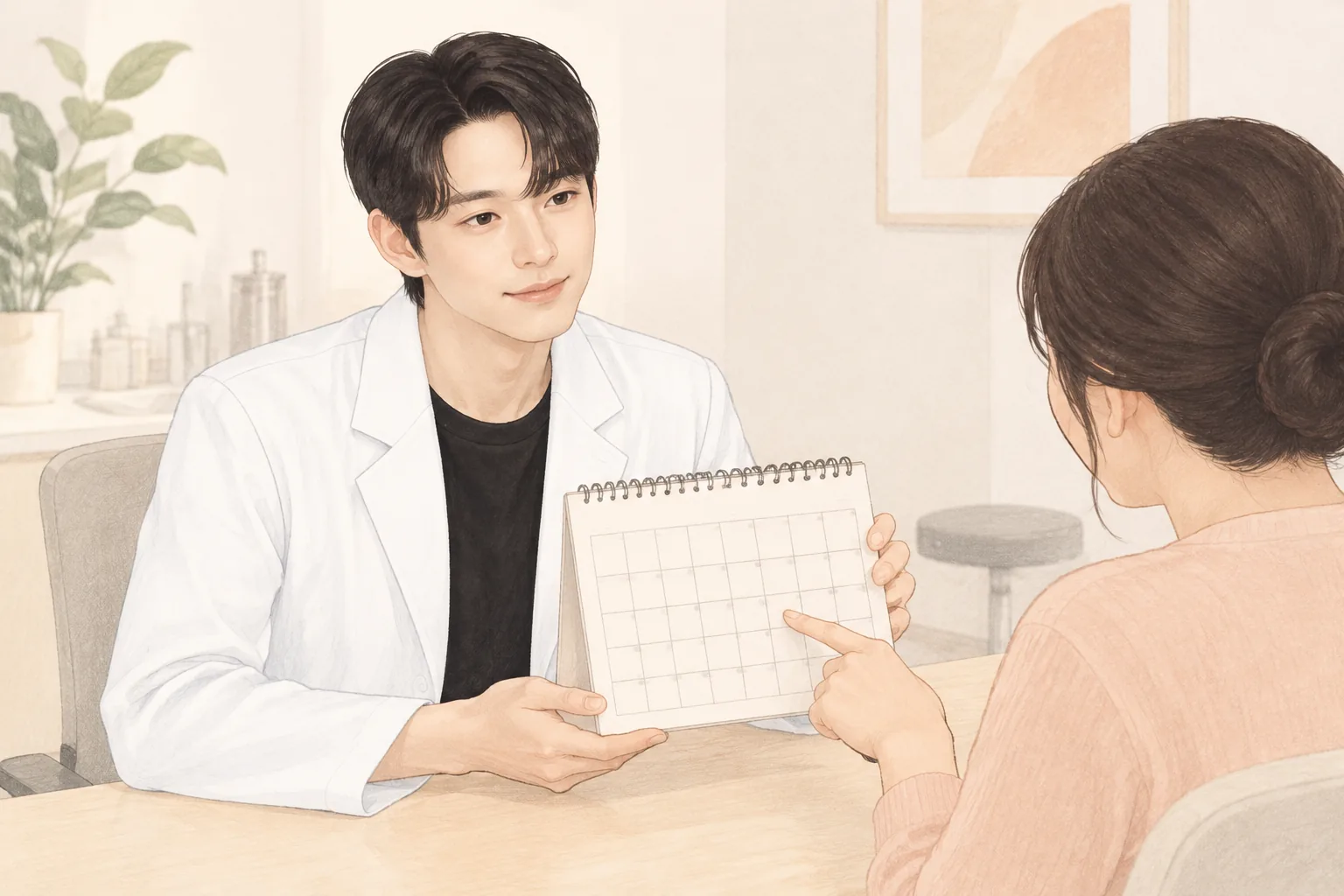
Redness or crusts right after the procedure may coincide with your schedule. Let the clinic know your dates first so the timing and intensity can be adjusted considering recovery time. Laser column Especially for a first-time procedure, starting with a buffer before your event gives more options for adjustment.
When a Child Touches or Scratches a Wart
The AAD advises not to scratch or pick at warts and to wash hands after touching them. Self-care guide Cryotherapy can be painful and is mainly performed on older children and adults, so for young children, consider both cooperation during the procedure and pain. Treatment guide
Please tell us before your consultation Mention recent sun exposure, medications you're taking, skincare ingredients you're using, any experience of sensitive skin after a previous procedure, and important dates like ceremonies, photo shoots, or trips. If you have a condition that weakens immunity or diabetes, inform us before wart treatment.
How ATTITUDE Clinic Proceeds
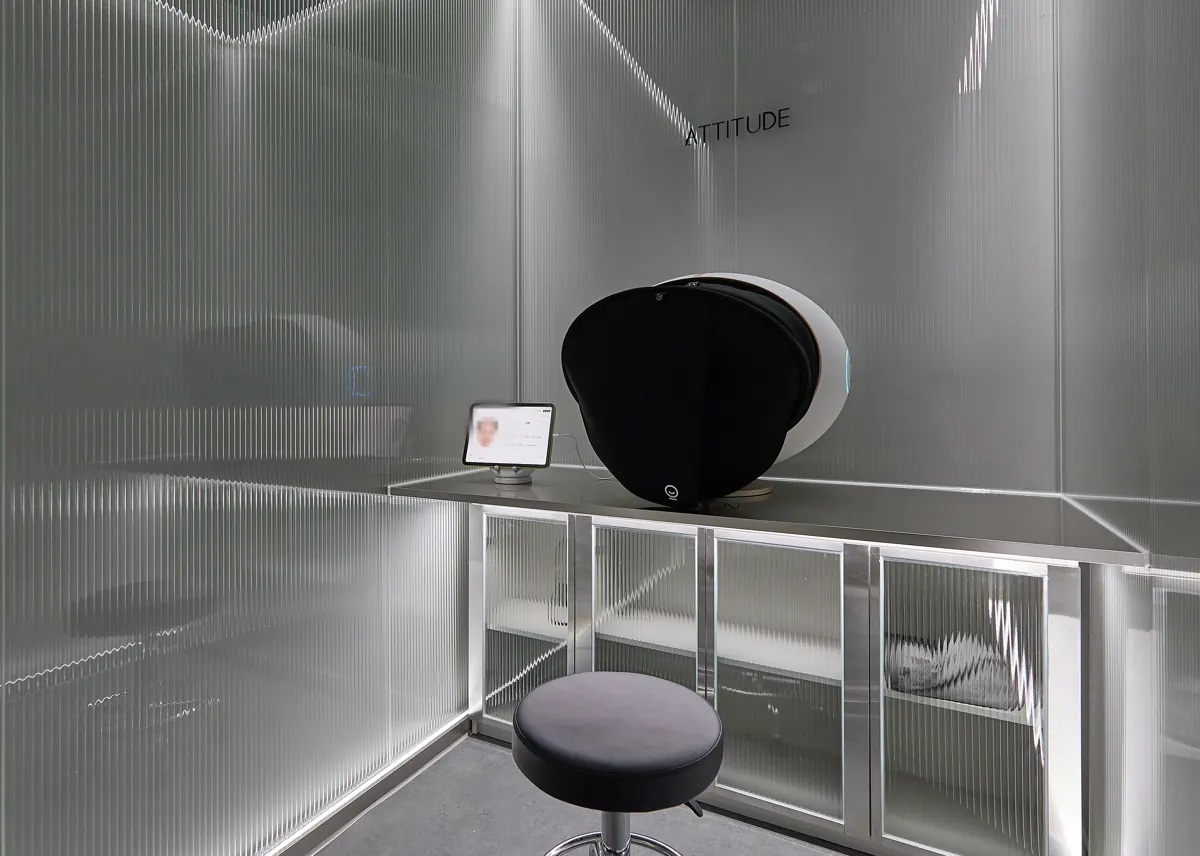
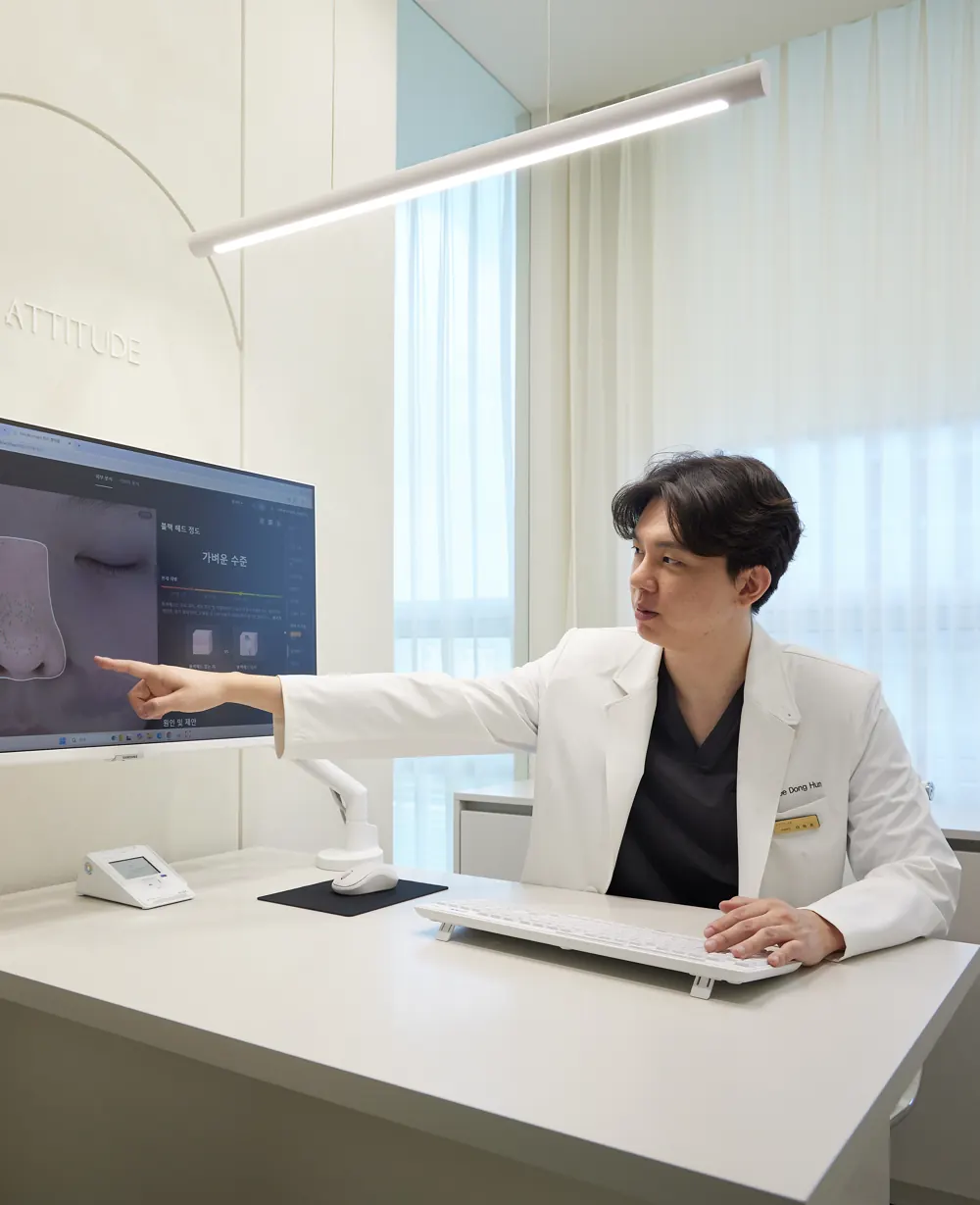
Precise diagnosis and skin analysis Current skin conditions such as pigmentation, redness, texture, and pores are recorded with AI skin analysis, and the lesion's location and extent are examined together. The analysis tool only records and organizes information and is not a medical diagnosis; the doctor personally examines the lesion and makes the judgment.
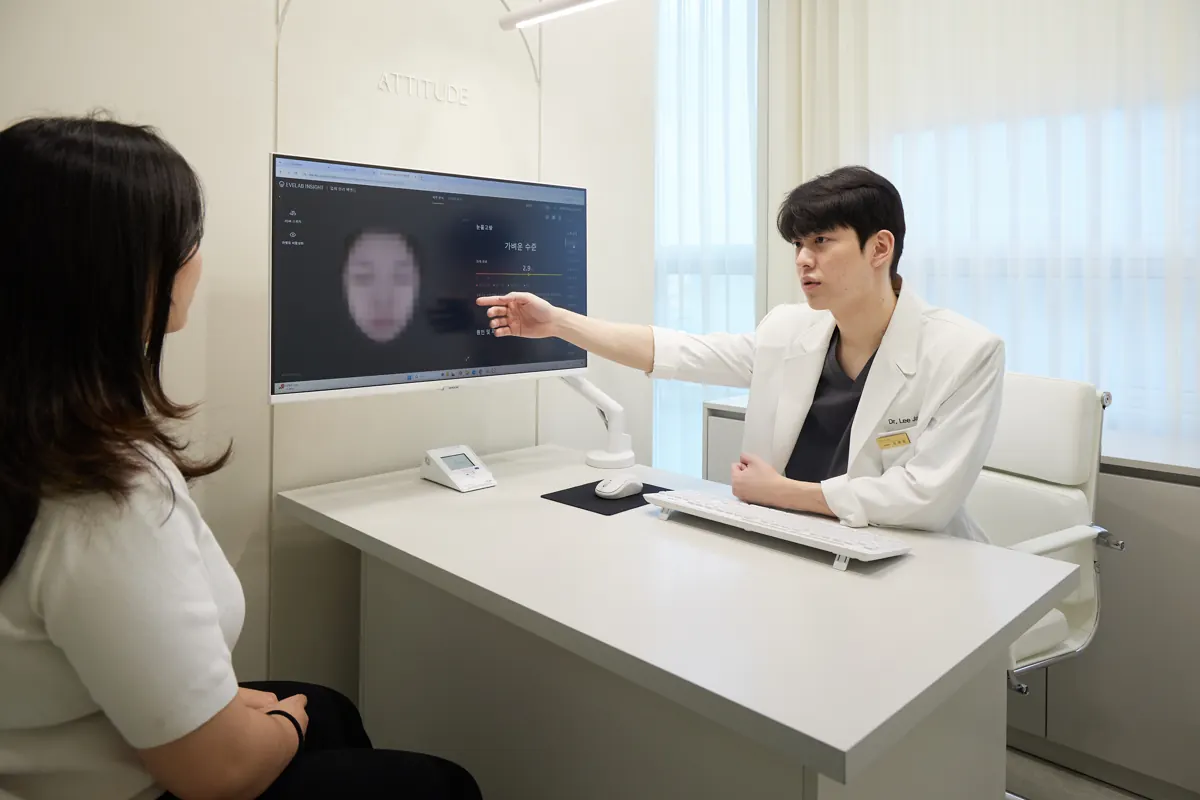
Treatment planning through doctor consultation The analysis record, schedule, pain sensitivity, and previous treatment history are combined to decide the treatment method, anesthesia method, and timing. For different areas like the face and soles, the same method isn't applied as-is; recovery conditions are considered together.
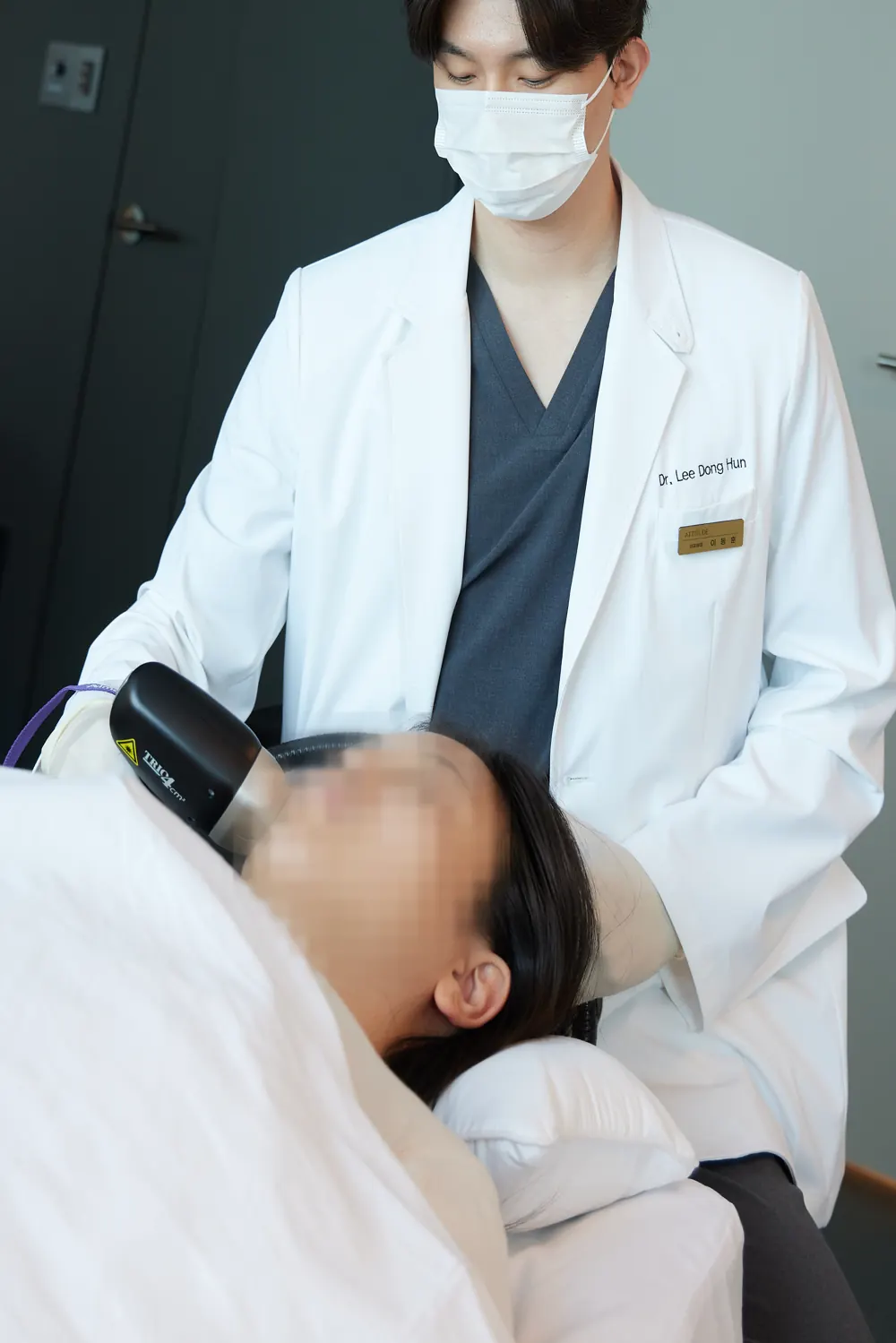
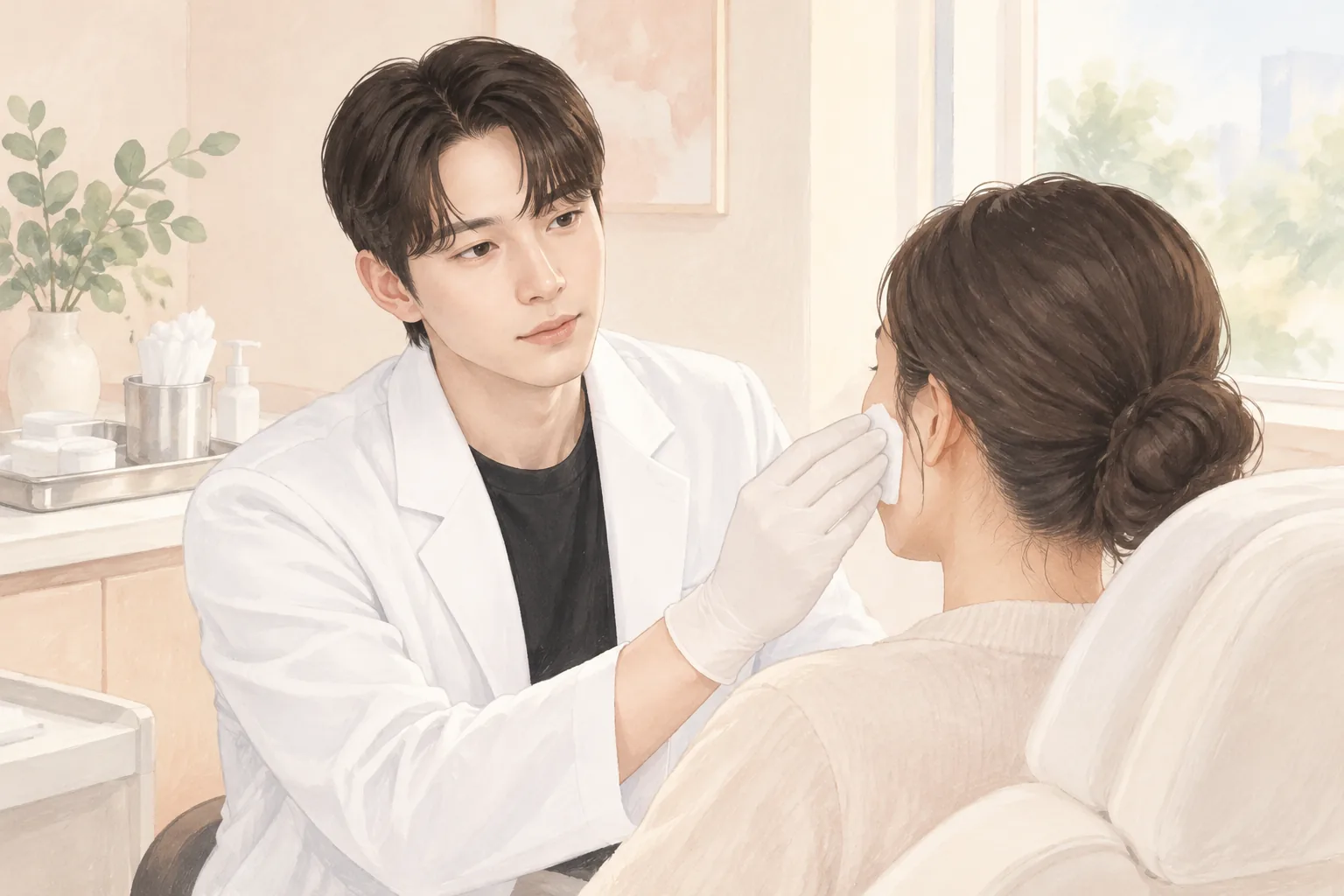
Procedure performed directly by the doctor Topical anesthesia is used as needed to reduce discomfort, and the doctor performs the procedure directly. If you feel unbearable discomfort during the procedure, tell us right away so the intensity can be adjusted.
Recovery and follow-up After the procedure, sun protection and moisturizing are advised, and if pain or redness is different from expected, visit the clinic for a check.
For laser treatments, the clinic uses PicoPlus, VBeam, and Er:YAG laser depending on the concern. Laser column Wart removal is a procedure that directly treats lesions, and prices are listed per count on the price list; all amounts exclude VAT. Treatments and pricing Accurately identifying the lesion comes before equipment names.
Four steps your doctor sees to in person
From the diagnostic device to the treatment bed, the doctor you first consult takes care of everything.
01
Precision diagnosis
In a private diagnosis room the whole face is photographed, recording even skin conditions that are hard to see with the eye.
02
Skin analysis
The doctor goes through your pore, pigmentation, wrinkle and firmness results with you on screen and explains what comes first.
03
One-to-one design
With your skin, the balance of your face, the change you want and your schedule in view, you decide the treatment and its extent together.
04
Treatment by your doctor
The doctor who consulted you performs the treatment from start to finish in a private treatment room. No one takes over halfway.
“I take injection pain seriously.”
Co-Director Dr. Lee Dong Hun
Many people hesitate over injection treatments because they hurt. So we went back over everything, from the anesthetic to the products used.
Careful numbing, unhurried timingWe allow plenty of time for a special numbing cream to take full effect, and add anesthetic injections for the treatments and areas that need them.
Fine needles, finished quicklyInjection treatments use fine needles, and the doctor finishes them personally in a short time, adjusting along the way by watching how you are doing.
Even the product formulation countsThe same treatment can feel more or less demanding depending on the product, so we take that into account too.
The anesthetic method and whether it is used are decided after an examination, according to the treatment, the area and your condition. How much it hurts varies from person to person.
Post-Procedure Care and Side Effects
Soothing Right after the procedure, don't rub the treated area or wash it with hot water. If there's redness and heat, gently cool at room temperature and follow instructions if an ointment is provided.
Moisturizing Don't scratch off crusts; apply moisturizer thinly on top. Recovery is more comfortable when the tight, dry feeling of the wound decreases.
Sun protection Sun exposure during new skin growth can easily cause pigmentation, so apply sunscreen when going out. Laser column Avoid saunas, strong exfoliation, and irritating scrubs for the advised period.
Follow-up If pain worsens or redness and heat persist, don't endure it—visit the clinic. For plantar lesions, also check whether walking pain decreases.
Common reactions are stinging, redness, swelling, and crusts at the treatment site. After cryotherapy, blisters and crusts are expected, and with cantharidin, pain and blistering are typical. Treatment guide
Less commonly, the treated area may become lighter or darker than surrounding skin or scar. If combined with laser or peeling, blisters, hypopigmented spots, infection, and scarring rarely occur. Treatment guideLaser column
Medical attention is needed if a wart changes, hurts, itches, or bleeds. Also visit the clinic without waiting if post-procedure pain worsens or redness, heat, and swelling persist. Self-care guideLaser column
Frequently Asked Questions
Is laser treatment for flat warts very painful?
It depends on the laser type and intensity, lesion depth, and whether it's on a thin-skinned area like the face. Topical anesthesia reduces discomfort but doesn't completely eliminate sensation. If it's unbearable during the procedure, tell us right away so the intensity can be lowered. If you're sensitive to pain, allow ample anesthesia time during consultation. Laser column Before treatment, the lesion's location and depth are checked during consultation; if you've had laser or peeling before, tell us how painful it was. Allow enough time for topical anesthesia, and if you feel discomfort during the procedure, speak up rather than enduring it.
Is numbing cream enough, or do I need an injection?
Before highly stimulating procedures like electrosurgery, an injection or topical anesthesia is used. Treatment guide Injections are fast but involve needle discomfort; cream avoids needles but needs absorption time. The choice depends on lesion extent, age, and pain sensitivity. We don't insist on one method and may combine them if needed. Telling us the number and extent of lesions, the child's age, and whether pain was severe in previous procedures helps decide the anesthesia method. If topical anesthesia is chosen, apply the cream thickly and wait the full absorption time.
How long does pain last after facial wart removal?
It varies by treatment method and extent. After cryotherapy, crusts and blisters form and heal within 4–7 days, but the period of noticeable pain differs from person to person. With laser or peeling, redness and stinging may last several days. If pain worsens, visit the clinic. Treatment guide During recovery, don't rub the treated area or wash with hot water, and apply moisturizer thinly without scratching off crusts. When new skin is growing, apply sunscreen and avoid saunas and strong exfoliation for the advised period.
What should I do if crusts or blisters form after wart removal?
After cryotherapy, crusts and blisters are expected. Don't pop or scratch them off; soothe and moisturize as instructed. Cantharidin must be washed off at the designated time to prevent excessive blistering. If pain worsens or redness and heat persist, inform the clinic. Treatment guide If cantharidin was applied, wash it off at home at the set time and return to remove dead lesions as scheduled. Don't scratch or rub the treated area, and apply moisturizer thinly.
Where should I get wart treatment?
Seeing and differentiating the lesion comes before equipment names. Check whether the clinic explains different methods and anesthesia for different areas like the face and soles, and whether it gives specific information on post-procedure pain and recovery time. Having a channel to check in case of discomfort after the procedure is also a criterion. Prices vary by count and extent, so check the price list for standard prices and VAT information. Treatments and pricing
This article offers general health information. It is not a substitute for diagnosis or treatment based on your own condition, so please talk through your situation with a doctor.