Acne Scars vs. Dark Spots: How to Tell Them Apart (and Which Pico Laser Treatment Fits)
Why red marks (PIE), brown marks (PIH), and indented acne scars are different problems: their causes, targets, treatment approaches, and recovery timelines.
Written by ATTITUDE Clinic Editorial Team
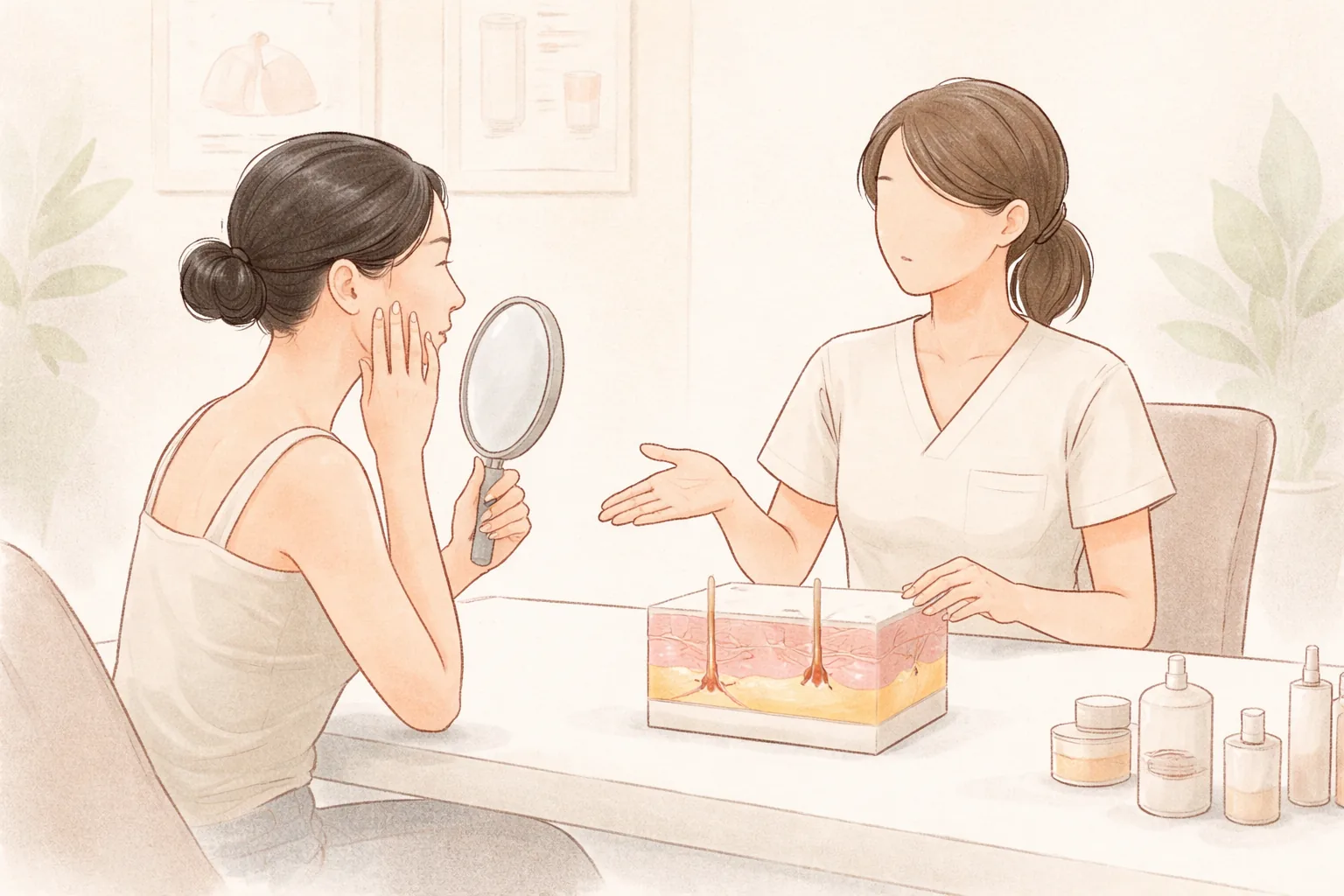
I often hear from people worried about marks left on their cheeks after acne has settled down. Whether the mark is red, brown, or an actual indentation in the skin changes the approach entirely, yet in photos all three look similar, making it hard to judge on your own. So why are the color changes and indented scars left after acne different problems? Let me walk you through what each one targets, and how you can plan a schedule during a short stay in Korea.
The Bottom Line First
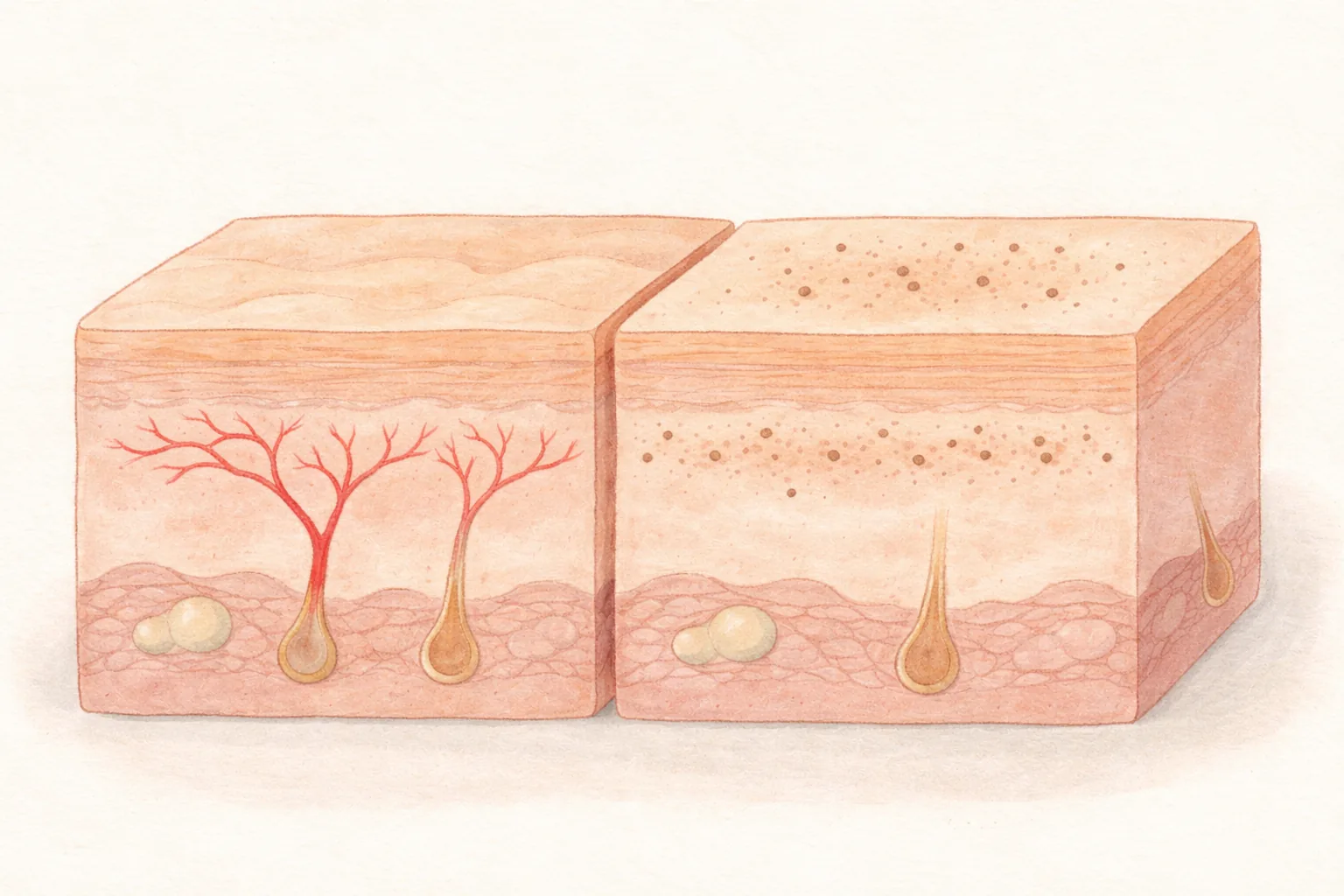
Red marks left after acne are caused by blood vessels, brown marks by melanin, and indented scars by a change in the collagen structure itself. That's why all three differ in their target, the laser used, and how quickly change becomes visible. Flat marks that stay red or brown often improve over time, but it can take several months or longer, whereas indented scars are unlikely to disappear completely on their own. Before deciding on treatment, the first step is confirming whether your mark is a color problem or a structural one.
What's the Difference Between Red Marks and Brown Marks?
As acne inflammation settles, the skin responds in one of two ways. One is a change in the blood vessels. Post-inflammatory erythema (PIE, a pinkish tone left as tiny blood vessels dilate and the epidermis thins during healing) appears more often in fair, thin skin. The other is a pigment change. Post-inflammatory hyperpigmentation (PIH, brown discoloration caused by melanin deposited in keratinocytes that recently suffered inflammatory damage) is more common in darker skin tones. According to DermNet's guide to acne scarring, these two are common color changes seen with acne marks, and while they may improve over time, it can take several months or longer.
A common misconception here is thinking "every acne mark is a scar." American Academy of Dermatology materials explain that if a flat colored spot appears where acne has settled, it is usually likely pigmentation, not a scar. A true scar comes with a change in shape, either indented or raised. Since marks that are only color and marks with a changed structure need different treatment directions, whether it looks flat in the mirror or feels indented or raised to the touch is your first clue.
UV exposure is one of the main factors that stimulate pigment-producing cells. For skin where red and brown marks overlap, sun protection determines how well color management goes. ATTITUDE Clinic's column also notes that even after treatments to reduce pigment, neglecting sun protection can cause pigment to return or darken further.
Indented Scars Are a Structural Problem, Not a Color One
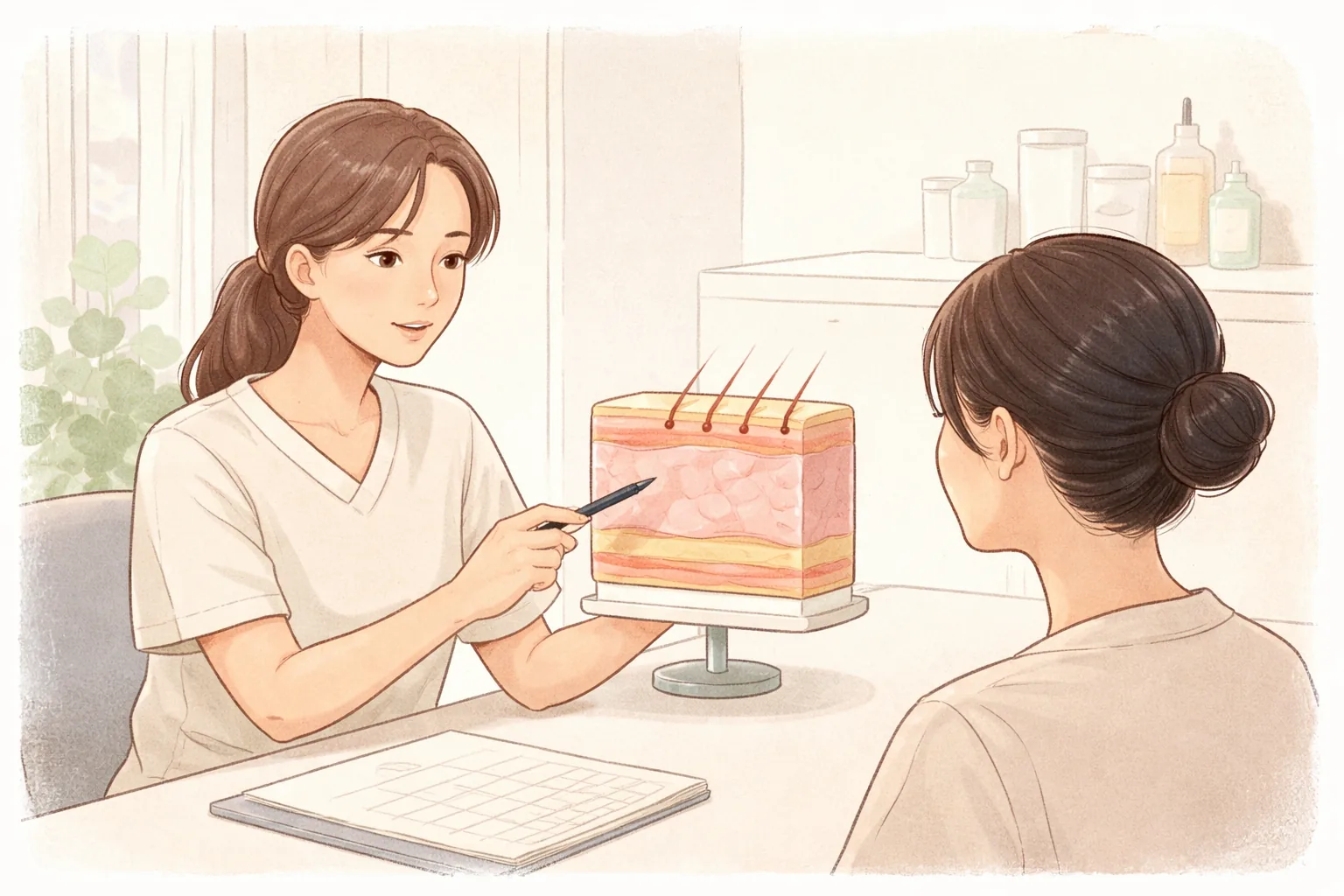
Scars form as new collagen builds up trying to repair inflammation or damage. Most acne scars are atrophic scars, where net loss of dermal collagen leaves the skin indented, while some are the opposite: hypertrophic or keloid scars, where excess collagen creates a raised bump. Atrophic scars are divided by shape into icepick, boxcar, and rolling types. According to DermNet, icepick scars are the most common form of atrophic scar, narrow and deep.
Leaving deep inflammatory acne untreated, or picking, squeezing, or scratching lesions, increases the chance of scarring. American Academy of Dermatology notes that squeezing or picking increases inflammation, raising the risk of both scarring and pigmentation, and DermNet presents research linking smoking to more severe scarring. A family history of acne scars also raises risk, so treating acne properly from the first breakout tends to pay off.
As a rule, scar treatment begins after active acne is calmed first. Even for the same scar, the approach varies with size, depth, location, your skin type, and your goals, and a combination of methods is often used rather than a single one. Deeply indented scars have limits with regeneration-only treatments, so filling the base or releasing tethering beneath the scar may be combined, and for raised scars, injections or pressure therapy may be more suitable than laser.
Why the Same Pico Laser Treatment Gives Different Results
The basic principle of dermatology lasers is selective photothermolysis (concentrating energy on a target while sparing surrounding normal skin). Because each wavelength is absorbed well by different targets, aiming at melanin and aiming at hemoglobin require different devices. ATTITUDE Clinic's column explains this principle by noting that within the same face, dark spots come from pigment, redness from blood vessels, and rough texture from the surface.
Approaches also split into two. Pico laser treatment delivers energy in pulses as short as one trillionth of a second, breaking pigment particles into fine fragments and reducing how far heat spreads to surrounding tissue. Fractional laser leaves tiny stimulation at only some points like a grid, drawing out regeneration signals from undamaged neighboring cells, and is mainly used for concerns like pores or scars where structure has changed. According to ATTITUDE Clinic's laser guide, pigment concerns are based on the picosecond family, vascular concerns on the vascular laser family, and structural concerns on the fractional family, with the two approaches combined on the same day or one applied intensively.
What ultimately decides results is depth, intensity, interval, and your skin's condition. Even for the same dark spot, the pigment sits at different layers, and using strong energy at once on a state like melasma, where the pigment cells themselves are overactive, can temporarily lighten only to bring a rebound where pigment darkens again. That's why melasma is approached with low-energy sessions repeated many times, along with UV protection and cause management.
Table 1 Why the Same Pico Laser Treatment Gives Different Results
Category
What is the problem
Target
ATTITUDE Clinic's approach
Red marks (PIE)
Microvascular changes and epidermal thinning during healing
Hemoglobin (blood vessels)
Vbeam family to address redness
Brown marks · dark spots (PIH)
Melanin deposits in keratinocytes
Melanin
PicoPlus family to break down pigment; low-energy repetition for melasma
Indented scars
Loss of dermal collagen structure
Collagen and tissue structure
Fractional family to induce regeneration, combined based on shape
Rough texture · pores
Surface unevenness
Skin surface
Erbium YAG Laser · fractional to refine texture
Swipe sideways to see the whole table.
In short Whether a mark is red or brown, and whether the skin is flat or indented, sets the starting point for treatment. Color problems are approached with lasers targeting pigment or blood vessels, structural problems with regeneration-inducing lasers and combined methods, and when the two overlap, priorities are divided and addressed in order.
If This Describes You
If you have a fixed date like a ceremony or a shoot
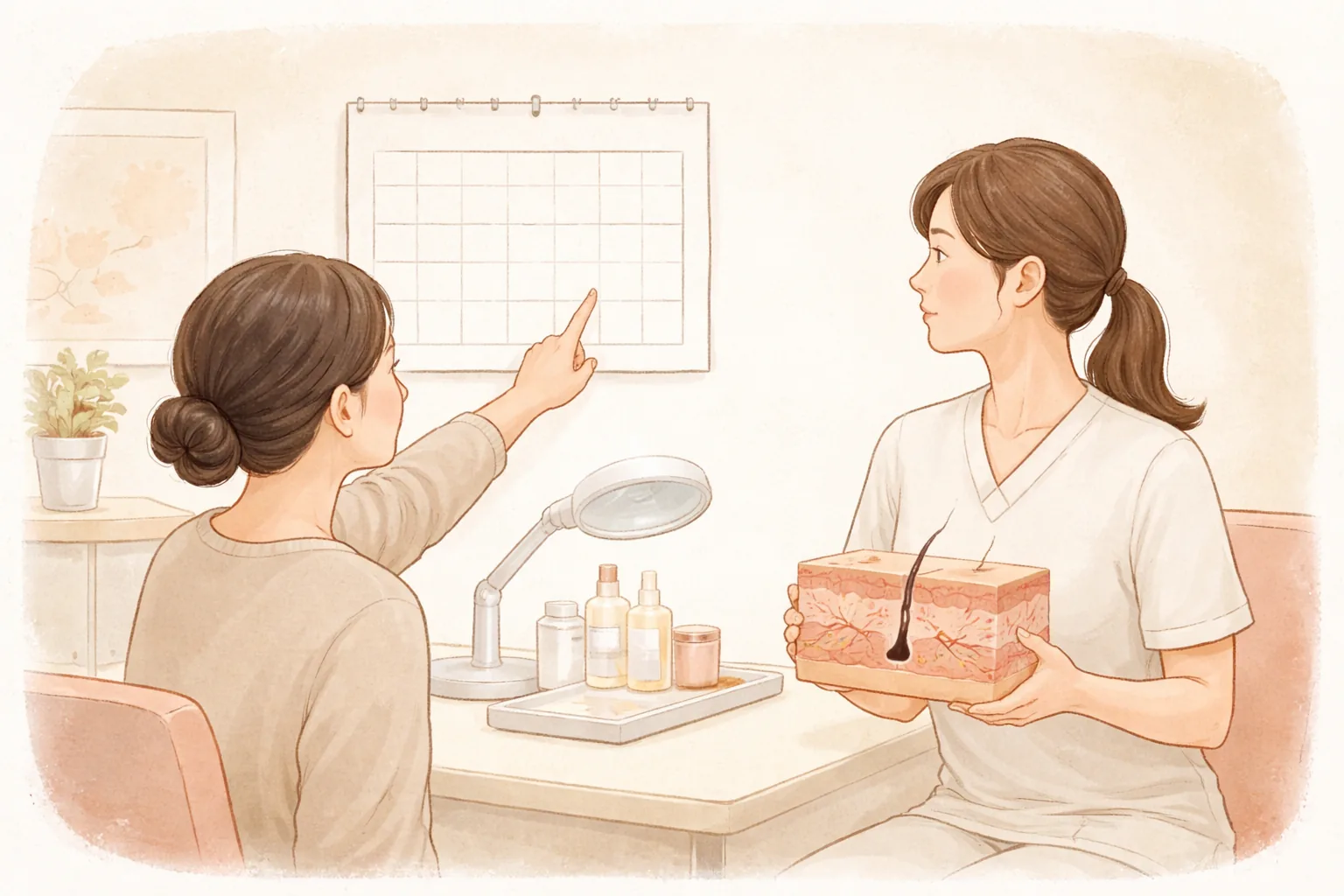
If you have an important event, it helps to share the date first. Counting backward from the event lets us adjust treatment type, intensity, and start timing, and high-power treatments with long downtime can even be shifted in timing. Even the same treatment varies greatly in recovery depending on intensity.
If you're a visitor staying briefly in Korea
A typical flow is to record your skin condition, determine the type, then proceed with the first treatment on the first visit. Dark spots are commonly advised at 4–8 week intervals, and scar treatments at 4–8 week intervals as a common example, so on a schedule of a few days, adjusting intensity is better than cramming sessions together. Planning aftercare for once you've returned home helps you keep direction even on a short schedule.
If you have sensitive skin that reddens easily
Repeating treatments before recovery finishes, or proceeding with settings stronger than your skin condition warrants, can weaken the barrier and leave skin sensitive or redness lingering longer. If skincare products sting more than usual, telling us first helps us adjust settings and intervals. Interval, not intensity, determines results in many cases.
If acne is still breaking out
As a rule, treat active acne first, then begin scar care. If new lesions keep forming, treated areas get refilled. In this case, controlling acne takes priority over scar treatment, and color mark care is carried along within that flow.
Please tell us before your consultation Recent UV exposure (travel or outdoor activities), medications you're taking and skincare you use (retinol, exfoliants, etc.), whether past treatments caused bruising or pigmentation, and any unavoidable event dates like a wedding or shoot — sharing these helps greatly in planning.
How ATTITUDE Clinic Proceeds
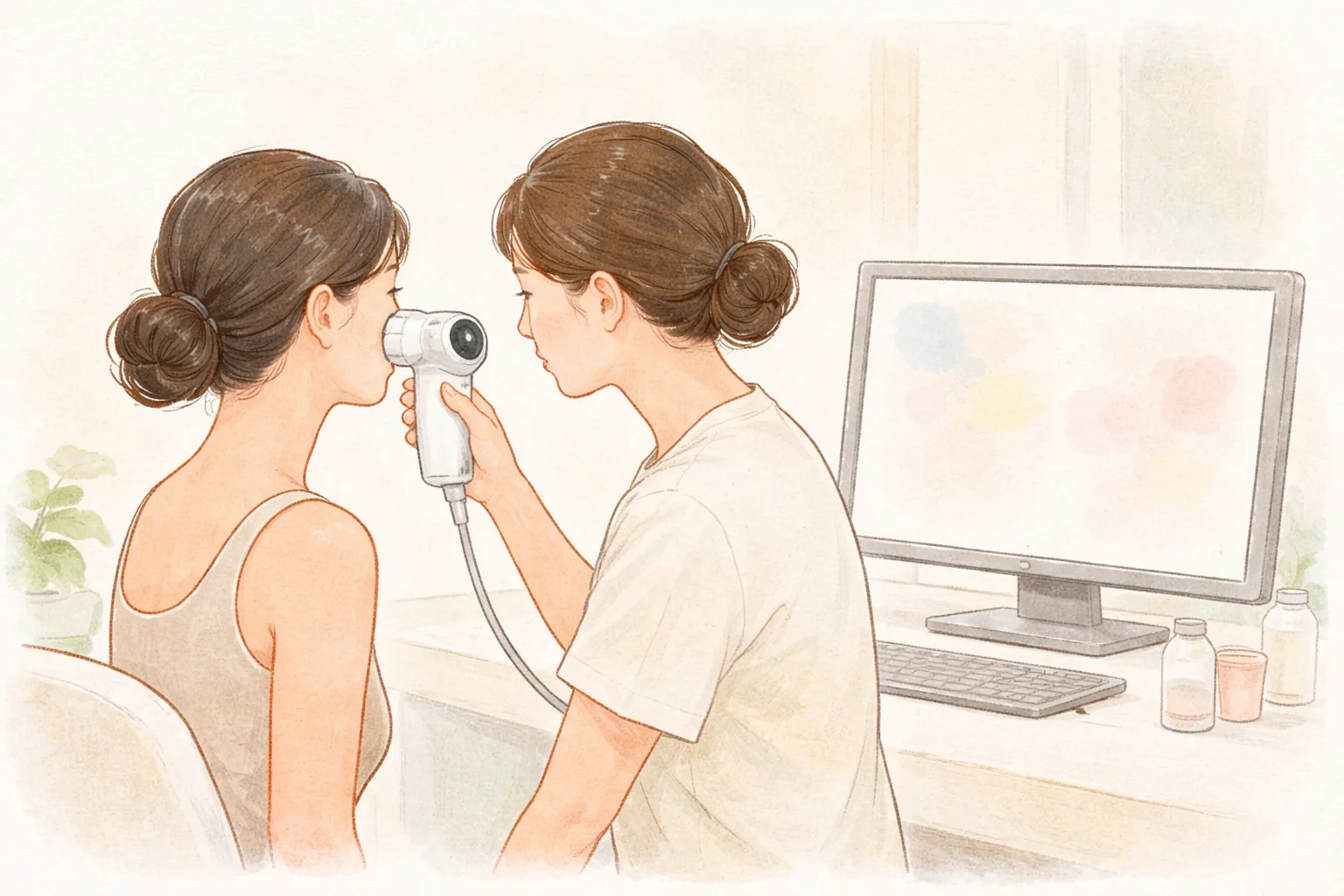
AI skin analysis record — Pigmentation, redness, skin texture, and pore condition are recorded with an analysis tool and organized as consultation material. This tool only records and organizes information and does not make medical diagnoses.
Director consultation to interpret type and cause — UV exposure, lifestyle habits, and your concerns are added to the analysis record, and the director judges the type through examination. Even brown spots that look similar to the eye can have different causes, so direction diverges at this step.
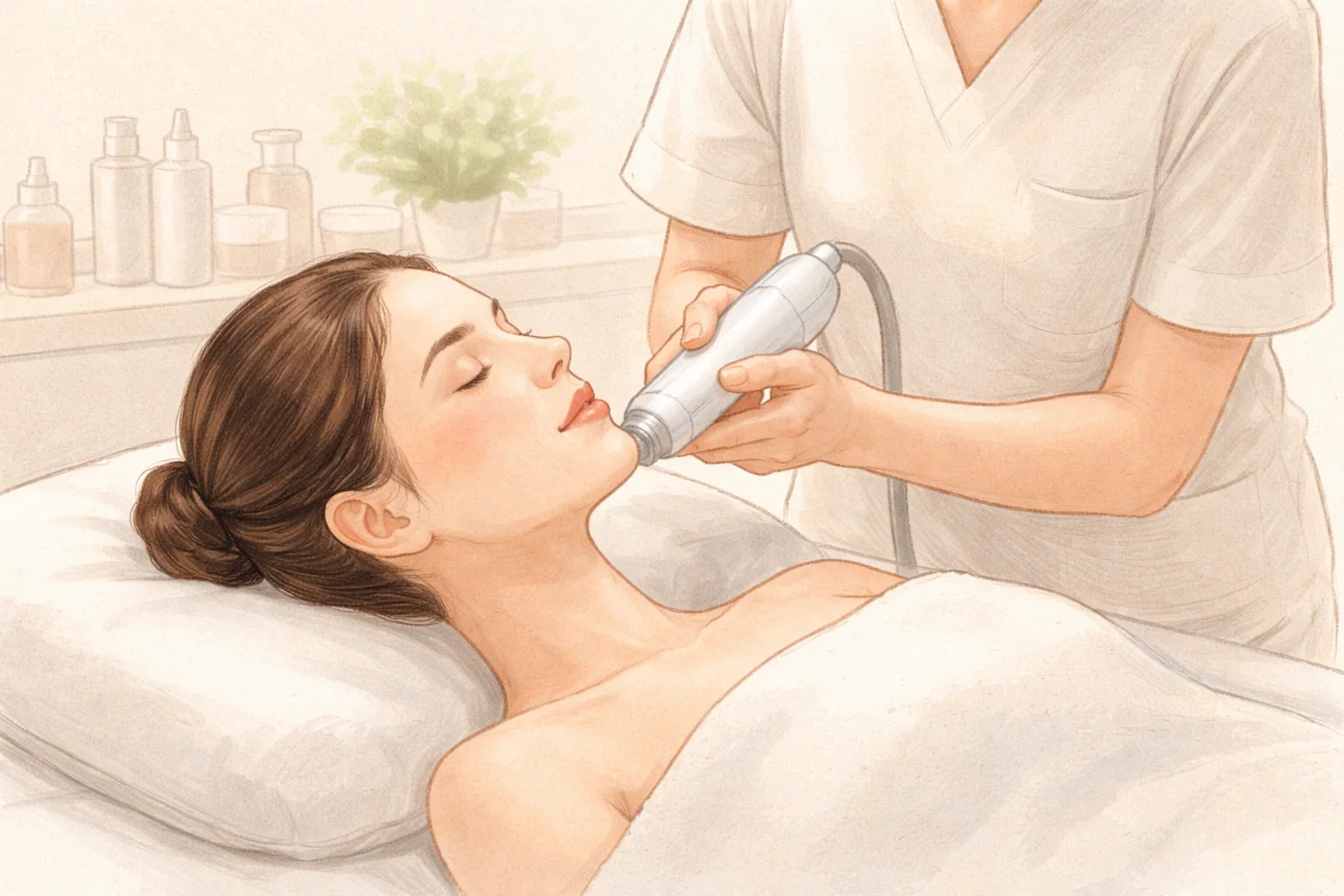
Treatment performed directly by the director — Among devices such as PicoPlus, Vbeam, and Erbium YAG Laser, the one matching your type is selected, and the director adjusts intensity and combination. What you need now, what you don't, and the order are all decided here.
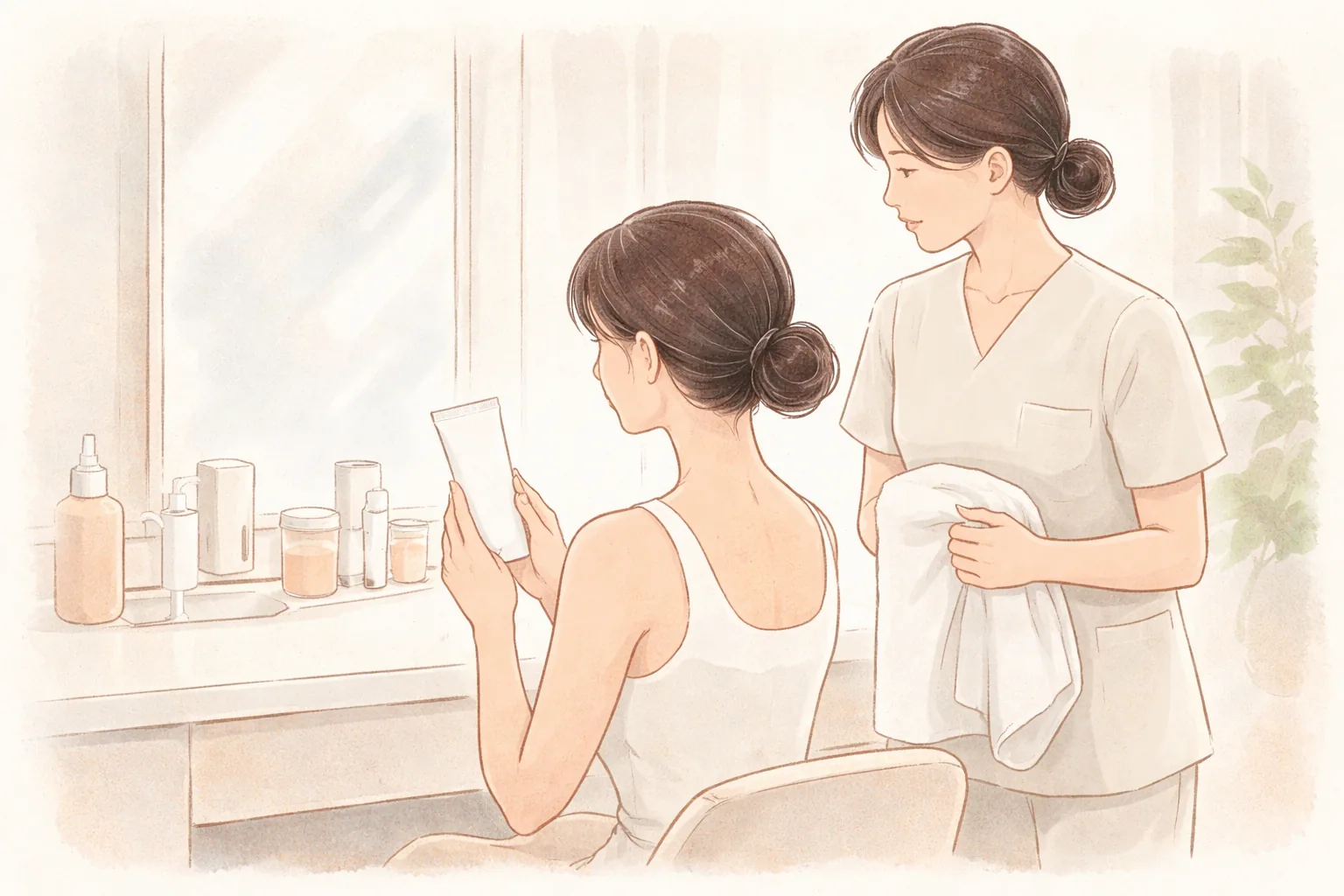
Recovery and management — After treatment, care centers on UV protection and moisturizing, and progress is checked. Even for the same dark spot, the device used varies with pigment depth, so we guide you based on authentic products, proper dosage, and standard pricing.
Aftercare and Side Effects
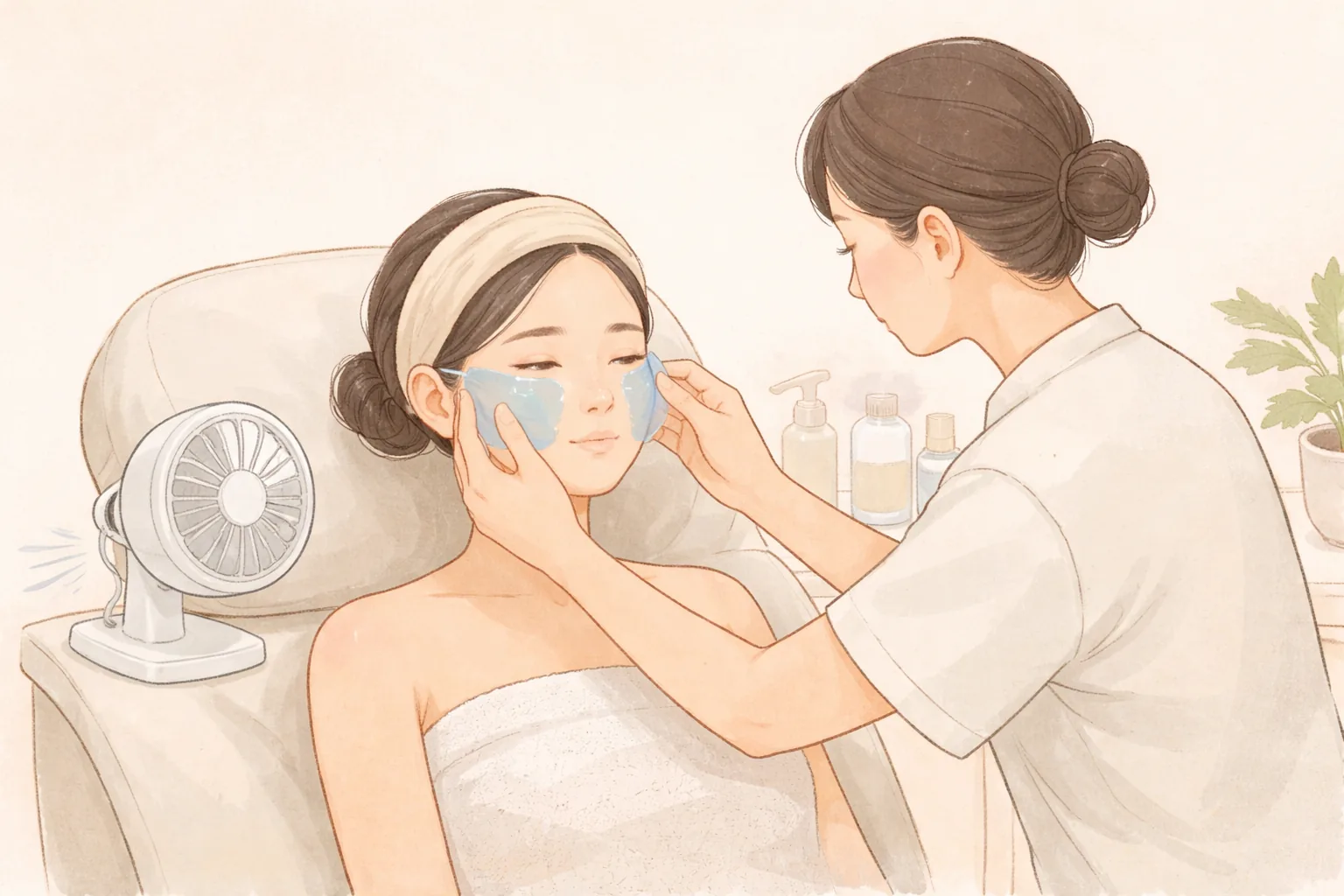
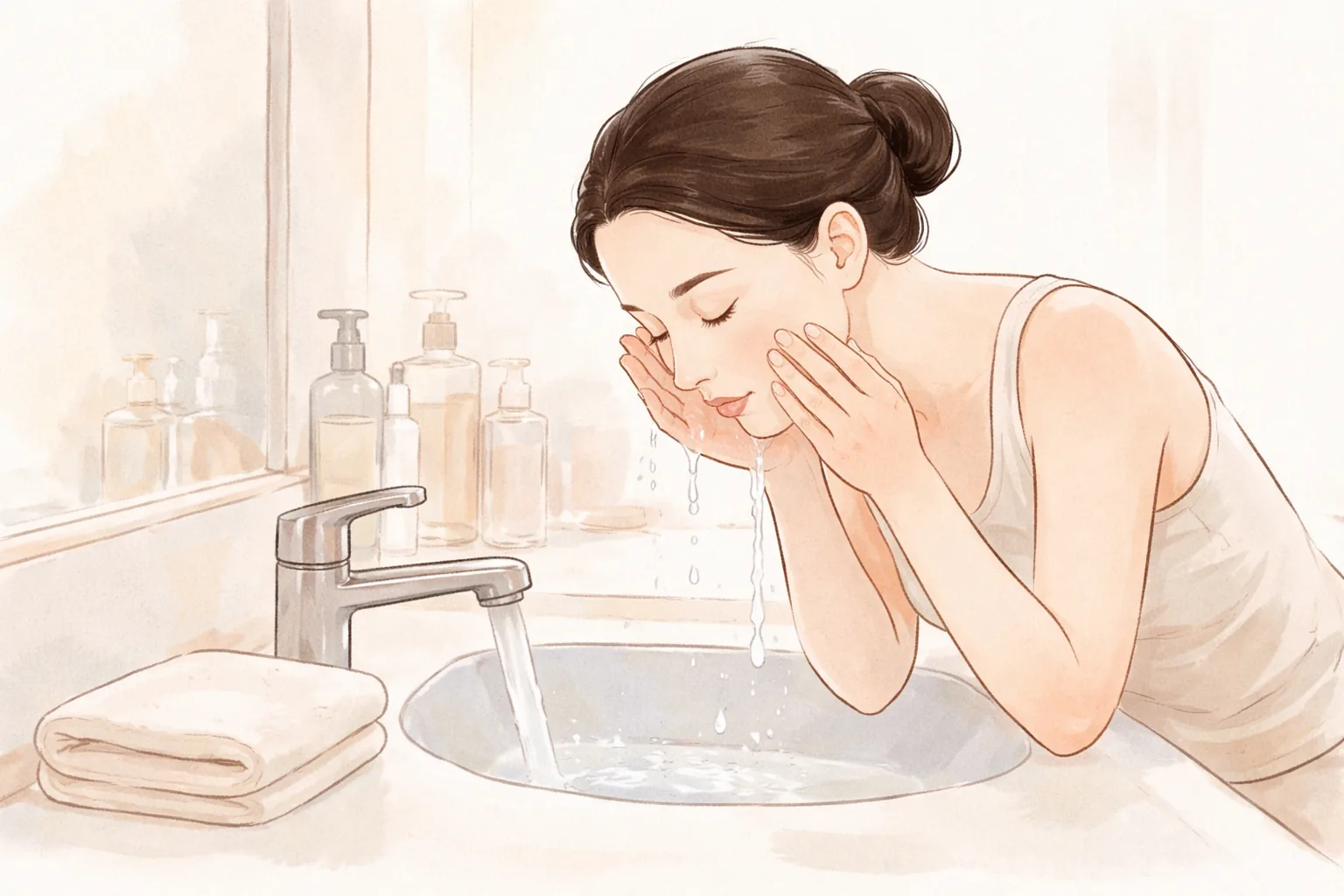
Soothing — Right after treatment, skin is sensitive, so wash lightly with lukewarm water and do not rub. If a crust has formed, don't touch it and let it fall off on its own.
Moisturizing — With a weakened barrier, moisturizing affects recovery speed. Avoid exfoliation or scrubs for the period advised.
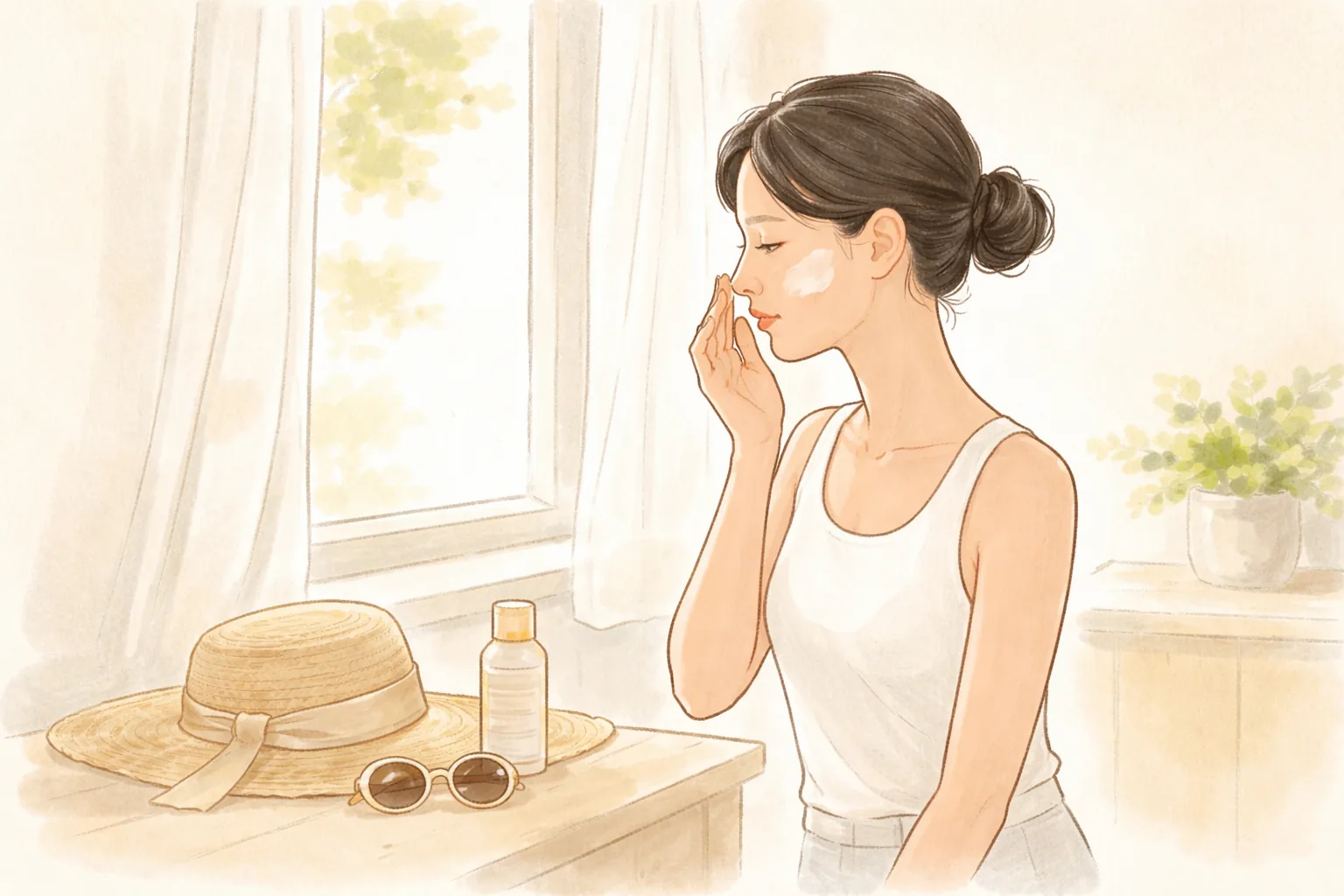
UV protection — For at least 2 weeks after treatment, applying SPF 50+ sunscreen is recommended, reapplying about every 2 hours outdoors. This is to reduce pigment rising in newly formed skin.
Avoiding heat stimulation and checking progress — It's best to avoid saunas, jjimjilbangs, and vigorous exercise for 1–2 weeks. Rising skin temperature can dilate blood vessels and reactivate pigment cells.
Common reactions are redness, swelling, heat sensation, and stinging, and a thin crust may form depending on the treatment. Crusts after dark spot lasers usually fall off in 7–10 days; high-power picosecond treatments take about 7–10 days; high-power fractional treatments can involve swelling, oozing, and crusting lasting about 7–14 days. Vbeam can cause bruising, which takes 1–2 weeks to fade. Rarely, hypopigmented spots, blisters, infection, scars, or pigment returning over time can occur.
If redness or heat sensation lasts longer than expected or pain worsens, it's better to come in for a check rather than endure it. Recovery periods and reactions vary by person, so hearing an explanation tailored to your skin at the first consultation is safest.
Frequently Asked Questions
How do I tell red marks and brown marks apart?
It's hard to distinguish by visible color alone. Post-inflammatory erythema relates to microvascular changes and epidermal thinning and is more common in fair skin, while post-inflammatory hyperpigmentation is melanin deposition in keratinocytes and more common in darker skin tones. The two can overlap on the same skin and fade together over time. Redness can be reduced with vascular lasers, while pigment needs a different wavelength, so which is dominant is judged by examination.
Do indented scars disappear completely with treatment?
Acne scars can fade, but complete disappearance on their own is rare, and even with treatment, returning to original skin is a difficult goal. Instead, the approach aims for improvement in depth, width, and texture, changing the overall impression. Deep, narrow scars have limits with regeneration-only treatments, so filling the base or releasing tethering may be combined. Since the plan varies with where you set your goal, we decide together at consultation.
Acne is still breaking out — can I get scar treatment?
As a rule, treat active acne first, then begin scar care. If new inflammation keeps forming, treated areas get damaged again and scar risk grows. Once acne control stabilizes, scars and color marks are addressed in order. What to do first in your current state is decided by looking at lesion activity and scar shape together.
I can only stay in Korea a few days — how many sessions are possible?
For dark spots, 1–3 sessions at 4–8 week intervals, and for acne scars, 4–6 sessions at 4–8 week intervals are commonly advised as examples. For widespread pigment like melasma, 8 or more sessions at intervals of at least 1 week may be used. If your stay is short, starting at a lower intensity with shorter downtime, rather than cramming strong sessions at once, and planning for after you return home is more realistic. Actual number and interval are decided based on your skin condition.
What should I check when choosing a clinic?
I'd recommend looking at the process rather than the device list. Does the clinic confirm before treatment whether your concern is pigment, blood vessels, or skin structure? Does it recommend only what's needed and not set session counts and intensity unreasonably? Does it explain pain, recovery schedule, and aftercare thoroughly? And can you get a check again if you're uncomfortable after treatment? These are helpful points for judging.
At a Glance
Table 2 At a Glance
Item
Key point
Red marks (PIE)
Microvascular changes during healing, more common in fair skin
Brown marks · dark spots (PIH)
Melanin deposition in keratinocytes, more common in darker skin tones
Indented scars
Structural change from dermal collagen loss, complete spontaneous resolution is rare
Starting point for distinction
Whether it's a flat colored spot or a structural change, indented or raised
Treatment choice
Pigment via pico family, vessels via Vbeam family, structure via fractional family
Key care
UV protection and moisturizing, don't pick crusts, avoid heat stimulation
This article offers general health information. It is not a substitute for diagnosis or treatment based on your own condition, so please talk through your situation with a doctor.