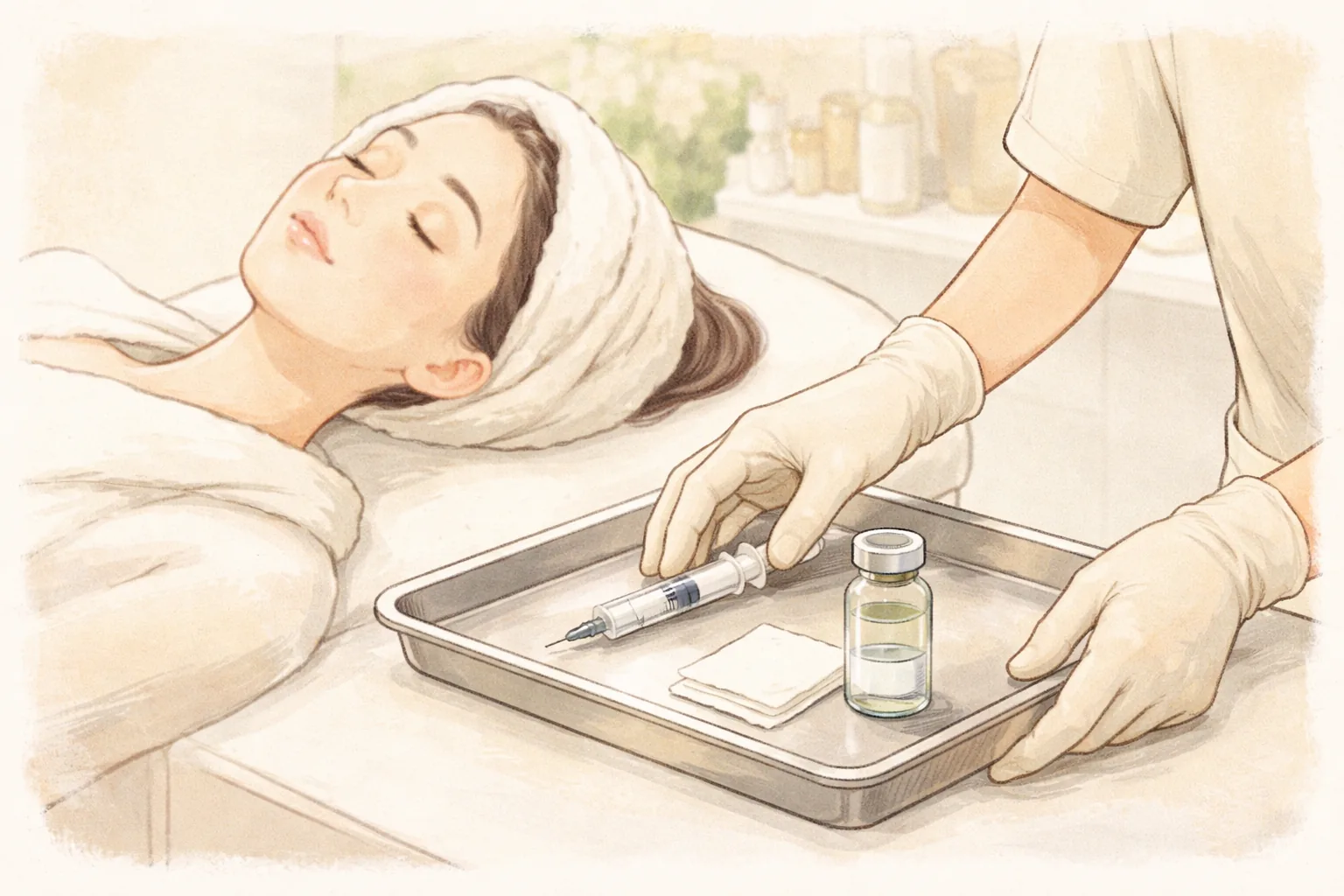
Filler Dissolving with Hyaluronidase: How Many Sessions, When to Refill
What hyaluronidase actually does when dissolving filler, what increases the number of sessions, and when to refill after dissolving.
Written by ATTITUDE Clinic Editorial Team
After getting filler, if you don't like the shape, a certain area looks lumpy, or the volume seems excessive, the first thing that comes to mind is the "dissolving shot." But when you look into it, it's not clear how many times you need hyaluronidase before it's done, or when you can refill the area afterward, so you hesitate. This article lays out what hyaluronidase actually does, and the criteria that decide the number of sessions and the intervals between them.
The Bottom Line First
Hyaluronidase (an enzyme that breaks the hyaluronic acid chain) only works on fillers made of hyaluronic acid (HA, a water-binding substance naturally present in skin and tissue). Guidance based on lip filler shows it usually wraps up in 1–2 visits, and if there's a lot of filler or lumpy nodules, one more session may be needed (Cleveland Clinic). If you're getting filler again in the same spot, the timing is set after swelling and volume changes have settled, and confirming the final result can take up to 2 weeks (Cleveland Clinic). Fillers made of non-hyaluronic acid materials, like silicone, do not dissolve with this enzyme (Cleveland Clinic).
What Hyaluronidase Does to Filler
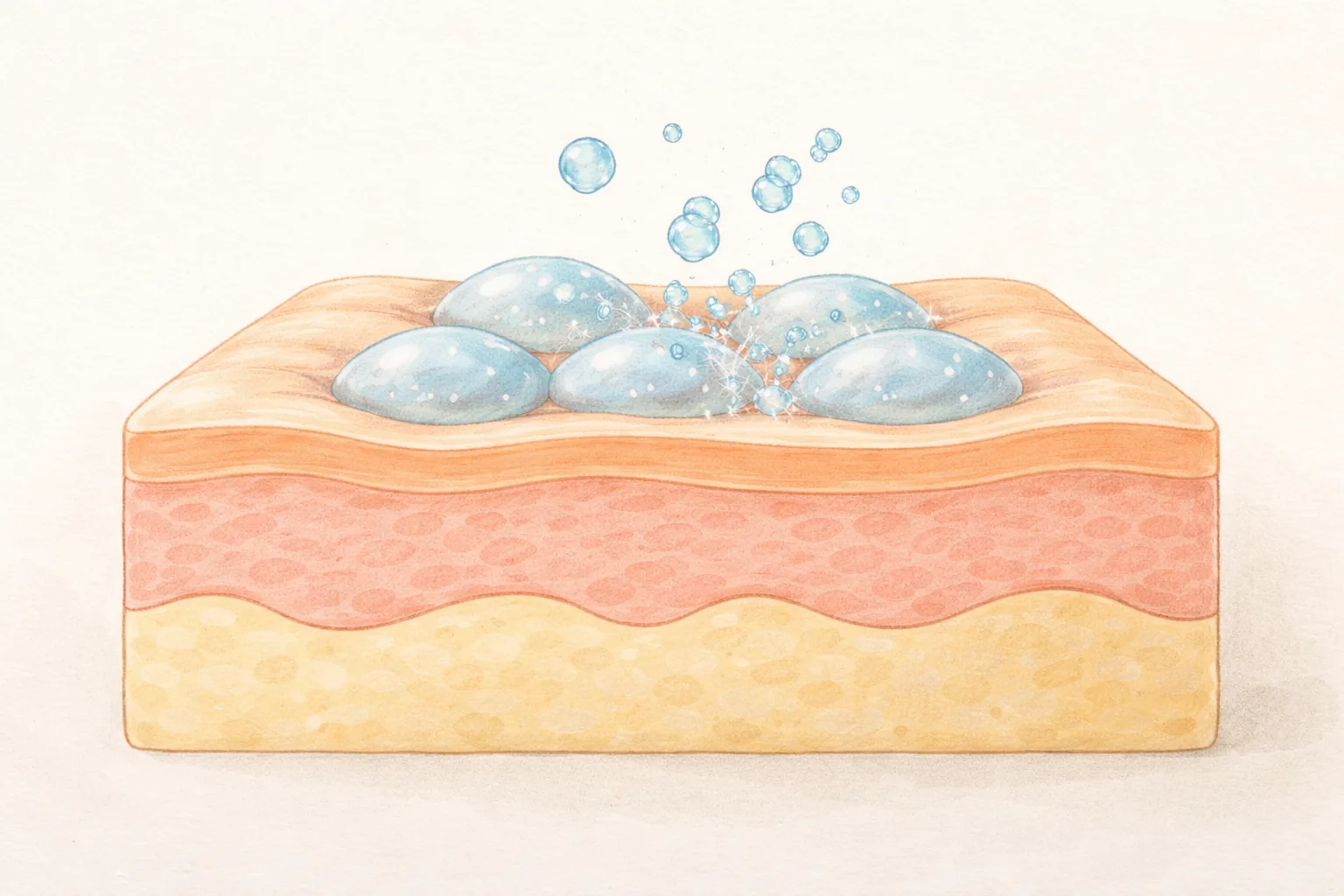
Our bodies already contain an enzyme that breaks hyaluronic acid into small pieces. That's why hyaluronic acid filler is processed by the body over time, and according to the American Society of Plastic Surgeons, that period is about 8–18 months depending on the filler type (ASPS). A hyaluronidase injection accelerates this natural breakdown almost immediately. When a highly concentrated enzyme is placed where the filler sits, the gel structure collapses, and the broken pieces are absorbed and cleared by the body (ASPS, Cleveland Clinic).
Its reach doesn't stay only where it's injected. Hyaluronidase acts wherever hyaluronic acid is present, regardless of the area—lips, cheeks, or under the eyes work the same way (Cleveland Clinic). However, because the enzyme spreads through tissue, precisely erasing only the unwanted part while keeping the rest is harder than it sounds (ASPS). Partial dissolving is also possible and uses a small amount (Cleveland Clinic), but that means it's hard to predict exactly how much will be removed.
So why does it only work on hyaluronic acid? The enzyme is made to break only specific bonds, so it does nothing to materials that don't have those bonds—like fillers made of silicone or other substances (Cleveland Clinic).
Not All Fillers Dissolve
The first thing to check before dissolving is whether what's in your face is a hyaluronic acid filler. Hyaluronic acid is the most commonly used filler material in the US (ASPS), and many fillers in Korea are also this type. Conversely, fillers made of non-hyaluronic acid materials cannot be erased with hyaluronidase (Cleveland Clinic). If the filler was placed years ago, the body may have already absorbed much of it, leaving less behind—and the less remains, the simpler the treatment plan (ASPS).
One thing worth clarifying here: the term "dissolving shot" mixes two different things. One is hyaluronidase, which breaks down hyaluronic acid filler, and the other is fat-dissolving injections that target fat cells. The US FDA warns that unapproved fat-dissolving injections are sold online under various names, and reports of side effects like permanent scarring, severe infections, skin deformities, cysts, and deep, painful nodules have been received (FDA). The same guidance states you should not buy and self-inject, and that even approved injections must be given by a medical professional (FDA). It's also worth remembering that only one injection is approved for fat-dissolving purposes, limited to submental fat (FDA).
Approved only for submental area, must be given by a medical professional
Swipe sideways to see the whole table.
In short The starting point for dissolving is checking what's inside. If it's a hyaluronic acid filler, hyaluronidase can be the direction, usually settling in 1–2 sessions. If it's not hyaluronic acid or is a fat-targeting injection, the story is completely different—so it's safer not to lump them together as the same "dissolving shot."
How Many Sessions You'll Split It Into
The most common course is 1–2 sessions. According to Cleveland Clinic, dissolving lip filler usually finishes in one or two visits, and if there's a lot of filler or nodules (hard lumps), one or more additional sessions may be needed (Cleveland Clinic). The procedure itself is short, around 10–15 minutes (Cleveland Clinic).
Four factors typically increase the number of sessions. The more filler remains, the harder it is to clear it all at once. Nodules or lumps are hardened and harder to approach (Cleveland Clinic). Because the enzyme spreads through tissue, widely spread filler is hard to handle in one go (ASPS). When dissolving partially, a small amount is used, so even if it's done in one session, adjustments are made based on response (Cleveland Clinic).
There's a common misconception here: the thought that "putting in a lot at once must be more certain." Hyaluronidase is a liquid, not a gel, so it doesn't carry the risk of blocking blood vessels like filler does (ASPS), but rather than increasing the dose all at once, dividing it and observing response leaves room for adjustment. Putting in what's needed and checking progress is ultimately the way to reduce the number of repeat sessions. The ATTITUDE Clinic column also states that the number and interval of sessions for each procedure are decided by the doctor after checking skin condition (ATTITUDE Clinic column).
What Decides When You Refill After Dissolving
"Can't I just get it refilled the next day after dissolving?" is a question I hear often. The answer is usually "that's too soon." There are three reasons.
First, right after dissolving, swelling and bruising are mixed in, making it hard to judge the result. Swelling, tenderness, and bruising after the procedure usually subside within a few days (Cleveland Clinic), but what you see before then isn't the final shape.
Second, it takes time for the final result to appear. Some changes are visible immediately, but confirming the fully settled look can take up to 2 weeks (Cleveland Clinic). ASPS also explains that results usually appear immediately, but complete removal of filler takes a few days (ASPS).
Third, hyaluronidase doesn't only dissolve filler. It also breaks down the hyaluronic acid that was already in that area, so for a while the volume may look less than before the filler (Cleveland Clinic). For lips especially, they may look thinner. Only after seeing where this change stops can you calculate how much new filler to add.
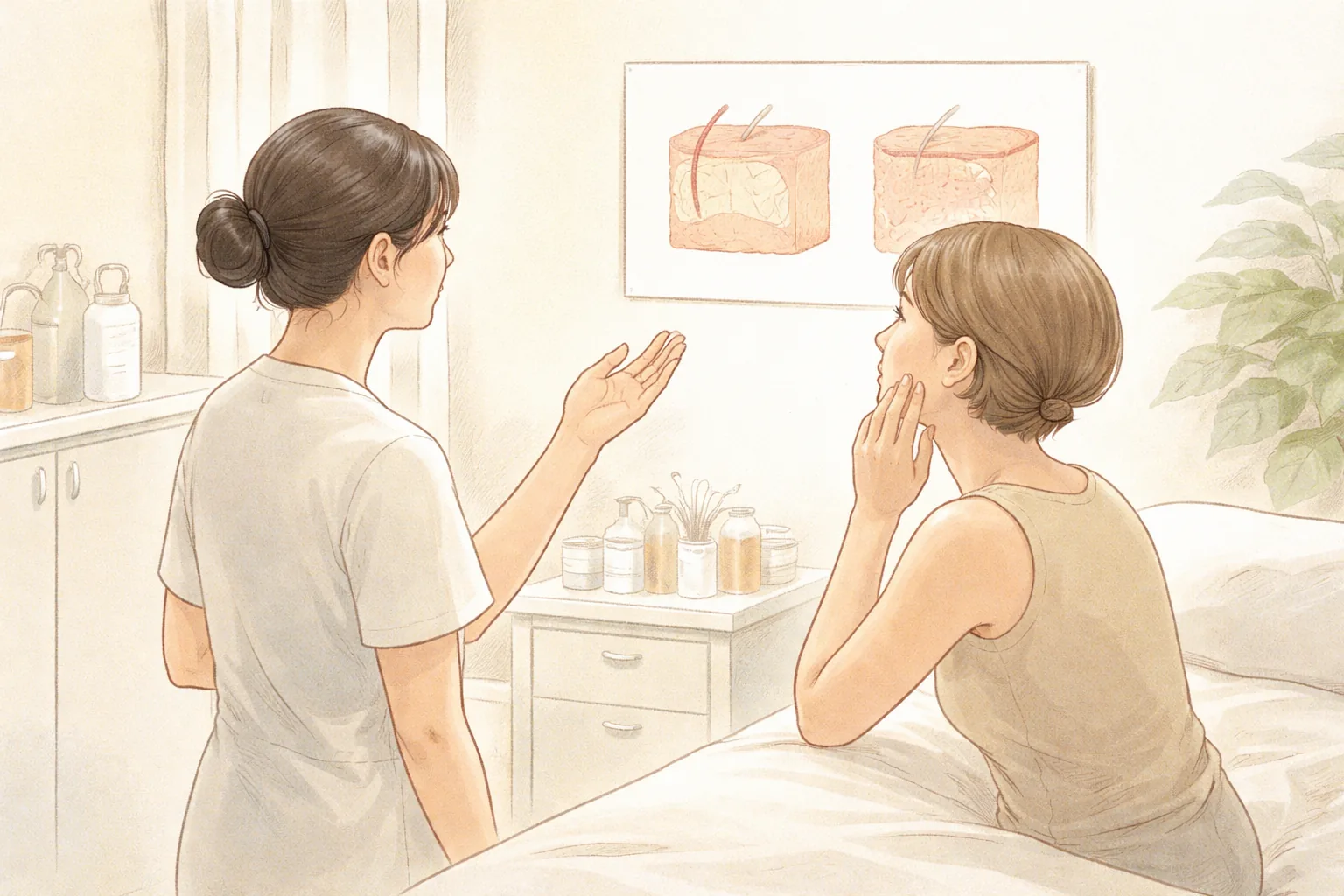
So the refill timing is decided at the follow-up rather than by a number of days. It's a process of checking whether swelling has gone down, how much volume has returned, and whether the skin has stabilized, then making the next plan. The specific interval is decided by the medical team after this follow-up.
If This Applies to You
When a ceremony or shoot is within 2 weeks
Dissolving is relatively short in recovery, but swelling and bruising can last a few days, and confirming the final result takes up to 2 weeks (Cleveland Clinic). If photos matter for the event, it's better to plan the procedure timing and possible repeat sessions together.
Sensitive or redness-prone skin
Redness, swelling, and bruising can occur at the injection site and usually subside within a few days (ASPS). If your skin tends to redden easily or bruise slowly, mention this during consultation so recovery can be planned with more buffer.
When filler from years ago remains
Hyaluronic acid filler is broken down by the body over 8–18 months (ASPS). If the filler is old, less may remain, and the scale of the procedure depends on how much is left.
Visitors with a short stay in Korea
The procedure is short, around 10–15 minutes (Cleveland Clinic), but swelling subsiding and results settling takes from a few days to 2 weeks. Scheduling the follow-up before departure makes planning the next step easier.
Tell us before consultation Whether you've had a severe reaction to a bee sting (in this case you cannot receive hyaluronidase injections), whether you're taking aspirin or fish oil or other blood-thinning medications and supplements, recent UV exposure and smoking, the type and timing of previous fillers, reactions you've had after procedures, and any fixed schedule you must meet (Cleveland Clinic, ASPS).
How ATTITUDE Clinic Proceeds
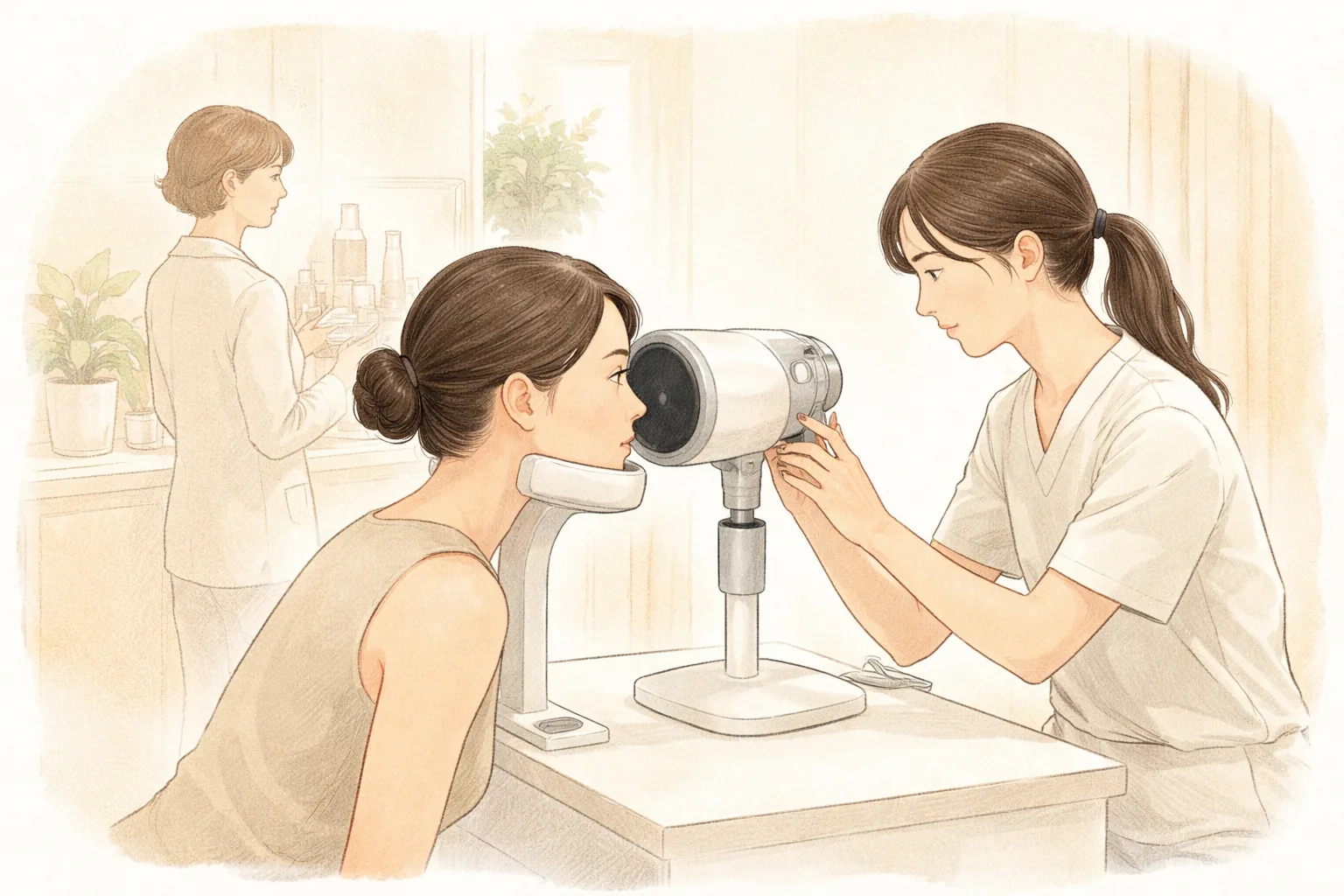
Skin condition record and analysis — Photograph and record facial volume and skin condition to keep as comparison material before and after consultation. Analysis tools organize information; they do not replace diagnosis.
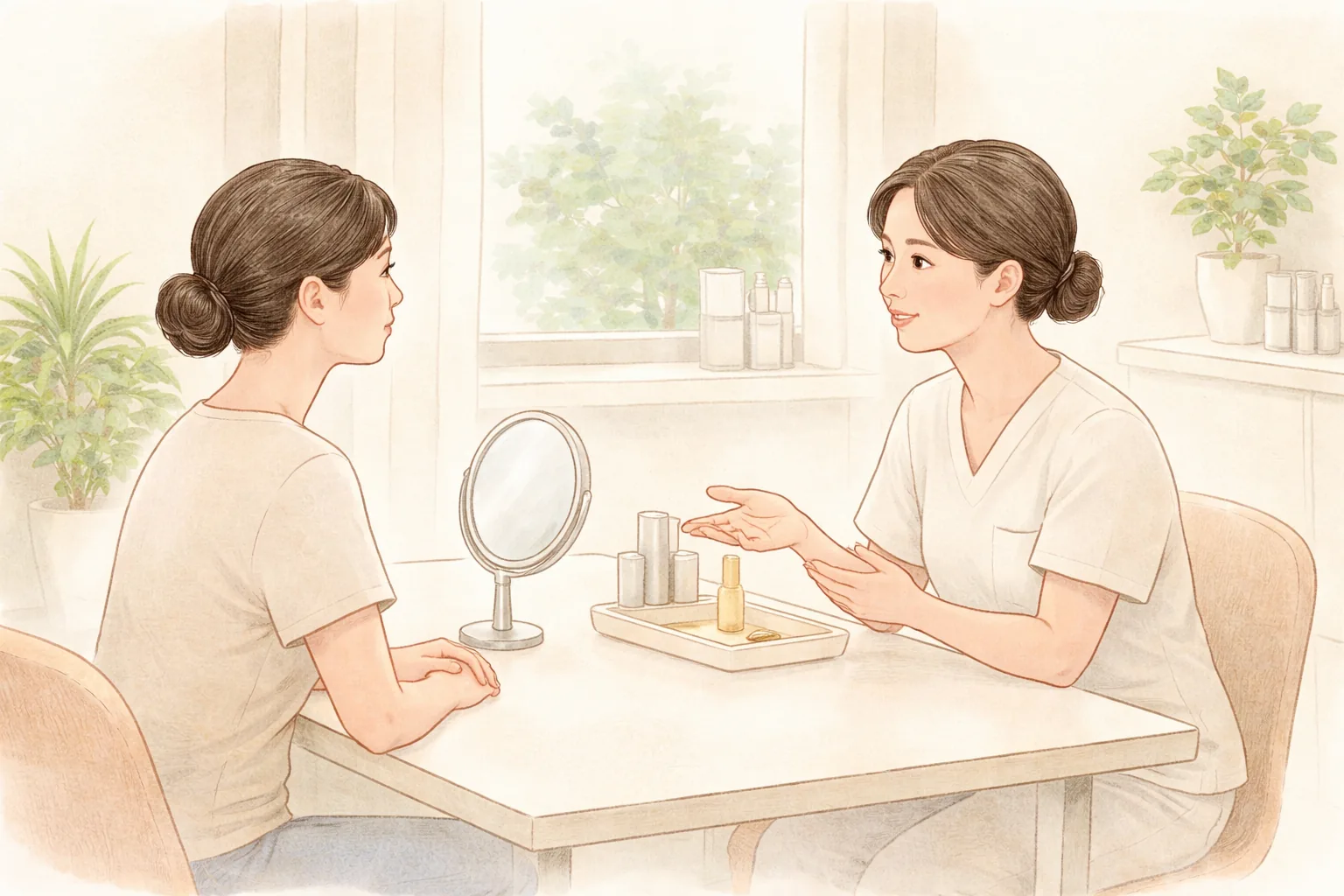
Director consultation and medical history — Check which area received which filler and when, allergy history, and current medications. The ATTITUDE Clinic column also states that sufficient history-taking confirms suitability first, and a plan is made after seeing skin condition in consultation (ATTITUDE Clinic column).
Procedure by the director — Inject hyaluronidase in divided doses according to the confirmed scope, adjusting as needed based on response. Procedure items and guidance are listed in the clinic's treatment guide (ATTITUDE Clinic treatment guide).
Recovery and follow-up — At the point when swelling and bruising subside and volume changes settle, re-check to decide whether and when to repeat.
Aftercare and Side Effects
In order:
Soothing — On the day and the day after, use ice packs to reduce swelling. ASPS also recommends ice packs for the first 1–2 days (ASPS).
Gentle massage — Massaging the injected area once a day gently for about 5 days helps the enzyme spread (ASPS).
Reduce strain — Rest for 24 hours after the procedure, and avoiding aspirin-containing medications for 7 days before the procedure helps reduce bruising and bleeding (ASPS).
Follow-up — Swelling and bruising subside within a few days, and the final result settles over up to 2 weeks (Cleveland Clinic). Re-check at this point to decide the next plan.
Common reactions are pain, tenderness, bruising, swelling, and redness at the injection site. They usually subside on their own within a few days, and if swelling is severe, medical staff may consider antihistamines or steroids (Cleveland Clinic). Allergic reactions are also reported (ASPS), and if you've had a severe reaction to bee venom, you cannot receive hyaluronidase injections due to the risk of anaphylaxis (Cleveland Clinic). Hyaluronidase is a liquid, not a gel, so it carries no risk of blocking blood vessels—in fact, it's the drug used when filler is suspected of blocking a vessel (ASPS).
When to contact without waiting: if swelling, bruising, or pain continues or worsens after a few days, or if allergic reactions like itching or hives appear (Cleveland Clinic).
Frequently Asked Questions
How does hyaluronidase dissolve filler?
It works by injecting an enzyme that breaks the hyaluronic acid chain where the filler sits. Our bodies also have this enzyme, so hyaluronic acid filler naturally breaks down over time, and hyaluronidase accelerates that process almost immediately (ASPS). The broken pieces are absorbed and cleared by the body, so no separate removal process is needed (Cleveland Clinic). It only targets hyaluronic acid, so it has no effect on fillers made of other materials like silicone (Cleveland Clinic). That's why the first consultation checks not symptoms but "what was injected."
Does it finish in one session or take several?
It often settles in 1–2 sessions (Cleveland Clinic). If there's a lot of filler or nodules, one or more additional sessions may be needed, and widely spread filler is hard to handle in one go (Cleveland Clinic, ASPS). When dissolving only partially, a small amount is used, so even if it finishes in one session, adjustments are made based on results. The procedure itself is short, around 10–15 minutes, and what matters more than the number of sessions is how much remains and whether there are lumps.
When can I get filler again after dissolving?
It's decided after swelling and volume changes have settled. Right after dissolving, swelling and bruising are mixed in, making the final shape hard to judge, and the fully settled look is confirmed over up to 2 weeks (Cleveland Clinic, ASPS). Moreover, the hyaluronic acid already in that area is also broken down, so for a while volume may look less than before the filler (Cleveland Clinic). You need to confirm where this change stops before calculating the amount of new filler, so it's natural to decide the repeat timing together at the follow-up.
What side effects are there, and when should I contact the clinic?
Pain, tenderness, bruising, swelling, and redness are common and usually subside within a few days (ASPS). Allergic reactions can also occur, and if you've had a severe reaction to bee venom, you cannot receive the procedure due to anaphylaxis risk (Cleveland Clinic). Hyaluronidase is a liquid, so there's no risk of blocking blood vessels (ASPS). If swelling, bruising, or pain continues or worsens after a few days, or if itching or hives appear, contact without waiting (Cleveland Clinic).
What should I ask at a hyaluronidase consultation?
You can ask how to confirm whether the filler you received is hyaluronic acid-based, how allergy history is checked, and who performs the injection. Hyaluronidase injection can only be given by licensed medical professionals (Cleveland Clinic). Whether the dose is given all at once or adjusted in divided doses, and when the follow-up is scheduled, are also items to confirm. Cost varies depending on which area, how much, and how many sessions, and is listed by item in the clinic's treatment guide (ATTITUDE Clinic treatment guide).
At a Glance
Table 2 At a Glance
Item
Key Point
What hyaluronidase does
Breaks down hyaluronic acid filler, does not work on non-hyaluronic acid materials
Common number of sessions
Usually 1–2, may need more if a lot of filler or nodules
When results appear
Some immediately, final result over a few days to up to 2 weeks
Repeat timing
After swelling and volume changes settle, decided at follow-up
Common reactions
Pain, bruising, swelling, redness, usually within a few days
Tell in advance
Allergy history including bee venom, current medications, type and timing of previous fillers
This article offers general health information. It is not a substitute for diagnosis or treatment based on your own condition, so please talk through your situation with a doctor.