Gouri vs Rejuran: Which Skin Booster Fits Your Skin Layer?
Gouri and Rejuran sit under the same skin booster heading, but they don't do the same job in the skin. This guide covers the ingredient families, the layers they target, session counts and intervals, and how to plan around a short stay in Korea.
Written by ATTITUDE Clinic Editorial Team
Many people ask whether they should choose Gouri or Rejuran. Both are injected into the skin, and clinics often list them side by side under the same "skin booster" heading, so the explanation can go in circles when you ask about the difference. Rather than ranking ingredient names, this article explains how to tell the two apart by which layer of your skin is the problem right now. It also covers how to schedule sessions during a short stay in Korea.
The short answer
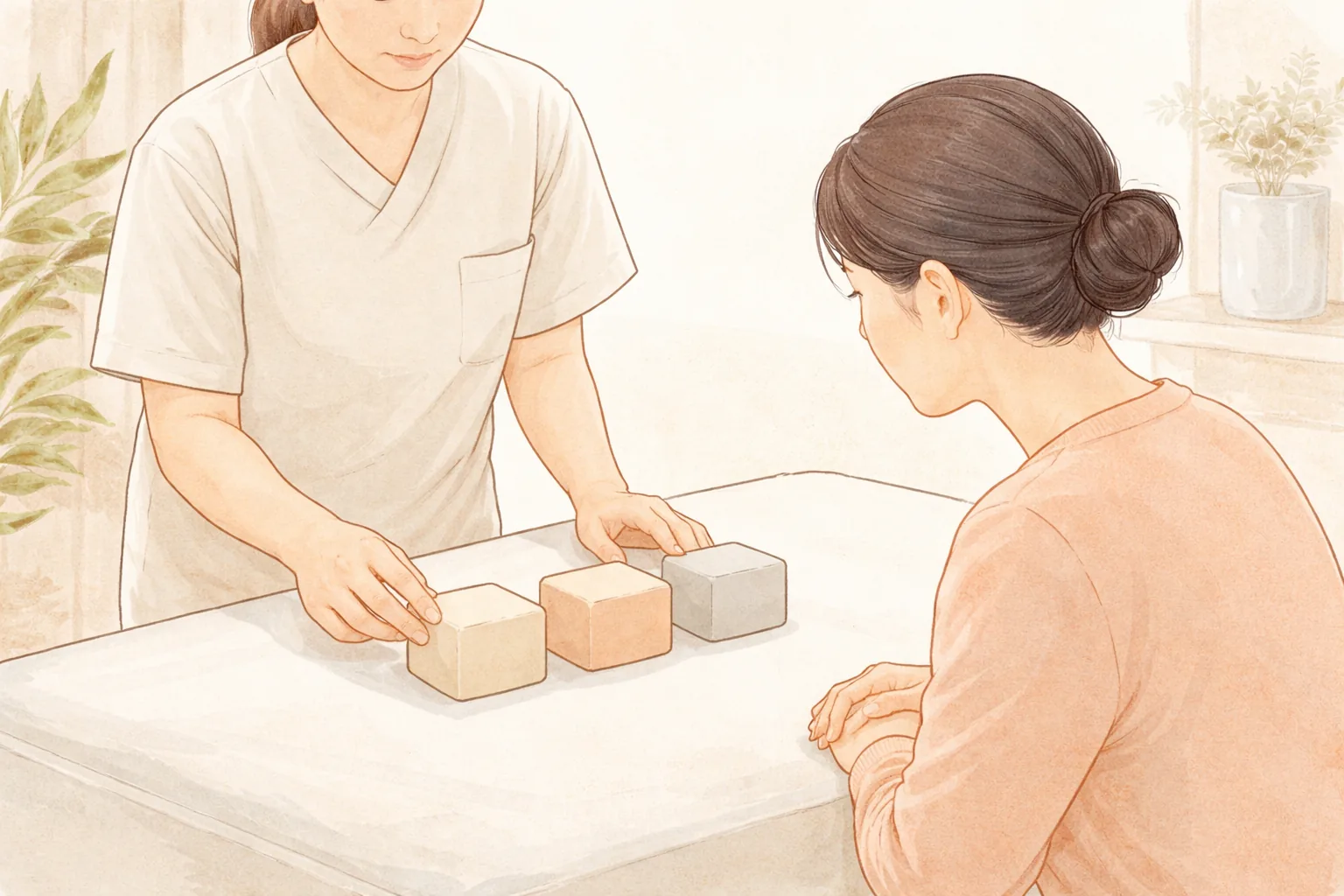
The two treatments sit in the same category but aim at different points. Rejuran is a PN (polynucleotide, a purified regenerative signaling ingredient extracted from salmon) product that supports the skin's own recovery response (water glow injection column). Gouri is a separate product listed under the same skin booster heading, and which ingredients go into which layer is not the same as Rejuran. So rather than "which is better," it helps to first separate "is my concern dermal hydration and texture, dermal thickness and elasticity, or volume." If hollow cheeks and deep nasolabial folds are the main issue, skin boosters alone won't fill them, and dermal filler options should be considered alongside.
Why the word 'skin booster' makes things confusing
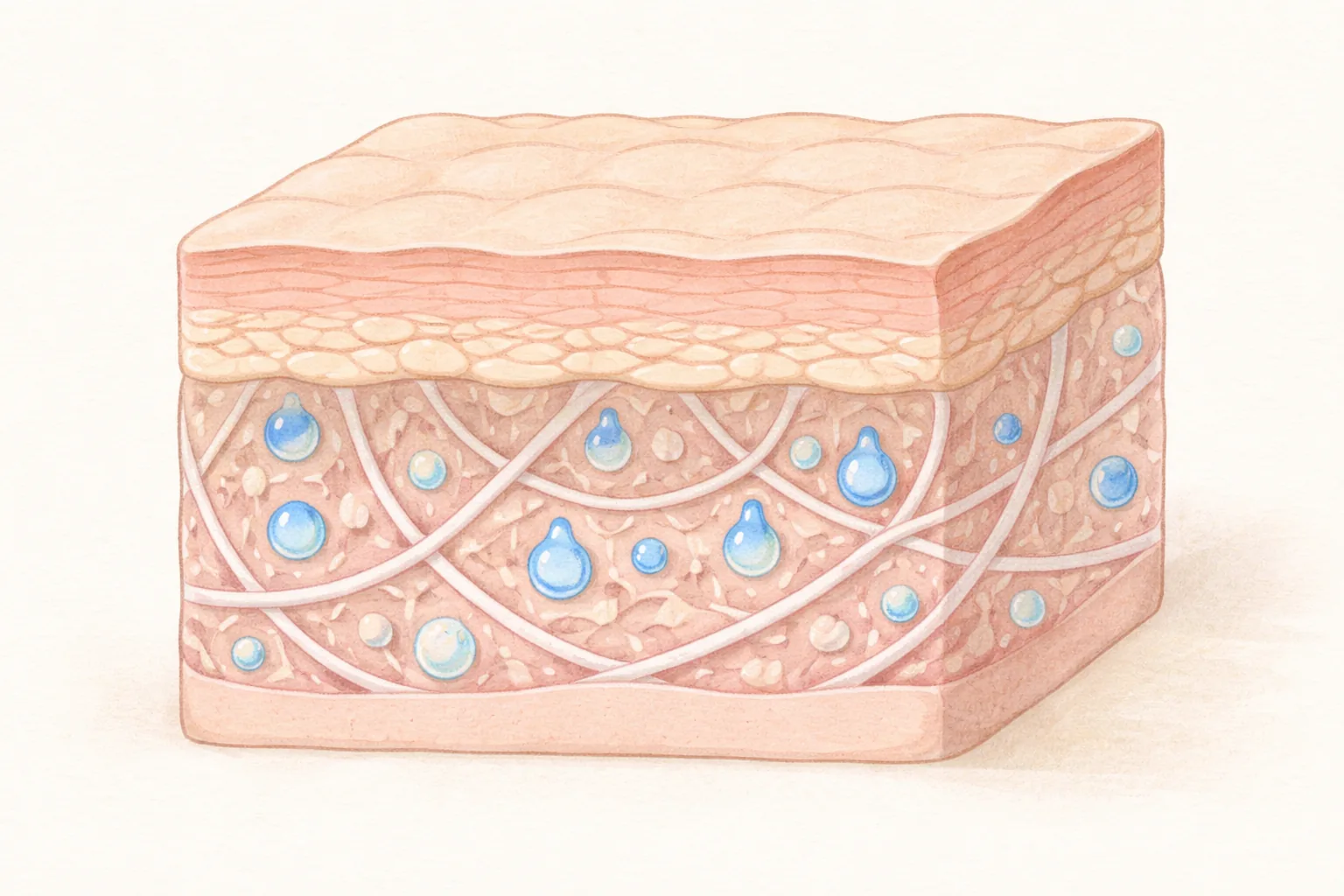
Skin booster is not the name of one product but a term for injectable products with a similar purpose. The skin is broadly divided into the epidermis, which seals the outside, and the dermis beneath it, which supports the skin. Injections pass through this barrier and reach the dermis.
Inside the dermis is a structure that fills the space between cells. It's called the extracellular matrix (ECM, the scaffold that keeps skin firm), and its main components are collagen, elastin, and hyaluronic acid. As we age, these components decrease, and the skin becomes thinner and starts to sag (collagen injection column).
Here's where the fork in the road appears. One approach sends signals for the skin to produce collagen on its own, and the other fills the dermis with the structural components that have decreased. PN and HA skin boosters are closer to the first approach, while products that directly replenish structure, such as allogeneic collagen, are closer to the second. If you skip this fork just because they're in the same drawer, you may choose a product that isn't what your skin actually needs.
So where does Gouri sit? In the ATTITUDE Clinic treatment and price guide, Gouri is listed under skin boosters along with Rejuran Healer, Rejuran HB, Juvelook Skin, and Re2O (treatments and pricing). Being in the same category means the broad purpose is similar: an injection delivered directly into the skin's foundation. It does not mean the composition and target layer are the same, so which product to use for which goal is the first thing to check in consultation.
Which layer is the problem on my face?
Age-related changes fall into two broad paths. One is volume loss as fat and bone decrease, and the other is the skin itself thinning as dermal collagen decreases. In the mirror both look like "not what it used to be," but the treatments needed diverge. Fillers correct volume in specific areas, while collagen-focused products target the skin's own texture and elasticity (collagen injection column). The American Academy of Dermatology provides consultation resources to help you decide whether fillers are right for you and to receive them safely (AAD filler guide).
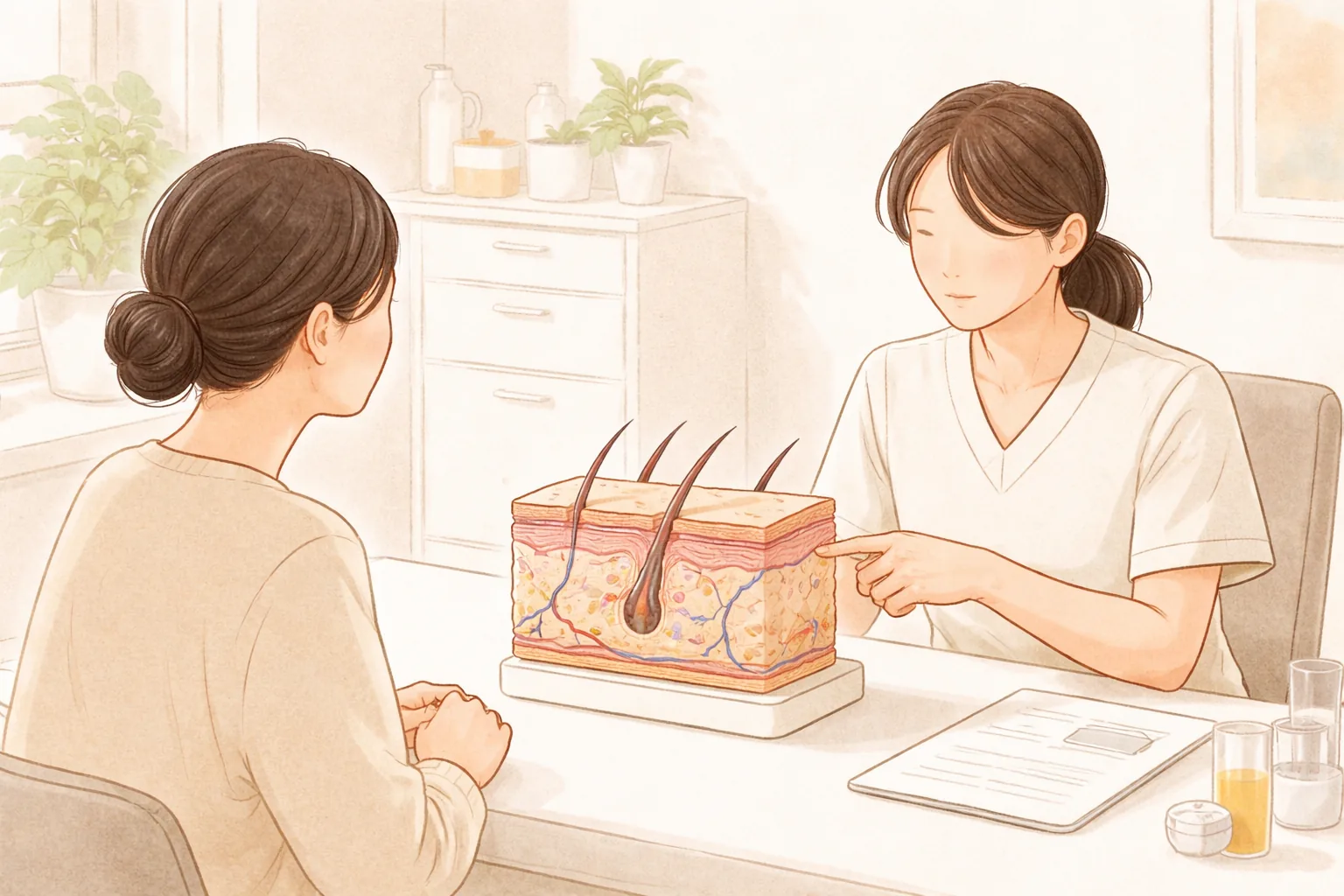
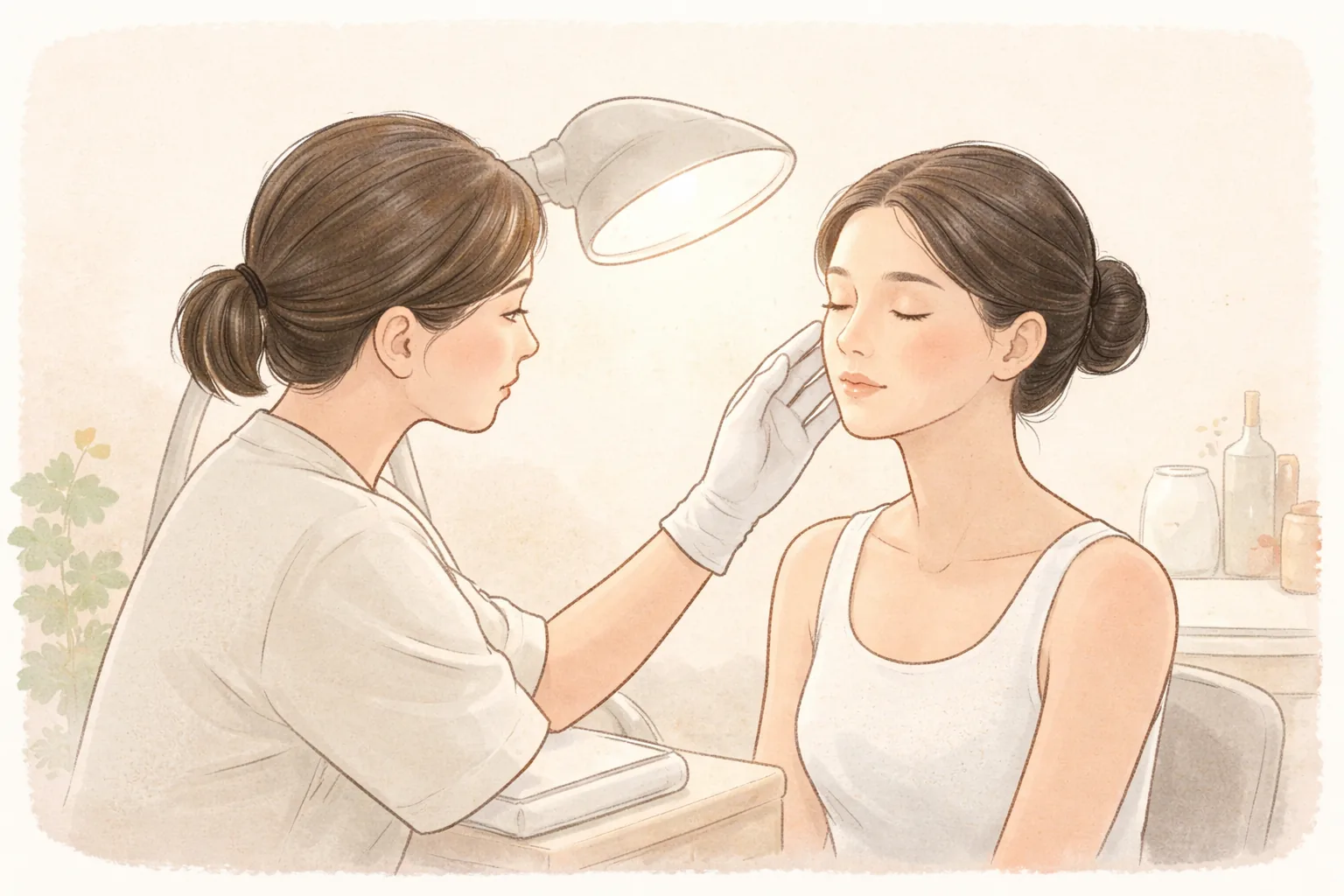
Judging from photos alone is difficult. We feel the face directly, gently pull the skin, and check which areas have thinned, then divide the emphasis by area. If fine wrinkles have settled in and texture has become rough, the concern is likely dermal; if hollow cheeks and nasolabial folds are what you notice first, it's volume. Whether your skin type is dry or oily is not the criterion for this fork. One person can have both changes at once, so we also decide together where to place the weight.
Does the product name or the design determine the result?
Even with the same product, results differ mostly because of the injection design. Where, at what depth, and how much is injected divides the experience far more than the ingredient. The American Academy of Dermatology also advises that cosmetic treatment results depend heavily on the skill and experience of the person performing the procedure (AAD consultation guide).
The injection tool is also a variable. Pricking many points densely with a fine needle repeats a momentary sting many times, while inserting a thin tube with a rounded tip and spreading from inside stings only on entry and is relatively less uncomfortable afterward (water glow injection column). The forehead, eye area, and around the lips, which are close to bone and have thin tissue, feel more sensitive even with the same treatment.
When planning multiple treatments together, order matters. Whether they can be done on the same day as laser or lifting, or whether a few days should be left between, depends on the treatment type and is decided by the doctor. Right after microneedling or ablative fractional laser, temporary channels form in the skin's outer barrier, so the same product can reach a different depth (exosome column).
How many sessions, at what intervals?
PN and HA skin boosters are usually planned as several sessions at 2–4 week intervals, then widening the interval for maintenance treatments. A single session gives limited and temporary change (water glow injection column). For products that directly replenish collagen structure, the plump feeling right after treatment subsides over a few days as some of it is swelling, and any change appears gradually over a few weeks (collagen injection column).
Maintenance duration varies from person to person because the rate at which collagen is built and broken down differs. The older you are, and the more skin aging has progressed from UV exposure or smoking, the faster the collagen you've built tends to be lost (water glow injection column). That's why it's approached as ongoing management rather than a one-time fix.
How many Gouri sessions to plan depends on the product, skin condition, and goal. For the same reason, rather than setting session counts in advance by name like "Rejuran this many, Gouri that many," it's better to decide after seeing the skin.
Table 1 How many sessions, at what intervals?
Change you notice now
Problem layer
Category that fits the direction
What to check in consultation
Dullness, sallowness, dryness
Dermal hydration and texture
PN and HA skin boosters (Rejuran, etc.)
Which ingredient, how many sessions, what interval
Thinning, fine wrinkles, enlarged pores
Dermal thickness and elasticity
Collagen-inducing or replenishing category
Inducing or replenishing, whether reversible
Hollow cheeks, deep nasolabial folds
Fat and volume
Dermal filler category
Area and volume, maintenance duration
Sagging contour
Muscle and support structure
Lifting (ultrasound, radiofrequency)
Device and shot count, combination order
Swipe sideways to see the whole table.
In summary The two treatments sit under the same skin booster heading but don't do the same job in the skin. Rather than comparing names first, it's faster to separate whether the issue is dermal hydration and texture, thickness and elasticity, or volume. What is injected, whether it can be reversed, and how many sessions at what interval are the items to cover in consultation.
If this applies to you
When a ceremony or shoot is 2–3 weeks away
Skin boosters show gradual change, so a first session right before an event is hard to recommend. If swelling or bruising remains, it may bother you more in photos, so it's better to start with some buffer. If you already have plans, we calculate together in consultation the latest point at which it can be scheduled.
When you want to finish in one go during a short stay in Korea
On the day of treatment, it's best to avoid saunas, strenuous exercise, and alcohol, and makeup is often possible from the next day once the injection marks have closed (water glow injection column). If you tell us your departure date in advance, we adjust the number of sessions and intervals to fit within it. If you want several treatments on the same day, the order and intervals must be designed first.
If your skin is sensitive or tends to redden
Redness and small papules after treatment usually subside within a day to a few days, but bruising can take more than a week to fade. If your skin is thin or sensitive, it's better to divide the sessions rather than injecting a large amount at once. If redness tends to linger on you, please share that history in consultation.
When you're considering several treatments together
If you're thinking about lifting, laser, and filler together, the order must be decided first. Some combinations can be done on the same day and some require a few days between, so planning the whole schedule at once is better for both recovery and results. The order for each treatment is decided by the doctor.
Please tell us before consultation Recent UV exposure (vacation or outdoor activity), medications you're taking (especially those affecting blood clotting), active ingredients you apply to the skin (retinol, acids, etc.), past experiences where swelling or bruising lasted long after a procedure, any reactions to tissue-derived products or injectable ingredients, pregnancy or breastfeeding status, and your departure date and important schedule. This information is used to decide the timing and order of treatments.
How ATTITUDE Clinic proceeds
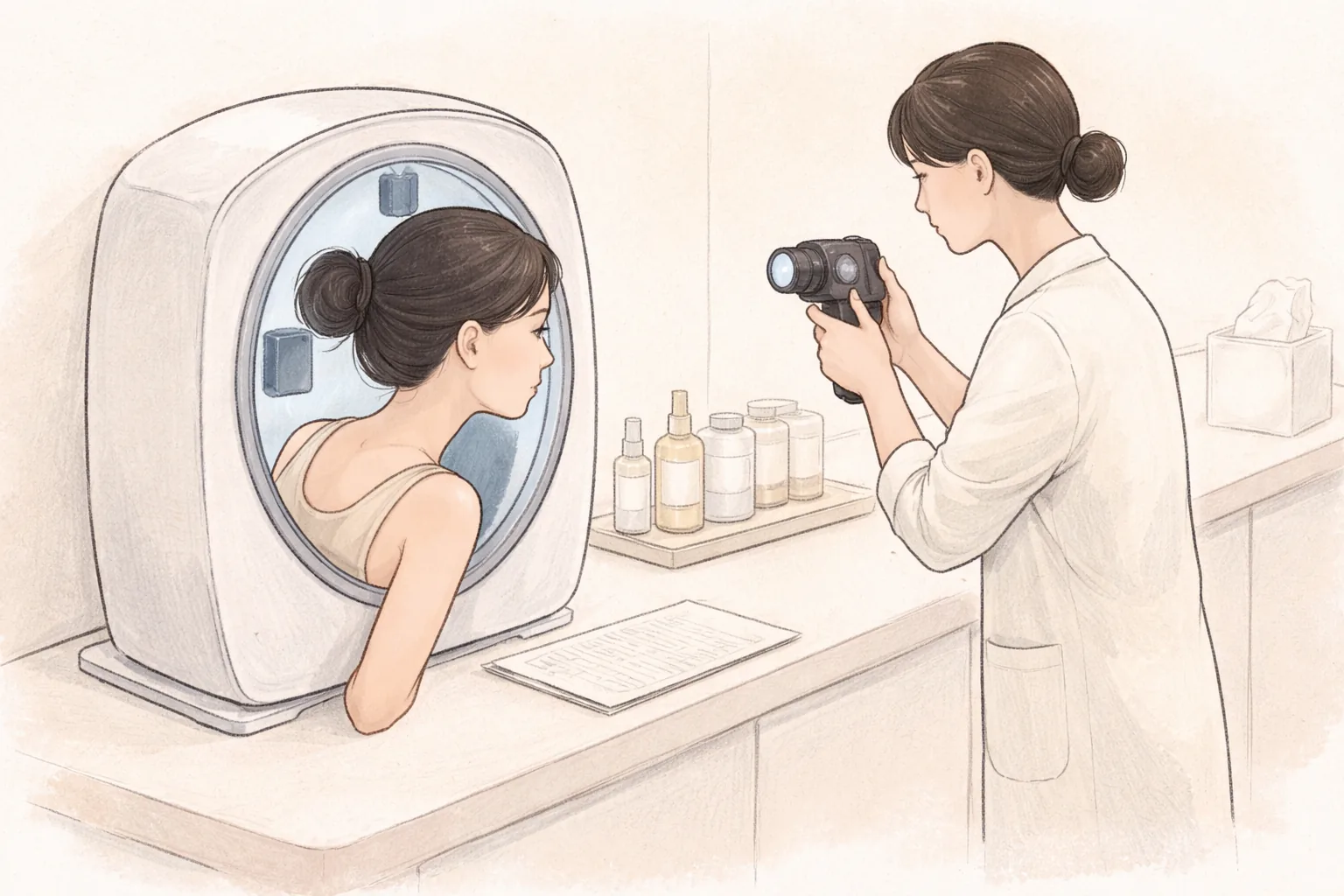
AI skin analysis record — Face photos and a questionnaire are organized in one place and used as consultation material. The analysis tool records and organizes information, and is not a device that makes a diagnosis on its own. We review the recorded changes to check which layer is the problem.
Doctor consultation — We first divide whether the concern is hydration and texture, thickness and elasticity, or volume. On that basis, we decide together which ingredient family to use, how many sessions at what interval, and how to fit it to your stay schedule.
Treatment performed by the doctor — The treatment is performed according to the area and depth decided in consultation. ATTITUDE Clinic guides based on genuine products, exact dosage, and fair pricing.
Recovery and aftercare guidance — We guide you on post-treatment care and the timing of your next visit. Injection and skin booster pricing and treatment composition can be found on the guide page.
Related treatments offered at ATTITUDE Clinic include Rejuran Healer, Rejuran HB, Rejuran S, eye Rejuran, Gouri, Juvelook Skin and Volume, Re2O, Sculptra, HA filler, and lifting treatments such as Ultherapy and Thermage FLX (treatments and pricing). Even for a treatment with the same name, how much to inject and into which area is decided after seeing the face.
Aftercare and side effects
Soothing — On the day of treatment, avoid saunas, strenuous exercise, and alcohol. It's best not to press hard on or massage the injection sites (collagen injection column).
Moisturizing — Wash your face lightly after 4–6 hours and keep it moisturized. Makeup is often possible from the next day once the injection marks have closed, so check with your doctor (water glow injection column).
Sun protection — Apply more carefully than usual during the recovery period. The skin's barrier is temporarily weakened during this time, so this step matters for recovering without pigmentation.
Checking progress — If things don't settle after a few days or new changes appear, let us know without waiting for your next appointment.
Common reactions include small papules (bumpy marks) at the injection site, redness, swelling, tenderness when pressed, and bruising. Papules and swelling usually subside within a day to a few days, and bruising can take more than a week to fade. Rarely, infection, allergic or foreign body reactions, or small lumps can occur. Very rarely, the injected ingredient can block or damage a blood vessel, so if any of the following apply, seek care immediately without waiting. These are: pain that is unusual or worsening, skin at the injection site turning white or mottled, or turning bluish or black, or changes in vision (water glow injection column).
Frequently asked questions
Should I choose Gouri or Rejuran?
It's decided not by product name but by which layer is the problem now. If the dermis is dull and texture is sallow, PN and HA skin boosters are considered first; if the skin has thinned and fine wrinkles have settled in, the collagen-inducing or replenishing category becomes a candidate. If hollow cheeks and deep nasolabial folds are the main concern, the filler category should be considered too. If two or three of these overlap in one person, we may set priorities and proceed in order. Which one fits is decided after seeing the face.
What is Rejuran and what is it made of?
Rejuran is a PN-based preparation, separate from treatments that use hyaluronic acid like water glow injections (water glow injection column). PN enters the dermis and supports the skin's own recovery response, and in that process is known to stimulate the cells that produce collagen. It's mainly used for fine wrinkles, reduced elasticity, and uneven skin texture. Even within the same PN family, concentration and purification methods differ by product, so it's better to confirm which product is used in consultation.
When do results appear and how long do they last?
Skin boosters don't create immediate volume like fillers; changes appear gradually. Right after treatment there's actually swelling, so it's hard to feel a big change, and the timing, degree, and maintenance duration vary from person to person (water glow injection column). For products that directly replenish collagen structure, the plump feeling right after subsides over a few days as some of it is swelling, and any change reveals itself gradually over a few weeks (collagen injection column). So rather than judging by the mirror the day after treatment, look at progress after the planned sessions are complete.
How do I manage bumpy marks and swelling after treatment?
Small papules along the injection points are a reaction as the ingredient is absorbed and usually subside within a day to a few days (water glow injection column). Swelling also usually decreases within a day to a few days, but bruising can take more than a week to fade, so if your schedule is tight it's better to mention it in consultation in advance. Avoid pressing hard on or massaging the injection sites, and on the day itself avoid saunas, strenuous exercise, and alcohol (collagen injection column). During this period, applying sun protection more carefully than usual helps reduce pigmentation.
What should I check when choosing a clinic?
The American Academy of Dermatology recommends asking the doctor before treatment about their professional qualifications, how much experience they have with this procedure, and how many patients of your skin tone and age group they have seen (AAD consultation guide). Results and risks, recovery period, and preparation and aftercare methods are also items to check in consultation. As cosmetic treatments are usually not covered by insurance, it's better to confirm costs in advance. Listen to the pros, cons, and limitations fully in consultation, and also check whether the doctor personally diagnoses and performs the treatment.
At a glance
Table 2 At a glance
Item
Key point
Basis for choosing
Not the product name but the problem layer (dermal hydration/texture / thickness/elasticity / volume)
Rejuran
PN-based, supports the skin's recovery response, used for fine wrinkles and reduced elasticity
Gouri
A separate product under the same skin booster heading; composition and goals to be confirmed in consultation
What determines the result
Injection area and depth, volume, and the practitioner's skill and experience
Sessions and intervals
PN and HA types usually several sessions at 2–4 week intervals, then maintenance
Recovery
Papules and swelling usually a day to a few days; bruising can last more than 1 week
This article offers general health information. It is not a substitute for diagnosis or treatment based on your own condition, so please talk through your situation with a doctor.