Mole Removal Scars: When Red Marks Fade and Why Indentations Remain
A guide to what to expect after mole removal: how long redness lasts, why some spots heal flat and others stay indented, and when scar treatments like fractional laser, Potenza RF microneedling, or pico toning can begin.
Written by ATTITUDE Clinic Editorial Team
After a mole is removed, the question on most people's minds is how long the spot will stay visible. Many wonder when redness fades, whether an indented area will fill back in, and how long to keep a dressing on. This article walks through how the mark changes after mole removal, what shortens or lengthens that timeline, and the methods and timing used for scar care.
Bottom line first
A mole site leaves a trace in everyone. The surface usually heals in about 2–3 weeks, and a red or faintly pigmented mark can persist afterward. How far the mark resolves depends on the mole's depth and size, the removal method, the thickness of the skin at that site, and how the healing period is managed. A realistic goal is to make the mark less noticeable rather than to erase it entirely.
How the mark changes after mole removal
Mole removal is done after anesthesia, so there is little pain during the procedure, and it is a short outpatient visit. According to Cleveland Clinic, the area may sting or burn for a few days afterward, and healing generally takes 2–3 weeks. Excision with sutures and shaving, which planes the surface, leave different marks even for the same mole.
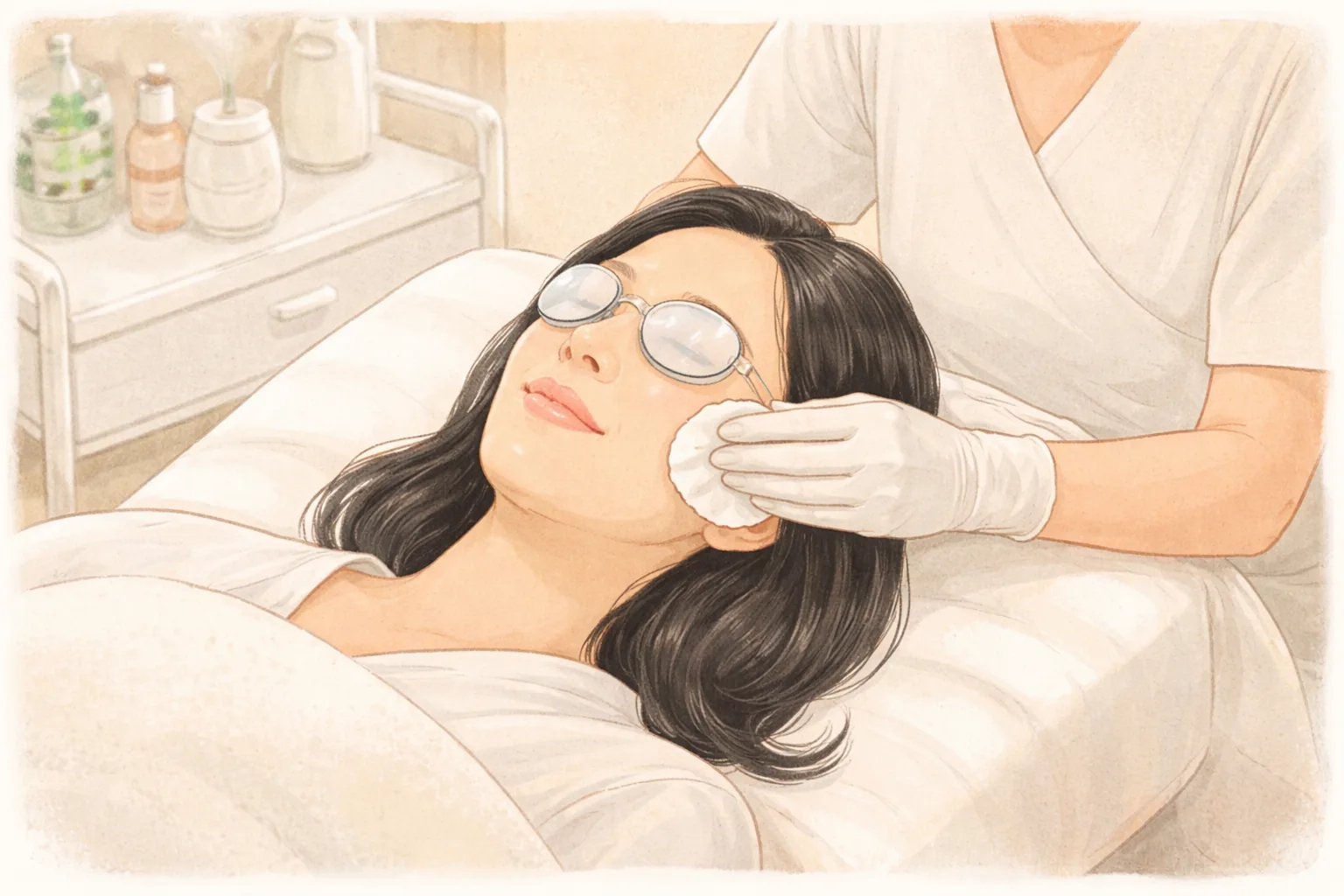
Next comes redness. Even after the surface has fully healed, newly formed skin stays red or pink for a while. According to a ATTITUDE Clinic column, skin after laser treatment has a temporarily weakened barrier, and if UV is not properly blocked at this time, pigmentation can develop in the new skin and undo the results. Mole removal sites work the same way. Newly formed skin at the site tends to darken for the same reason.
If a crust has formed, that crust is part of the skin covering the wound and building new tissue underneath. A small crust after a spot laser usually falls off in about 7–10 days, and picking it off can damage the new skin tissue and leave pigmentation or a scar. If the area is somewhere your hands keep drifting to, take extra care during this window.
How red marks differ from indented marks
Marks left after mole removal fall into two broad groups. One is a matter of color and redness; the other is a matter of lost tissue creating a depression. The causes and the approaches differ.
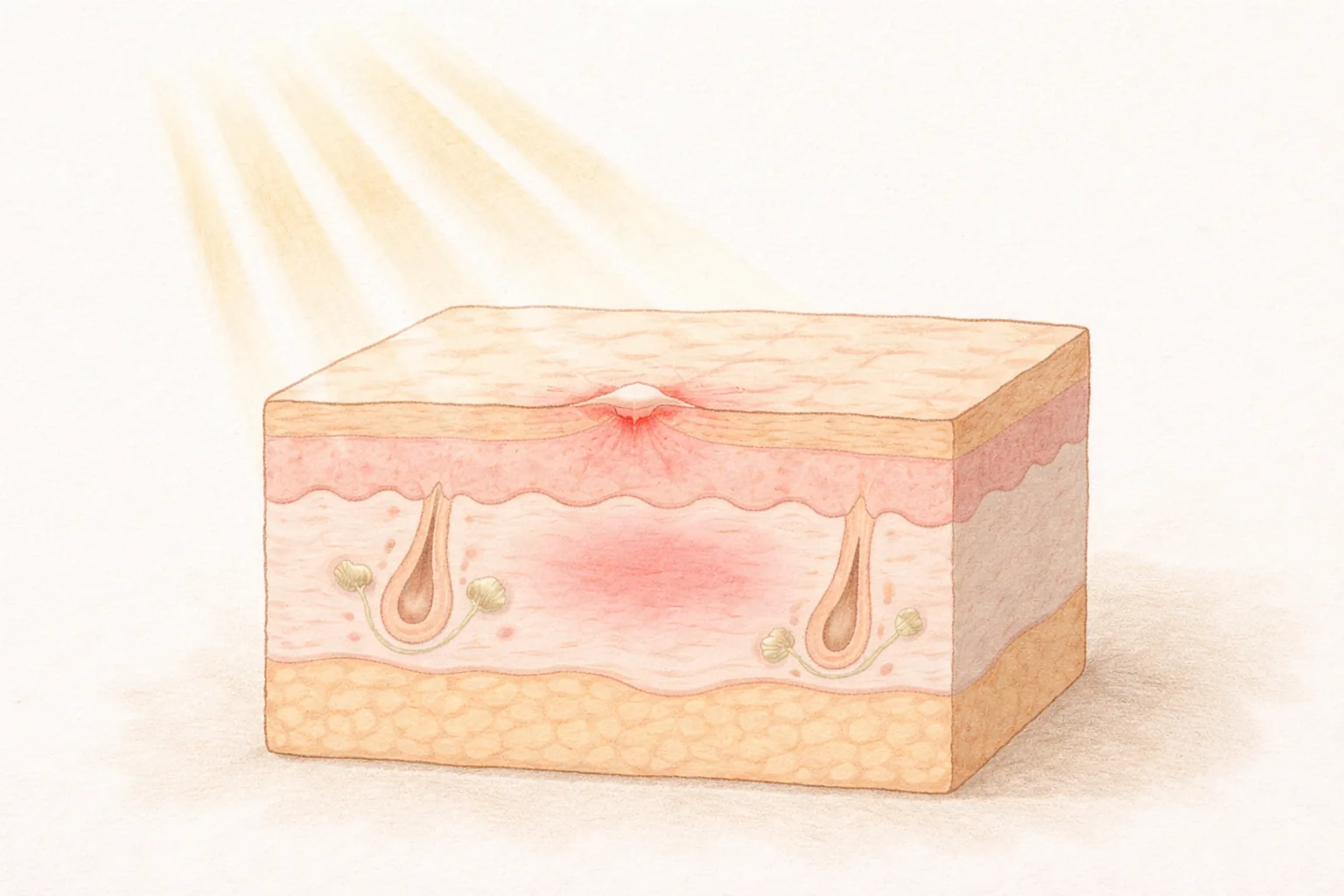
According to Cleveland Clinic's scar information, scars appear in two forms: tissue loss causing a depression, or excess collagen causing a raised scar. Indented marks are further divided by shape: icepick scars, wide at the top and narrowing downward, are common in thin-skinned areas like the forehead and upper cheek, while rolling scars with sloped edges or boxcar scars with distinct borders tend to form in thicker areas like the lower cheek and jaw. This classification describes acne scars, but the same principles apply to a mole removal site.
Redness is part of the healing process as new blood vessels and tissue form while the wound closes. A column on laser downtime notes that redness and swelling vary widely by treatment type, from 2 days to 2 weeks. Low-power toning takes hours to same-day, while high-power spot removal is measured by the 7–10 days until the crust falls off. Even the same redness depends on how the skin was stimulated as to how long it lasts.
Why the same mole can heal differently
With moles, how deep the root extends matters more than the visible size. American Academy of Dermatology guidance describes two removal methods: excision, which cuts out the entire mole and closes with sutures, and shaving, which planes the surface with a surgical blade. According to Cleveland Clinic, shaving is not suitable for examining deep margins and is difficult to use for distinguishing types of skin cancer. So the method depends on the nature of the mole, and even the same method leaves a mark of a different shape.
Skin thickness at the site is another variable. The forehead and upper cheek are thin, while the lower cheek and jaw are thick. Thin areas show marks even with minor damage, while thick areas hide them relatively well at the same depth. On top of that, how much collagen a wound produces varies from person to person. With the same procedure, one person heals smoothly and another keeps the mark for a long time.
The last variable is care during healing. UV is a major factor that stimulates pigment-producing cells, so neglecting sun protection even after a pigment-reducing treatment can bring pigment back or make it darker. Mole removal sites are no exception.
What sets the timing and intervals for treatment
Mole removal and scar treatment happen at different times. The mole site must heal first before other treatments can be layered on top. Adding strong stimulation before the wound has fully healed can slow recovery, so the start of treatment is decided by looking at the wound's condition.
Lasers that address skin structure, such as scars and pores, typically use 3–5 sessions 4–6 weeks apart, and acne scars commonly use 4–6 sessions 4–8 weeks apart. These figures are examples only and vary with pigment depth, skin type, and sun exposure habits. Indented scars may not improve fully with fractional laser alone, so filler to lift the base or subcision to release tethering underneath may be combined, while raised scars may respond better to steroid injections or pressure therapy than to laser.
Table 1 What sets the timing and intervals for treatment
Category
Main target
Suited concern
Recovery and expectation
Mole removal (excision, shaving)
The mole tissue itself
Removing the mole
Surface healing usually takes 2–3 weeks
Erbium fractional
Inducing regeneration after micro-injury
Indented scars, pores, skin texture
Low power: sandpaper-like texture for 3–5 days; high power: swelling and crusting for 7–14 days
Potenza (RF microneedling)
RF delivered directly to the dermis
Pores and scars
Redness, swelling, thin crusting for a few days to 1 week
Pico toning
Remaining pigment
Pigmentation and skin tone
Temporary redness and stinging, hours to same-day
Swipe sideways to see the whole table.
In summary Marks after mole removal divide into color problems and tissue problems, and the two can overlap. Healing generally takes 2–3 weeks, but how much redness and pigmentation remain afterward is set by the mole's depth and location and by how the site is managed. Care after healing, more than the procedure itself, determines the outcome.
If this sounds like you
If a wedding or photo shoot is coming up
Mole removal is quick, but the site takes 2–3 weeks to heal. If less than 2 weeks remain before the event, recovery becomes rushed and care tends to get rough. Mentioning the date at consultation lets you decide together whether to move the timing up or back and which sites to address first.
If you have several moles and want them handled in one visit
Whether to remove several on the same day or spread them out is decided in consultation based on the size and location of the moles and your recovery plan. Handling them at once overlaps the recovery periods and makes care harder, while spreading them out stretches the overall schedule. Consultation also checks whether any of them should be examined first.
If you tend to scar easily
Sharing at consultation that your wounds tend to raise or that marks linger can change the plan. How much a mark remains even from the same wound is decided by your body's healing response. In this case, you pay more attention to crusting and sun protection during healing.
If you are an overseas visitor on a short stay
Since recovery after mole removal is measured against 2–3 weeks, a short stay makes follow-up checks difficult. It is better to receive guidance on your immediate post-treatment condition and care, and to schedule one more check before departure. Sun protection continues during travel as well.
Please share before consultation
Recent UV exposure, outdoor activities, and travel plans
Medications you take and ingredients you apply to your skin (retinol, acids, etc.)
Past experience of pigmentation or scarring after a procedure or wound
Fixed dates such as a wedding, photo shoot, or departure
How ATTITUDE Clinic handles this
AI skin analysis record — The location and size of the mole and the surrounding skin condition are recorded with an analysis tool. This record supports consultation and is not a medical diagnosis. Judging the nature of the mole is done by the doctor through examination.
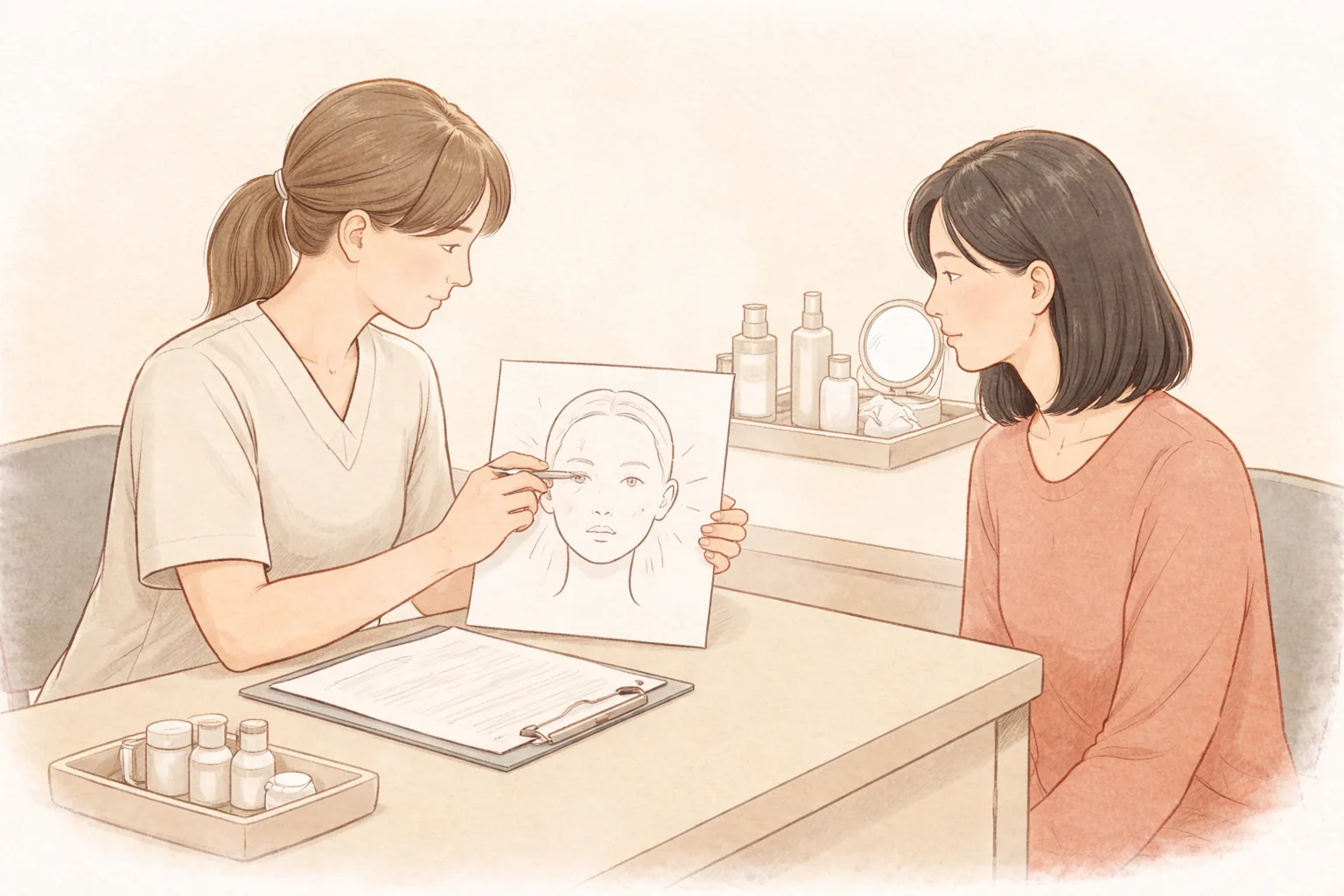
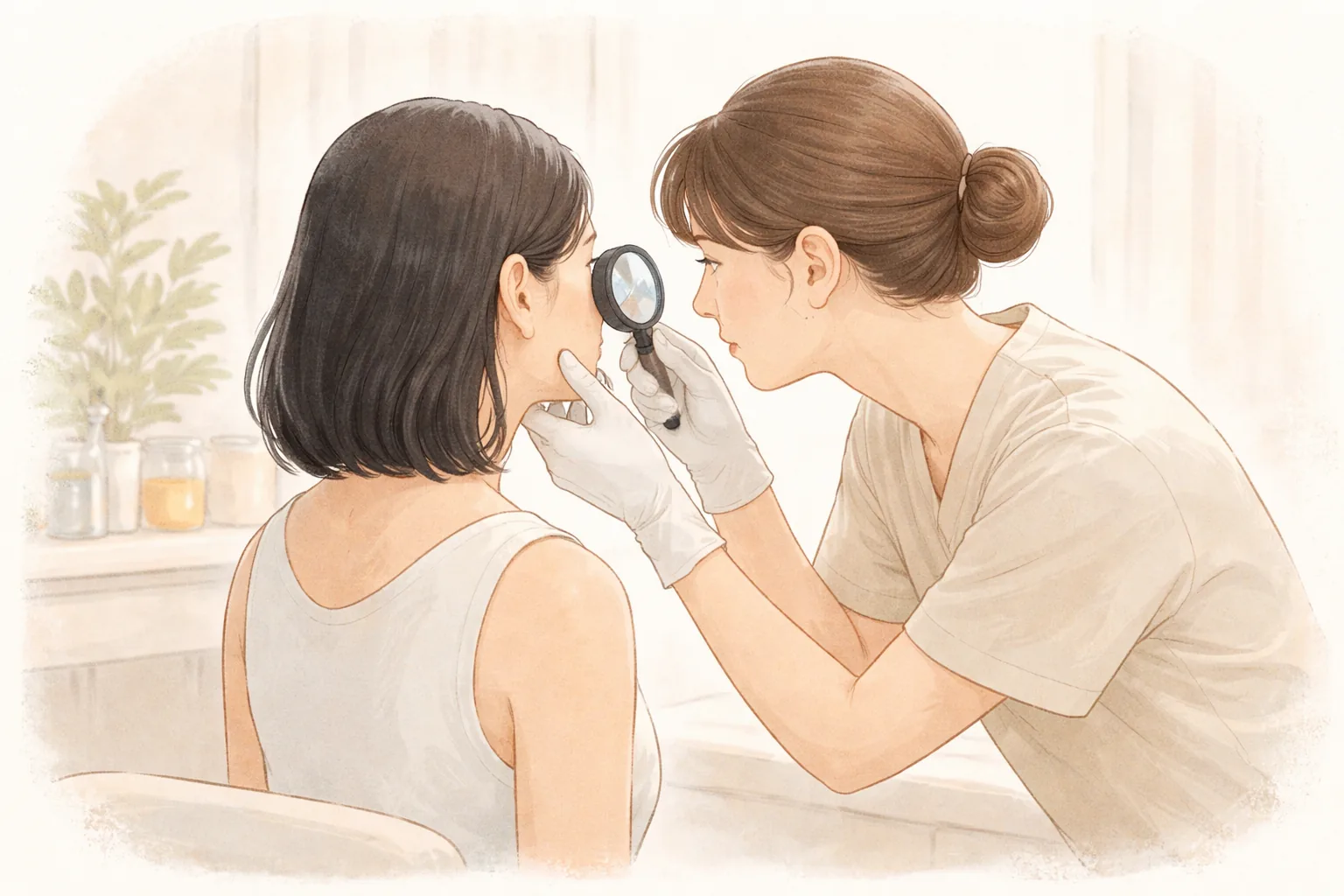
Doctor consultation — The type and depth of the mole, whether it can be removed for cosmetic reasons, and whether it needs diagnosis first are reviewed, and the removal method and order are planned.
Doctor-performed procedure — After anesthesia, the mole is removed, and if needed, a scar management plan is set for the same day or after healing. Mole removal planning varies with the number and size of moles (treatment guide).
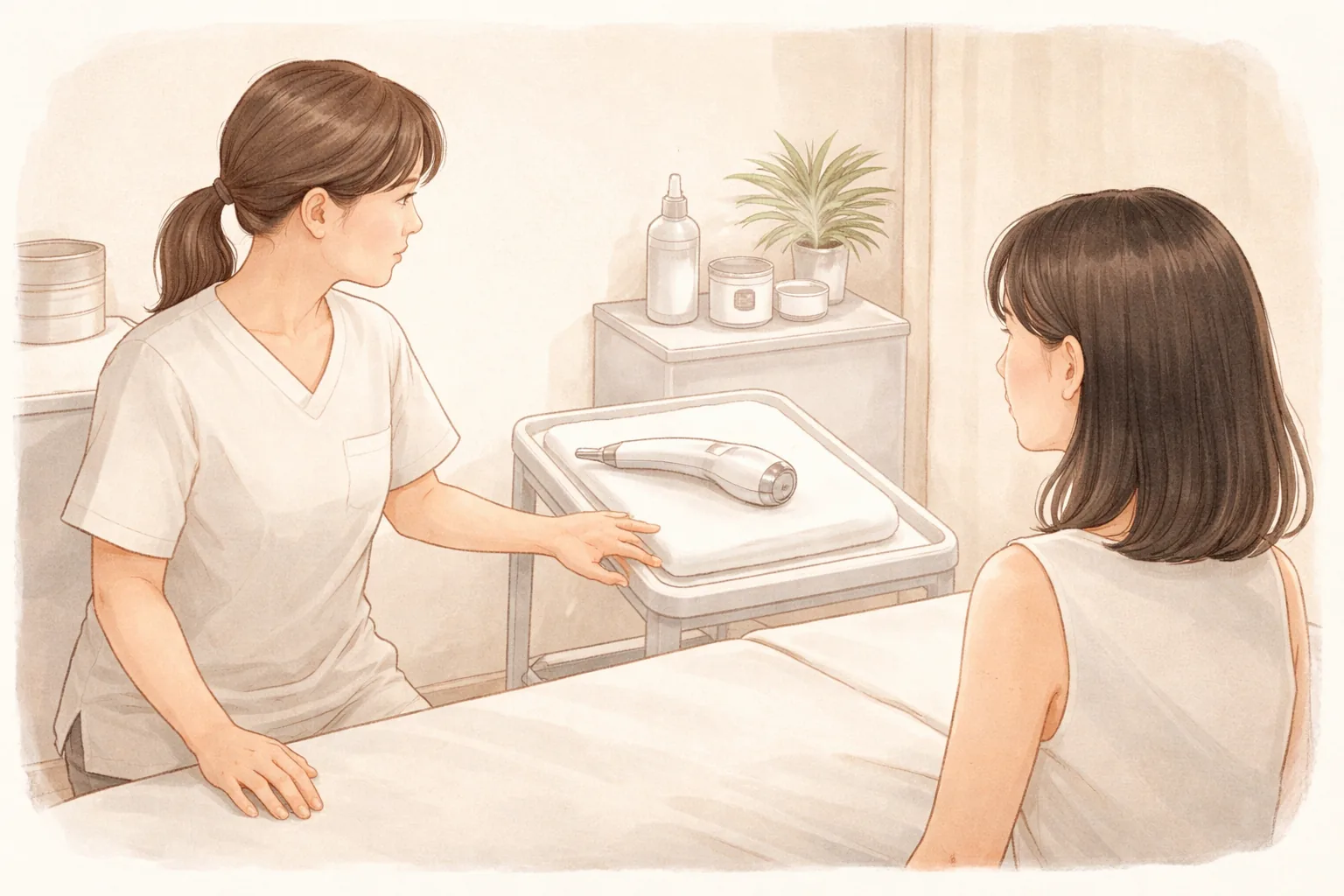
Recovery and care — Guidance is given on the healing period and subsequent care, and progress is checked. For scars and pores, erbium fractional and Potenza are used; for remaining pigment, pico toning; for redness and vessels, devices such as Vbeam are chosen to match the condition.
ATTITUDE Clinic's principle is not to proceed with more sessions or intensity than necessary for faster results (pore column).
Aftercare and side effects
Soothing — Redness and heat remain right after the procedure. Saunas, jjimjilbangs, and vigorous exercise raise skin temperature and dilate blood vessels, so it is better to avoid them during recovery.
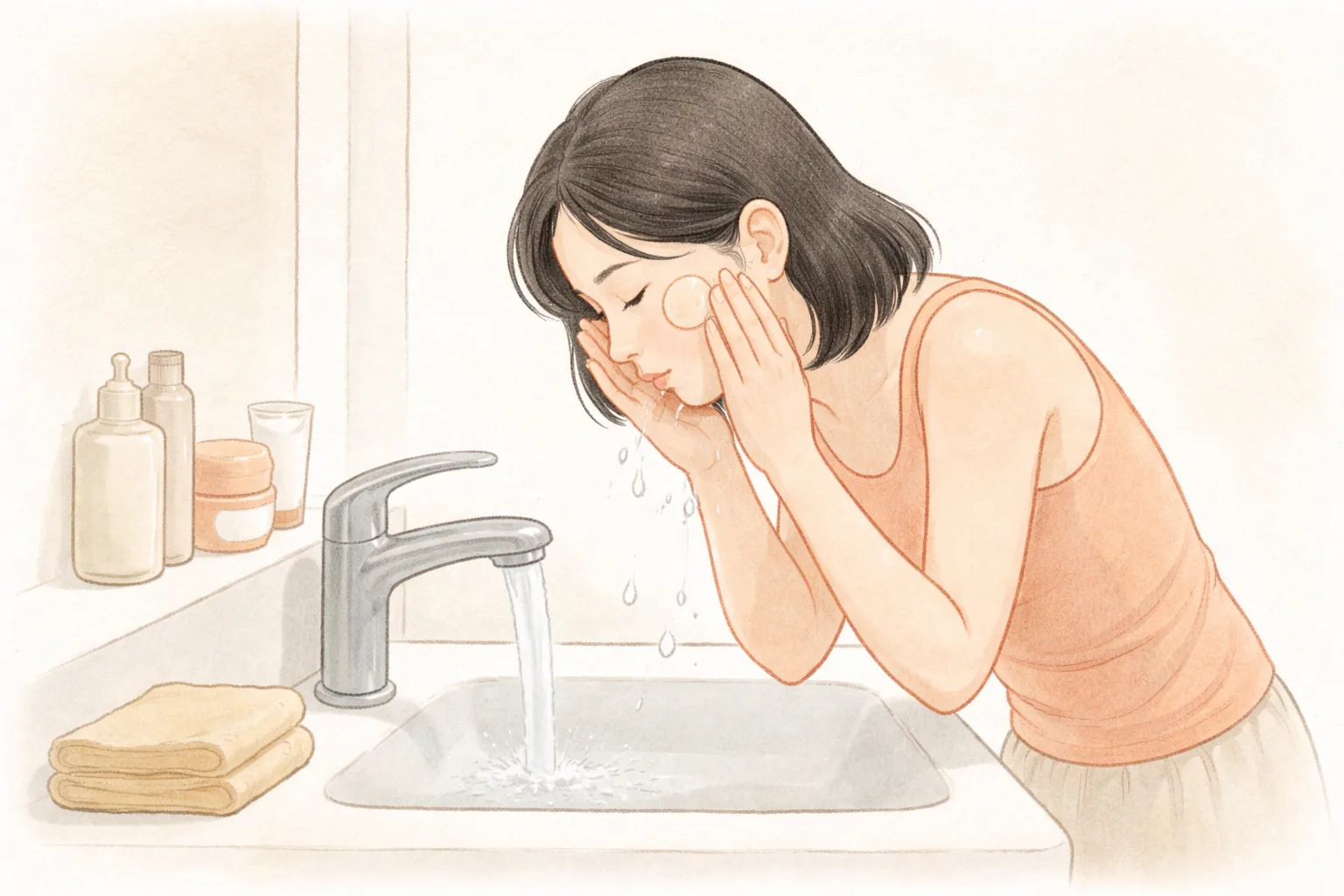
Moisturizing and dressing — The dressing covering the mole site is kept in place while the wound heals. The replacement interval and duration depend on the amount of exudate and the site, so follow the guidance from where you were treated. When washing, do not rub; gently wipe with lukewarm water.
Sun protection — For at least 2 weeks after the procedure, apply SPF 50+ sunscreen, and outdoors it is recommended to reapply about every 2 hours (laser column).
Progress checks — Even after healing, check the color and shape of the site periodically. If a removed mole grows back, do not wait and watch; get medical attention right away.
Commonly, the treated area becomes red or swollen, a crust forms, or the color temporarily darkens. If redness or stinging lasts more than 3 days or suddenly worsens, contact the clinic. Rarely, hypopigmentation, blisters, or scarring can occur, and pigment can return over time. After Potenza or erbium YAG laser, redness, swelling, dot-like marks, dryness, and thin crusting are common and usually settle within a few days to 1 week, and rarely burns, infection, or scarring can occur.
A mole site is difficult to erase completely without a trace. AAD guidance warns that removing a mole at home can cause scarring or infection and delay skin cancer diagnosis. Even when removed at a medical facility, the extent of the mark depends on the mole's depth and location and on your individual wound-healing response. No method can promise that no mark will appear at all; the goal is to make it less noticeable.
When does redness fade after mole removal?
Surface healing usually takes 2–3 weeks, and redness persists afterward. Laser downtime varies by type, with redness and swelling ranging from 2 days to 2 weeks; low-power toning takes hours to same-day, and treatments that form a crust take about 7–10 days. Even with the same mole removal, this period varies with how much energy was used and how thin the skin at the site is.
How long should a dressing stay on?
The dressing covering the mole site stays on while the wound heals. How long and how often to replace it depends on the amount of exudate and the site, so following the guidance from where you were treated is the accurate approach. Rubbing the wound during a change can damage new tissue, so wipe gently with lukewarm water. Once new skin has formed and the wound has fully healed, the dressing is removed and the focus shifts to sun protection.
Can a new mole just be removed with laser?
A mole that changes shape or color or that itches or bleeds should be checked for skin cancer before any cosmetic procedure. Some skin cancers can look like an ordinary brown spot. AAD guidance also explains that suspicious moles are removed and the tissue is examined under a microscope. Even for cosmetic reasons, the nature of the mole is reviewed first.
How do I choose a clinic for mole removal?
The standard is what the consultation checks, more than the name of the procedure. Look at how the type and depth of the mole are judged, whether the removal method and its reasoning are explained, whether the possibility of a mark and the recovery period are discussed, and whether unnecessary procedures are recommended. For a suspicious mole, also check whether the clinic has a system for diagnosis before any cosmetic procedure.
At a glance
Table 2 At a glance
Item
Key point
Healing period
Surface healing usually 2–3 weeks, redness continues afterward
Two types of marks
Color and redness problems, and tissue-loss depression problems
What changes the outcome
Mole depth and size, skin thickness at the site, individual wound-healing response, sun protection
Scar management tools
Fractional-type lasers that induce regeneration after micro-injury, Potenza delivering RF to the dermis, pico toning for remaining pigment
When to return
If redness or stinging lasts more than 3 days or worsens, or if a removed mole grows back
This article offers general health information. It is not a substitute for diagnosis or treatment based on your own condition, so please talk through your situation with a doctor.