Skin Booster Pain and Anesthesia: What Makes Injections More Comfortable
What determines pain during a SKINVIVE skin booster injection, numbing options like topical anesthesia and nerve blocks, common after-effects, and when to call the clinic, based on the ATTITUDE Clinic column and AAD guidance.
Written by ATTITUDE Clinic Editorial Team
For many people booking SKINVIVE, the most-searched question is pain. Questions like "It's injected many times, so how much does it hurt?" or "Will numbing cream alone be enough?" This article walks through what determines SKINVIVE pain, how anesthesia is prepared, what is a common reaction right after treatment, and when to notify the clinic.
The bottom line first
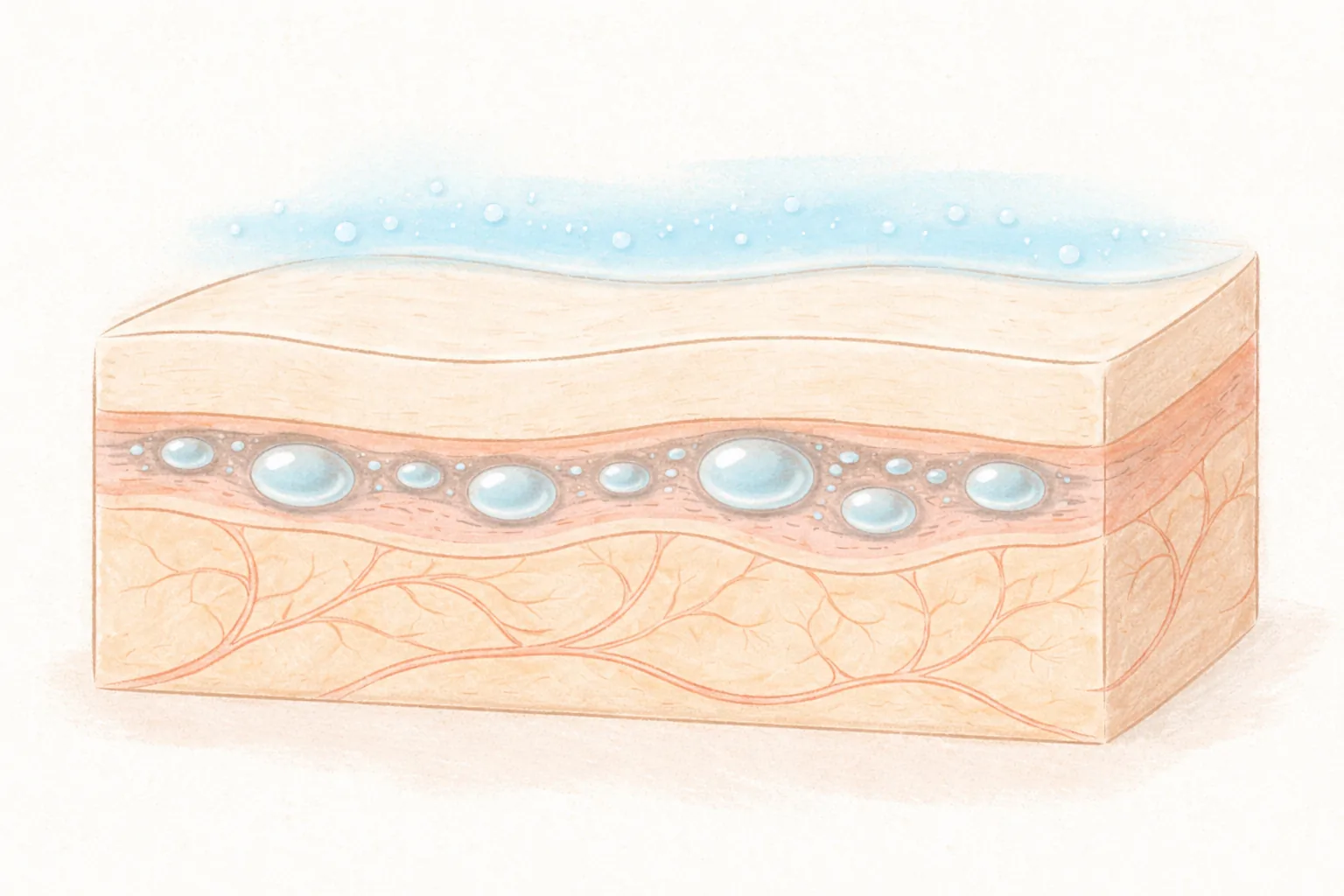
SKINVIVE is classified as a skin booster, an injection treatment delivered directly into the skin's foundation (treatment guide). Because it is an injection, a stinging sensation can occur as the needle passes and the liquid goes in. The degree of pain depends on the number of injection points, the area, skin thickness, and individual sensitivity. Topical anesthesia is the baseline, and if needed, methods such as ice, skin anesthetics, or a nerve block (injection) are used together (AAD filler guide). If the sensation becomes hard to tolerate during the treatment, tell the practitioner right away and the intensity can be adjusted (laser column).
Why can SKINVIVE sting?
Pain from an injection starts as the needle passes through the skin and the liquid settles into place. SKINVIVE is classified as a skin booster injection delivered directly into the skin's foundation (treatment guide). Skin boosters are injected into the dermal layer, and redness or stinging after injection is a common reaction from a few hours after treatment through the same day (collagen injection column).
There is also a misconception that "because it's called a skin booster, it won't hurt at all." But the injection method itself is the starting point of pain, and the AAD filler guide explains that ice, skin anesthetics, or a nerve block may be used before the procedure (AAD filler guide). Rather than being completely painless, it's closer to a question of how you prepare to reduce pain.
Even with the same injection, the sensation differs by area. The AAD notes that the hands usually don't need anesthesia, but the lips often need a nerve block (AAD filler guide). Areas with a lot of movement or thin skin, such as the cheeks and around the mouth, can feel more sensitive even at the same intensity.
What determines the degree of pain?
First is the treatment area and the number of injection points. Skin thickness and nerve distribution differ by area, and even with the same product, the stimulation felt differs depending on how many points it is divided across.
Second is individual sensitivity. In laser treatments too, pain varies greatly by type, intensity, treatment area, and individual sensitivity (laser column). For injections as well, telling the clinic in advance whether you are usually sensitive to pain or had a hard time with a previous treatment changes the preparation.
Third is the practitioner's hand and speed. Even when the same amount is placed at the same depth, the pressure felt can differ with injection speed and angle. That's why, in consultation, who performs the treatment and how matters as much as the anesthesia method. The AAD also notes that results depend heavily on the practitioner's skill and experience, and recommends asking how many times they have performed the procedure and how many patients with your skin tone and age range they have treated (AAD questions to ask).
So can "how much does it hurt" be answered with a number? Pain is a sensation, and people describe it differently. It is more realistic to tell the clinic your sensitivity and previous experience during consultation, and to communicate the sensation during the treatment as well.
How is anesthesia prepared?
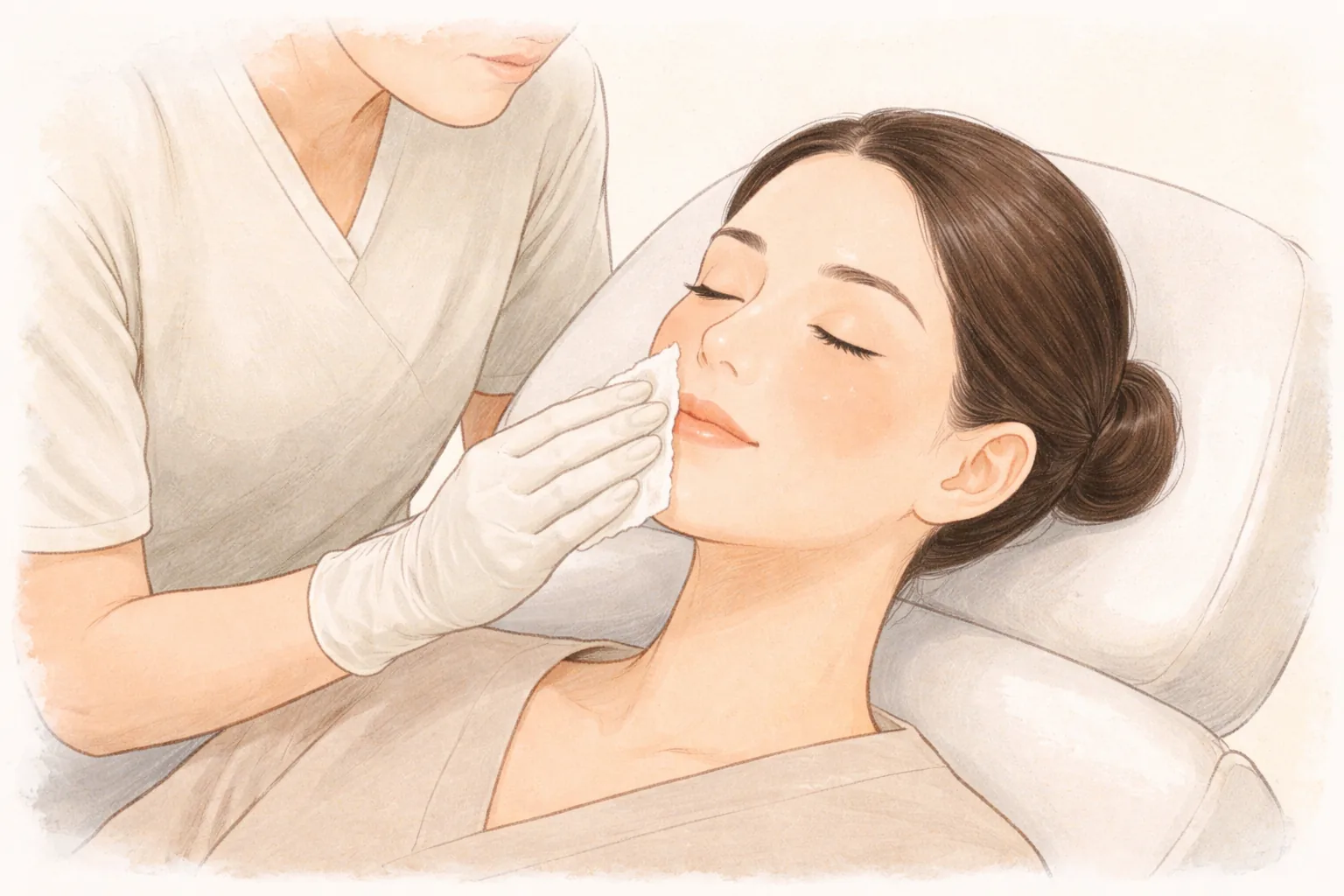
The baseline is topical anesthesia. Applying numbing cream sufficiently and waiting before starting the treatment reduces the discomfort of the needle passing. At ATTITUDE Clinic, discomfort is reduced with topical anesthesia and other methods as needed, and the doctor performs the treatment personally (laser column).
There are also options when topical anesthesia alone is not enough. According to the AAD filler guide, ice may be applied before the procedure, an anesthetic may be applied to the skin, or a nerve block (a method of temporarily reducing sensation with an injection) may be used (AAD filler guide). A nerve block is anesthesia given by injection, chosen depending on the area and situation.
There is something you should definitely ask during consultation. The AAD recommends asking before a cosmetic procedure whether anesthesia (pain relief) will be provided during the treatment (AAD questions to ask). It's good to confirm the anesthesia method and timing, and how discomfort during the treatment can be adjusted.
During the treatment, if the sensation becomes hard to tolerate, it's better to speak up rather than endure it. The laser column also advises that if the sensation becomes hard to tolerate during the treatment, telling the practitioner right away allows the intensity to be adjusted (laser column). For injections as well, there is room to adjust speed and points.
Table 1 How is anesthesia prepared?
Treatment
Injection / mechanism
What affects pain
What to confirm about anesthesia
Skin booster injections such as SKINVIVE
Delivered directly into the skin's foundation (treatment guide)
Number of injection points, area, individual sensitivity (laser column)
Topical anesthesia time, adjusting intensity during treatment (laser column)
Acts inside the skin without opening the surface (exosome column)
Device type, energy intensity, area (laser column)
Topical anesthesia, telling the practitioner immediately if uncomfortable (laser column)
Swipe sideways to see the whole table.
In summary SKINVIVE pain is mainly the stinging from the injection method, and the degree is determined by the area, number of points, and individual sensitivity. Topical anesthesia is the baseline, other anesthesia methods are added as needed, and telling the practitioner immediately about discomfort during the treatment is the most reliable way to adjust.
If this applies to you
When a ceremony, shoot, or important schedule is coming up
After an injection treatment, redness or bruising may remain for several days (collagen injection column). If you have a fixed schedule, tell the clinic the date first, and work backward from the recovery period to decide the timing. The laser column also advises that telling the clinic your schedule in advance allows the treatment type, intensity, and start timing to be adjusted (laser column).
When you are unusually sensitive to pain
If you had a hard time with a previous treatment, tell the clinic during consultation. Preparation can include allowing enough numbing time or adjusting injection speed (laser column). During the treatment too, it's better to speak up right away if it becomes hard to tolerate.
When you bruise easily
If bruising occurs, it can take more than 1 week to fade (collagen injection column). If you have an important schedule, it is safer to book the treatment with extra time before it. If you are taking any medications, tell the clinic during consultation (laser column).
International visitors on a short stay
If your stay is fixed, tell the clinic your return date and next schedule in advance. The laser column also advises that the intensity and type can be discussed to fit your stay (laser column). Injection treatments can affect your schedule through redness or bruising, so it's better to allow extra time.
Please tell us before your consultation
Whether you have had a lot of recent UV exposure
Medications you are taking (including blood thinners) and active ingredients in your skincare
Any experience of sensitive skin or prolonged redness after a previous treatment
Important schedules and dates such as ceremonies, shoots, travel, or business trips
Whether you are sensitive to pain and whether you feel you need anesthesia
How ATTITUDE Clinic proceeds
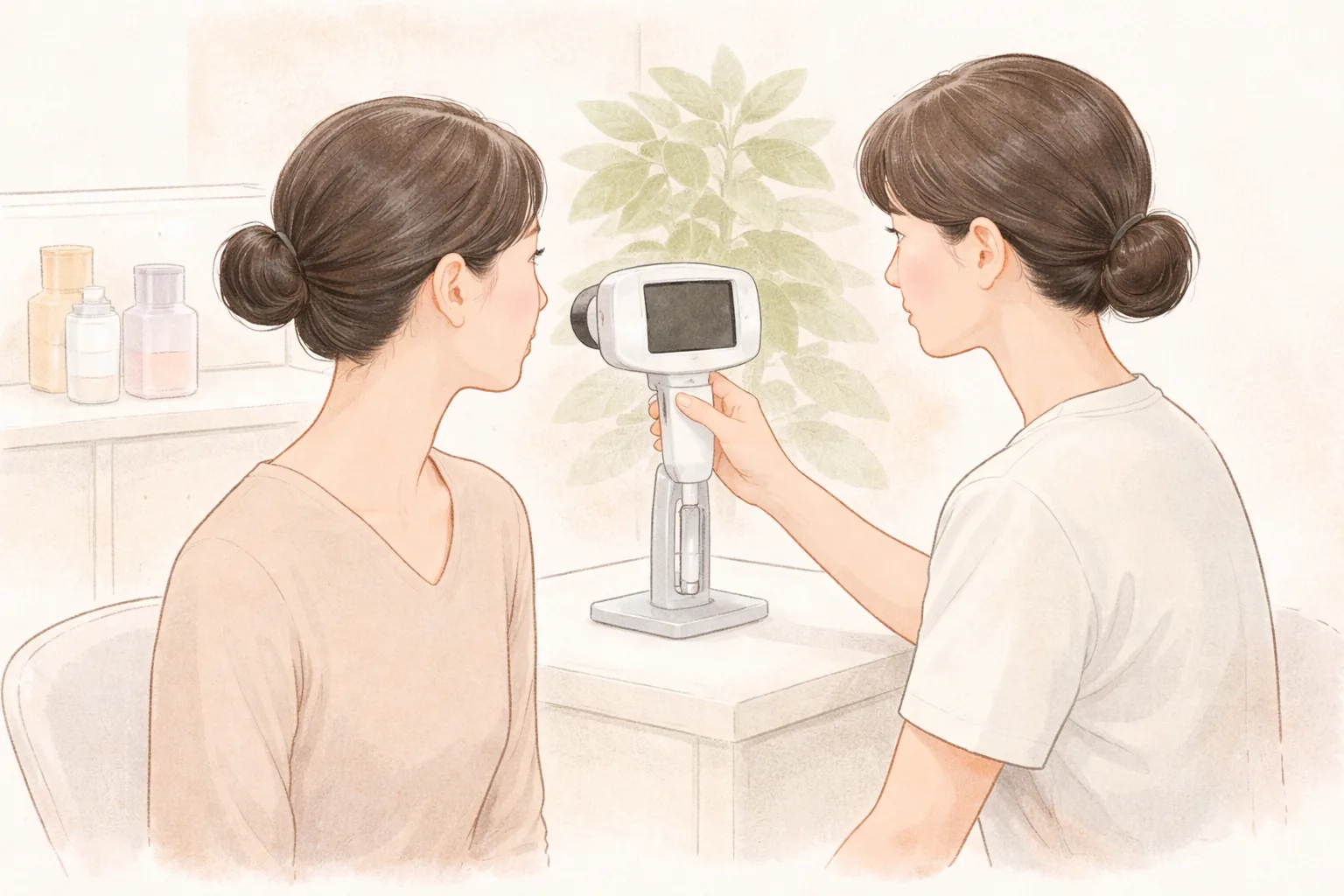
AI skin analysis record — Current skin condition, including pigment, redness, texture, and pores, is recorded with AI skin analysis. The analysis tool records and organizes information to support consultation and is not a medical diagnosis (laser column).
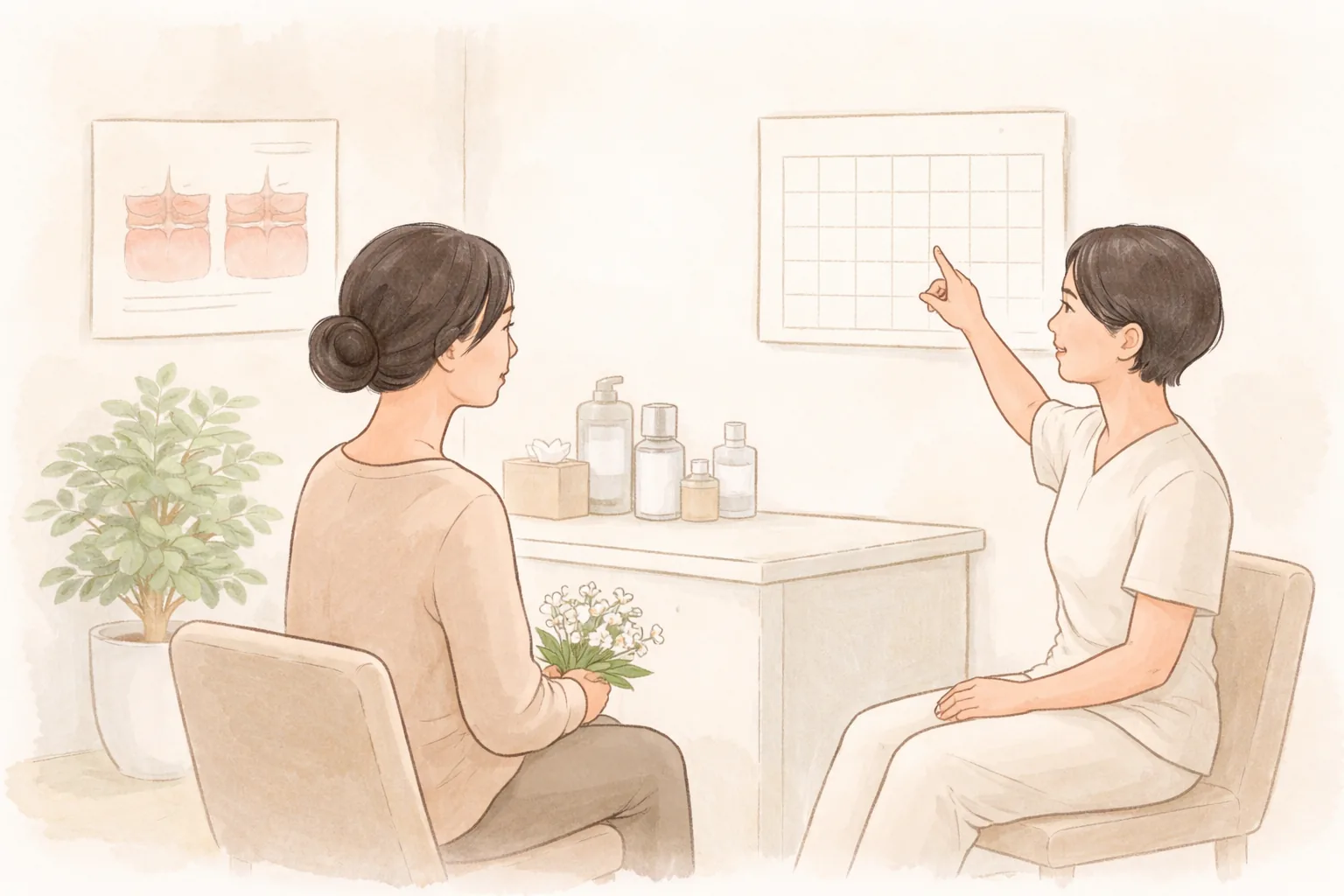
Doctor consultation to design the direction — The analysis record plus your schedule, pain sensitivity, and skin history are used to decide the treatment type, intensity, and timing together. The anesthesia method is also decided at this stage (laser column). The AAD also recommends hearing enough about indications, risks, benefits, and alternatives during consultation before deciding (AAD questions to ask).
Treatment performed personally by the doctor — Discomfort is reduced with topical anesthesia and other methods as needed, and the doctor performs the treatment personally. Treatments beyond what is needed are not recommended (laser column).
Recovery and care — Sun protection and moisturizing are advised after treatment, and you are told to avoid irritating care during the recovery period (laser column).
Among treatments introduced in the ATTITUDE Clinic treatment guide related to this topic, SKINVIVE (SKINVIVE · Allergan 1cc) is listed under the skin booster category (treatment guide). It can be found under the injection and skin booster section.
Aftercare and side effects
After an injection treatment, care proceeds in the following order.
Soothing — Redness and stinging are common on the day of treatment. Do not press hard or massage the injection site, and wash your face lightly starting 4–6 hours later (collagen injection column).
Moisturizing — Because the skin is temporarily sensitive, keep up moisturizing, and avoid irritating exfoliation or scrubs for the period advised (laser column).
Sun protection — Apply SPF 50+ products carefully throughout the recovery period. Makeup can be worn starting the next day (collagen injection column).
Checking progress — If bruising occurs, it can take more than 1 week to fade, and the injection site may feel uneven for a while. If it continues, notify the clinic (collagen injection column).
Common reactions include redness, stinging, temporary swelling, bruising, and unevenness at the injection site (collagen injection column). Rarely, infection, allergic or foreign body reactions, or small lumps (nodules) may occur (collagen injection column). There is also a rare risk that the injected product can block or damage blood vessels, and the practitioner's experience and anatomical understanding influence the outcome (collagen injection column).
There are also signals not to wait on. If pain is different from usual or worsens, if the skin at the injection site turns white, mottled, or blue-gray or black, or if there is any change in vision, you should seek care immediately (collagen injection column). If swelling, pain, or heat sensation continues, contact the clinic as well (collagen injection column).
Frequently asked questions
How much does SKINVIVE treatment hurt?
Because it is an injectable skin booster, a stinging sensation can occur as the needle passes. The degree depends on the number of injection points, the area, skin thickness, and individual sensitivity (laser column). Redness or stinging is a common reaction from a few hours after treatment through the same day (collagen injection column). The standard for "this is fine" differs from person to person, so it's better to tell the clinic your sensitivity during consultation and decide the anesthesia method together.
Is numbing cream alone enough, or are there other options?
Topical anesthesia is the baseline, and if needed, ice, skin anesthetics, or a nerve block (injection) can be used together (AAD filler guide). The anesthesia method differs by area, and some areas, such as the lips, may need a nerve block (AAD filler guide). Numbing cream needs time to be applied and to work, so it's good to arrive earlier than your appointment time to apply it sufficiently. Confirm in consultation whether anesthesia will be provided during the treatment (AAD questions to ask).
How long do bruising and swelling last after treatment?
Temporary swelling lasts 1–3 days, and if bruising occurs, it can take more than 1 week to fade (collagen injection column). The injection site may feel uneven for a while, and it usually settles over time (collagen injection column). If you have an important schedule, it is safer to book the treatment with extra time before it. If bruising keeps spreading or pain worsens, notify the clinic.
How do you prepare for the rare risks of injection treatments?
A rare risk that the injected product can block or damage blood vessels has been reported (collagen injection column). If there is pain different from usual, a change in skin color, or a change in vision, seek care immediately without waiting (collagen injection column). The AAD also notes that cosmetic procedures can carry risks like other medical procedures, and recommends confirming risks and alternatives sufficiently during consultation (AAD questions to ask). Before treatment, tell the clinic about medications you take, allergies, and previous reactions.
What should you check when choosing a clinic?
Look at the consultation process rather than the equipment list. The AAD recommends asking how many times the practitioner has performed the procedure, how many patients with your skin tone and age range they have treated, and how they explain results and recovery time (AAD questions to ask). Whether they explain anesthesia and how to handle side effects during consultation is also worth checking (AAD questions to ask). ATTITUDE Clinic proceeds in the order of AI skin analysis record, doctor consultation, treatment performed personally by the doctor, and recovery care (laser column). Which treatment fits your concern is decided after looking at your skin condition.
At a glance
Table 2 At a glance
Item
Key point
Nature of pain
Stinging as the needle passes, redness and stinging from a few hours after treatment through the same day
What determines pain
Area and skin thickness, number of injection points, individual sensitivity, treatment speed
Anesthesia preparation
Topical anesthesia as baseline, ice, skin anesthetics, or nerve block as needed
Adjusting during treatment
Tell the practitioner right away if hard to tolerate to adjust intensity and speed
Common reactions
Swelling 1–3 days, bruising possibly more than 1 week, unevenness
Signals to contact immediately
Worsening pain, skin color changes, vision changes
This article offers general health information. It is not a substitute for diagnosis or treatment based on your own condition, so please talk through your situation with a doctor.